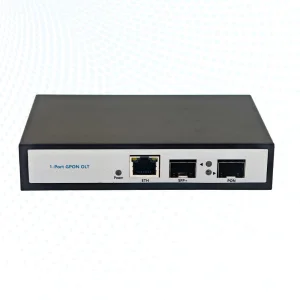
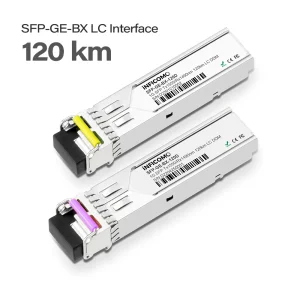
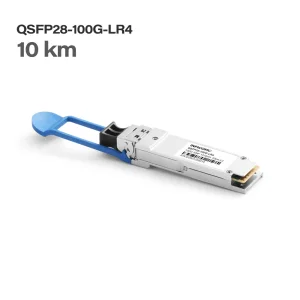
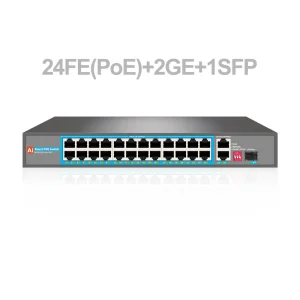
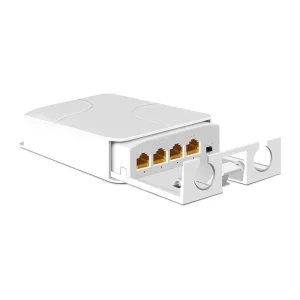
Optimized for Bulgarian regional ISPs, utility networks, and municipal broadband architectures demanding high port density and EU-standard compatibility.
Evaluating the market dynamics, regulatory environments, and structural transitions within Eastern European telecommunications.
Bulgaria stands as a prominent digital front-runner in Southeastern Europe, boasting some of the fastest broadband speeds globally and a remarkably high proportion of Fiber-to-the-Home (FTTH) connectivity. This digital architecture has been fueled by intense local competition among regional Internet Service Providers (ISPs), national telcos, and municipal utility providers in key metropolitan areas such as Sofia, Plovdiv, Varna, and Burgas. Historically, the Bulgarian market skipped copper-based DSL migrations in favor of direct LAN and optical deployments, making fiber hardware technology a pivotal cornerstone for both urban and rural enterprise networks.
Currently, the Bulgarian broadband market is characterized by a rapid migration toward Next-Generation Access (NGA) architectures. As demand for symmetrical gigabit speeds, ultra-low latency, and high-density user capacities escalates, legacy network topologies are proving insufficient. Modern deployments rely heavily on advanced GPON (Gigabit Passive Optical Network) technology, transitioning smoothly toward XG-PON and XGS-PON systems. The integration of GPON OLT (Optical Line Terminal) devices allows local carriers to maximize structural efficiency, using passive optical splitters to serve up to 128 End-User ONUs (Optical Network Units) per PON port, dramatically reducing operational expenditure (OPEX) and fiber deployment footprints.
Bulgarian network architectures require products that fully conform to ETSI and ITU-T G.984 guidelines. The deployment of high-resilience OLT units with integrated IPv6 support guarantees future-proof integration into national public sectors and enterprise environments.
This regional transformation is closely aligned with the European Union’s Digital Decade 2030 targets, which emphasize high-speed connectivity for all households and public institutions. Consequently, national grants and private infrastructure investments in Bulgaria are increasingly targeted at rural broadband expansion. For Chinese manufacturers and global exporters like Shenzhen Soras Technology Co., Ltd. (Soraslink), understanding the specific technical guidelines of Bulgarian network operators, compliance with European CE regulations, and compatibility with diverse third-party ONUs are absolute prerequisites for establishing authoritative partnership roles within the market.
A trusted global supplier delivering validated optical networking solutions to over 60 countries.
For modern network architects and enterprise purchasers, buying GPON hardware is not merely a transaction; it is a critical infrastructure decision that dictates network reliability for decades. Global procurers, particularly those serving Eastern European regional nodes, look closely at physical and logic-level integration. Key issues include interoperability with multi-vendor ONTs, compatibility with international EMS (Element Management System) platforms, and strict heat-dissipation and power consumption designs.
Soras Technology (Soraslink) addresses these procurement requirements through an end-to-end integration strategy. Located in Guangdong, China, the facility utilizes specialized production lines focused on meeting individual hardware specifications. The OLT systems feature robust hardware structures supporting hot-swapping configurations, dual power redundancy (AC/DC inputs), and a broad operational temperature range, ensuring reliable performance in harsh environmental zones like the Balkan Mountain regions.
| Shenzhen Soras Technology Co., Ltd. - Corporate Specifications | |||
|---|---|---|---|
| Business Type | OEM/ODM Manufacturer & Exporter | Country / Region | Guangdong, China |
| Main Products | FTTH ONU & OLT, SFP Transceiver Modules, Fiber Media Converters, POE Switches, Fiber Optic Equipment | Total Employees | 11 - 50 Professional Staff |
| Annual Revenue | US$5 Million - US$10 Million | Year Established | 2021 |
| Key Certifications | ISO 9001, CE, FCC, RoHS, UL Compliant Production | Core Target Markets | Europe, South America, North America, Domestic Market |
Depending on the deployment landscape, the physical and optical requirements change. Soras Technology designs and scales GPON OLT frameworks to accommodate three main deployment paradigms:
Experience true manufacturing authority through step-by-step Quality Control and advanced simulation diagnostics.
The manufacturing facility at Soras Technology integrates advanced SMT (Surface Mount Technology) processes with rigorous validation protocols. To satisfy stringent European telecom requirements, every GPON OLT and ONU undergoes a series of hardware and software inspections. This includes automated optical inspections, Wi-Fi calibration, functional software simulation, and environmental chamber testing to verify physical stability under varying weather conditions.






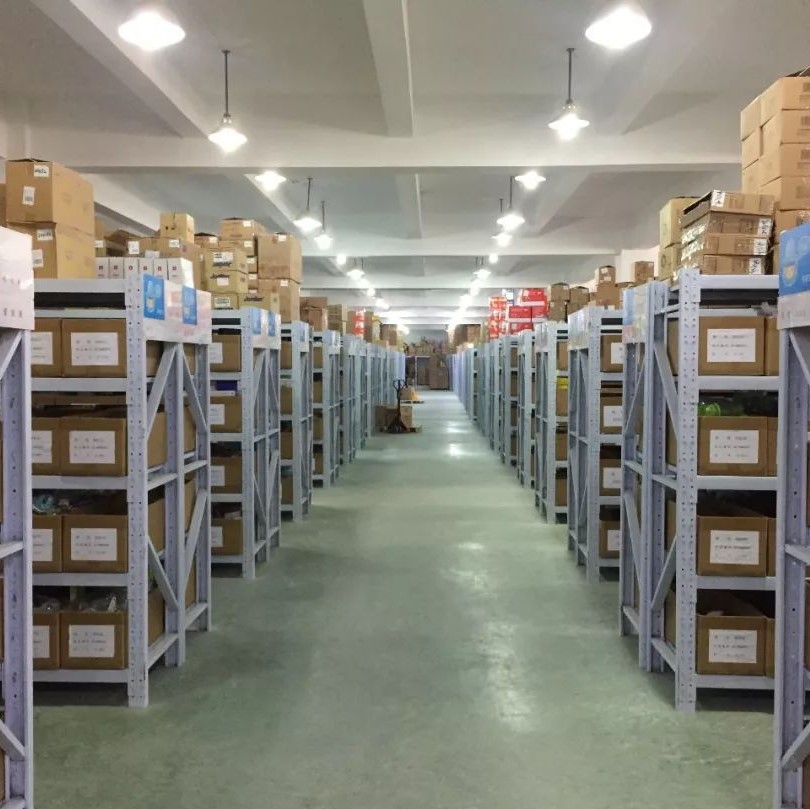
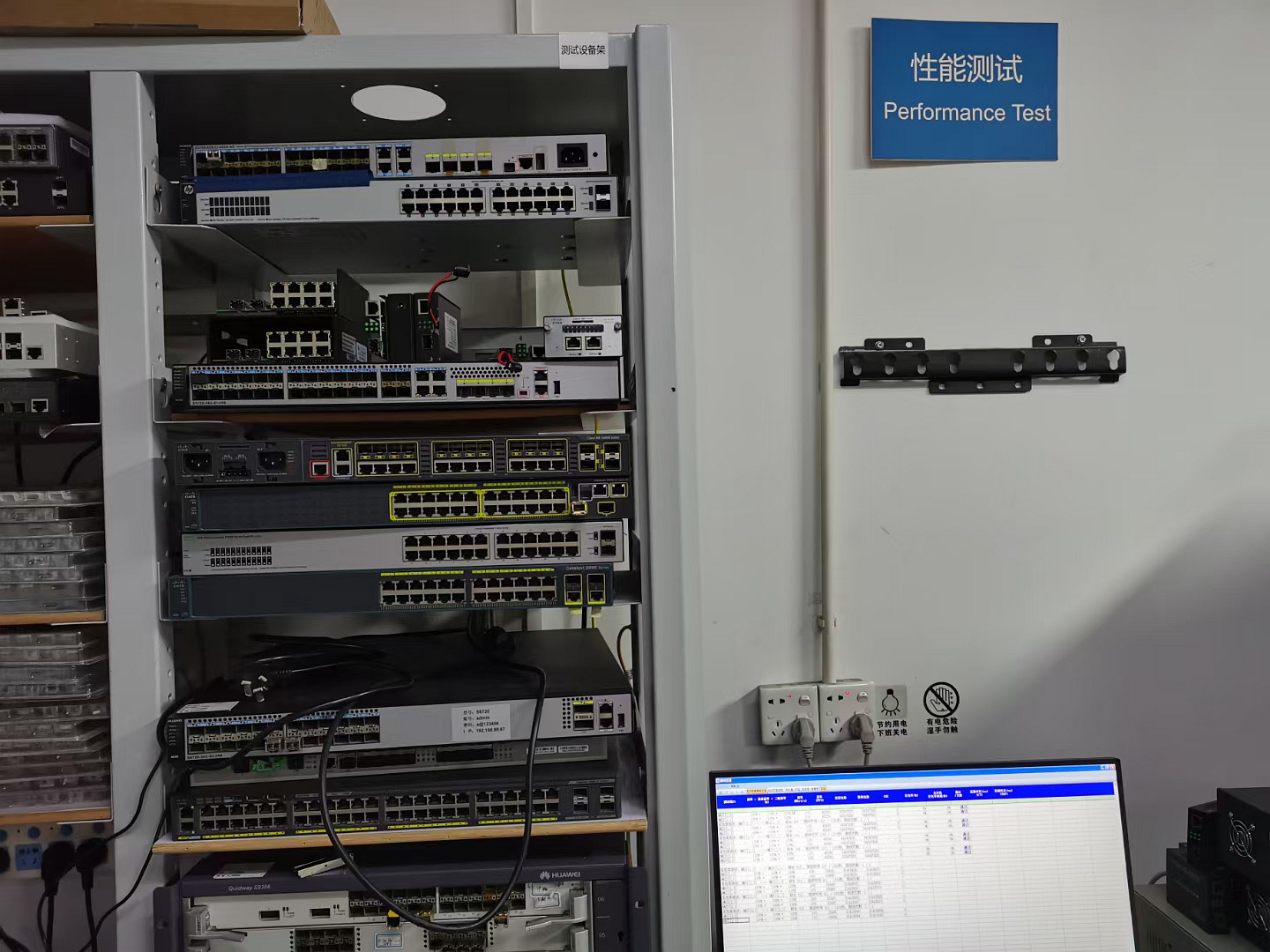
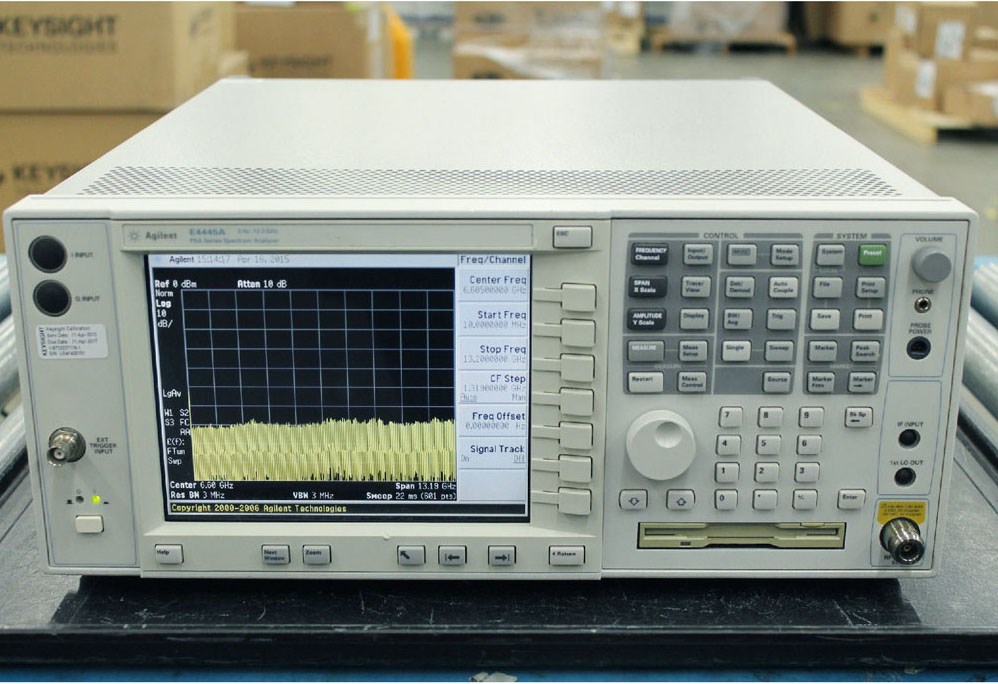
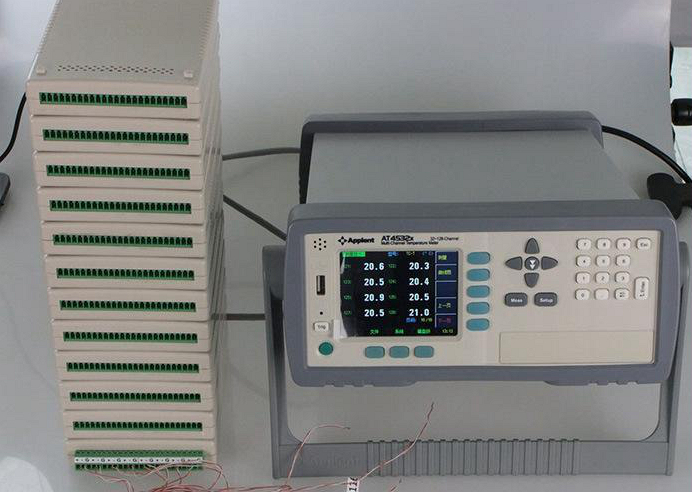
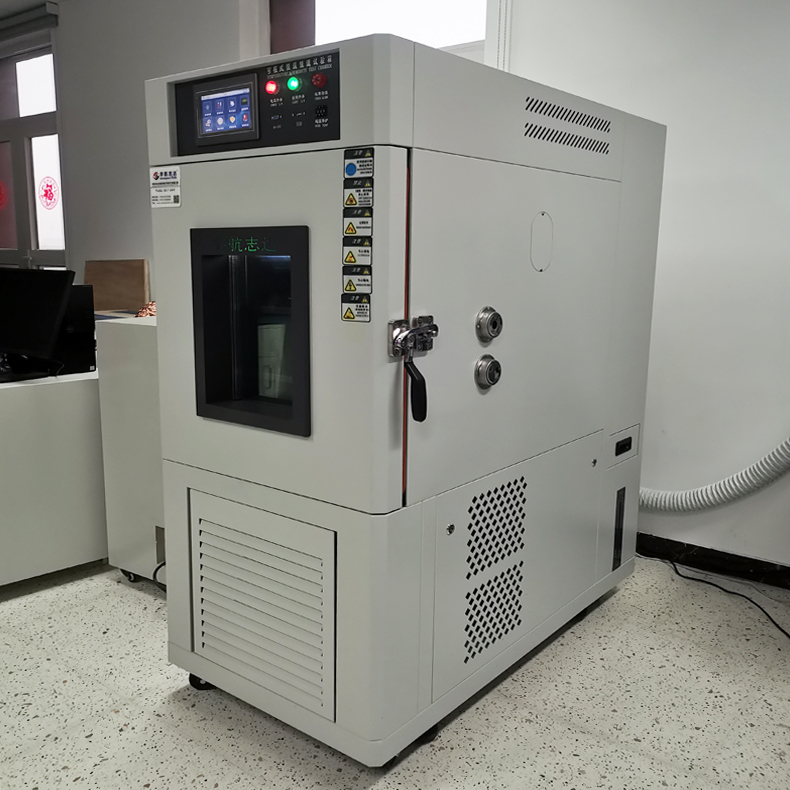
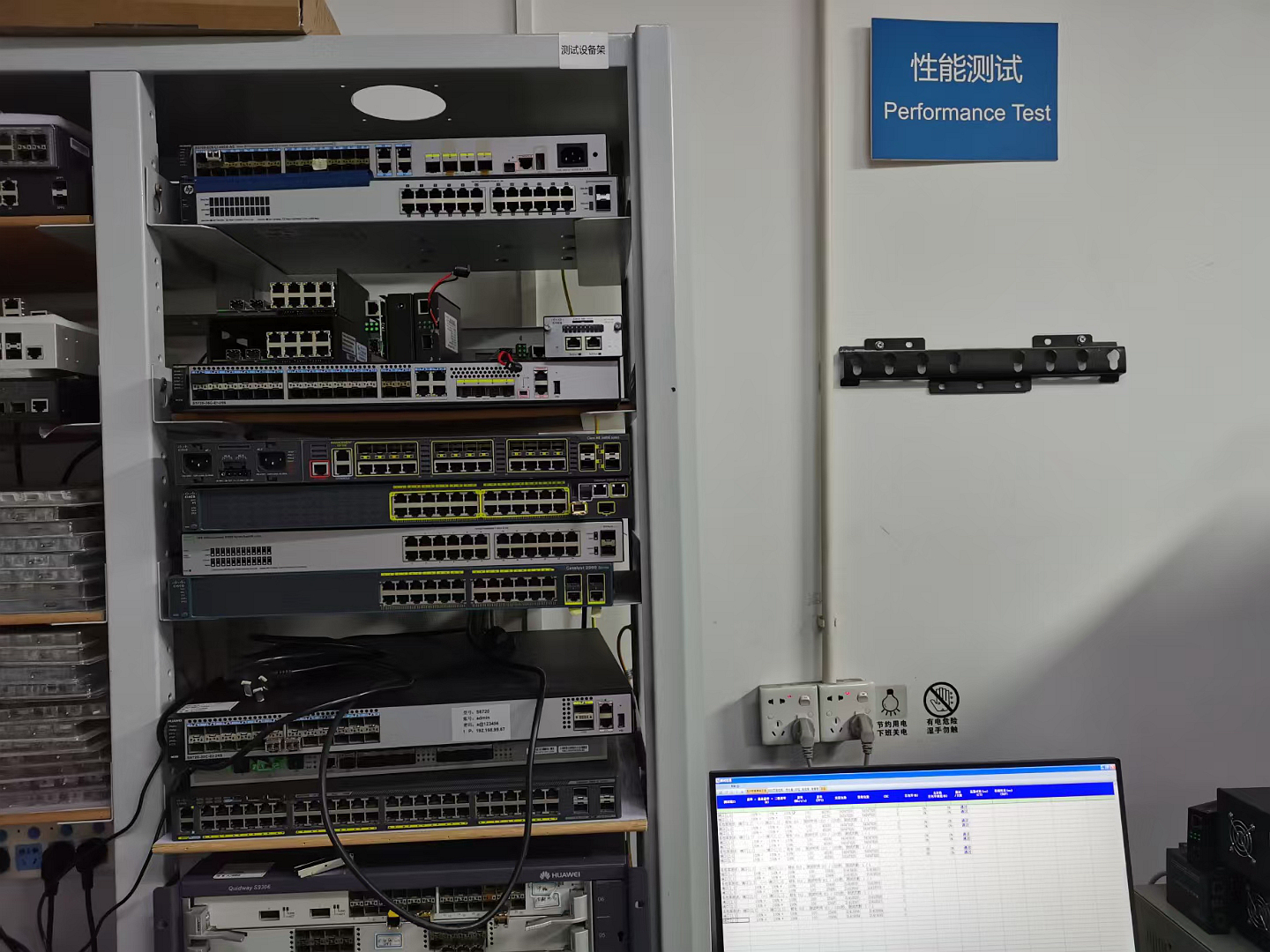
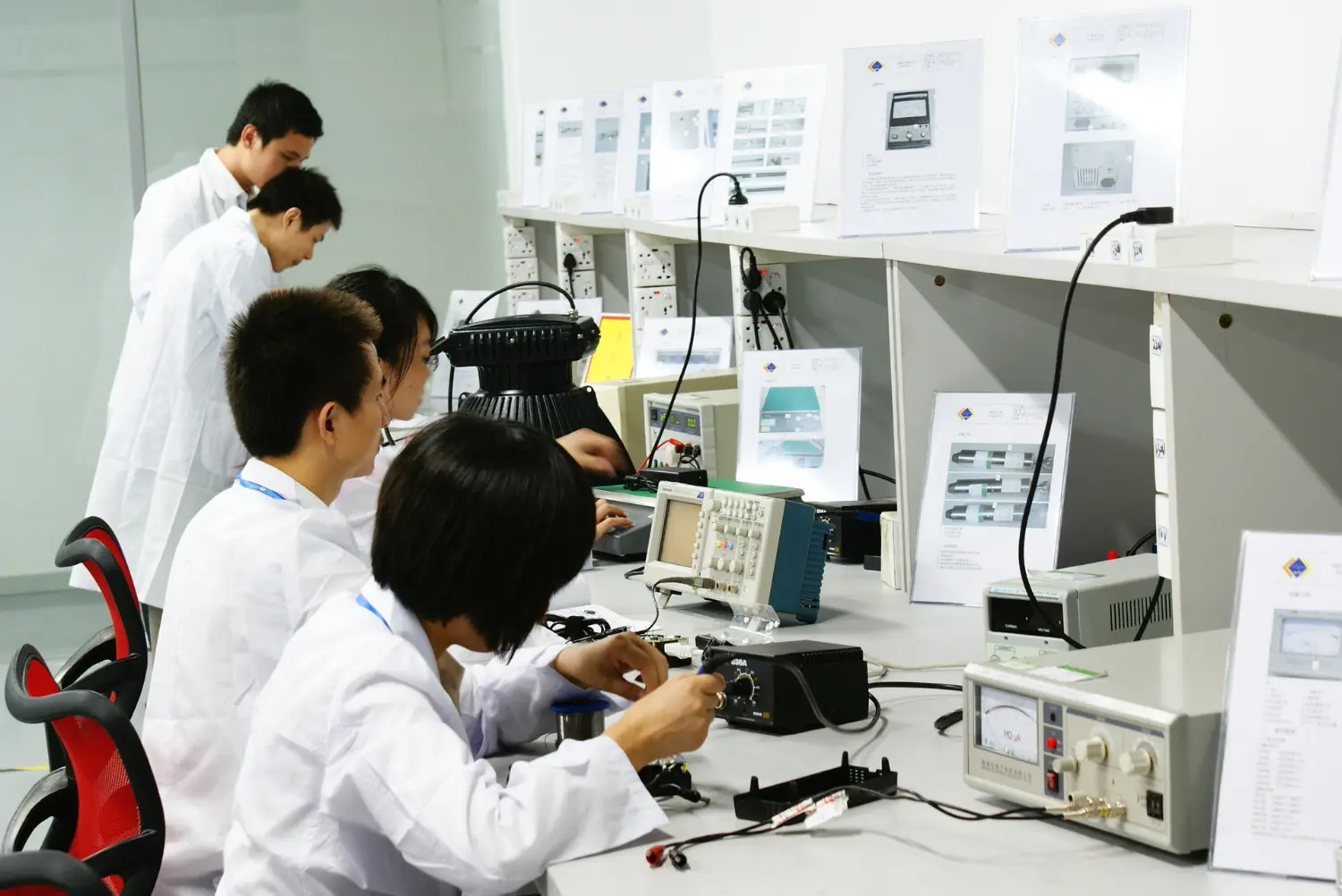 System Functional Test: Certified 100% Zero-Loss Delivery to European Ports
As internet bandwidth requirements grow, the standard 2.488 Gbps downstream and 1.244 Gbps upstream capacity of GPON is facing physical capacity limits. This is particularly true in tech-heavy Bulgarian business hubs like Sofia Tech Park. To address this, Soras Technology’s engineering roadmap is built around coexistence. Our current OLT hardware lineup features dual-mode architecture, allowing co-existence of traditional GPON and newer XG(S)-PON wavelengths (1270nm/1577nm) over the exact same physical fiber distribution network (ODN).
This allows Bulgarian network operators to transition incrementally, upgrading client terminals on demand without requiring a complete overhaul of the existing splitters or central office frame arrangements. The integration of Class C+ high-power optical modules extends the link budget, supporting split ratios up to 1:128 over distances exceeding 20 kilometers, helping bridge the digital divide in rural communities.
Complete deployment ecosystem including high-speed Wi-Fi ONTs, long-range optical transceivers, and rugged PoE network switches.
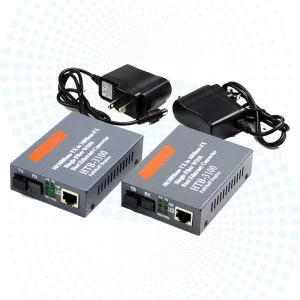
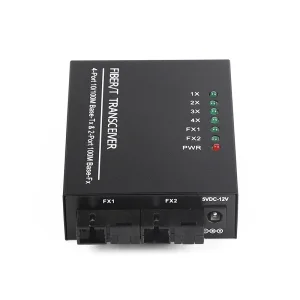
Completing the network topology with rugged diagnostic tools and high-compatibility fiber media converters.
In-depth insights into configuration, standards compliance, and local logistics for Bulgarian network operators.
Our GPON OLT units are fully CE, RoHS, and FCC certified. They are produced in our ISO 9001-certified factory in Shenzhen and meet all European Union low-voltage and electromagnetic compatibility directives.
Yes, our GPON OLT devices adhere to the standardized ITU-T G.984 OMCI protocol. This standard implementation ensures interoperability with major third-party ONU brands, including Huawei, ZTE, Fiberhome, and other mainstream chipset vendors.
During production, our units undergo environmental chamber testing, exposing components to extreme high and low temperature cycles. This ensures that field installations, whether in heated indoor offices or unconditioned outdoor enclosures in mountainous regions, maintain reliable, continuous service.
We provide comprehensive firmware and software customization services, allowing operators to pre-configure VLAN structures, customize administrative UI interfaces, configure TR-069 management server URLs, and apply regional hardware branding.
Partner with a reliable manufacturer offering technical support, flexible volume pricing, and EU-compliant hardware designs.
Send Inquiry Now Soras Tech