Explore our cutting-edge selection of optical line terminals (OLT) and high-performance transceivers optimized for high-density, low-latency broadband distribution.
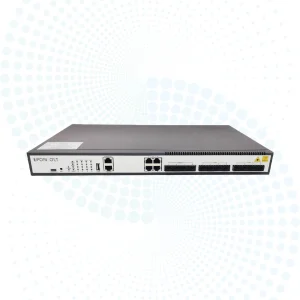
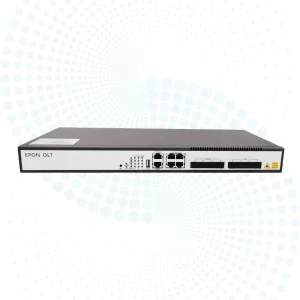
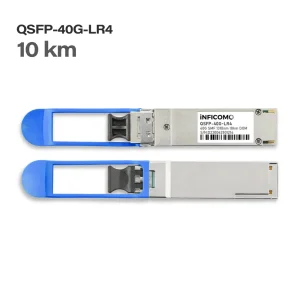
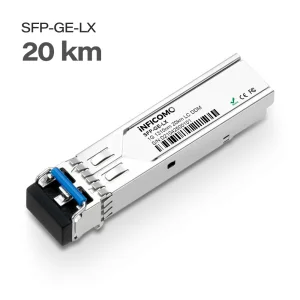
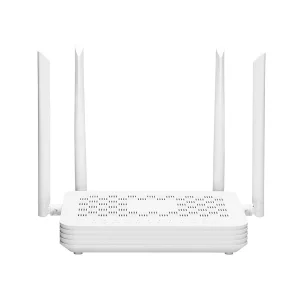
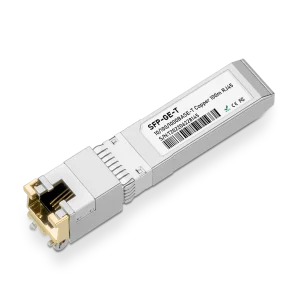
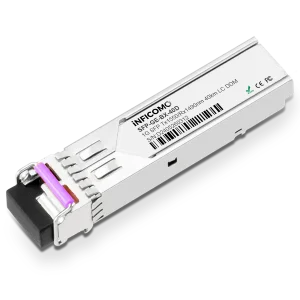
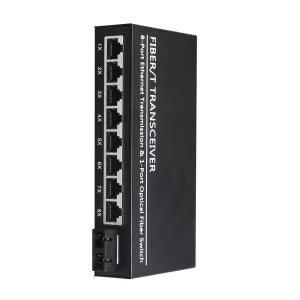
In an era dominated by high-bandwidth demands—ranging from ultra-high-definition 8K streaming and smart-home Internet of Things (IoT) ecosystems to heavy-industry cloud migration and ultra-low-latency 5G backhaul—passive optical networking (PON) has solidified its position as the bedrock of global telecommunications infrastructure. The modern fiber-to-the-home (FTTH), fiber-to-the-building (FTTB), and fiber-to-the-office (FTTO) networks rely heavily on the performance, adaptability, and capacity of Optical Line Terminals (OLTs).
Our core systems represent a unified approach to high-performance optical access. As seasoned manufacturers, we recognize that selecting between GPON (Gigabit Passive Optical Network) and EPON (Ethernet Passive Optical Network) technologies requires deep understanding of structural protocols, traffic prioritization, and capital expenditure (CAPEX) vs. operational expenditure (OPEX) constraints. By introducing unprecedented hardware density and software flexibility, the GPON/EPON OLT series bridges legacy ethernet infrastructures with next-generation high-capacity passive optical networks.
Understanding the core differences between the two leading PON technologies is crucial for network architects making long-term procurement decisions:
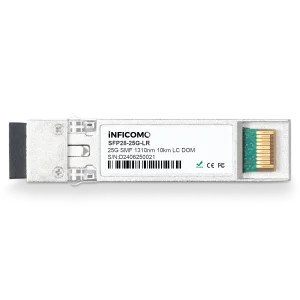
The industry is undergoing rapid migration to 10G-PON systems. Current architectures must support co-existence bands, enabling network operators to run legacy EPON/GPON systems and high-speed 10G/XGS-PON on the same optical distribution network (ODN). Selecting a future-proof OLT that supports multi-rate transceivers (from 1.25G to 10G and 25G) is the single most important factor in preventing premature hardware deprecation.
Network procurement professionals do not just buy hardware; they secure network stability, scalability, and device interoperability. Based on deep user intent mining within the telecommunication procurement sectors, we address the three main priorities that influence enterprise decisions:
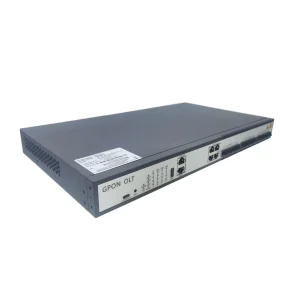
For space-constrained central offices, 1U 19-inch chassis systems are the gold standard. They optimize rack-unit efficiency while providing up to 8 or 16 PON ports, serving thousands of end-users from a compact, energy-efficient enclosure.
Robust operation requires full network redundancy protocols like ERPS (Ethernet Ring Protection Switching) for fast sub-50ms self-healing, STP/RSTP/MSTP to prevent broadcast loops, and advanced QoS to prioritize voice, video, and data.
Operators avoid vendor lock-in by seeking OLTs that fully comply with standard OMCI (ONT Management and Control Interface) protocols, ensuring compatibility with third-party optical network units (ONUs).
GPON/EPON technology adapts dynamically across diverse geographical and structural applications:
Shenzhen Soras Technology Co., Ltd. represents the cutting edge of Guangdong's electronic and optical manufacturing ecosystem. Based in China's technological hub, we leverage advanced supply chain integration, automated SMT (Surface Mount Technology) assembly lines, and rigorous validation tests to deliver reliable performance.
Our manufacturing facility operates under the strict guidelines of ISO 9001 quality management systems. Every product—from the smallest 1.25G transceiver to our complex 8-port 10G EPON OLT—undergoes multiple automated and manual quality checks. Our SMT line uses automated optical inspection (AOI) to verify component placement accuracy, followed by wave and reflow soldering.




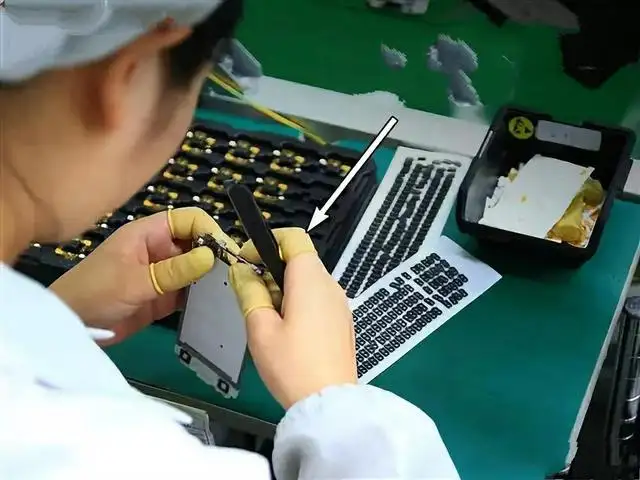


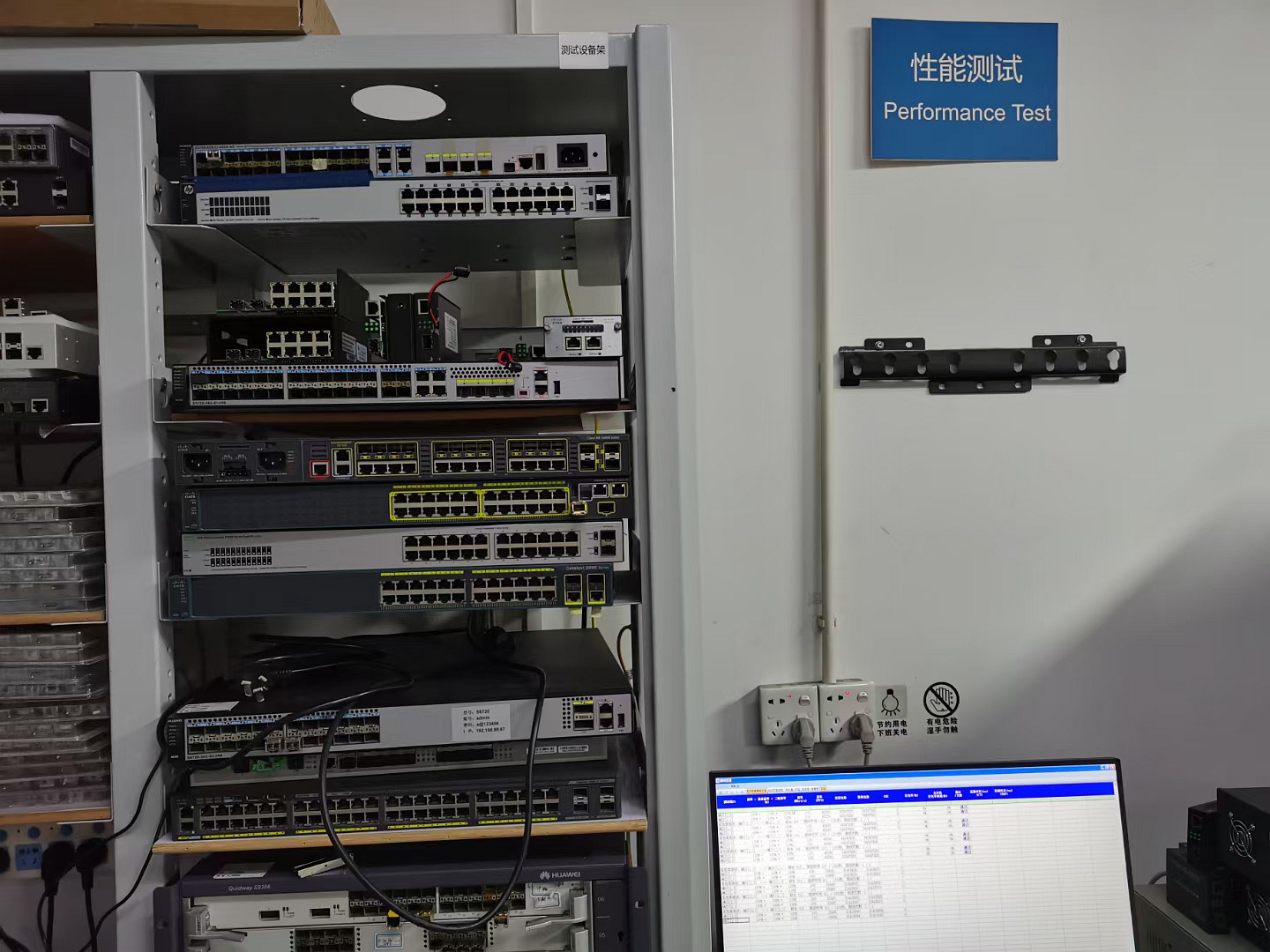
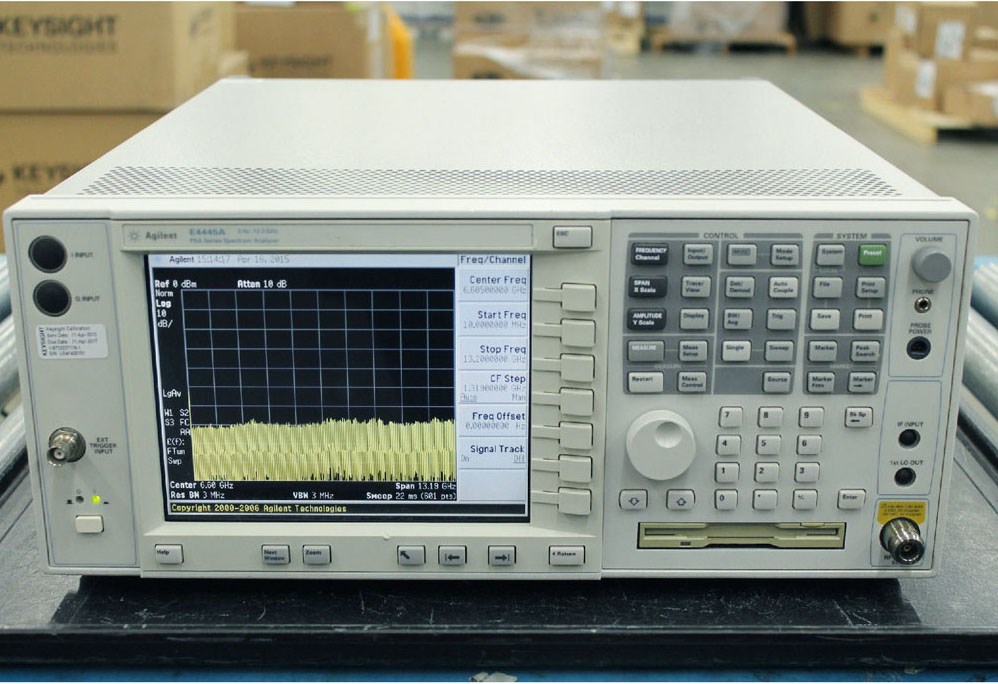
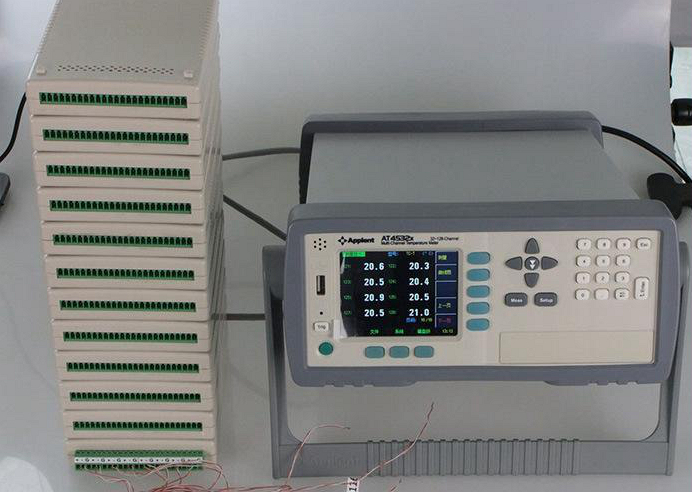
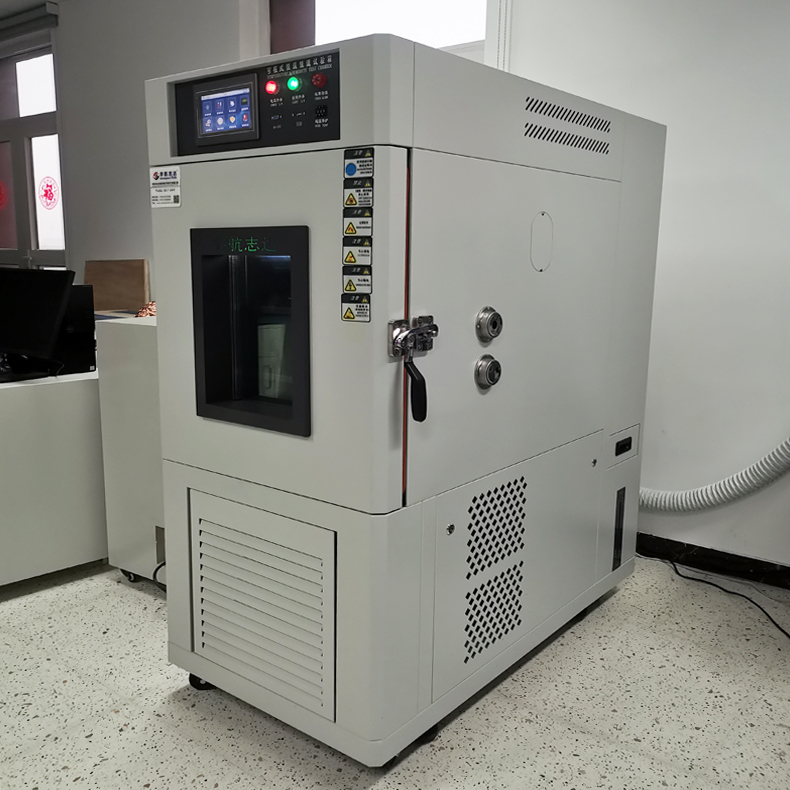
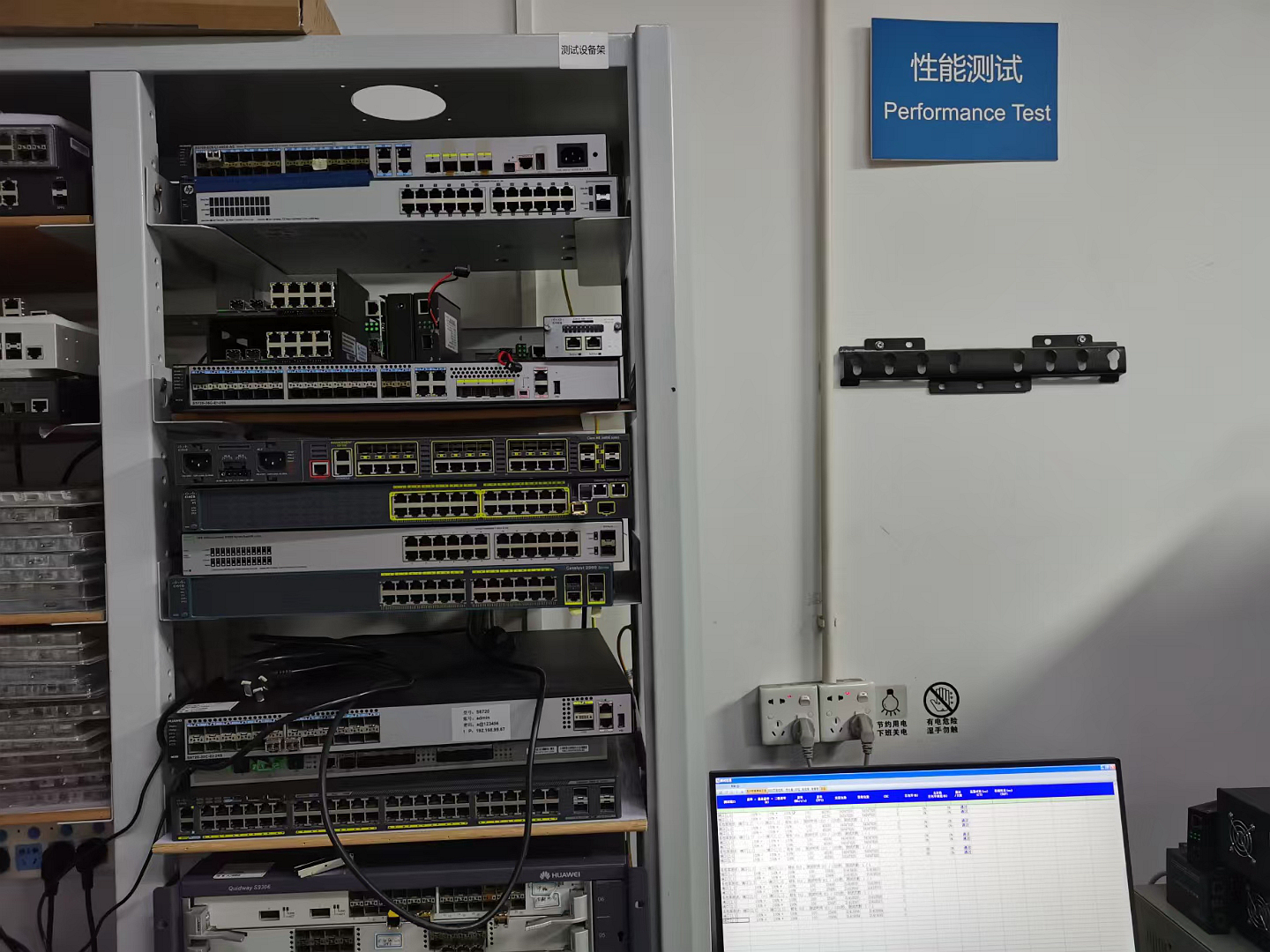
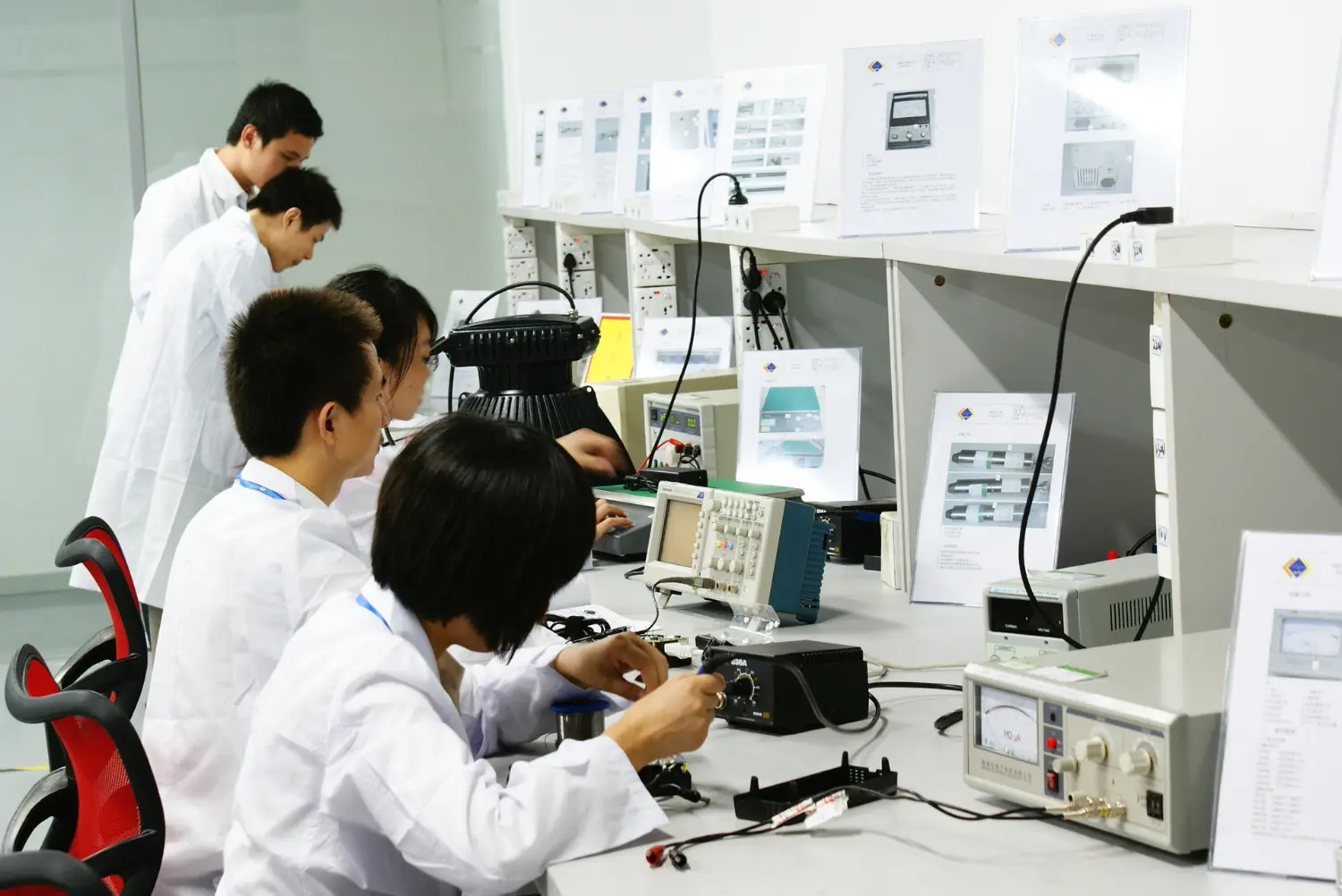
Every OLT and SFP transceiver undergoes extensive hardware testing. In the **High-Low Temperature testing chamber**, devices are stressed under extreme heat and freezing cold parameters to ensure long-term stability. The **Bit Error Rate (BER) error test** evaluates packet delivery integrity, while the **Wi-Fi Calibration and Simulation racks** verify throughput performance for ONU devices prior to packaging and dispatch.
With more than 10 years of expert engineering and manufacturing experience, Shenzhen Soras Technology Co., Ltd. stands as a trusted developer and exporter of optical transmission systems and network accessories. We prioritize high-quality management and technological innovation, helping partners build cost-effective, high-value fiber solutions.
Today, we work closely with telecommunications carriers, internet service providers (ISPs), and industrial system integrators worldwide. Our experienced R&D team designs custom equipment to meet customer specifications, supporting OEM and ODM projects. Our products are exported to over 60 countries across South America, North America, and Europe, establishing a reliable footprint for global supply chain requirements.
| Corporate Parameter | Specification Detail | Corporate Parameter | Specification Detail |
|---|---|---|---|
| Business Type | Manufacturer / OEM / ODM Exporter | Country / Region | Guangdong, China |
| Main Products | FTTH ONU & OLT, SFP Transceiver Modules, Fiber Media Converters, POE Switches, Fiber Optic Installation Equipment | Total Employees | 11 - 50 Professional Engineers & Technicians |
| Total Annual Revenue | US$5 Million - US$10 Million | Year Established | 2021 |
| Compliance Standards | ISO 9001 Quality Management, UL, CE, FCC, ROHS Certification | Export Distribution | Domestic (24.00%), Eastern Asia (15.00%), North America (15.00%), Europe, & South America |
Review key answers to common technical and deployment questions compiled by our senior network engineering division:
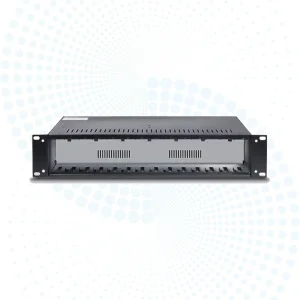
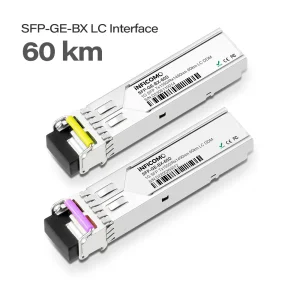
Complete your network architecture with our range of high-performance optical switches, stable GPON OLT chassis platforms, and industrial-grade fiber transceivers.
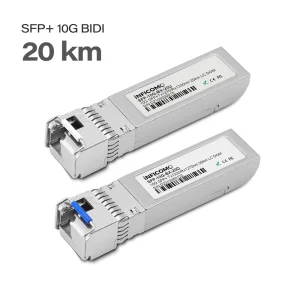


 Soras Tech