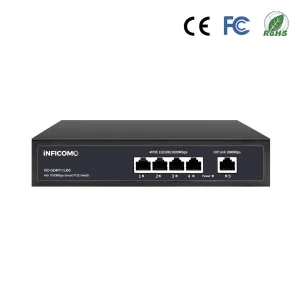
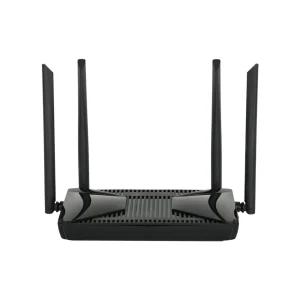
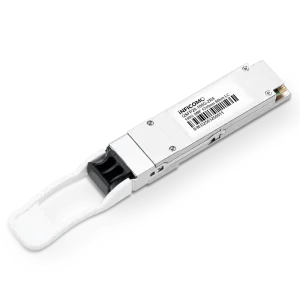
Explore our premium selection of GPON/EPON OLT units, chassis systems, power modules, and compatible accessories engineered for long-term network reliability.
As the demand for gigabit broadband connectivity, edge cloud services, and 5G network backhauling intensifies, GPON (Gigabit Passive Optical Network) and EPON (Ethernet Passive Optical Network) architectures have solidified their positions as the core pillars of modern fiber-to-the-x (FTTx) infrastructures. At the heart of this architecture sits the Optical Line Terminal (OLT), acting as the service provider's primary endpoint, coordinating multi-gigabit traffic delivery down to end-user Optical Network Units (ONUs).
Global telecommunication networks face a continuous surge in bandwidth consumption driven by high-definition video streaming, IoT integration, remote enterprise operations, and cloud computing. Consequently, selecting the appropriate GPON/EPON OLT platform is no longer merely a procurement task; it is a critical architectural decision that dictates the scalability, energy footprint, latency, and CAPEX/OPEX structures of international communication service providers (CSPs) and enterprise networks alike.
Global enterprise procurement demands have transitioned from basic connectivity to highly customized, resilient network designs. The selection of Tier-1 brand compatible OLT components represents a calculated business approach toward operational reliability.
Deploying OLT solutions that interoperate seamlessly across diverse third-party ONU brands eliminates operational bottlenecks and guarantees flexible client deployments.
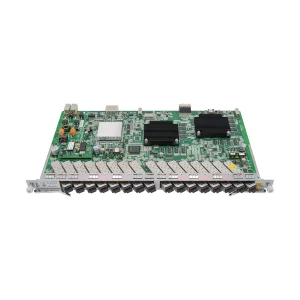
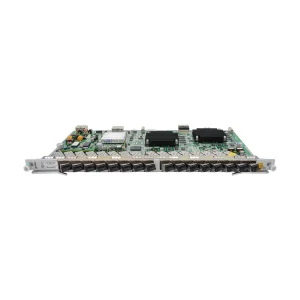
Strategic hardware exporters provide modular components (such as OLT interface boards, power configurations, and SFP transceiver variants) to ensure network extensions are never delayed.
Long-term warranties, continuous firmware patches, and localized technical training form the backbone of high-value industrial brand OLT exports.
From independent ISPs scaling regional fiber coverage to enterprise data centers managing private optical networks, procurement teams prioritize certified quality assurance, such as ISO 9001 compliance, FCC/CE markings, and UL certifications, which serve as foundational indicators of reliable electronic designs.
Broadband network design requires a balanced approach to hardware modularity and transmission mediums. By decoupling physical fiber layouts from the active optical components, network operators can design solutions for varying subscriber densities.
| Parameter | GPON (Gigabit PON) | EPON (Ethernet PON) | XGS-PON (Next-Gen) |
|---|---|---|---|
| Standard Association | ITU-T G.984 Series | IEEE 802.3ah Standard | ITU-T G.9807.1 |
| Line Rate (Down / Up) | 2.488 Gbps / 1.244 Gbps | 1.25 Gbps / 1.25 Gbps | 10 Gbps / 10 Gbps (Symmetric) |
| Typical Split Ratio | 1:64 to 1:128 | 1:32 to 1:64 | Up to 1:256 |
| Framing Protocol | GEM (GPON Encapsulation Method) | Native Ethernet Frames | GEM / XGEM Encapsulation |
| Optical Link Budget | Class B+ (28dB) / Class C+ (32dB) / C++ | PX20 / PX20+ / PX20++ | Class N1 / N2 / E1 / E2 |
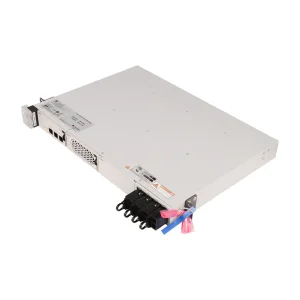
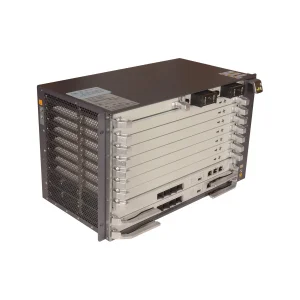
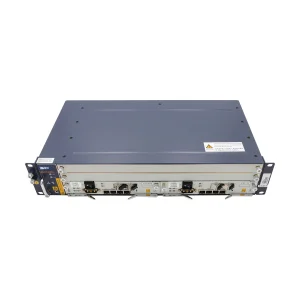
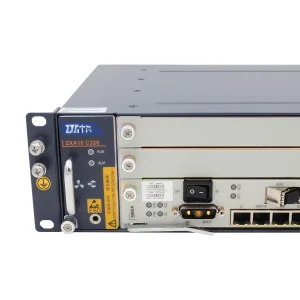
A typical high-performance OLT installation uses modular chassis networks (e.g., ZXA10 series or HW SmartAX platforms) situated in a central office. The downlink fiber feeds through a series of passive optical splitters to divide the physical medium among multiple end-user endpoints. Power redundancy, such as the ETP48100 AC-to-DC converters supplying stabilized -48V DC power, ensures high availability even during primary utility grid disruptions.
As service providers design networks for future scaling, they must manage coexistence strategies between current-generation GPON and incoming high-speed standards. Coexistence elements, such as external Wavelength Division Multiplexing (WDM) coexistence filters, allow legacy GPON (1490nm Down/1310nm Up) and XGS-PON (1577nm Down/1270nm Up) to transmit concurrently over the same physical distribution network (ODN).
Looking ahead, the optical access roadmap extends toward 50G-PON. This standard provides a clear path for smart cities, automated manufacturing lines, and densified 5G radio node networks. The hardware investments made in modular OLT chassis today must support these higher-rate transceivers via simple line-card upgrades, protecting long-term capital investments.
A leading manufacturer of optical transmission equipment and high-performance network equipment with over 10 years of export experience.
| Business Type | Manufacturer / OEM / ODM Exporter | Country / Region | Guangdong, China |
| Main Products | FTTH ONU & OLT, SFP Modules, Fiber Media Converters, POE Switches, Fiber Optic Equipment | Total Employees | 11 - 50 People |
| Total Annual Revenue | US$5 Million - US$10 Million | Year Established | 2021 |
| Certifications | ISO 9001, UL, CE, FCC, ROHS Certified | Main Markets | Domestic (24.00%), Eastern Asia (15.00%), North America (15.00%), South America, Europe |
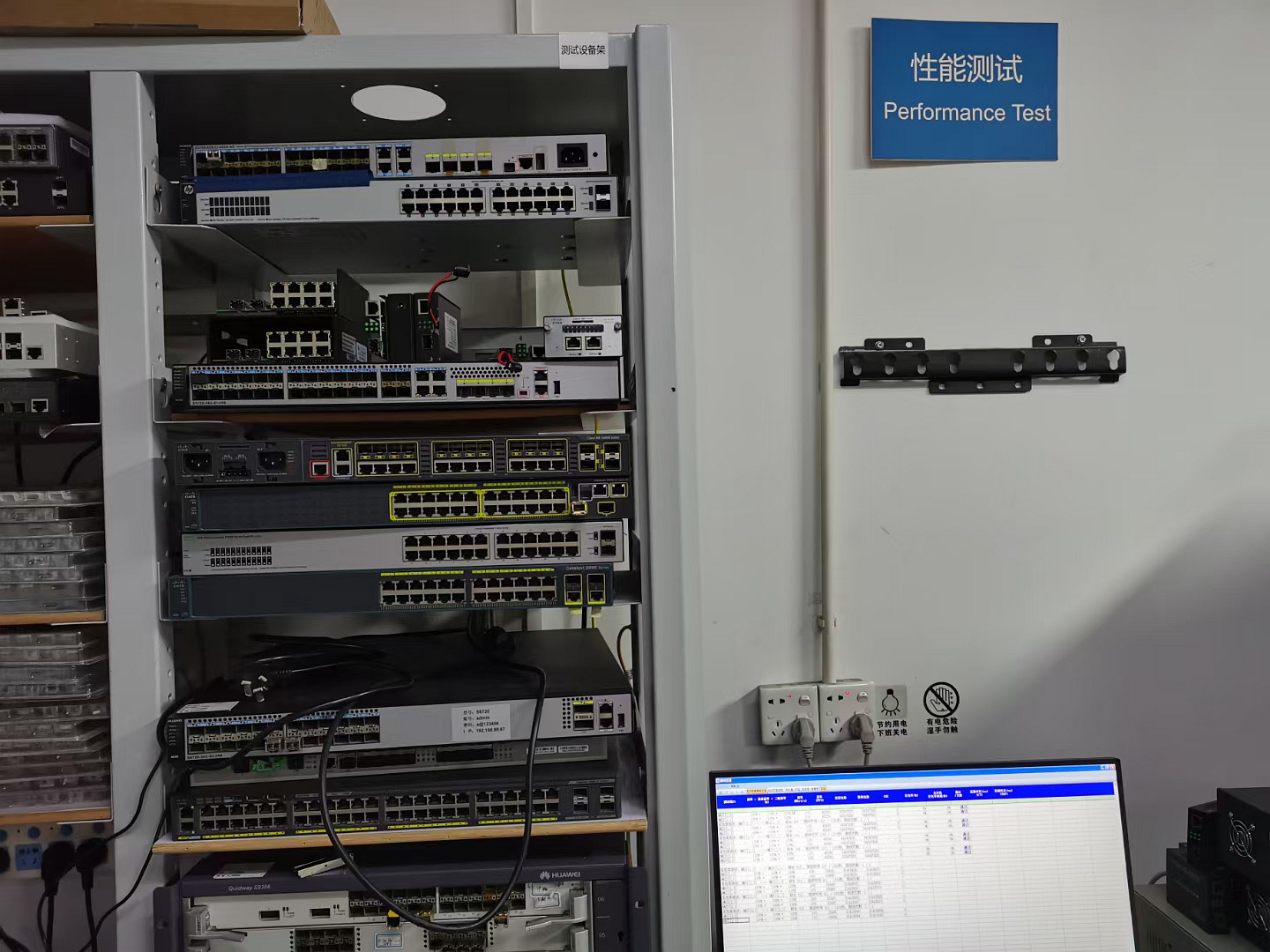
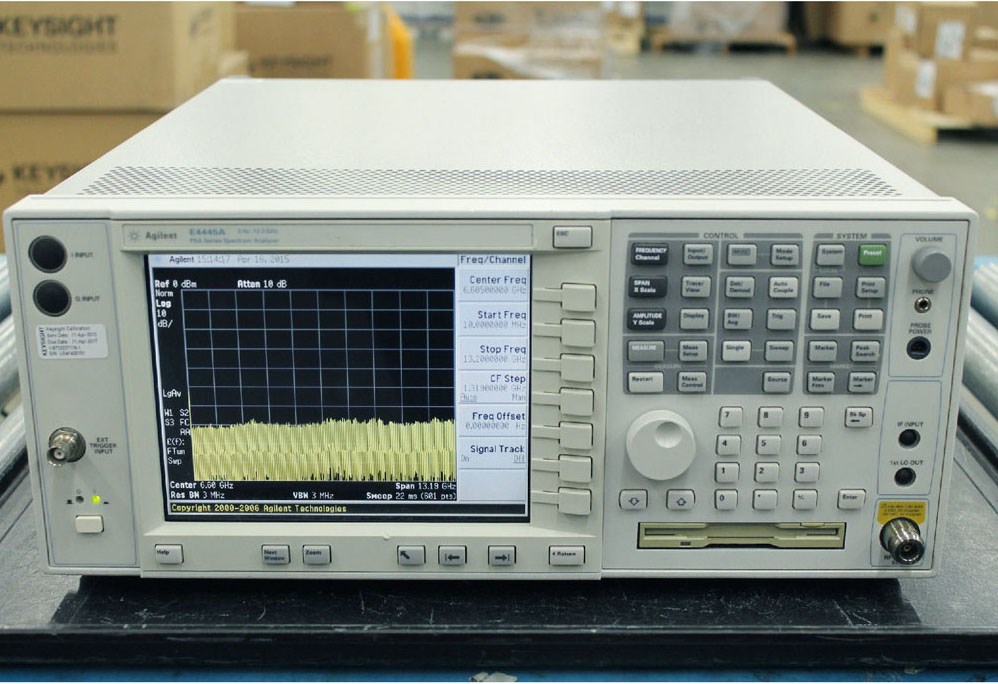
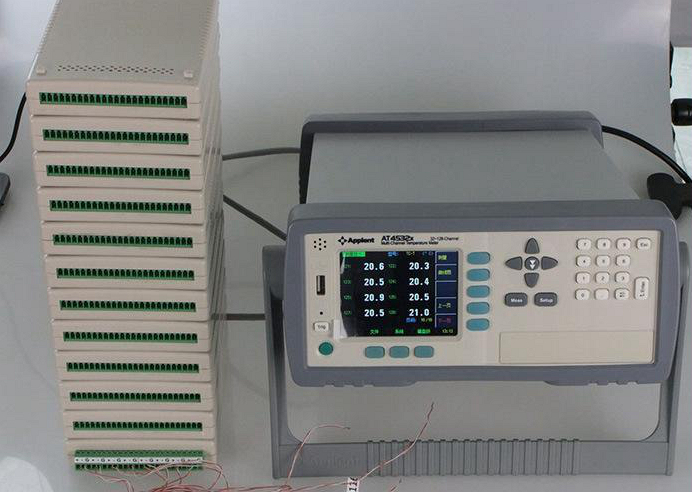
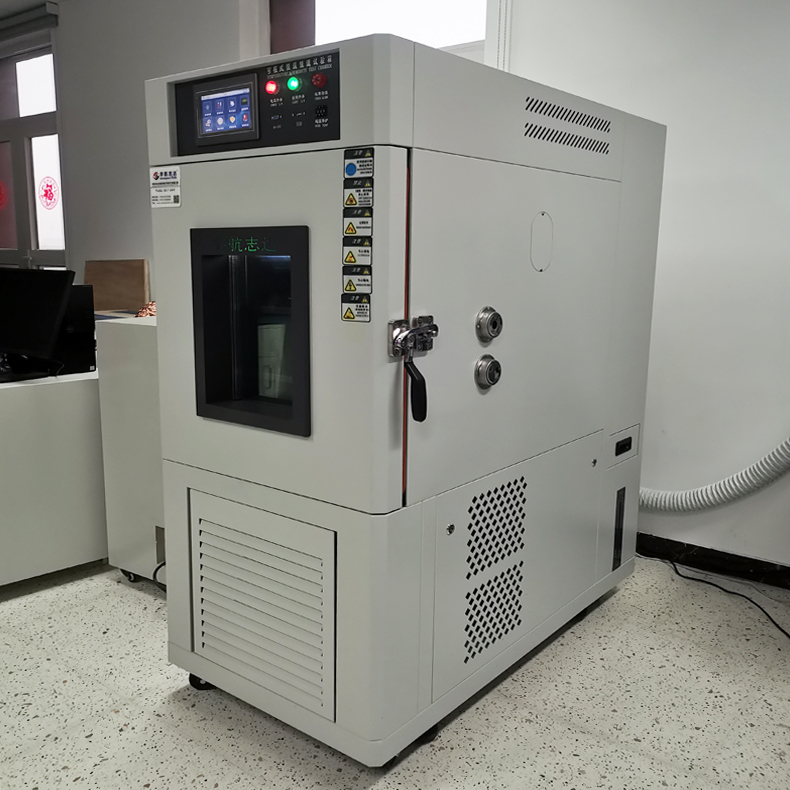
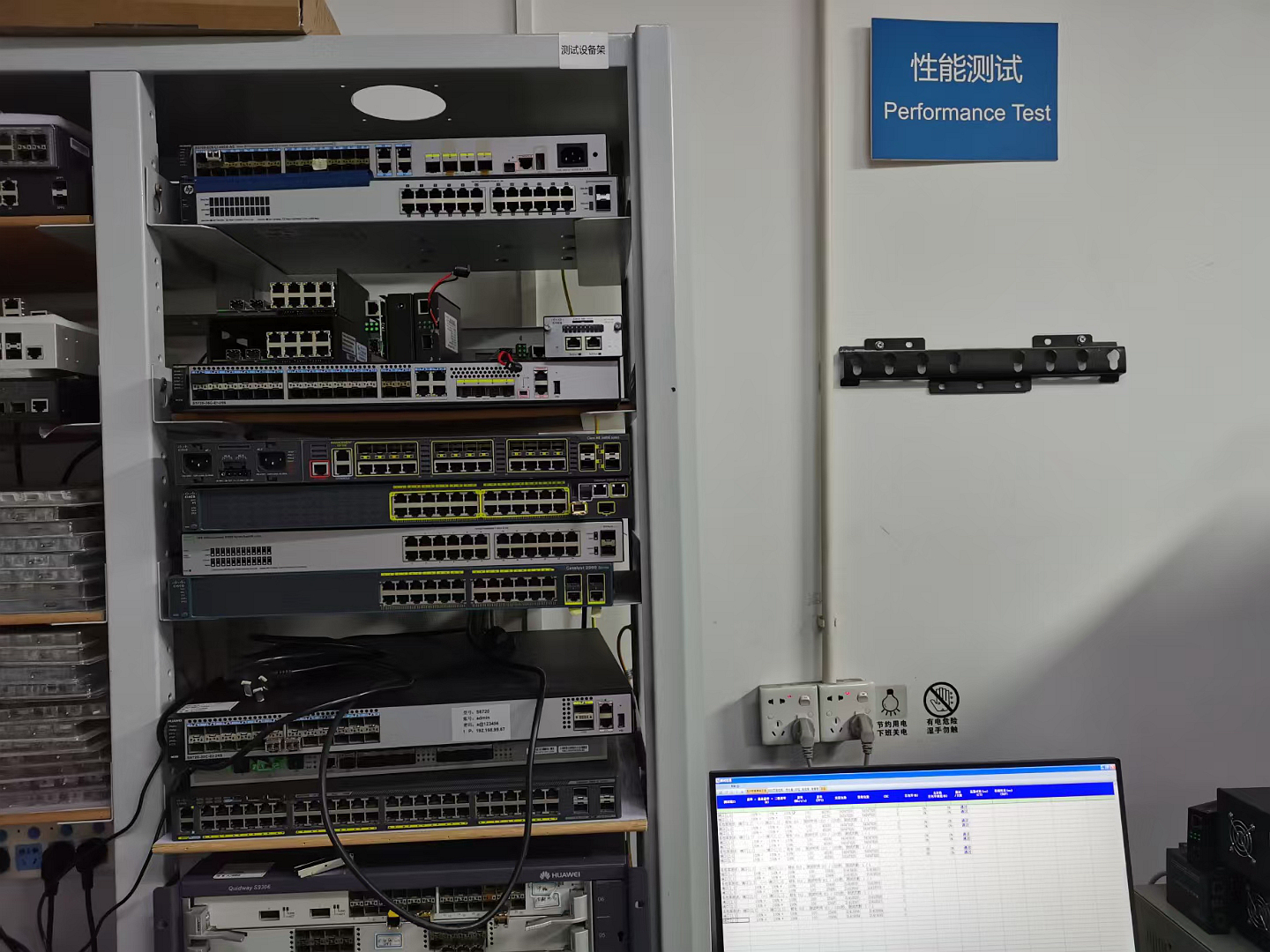
A detailed look inside our manufacturing lines and testing procedures.








Find expert answers to common queries regarding optical network deployment, transceiver interfaces, and power systems.
Class C+ and Class C++ refer to different optical path budgets defined under ITU-T G.984.2. A Class C+ optical module supports a link budget of up to 32 dB with a launch power of +3 to +7 dBm and a minimum receiver sensitivity of -32 dBm. Class C++ modules extend this to a budget of up to 35 dB (minimum sensitivity down to -35 dBm), allowing operators to split the signal up to 1:128 over longer physical distances without requiring inline active optical amplifiers.
Yes, our OLT interface cards, optical modules, power distribution units (like the ETP48100), and CPE terminals (ONUs) are designed to integrate into existing infrastructures. Our R&D team verifies compatibility across major industry hardware lines, facilitating multi-vendor deployments and simplifying network maintenance.
Optical access hardware is often deployed in outdoor cabinets (non-climate-controlled environments) subject to extreme seasonal weather conditions. High-Low Temperature cycle chambers test components across wide thermal ranges (typically -40°C to +85°C) to ensure laser stability, power converter reliability, and optimal packet forwarding performance across all operational environments.
Most carrier-grade OLT chassis run on nominal -48V DC power grids for safety, grounding, and easy battery backup integration. Systems like the ETP48100 convert standard AC utility power (110V/220V) to stable 48V DC to power central switch boards, interface cards, and cooling fan modules.
GPON uses a highly structured TDMA (Time Division Multiple Access) scheme managed by the OLT using Dynamic Bandwidth Allocation (DBA). The OLT assigns specific transmission windows (bandwidth maps) to each ONT to prevent overlapping signals. EPON relies on MPCP (Multi-Point Control Protocol) to manage upstream slot allocation, using Ethernet-centric control messages to optimize bandwidth usage.
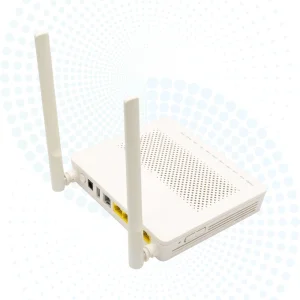
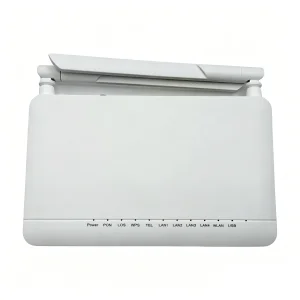
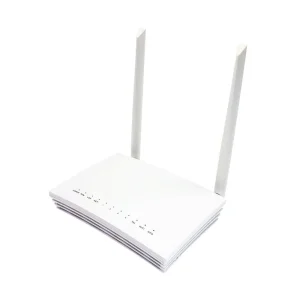
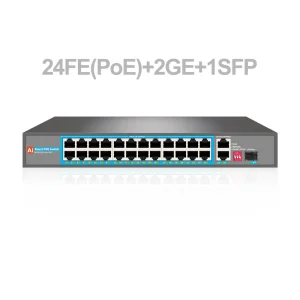
Complete your FTTx deployments with our reliable range of Optical Network Units (ONU/ONT), network switches, and fiber tools.
 Soras Tech