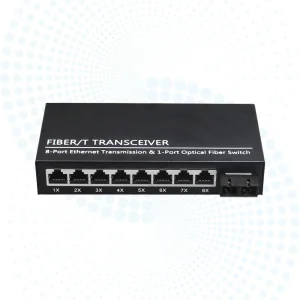
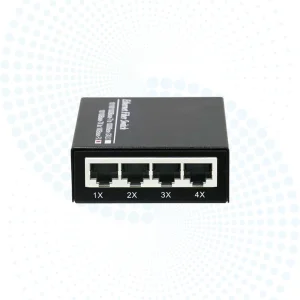
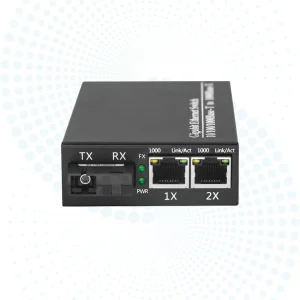
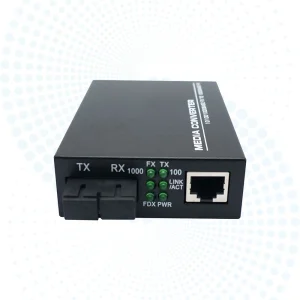
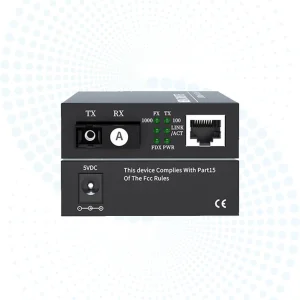
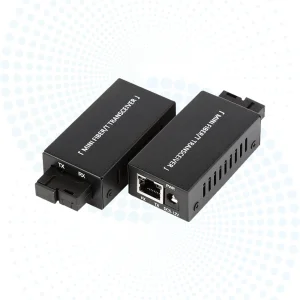
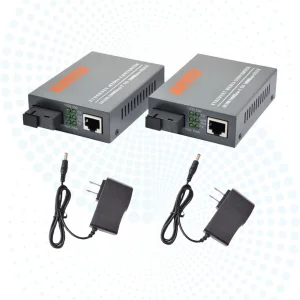
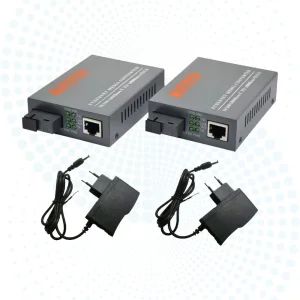
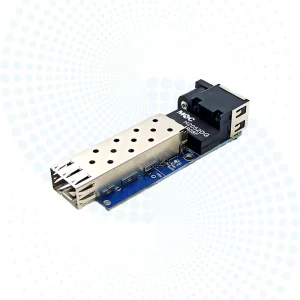
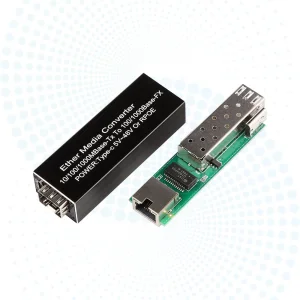
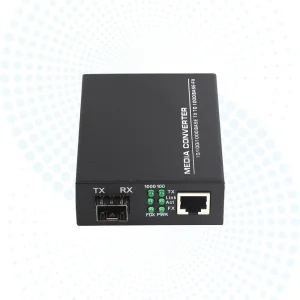
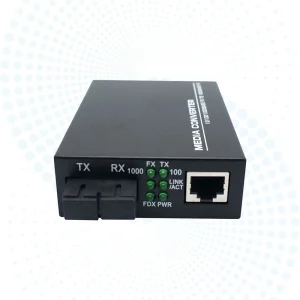
Explore our top-performing optoelectronic converters engineered for high-density, low-latency, and long-distance transmission solutions.
In the landscape of modern enterprise telecommunications, the exponential demand for raw bandwidth and long-distance transmission reliability has pushed conventional copper infrastructure past its physical limitations. Standard copper-based Category 6 (Cat6) or Category 6A (Cat6A) Ethernet lines operate under severe physical constraints, predominantly capped at a 100-meter (328 feet) maximum transmission range due to high-frequency attenuation, crosstalk, and electromagnetic susceptibility.
This is where the Gigabit Fiber Media Converter acts as a critical technological bridge. By executing an electrical-to-optical (E-O) and optical-to-electrical (O-E) physical layer conversion, these transceivers seamlessly couple legacy copper-based RJ45 interfaces with high-speed fiber-optic cabling (either Single-Mode or Multi-Mode). This conversion enables network topologies to span anywhere from 550 meters up to 20 kilometers, 40 kilometers, or even 120 kilometers without signal degradation, latency accumulation, or RF interference.
Fiber optic cables transmit light instead of electrical currents, rendering the link immune to high-voltage lines, industrial motors, and environmental radio frequencies.
Unlike copper lines that lose signal strength rapidly over distance, optical fibers offer attenuation levels as low as 0.2 dB/km for Single-Mode configurations.
The physical glass medium supports virtually infinite bandwidth scaling by swapping active optical transceivers without replacing the installed fiber run.
As a specialized high-tech OEM/ODM enterprise, Shenzhen Soras Technology Co., Ltd. (brand name Soraslink) operates at the convergence of advanced optical research and industrial manufacturing. Over a ten-year evolutionary timeline, we have structured our production to build highly durable, CE-certified, FCC-compliant, and RoHS-certified fiber transceivers and media converters optimized for global deployment in high-density telecommunication centers, IoT networks, and industrial fields.
Established as an engineering-led manufacturer, Soraslink is structured specifically to handle volume OEM/ODM production runs. The company focuses heavily on technological innovation and meticulous physical layer quality controls. Today, our optical transmission devices are in active operation across more than 60 countries, demonstrating consistent performance under diverse climatic and physical stress profiles.
10+
Years of R&D Experience
60+
Export Destinations
USD 5M-10M
Annual Revenue
ISO 9001
Quality Management
| Key Organizational Factor | Soraslink Operational Capability Profile |
|---|---|
| Business Type | Manufacturer, OEM/ODM Customization Specialist, Exporter |
| Main Manufacturing Hub | Guangdong, China (Shenzhen Optical Valley Zone) |
| Primary Equipment Portfolio | FTTH ONU & OLT systems, SFP & SFP+ Transceiver Modules, Gigabit Fiber Media Converters, PoE Switches |
| Compliance & Certifications | ISO 9001 Quality System, CE, FCC, RoHS, UL Standards |
| Export Markets | North America (15.00%), South America (Mainly Carrier Networks), Europe, East Asia (15.00%), Domestic Market (24.00%) |
| Staffing Structure | 11-50 Core Personnel, including dedicated R&D Optical Signal Engineers and Quality Assurance Inspectors |
When network architects and enterprise procurement teams evaluate Gigabit Media Converters, they must look beyond simple retail metrics to assess components that dictate long-term system stability and low total cost of ownership (TCO). In carrier networks and metropolitan CCTV projects, down-time equates directly to revenue loss and SLA penalties.
At the heart of every media converter lies the PHY/Switching Silicon. Superior architectures (utilizing industry-recognized chipsets like Realtek, Marvell, or Broadcom) ensure excellent packet forwarding performance and high-temperature tolerance. These chipsets manage buffer storage to prevent frame loss during packet bursts, support jumbo frames (up to 9KB or more) crucial for storage network backups, and maintain clean signal eye-diagrams over copper links.
Power supply units (PSUs) are the most frequent point of failure in external network devices. Soraslink media converters offer dual configurations: external high-efficiency adapters (5V/12V DC) or internal switching power modules. In critical environments, engineers prefer internal power supplies utilizing Japanese solid capacitors which withstand extreme voltage fluctuations and display a Mean Time Between Failures (MTBF) exceeding 100,000 continuous hours.
In typical fiber-copper hybrid setups, a failure on the fiber link may not be detected by the local copper switch port, which remains active ("link up"). This creates a black hole where data is sent into a broken link. Link Fault Pass-Through (LFP) technology instantly mirrors link status across interfaces. If the fiber link drops, the copper link is automatically disabled, notifying the upstream switch to execute path redirection instantly.
System instantly shuts down the paired port if a physical link break is detected on the opposing fiber or copper link. Stops data loss instantly.
Integrates high-grade transient voltage suppressors (TVS) designed to withstand sudden surges and atmospheric electrical spikes up to 6KV.
Operates continuously in wide-temperature environments (-20°C to +75°C) using custom heavy-duty aluminum or alloy cooling enclosures.
Soraslink's manufacturing complex in Guangdong utilizes Factory 4.0 paradigms. Production is structured to emphasize traceability, automated precision, and comprehensive physical testing. Our assembly lines are optimized for optical consistency, ensuring each single-mode or multi-mode device operates at maximum throughput with minimum noise.

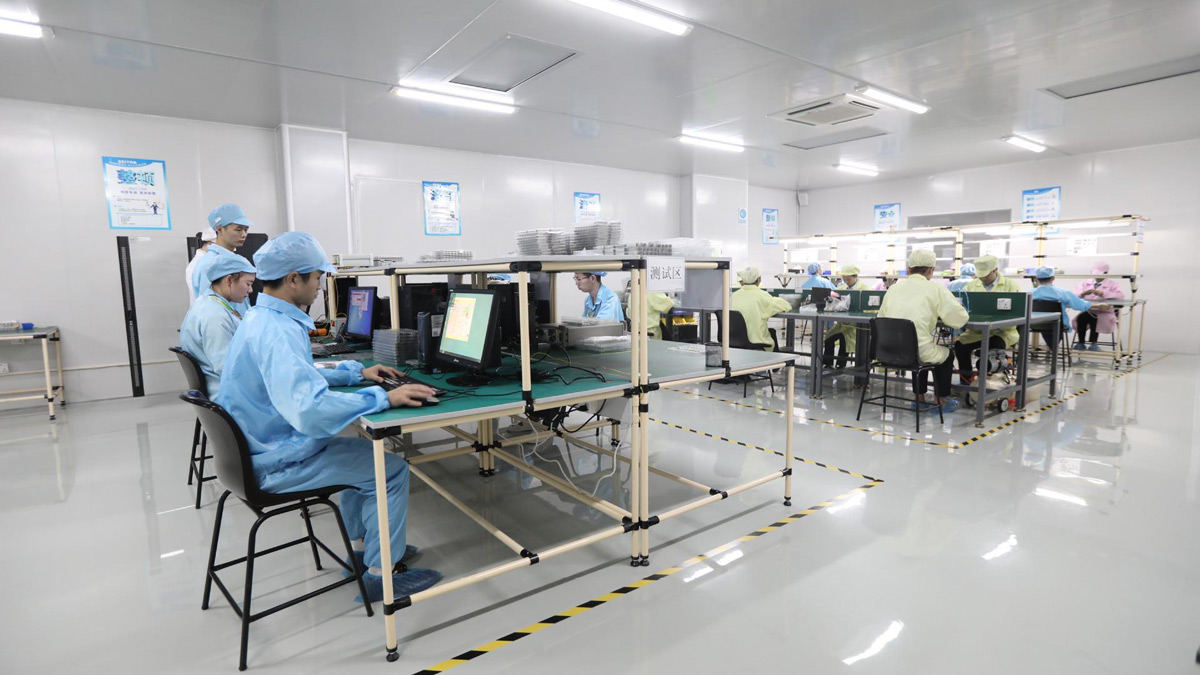
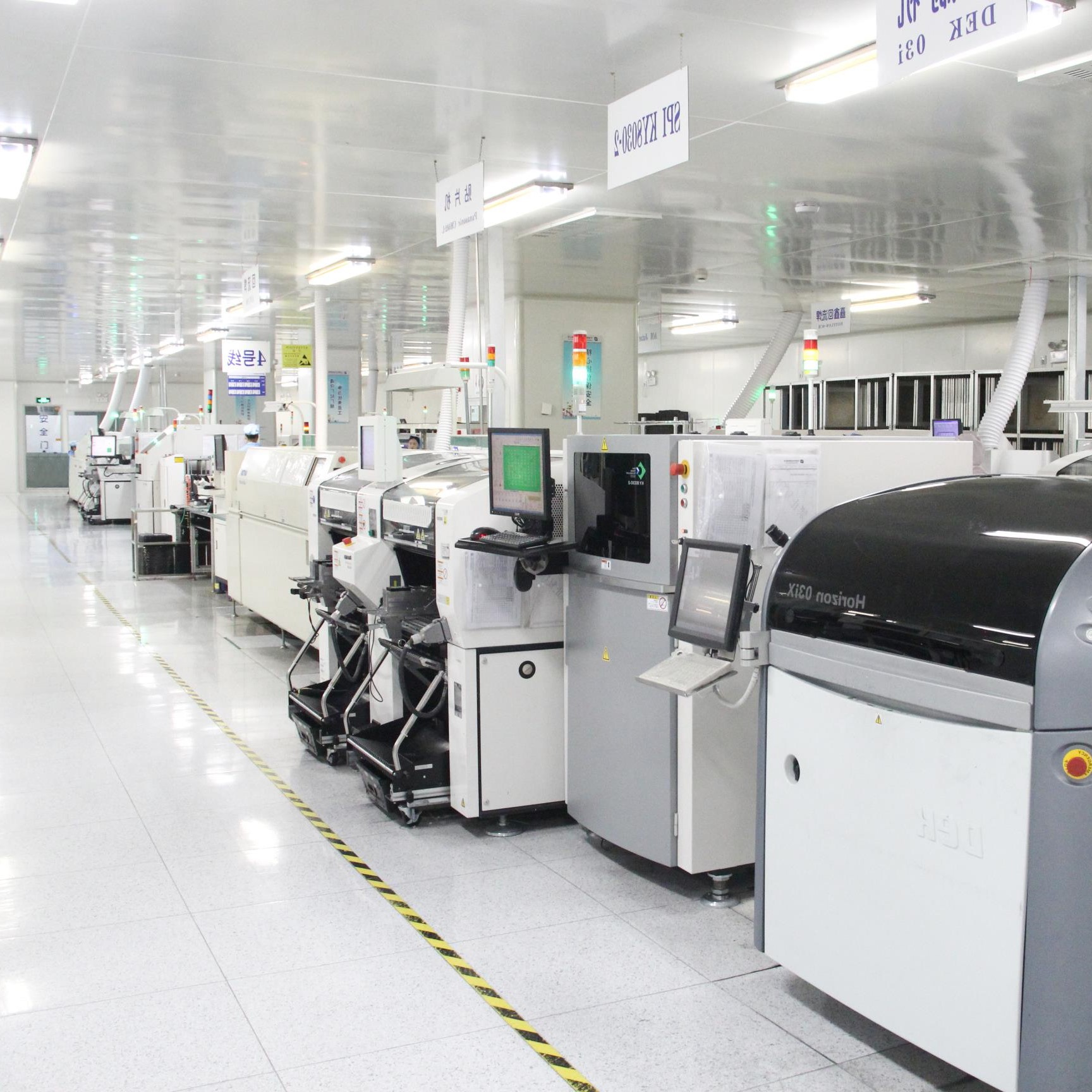
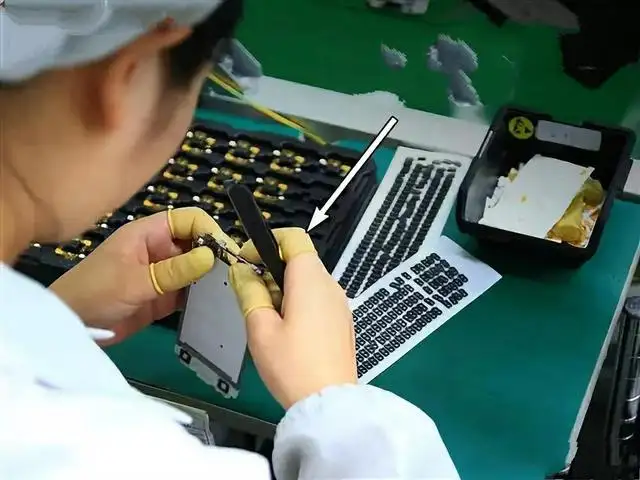
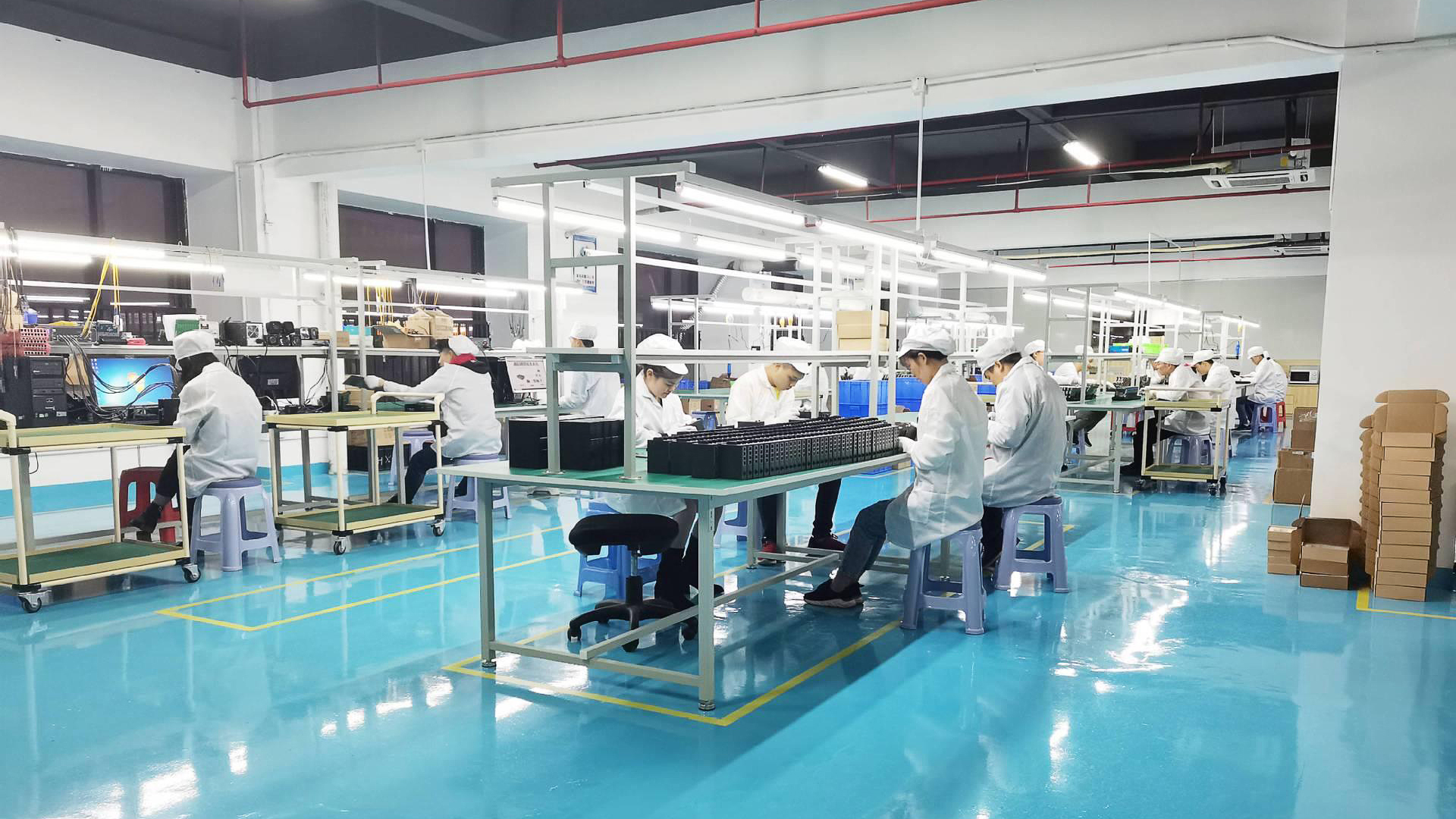
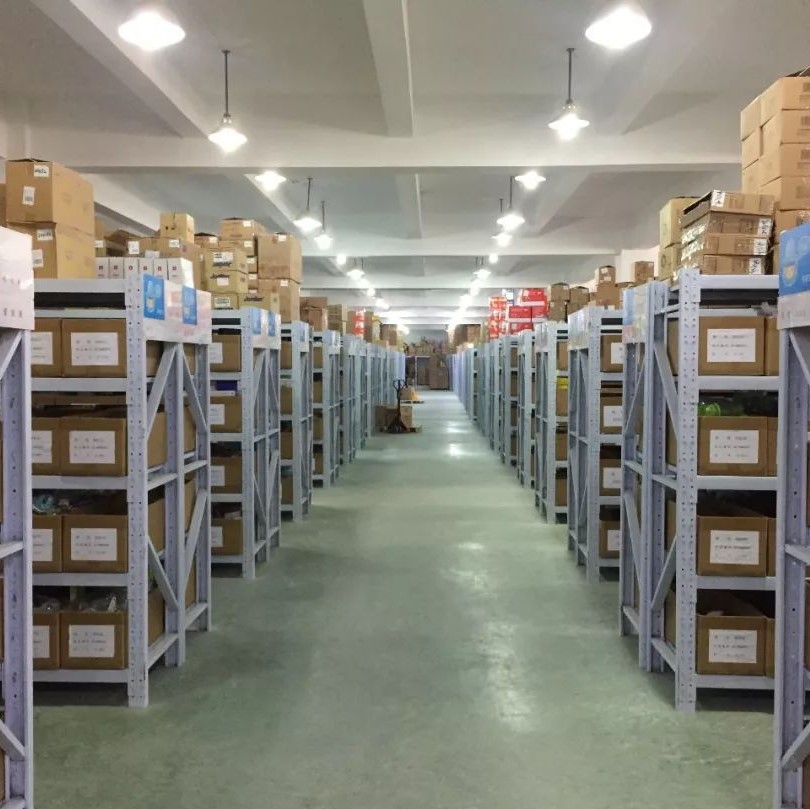
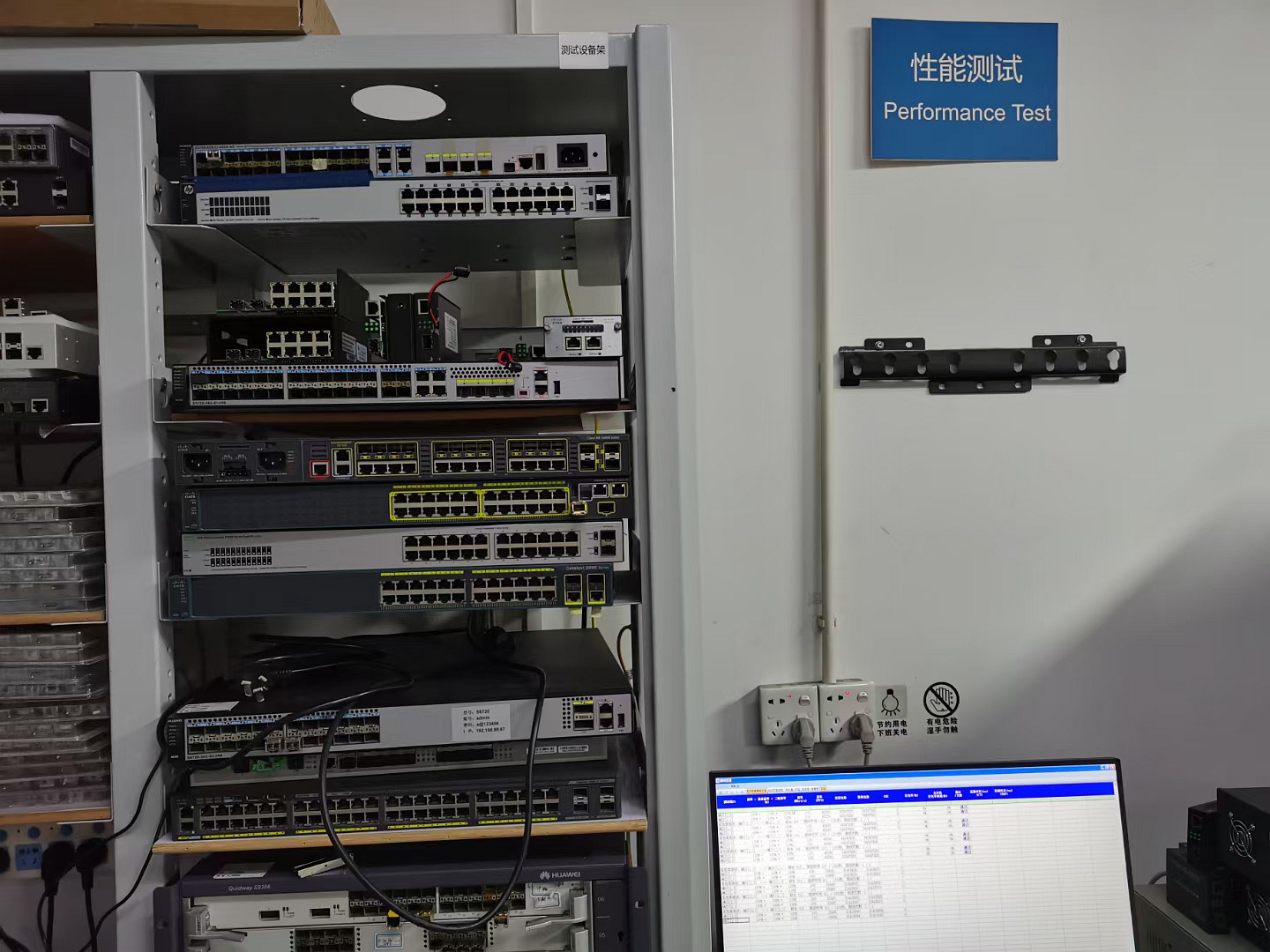
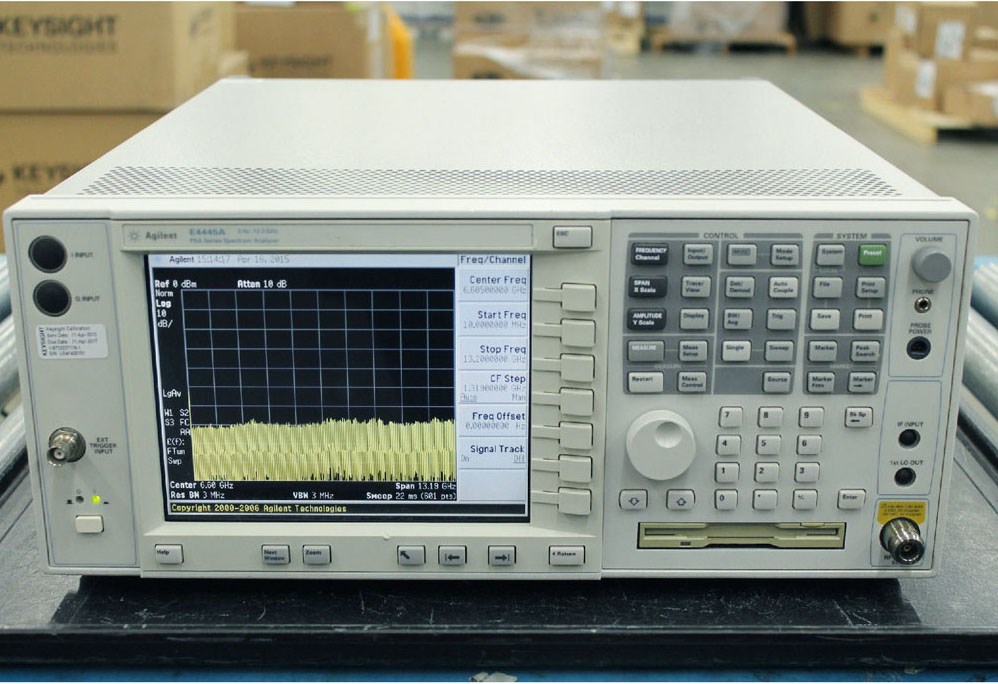
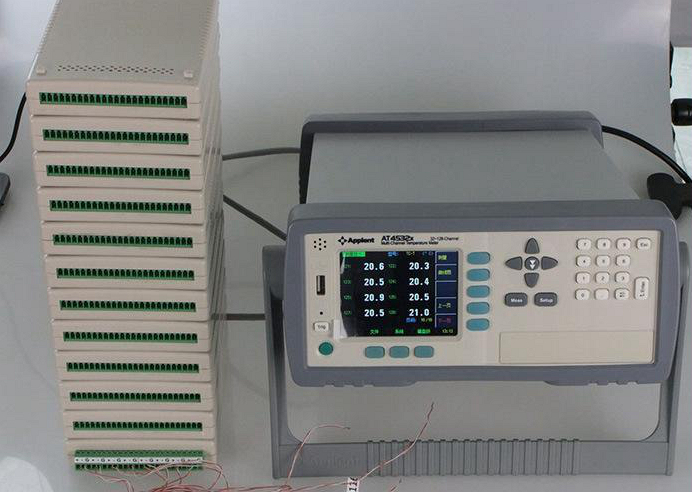
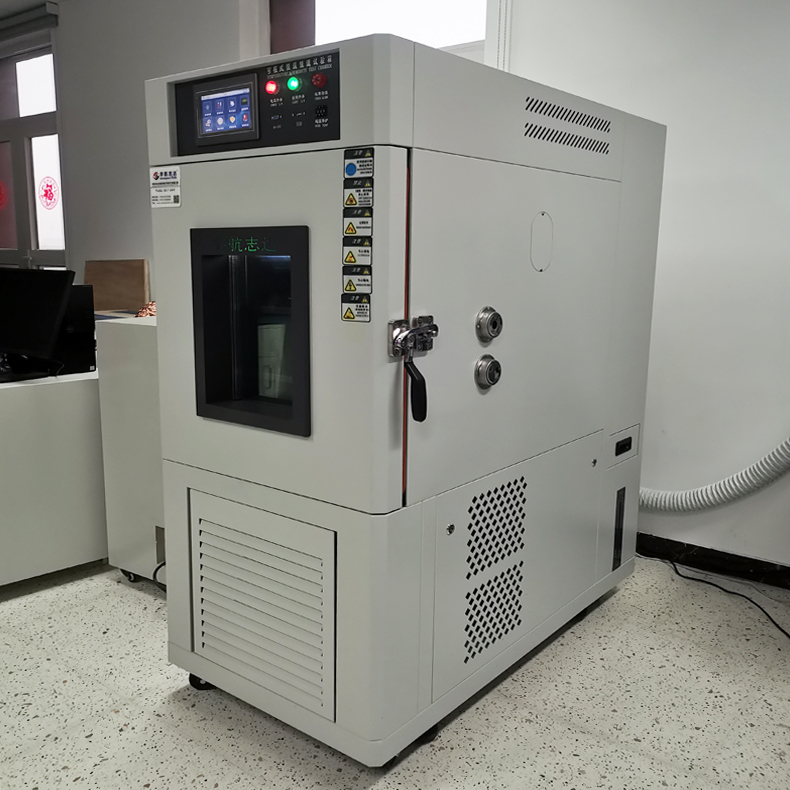
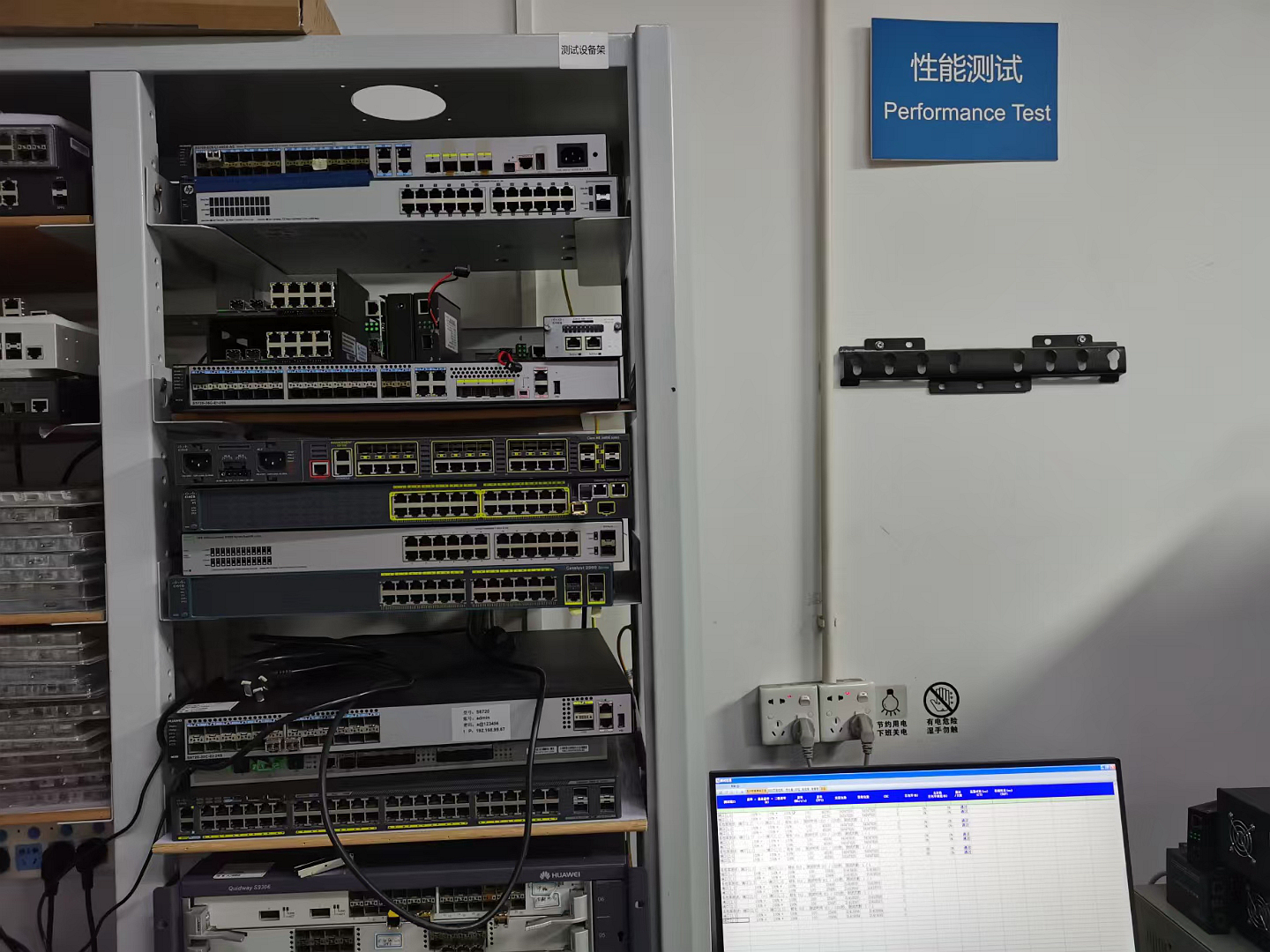
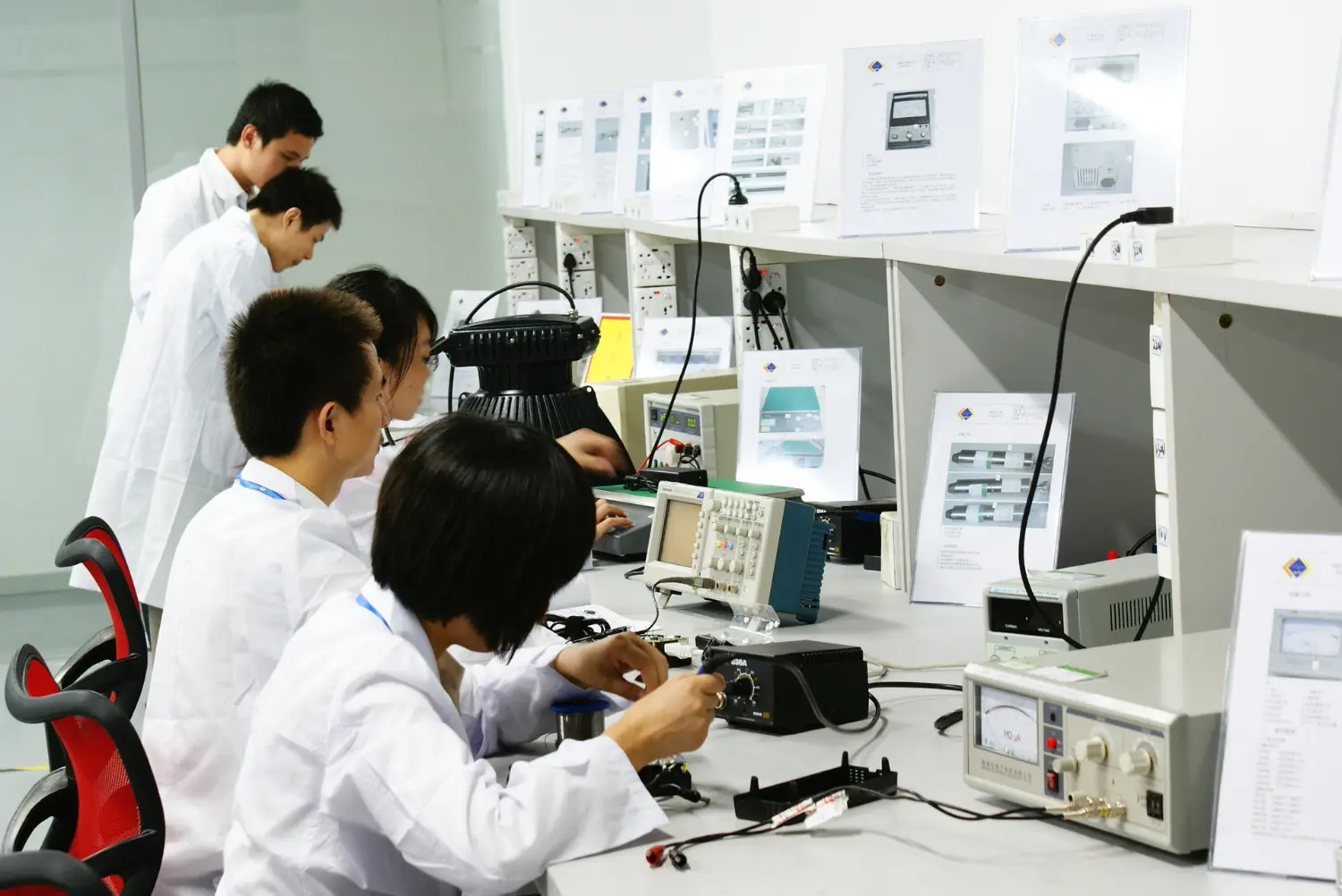
By utilizing state-of-the-art pick-and-place SMT machines, we ensure precision soldering on our PCBs, reducing cold joints and internal resistance. Post-assembly, each media converter undergoes automated testing. These tests run the board through high-low temperature chambers ranging from -40°C to +80°C to certify structural integrity before final functional testing and boxing.
Gigabit Media Converters are not isolated components; they serve as fundamental modules across multiple industrial, commercial, and municipal topologies. The layout of these network modules changes depending on environmental needs.
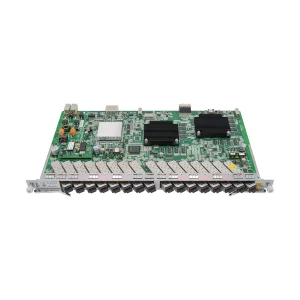
Bridging centralized GPON OLT chassis platforms (such as the ZXA10 GTGH boards) down to residential or commercial customer premise equipment (CPE/ONU).
Deploying single-mode converters at remote poles to transition IP camera video feeds into municipal optical backbones over distances up to 20km.
Providing complete electro-magnetic isolation on the factory floor, preventing factory machine electrical spikes from damaging core switch networks.
By deploying Soraslink devices in metropolitan networks, administrators can consolidate media converters into rack-mountable chassis systems. These chassis setups provide shared, redundant power, enabling maintenance teams to swap individual converter modules without interrupting neighboring communication lines.
As enterprise systems transition from 1G networks to 10G, 25G, and 100G architectures, physical layer transceivers must adapt. Soraslink’s optical engineers are actively designing next-generation converter designs to support these higher bandwidth demands.
Future-proof systems are moving away from fixed-port media converters to SFP-based configurations. Media converters with integrated SFP slots allow operators to upgrade link speeds, adjust wavelengths, or switch between single-mode and multi-mode links by simply swapping out the SFP transceiver module. This approach saves significant cost by reusing the base media converter chassis during future bandwidth upgrades.
Furthermore, upcoming smart media converters will incorporate light SNMP management agents. This allows IT administrators to remotely monitor line status, check optical transceiver power (DDM), read temperature levels, and isolate faults from a central network operations center (NOC).
Operating internationally requires strict adherence to regional compliance standards. To support global enterprise deployments, Soraslink products are certified to meet major international regulatory frameworks.
Our certifications include CE for the European Union, FCC for North America, and RoHS compliance to verify that no hazardous substances are used in our hardware manufacturing. Furthermore, we work closely with logistics partners to ensure customs clearance documentation is prepared correctly, ensuring on-time delivery for large-scale international infrastructure projects.
Dual-fiber media converters utilize the same wavelength (usually 1310nm for single-mode, 850nm for multi-mode) over two distinct optical paths—one path dedicated to transmitting (TX) and the other to receiving (RX). Bi-Directional (BiDi) or single-fiber media converters combine TX and RX onto a single glass core by using two different wavelengths (commonly 1310nm/1550nm or 1310nm/1490nm). This must be deployed in complementary pairs (e.g., Device A transmits at 1310nm and receives at 1550nm, while Device B transmits at 1550nm and receives at 1310nm) to prevent signal collisions.
Packet loss typically points to physical layer mismatches or optical budget exhaustion. First, verify port speed and duplex settings: mismatches (e.g., auto-negotiation on one side, forced full-duplex on the other) cause collisions and frame drops. Second, test the optical link attenuation using an optical power meter. High attenuation can result from dirty fiber end-faces, micro-bends in the fiber path, or exceeding the rated distance limits of the media converter.
Yes, all Soraslink Gigabit Media Converters feature built-in auto MDI/MDIX sensing on the RJ45 ports. The interface automatically detects and configures the pin connections for straight-through or crossover Ethernet cabling, removing the need for specialized crossover patch cables during installation.
Yes, media converters are standardized physical layer (Layer 1) translation devices. As long as both devices share matching technical parameters—including optical wavelength, fiber type (single-mode vs. multi-mode), link speed (1000Base-FX vs. 100Base-FX), and encapsulation styles—they will interoperate regardless of the hardware brand.
Discover our wider range of optical networking hardware, designed to integrate with modern enterprise and carrier topologies.
 Soras Tech