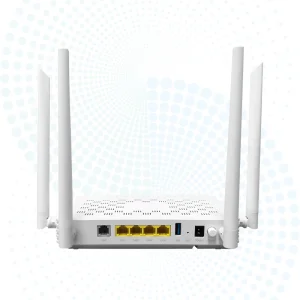
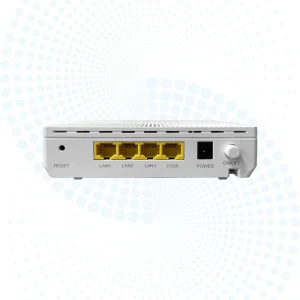
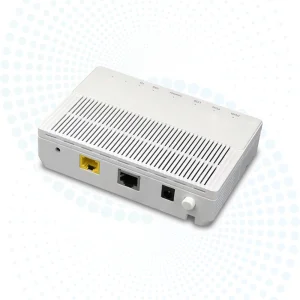
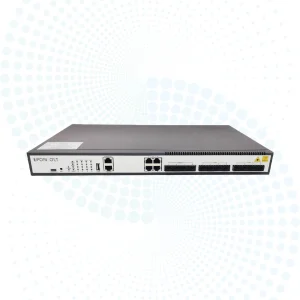
Industrial-Grade 10G FTTH Modems, High-Speed PoE Switches, and High-Performance Transceiver Modules
Analyzing the Architectural Shift in High-Speed Optical Access Networks
The optical access ecosystem is undergoing an unprecedented shift. For the past decade, Gigabit Passive Optical Network (GPON) technology has served as the backbone of Fiber-to-the-Home (FTTH) deployments worldwide. However, the exponential rise in bandwidth-intensive applications—such as multi-channel 8K video stream compression, ultra-low latency cloud gaming, augmented/virtual reality (AR/VR), and dense enterprise IoT networks—has pushed GPON to its limits. GPON's asymmetrical data rate structure of 2.5 Gbps downstream and 1.25 Gbps upstream is no longer sufficient to meet modern user expectations.
To solve this bottleneck, the ITU-T (International Telecommunication Union) standardized Next-Generation PON architectures. These can be categorized into two major technologies:
Unlike legacy GPON networks which transmit downstream at 1490nm and upstream at 1310nm, XG/XGS-PON uses distinct optical wavelengths: 1577nm downstream and 1270nm upstream. By implementing Wavelength Division Multiplexing (WDM1r filters), operators can co-exist GPON, XG-PON, and XGS-PON lines over the same Physical Optical Distribution Network (ODN) without having to lay down new optical fibers.
What Telecom Operators and ISPs Evaluate When Partnering with Manufacturers
Corporate procurers, telecom operators, and system integrators globally undergo a rigorous validation process when sourcing ONU (Optical Network Unit) and ONT (Optical Network Terminal) hardware. With multi-million dollar rollouts, hardware failure rate (MTBF) and interoperability are critical indexes of network uptime. Below are the core parameters of evaluating top-tier XG/XGS-PON manufacturers:
| Procurement Criteria | Technical Requirement & Specifications | Significance in ISP & Telecom Operations |
|---|---|---|
| OMCI Stack Compatibility | Standard compliance with ITU-T G.988, TR-069, and TR-369 (USP) management interfaces. | Guarantees that third-party ONTs can seamlessly pair with industry-dominant OLT chassis (Huawei, ZTE, Nokia, Calix). |
| Wi-Fi 6 (802.11ax) Integration | Dual-Band (2.4GHz + 5GHz) with speeds up to AX3000, supporting MU-MIMO and beamforming. | Decreases the need for a separate home router, lowering the overall CPE (Customer Premises Equipment) capital expenditure. |
| Hardware Reliability (MTBF) | Mean Time Between Failures of > 150,000 operational hours with active thermal dissipation. | Minimizes truck rolls (maintenance visits) and customer churn caused by hardware degradation. |
| Optical Budgets & Sensitivity | Class C+ optics support with optical receiver sensitivity reaching -28 dBm. | Allows long-range loops (up to 20km) and high-attenuation splices in challenging passive fiber infrastructures. |
Furthermore, international compliance certifications (such as ISO 9001, CE, FCC, RoHS, and UL) are absolute prerequisites for North American, South American, and European telecom markets. Quality-centric system integrators no longer look for the lowest cost; instead, they target manufacturers that offer robust localized tech support, firmware customization options (OEM/ODM), and reliable hardware architecture to combat harsh environment conditions.
Ensuring High Yields and Predictable Delivery via Advanced Automated Pipelines
Operating out of Guangdong, China—the global capital for hardware manufacturing—Shenzhen Soras Technology Co., Ltd. represents the modern paradigm of Factory 4.0. A resilient supply chain relies on automated production capabilities, stringent raw material procurement, and redundant component sourcing channels.
By leveraging automatic SMT (Surface Mount Technology) assembly lines and computerized multi-stage testing facilities, we maintain tight control over product yields. The production floor integrates advanced Surface Mount systems, reflow ovens, and wave-soldering processes, minimizing manual intervention.
To ensure 100% reliability in the field, every single ONU and ONT is subjected to an exhaustive array of quality control steps. This includes:


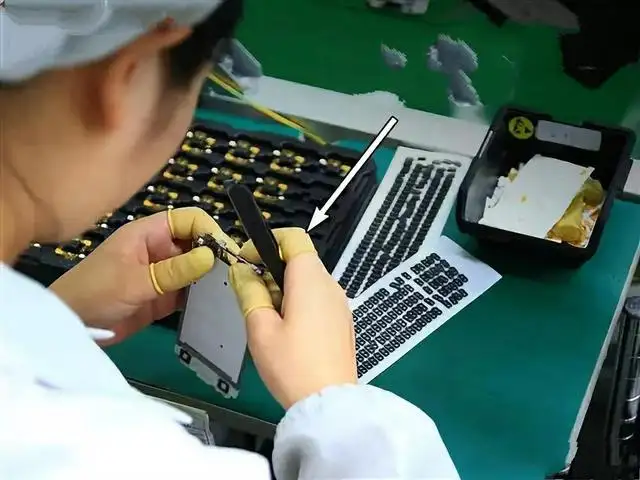


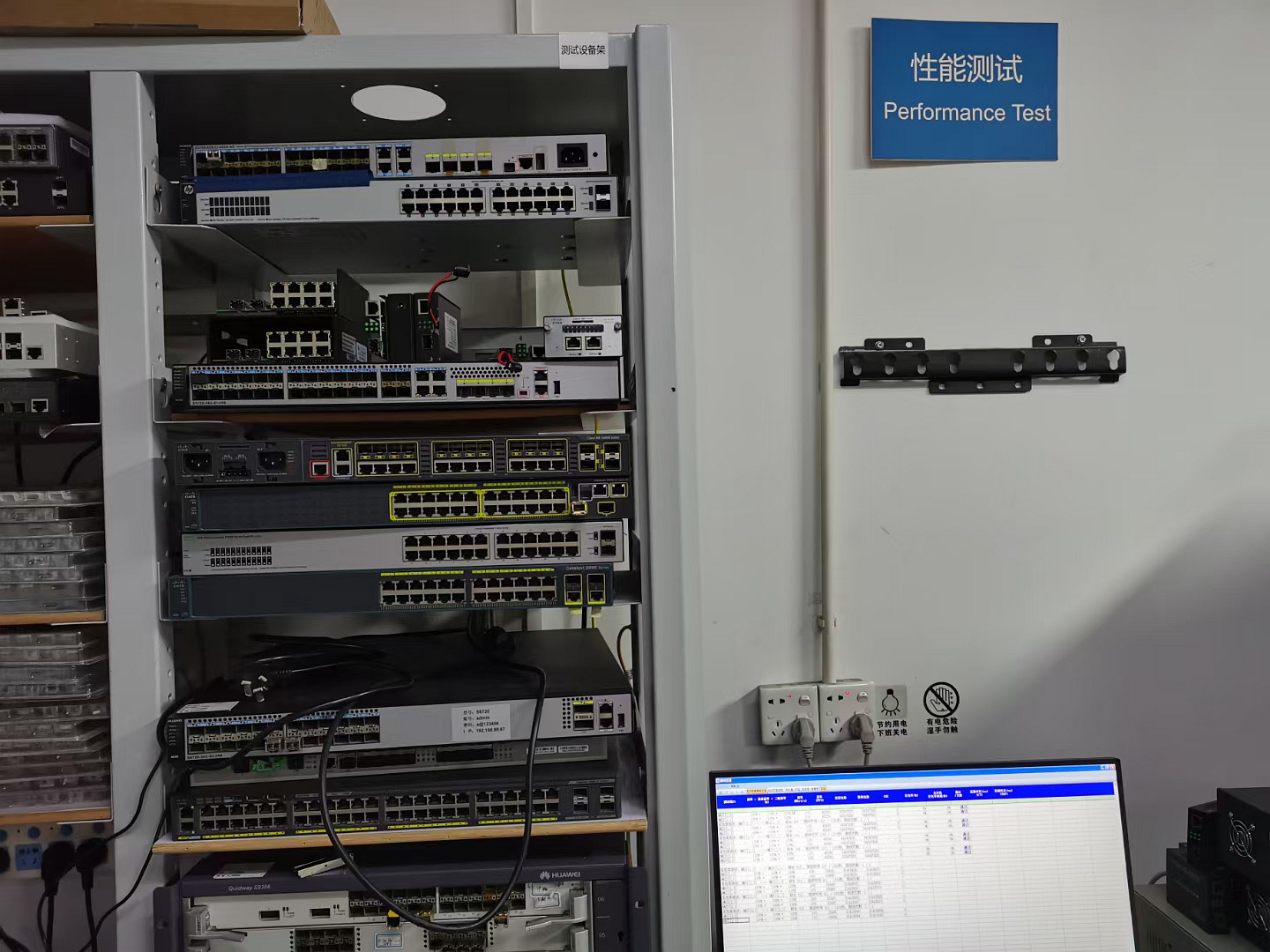
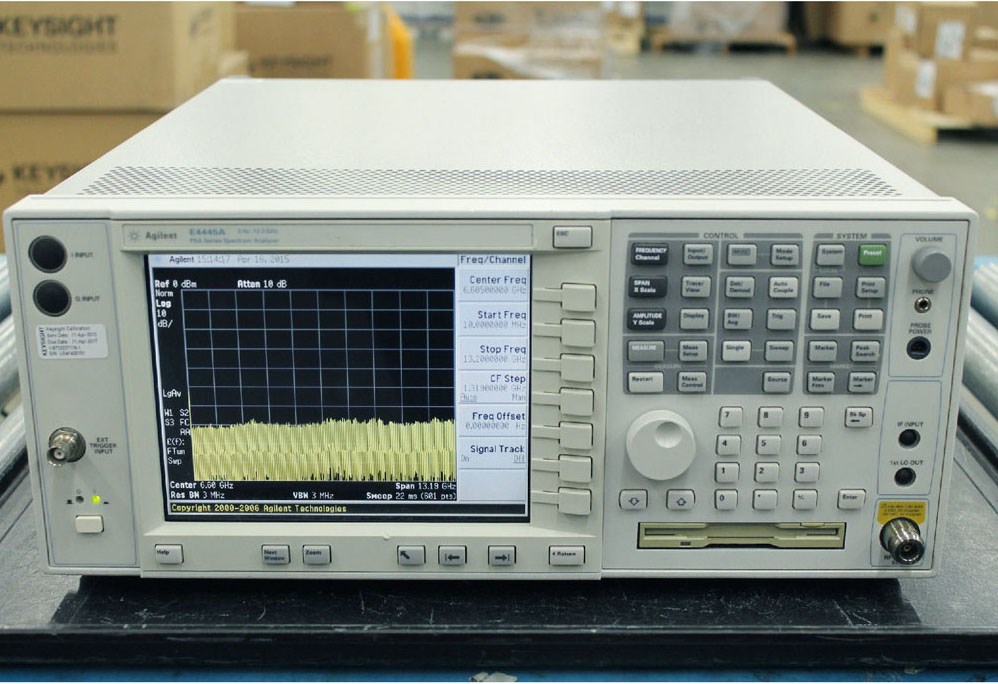
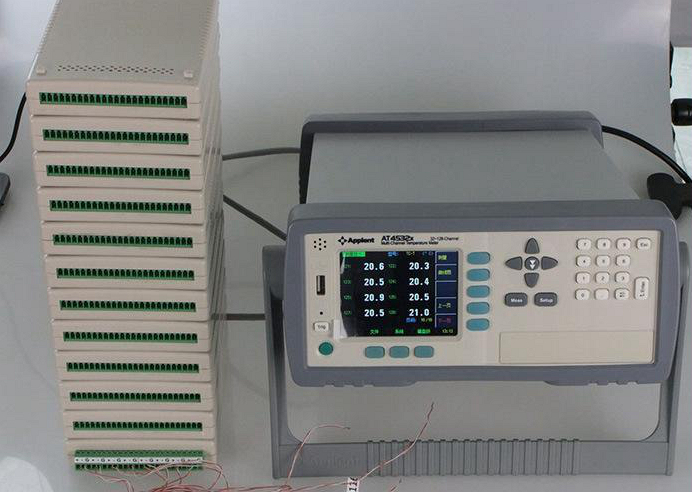
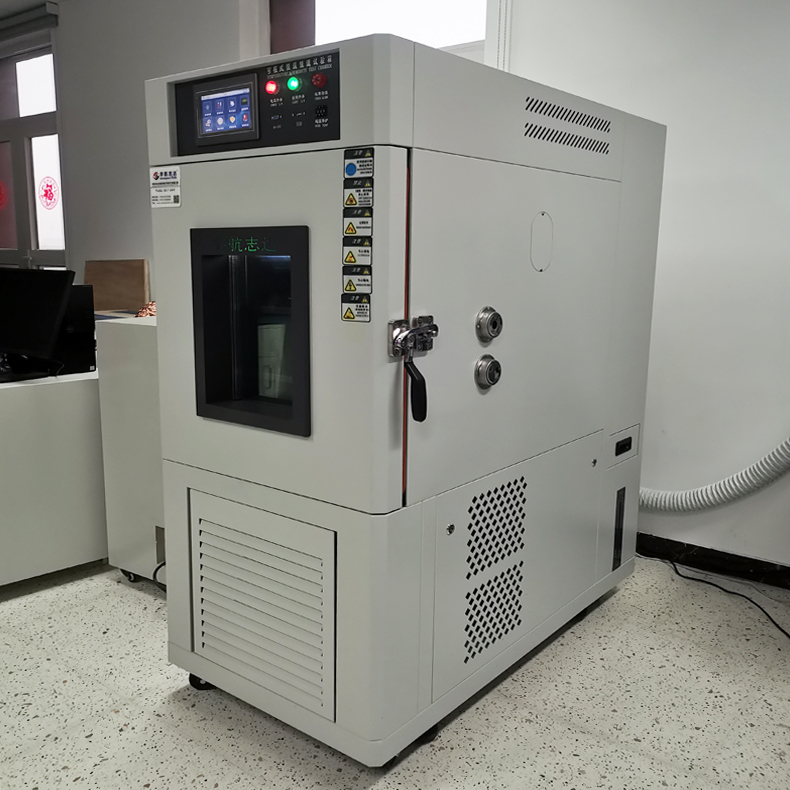
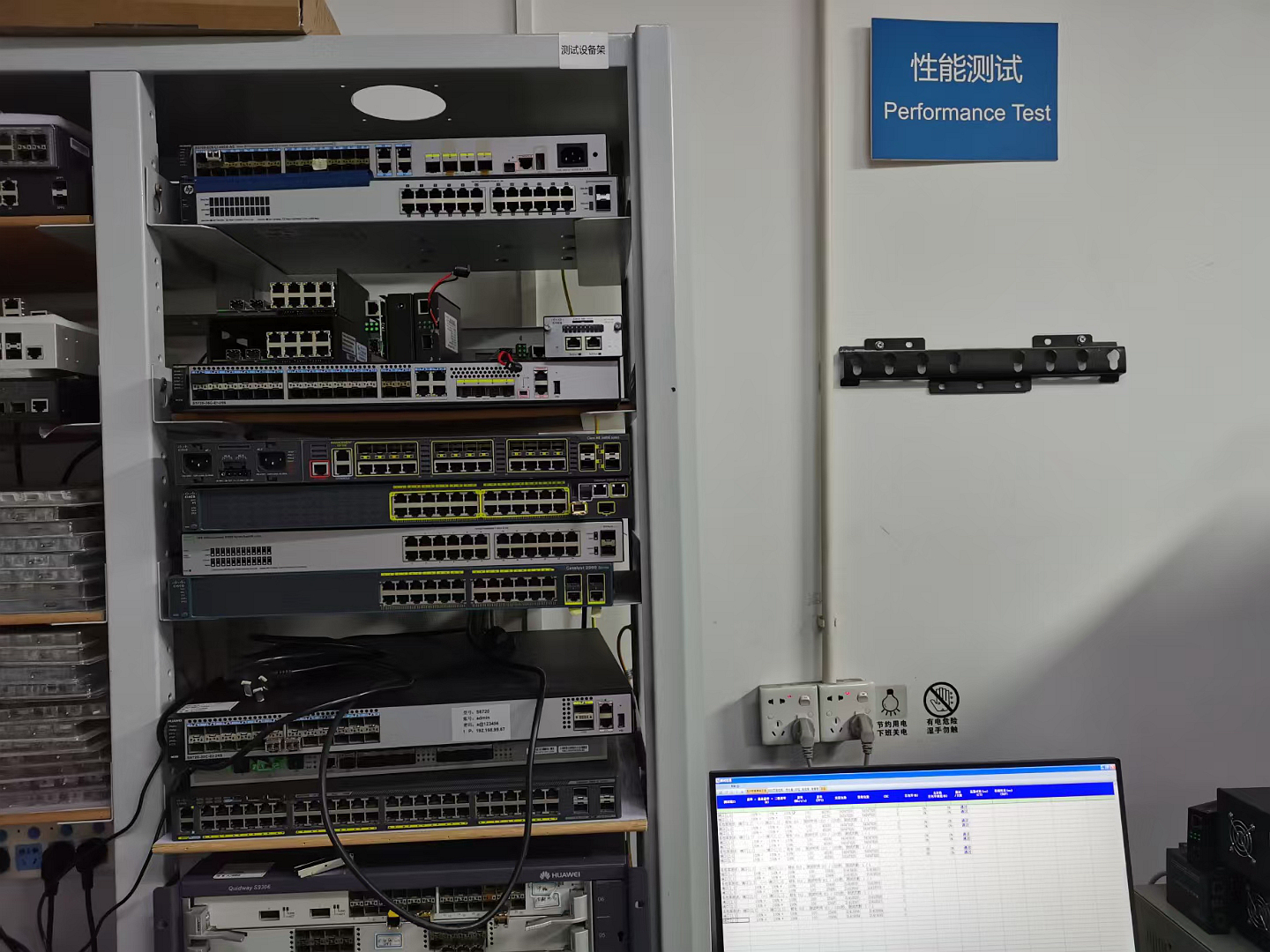
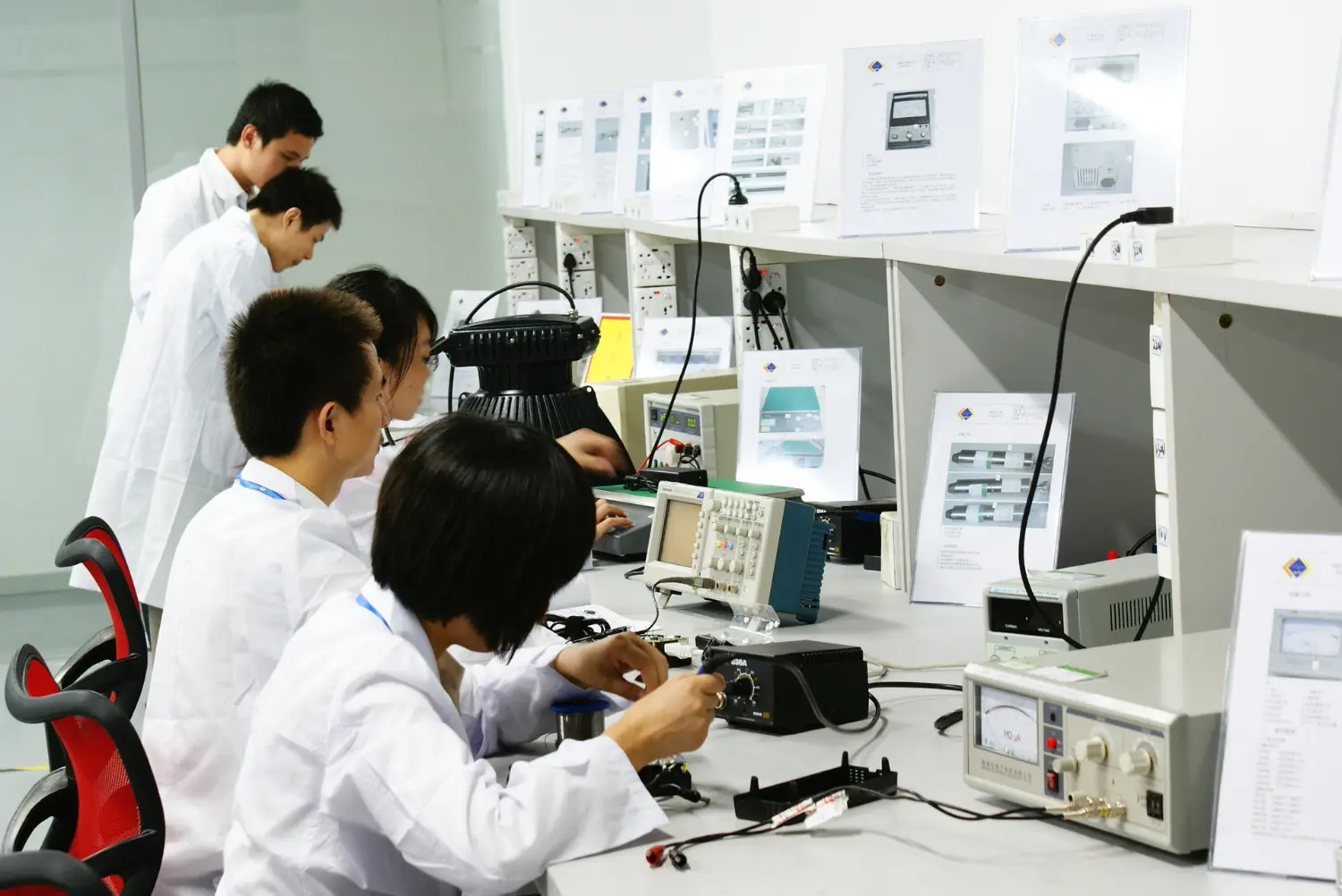
Through intensive design methodologies, our production lines are fully optimized for rapid turnaround OEM and ODM orders. This efficiency has enabled Shenzhen Soras Technology to scale our supply networks to over 60 countries across South America, North America, Europe, and Asia.
| Business Type | Manufacturer / OEM & ODM Provider | Country / Region | Guangdong, China |
| Main Products | FTTH ONU & OLT, SFP Transceiver Modules, Fiber Media Converters, PoE Switches, Passive Fiber Optic Accessories | Total Employees | 11 - 50 Professional Engineers & Production Crew |
| Total Annual Revenue | US$5 Million - US$10 Million | Year Established | 2021 (with over 10 years of prior industry expertise) |
| Certifications | ISO 9001, CE, FCC, RoHS, UL Compliance | Key Export Markets | Domestic (24.00%), Eastern Asia (15.00%), North America (15.00%), South America, Europe |
How Modern Infrastructures Leverage XG-PON and XGS-PON for Multi-Service Delivery
High-performance XG/XGS-PON networks are no longer confined to traditional home internet deliveries. As digitalization penetrates manufacturing environments, healthcare, and city-wide municipal management, the applications of 10G PON ONUs have scaled horizontally.
Large corporate headquarters require high upload capacity to sync local servers to hybrid clouds. Since XGS-PON provides symmetric 10 Gbps pipes, businesses can consolidate internal VOIP, zero-trust enterprise security databases, video conferencing platforms, and wireless access point backhaul over a unified passive fiber infrastructure. This cuts energy usage and reduces cabling footprints compared to traditional copper-based LAN systems.
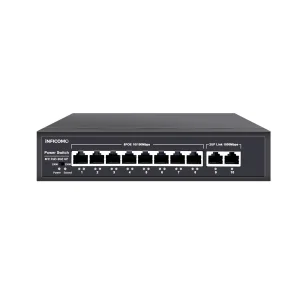
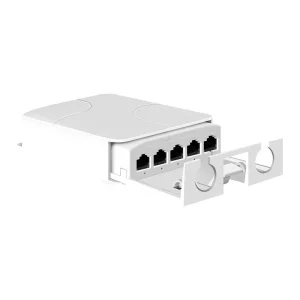
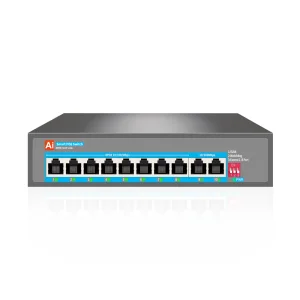
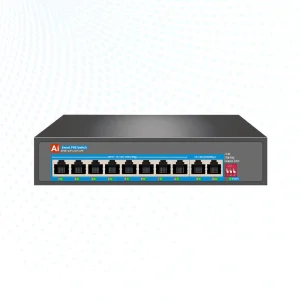
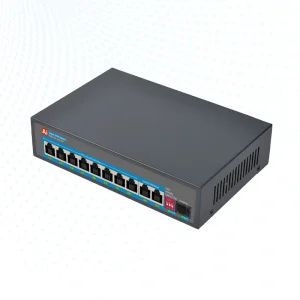
Modern smart cities depend heavily on 4K/8K surveillance feeds for traffic coordination and safety monitoring. By integrating Outdoor Waterproof PoE Extenders and Smart AI PoE Switches with fiber backhaul, local departments can deploy security cameras across thousands of meters of roadways. High-efficiency ONUs receive feeds from localized PoE switches, transmitting data over optical backhaul nodes with minimal loss or jitter.
On automated factory floors, robot arms, CNC equipment, and inspection arrays must exchange data with local edge servers within microseconds. The combination of XG/XGS-PON optical fibers and industrial media converters offers immunity against EMI (Electromagnetic Interference) commonly generated by high-power manufacturing machinery, delivering safe data transmission under extreme conditions.
Optimizing Fiber Topologies for FTTH, FTTB, FTTR, and FTTX Networks
Selecting the correct fiber endpoint topology is key to maximizing return on investment (ROI). In this context, FTTX represents an umbrella term for various localized deployments:
In traditional FTTH setups, a single XG-PON or XGS-PON ONT sits directly inside the residential home. It bridges the incoming optical signal to a local Wi-Fi 6 network, delivering ultra-wideband access to multiple household devices. The use of highly integrated dual-band AX3000 Wi-Fi 6 ONUs with gigabit LAN ports cuts deployment complexity for network operators.
In densely populated urban settings or high-rise residential blocks, running fiber straight into individual units can be costly. Operators implement FTTB, routing the optical feed to a centralized optical switch cabinet in the basement. From the building cabinet, copper cables (Cat6/Cat6A) run into each apartment. High-capacity 10G ONUs with multi-gigabit Ethernet interfaces act as the primary gateway at the FTTB node to process high-traffic flows without bottlenecks.
FTTR represents the next frontier in home networking. Rather than relying on a single ONT in the hallway that struggles to transmit wireless signals through thick concrete walls, FTTR runs micro-fiber lines to every room. A primary master ONT connects directly to the incoming fiber, communicating with secondary slave ONUs throughout the residence. This guarantees gigabit speeds, seamless roaming transitions, and stable connections across the entire home.
Answering Key Industry Questions on 10G PON Architecture, Compatibility, and Sourcing
Reliable Optical Transceivers, Smart Switches, and Customer Premises Equipment
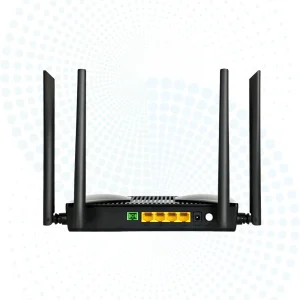
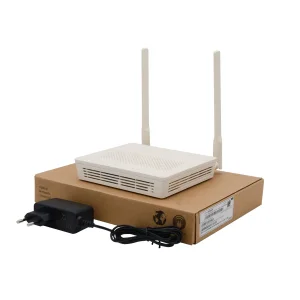
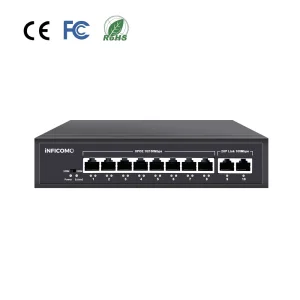
 Soras Tech