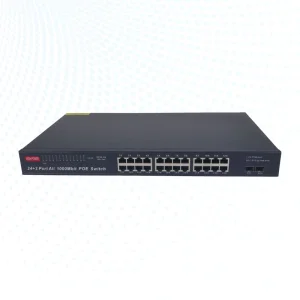
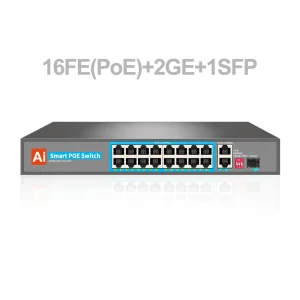
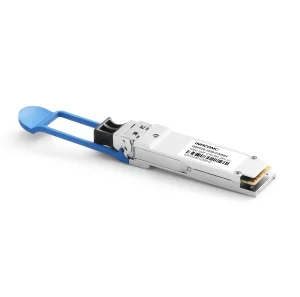
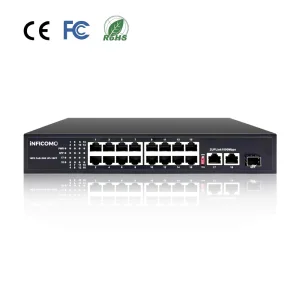
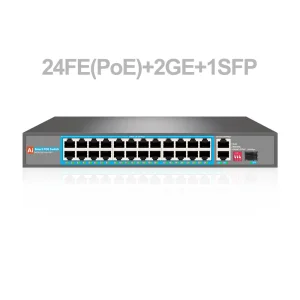
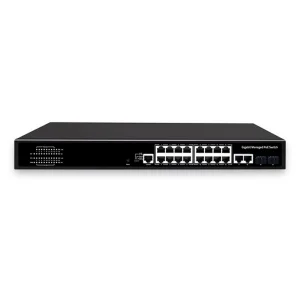
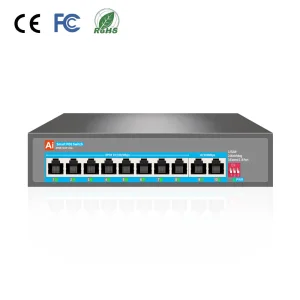
Explore our range of 16 and 24-Port Power over Ethernet Switches engineered for commercial and industrial deployments.
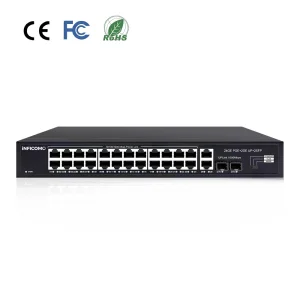
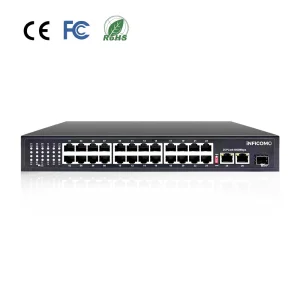
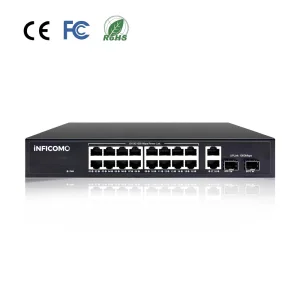
Analyzing market drivers, technology shifts, and geographic developments of high-power PoE systems.
The global demand for Power over Ethernet (PoE) technology has evolved from simple peripheral installations into a critical infrastructure design choice for smart buildings, commercial centers, and industrial automation networks. Standard Ethernet cable systems, once responsible solely for data routing, now play a major role in simultaneous power delivery. High-power 16 and 24-Port PoE switches form the core of modern edge setups, supporting advanced devices like PTZ (Pan-Tilt-Zoom) surveillance cameras, multi-band Wi-Fi 6/7 Access Points, and IoT control nodes.
Industries are moving away from local AC outlets and dedicated wiring loops, which carry high installation and permitting costs. By choosing a centralized PoE model, enterprise architects can deploy power budgets up to 450W per switch directly from the main server racks. This setup simplifies operational planning, provides a single point of battery backup (UPS), and enables unified remote power cycling across the network.
Strict energy efficiency codes and smart-building retrofits drive the demand for intelligent L2/L3 managed PoE switches. Corporate offices utilize them for smart lighting systems, unified IP communications, and Wi-Fi infrastructure.
Rapid investments in industrial security and metropolitan public transit systems drive demand for durable, wide-temperature 16/24 port switches. CCTV security networks require high PoE budgets to support outdoor PTZ dome cameras.
Smart manufacturing initiatives and SMT assembly developments rely on industrial DIN-rail or 19-inch rack-mounted switches. These systems connect control sensors, PLC interfaces, and visual monitoring equipment on the factory floor.
Understanding the engineering principles, standard protocols, and cooling structures behind PoE switch performance.
A reliable high-power PoE switch is built on high-capacity internal power supplies, efficient thermal management, and reliable switching fabrics. For example, a standard 24-Port Gigabit PoE switch requires a robust power supply (often up to 450W or higher) to reliably deliver 15.4W (IEEE 802.3af) or 30W (IEEE 802.3at) per port. If multiple ports draw maximum power simultaneously, thermal protection and intelligent allocation systems prevent equipment failure.
SEO & Engineering Insight: When selecting switches, evaluate the "Non-Blocking Switching Capacity" and "Forwarding Rate." For a 24-Port Gigabit switch with SFP uplinks, a backplane bandwidth of 56Gbps ensures packet processing at wire speed without dropping frames.
IEEE 802.3af delivers up to 15.4W of DC power per port, suitable for basic IP cameras and VoIP phones. IEEE 802.3at (PoE+) increases this to 30W per port, supporting dual-band APs, dome PTZ cameras, and video phones. The newer 802.3bt standard delivers 60W to 90W, powering outdoor displays, IoT nodes, and high-performance wireless routers.
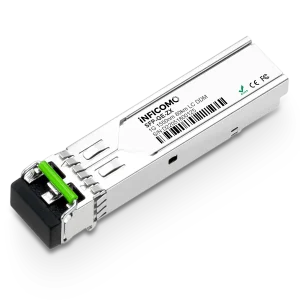
Gigabit SFP (Small Form-factor Pluggable) slots enable high-speed uplink connections to core distribution switches. Fiber links bypass the 100-meter copper limit, allowing remote site networks to connect back to the central server room over kilometers without electromagnetic interference.
Modern smart switches feature AI PoE Watchdog protocols. The switch continuously monitors connection status with connected devices (PDs). If an IP camera hangs, the switch automatically restarts the corresponding port's power, rebooting the device without manual intervention.
Practical blueprint integrations of 16/24-port switches in real-world application environments.
Deploying twenty 4K IP Dome cameras requires consistent power levels over long cable distances. Using a 24-Port 100Mbps/Gigabit Uplink PoE Switch with 450W budget provides ample headroom. The SFP port links the local switch back to the main security operations center (NVR room) via optical fiber.
For modern office buildings deploying multiple dual-band or tri-band Wi-Fi 6 access points, a 16-Port Managed Gigabit PoE Switch with 250W power supply handles the workload. Through SNMP and L2 QoS management, it prioritizes real-time VoIP traffic and bandwidth-heavy applications.
In dust-heavy, high-temperature manufacturing environments, industrial-grade 16-port PoE switches with wide temperature tolerance and 6KV surge protection ensure continuous network availability. They connect remote PLCs, visual sorting stations, and wireless client bridges.
A leading manufacturer of optical transmission equipment and network components with over 10 years of R&D experience.
Shenzhen Soras Technology Co., Ltd. is committed to providing customers with high-quality, cost-effective, and high-value-added products and solutions. Today, we work closely with telecommunications companies around the world. With our strong technical force and experienced R&D team, we develop custom products according to client requirements and accept OEM and ODM orders. Currently, our products are exported to more than 60 countries, with major markets in South America, North America, and Europe. Our main products include: Fiber Media Converters, SFP Modules, POE Switches, ONU, OLT, and supporting components. We have passed ISO 9001, UL, CE, FCC, and ROHS certifications. Our mission is built on "superior quality, professional service, competitive price, and integrity." We believe this commitment is key to our long-term growth. Soraslink looks forward to working with you!
| Company Profile & Specifications Summary | |||
|---|---|---|---|
| Business Type | Manufacturer | Country / Region | Guangdong, China |
| Main Products | FTTH ONU & OLT, SFP Module, Fiber Media Converter, PoE Switch, Fiber Optic Equipment | Total Employees | 11 - 50 People |
| Total Annual Revenue | US$5 Million - US$10 Million | Year Established | 2021 |
| Main Markets | Domestic Market (24.00%), Eastern Asia (15.00%), North America (15.00%), South America, Europe | Certificates | ISO 9001, UL, CE, FCC, ROHS |
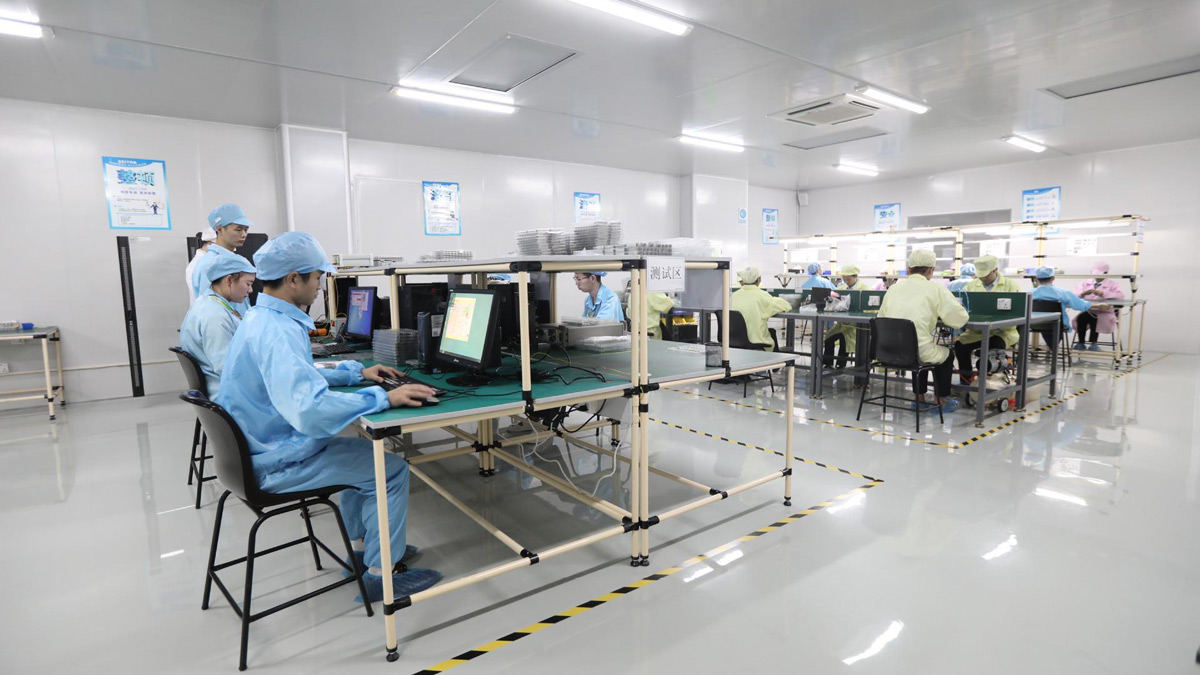
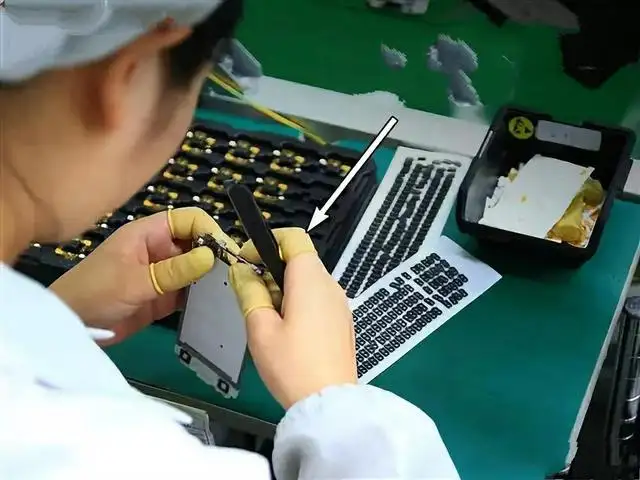
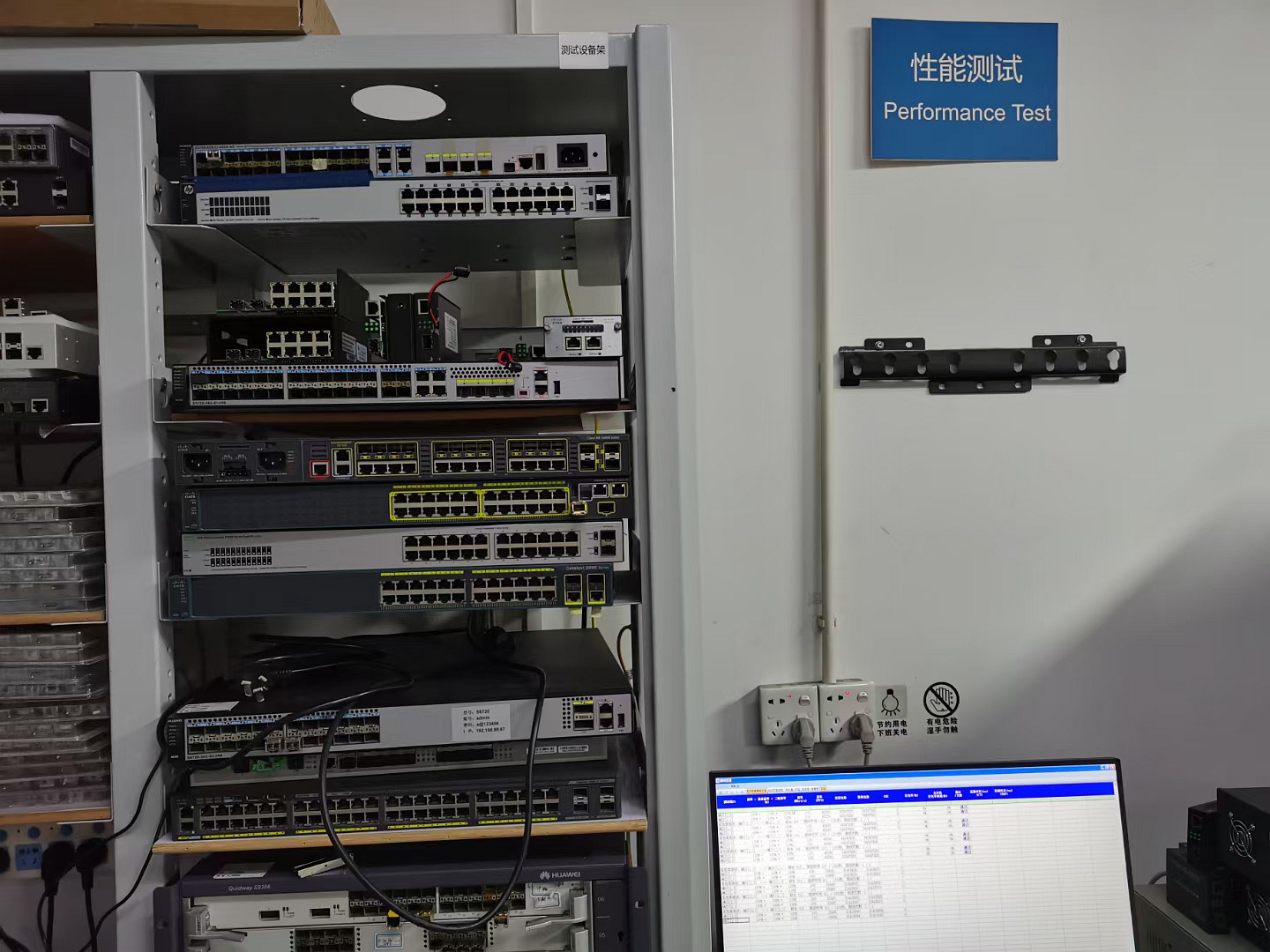
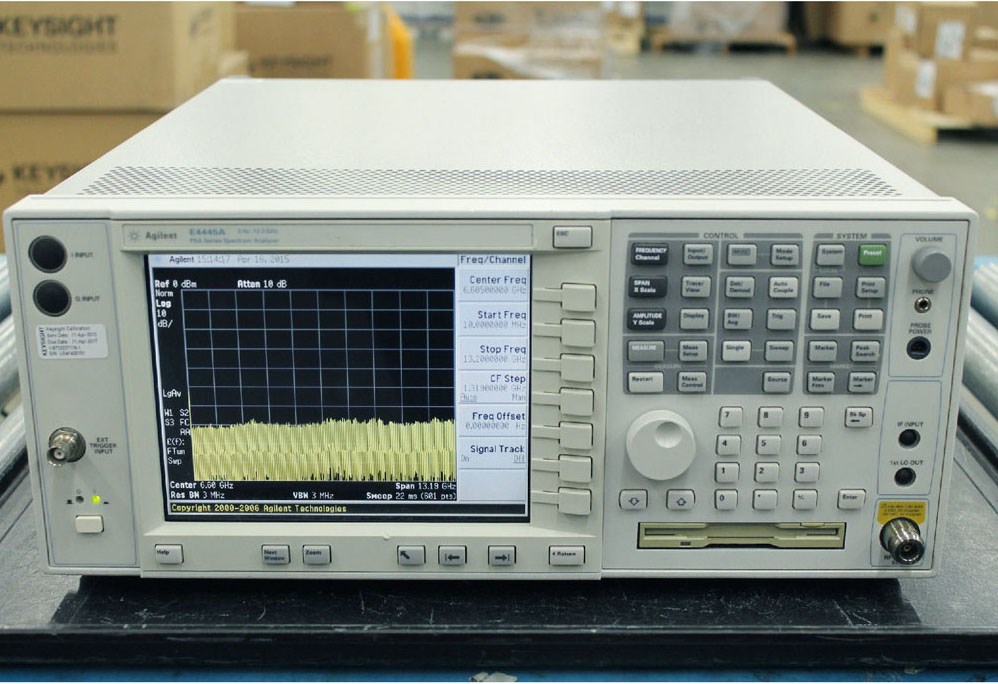
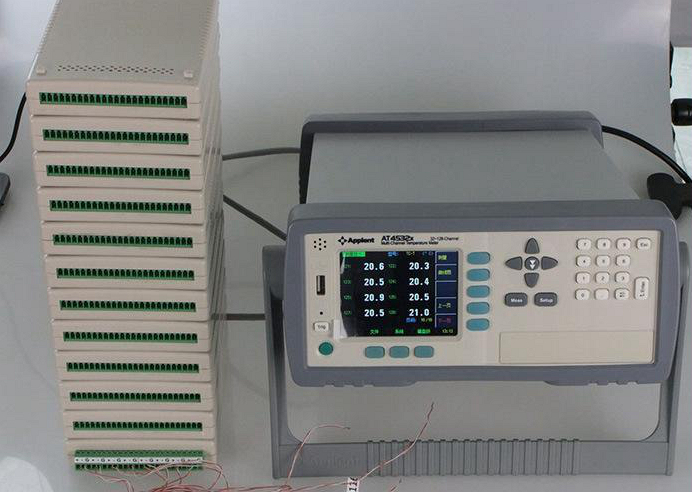
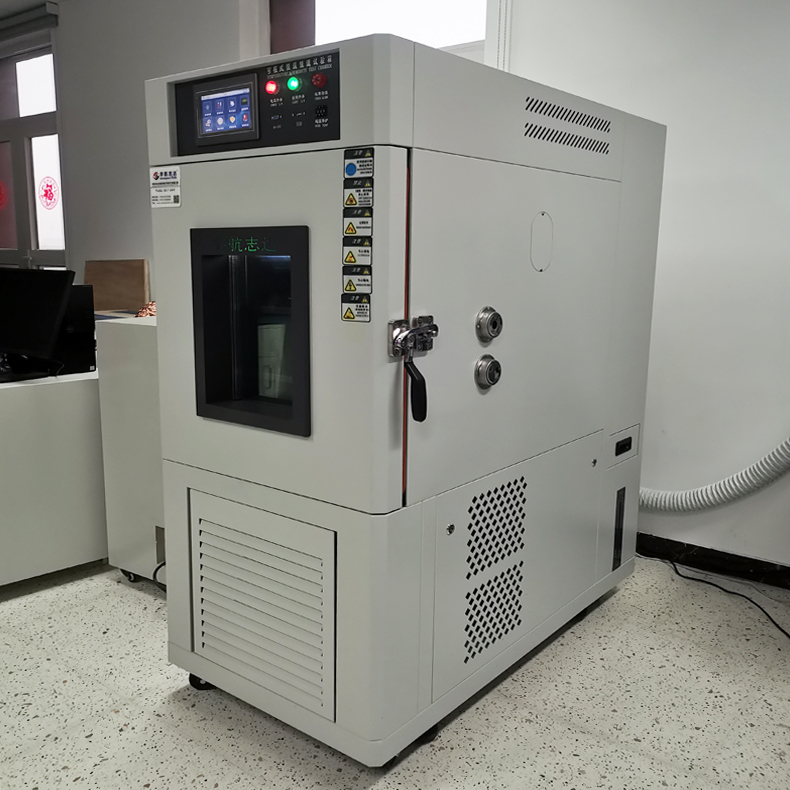
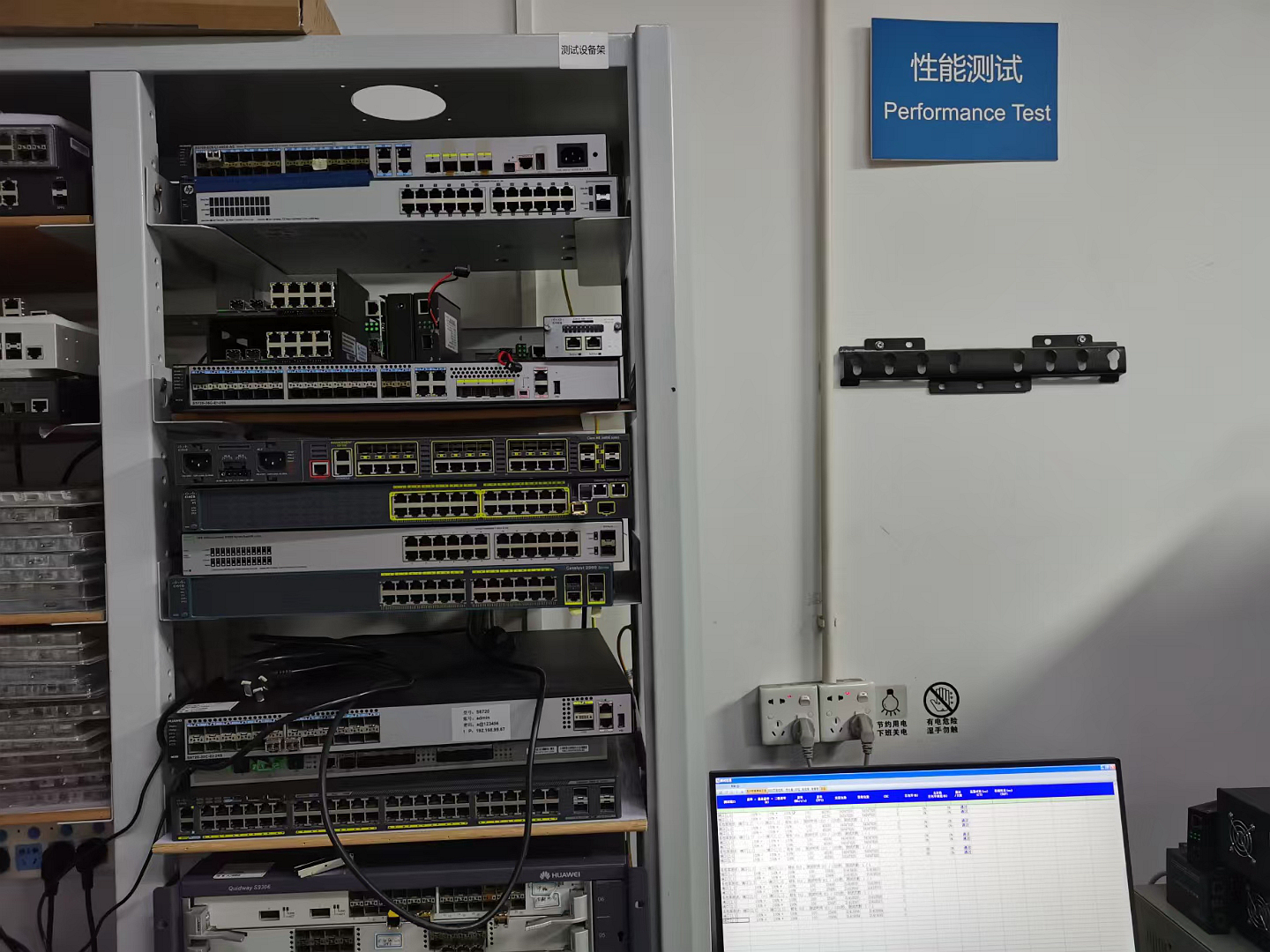
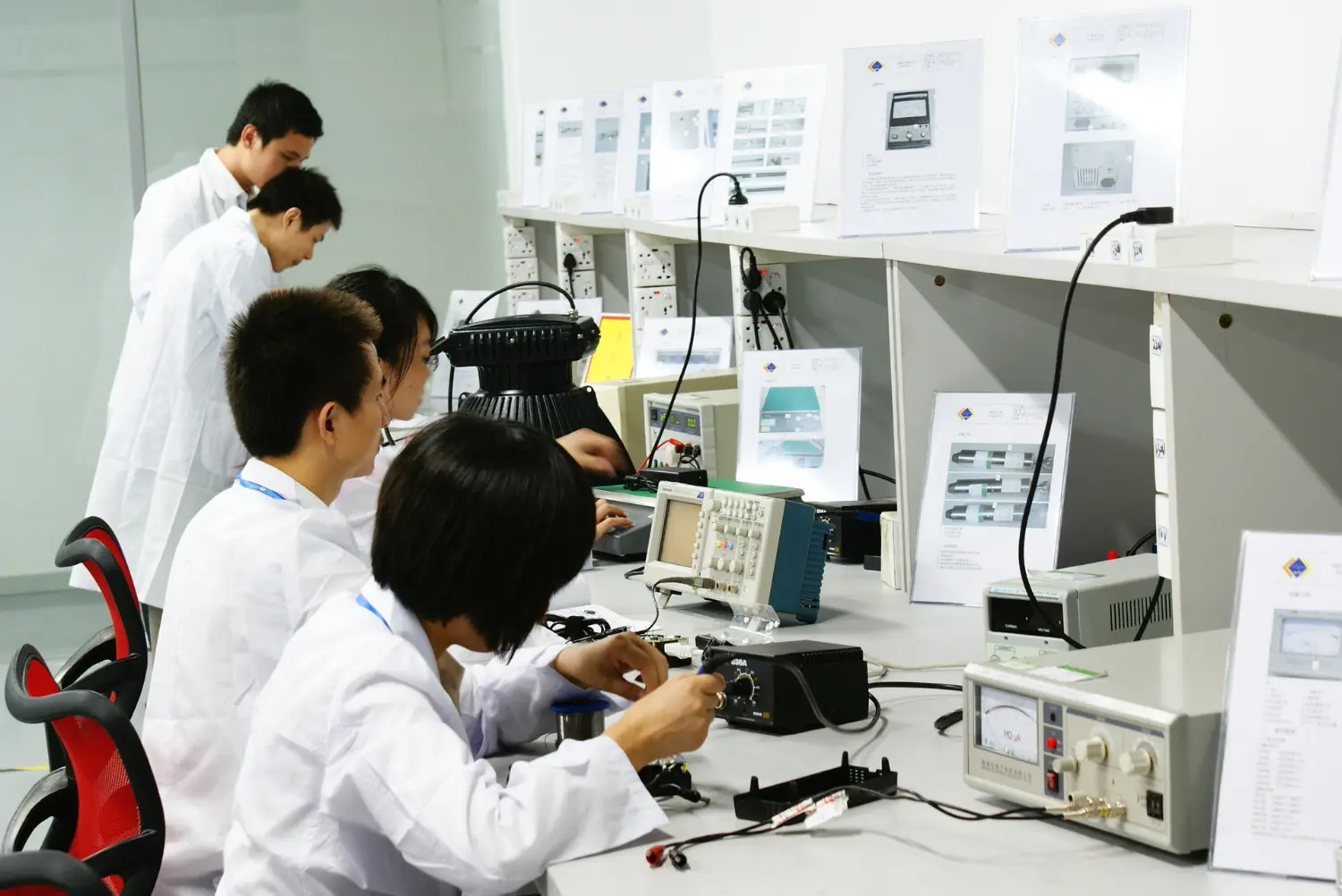
Our quality control process is supported by high-precision SMT production lines, high/low-temperature test chambers, Wi-Fi calibration benches, and full-functional simulations.





Predicting the evolution of high-power hardware and network routing infrastructure over the next 5 years.
As the network edge grows, PoE technology must keep pace with higher power demands, increased data rates, and green energy initiatives. Here are the key developments shaping the future of power and data distribution:
Modern Wi-Fi 6/7 access points exceed standard 1Gbps wire limits. Next-generation 16 and 24-port switches feature 2.5GBASE-T interfaces to prevent network bottlenecks while providing standard PoE+ power over Category copper cabling.
Rather than reserving maximum power profiles for every device, future switches will use real-time LLDP negotiation to distribute power down to the decimal. If an IP camera draws only 6W instead of its rated 15W, the remaining capacity is returned to the switch's pool for other devices.
The demand for high-power devices like outdoor PTZ dome cameras, building access panels, and high-brightness digital signage requires switches that support the 802.3bt standard, which delivers up to 100W per port over four copper pairs.
Answers to common technical questions about 16 and 24-Port High Power PoE Switches.
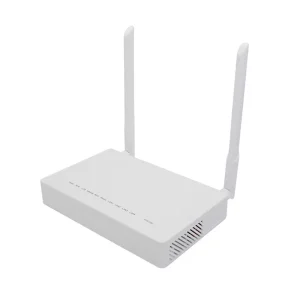
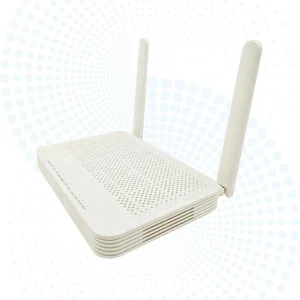
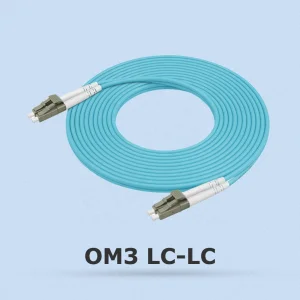
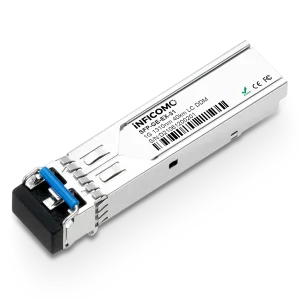
High-quality accessories, fiber patch cords, optical transceivers, and ONUs to complete your high-power network system.
 Soras Tech