High-efficiency Power over Ethernet devices designed to break the 100-meter barrier, engineered for enterprise networks and industrial deployments.
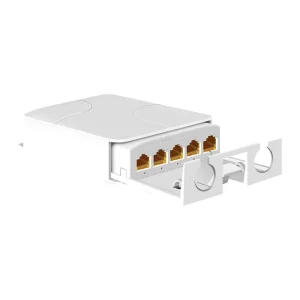
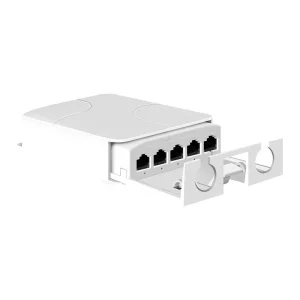
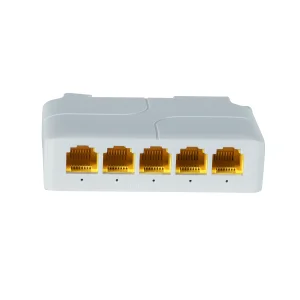
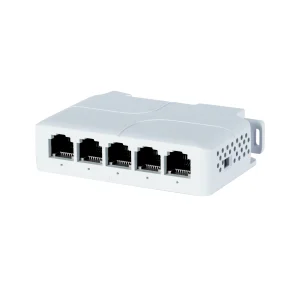
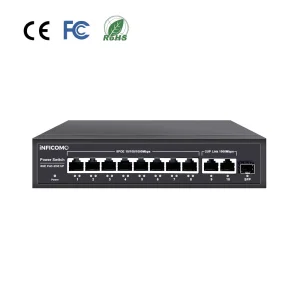
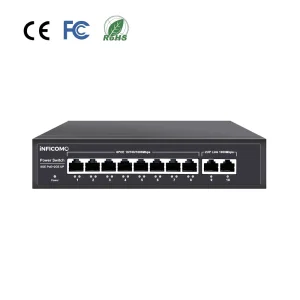
In modern industrial and enterprise networking architectures, the consolidation of data and power distribution into a single structured cabling medium has moved from convenience to a primary design standard. Power over Ethernet (PoE) technology, regulated by the Institute of Electrical and Electronics Engineers (IEEE), has drastically evolved. It has transformed from early legacy proprietary injections into standardized, high-power carrier configurations that drive critical edge devices, high-throughput access points, and remote hardware installations.
At the center of any PoE deployment is the negotiation protocol between the Power Sourcing Equipment (PSE) and the Powered Device (PD). Standardized PoE operating modes utilize Cat5e, Cat6, or Cat6A copper cabling, using either the data pairs (Alternative A) or the spare pairs (Alternative B) to deliver DC voltage. The standard progression dictates the maximum thermal capacity and power delivery threshold:
Standard Ethernet signal integrity degrades after 100 meters (approx. 328 feet) due to signal attenuation and DC voltage drop across copper resistance. To circumvent this without building costly intermediate wiring closets or installing optical-to-electrical converter points, network architects employ PoE Extenders (Repeaters). Devices like our Gigabit PoE++ Rail-mounted Extender take the incoming power/data signal, regenerate the digital packets, and deliver boosted PoE voltage further downstream, enabling runs of up to 250 meters or more when cascaded in series. This significantly reduces overall CAPEX and OPEX for physical layer expansion.
Operating from Shenzhen, the global epicentre of advanced hardware technology, Shenzhen Soras Technology Co., Ltd. (Soraslink) delivers enterprise-grade optical transmission and networking equipment built to withstand rigorous operation environments.
By eliminating intermediate brokers, Soraslink delivers enterprise-grade equipment directly from our Shenzhen hub. We offer substantial cost efficiencies while maintaining strict component traceability and compliance with global engineering benchmarks.
Our hardware is verified across multiple safety and electromagnetic compatibility guidelines, including CE, FCC, RoHS, and UL compliance. This enables smooth integration into highly regulated industrial projects worldwide.
Our experienced in-house R&D team accommodates customizable port density, specific rail configurations, proprietary PoE allocation rules, and custom outer casings, aligning product builds with exact client specifications.
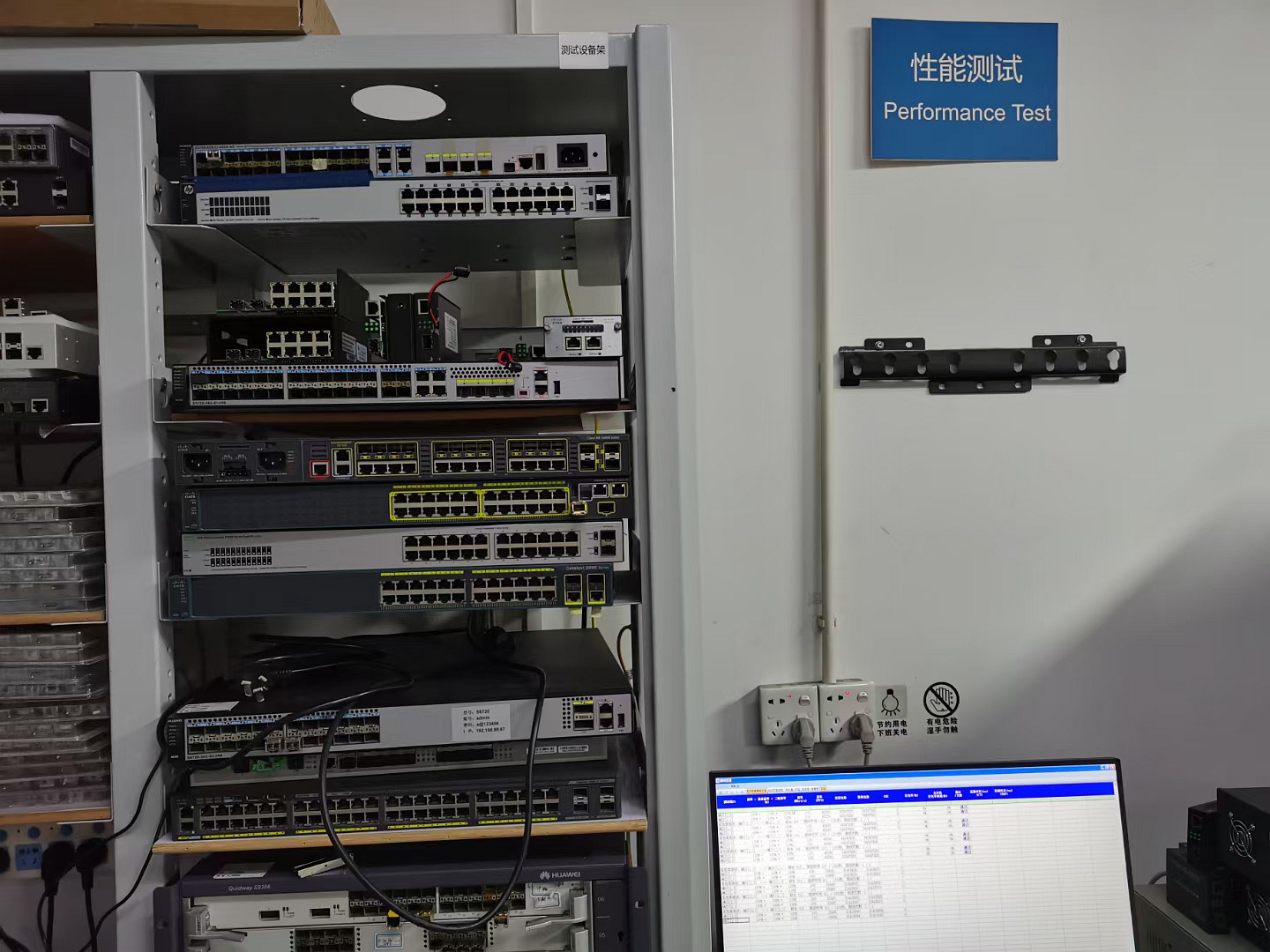
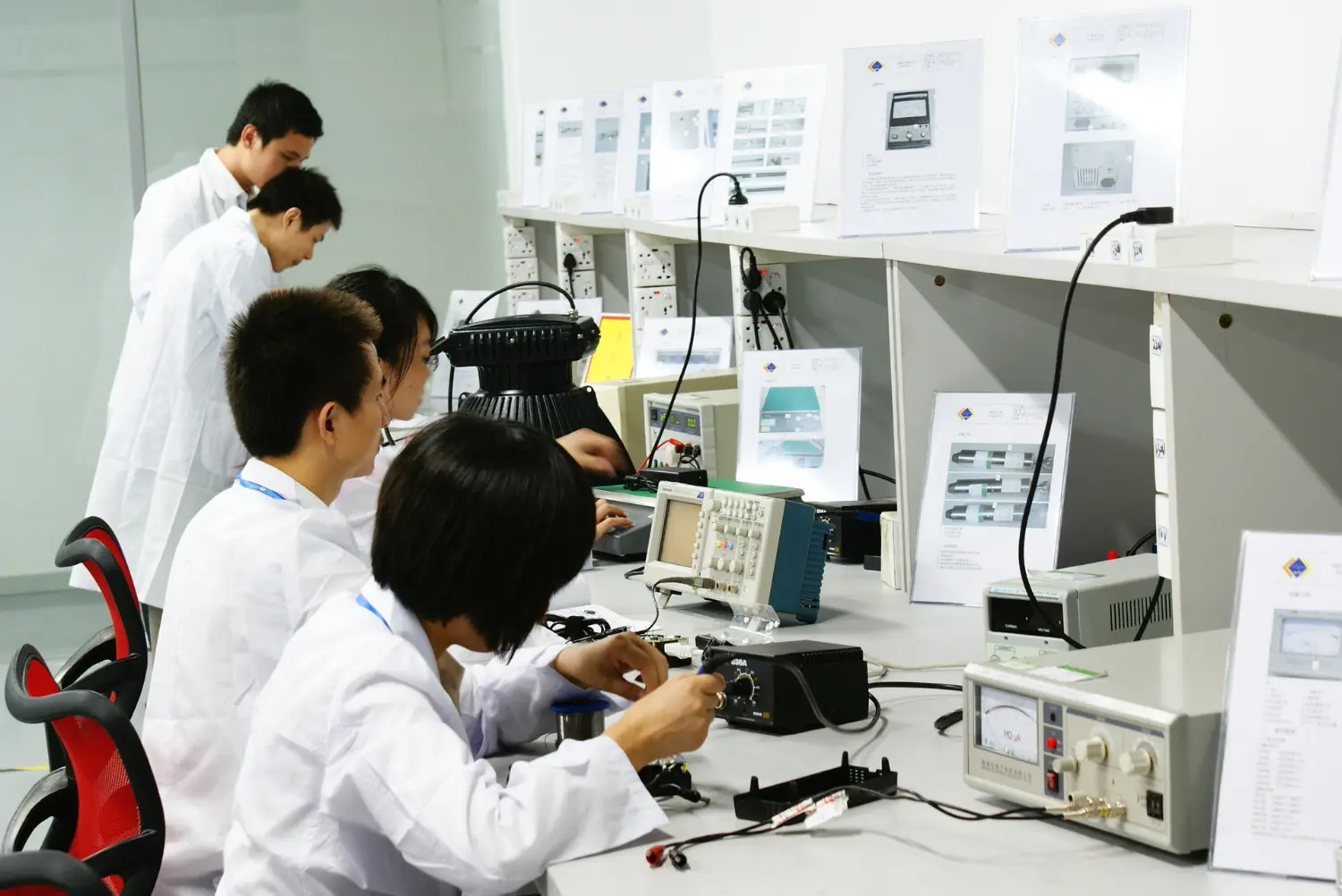
Every PoE Switch, Extender, and optical transceiver module undergoes a thorough quality control regimen in our ISO 9001-certified factory to ensure high reliability and field performance.
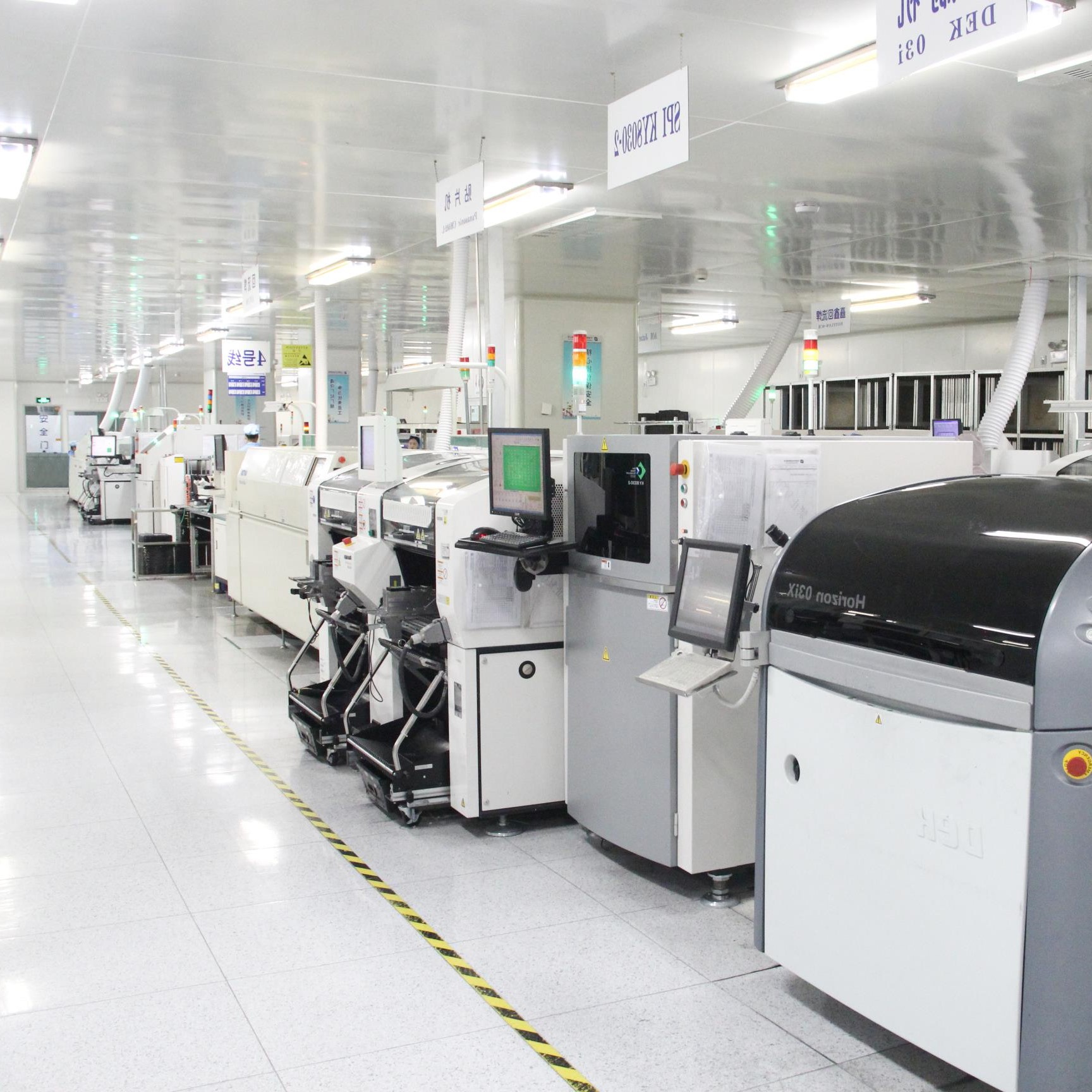
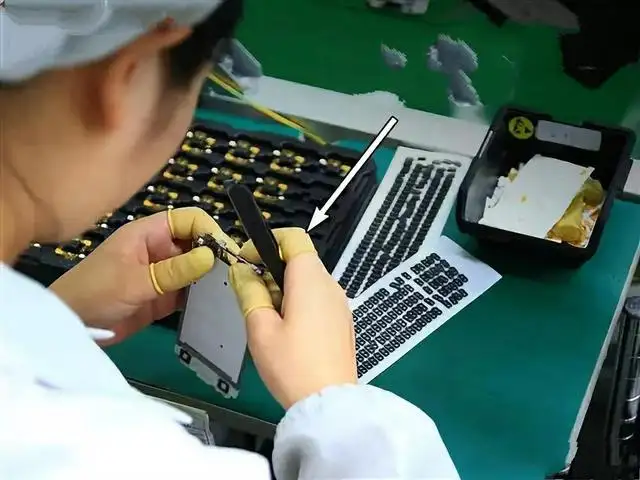
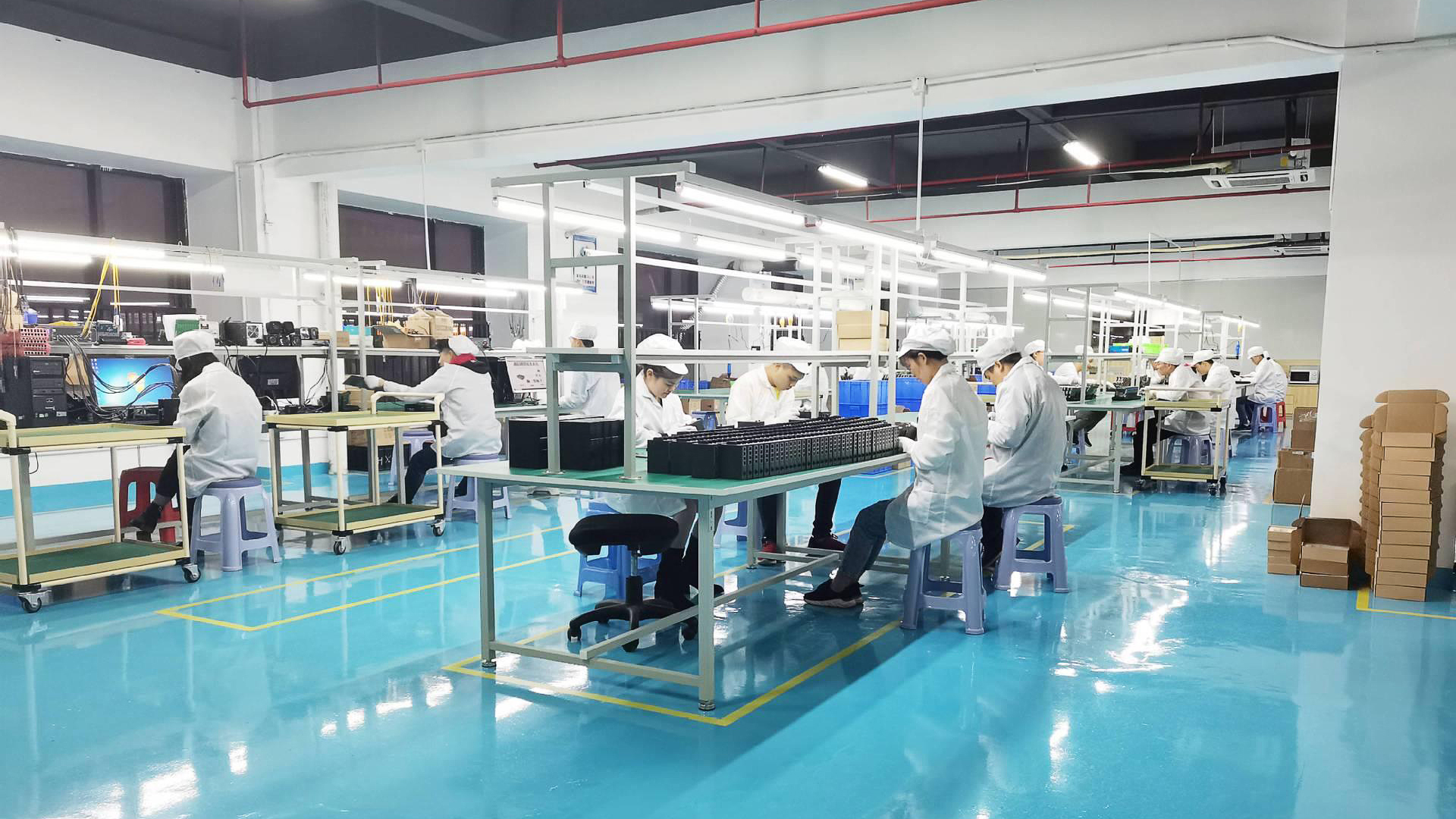
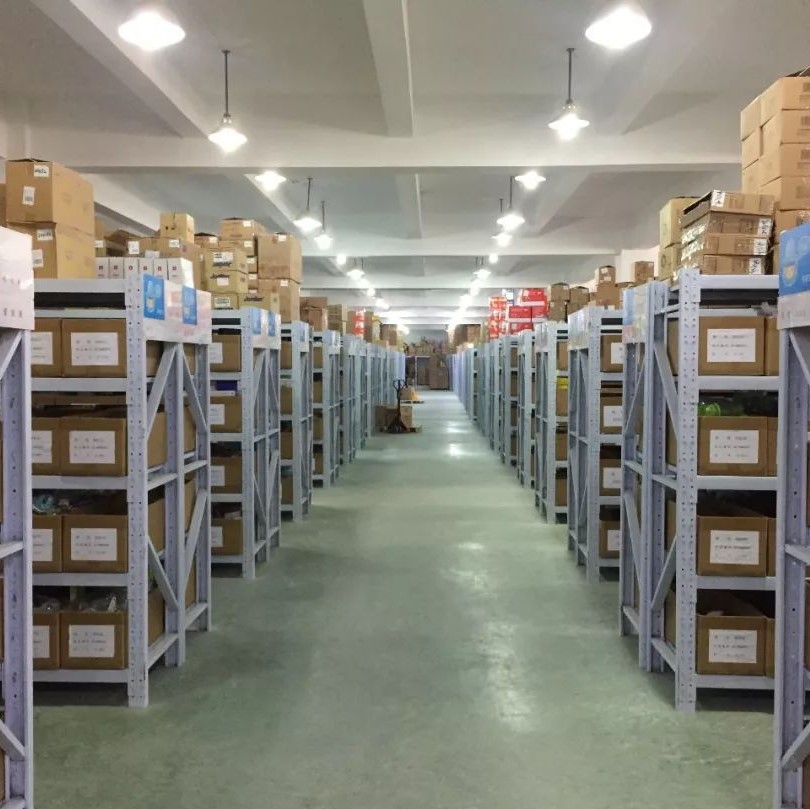
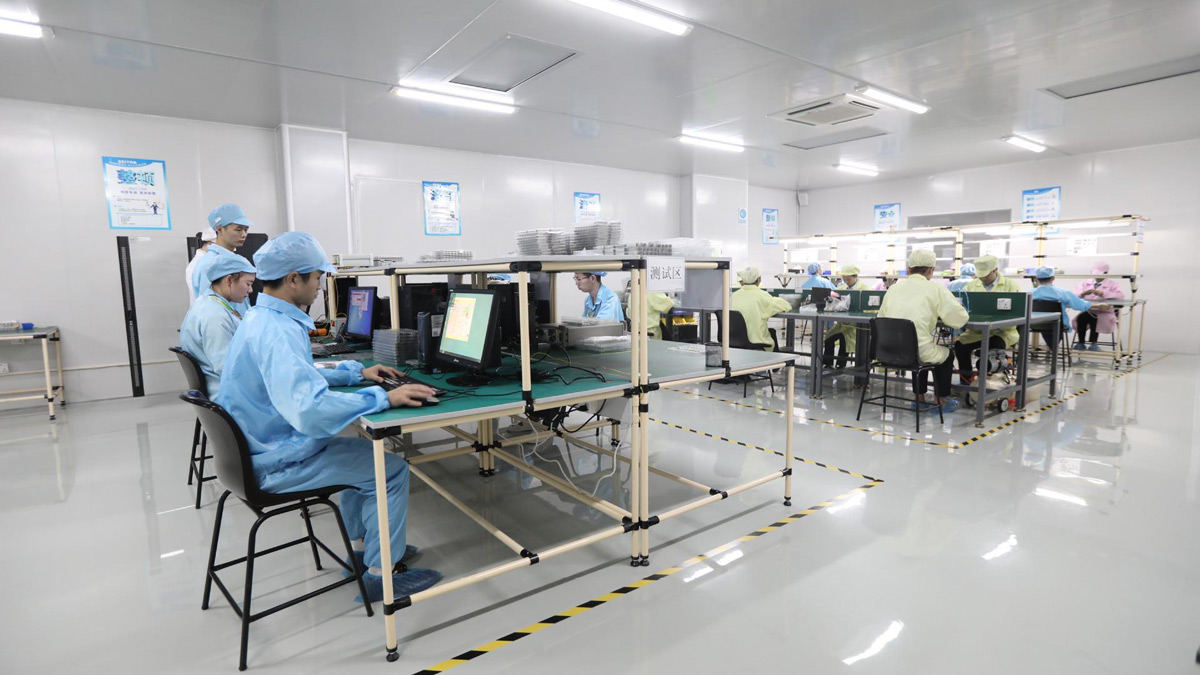
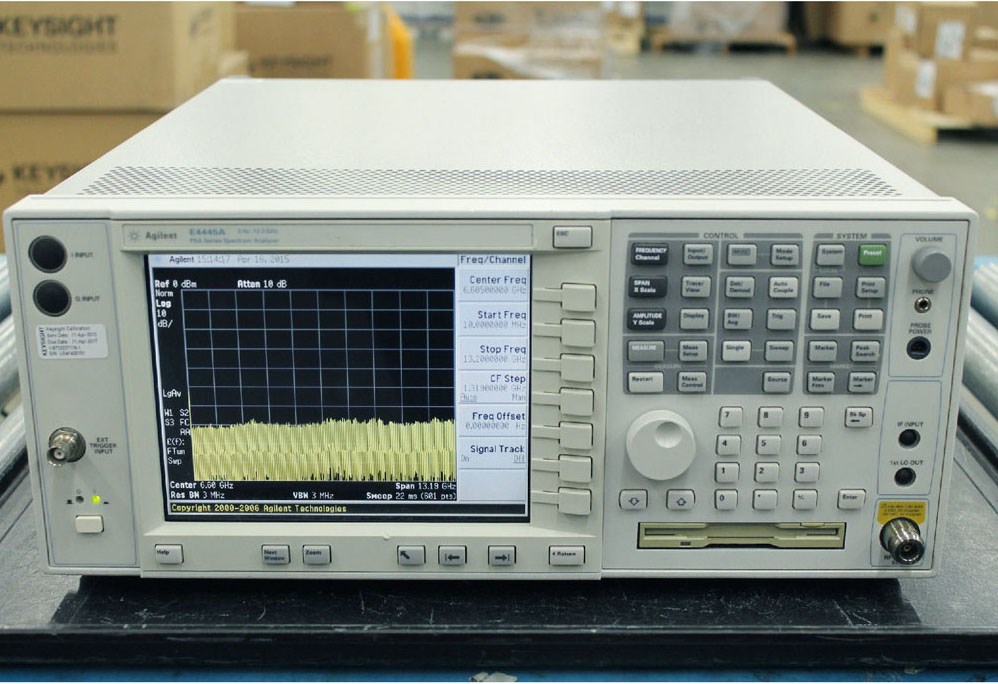
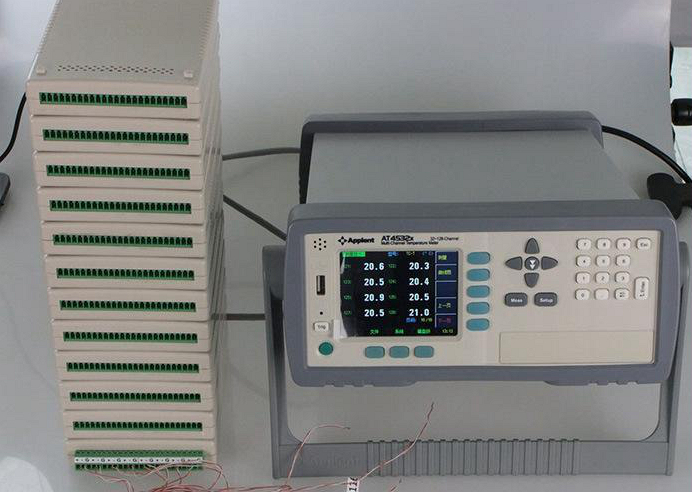
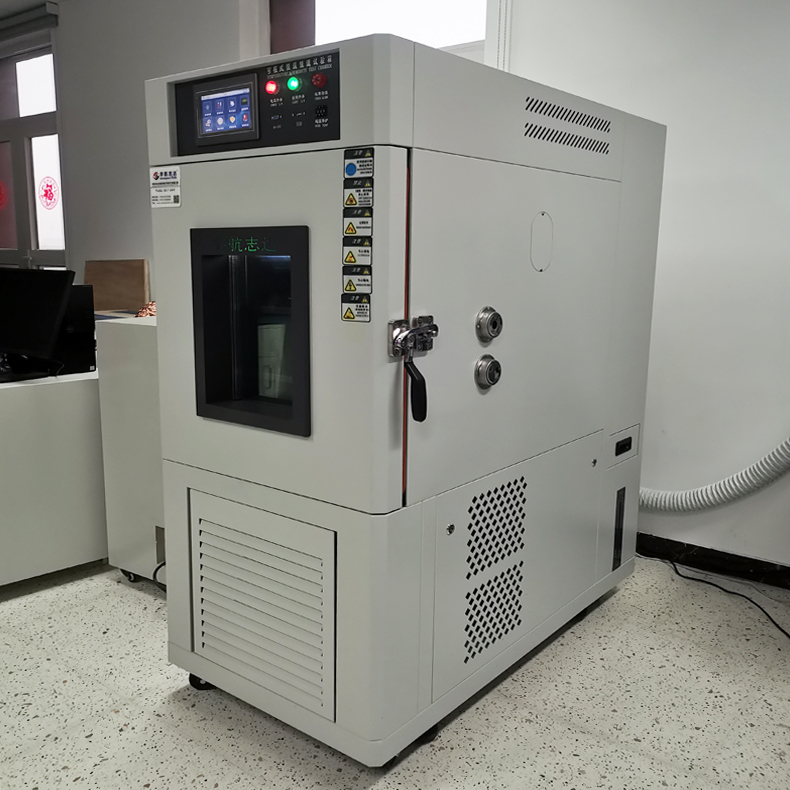
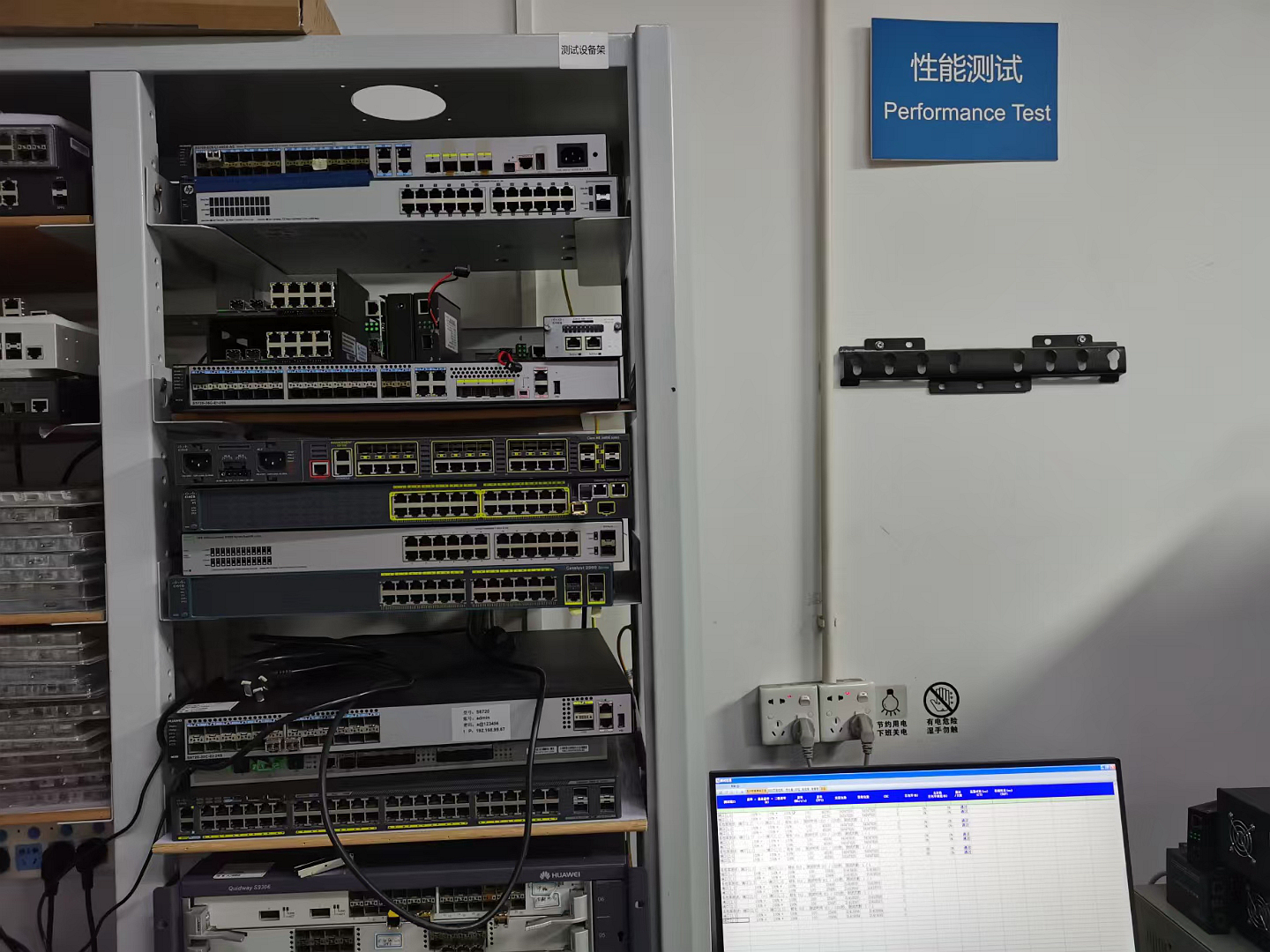
Each piece of networking hardware passes through a series of testing phases to guarantee electrical, transmission, and thermal stability in field environments.
Networking architectures require highly customized configurations based on deployment locale, ambient parameters, and mechanical stressors. Soraslink products are optimized for a variety of industries, ensuring stable operations under demanding conditions.
High-resolution PTZ digital security cameras mounted on external light poles require stable power delivery and long-distance connectivity. Our DIN-rail-mounted outdoor extenders can operate in demanding outdoor temperatures, eliminating the need for localized AC power units at every node.
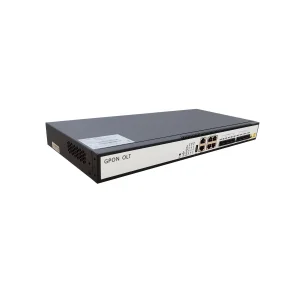
Supporting Fiber-to-the-Home and Fiber-to-the-Desk setups, our GPON/XGPON OLTs and high-speed ONUs form the core of reliable optical distributions. This provides robust bandwidth to residential subscriber loops and commercial office spaces alike.
Modern automated manufacturing facilities utilize centralized PLC units and sensors. Rail-mounted PoE devices deliver vibration protection and electromagnetic shielding, providing noise-free data loops amidst heavy machinery activity.
Enterprise and telecom procurement departments face multiple challenges in ensuring network reliability while managing CAPEX. When selecting PoE equipment, managers should assess hardware along several key performance indicators:
| Parameters | Standard PoE Switches | Industrial Grade Switches | Soraslink Premium Solutions |
|---|---|---|---|
| Working Temperature | 0°C to +40°C | -40°C to +75°C | -40°C to +85°C (Validated in Temp Chambers) |
| Enclosure Protection | Plastic / Light sheet metal (IP30) | Heavy Metal Casing (IP40) | IP65 Waterproof (Outdoor Extenders) / Heavy-duty DIN-Rail Metal Case |
| Surge & ESD Protection | Common Mode 2KV / Differential 1KV | Common Mode 4KV / Differential 2KV | Common Mode 6KV / Differential 4KV (Enhanced protection) |
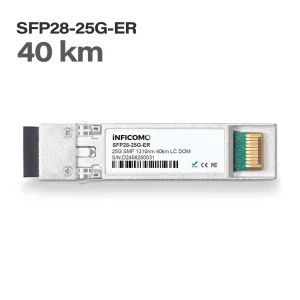
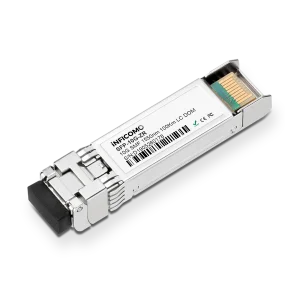
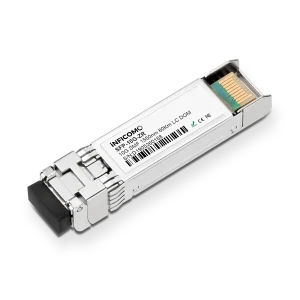
| Optical Connectivity | Standard SFP Port (1.25G) | Gigabit / 10G SFP+ Optional | Supports 10G ZR SFP+, 25G ER SFP28, QSFP+ 40G up to 80km |
| Quality Assurance | Standard QC Batch Checking | Standard factory functional tests | 100% SMT AOI, Wifi Calibration, Error tests & Simulation Burn-in |
Technical details and deployment recommendations for our PoE Switch, PoE Extender, and optical transceiver series.
A PoE extender acts as a combination of a low-latency network switch and an active voltage regulator. It receives data and power from the upstream PSE, extracts the data packets to regenerate them, and boosts the internal voltage to offset line loss in the copper pairs. This ensures downstream devices receive clean data frames and adequate voltage according to IEEE standards.
Active PoE (IEEE 802.3af/at/bt) involves a handshake phase where the PSE checks the PD's signature resistance to verify compatibility and power requirements before delivering current. Passive PoE does not negotiate; it applies a constant voltage directly to the pins. Active PoE is highly recommended for enterprise networks to prevent electrical damage to non-PoE connected devices.
Yes. Many of our industrial PoE switches feature dedicated SFP/SFP+ uplink ports. This hybrid architecture allows you to route high-speed, long-distance backhaul signals over fiber optics (up to 80km with our 10G ZR modules) and distribute power and data to copper-based edge devices (like cameras or APs) locally via RJ45 PoE ports.
DIN-rail mounting is a standardized hardware profile widely used in industrial cabinets. It provides a secure, vibration-resistant mount that keeps network cables organized and prevents accidental disconnections in busy operational environments, such as factories, railway hubs, or utility substations.
Our Quality Assurance workflow includes automated SMT inspection, component level testing, high-low temperature chamber profiling, Wifi RF calibration, bit error rate analysis, and load-simulation tests. These steps help prevent field failures and ensure compliance with ISO 9001, CE, FCC, RoHS, and UL standards.
High-capacity optical transceivers, media converters, and carrier OLT platforms for long-haul transport and FTTX infrastructure.
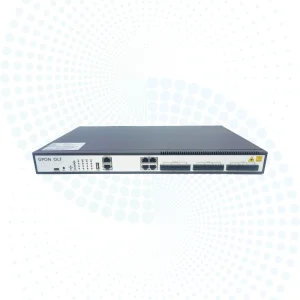
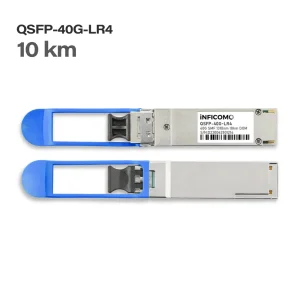
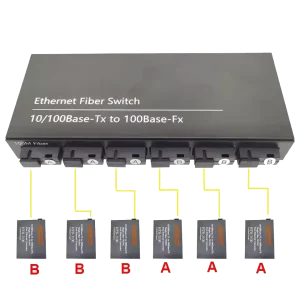
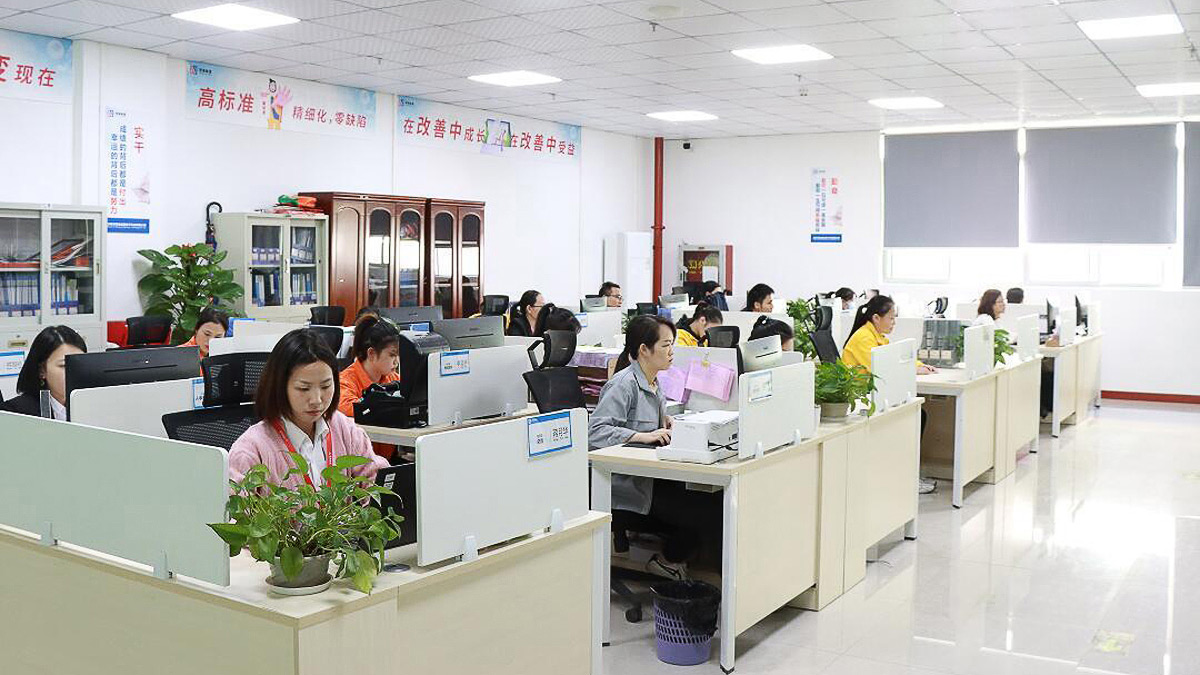
Founded with a focus on core optical transmission and high-reliability networking infrastructure, Shenzhen Soras Technology Co., Ltd. (Soraslink) has developed over a decade of industrial experience. Our facility incorporates advanced SMT lines, assembly areas, and specialized quality control environments to deliver robust, high-performance network equipment.
We work in close cooperation with telecommunications companies globally, delivering engineered solutions that meet stringent field requirements. Committed to technological adaptation and process control, our output carries ISO 9001, UL, CE, FCC, and RoHS certifications. We accept OEM and ODM orders tailored to your specific application requirements.
| Business Type | Manufacturer / OEM & ODM Exporter | Country / Region | Guangdong, China |
| Main Products | FTTH ONU & OLT, SFP Modules, Fiber Media Converters, PoE Switches, PoE Extenders | Total Employees | 11 - 50 People |
| Annual Revenue | US$5 Million - US$10 Million | Established Year | 2021 (R&D lineage extending 10+ years) |
| Main Markets | Domestic (24.00%), Eastern Asia (15.00%), North America (15.00%), South America, Europe | Certifications | ISO 9001, UL, CE, FCC, ROHS |
 Soras Tech