High-compatibility WDM simplex modules engineered for optimal wavelength separation, ranging from 3km to 160km single-mode distribution.
Unveiling the optical physics, Wavelength Division Multiplexing structures, and physical layer protocols that drive single-fiber efficiency.
In traditional optical network architectures, duplex optical transceivers rely on two dedicated fiber-optic strands: one for transmitting data (Tx) and one for receiving data (Rx). While reliable, this design doubles raw fiber consumption and routing complexity. BiDi (Bidirectional) SFP modules solve this inefficiency by utilizing Bi-Directional Wavelength Division Multiplexing (WDM).
By configuring the Tx and Rx channels on distinct, non-overlapping optical wavelengths, BiDi transceivers transmit and receive data simultaneously over a single simplex optical strand. The most common wavelength pairs are 1310nm/1550nm and 1490nm/1550nm. For instance, in a matched pair, one transceiver (often labeled Upstream/BX-U) transmits at 1310nm and receives at 1550nm, while its counterpart at the opposite end (Downstream/BX-D) transmits at 1550nm and receives at 1310nm.

Enabling telecom operators and enterprise campuses to double the data capacity of existing fiber infrastructure without laying new physical cables.
Real-time telemetry measuring critical metrics including optical launch power, receive sensitivity, internal module temperature, and laser bias current.
By routing the transmission channels via discrete wavelengths, cross-talk interference is eliminated, stabilizing packet transit even at long reach limits.
Analyzing key structural growth patterns of 1.25Gbps bidirectional architectures across global networks.
Despite the transition of core metropolitan areas to 10G, 25G, and 100G networks, the 1.25G SFP BiDi transceiver remains the cost-efficiency cornerstone of access networks. According to global fiber-optic deployment indices, FTTH (Fiber-to-the-Home), industrial control networks, and municipal traffic control cameras rely on 1.25Gbps (Gigabit Ethernet) modules due to their thermal reliability, low power footprint, and minimal installation costs.
Detailed performance parameters mapped by distance, optical power budgets, wavelengths, and DDM diagnostics parameters.
| Wavelength Pair (Tx/Rx) | Transmission Distance | Connector Type | DOM/DDM Support | Optical Budget (Min) | Laser Type (Transmitter) |
|---|---|---|---|---|---|
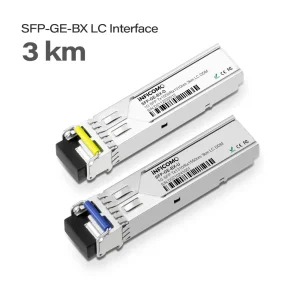
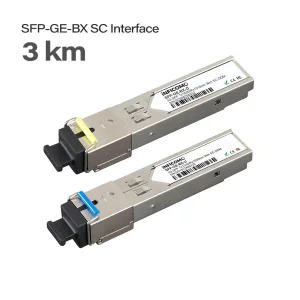
| 1310nm / 1550nm | 3 km | Simplex LC / SC | Supported (Optional) | 8 dB | FP Laser |
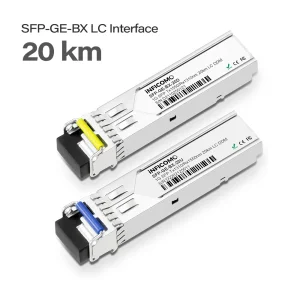
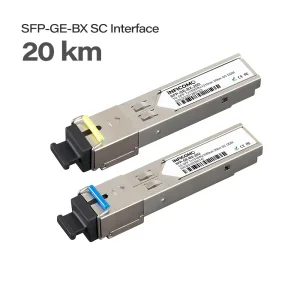
| 1310nm / 1550nm | 20 km | Simplex LC / SC | Supported | 12 dB | DFB Laser |
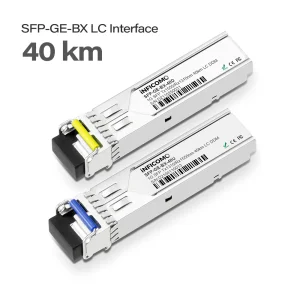
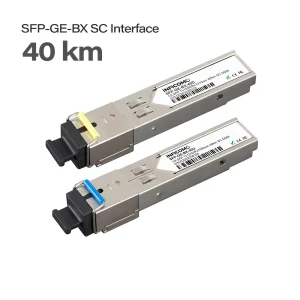
| 1310nm / 1550nm | 40 km | Simplex LC / SC | Supported | 18 dB | DFB Laser |
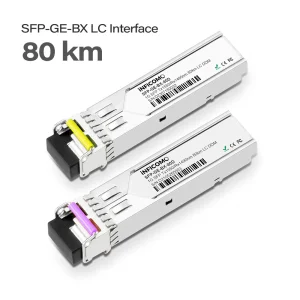
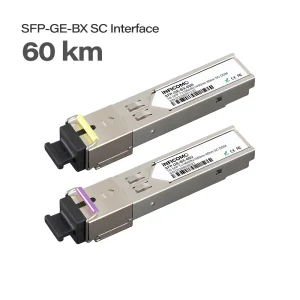
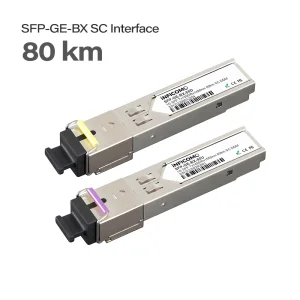
| 1490nm / 1550nm | 60 km / 80 km | Simplex LC / SC | Supported | 24 dB | DFB Laser |
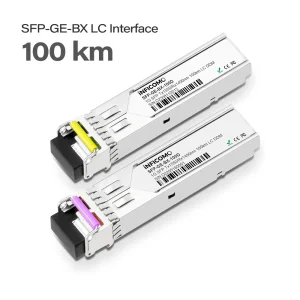
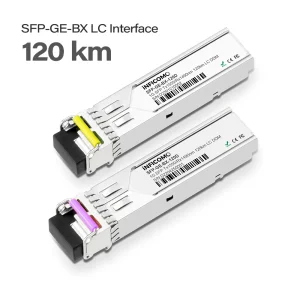
| 1490nm / 1550nm | 100 km / 120 km | Simplex LC / SC | Supported | 30 dB | DFB Laser / APD Receiver |
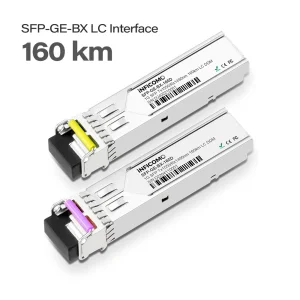
| 1490nm / 1550nm | 160 km | Simplex LC | Supported | 34 dB | EML / APD Receiver |
How China's leading manufacturing ecosystems lower global Capex while delivering industry-leading product reliability.

As an industry-certified manufacturer of optical transmission equipment and network components with over 10 years of R&D and manufacturing experience, Shenzhen Soras Technology Co., Ltd. provides robust global OEM and ODM solutions. Operating from Guangdong, China, our business structure is optimized for premium supply chain management.
Our manufacturing facility runs state-of-the-art SMT (Surface Mount Technology) and assembly systems. With certifications including ISO 9001, UL, CE, FCC, and RoHS, we maintain tight operational tolerances, exporting to over 60 countries across South America, North America, and Europe. Our production pipelines are built to support flexible MOQ requirements for enterprise buyers, system integrators, and telecom service providers.
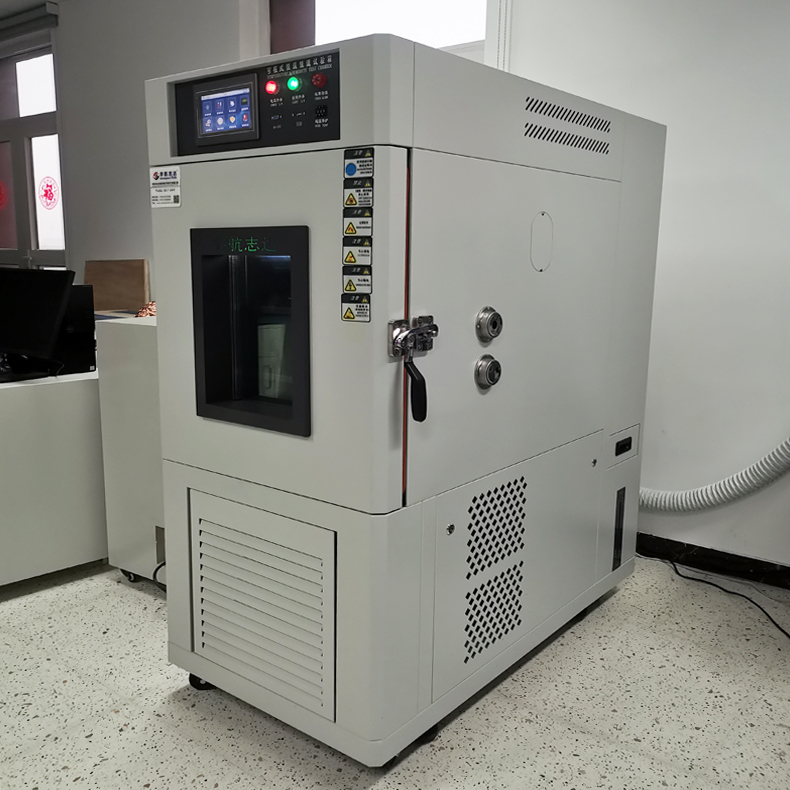
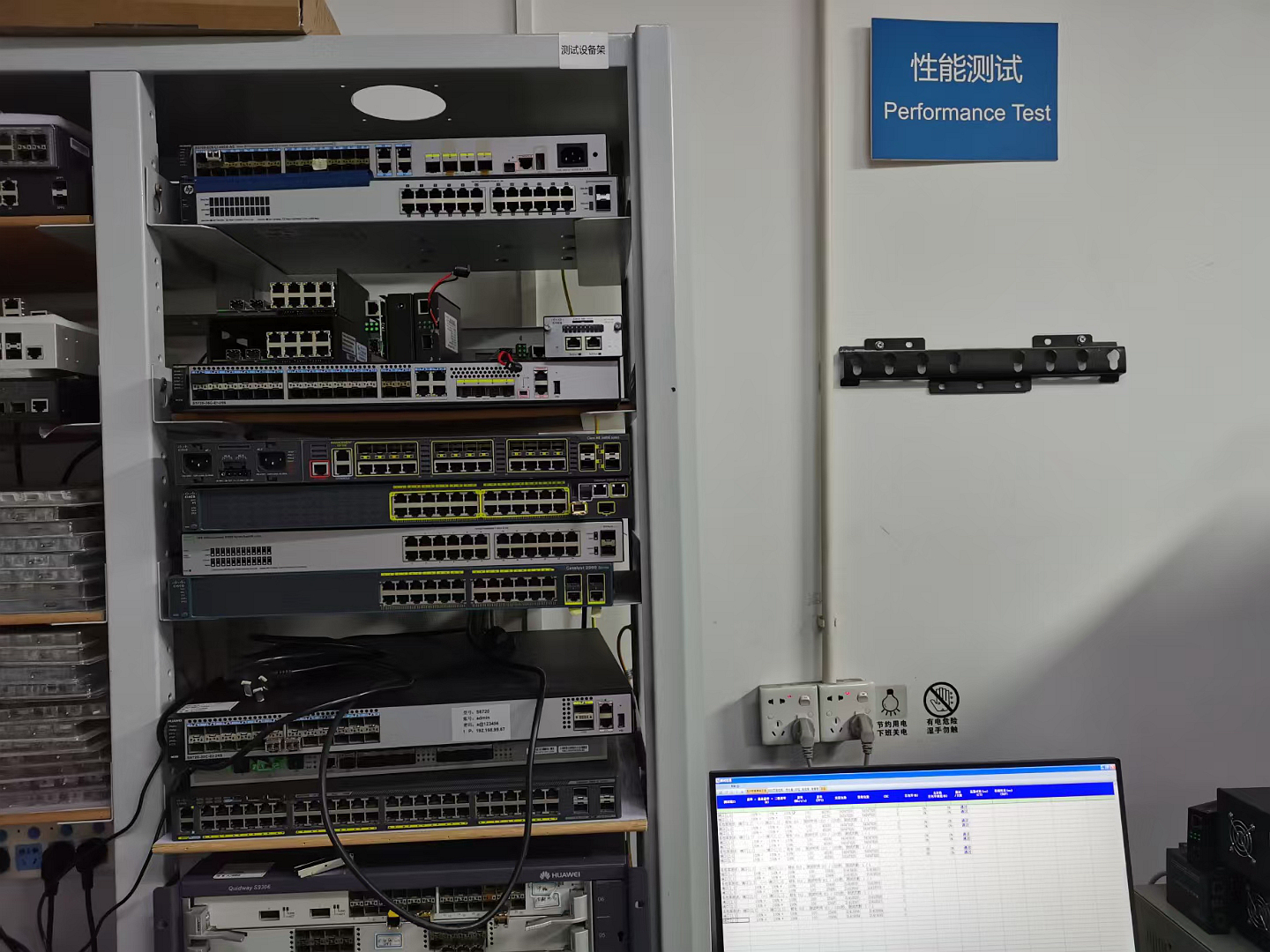
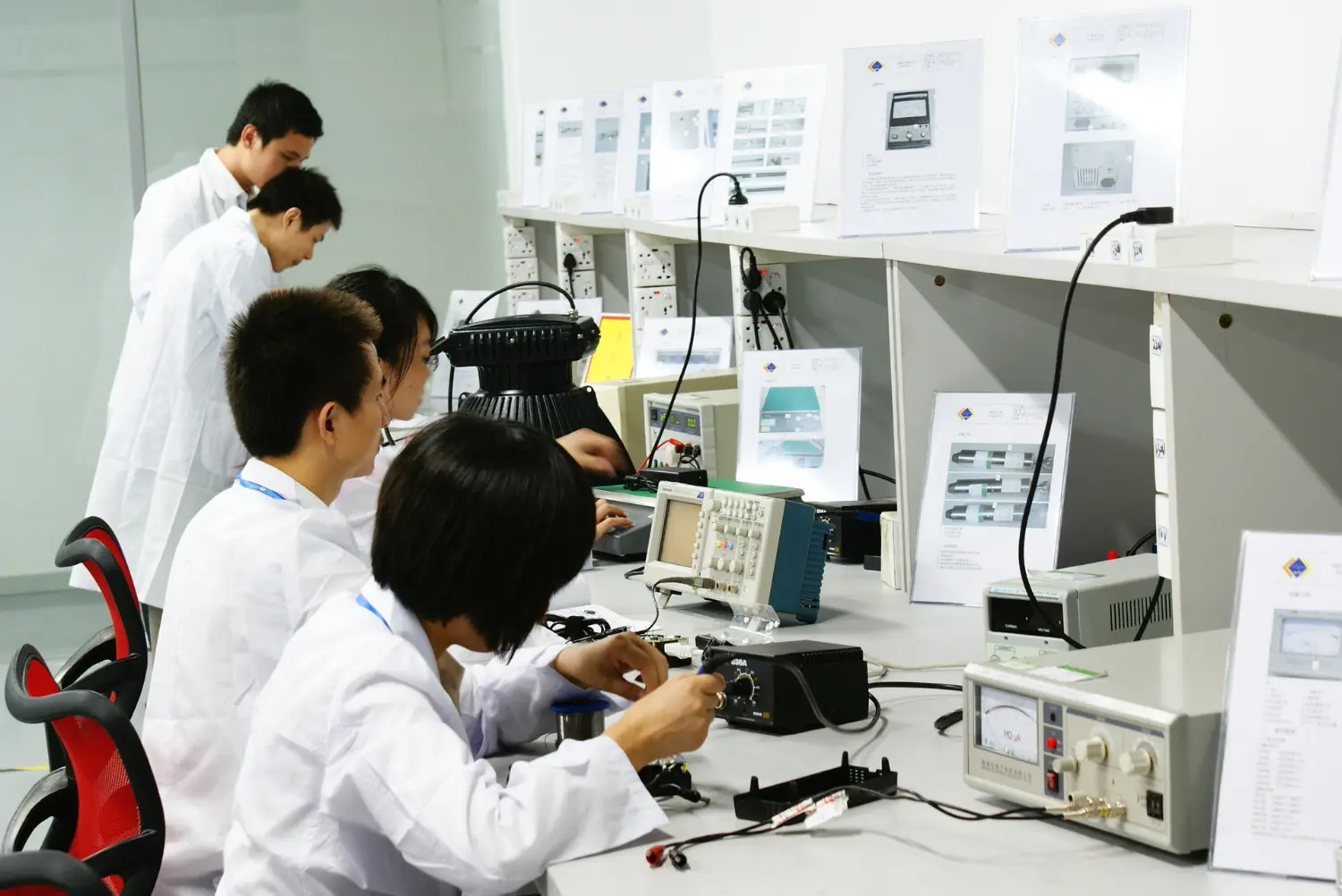
Every transceiver is subjected to rigorous testing procedures inside our advanced Shenzhen facility.

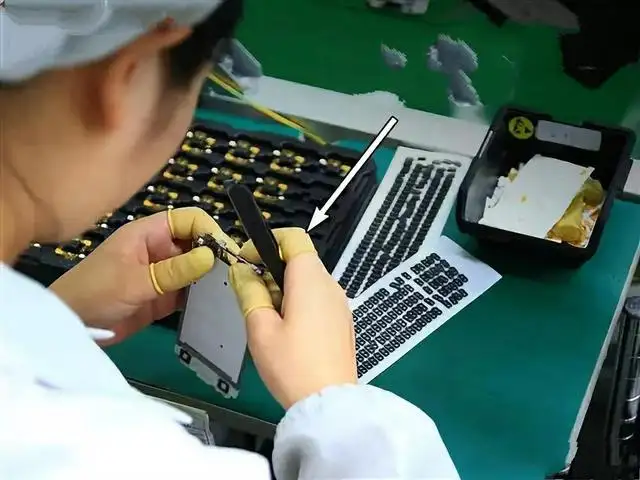


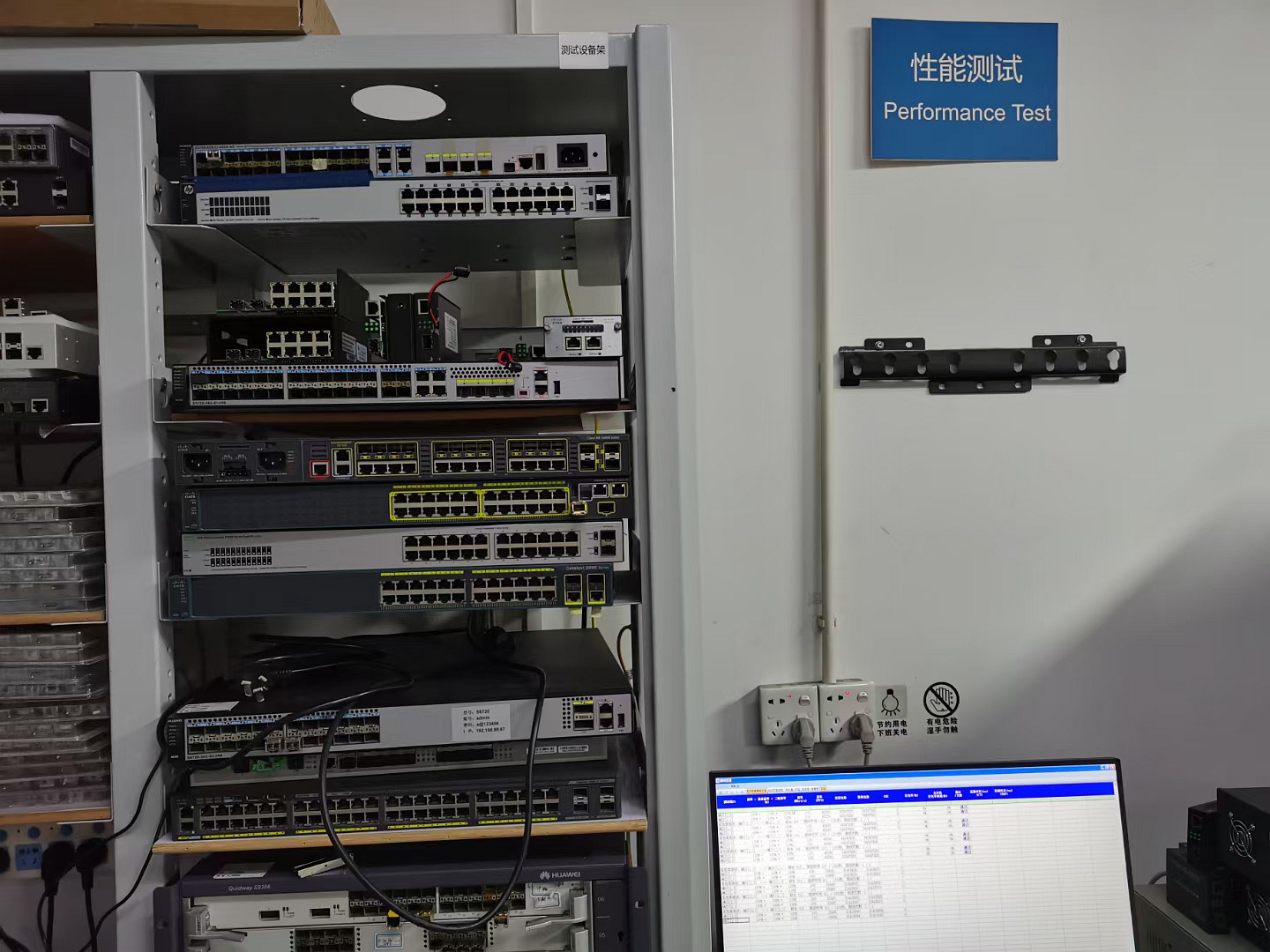
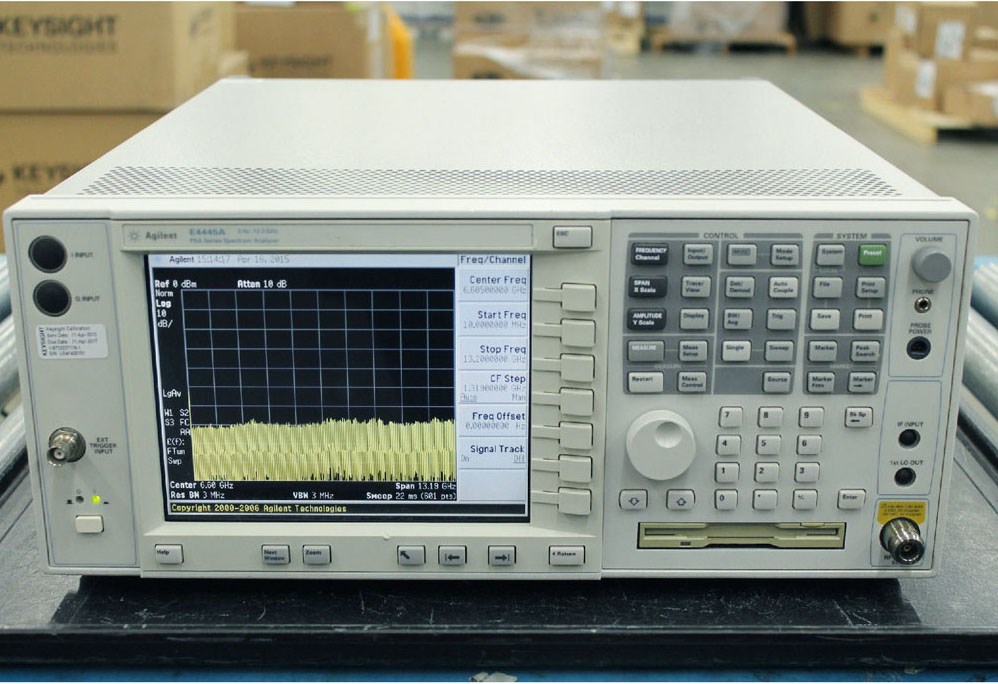
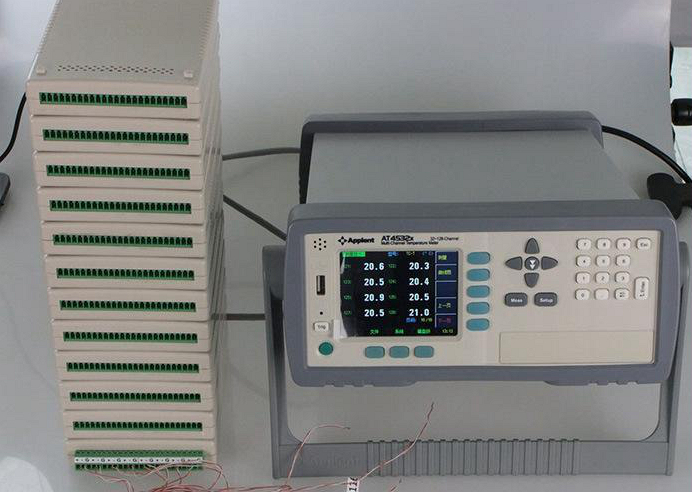

Deploying 1.25G BiDi modules across complex, real-world network topographies for maximum physical layer durability.
In Broadband Access networks, saving single-mode fiber is a critical priority for local loop providers. Deploying 1.25G BiDi modules (typically 3km to 20km variants) allows telecommunications operators to run GPON/EPON trunk configurations over a single strand, reducing cable acquisition and distribution cabinet requirements by half.
Modern enterprise data networks utilize gigabit speeds for command-and-control loops and telemetry gathering. Using DDM-compliant BiDi transceivers allows continuous diagnostic reporting back to central network operating software, minimizing manual port inspections and accelerating hardware troubleshooting.
Heavy industrial control networks (factories, railway grids) operate in environments with high EMI (Electromagnetic Interference). Fiber optic links are immune to electrical noise. Utilizing simplex BiDi SFPs operating at extended temperature ranges ensures transmission integrity across long distances (up to 160km).
Addressing core technical and procurement questions commonly asked by system architects, engineers, and supply chain managers.
A standard duplex SFP module uses two separate fiber-optic cables: one to transmit (Tx) and one to receive (Rx) signals. They operate on a single wavelength (e.g., 1310nm) across both fibers. A simplex BiDi SFP module uses a single fiber-optic strand to handle both transmission and reception. This is achieved by utilizing two different wavelengths (e.g., 1310nm for transmit and 1550nm for receive) over the same fiber. The optical signals are separated inside the transceiver using a specialized WDM diplexer.
Yes, BiDi transceivers must always be deployed in matching complementary pairs. For a link to operate, the transmitter wavelength of the local module must match the receiver wavelength of the remote module, and vice versa. For example, if you use a "1310nm-TX / 1550nm-RX" BiDi module at site A, you must deploy a "1550nm-TX / 1310nm-RX" BiDi module at site B. A connection cannot be established using two identical transceivers on both ends.
Digital Diagnostics Monitoring (DDM), also known as Digital Optical Monitoring (DOM), provides real-time tracking of operational parameter values. It tracks parameters such as internal temperature, operating voltage, laser bias current, transmitted optical power (Tx Power), and received optical power (Rx Power). This data is critical for preventative maintenance, allowing network administrators to detect fiber degradation, dirty connectors, or laser aging before the link fails completely.
MSA (Multi-Source Agreement) defines standard mechanical dimensions, electrical interfaces, and optical characteristics of transceivers. Sourcing MSA-compliant transceivers ensures that the modules will work seamlessly with host platforms (switches, media converters, routers) from various manufacturers. Soras Technology modules are programmed to match the EEPROM requirements of global network brands, ensuring drop-in compatibility and zero-configuration setups.
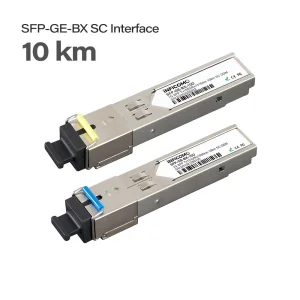
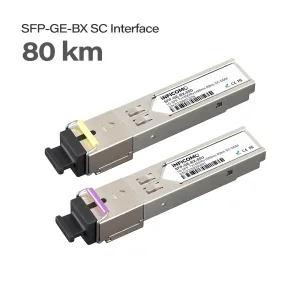
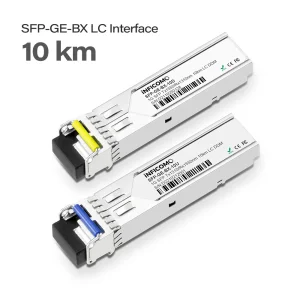
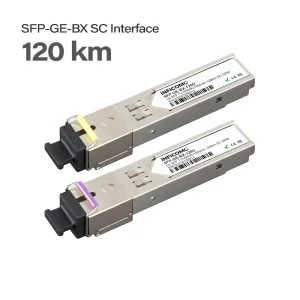
SC connectors feature a pull-and-push locking mechanism, making them popular in telecom distribution frames and outdoor termination boxes (FTTx). LC connectors are smaller and allow for higher density layouts inside data centers and switch racks. Both options provide low insertion loss and reflection back into the fiber. Soras offers both simplex SC and LC connector configurations to match your deployment requirements.
High-power laser diodes (DFB and EML) used for long-reach transmission generate heat. In extreme temperatures, wavelengths can shift, which degrades optical output power and receiver sensitivity. This is why Soras subjects long-reach transceivers to strict High-Low Temperature testing. Thermal stabilization circuits maintain the target wavelength, preventing performance degradation over distances up to 160km.
Explore our wide selection of simplex SC and LC transceivers designed to deliver reliable performance for enterprise networks.
 Soras Tech