Explore our precision manufacturing lineup including high-efficiency fiber cleavers, optical transceivers, and managed POE switches designed for stable telecom operations.
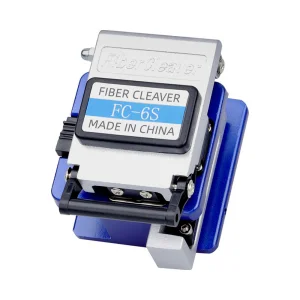
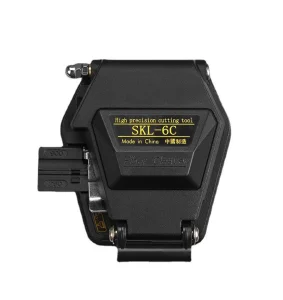
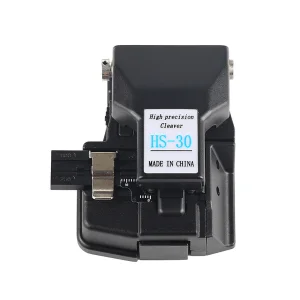
In modern telecommunication networks, transmission speed and signal integrity are absolute priorities. A Fiber Optic Cleaver is a critical instrument of precision craftsmanship. It functions not by cutting the glass fiber, but by precisely scoring it and applying uniform tensile stress until the fiber fractures cleanly. An imperfect cleave introduces microscopic unevenness, glass shards, or an angled end face, causing massive return losses and insertion losses when fusion spliced.
For telecom operators and engineers, securing high-precision optical fiber cleavers (such as the FC-6S, SKL-6C, and HS-30 models) is non-negotiable. Industrial-grade solutions require maintaining a consistent cleave angle under 0.5 degrees across tens of thousands of cycles. This ensures that when the fiber is placed inside a fusion splicer, the auto-alignment systems align the cores optimally, preserving signal bandwidth over massive distances.
As an ISO 9001 certified manufacturer, Shenzhen Soras Technology Co., Ltd. applies strict controls on metallurgical choices, blade geometry, and mechanical tolerance. Standard low-end cleavers suffer from blade height drift due to micro-vibrations, leading to frequent bad cleaves. Soras engineers mitigate this by using high-density tungsten carbide alloy wheels coupled with multi-stage damping springs.
Each batch of optical fiber cutters undergoes rigorous simulation tests, Wifi calibration procedures, and temperature swing assessments (from extreme cold to humid heat). This builds reliable field tools capable of performing consistently for network installations in high-altitude environments, subterranean vaults, or coastal environments with dense salinity.
Shenzhen's industrial clusters unlock unmatched advantages in components availability, precision testing, rapid design iteration, and logistics efficiency.
Operating in Guangdong, China, the global hub of electronics, grants us direct access to high-grade raw alloys, custom molded plastics, and high-precision CNC machining shops. This proximity allows us to design, prototype, and manufacture new products with minimal turnaround times.
Our production lines are equipped with automated optical comparators and high-magnification digital microscopes. Every cleaver undergoes 100% inspection for blade rotation, lock alignment, and drop stability, guaranteeing compliance with ISO 9001, UL, CE, FCC, and RoHS standards.
With optimized production scales and skilled technical labor, we offer high-performance tools at fraction of the cost of legacy brands. We bridge the gap between heavy deployment budgets and the technical demand for top-performing optical connectivity tools.
The global fiber optic market is experiencing massive structural shifts driven by 5G expansion, IoT rollouts, FTTH (Fiber-to-the-Home), and massive hyperscale data centers. This has generated a massive need for rapid termination solutions. Fiber optic networks are shifting toward higher fiber counts and high-density micro-cables, where space is restricted, and installation speed is critical.
Consequently, there is a rising trend of using highly resilient, automated fiber cutters capable of handling multi-fiber ribbon structures. Modern tools must feature automatic blade rotation and fiber scrap collection bins to minimize clean-up time and keep working areas clear of hazardous glass fibers.
Field technicians frequently face issues with cleaver performance, such as uneven fiber ends, lip formations on the core, and hackle lines. These issues originate from misaligned blade heights, worn-out blade segments, or debris build-up on the rubber pressure pads.
Soras Technology resolves these field issues by engineering durable cleavers that support easy, multi-step blade adjustments. The SKL-6C model, for instance, provides a massive 48,000-cleave blade life across 16 rotating positions. The high-rigidity slider and fiber clamps prevent axial slippage, ensuring that the target fiber stays perpendicular to the cutter wheel.
Our products are integrated into diverse high-demand architectures, providing stable backbone connections and smooth data transmission.
Last-mile connectivity requires rapid installation solutions. Light, portable cleavers like the FC-6S let installers splice drop cables inside residential apartments and corridors quickly, securing low attenuation under tight turnaround conditions.
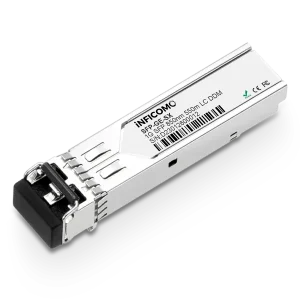
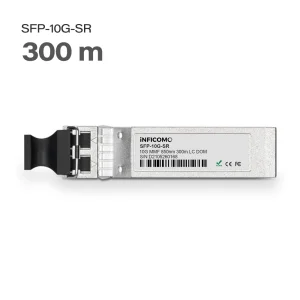
Data centers require massive numbers of fiber terminations to link computing nodes. Using our ultra-high precision HS-30 cutters alongside 10G/25G SFP transceivers helps maintain low return loss levels on high-speed backplane configurations.
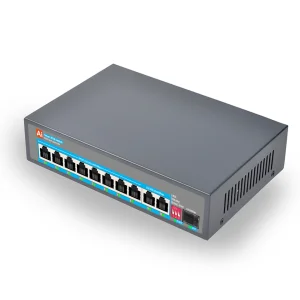
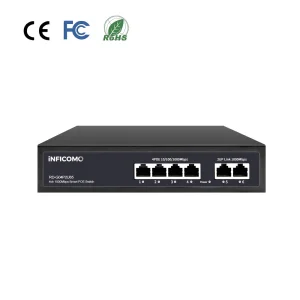
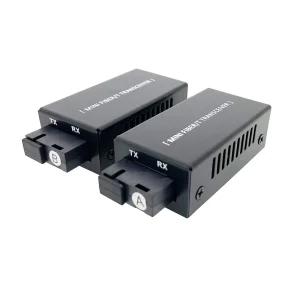
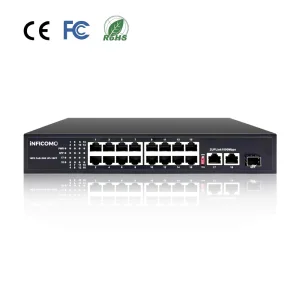
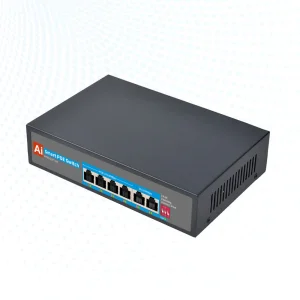
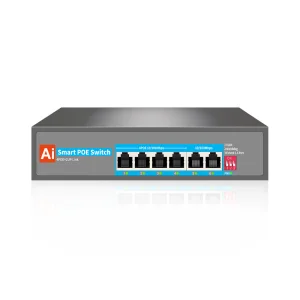
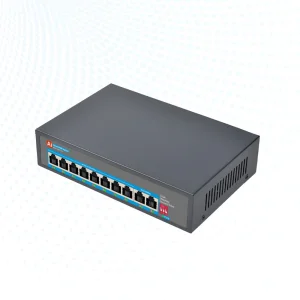
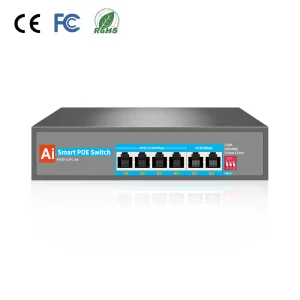
Security networks require stable IP camera connections. Utilizing our AI PoE switches alongside high-performance media converters allows system integrators to send power and gigabit data over optical cables across vast distances.
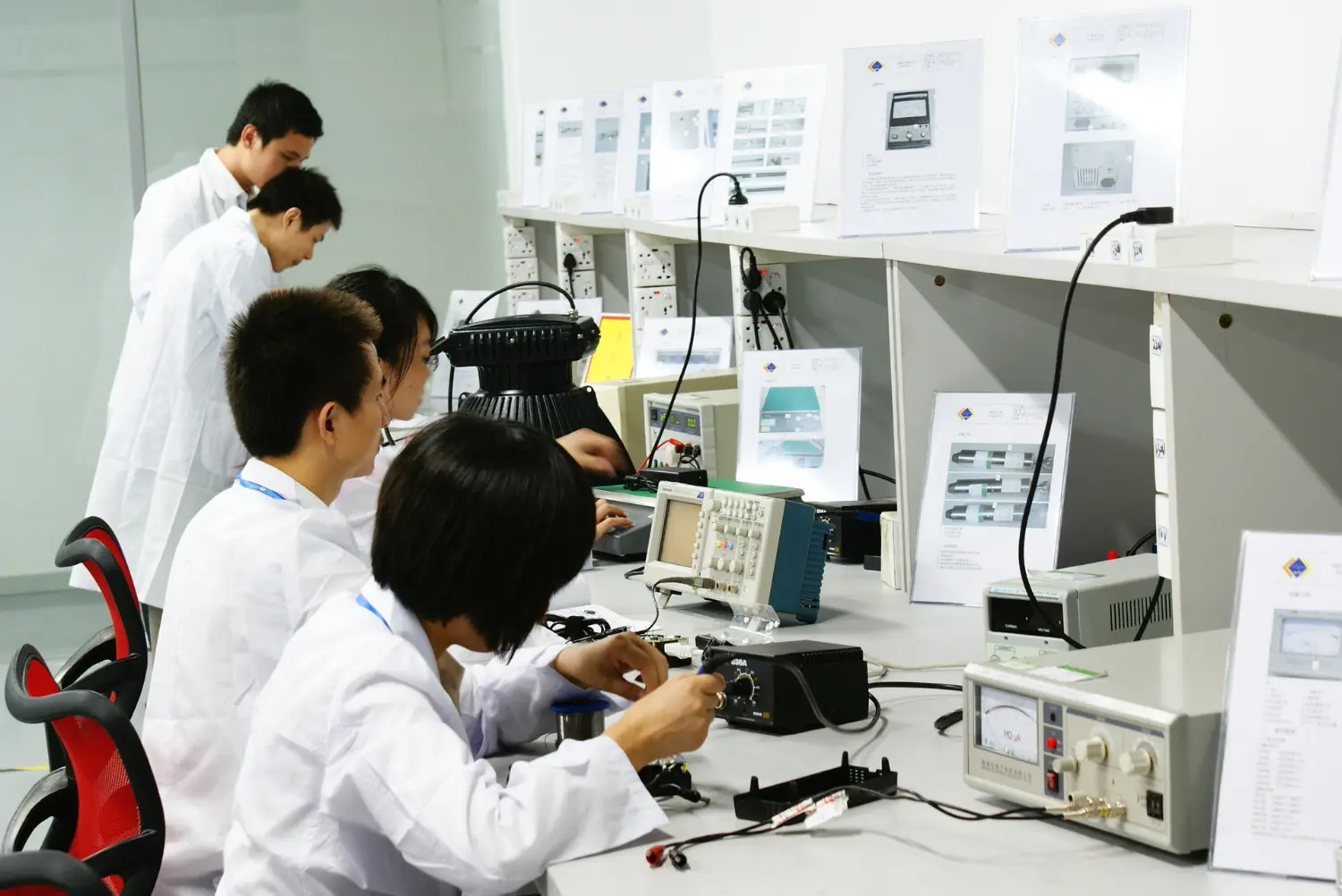
Step inside Soras' integrated production lines, where micro-engineering meets heavy-duty quality assurance testing.
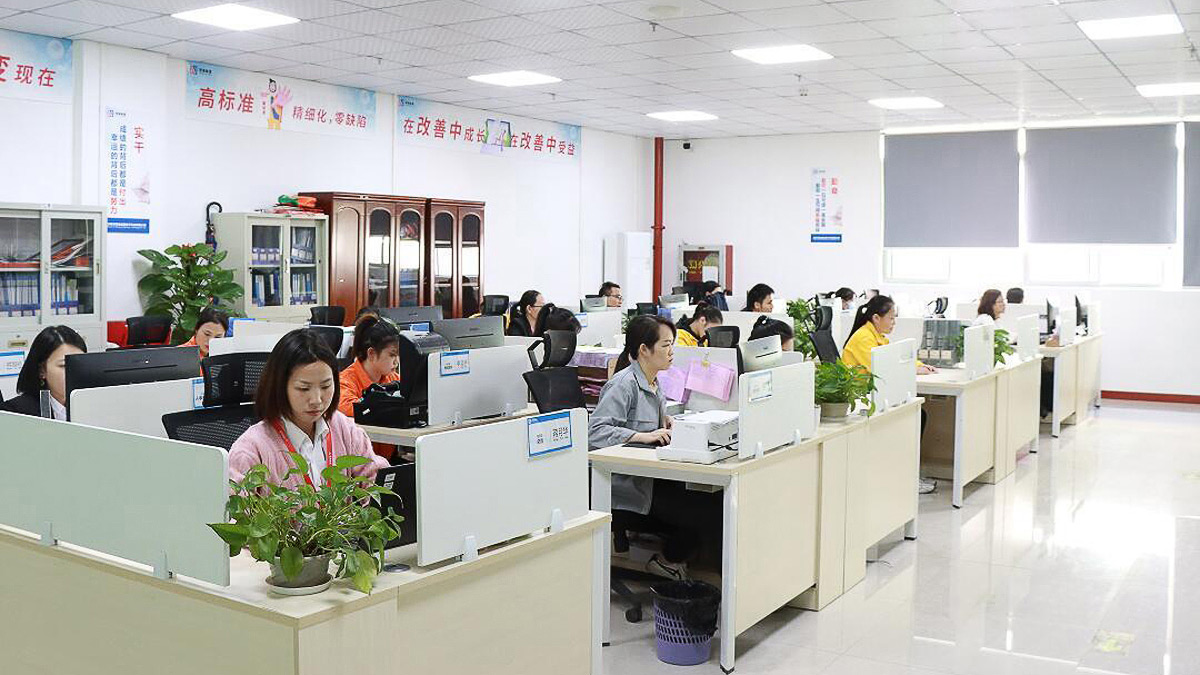
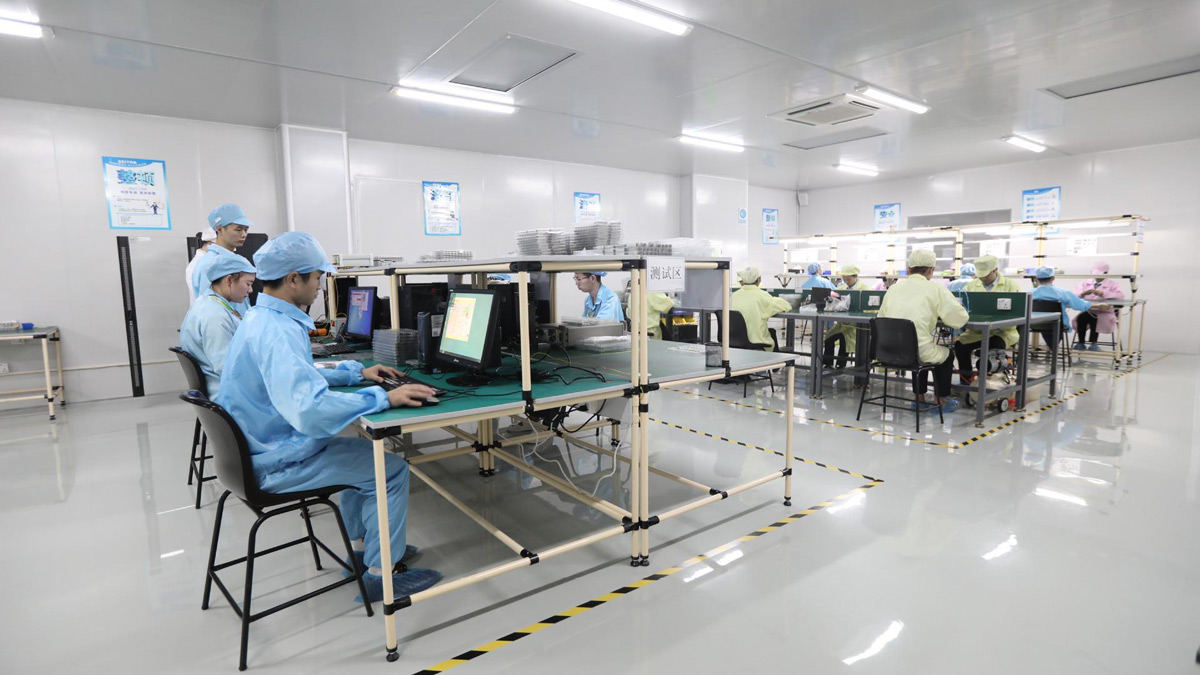
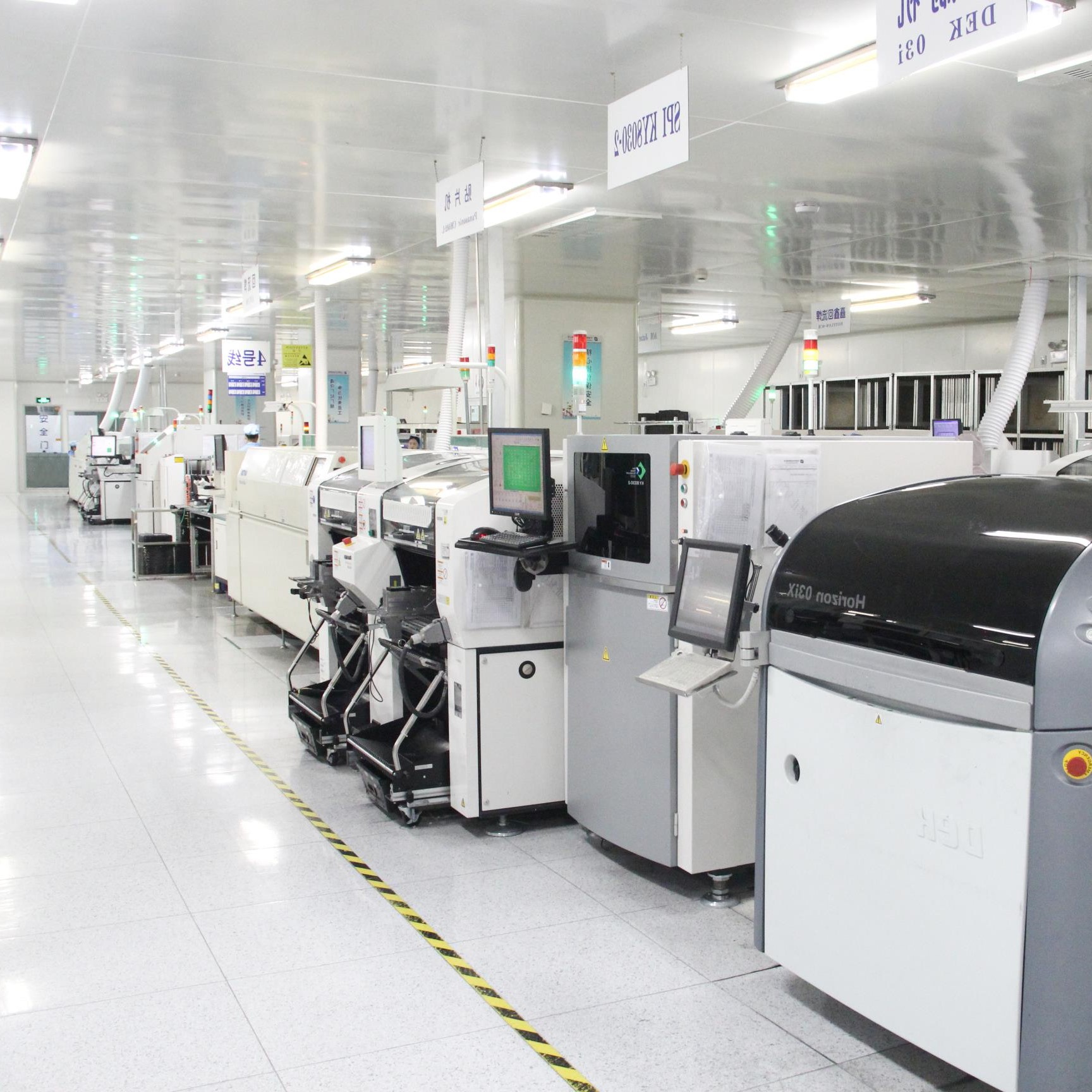
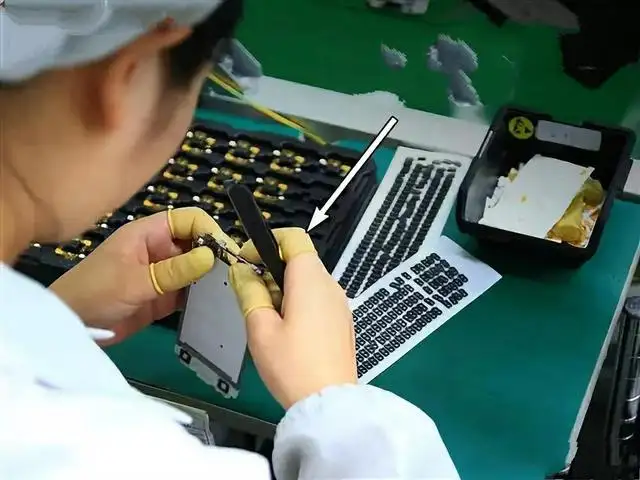
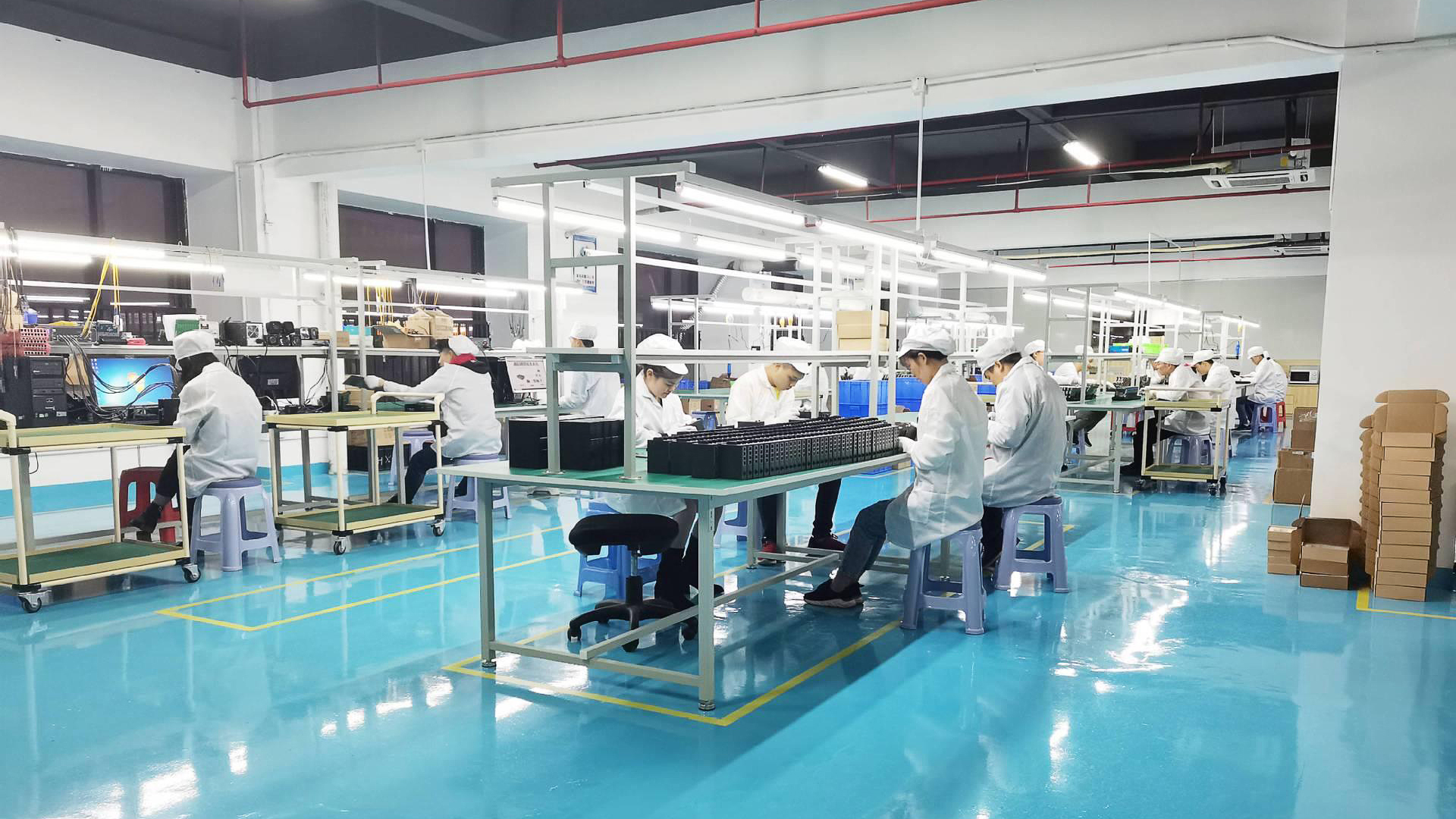
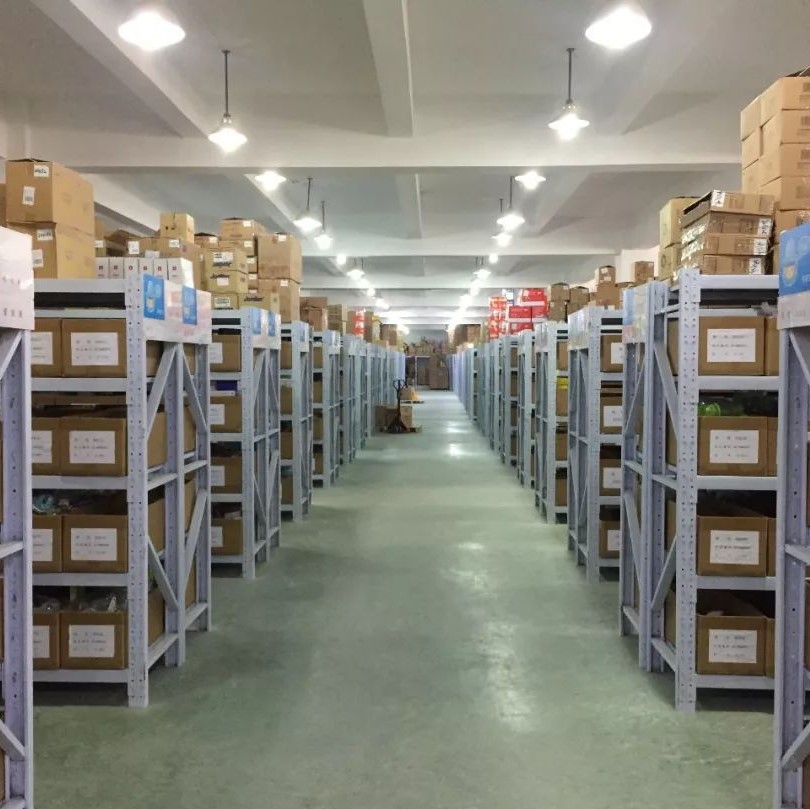
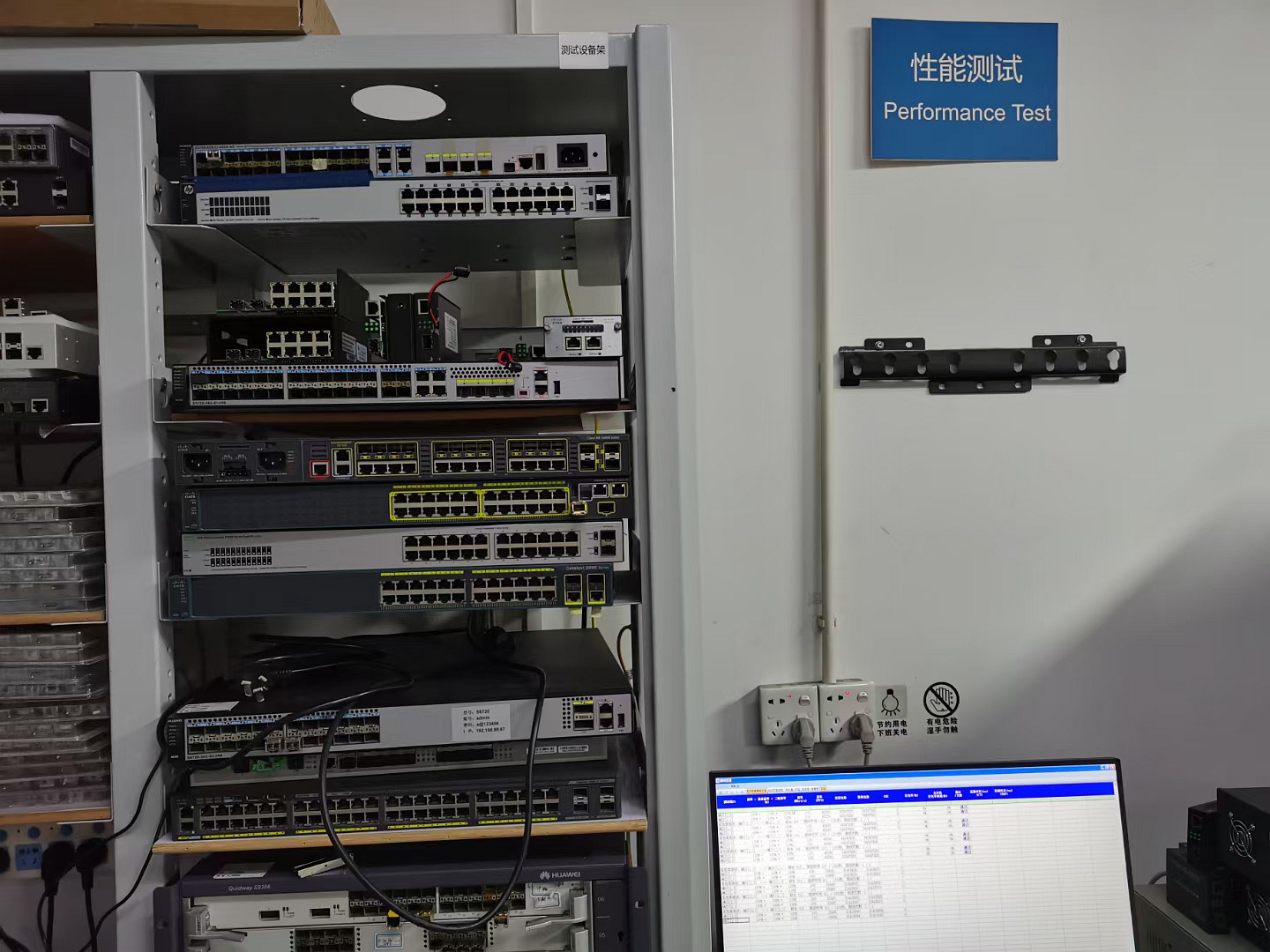
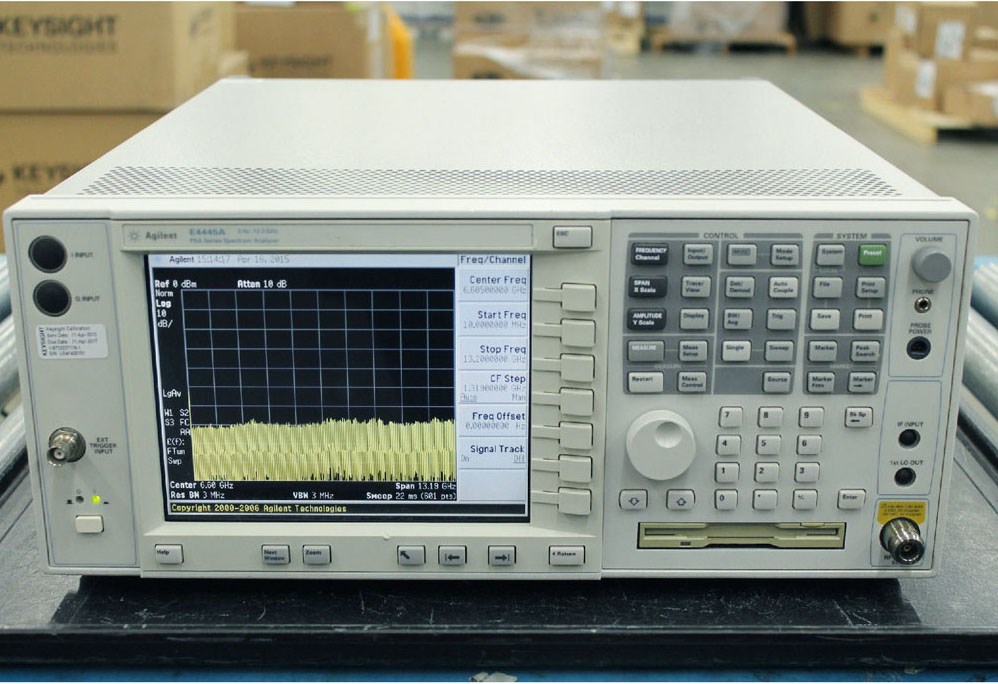
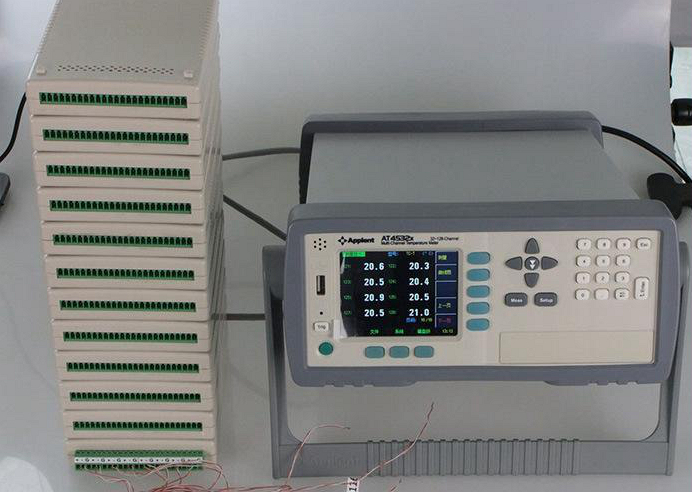
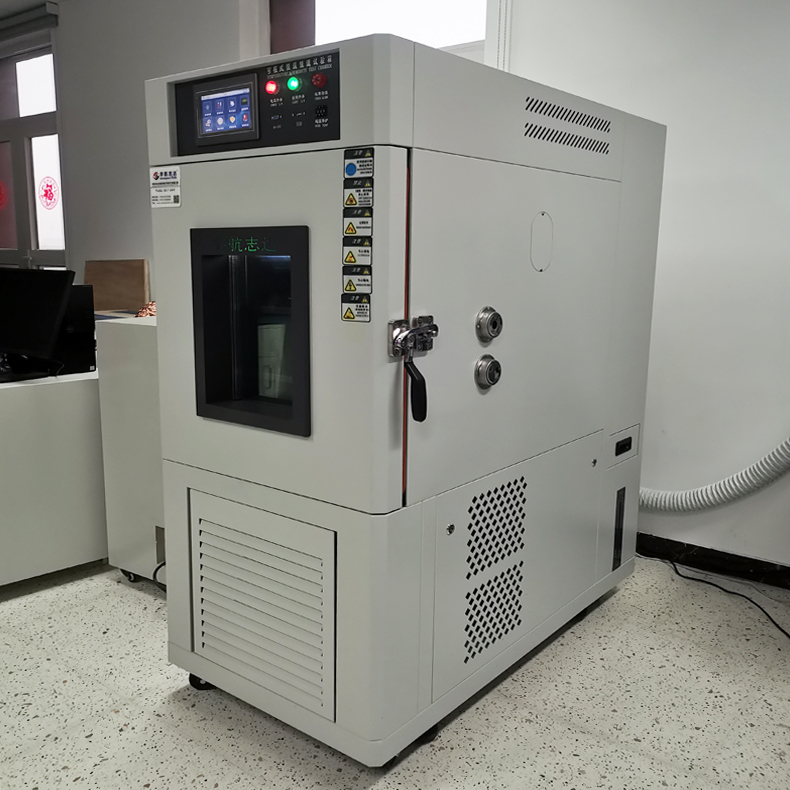
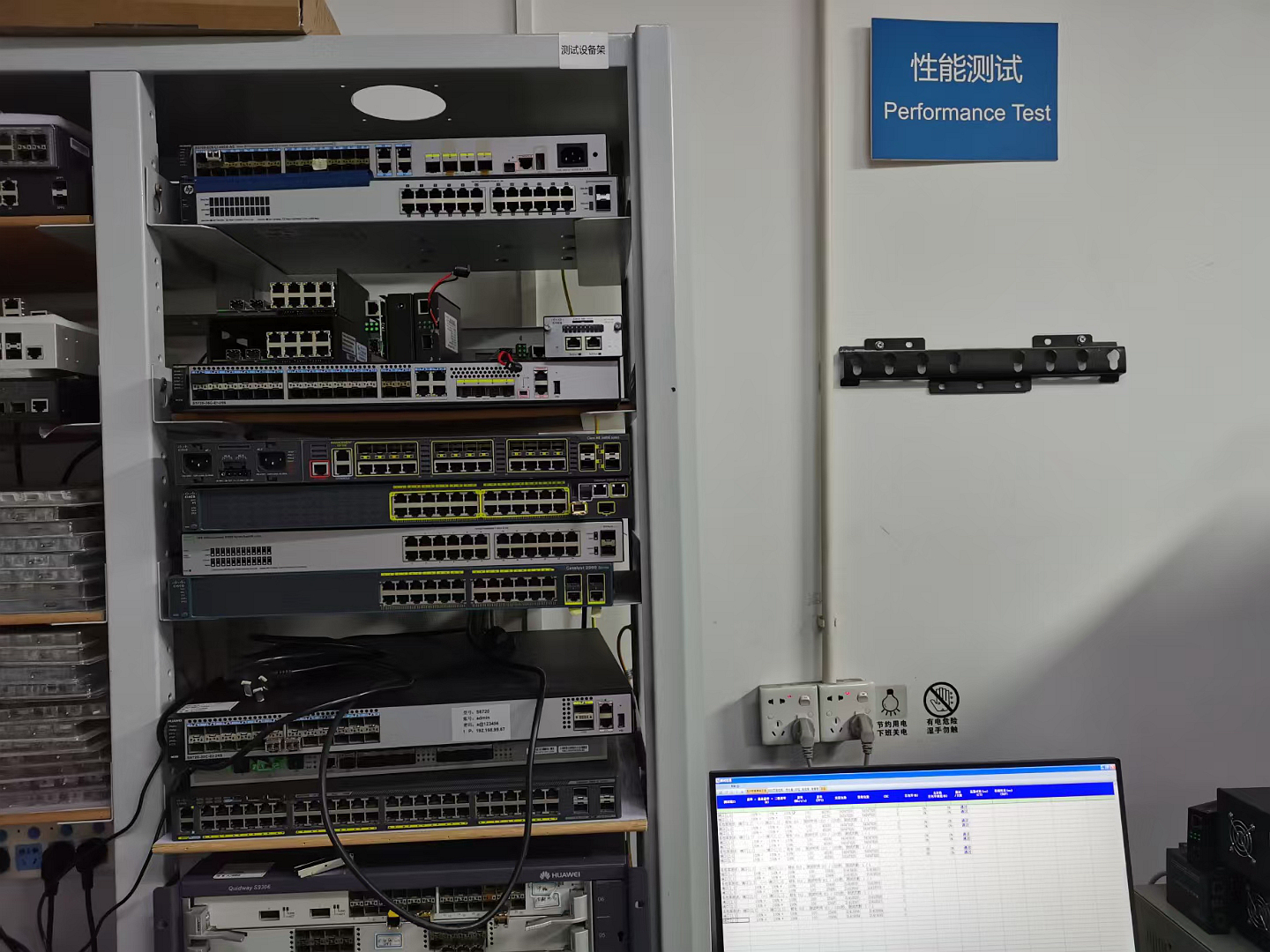
Shenzhen Soras Technology Co., Ltd. is a leading manufacturer of optical transmission equipment and network equipment with more than 10 years of experience. We rely on high-quality management and technological innovation, committed to providing customers with high quality, cost-effective, high value-added products and solutions.
Today, we work closely with telecommunications companies around the world. We have strong technical force and an experienced R&D team, and products can be developed according to customer requirements; we also accept your OEM and ODM orders. Now our products are exported to more than 60 countries, and the main markets are South America, North America, and Europe.
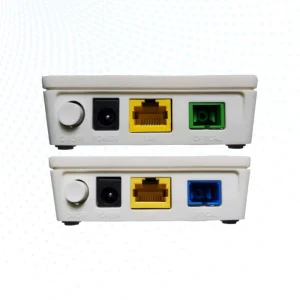
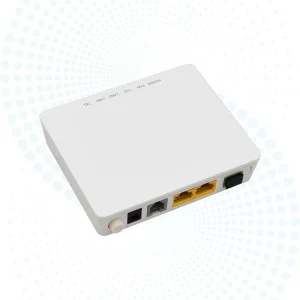
Our main products include: Fiber Media Converter, SFP Module, POE Switch, ONU, OLT and supporting products. We have passed ISO 9001, UL, CE, FCC, RoHS Certification, and our aim is "superior quality, professional service, competitive price, integrity-based". We believe this is not only our responsibility, but also the best path for long-term development. Soraslink looks forward to working with you!
| Corporate Statistics & Information | |
|---|---|
| Business Type | Manufacturer |
| Country / Region | Guangdong, China |
| Main Products | FTTH ONU & OLT, SFP Module, Fiber Media Converter, Poe Switch, Fiber Optic Equipment |
| Total Employees | 11 - 50 People |
| Total Annual Revenue | US$5 Million - US$10 Million |
| Year Established | 2021 |
| Main Markets | Domestic Market 24.00%, Eastern Asia 15.00%, North America 15.00% |
Get expert solutions to common questions regarding optical fiber cleaving, equipment selection, and field setup.
A high cleave angle (typically >1 degree) prevents the core-alignment systems of fusion splicers from achieving optimal physical contact. This causes high splice loss, back reflections, and weak mechanical strength at the splice point. For high-speed single-mode fiber (SMF) connections, maintaining a cleave angle under 0.5 degrees is crucial for low insertion loss.
If the blade is too high, it hits the glass too hard, causing micro-fractures, chips, or a lip on the fiber end face. If the blade is too low, the fiber will not score, causing it to slip or fail to break cleanly. Standard cleavers require micro-adjustments using hex screws to raise or lower the blade.
Industrial-grade blades are made using premium tungsten carbide alloys. This material features high hardness and resistance to wear, enabling the blade to score the glass thousands of times without dulling. For example, our SKL-6C has a blade life of 48,000 cleaves.
Cleanliness is critical. Use lint-free wipes and 99% pure isopropyl alcohol to wipe down the rubber pads (clamp blocks) and the edge of the blade regularly. Avoid using compressed air directly on the blade as it can spread glass dust, and never clean the blade with metal tools that could chip it.
Yes, our precision cleavers are equipped with multi-functional fiber holders that handle single fibers (0.25mm to 0.9mm) as well as multi-fiber ribbon structures. Ensure you align the ribbon correctly with the clamp plate before scoring.
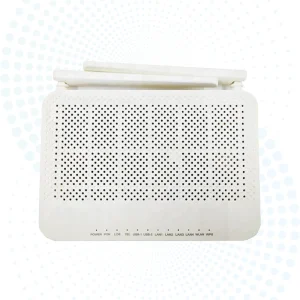
Complement your physical installations with high-speed transceivers, active network switches, and fiber terminal devices.
 Soras Tech