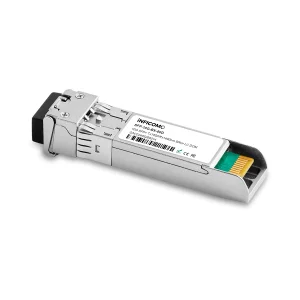
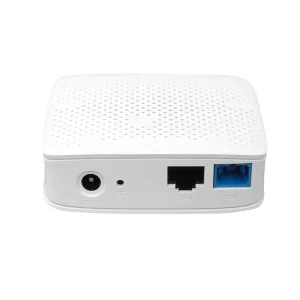
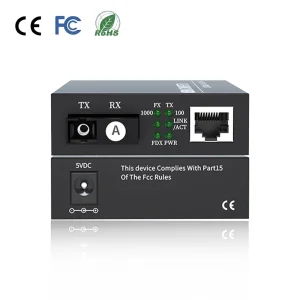
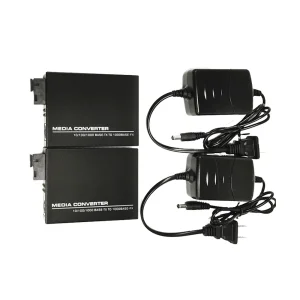
Engineered to withstand rigorous environments while providing optimal link budget parameters and zero packet loss.
A comprehensive analysis of passive optical network hardware performance metrics, standards compliance, and manufacturing tolerances.
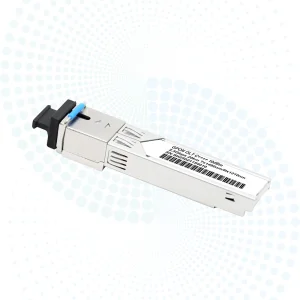
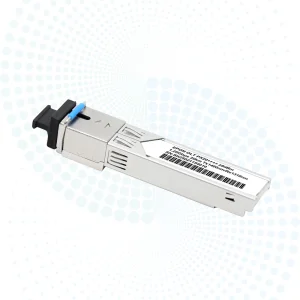
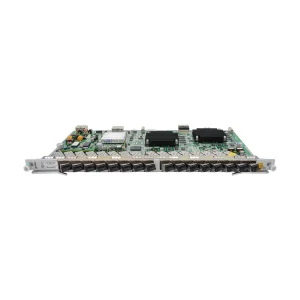
In modern fiber-to-the-home (FTTH) and fiber-to-the-building (FTTB) deployment architectures, the Optical Line Terminal (OLT) SFP module acts as the crucial electro-optical interface linking high-capacity backhaul networks with thousands of optical network units (ONUs). Understanding the technological differences between GPON (Gigabit Passive Optical Network, adhering to ITU-T G.984) and EPON (Ethernet Passive Optical Network, adhering to IEEE 802.3ah) is critical for system architects.
GPON transceivers work with an asymmetrical downstream bandwidth rate of 2.488 Gbps and an upstream rate of 1.244 Gbps. They use GPON Encapsulation Method (GEM) to encapsulate data packets, which enables high transmission efficiency (often reaching 93-95% of theoretical limits). Conversely, EPON modules operate symmetrically at 1.25 Gbps downstream and upstream, translating 8b/10b line coding directly to Ethernet frames. Because of these differences in frame transport protocols and dynamic bandwidth allocation (DBA) structures, OLT modules are customized for their specific architecture, using precise internal wavelength splitters to prevent crosstalk.
Both standards utilize Single Mode Fiber (SMF) configurations to transmit data: downstream data is modulated over a 1490nm continuous mode DFB (Distributed Feedback) laser, while upstream burst-mode transmissions are caught at 1310nm by high-sensitivity APD (Avalanche Photodiode) receivers. Maintaining this strict separation is critical for preventing signal degradation.
For ISP network engineers, selecting the appropriate optical budget class determines the maximum fiber split ratio and physical transmission distance achievable without signal degradation. Our production lines manufacture transceivers tailored to the industry's most demanding link budgets:
Real-time telemetry reports transceiver temperature, bias currents, Tx power levels, Rx levels, and operating voltages directly to the central switch.
Each module features EEPROM microcontrollers programmed to ensure compatibility with major OLT platforms, preventing hardware locks.
Available in both commercial (0°C to 70°C) and industrial (-40°C to 85°C) temperature grades, built for harsh outdoor enclosures.
A leading OEM/ODM optical network manufacturing facility based in Guangdong, China, delivering verified solutions to carriers worldwide.
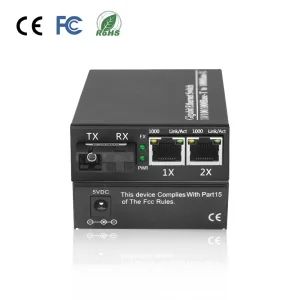
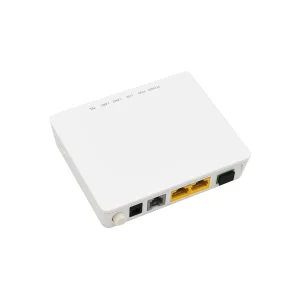
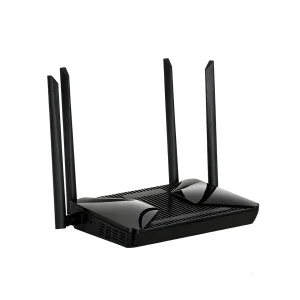
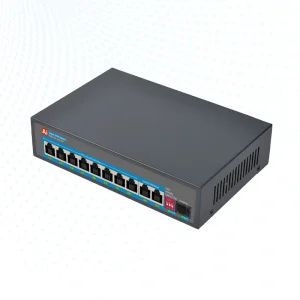
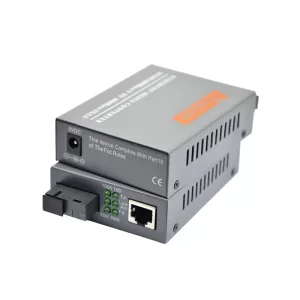
Established in 2021, Shenzhen Soras Technology Co., Ltd. (Soraslink) has grown into an international provider of optical transmission equipment. Operating out of the world's primary telecommunications hardware manufacturing hub in Guangdong, China, the facility designs, manufactures, and exports Fiber Media Converters, SFP Modules, PoE Switches, ONUs, and OLT systems.
We employ a specialized workforce of 11 to 50 professionals, backed by high-quality management systems and technological innovation. Today, we work closely with telecommunications carriers and distributors across South America, North America, and Europe. Our production line is ISO 9001 certified, and our transceivers hold UL, CE, FCC, and RoHS certifications.
| Soras Technology Enterprise Profile Data | |||
|---|---|---|---|
| Business Type | Manufacturer | Country / Region | Guangdong, China |
| Main Products | FTTH ONU & OLT, SFP Module, Fiber Media Converter, Poe Switch, Fiber Optic Equipment | Total Employees | 11 - 50 People |
| Total Annual Revenue | US$5 Million - US$10 Million | Year Established | 2021 |
| Main Markets | Domestic Market 24.00%, Eastern Asia 15.00%, North America 15.00%, South America, Europe | ||
| Certifications | ISO 9001, UL, CE, FCC, ROHS Compliance Approved | ||
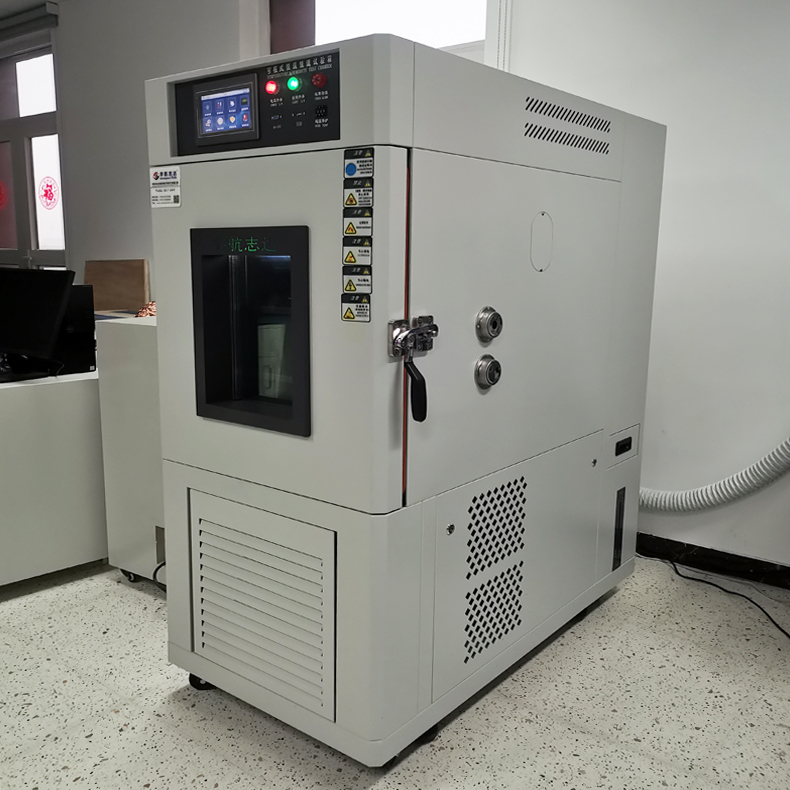
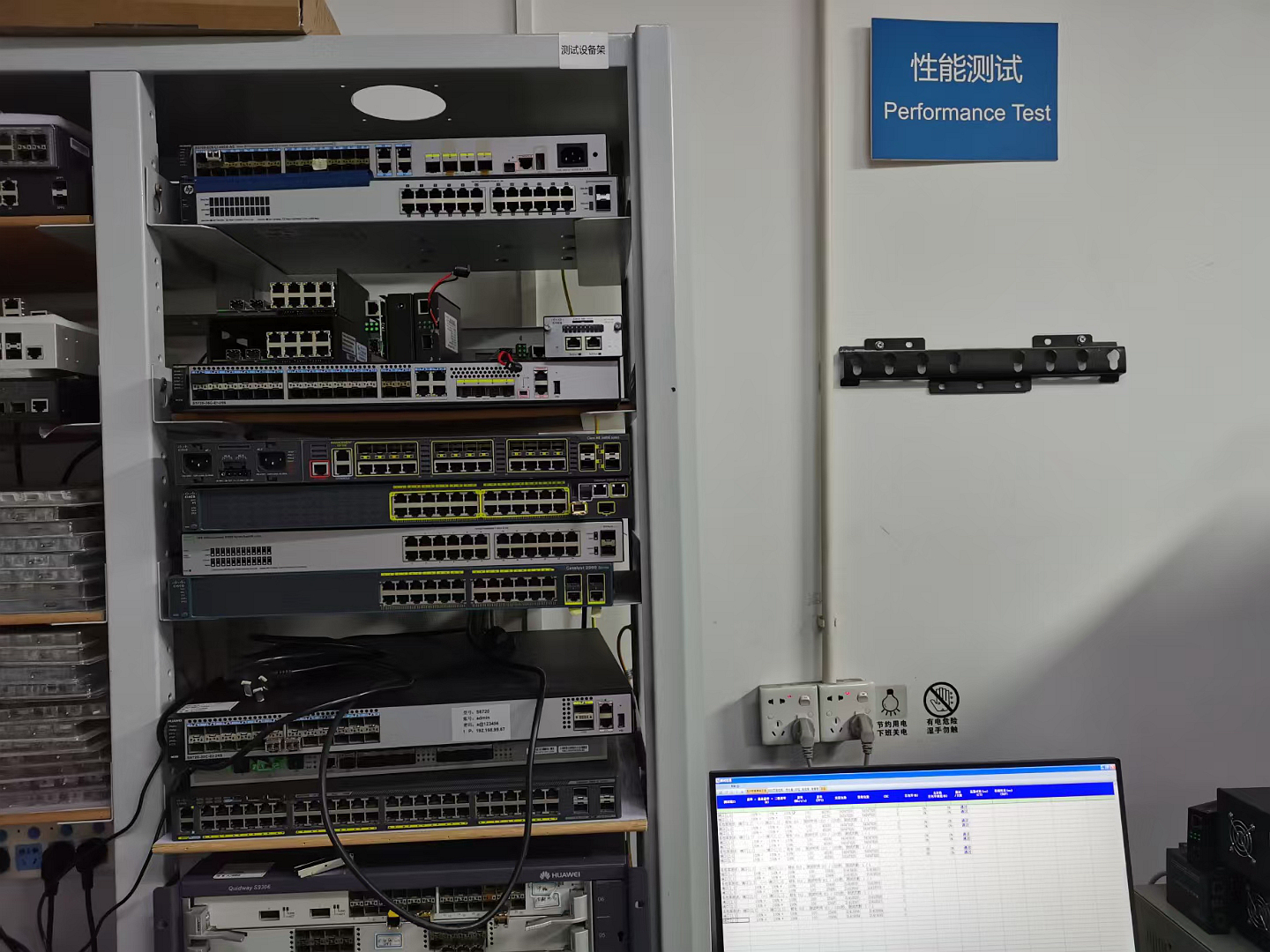
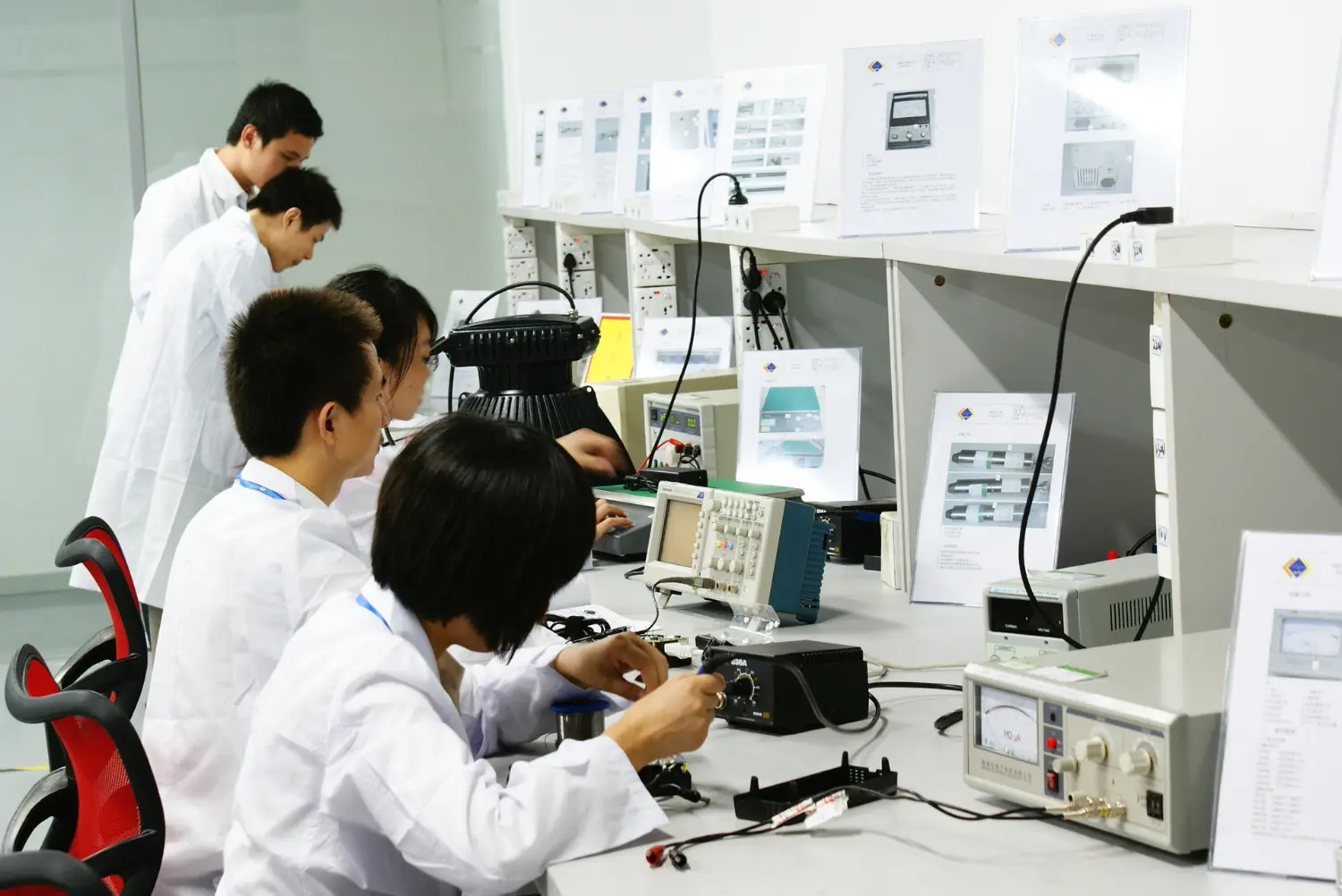
Unlike pure trading firms, Soras Technology manages all production stages. From surface mount assembly to environmental stress testing, every step is handled in-house. Check out our physical infrastructure photos below:




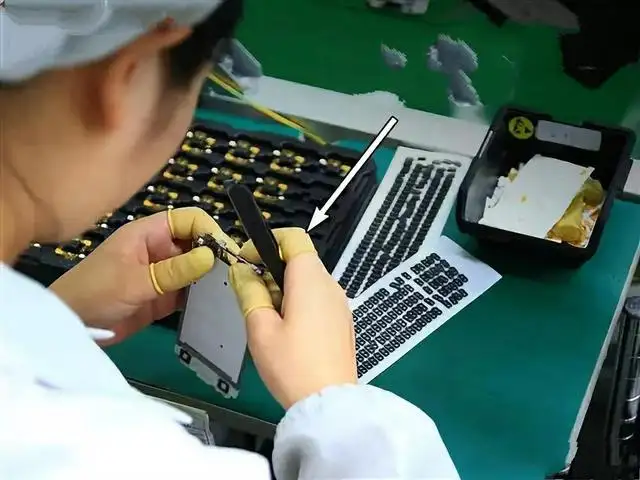


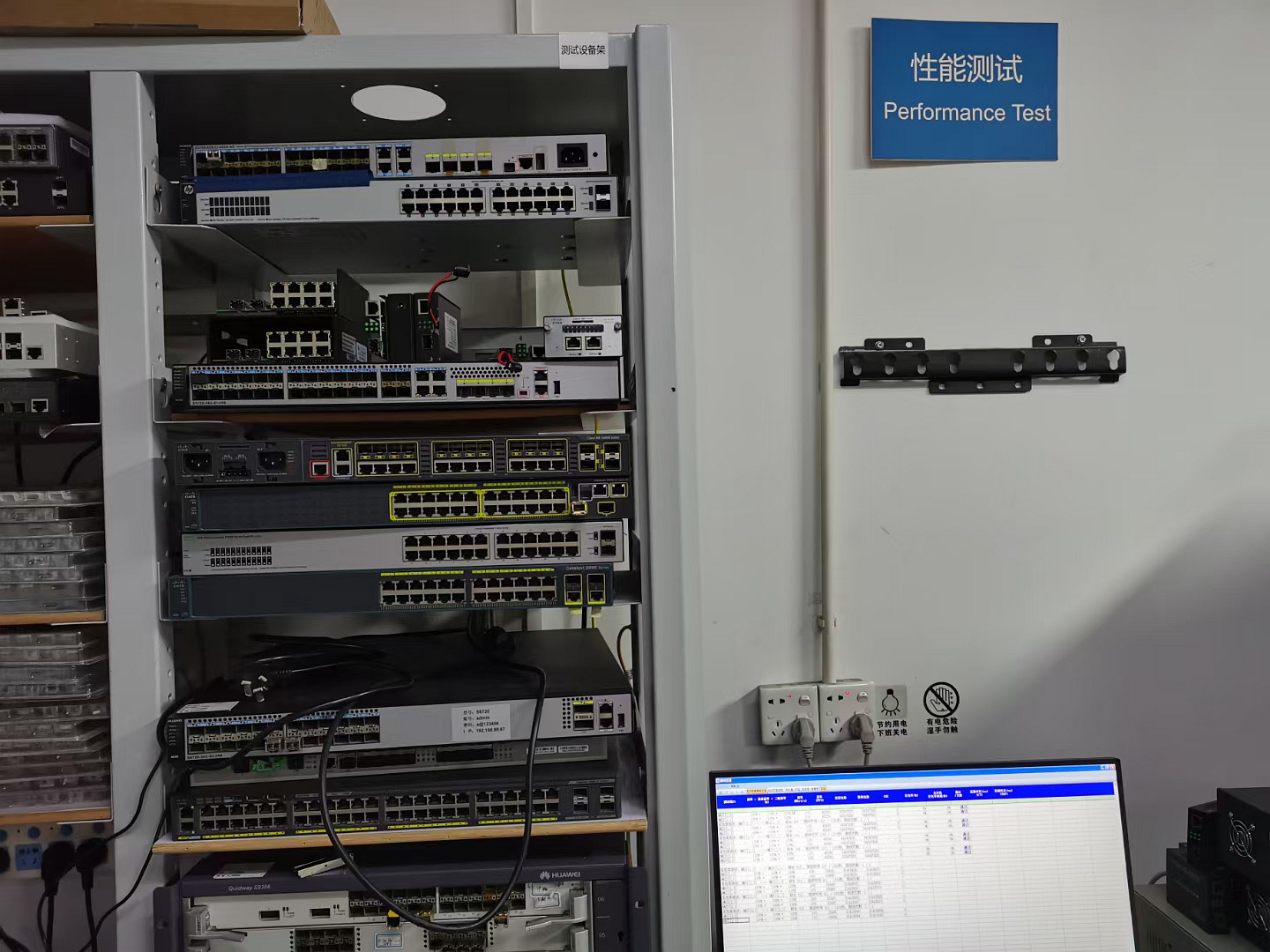
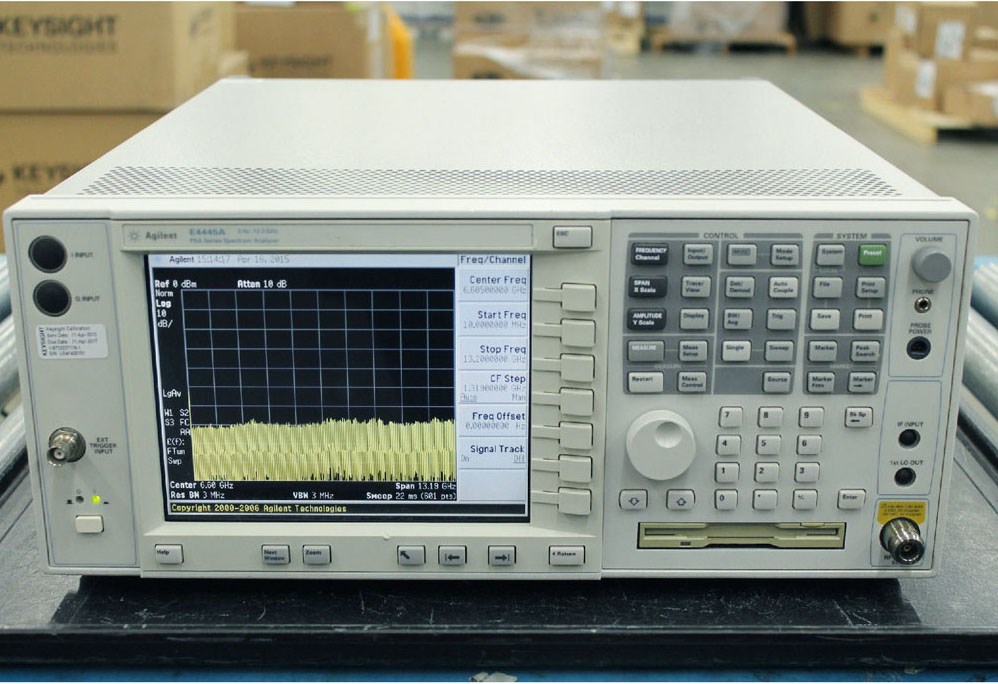
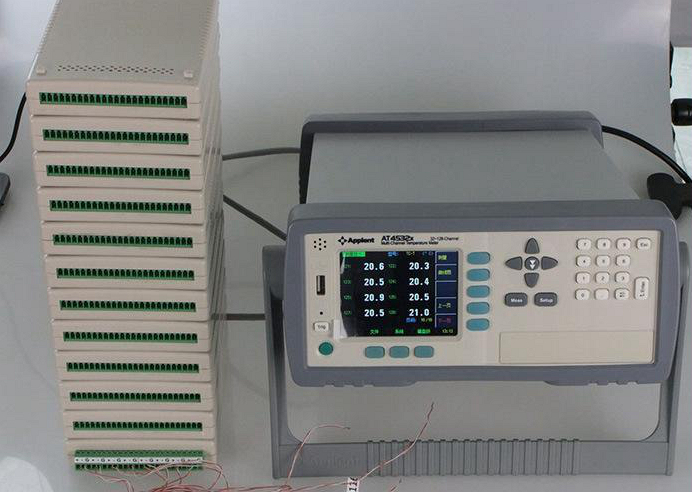
Shenzhen, China stands as the epicenter of global telecommunications and optoelectronic hardware manufacturing. The regional concentration of raw optical materials, high-speed SMT assembly, circuit designers, and testing labs provides unique advantages for global network hardware procurement.
This local ecosystem allows us to quickly source raw components, including high-end BOSA (Bidirectional Optical Sub-Assemblies), laser diodes (DFB & VCSEL), and advanced DSP chips, minimizing lead times. By working directly with our factory, buyers bypass third-party trading markups, gaining access to competitive pricing and direct technical support.
Exporting telecom hardware to international markets requires strict adherence to global safety and compatibility standards. Our manufacturing processes are fully compliant with ISO 9001 quality management guidelines. We use multi-stage testing, including automated SMT inspection, dynamic error testing, Wi-Fi calibration, and high-low temperature chamber tests (-40°C to 85°C) to ensure hardware reliability in extreme environments.
Additionally, our product catalog carries CE, FCC, UL, and RoHS markings. This ensures compliance with European electromagnetic interference directives, American FCC Part 15 standards, and environmental regulations limiting hazardous substances.
As subscriber demand for gigabit access grows, telecommunications carriers are migrating from legacy GPON and EPON to 10G technologies like XG-PON, XGS-PON, and 10G-EPON. This migration requires new hardware and transceivers to support higher optical bandwidths:
Expert engineering answers to common technical, logistics, and deployment queries.
Explore our complete catalog of fiber distribution splitters, media converters, and subscriber terminal ONUs.
 Soras Tech