High-performance network connectivity solutions designed for low latency, high compatibility, and optimal signal integrity.
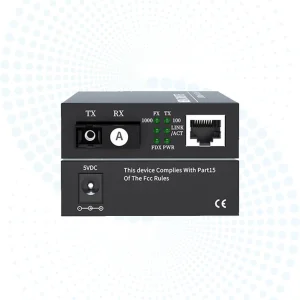
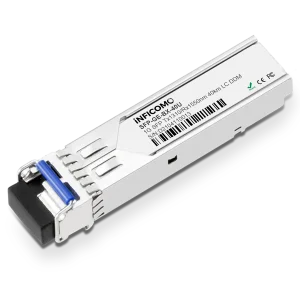
Deciding between copper and optical transmission involves balancing distance, power constraints, capital expenditure, and operational budgets.
| Technology | Transmission Medium | Maximum Distance | Power Consumption | Latency Profiles | Relative Cost |
|---|---|---|---|---|---|
| Direct Attach Copper (DAC) | Twinax Copper Cabling | Up to 7 meters | Nearly Zero (<0.1W) | Ultra-Low (No E-O Conversion) | Very Low |
| Active Optical Cable (AOC) | Multi-mode Optical Fiber | Up to 100 meters | Low to Medium (0.5W–2W) | Low (Minimal DSP overhead) | Medium |
| Optical Transceivers + SMF/MMF | Single-mode / Multi-mode Fiber | Up to 120 km | Variable (1W to 15W+) | Medium (Requires DSP/FEC) | High (Scale Dependent) |
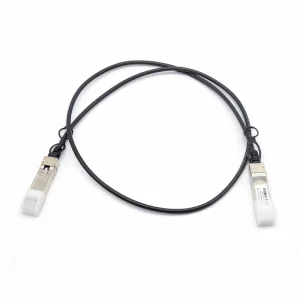
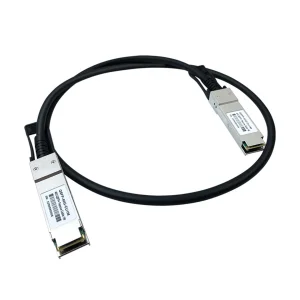
Utilizing Twinaxial copper wires, passive DAC cables establish direct electrical connections between high-speed ports. Lacking electro-optical components, they introduce virtually no latency or thermal stress, making them ideal for short-reach, top-of-rack (ToR) switch-to-server interconnects.
Integrating optical transceivers with multi-mode fiber in a factory-sealed assembly, AOCs eliminate the clean-and-inspect cycles of optical connections. They offer longer reach than DACs, lighter profiles for dense routing, and immunity to electromagnetic interference (EMI).
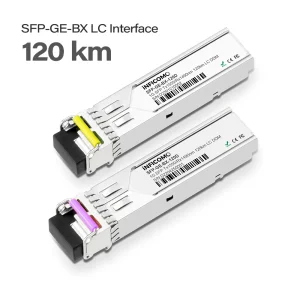
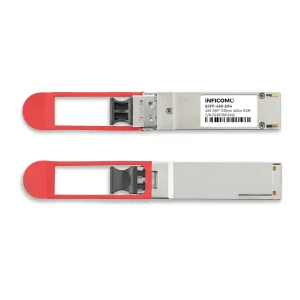
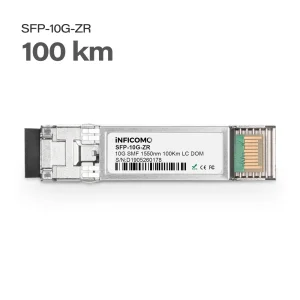
Providing maximum modularity, discrete transceivers allow field routing of fiber optic cables. Supporting both Single-mode Fiber (SMF) for long-haul metropolitan deployments and Multi-mode Fiber (MMF) for local networks, they adapt to dynamic changes in port requirements.

From local FTTH subscriber networks to long-range metro networks, we supply the hardware that powers modern communications.
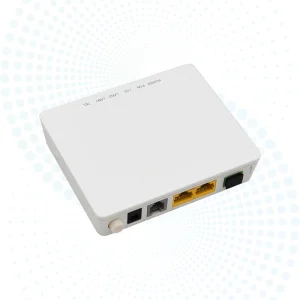
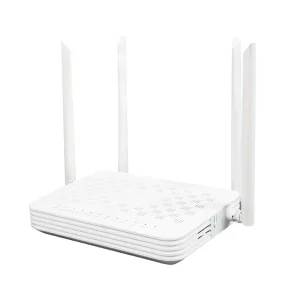
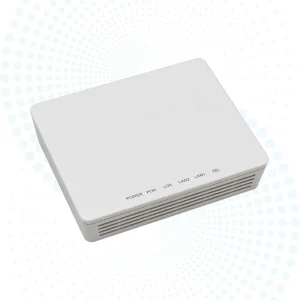
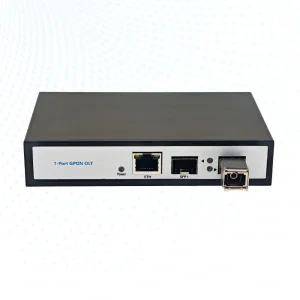
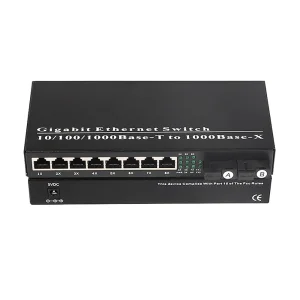
Ensuring consistent last-mile connectivity is critical for modern internet service providers. Our range of high-sensitivity GPON and EPON ONUs (Optical Network Units) and high-density OLTs (Optical Line Terminals) provide stable fiber termination, bridging the optical access network with subscriber LAN environments.
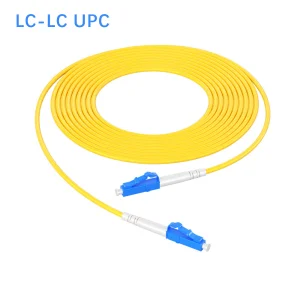
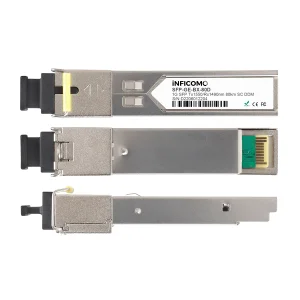
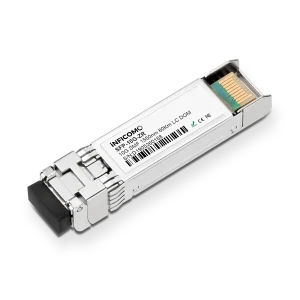
Our SFP+ and QSFP+ transceivers, paired with low-loss optical patch cables, enable core and aggregation switches to link with servers and storage arrays. Supported by digital optical monitoring (DOM), system administrators can monitor optical power level, temperature, and voltage in real time.
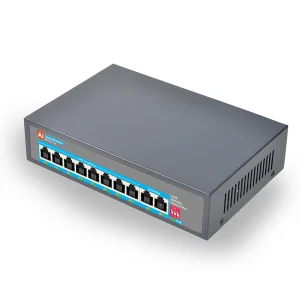
For security systems and hardware installations, our high-density Power over Ethernet (PoE) switches support long-distance transmission up to 300 meters. These systems handle data routing and power delivery simultaneously, reducing cabling complexity.
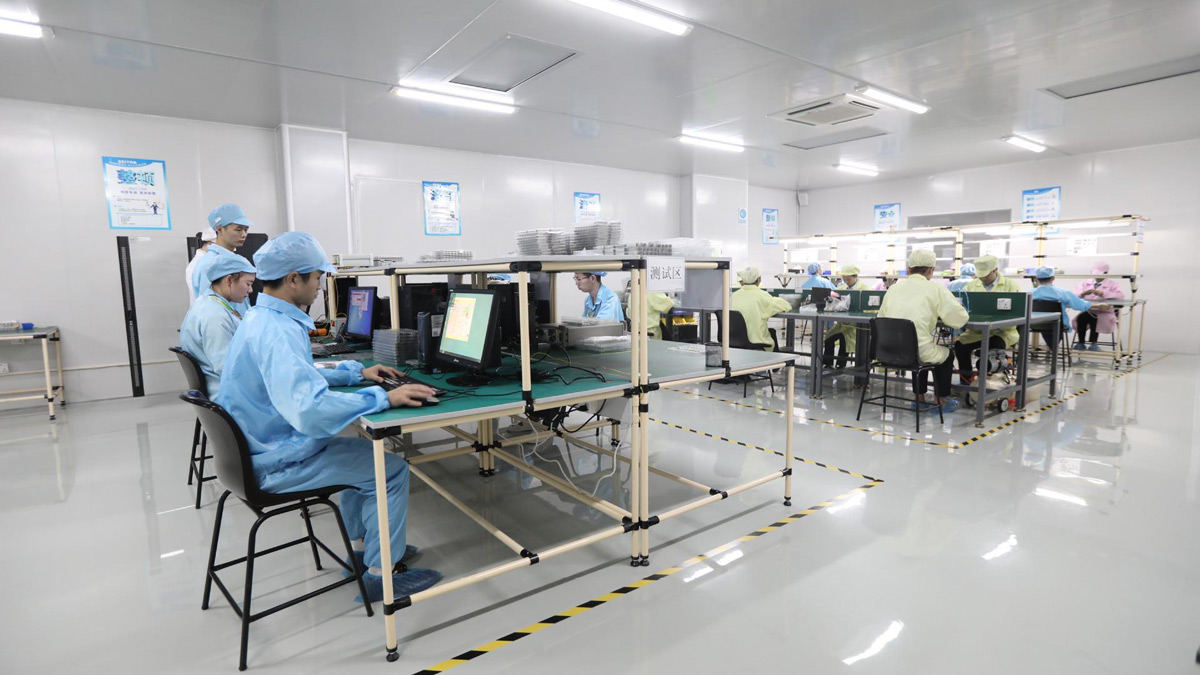
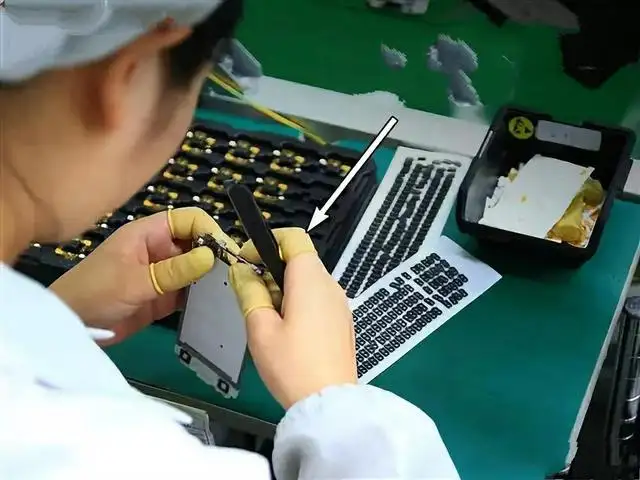
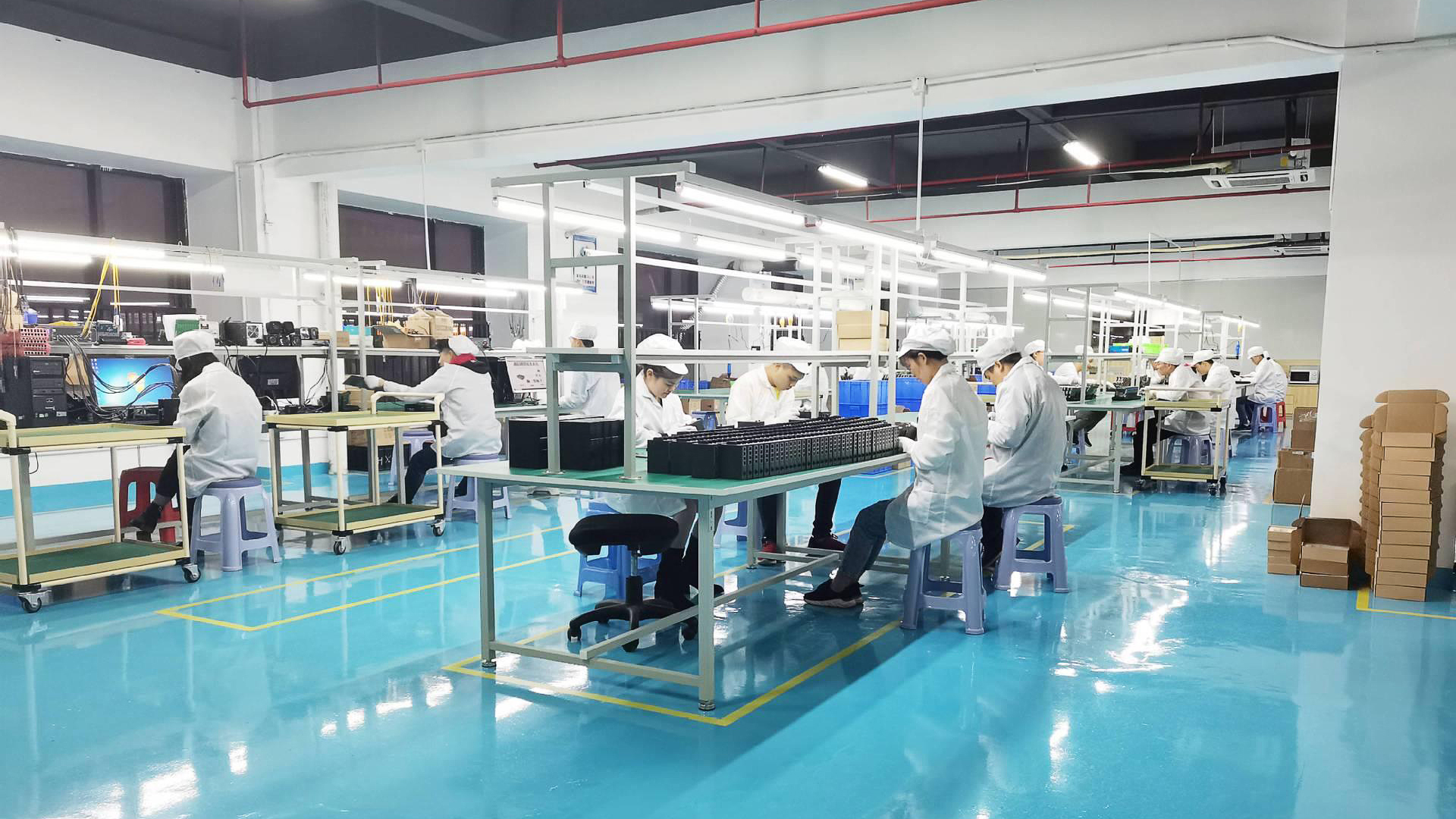
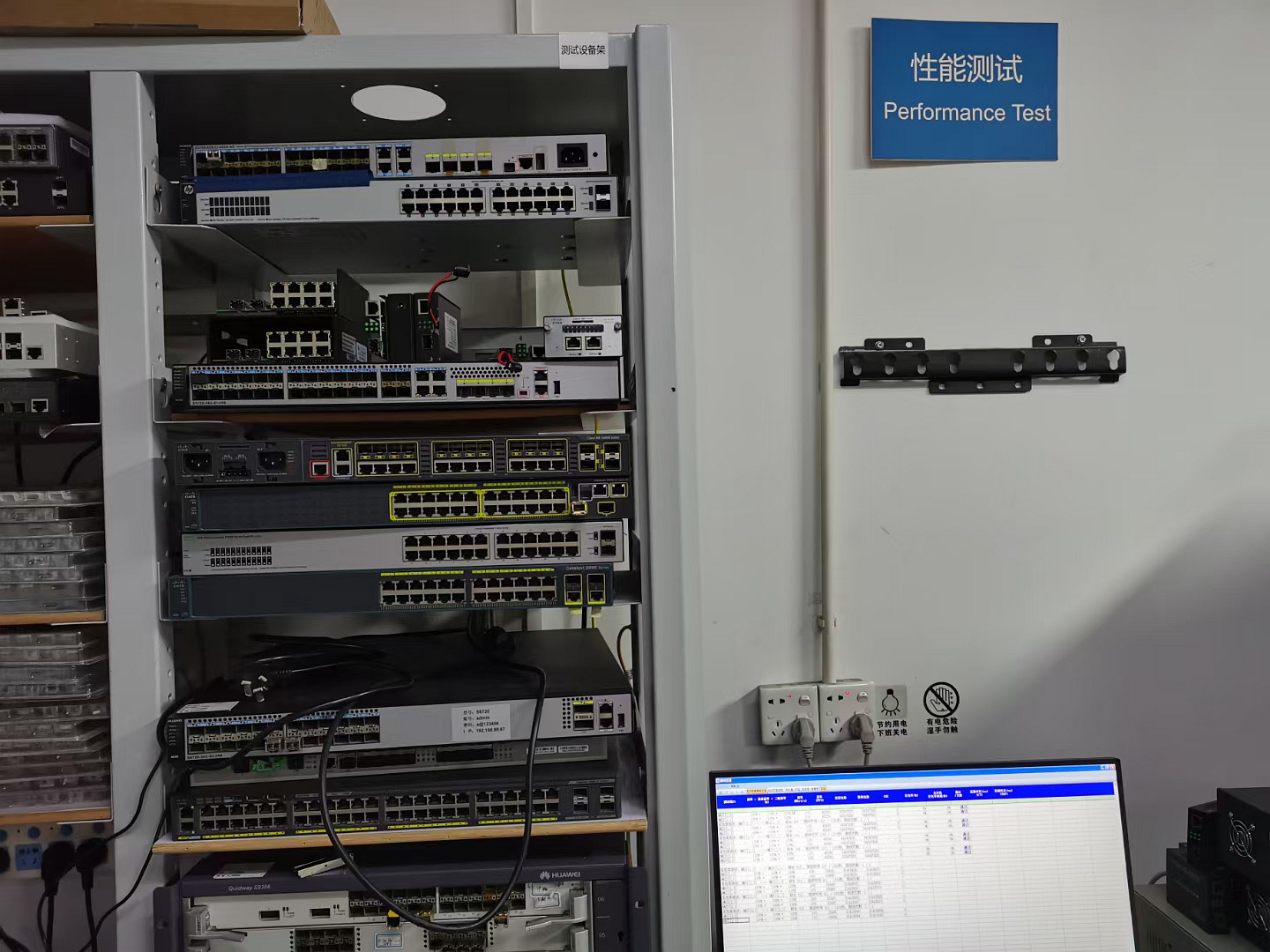
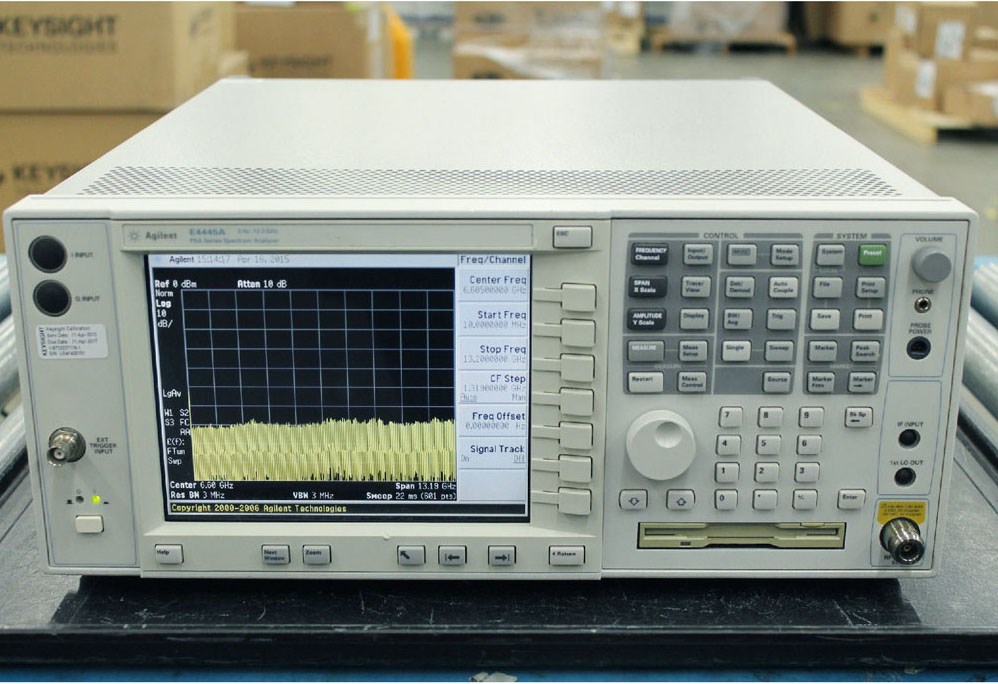
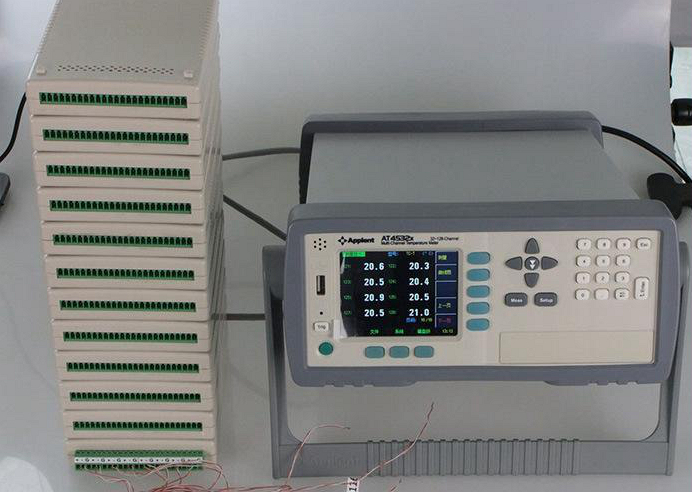
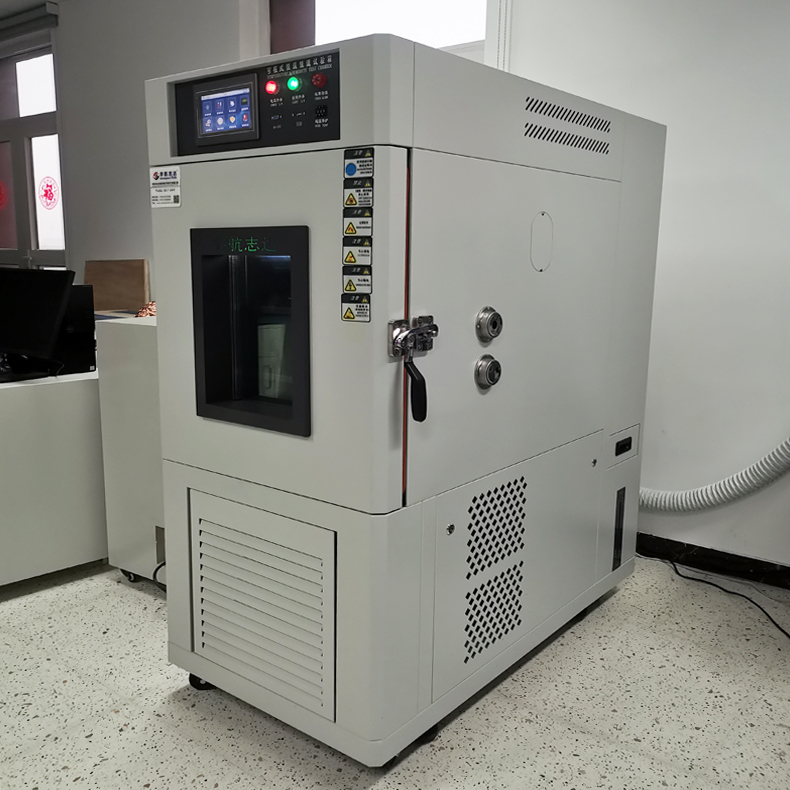
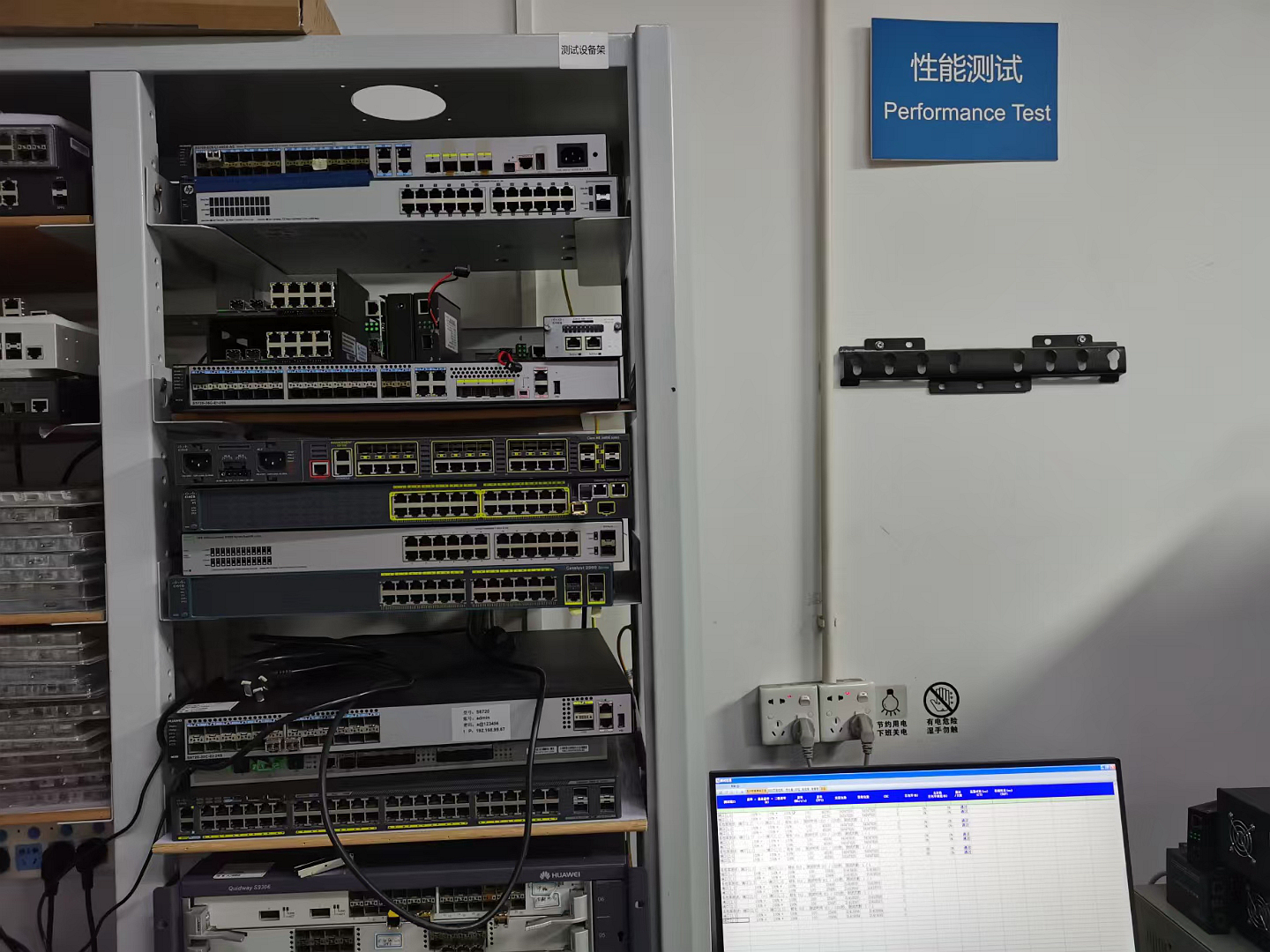
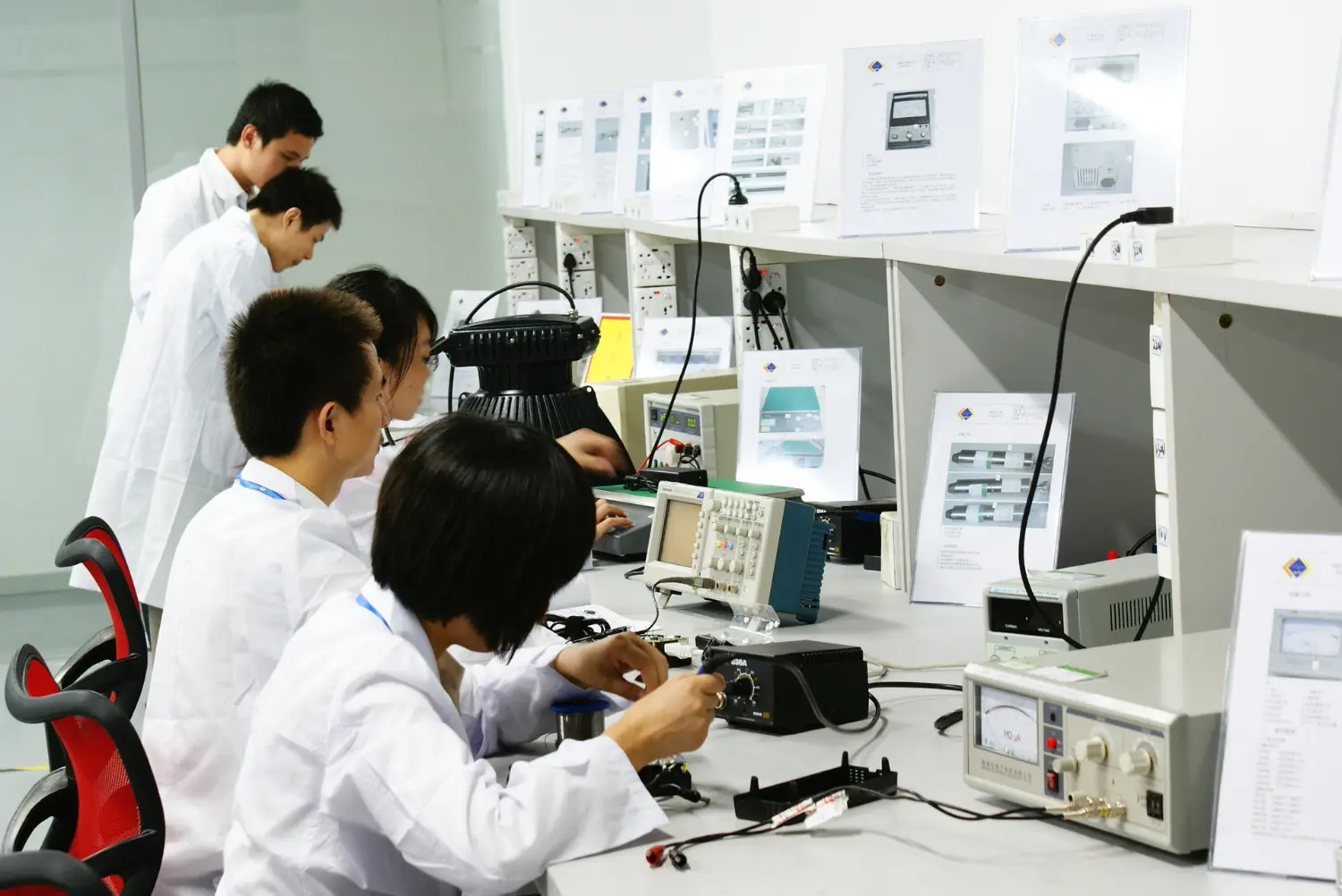
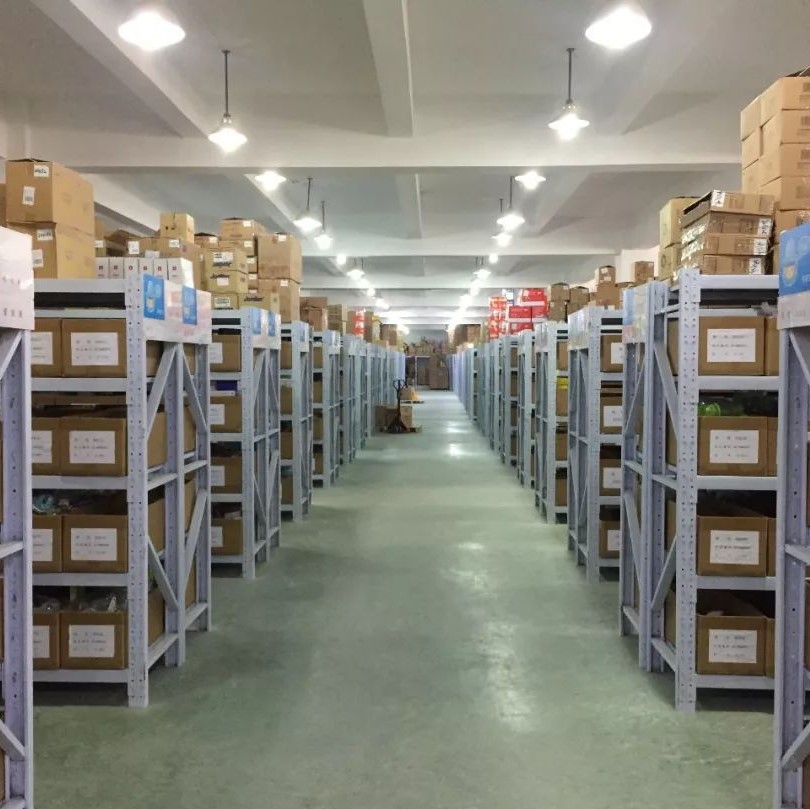
Every component undergoes a multi-stage testing process to verify performance and compatibility before shipment.
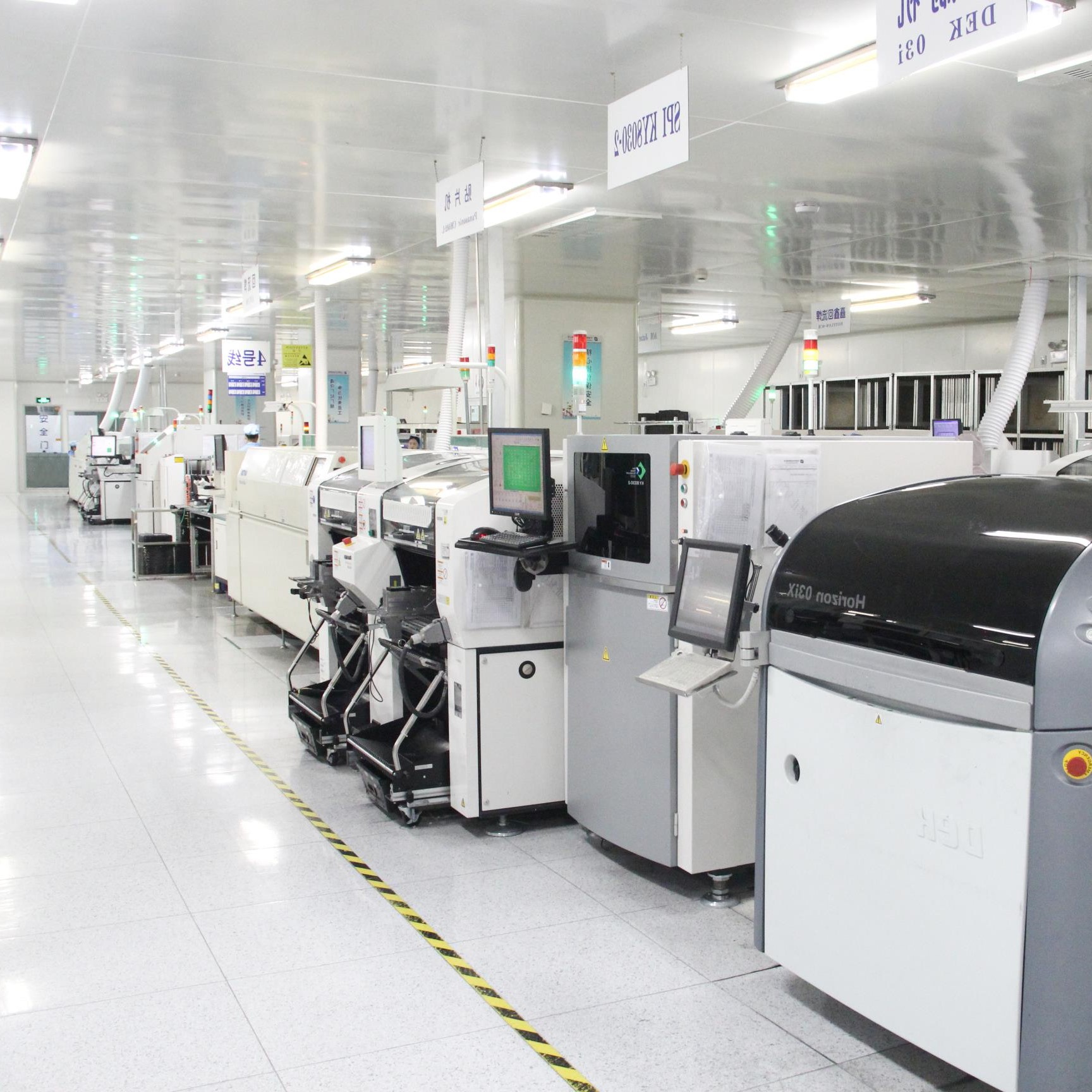

Answers to common engineering and procurement questions regarding transceiver compatibility, distance limits, and custom orders.
From FTTH access terminals to long-haul fiber transceivers, explore our full product range.
 Soras Tech