High-performance terminal boxes, splice enclosures, and distribution frames engineered for optical loss optimization and rugged physical protection.
Unpacking the engineering, material choices, and optimization layers that define high-gain physical network termination.
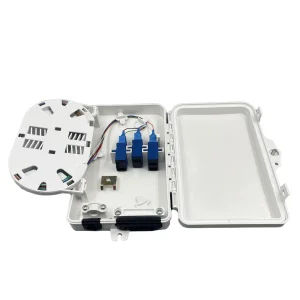
Fiber boxes (including ODP, ODB, NAP, and FDB) are engineered to prevent micro-bending and macro-bending losses. Optical fiber is highly sensitive to physical stress. Advanced enclosures maintain bend radiuses larger than 30mm, ensuring minimal attenuation across GPON, XG-PON, and high-speed DWDM networks.
Environmental threats like UV radiation, extreme temperature fluctuations, and chemical ingress can degrade low-quality plastics. Top-tier suppliers utilize PC/ABS alloys with UL94-V0 flame retardancy and IP66 ingress protection to ensure outdoor lifetimes of up to 20 years in harsh environments.
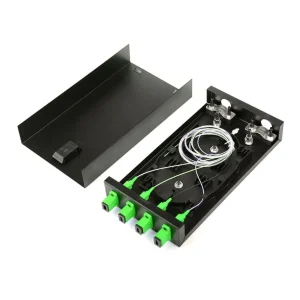
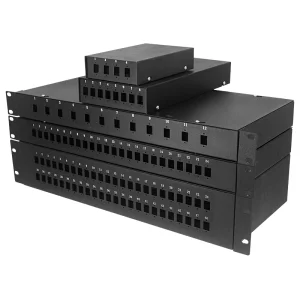
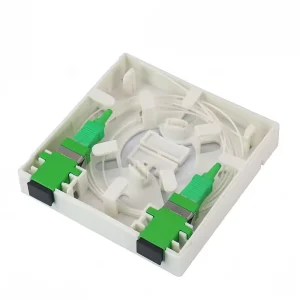
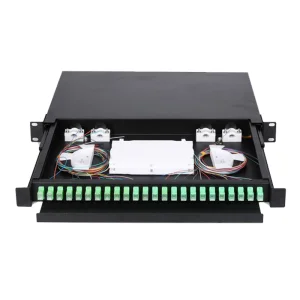
From compact FTTX faceplates designed for indoor desk terminals to massive 144-port rack-mounted Optical Distribution Frames (ODFs), fiber management must support dense splicing trays, PLC splitters, and cross-connect patch panels efficiently.
For global telecommunications carriers, selecting a fiber box supplier is not simply a procurement decision; it is a long-term network stability strategy. Inferior boxes can lead to micro-fissures in optical fibers, moisture ingress, and fiber routing clutter that complicates troubleshooting. High-quality distribution enclosures ensure structured organization, mechanical protection, and optical integrity at critical terminal points.
Shenzhen Soras Technology Co., Ltd. addresses these challenges by manufacturing robust fiber transmission hardware tailored for global networks, matching cost-efficiency with uncompromising, standardized quality.
A transparent look inside our Shenzhen production facility. We ensure absolute E-E-A-T reliability by subjecting our active and passive products to rigorous quality gates.
Shenzhen Soras Technology Co., Ltd. is a leading manufacturer of optical transmission equipment and network equipment with more than 10 years of experience. We rely on high-quality management and technological innovation, committed to providing customers with high-quality, cost-effective, and high value-added products and solutions.
Today, we work closely with telecommunications companies around the world. We have strong technical force and an experienced R&D team. Products can be developed according to customer requirements, and we also accept your OEM and ODM orders. Currently, our products are exported to more than 60 countries, with major markets in South America, North America, and Europe. Our main products include Fiber Media Converters, SFP Modules, POE Switches, ONUs, OLTs, and supporting fiber enclosure products. We have passed ISO 9001, UL, CE, FCC, and RoHS certifications.
Our facility implements advanced manufacturing methodologies to guarantee product yield and operational reliability. Explore our active lines:
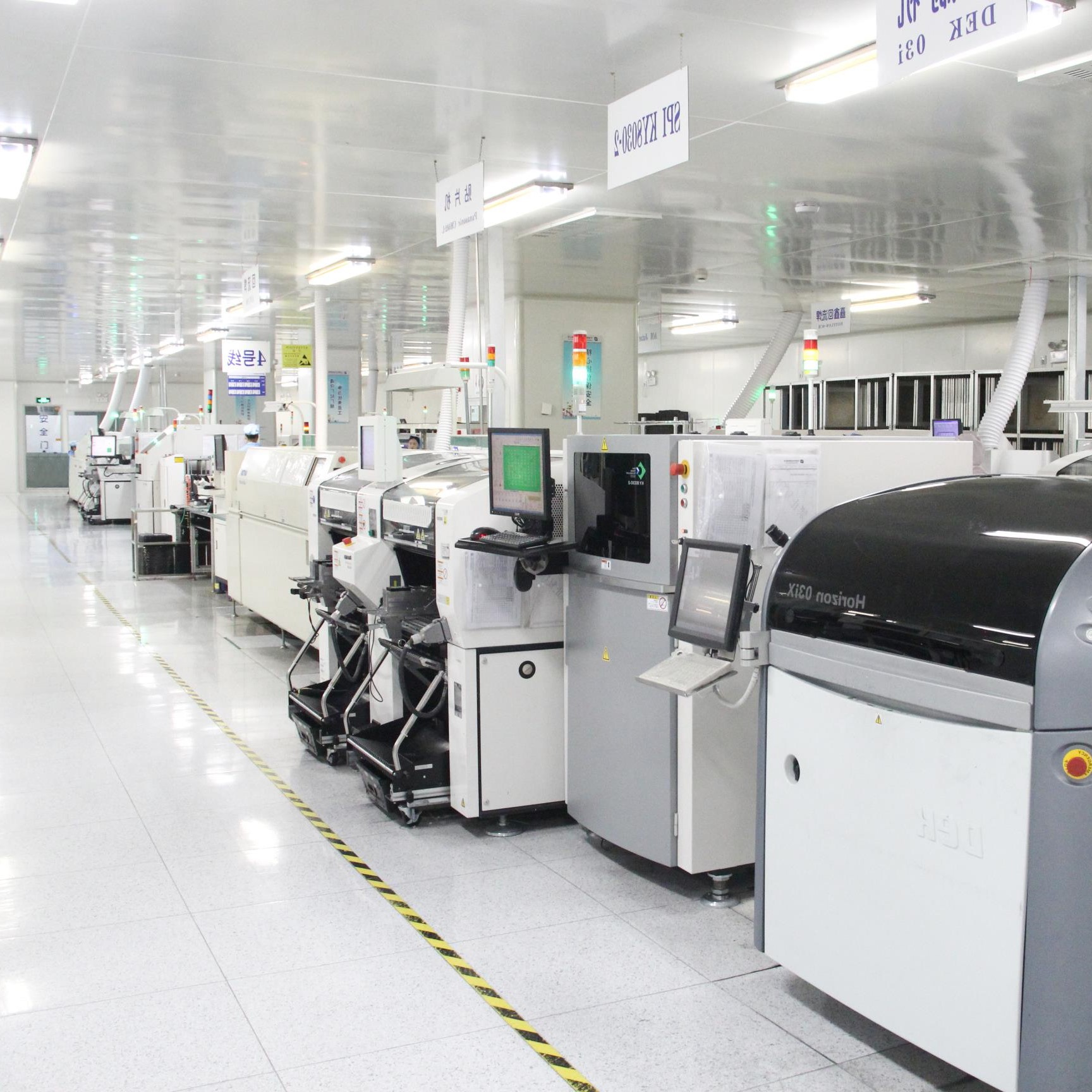
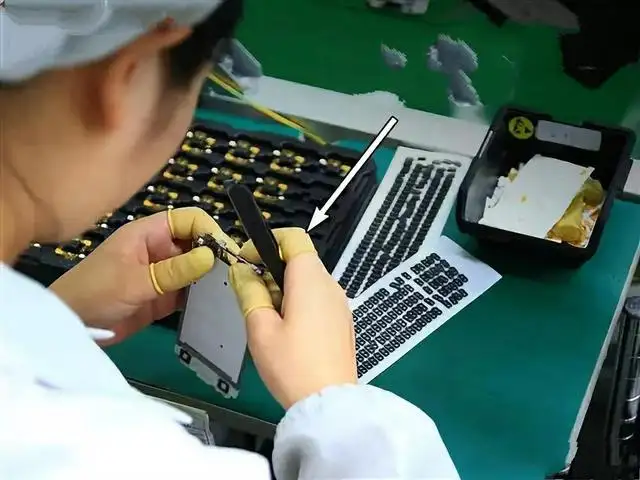
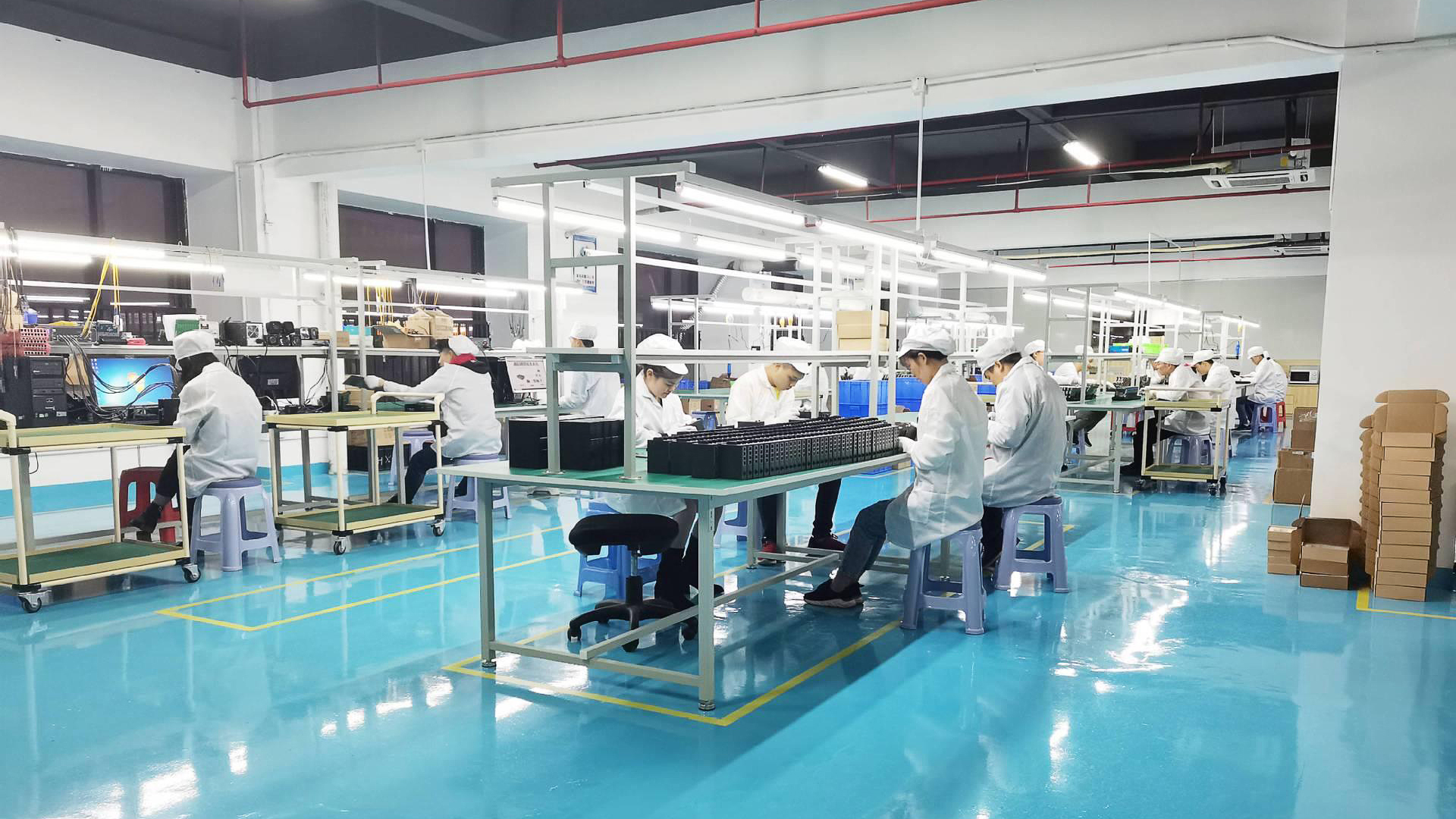
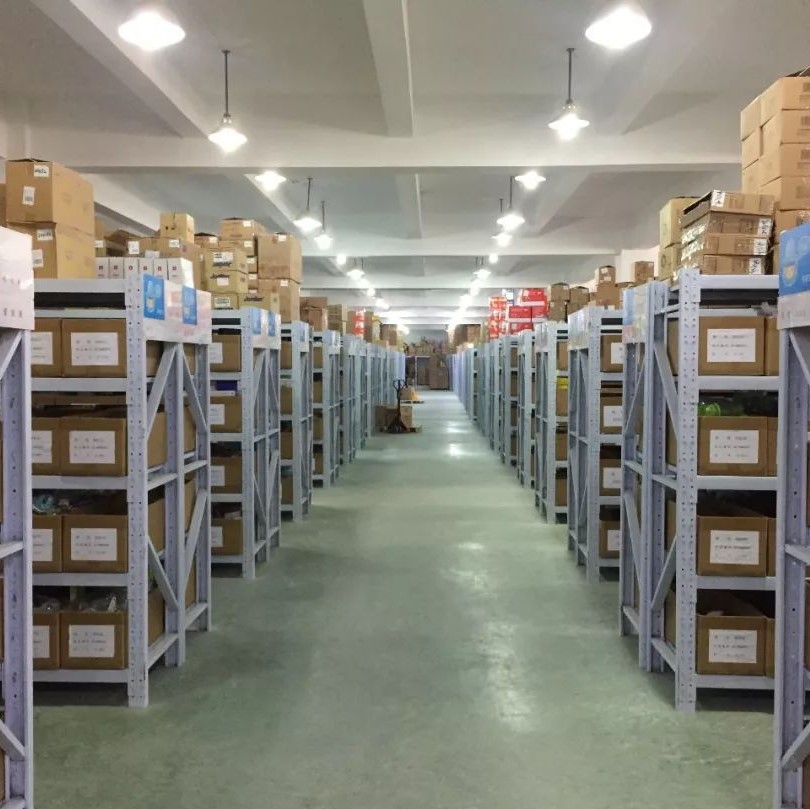
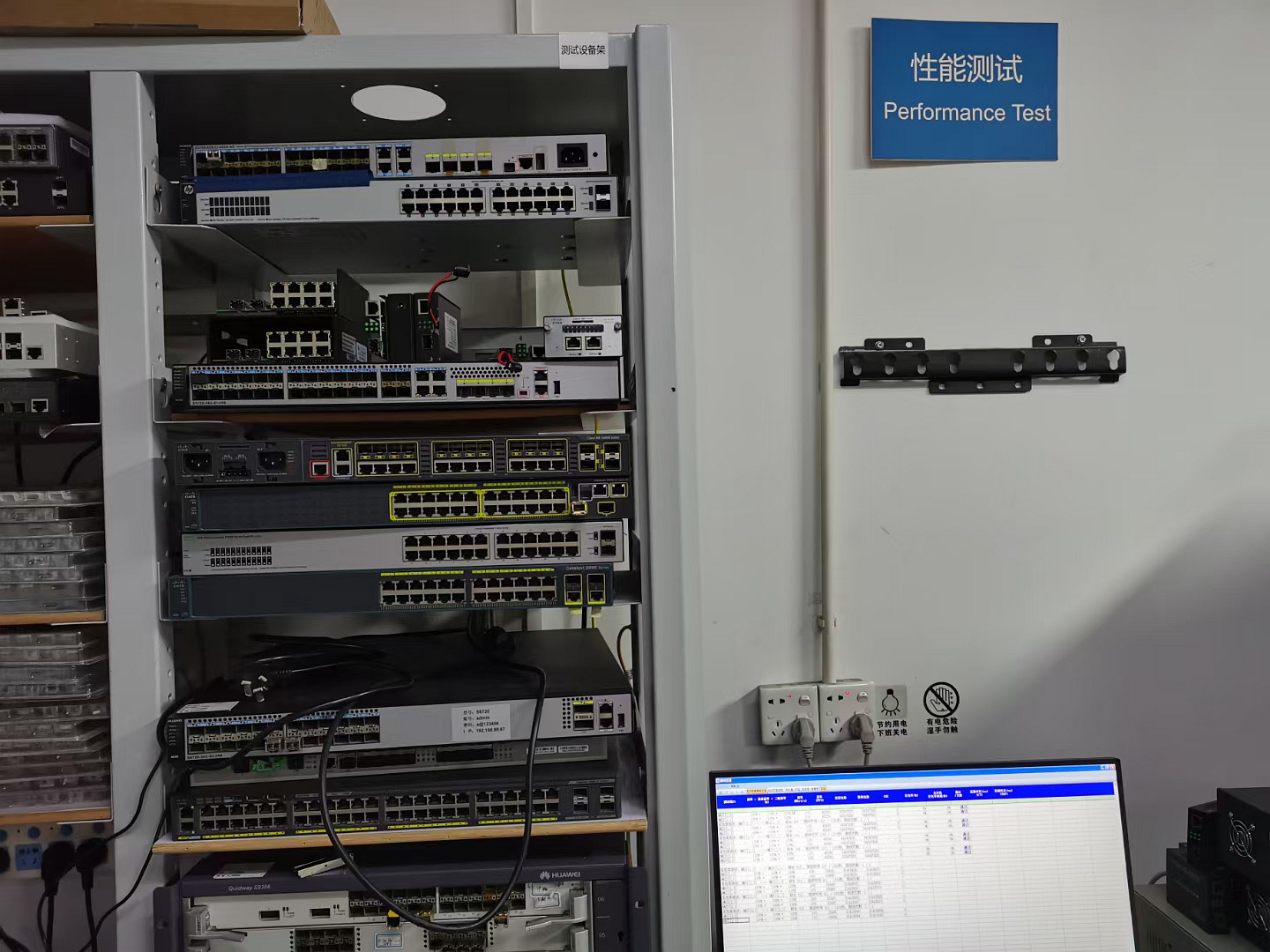
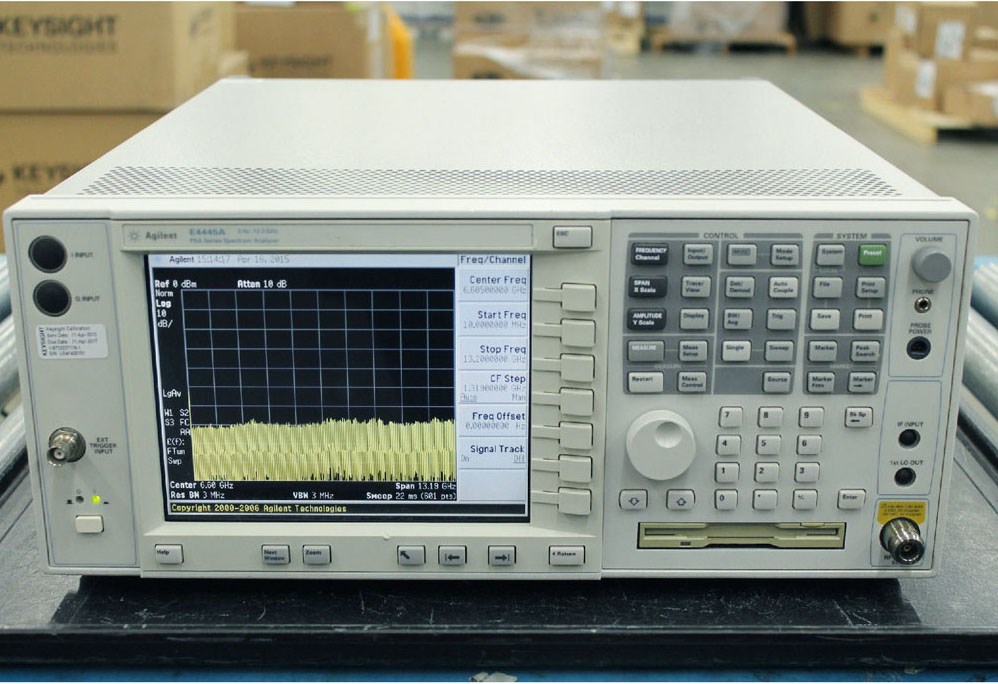
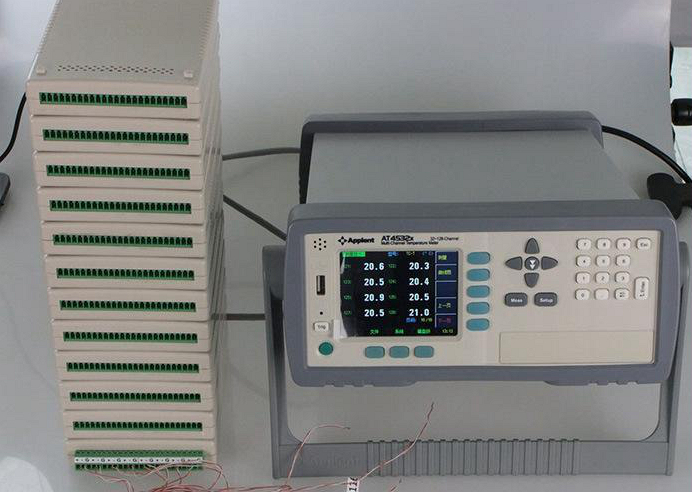
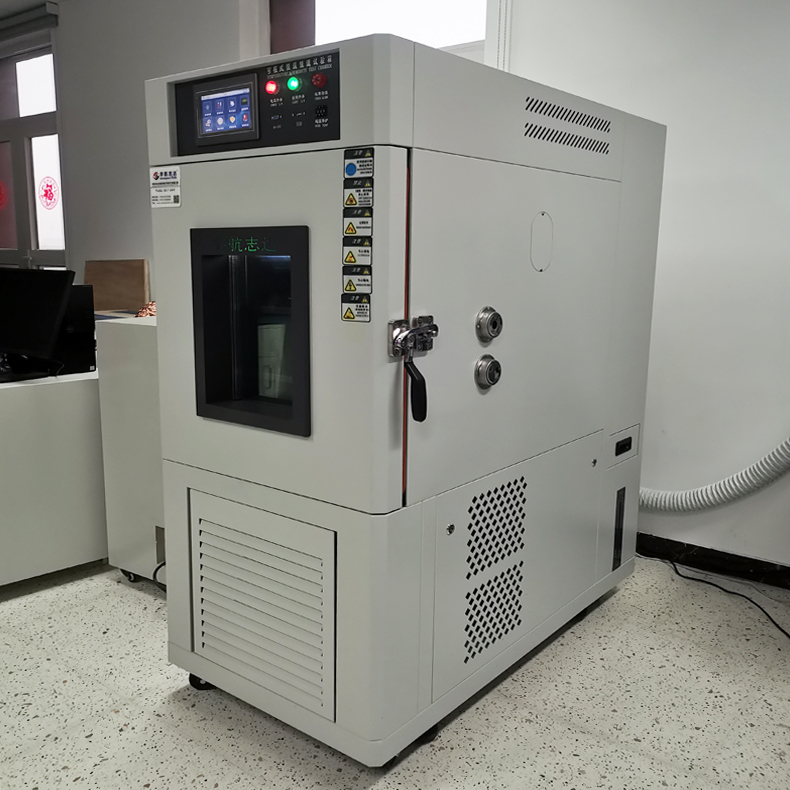
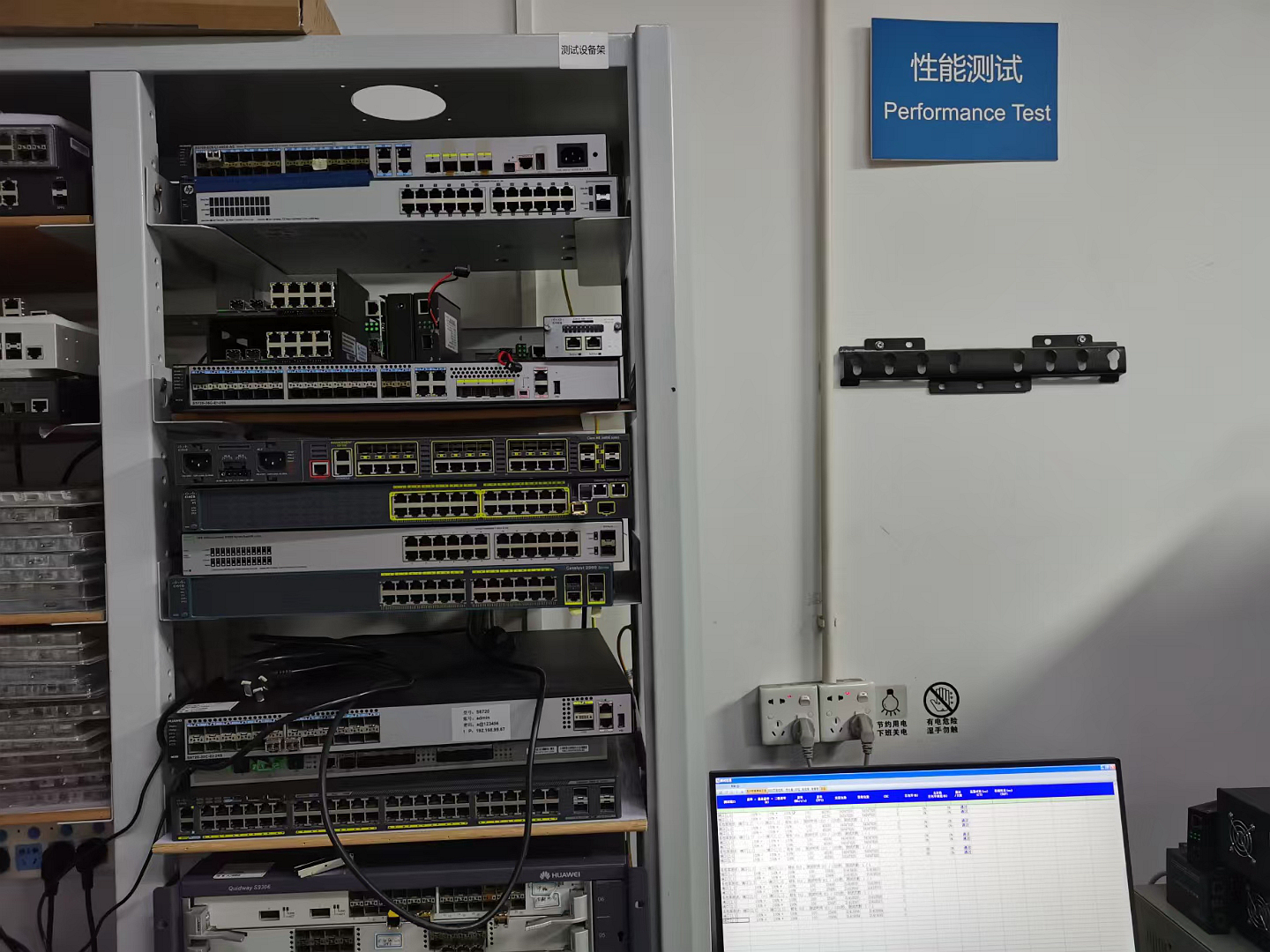
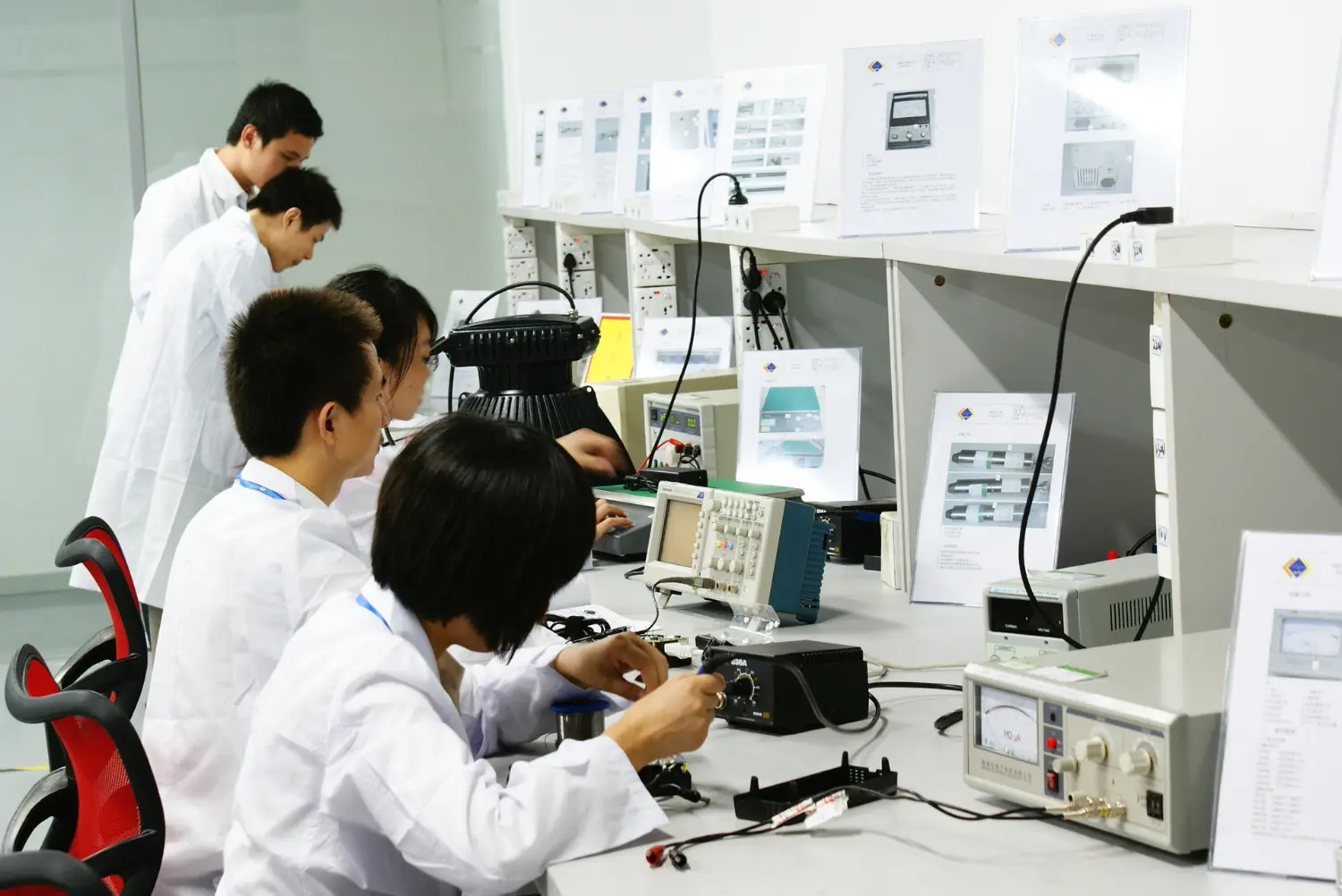
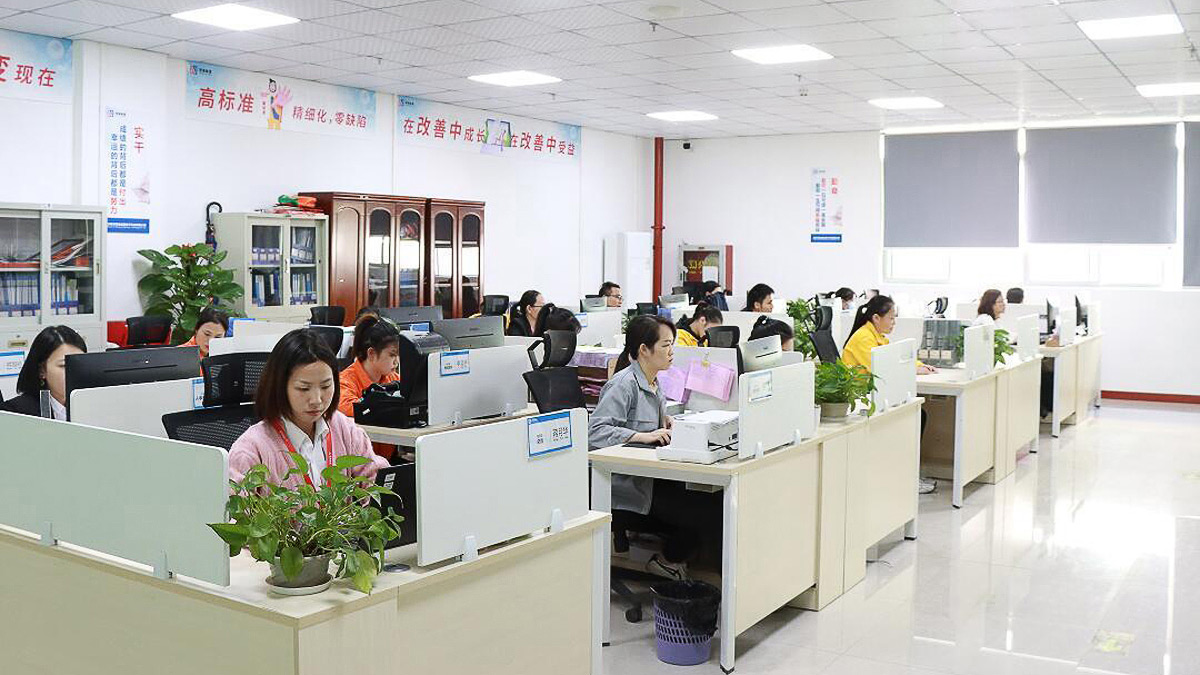
Our operating capabilities, core markets, and physical specification compliance designed for transparent enterprise review.
| Business Characteristic | Soras Technology Standards | Compliance & Operational Metrics |
|---|---|---|
| Business Type | Manufacturer, OEM/ODM Provider | Custom injection molding, sheet metal processing, and active device assembly. |
| Country / Region | Guangdong, China | Headquartered in Shenzhen's high-tech industrial cluster for global supply chain access. |
| Main Products | FTTH ONU & OLT, SFP Transceivers, Media Converters, POE Switches, Fiber Enclosures | End-to-end optical transmission solutions from passive distribution boxes to active terminal equipment. |
| Total Employees | 11 - 50 People | Agile engineering workforce with a dedicated quality control and R&D team. |
| Total Annual Revenue | US$5 Million - US$10 Million | Stable year-on-year growth driven by telecom contract deployments. |
| Year Established | 2021 (with over a decade of team manufacturing experience) | Quickly scaled to become a relied-upon manufacturing partner for domestic and export networks. |
| Main Markets | South America, North America, Western Europe, Domestic (China 24%) | Fully compliant with regional telecom requirements in over 60 countries. |
| Certificates Summary | ISO 9001, CE, FCC, RoHS, UL | Certified components and systems matching Tier-1 network architectures. |
Designing tailored physical connection nodes for high-demand modern networking environments.
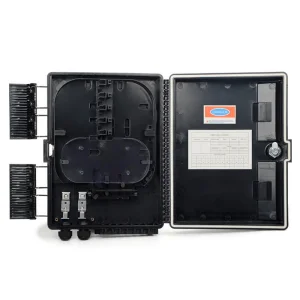
Providing optical termination points (FTB), NAP boxes, and desktop sockets. Engineered with standard SC/APC and LC/UPC adapter paths to deliver plug-and-play connectivity inside multi-dwelling units (MDUs) and single-family units.
Waterproof wall-mounted fiber boxes integrated with media converters to process traffic from surveillance cameras. Sealed with PG gland connectors to keep moisture, dust, and insects from interfering with continuous high-definition streams.
19-inch rack-mounted ODF patch panels up to 144 ports. These systems isolate delicate internal fibers from mechanical strain during configuration updates, reducing maintenance time in highly concentrated data environments.
Because standard options do not fit every network architecture, Soras Technology works directly with client engineers. Whether you require customized fiber routing loops, unique cable entries, specific color-coding schemes, or factory-spliced pigtail kits, our physical modeling and structural design teams can tailor solutions to meet your precise installation targets.
Remaining ahead of the bandwidth curve: How physical fiber architecture is adapting to 5G, FTTR, and next-generation networks.
Traditional splice management inside distribution boxes requires field technician training and complex outdoor splicing equipment. The industry is rapidly shifting toward pre-connectorized configurations (Fast Connect / MST boxes). By using pre-terminated drop cables, technicians can establish connections with a simple, secure click, cutting installation times by up to 50% and protecting the internal fiber housing from field pollution.
As gigabit and multi-gigabit connections become standard, service providers are pushing optical fiber past the residential door into individual rooms. This transition demands micro-fiber faceplates and ultra-slim profile junction boxes that blend seamlessly into home interiors while safeguarding tight 7.5mm (G.657.B3) bending radiuses.
Our engineering team answers key questions about selecting, deploying, and maintaining fiber box infrastructure.
An ODF (Optical Distribution Frame) is generally a high-density, rack-mounted unit designed for central offices or data centers to patch and splice core networks. An FDB (Fiber Distribution Box) is a smaller enclosure used to branch out distribution cables into individual drop lines in residential or commercial settings. A FAT (Fiber Access Terminal) or NAP (Network Access Point) box is positioned at the final distribution stage, often outdoors, housing optical splitters to connect the drop cables leading directly to subscribers' ONT devices.
Standard ABS plastic degrades under direct sunlight (UV exposure) and becomes brittle in cold environments, resulting in cracked seals and moisture leaks. By combining Polycarbonate (PC) and ABS, we achieve high impact strength (IK08+), superior UV resistance, and excellent flame retardancy. This composite material ensures that the enclosure survives years of direct exposure to solar heat, heavy rain, and sub-zero winter temperatures without losing physical integrity.
We maintain strict control over connector polishing (UPC/APC) and fiber routing loops. Standard optical connectors must achieve insertion losses of ≤0.2dB and return losses of ≥50dB (UPC) or ≥60dB (APC). Every pre-terminated distribution box is tested on our QC lines using digital microscopes and optical power meters to confirm these parameters before packaging.
Tier-1 operators require products that comply with Telcordia GR-771-CORE standards for fiber splice enclosures, alongside standard certifications such as ISO 9001 for quality management, CE/RoHS for safe material compositions, and IP rating verifications (specifically IP65/IP66) to ensure weather tightness against water jet ingress.
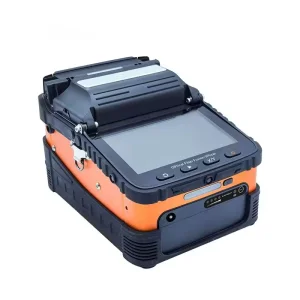
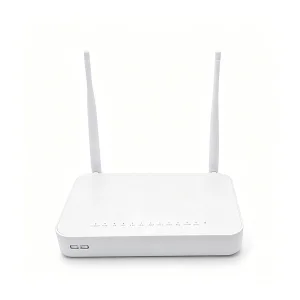
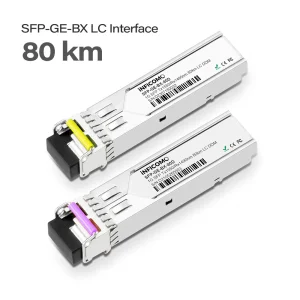
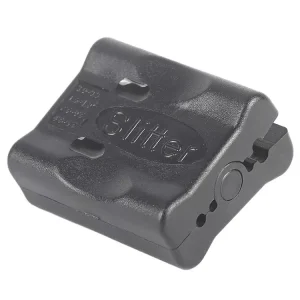
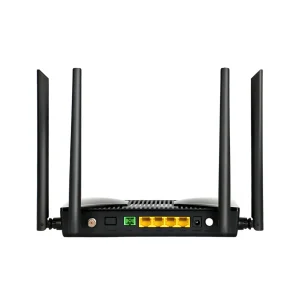
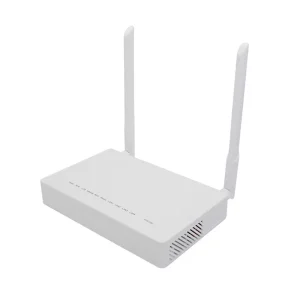
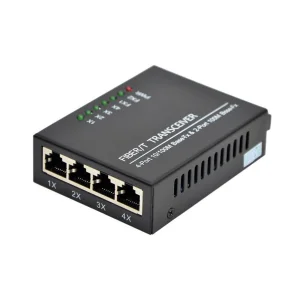
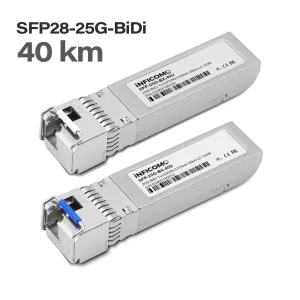
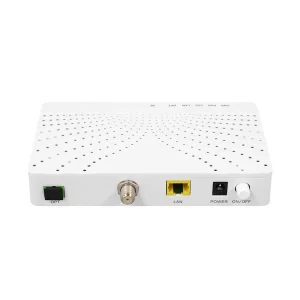
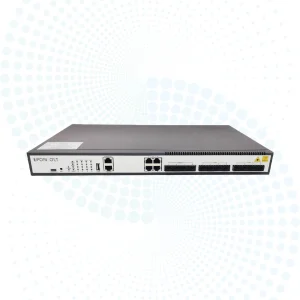
Complementary active devices and fiber preparation tools to complete optical networks from end to end.
 Soras Tech