Explore our highly reliable, dual-band terminal units trusted by tier-1 telecom operators globally.
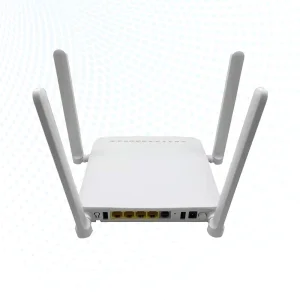
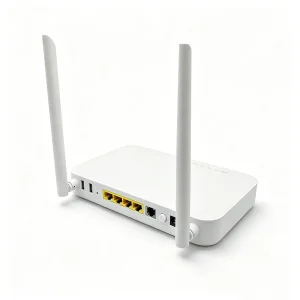
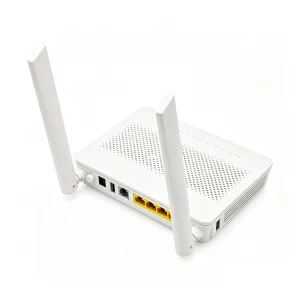
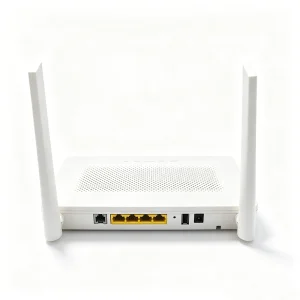
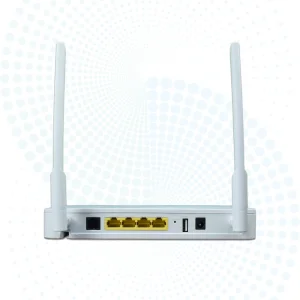
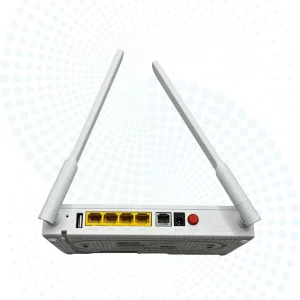
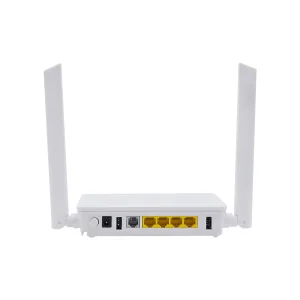
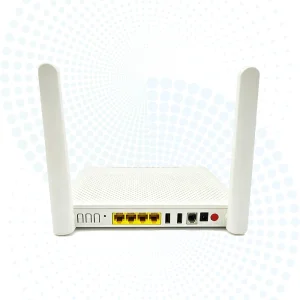
In the rapidly transforming landscape of telecommunication engineering, the Customer Premises Equipment (CPE) plays a highly critical role. Transitioning from legacy copper connections to advanced Gigabit Passive Optical Networks (GPON) demands endpoint hardware that operates with unparalleled stability, data processing power, and cost efficiency. The Wi-Fi 5 ONU (Optical Network Unit) and ONT (Optical Network Terminal) represent the operational sweet spot for Internet Service Providers (ISPs), system integrators, and industrial network designers worldwide.
While Wi-Fi 6 continues to experience growing adoption, Wi-Fi 5 (802.11ac) architectures remain the dominant global workhorse due to their excellent capital expenditure (CAPEX) to operational performance ratios. A dual-band AC1200 ONU system provides high-speed gigabit optical access while supplying stable, multi-room wireless routing capabilities at a fraction of the cost of next-generation hardware. This whitepaper analyzes the core engineering architectures, global sourcing standards, manufacturing excellence, and deployment topologies of Wi-Fi 5 ONU systems, with a particular focus on the supply capabilities of Shenzhen Soras Technology Co., Ltd.
Technically, an ONT (Optical Network Terminal) is an ITU-T standard term referring to a single-tenant CPE that terminates the PON network at the customer premises. An ONU (Optical Network Unit) is an IEEE term commonly associated with EPON, which may serve multiple users or require an intermediate router/switch to distribute connectivity. However, in contemporary marketing and field operations, the terms are frequently used interchangeably to describe dual-band wireless fiber-optic modem-routers designed for home and office deployments.
Modern telecommunication networks are diverse; one neighborhood may run on GPON (ITU-T G.984) protocols managed by a Huawei or ZTE Optical Line Terminal (OLT), while another utilizes EPON (IEEE 802.3ah) systems controlled by Fiberhome or local customized setups. For a global exporter, the solution is the engineering of XPON Auto-Adaptive ONUs. These intelligent terminals feature hardware-level auto-negotiation, immediately sensing the upstream wavelength and framing protocol to adjust their encapsulation method between GPON (GEM frames) and EPON (Ethernet frames) within seconds of connection.
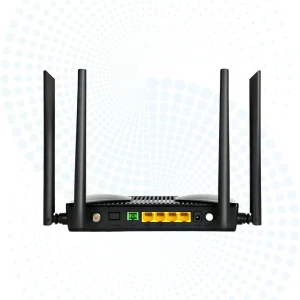
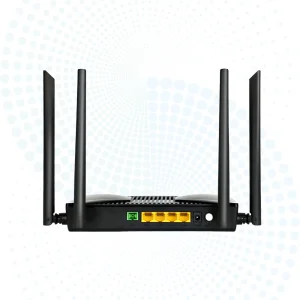
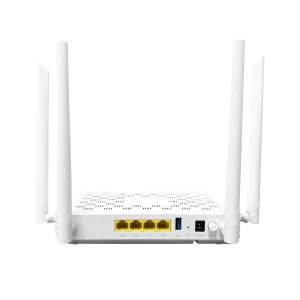
At the center of our hardware systems are chipsets from world-leading fabless semiconductor firms, including Realtek, MediaTek, and Broadcom. These system-on-chips (SoCs) manage the intense layer-2 routing, stateful firewall operations, network address translation (NAT), and VoIP conversion without degrading wireless throughput. Supported by 5dBi high-gain external antennas, our devices deliver highly efficient MIMO (Multiple-Input Multiple-Output) wireless performance, ensuring reliable walls-penetration and consistent signal strength in diverse residential and commercial layouts.
| Hardware Parameter | Standard Specifications (AC1200 Dual-Band ONU) | Enterprise Value / Network Benefit |
|---|---|---|
| PON Interface | Class B+ & Class C+ Optical Transceivers, SC/UPC or SC/APC connectors | Ensures deep optical sensitivity down to -28 dBm; prevents packet drops. |
| Ethernet Ports | 1GE + 3FE or Full 4GE (Gigabit Ethernet) RJ45 Interfaces | Enables hardware-level wire-speed routing up to 1000 Mbps for local devices. |
| Wireless Standards | 802.11ac Wave 2 (Wi-Fi 5) Dual-Band: 300Mbps @2.4GHz + 867Mbps @5GHz | Reduces local channel congestion; provides high bandwidth for 4K video streams. |
| POTS Interface | 1-Port RJ11 VoIP interface supporting SIP and H.248 protocol stacks | Supports legacy analog phone integration without additional IP-PBX hardware. |
| Remote Protocols | TR-069 (CWMP), OMCI, OAM, Web GUI, Telnet, and SSH | Allows zero-touch provisioning (ZTP) and diagnostic tests by central NOC teams. |
A Premier Manufacturer & Global Exporter of Optical Transmission Equipment
Established in 2021 and backed by a leadership team with over 10 years of deep optical engineering experience, Shenzhen Soras Technology Co., Ltd. is a specialized high-tech enterprise. Headquartered in the global electronics capital of Guangdong, China, we are dedicated to designing, testing, and manufacturing top-tier fiber-optic terminal solutions. We maintain a strong, direct connection with global telecommunication companies and major ISPs in South America, North America, Europe, and Eastern Asia.
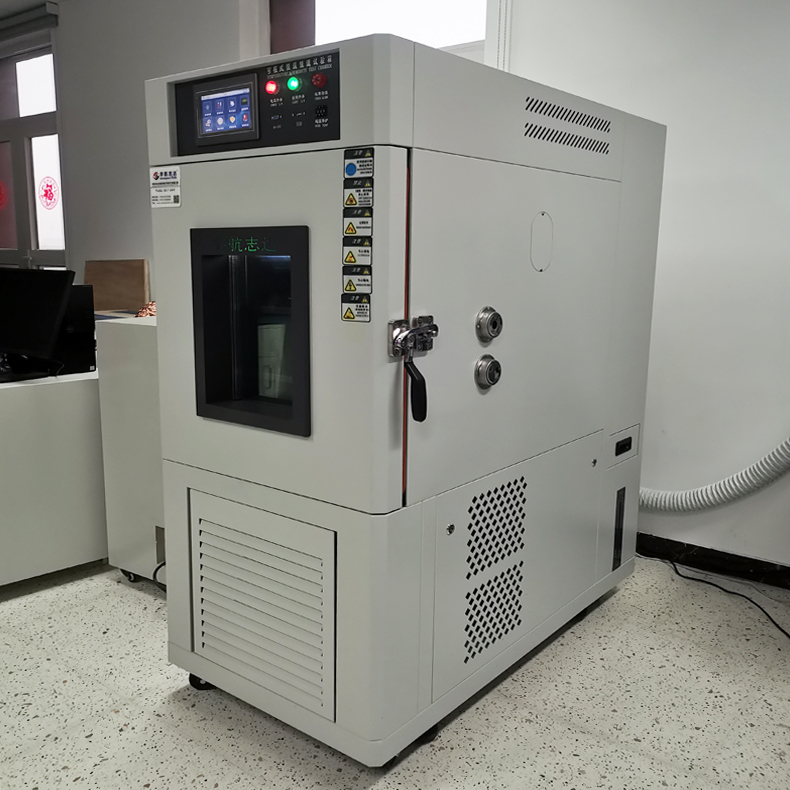
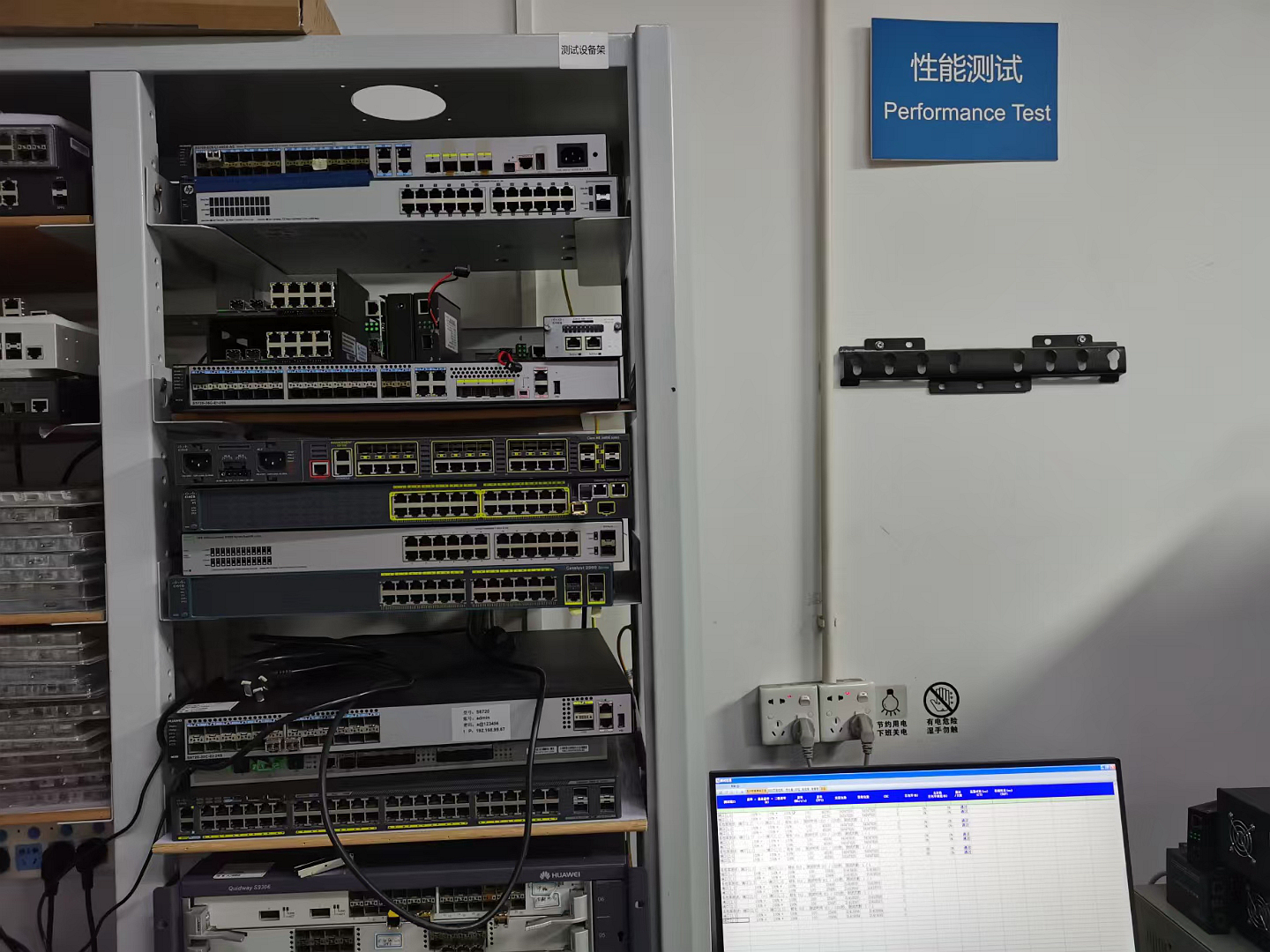
Our production facilities utilize advanced SMT (Surface Mount Technology) assembly lines, automated optical inspection (AOI), high-precision wireless calibration instruments, and extreme temperature testing chambers. This commitment to strict production standards allows us to maintain stable, long-term relationships with clients in over 60 countries. We accept complex OEM/ODM projects, supporting customized firmware development (such as custom TR-069 server addresses, tailored web portal designs, and localized language configurations) to ensure fast integration into existing carrier provisioning frameworks.
| Business Type | Manufacturer & Exporter | Country / Region | Guangdong, China |
| Main Products | FTTH ONU & OLT, SFP Modules, Fiber Media Converters, POE Switches, Fiber Optic Equipment | Total Employees | 11 - 50 Professional Staff |
| Total Annual Revenue | US$5 Million - US$10 Million | Year Established | 2021 |
| Main Markets | Domestic Market (24.00%), Eastern Asia (15.00%), North America (15.00%), South America, and Europe. | ||
| Certifications Held | ISO 9001, UL, CE, FCC, ROHS Compliant Systems | ||
Inside the Soras Link production plant: from raw PCB printing to automated testing and final shipping inspection.


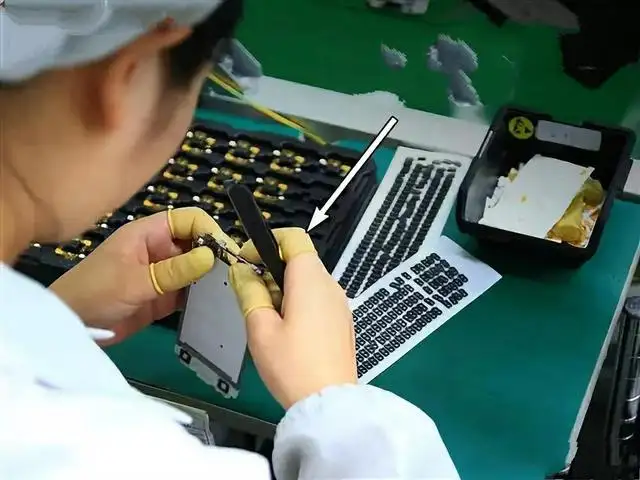


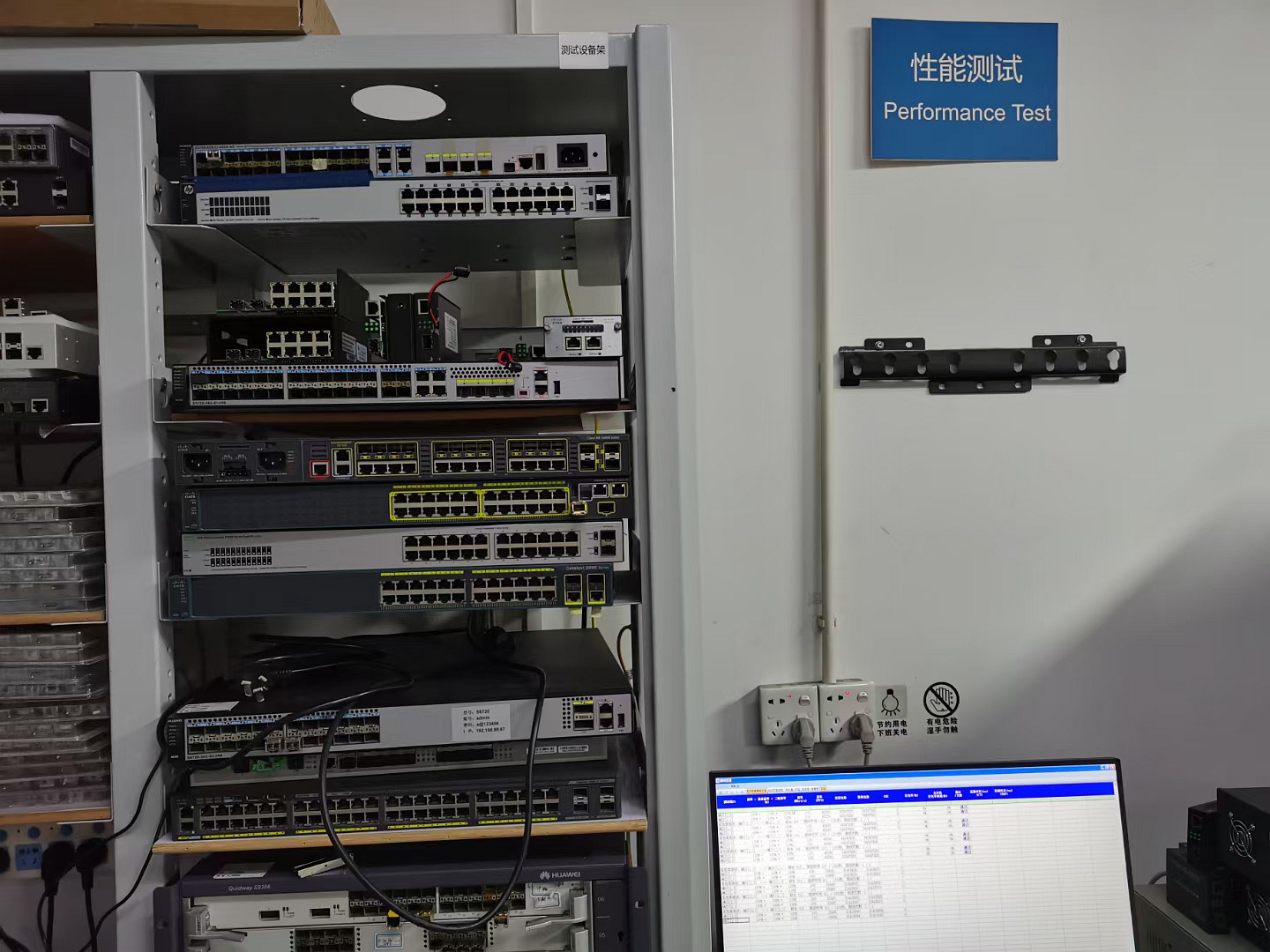
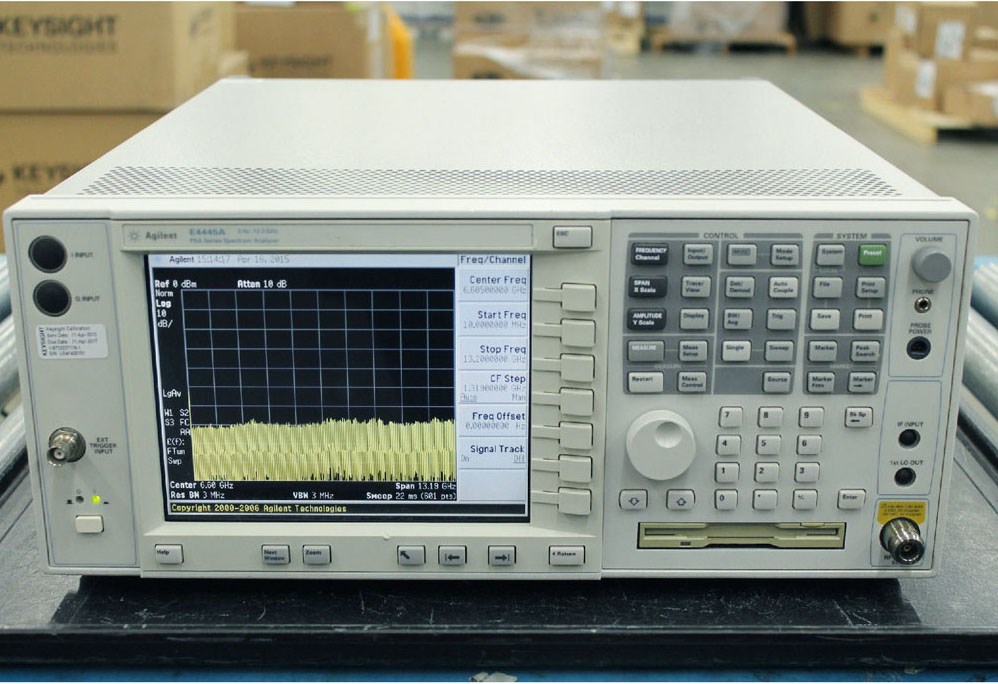
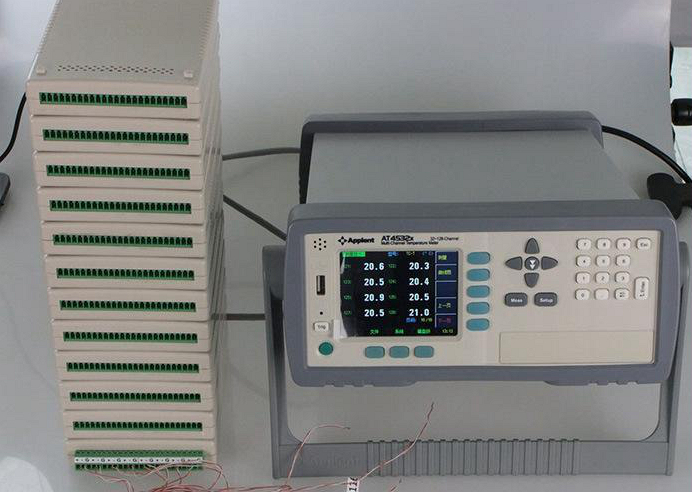


In global telecom configurations, the end terminal cannot operate as an isolated device. It must work cohesively within the broader FTTx infrastructure. Our Wi-Fi 5 ONUs are engineered to provide maximum value across three key macro solutions:
1. Fiber To The Home (FTTH) Triple-Play Deployments: Connecting residential subscribers requires delivering high-speed internet, digital IPTV, and VoIP telephony over a single fiber-optic drop. Our dual-band ONUs support IGMP snooping and proxy options, allowing smooth IPTV multicast streams directly to smart devices while reserving separate bandwidth slices for critical voice calls and generic data. With built-in Quality of Service (QoS) rule engines, network operators can prioritize voice and high-priority traffic over general internet traffic.
2. Small Office / Home Office (SOHO) Enterprise Solutions: Modern remote workplaces demand business-grade stability. The inclusion of multi-SSID configurations, WPA2/WPA3 baseline security, and independent guest network configurations allows small businesses to split internal file-sharing servers from public client access zones. The multi-Gigabit Ethernet port interfaces allow physical connections to local NAS setups, PoE network switches, and IP printers without causing local bandwidth congestion.
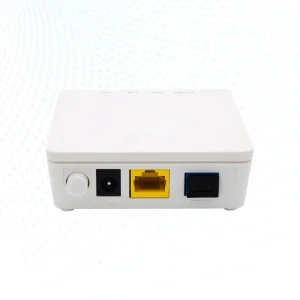
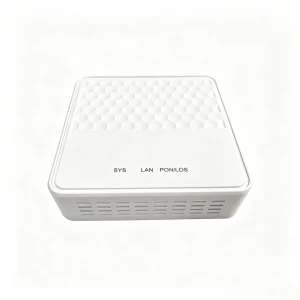
3. Hybrid FTTB / FTTC Expansion: For neighborhoods where pulling fiber directly to the desk is physically or financially impractical, our mini-ONU series (such as the HG8310M/HG8010 models) are ideal. These bridge-mode terminals connect local optical lines directly, converting the incoming laser signal to standard RJ45 copper interfaces. This setup links seamlessly to high-power Wi-Fi routers or local Ethernet distribution panels, keeping operational costs low while extending overall coverage.
As standard internet subscription speeds evolve from 100 Mbps toward 1 Gbps, ISPs must carefully map their hardware replacement cycles. While Wi-Fi 5 ONUs remain highly cost-efficient, our technical roadmap ensures that choosing our hardware today simplifies future upgrades. Our unified design architecture allows ISPs to manage current Wi-Fi 5 ONU deployments and upcoming Wi-Fi 6 (AX3000) installations through a single TR-069 Auto-Configuration Server (ACS).
Furthermore, our engineering teams are developing dynamic hybrid ONT modules that support future upgrades to 10G-PON (XGS-PON) systems. This development path allows operators to gradually update active components without modifying their existing passive optical networks (ODN). By preserving optical splitter investments and outdoor distribution cabinets, carriers can protect their infrastructure assets and maintain highly competitive cost metrics over long-term deployment schedules.
Exporting telecommunication hardware to more than 60 countries requires strict compliance with international standards and national radio regulations. At Shenzhen Soras Technology, we make sure our products meet and exceed local requirements to protect our distributors and clients from import difficulties or regulatory issues.
Clear, direct answers for network engineers, procurement teams, and ISP system architects.
Our XPON ONUs feature hardware-level auto-negotiation programmed directly into the SoC's bootloader. When powered on, the ONU detects the upstream optical signal's speed, framing format, and control messages (OAM for EPON or OMCI for GPON) sent by the OLT. It then immediately applies the corresponding protocol stack, allowing seamless operation on both platforms without manual firmware updates or setting changes.
An AC1200 ONU uses dual-band Wi-Fi 5 (802.11ac) technology to provide a total theoretical bandwidth of up to 1167 Mbps (300 Mbps on the 2.4 GHz band and 867 Mbps on the 5 GHz band). In real-world environments, the 5 GHz band provides high-speed throughput within 15 meters, which is ideal for streaming 4K media and online gaming. The 2.4 GHz band offers wider coverage, reaching up to 35 meters to connect low-bandwidth smart home devices through walls.
Yes. Our ONUs fully support the TR-069 (CWMP) protocol, including TR-098 and TR-142 data models. This allows network administrators to perform zero-touch configuration, remote firmware updates, bulk provisioning, Wi-Fi channel optimization, and detailed diagnostic tests from their central Network Operations Center (NOC) without sending technicians to the customer premises.
Each unit undergoes multiple testing stages to ensure reliability. This includes automated SMT component testing, automated optical inspection (AOI) for soldering quality, post-assembly functional tests, Wi-Fi RF power and calibration testing, bit error rate testing, high-low temperature chamber tests (-10°C to +55°C), and a final live optical connection test to guarantee 0% packet loss before packaging.
Complete your deployment packages with our supplementary network components and tools.

 Soras Tech