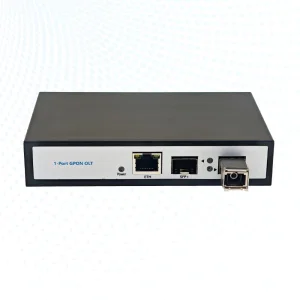
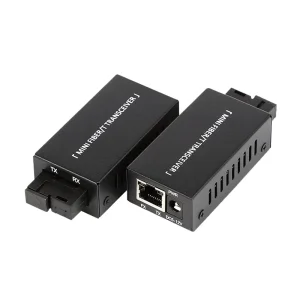
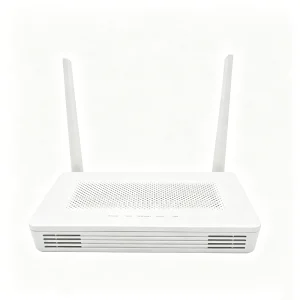
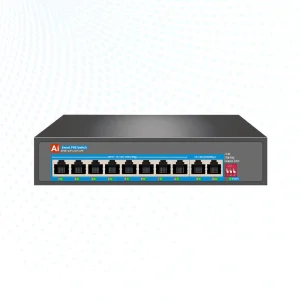
Explore our high-performance optical power meters, XPON ONUs, GPON OLTs, and carrier-grade fiber transceivers designed for field-proven reliability.
The global telecommunications landscape is undergoing a massive shift towards high-speed, low-latency access networks. With the commercial deployment of 5G, the scaling of FTTH (Fiber-to-the-Home) architectures, and the emergence of enterprise IoT, the demand for precision fiber optic tools has reached unprecedented heights. Optical Time-Domain Reflectometers (OTDR), Optical Power Meters (OPM), and Visual Fault Locators (VFL) are no longer just optional diagnostic instruments; they are critical verification tools necessary to prevent costly network downtime.
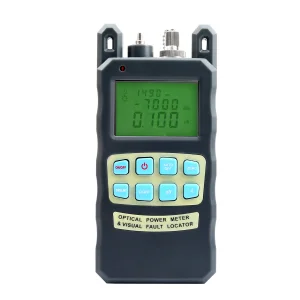
Current developments center on miniaturization, integration, and cloud-enabled reporting. Modern field technicians require all-in-one test units that combine multi-wavelength power measurement, optical source generation, and laser fault location in a single handheld chassis. Crucially, as bandwidth demands push transceivers to 10G SFP+ BIDI and beyond, testing systems must deliver high-resolution insertion loss measurement (ILM) and optical return loss (ORL) diagnostics to ensure compliance with standards like IEEE 802.3 and ITU-T G.984.
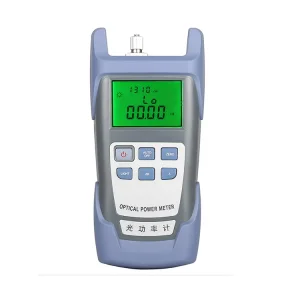
When selecting a fiber optic tester, dynamic range and measurement sensitivity are paramount. For instance, our portable Optical Power Meter features an impressive measurement range of -50 to +26 dBm (or -70 to +10 dBm for high-sensitivity variants). This ensures precise calibration detection across both high-power CATV trunk lines and high-loss FTTH drop points. Without this dynamic threshold capability, sub-optimal splicing or micro-bending faults can easily bypass detection, degrading system performance.
Telecommunications operators, internet service providers (ISPs), and industrial engineering contractors need more than just hardware. They require supply stability, rigorous testing compliance, and seamless system integration.
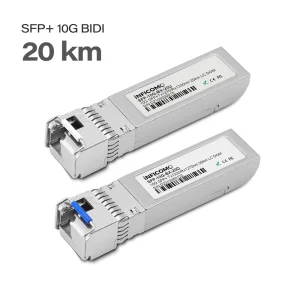
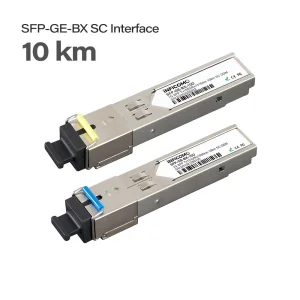
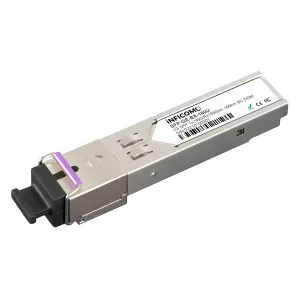
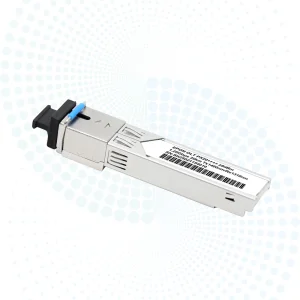
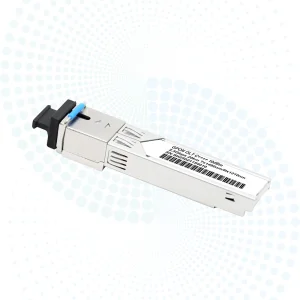
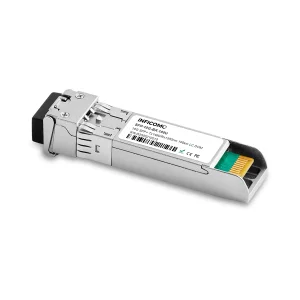
Global procurement offices mandate CE, FCC, RoHS, and UL compliance. Fiber optic components and transceivers (such as our 10G SFP+ BIDI and GPON OLT SFP modules) must run continuously under harsh environmental conditions without signal decay. Compliance guarantees compatibility in multi-vendor headends.
Every localized telecom network has bespoke structural requirements (e.g., customized SC/APC connections, English firmware for ONUs, or custom branding on hand-held OPMs). The ability of a factory to deliver agile engineering tweaks is crucial for rapid network deployment timelines.
Beyond the initial purchase price, procurement teams analyze reliability rates and calibration lifecycle costs. A robustly constructed tester reduces replacement cycles, limits field errors, and significantly optimizes operational expenditure (OpEx) for local technicians.
| Parameters | Standard Power Meter | All-in-One Tester |
|---|---|---|
| Wavelength Range (nm) | 800 to 1700 nm | 800 to 1700 nm |
| Detector Type | InGaAs | InGaAs |
| Measurement Range | -50 to +26 dBm | -70 to +10 dBm |
| VFL Output Power | N/A | 1mW / 10mW / 20mW Options |
| Connector Compatibility | FC, SC, ST, LC (with adapter) | Universal 2.5mm (SC, ST, FC) |
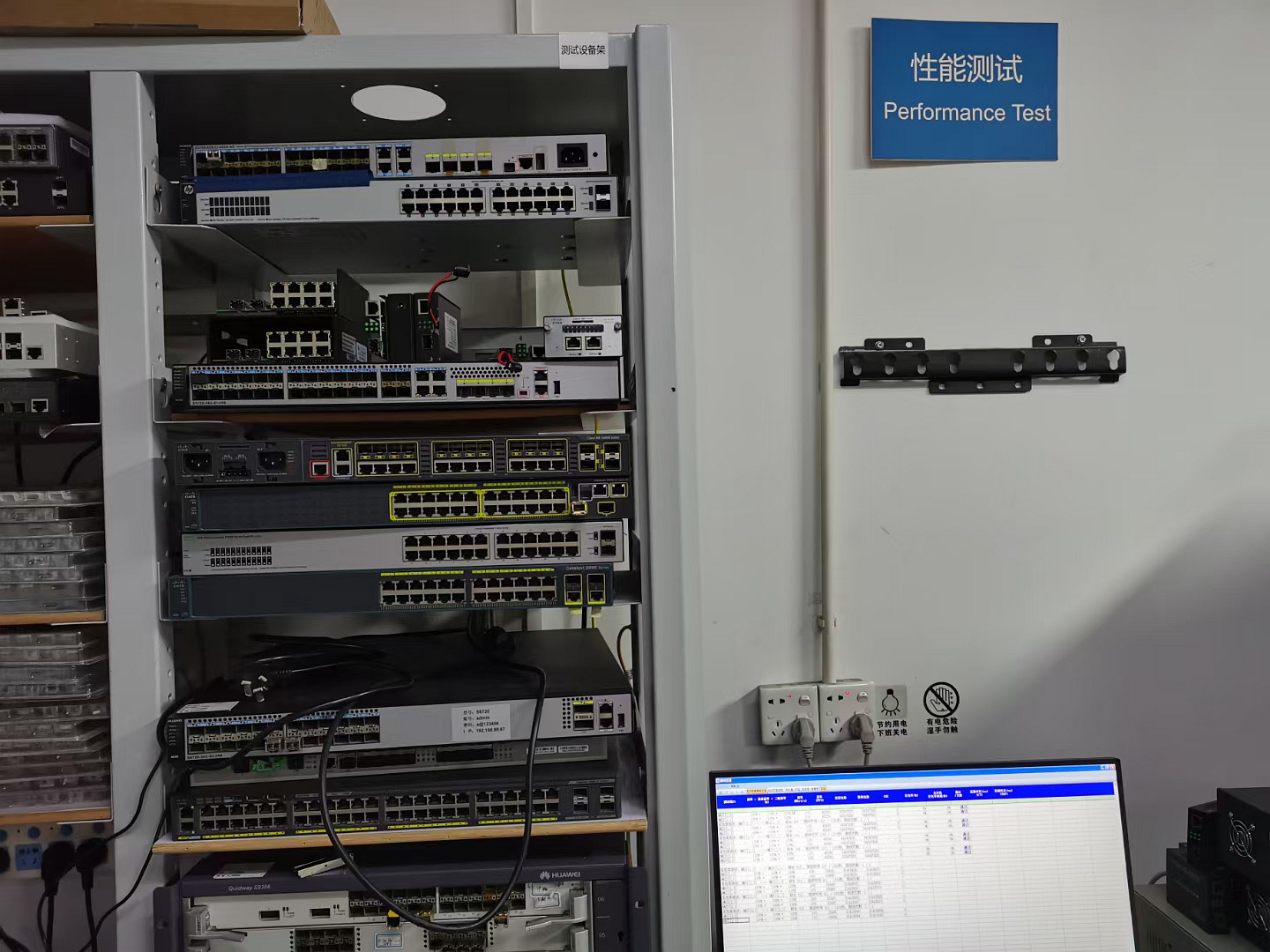
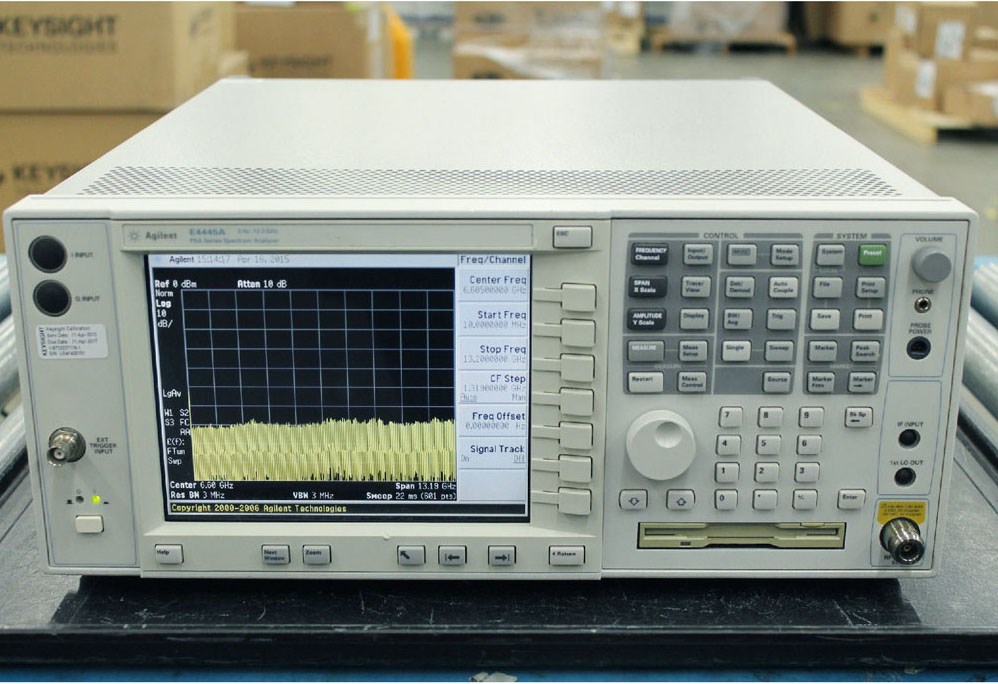
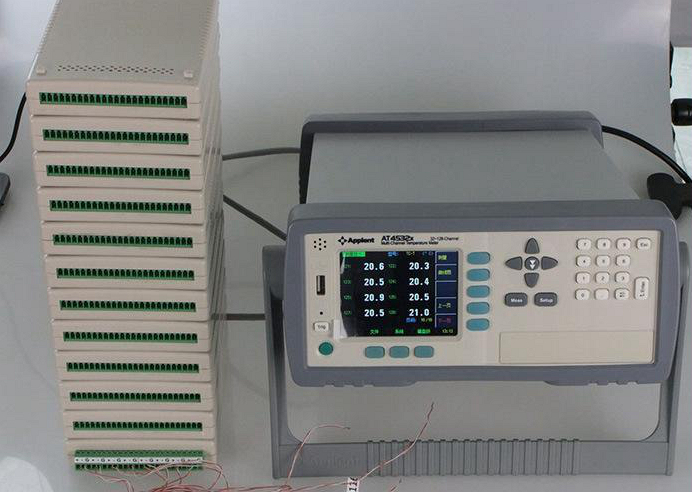
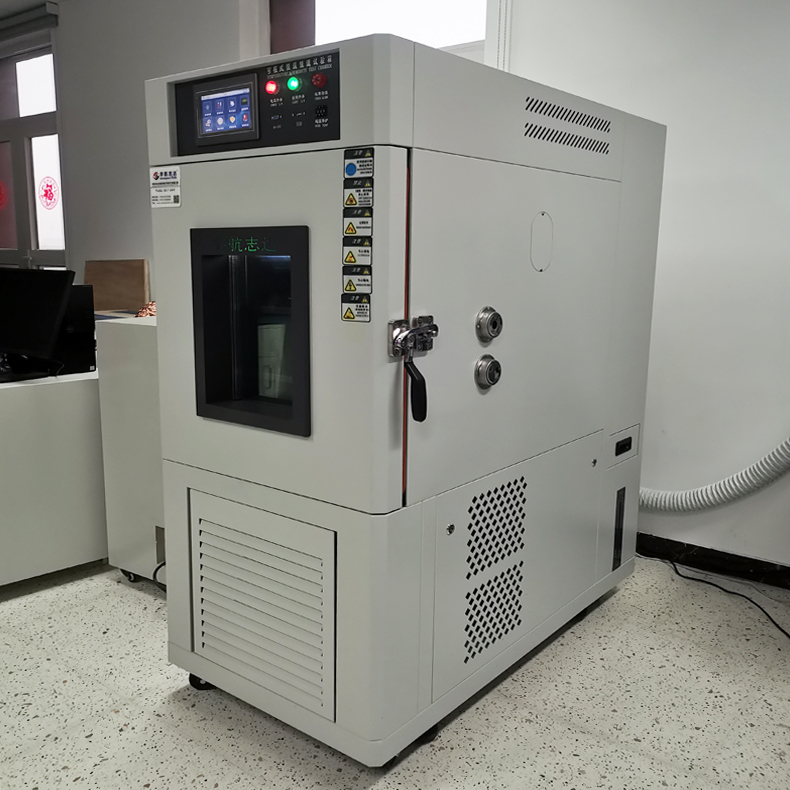
*Tested under temperature-controlled laboratory chambers to guarantee minimal drift and standard calibration alignment across dynamic operating ranges.
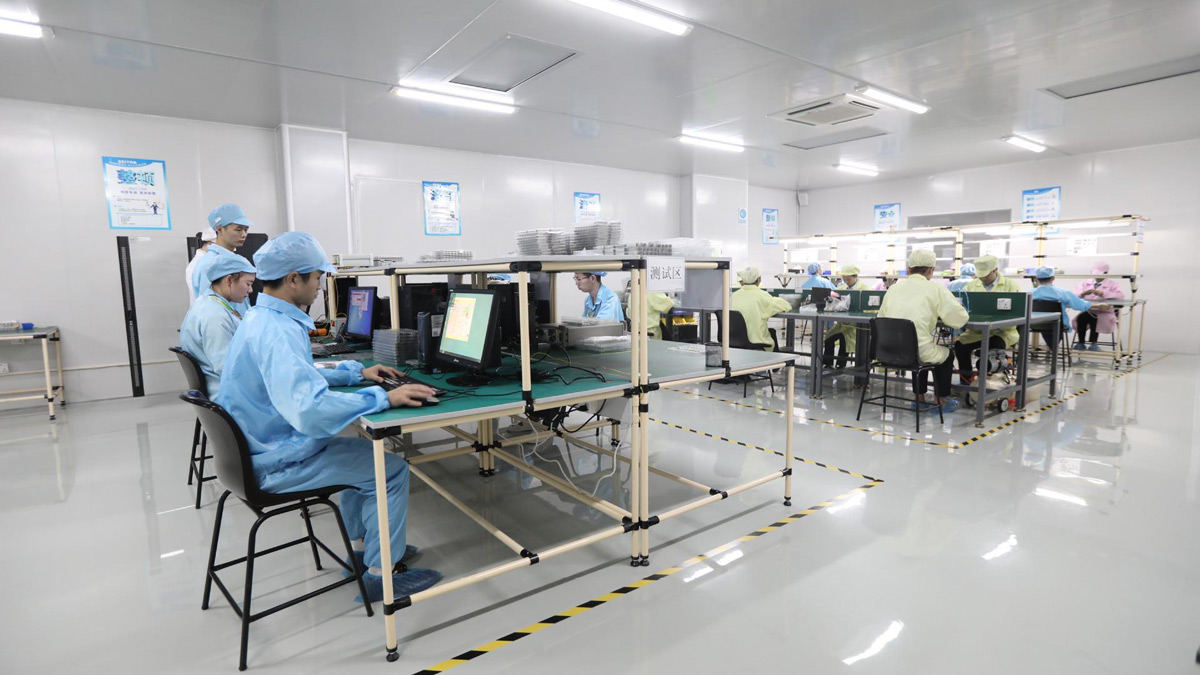
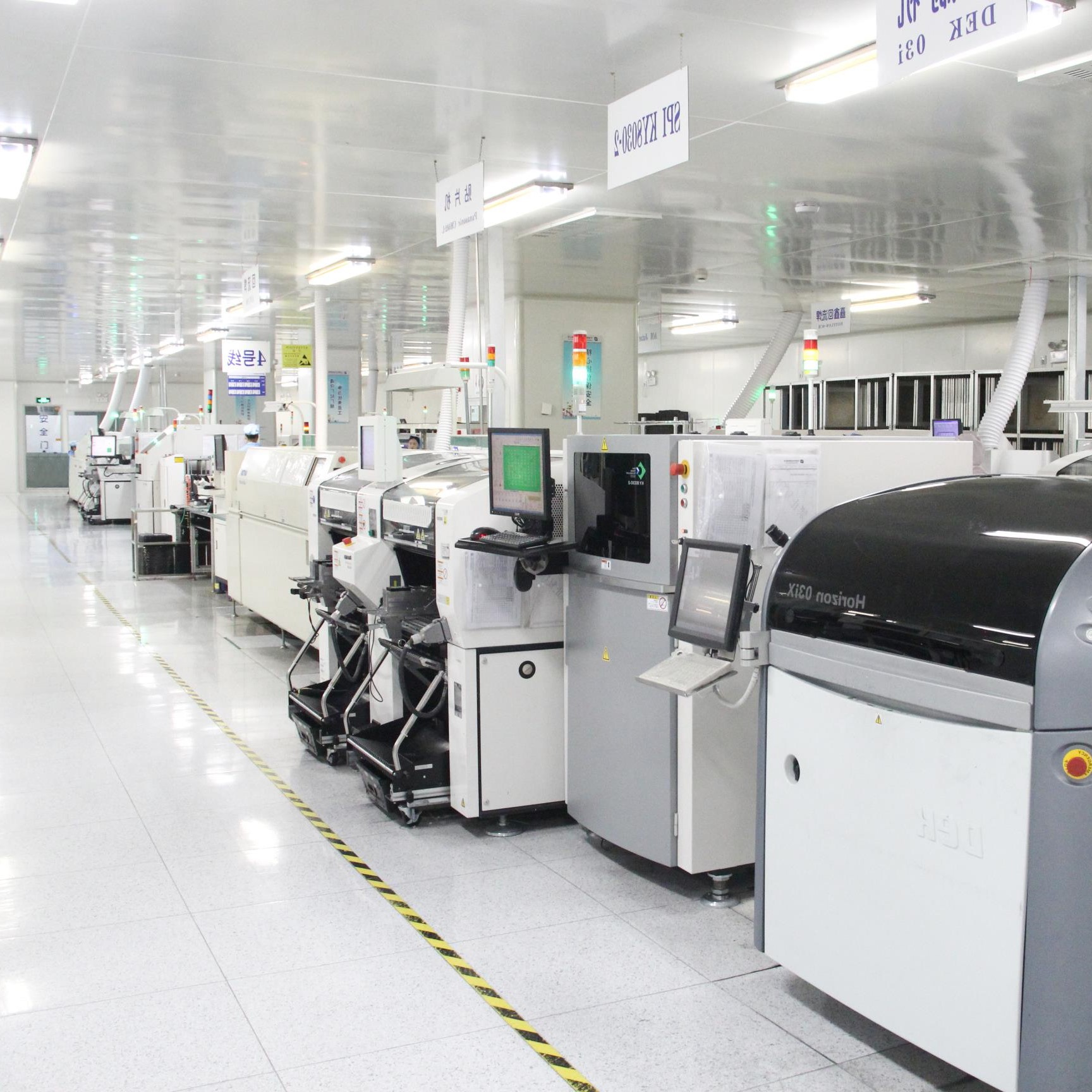
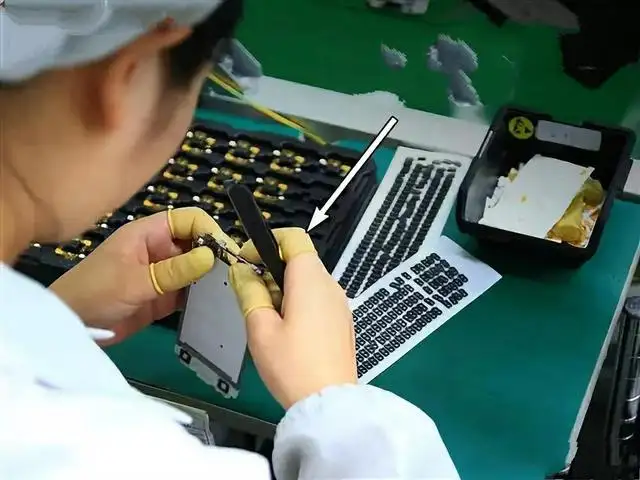
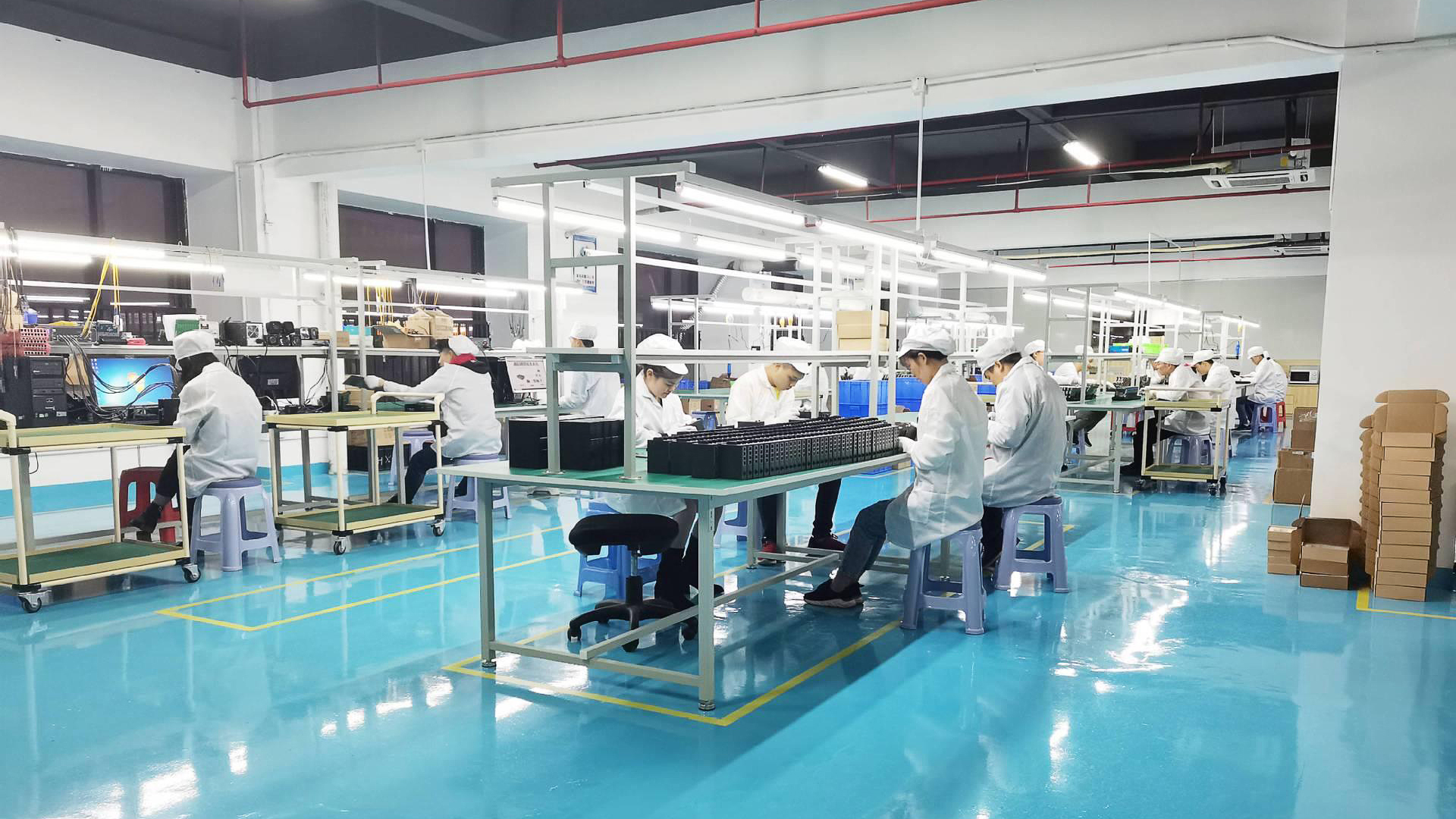
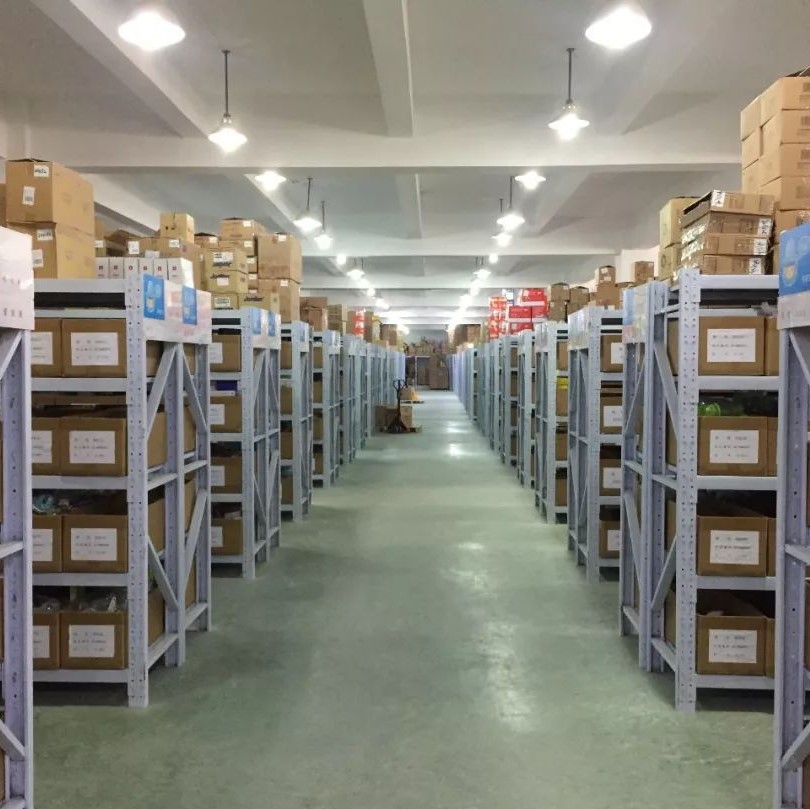
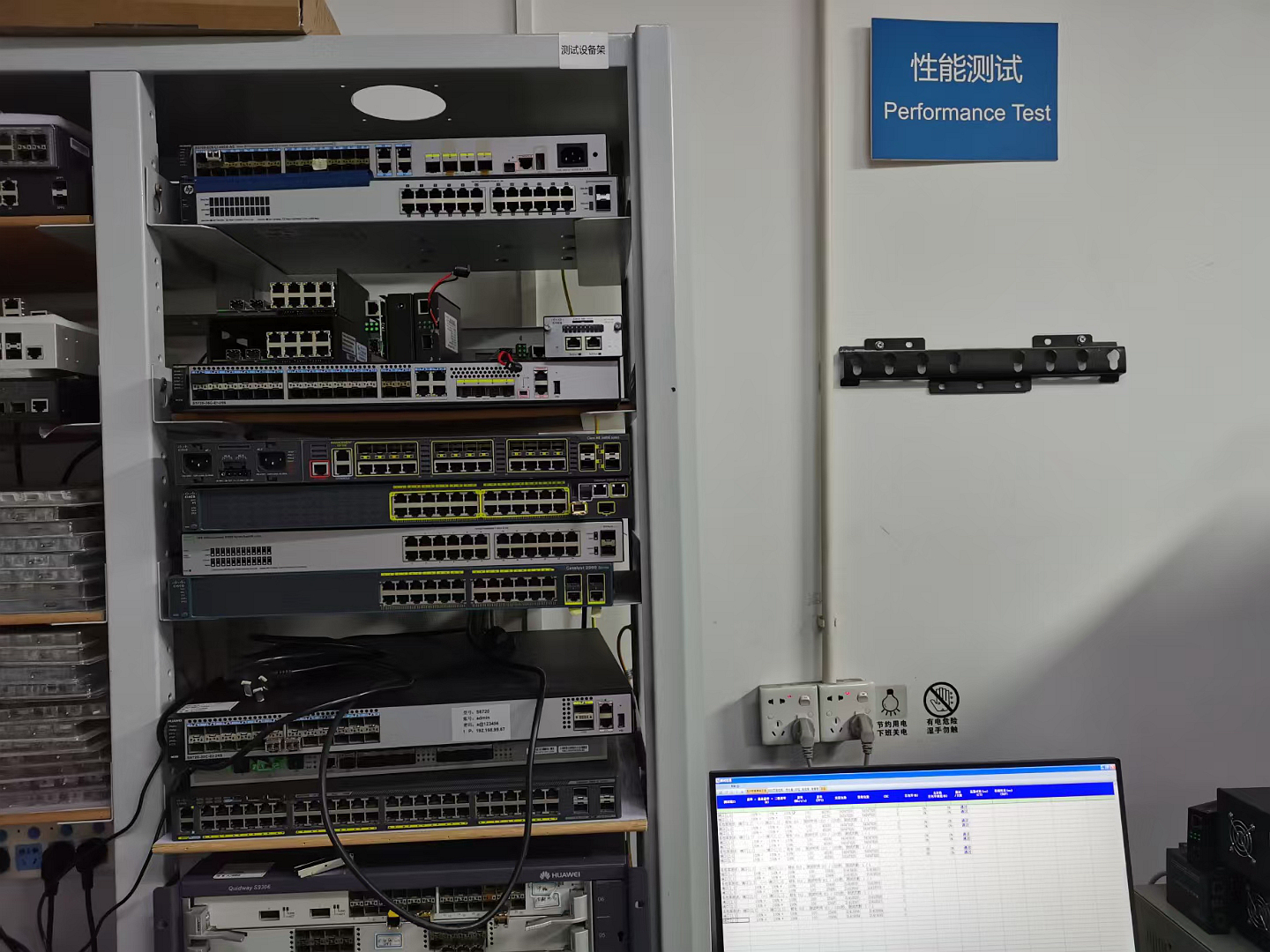
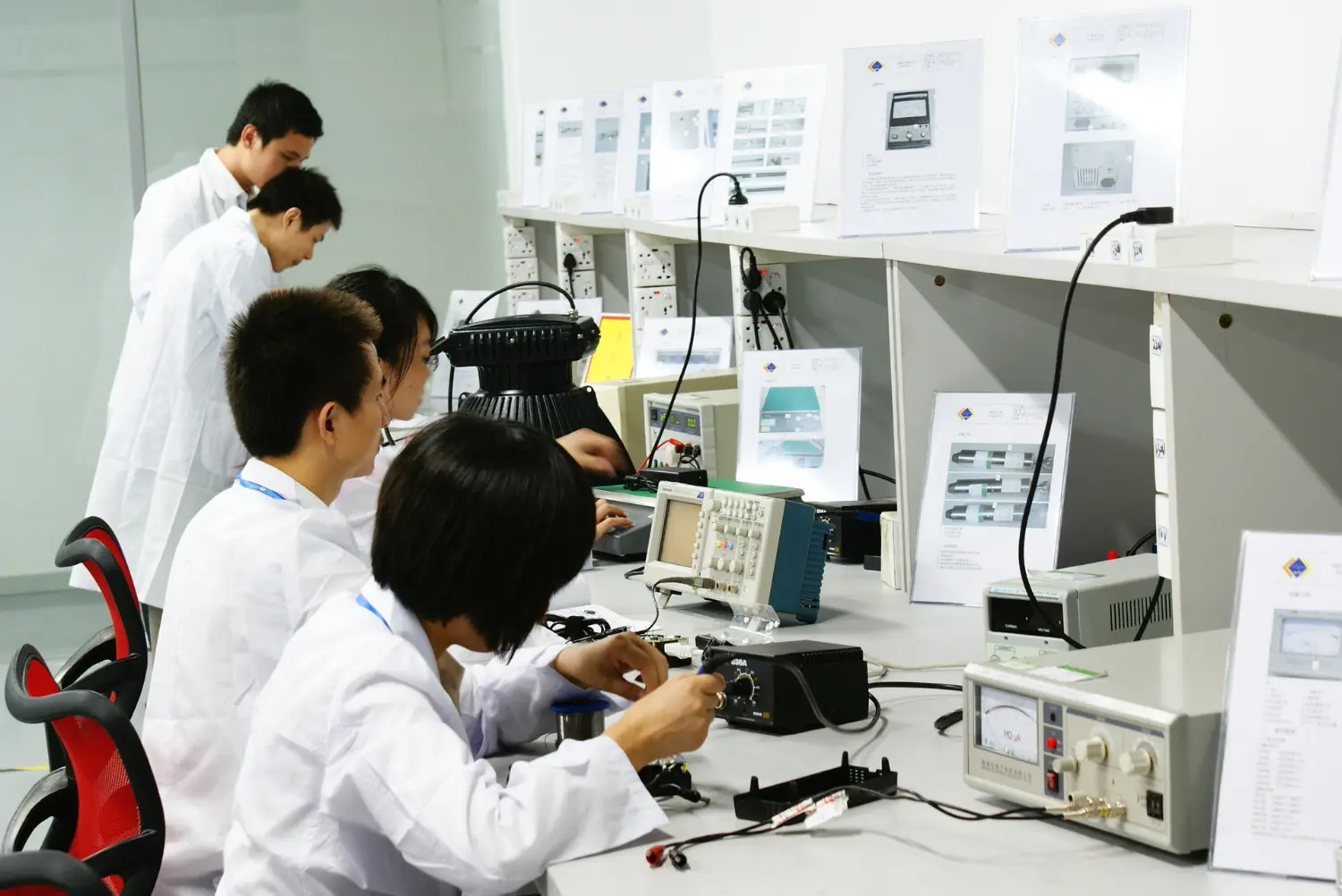
Operating out of Shenzhen, Guangdong—the absolute epicenter of the global hardware ecosystem—Shenzhen Soras Technology Co., Ltd. delivers the ultimate combination of high manufacturing efficiency and reliable component sourcing. Our production model incorporates advanced Surface Mount Technology (SMT) lines, automated high-to-low temperature testing environments, and digital wifi calibration systems.
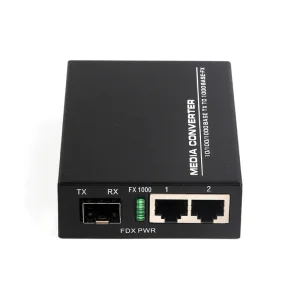
By localizing our primary chip and optical assembly supply chains, we shield our clients from global shipping volatility and raw material bottlenecks. This structural resilience allows us to support fast-turnaround OEM production cycles and robust volume shipments of SFP transceivers, media converters, and specialized testers, ensuring your infrastructure rollout stays on schedule.
From dense urban data centers to rural broadband rollouts, our products are engineered to excel in diverse operational environments.
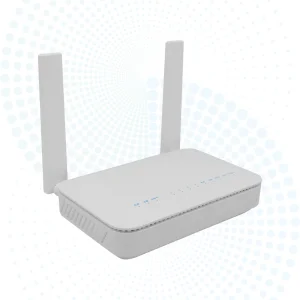
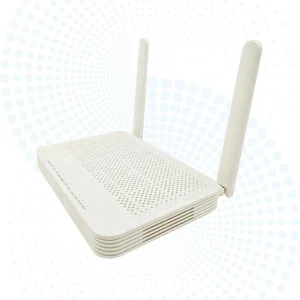
During localized FTTH subscriber activations, technicians use our pocket OPMs to measure optical signal strength at the customer premise outlet. Confirming signal levels within the appropriate dBm threshold prevents configuration errors and guarantees smooth ONU activation.
In high-density server rack environments, our 10G BIDI SFP+ transceiver modules enable high-bandwidth networking over single-mode fibers up to 20km or 100km. Our visual fault locators allow instant tracing of patch panel paths, keeping connection mapping accurate and simple.
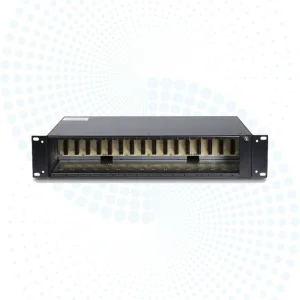
Our 16-Port Rack Mount Media Converter Chassis aggregates local IP streams back into core fiber lines. Operators utilize our industrial-grade optical power meters to continuously audit fiber splice degradation and identify signal attenuation across long-haul paths.
A trusted, ISO 9001-certified partner dedicated to delivering superior quality, competitive pricing, and professional service across the globe.
With more than 10 years of experience in developing optical transmission and network equipment, we work closely with telecommunications companies around the world. Our engineering capabilities enable us to customize solutions to match your project demands, and we welcome all OEM and ODM projects. Today, our products are deployed across more than 60 countries, with primary markets spanning South America, North America, East Asia, and Europe. Our commitment to ISO 9001, UL, CE, FCC, and RoHS standards ensures every system is built to last.


Find technical answers to common questions about optical testing, fiber network planning, and procurement protocols.
Complete your deployment setup with our wide range of compatible SFP modules, PON transceivers, and industrial-grade network switch chassis.
 Soras Tech