As transmission speeds migrate from legacy 1GbE/10GbE to cutting-edge 40GbE, 100GbE, and beyond, the core physical media layer demands unprecedented engineering precision.
In high-speed, localized telecommunication environments, such as hyperscale data centers, storage area networks (SANs), and high-performance enterprise server rooms, Laser-Optimized Multimode Fiber (LOMMF) constitutes the primary infrastructure backbone. Specifically, OM3 and OM4 multimode fibers represent the state-of-the-art implementations designed to interface seamlessly with modern vertical-cavity surface-emitting lasers (VCSELs) operating at 850nm wavelengths.
Compared to legacy OM1 and OM2 systems, which utilized LED transmitters with broader spectral widths, OM3 and OM4 are designed to minimize modal dispersion—the physical phenomenon where different light paths (modes) arrive at the optical receiver at different times, degrading signal clarity. By utilizing a highly controlled, graded-refractive-index profile within the 50-micron silica core, OM3 and OM4 ensure that all propagating optical modes travel at equivalent relative velocities, ensuring high-bandwidth fidelity over critical transmission distances.
Understanding the specific bandwidth parameters, maximum reach thresholds, and application zones is vital for calculating deployment budget efficiencies.
| Performance Indicator | OM3 Multimode Fiber | OM4 Multimode Fiber |
|---|---|---|
| Core / Cladding Diameter | 50 / 125 μm | 50 / 125 μm |
| Effective Modal Bandwidth (EMB) | 2000 MHz·km (at 850 nm) | 4700 MHz·km (at 850 nm) |
| Overfilled Launch (OFL) Bandwidth | 1500 MHz·km | 3500 MHz·km |
| 10 Gb/s Ethernet Link Distance | Up to 300 meters | Up to 550 meters |
| 40 Gb/s & 100 Gb/s Distance | Up to 100 meters | Up to 150 meters (OM4-Ultra options higher) |
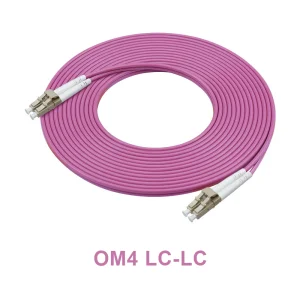
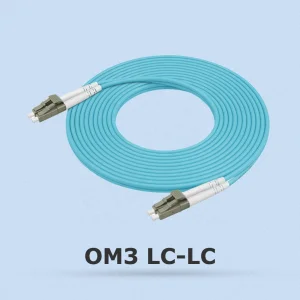
| Typical Jacket Color (Standard) | Aqua (water blue) | Aqua or Violet / Erika Violet |
| Attenuation Limit at 850nm | ≤ 3.0 dB/km | ≤ 2.8 dB/km |
Unlocking the industrial cluster advantages of Shenzhen to deliver premium quality products at unmatched speed and scale.
Shenzhen, China stands as the undisputed global silicon and optics epicentre, housing the world's most advanced research, raw-material logistics, and assembly ecosystem. As a leading manufacturer with over 10 years of expertise, Shenzhen Soras Technology Co., Ltd. leverages this unique environment to run an optimized, vertically integrated manufacturing operation. From high-grade silica core drawing and custom outer-jacket extrusion (offering both PVC and Low Smoke Zero Halogen - LSZH options) to high-precision ceramic ferrule polishing, we maintain granular control over the entire supply chain.
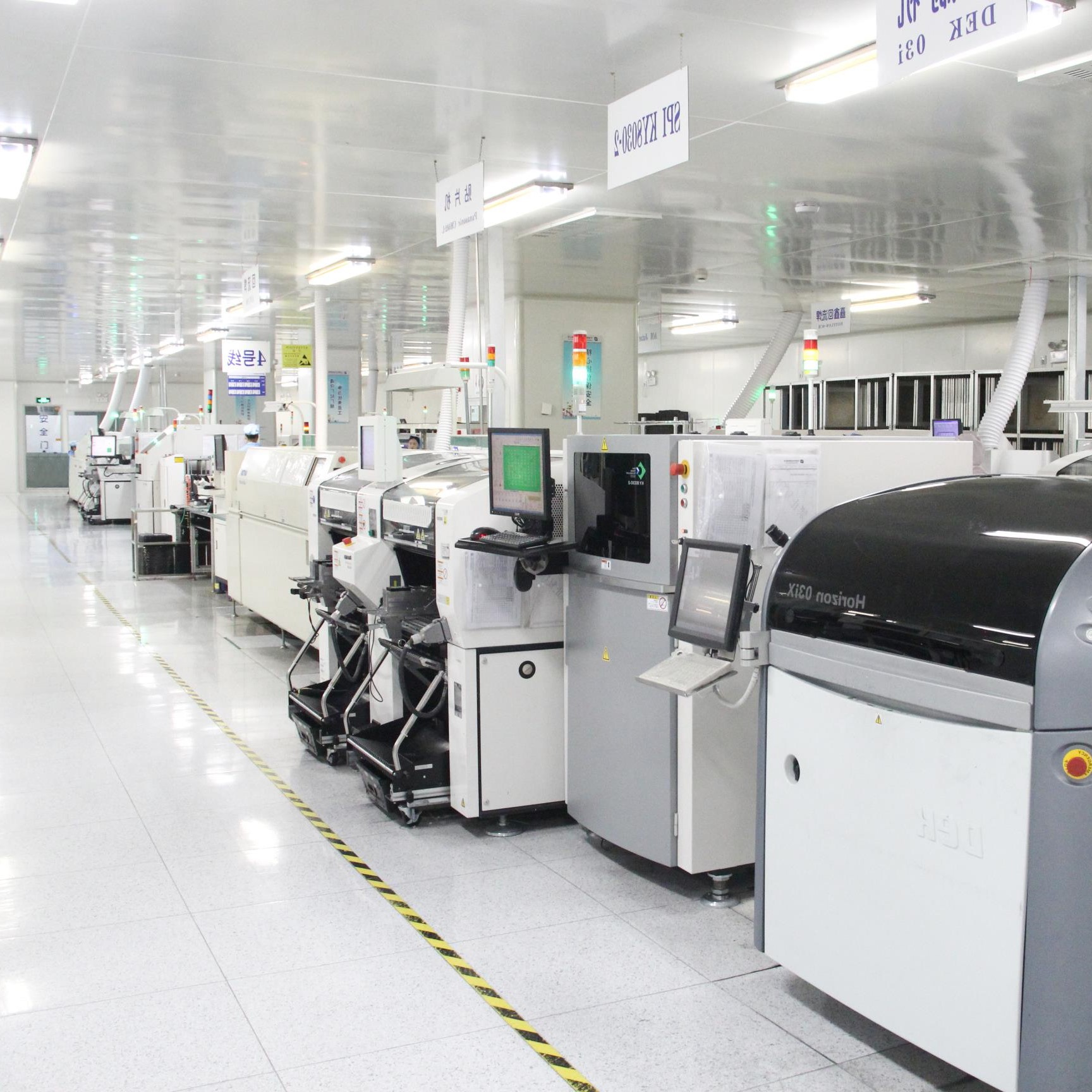
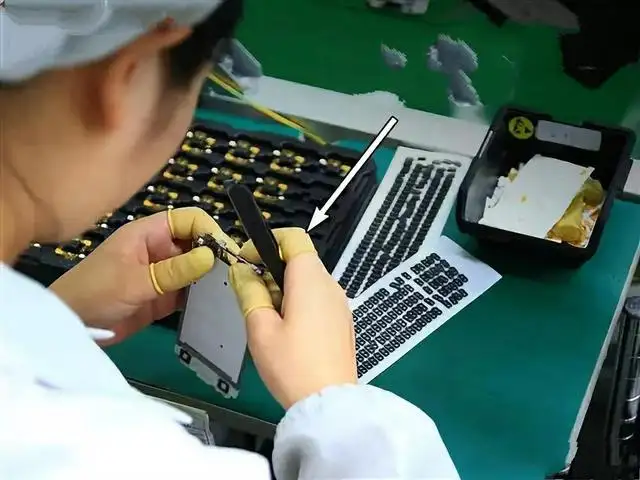
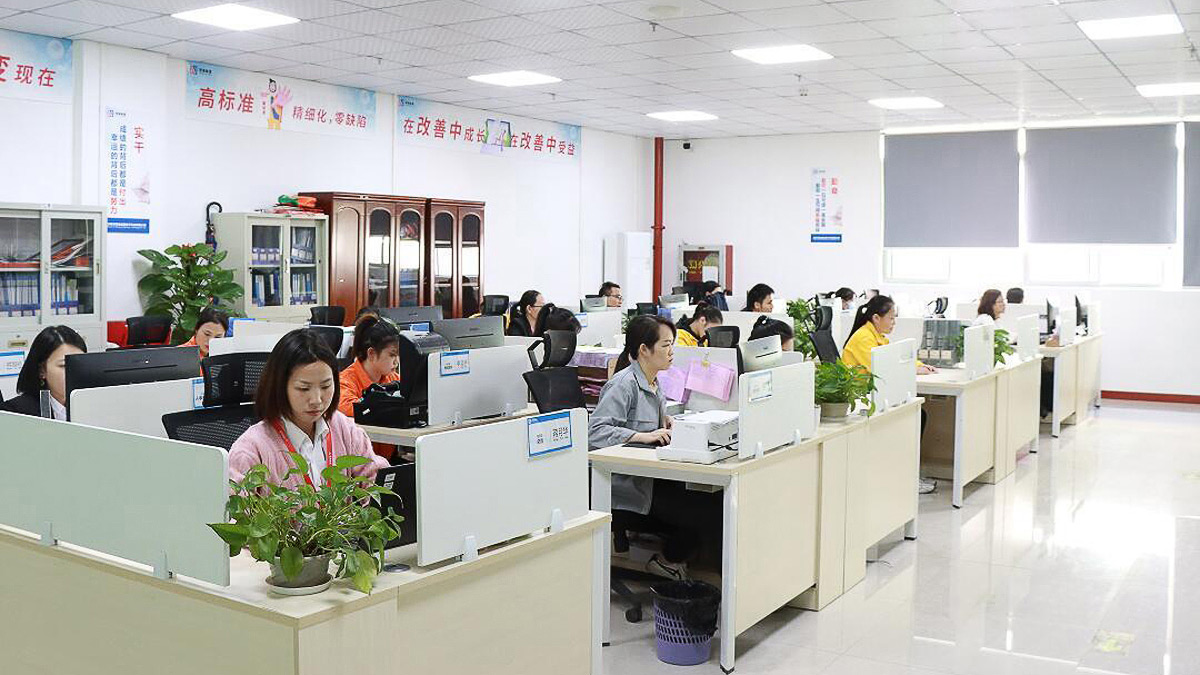
Our facility features cutting-edge Surface Mount Technology (SMT) lines, rigorous Quality Control (QC) protocols, and high-performance assembly lines. This physical infrastructure ensures we are not merely assembling components, but actively engineering performance. We mitigate signal dispersion and optimize light pathways using automated multi-stage inspection tools. Because of this integration, global buyers bypass intermediary margins and receive highly standardized fiber patch cords engineered for minimum insertion loss and maximum reliability.
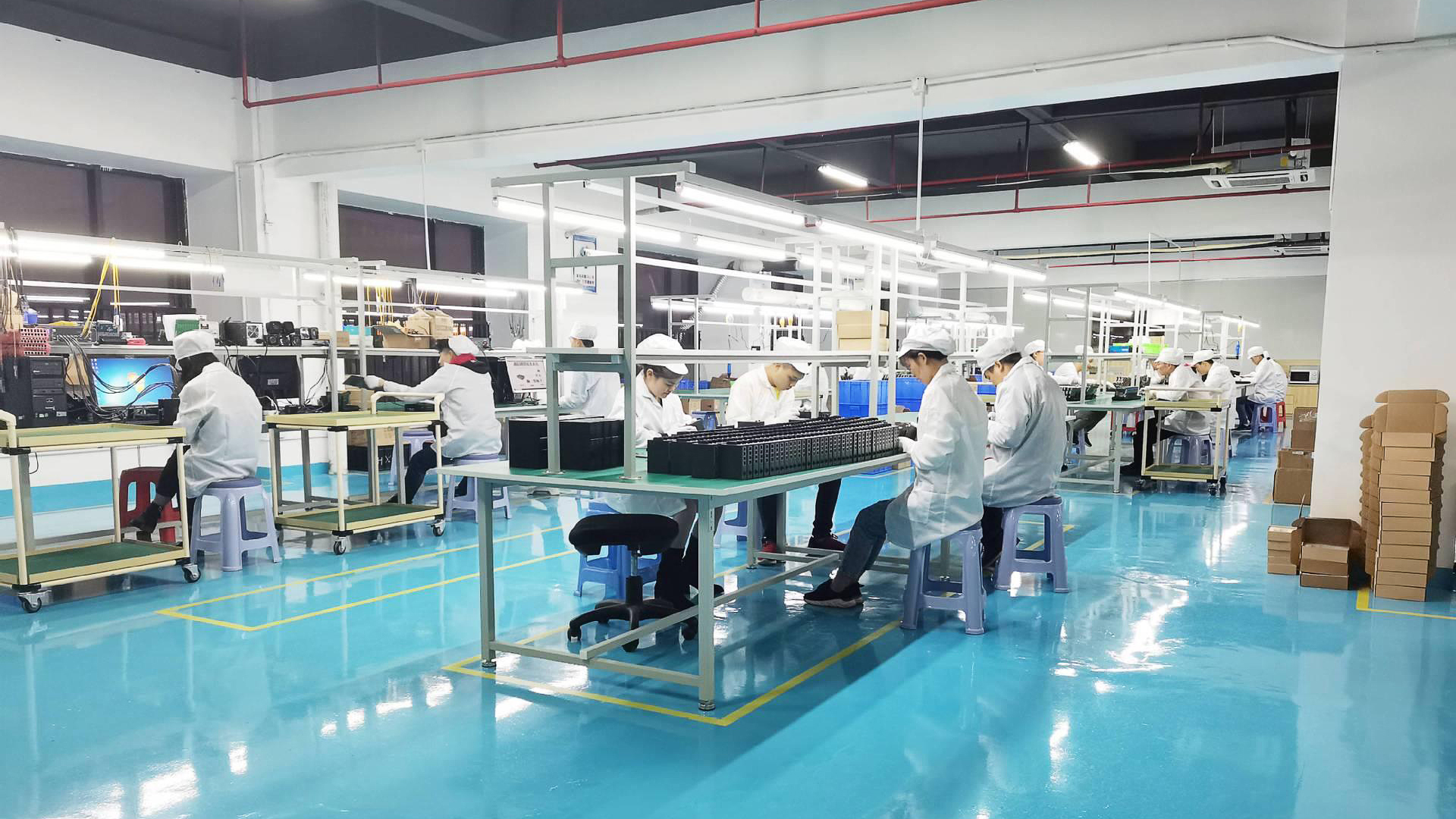
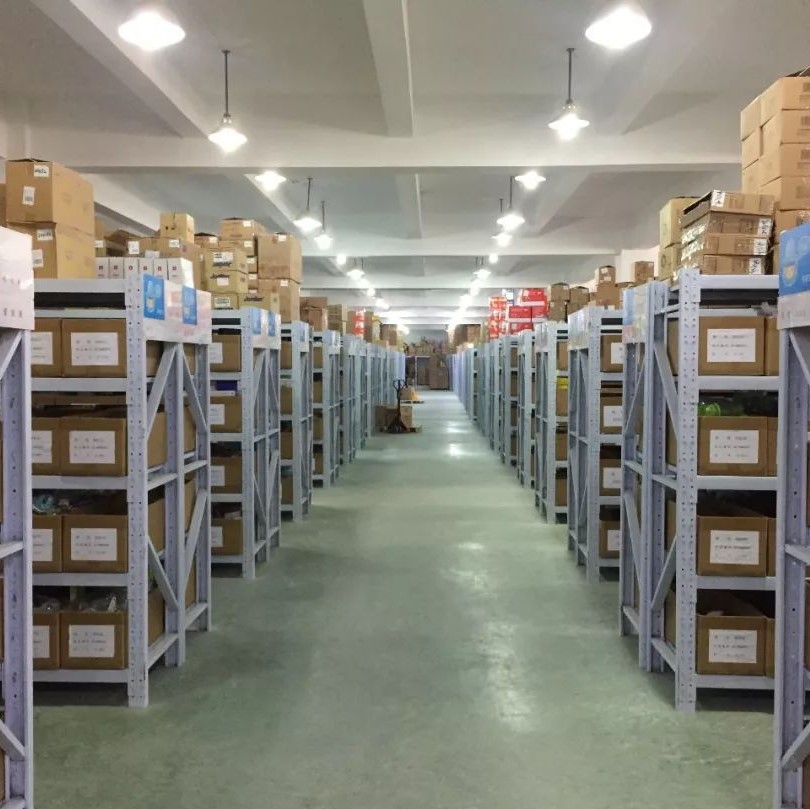
In the optical domain, fractional decibel gains determine whether a network runs with zero packet drops or suffers from chronic latency issues.
Shenzhen Soras Technology implements a zero-tolerance approach to fiber defects. Each individual OM3 and OM4 patch cord undergoes an exhaustive suite of testing before packaging. This includes 3D interferometer geometry testing to assess the curvature radius, vertex offset, and fiber height of the polished connector end-faces, ensuring complete physical contact at the coupling point. Optical insertion loss (IL) and return loss (RL) tests are carried out using advanced digital instrumentation to guarantee performance margins exceed international IEC and TIA standards.

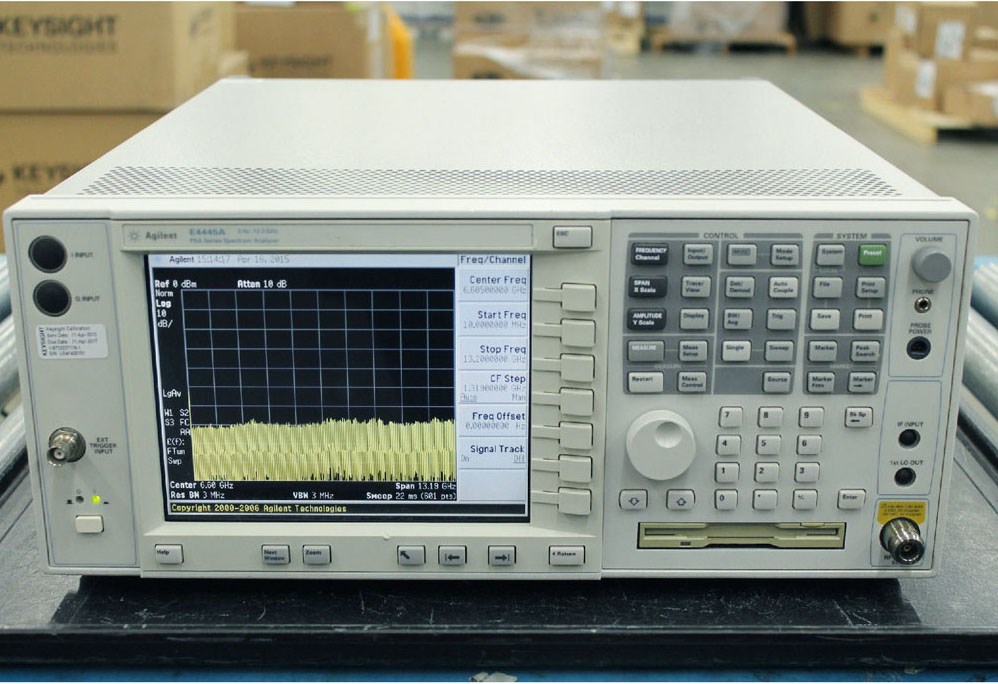
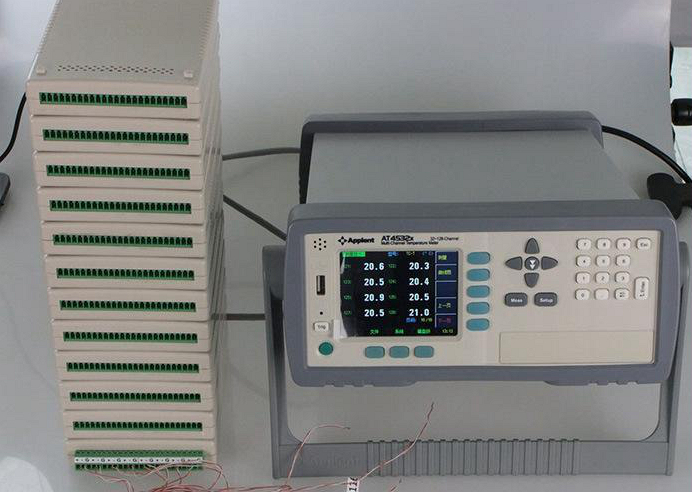
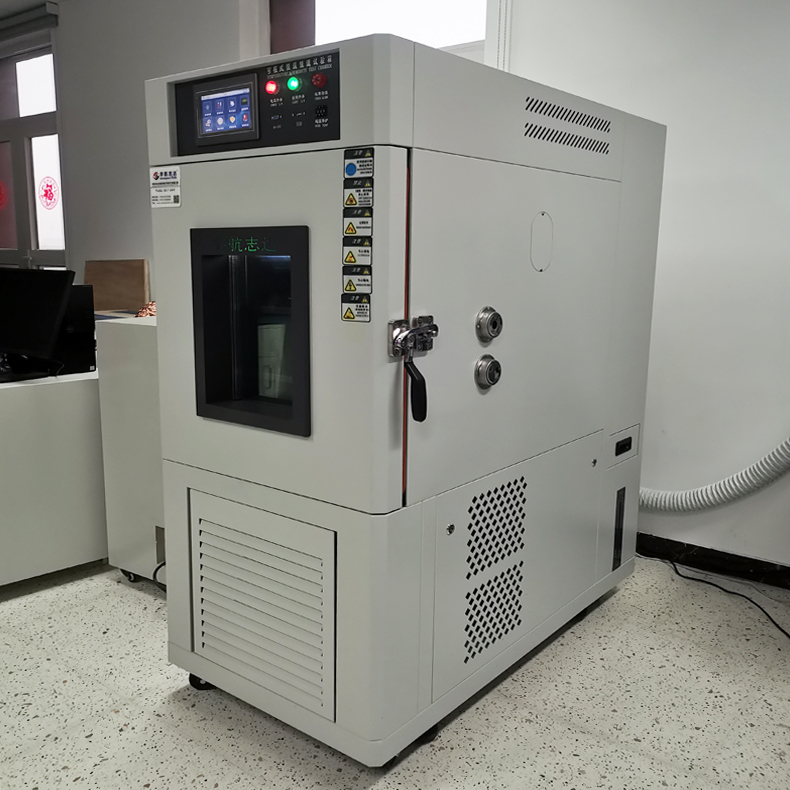
Furthermore, our environmental testing includes high-and-low temperature cycling simulation tests. The patch cords are subjected to intense thermal shifts to verify they will not degrade in harsh, real-world field settings. By maintaining these strict internal testing standards, we proudly secure and retain ISO 9001, UL, CE, FCC, and RoHS certifications, ensuring seamless integration into strict regulatory environments across Europe, North America, and South America.
Addressing the strict compliance demands of international enterprise buyers and global telecommunications operators.
Modern enterprise procurement teams operating across North America, the EU, and Latin America are bound by rigid building codes and system compatibility rules. Simple off-the-shelf patch cables rarely satisfy custom installation needs. That is why Shenzhen Soras Technology offers an extensive array of personalization choices, including customized lengths (tailored down to the exact meter), diverse connector terminations (SC, LC, FC, ST, MU, or MPO/MTP variants), and jacket materials optimized for safety regulations.
We work directly with major telecom carriers, ISP networks, and massive commercial distributors, export-ready for more than 60 countries. With a capacity that supports high-volume OEM/ODM projects alongside fast-track container logistics, we guarantee that whether you are upgrading single server racks or laying optical trunks for new cloud hubs, your operational targets are met without friction.
Evaluating the continuous evolution of fiber media in response to Artificial Intelligence workloads and high-density computing clusters.
The global fiber optic network market is undergoing a structural transformation. With AI clusters, machine learning modeling, and high-frequency edge analytics driving data transfer needs to unprecedented levels, traditional network topologies face constant bandwidth constraints. To counter this, datacenters are moving towards dense multi-mode fiber structures using Shortwavelength Division Multiplexing (SWDM) and advanced MPO multi-fiber terminations, allowing multiple parallel transmission paths over single fibers.
Furthermore, the industry is increasingly focusing on OM5 wideband multimode fiber (WBMMF) technologies to dynamically utilize different wavelengths. However, OM3 and OM4 patch cords remain the critical cost-performance baseline for modern connectivity. Upgrading to high-quality, low-insertion-loss OM3/OM4 links provides the necessary performance margin to run modern networks efficiently. This helps delay the need for expensive transitions to single-mode structures, offering significant cost savings for enterprise infrastructure budgets.
A decade of engineering excellence, serving telecommunication infrastructure needs across Europe, the Americas, and beyond.
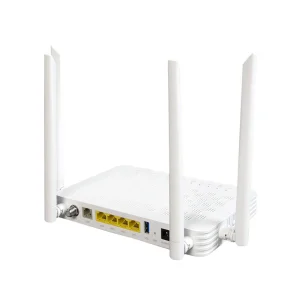
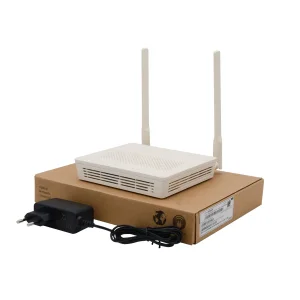
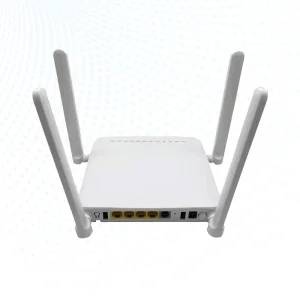
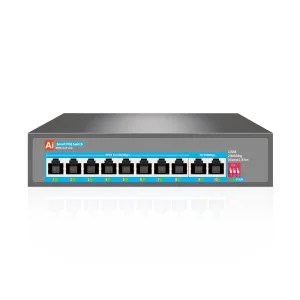
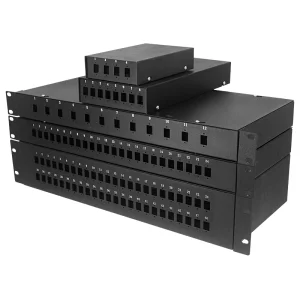
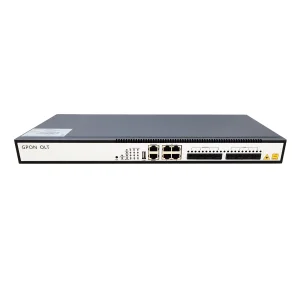
Shenzhen Soras Technology Co., Ltd. is a leading manufacturer of optical transmission equipment and network equipment with more than 10 years of experience. We rely on high-quality management and technological innovation, committed to providing customers with high quality, cost-effective, high value-added products and solutions. Today, we work closely with telecommunications companies around the world. We have strong technical force and experienced R&D team, products can be developed according to customer requirements, we also accept your OEM and ODM orders. Now our products are exported to more than 60 countries, the main markets are South America, North America, and Europe. Our main products include: Fiber Media Converter, SFP Module, POE Switch, ONU, OLT, and supporting fiber optic items. We have passed ISO 9001, UL, CE, FCC, and RoHS Certification. Our aim is "superior quality, professional service, competitive price, integrity-based". We believe this is not only our responsibility, but also the best way out for long-term development. Soraslink looks forward to working with you!
| Business Type | Manufacturer / OEM & ODM Exporter | Country / Region | Guangdong, China (Shenzhen Hub) |
| Main Products | FTTH ONU & OLT, SFP Module, Fiber Media Converter, Poe Switch, Fiber Optic Equipment, OM3/OM4 Fiber Patch Cords | Total Employees | 11 - 50 Professional Engineers & Production Crew |
| Total Annual Revenue | US$5 Million - US$10 Million | Year Established | 2021 (with foundational factory experience since 2013) |
| Main Markets Served | Domestic Market (24.00%), Eastern Asia (15.00%), North America (15.00%), Europe & South America (Major Export Share) | Certifications Passed | ISO 9001, UL, CE, FCC, RoHS Compliant Systems |
Answers to critical installation, procurement, and deployment questions compiled by Soras Engineers.
 Soras Tech