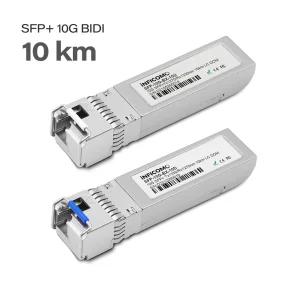
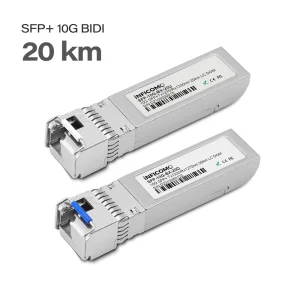
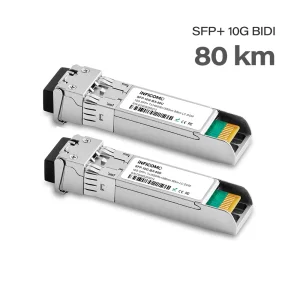
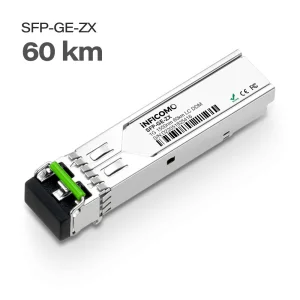
Explore our industrial-grade, single-fiber bidirectional modules featuring advanced WDM technology, fully compatible with global telecom infrastructure.
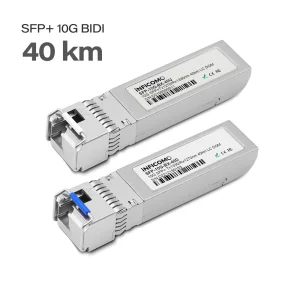
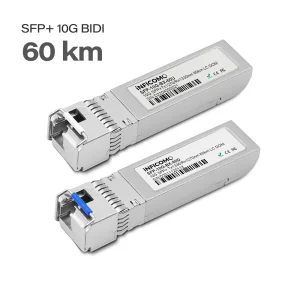
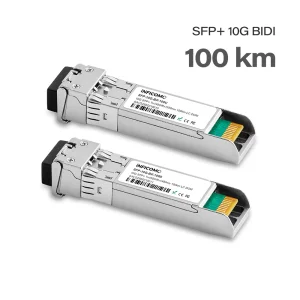
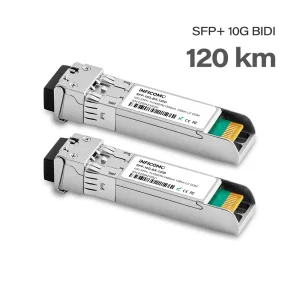
An in-depth analysis of 10G BiDi SFP+ transceiver mechanics, manufacturing methodologies, and global supply chain dynamics.
In modern telecommunication networks, capacity expansion combined with physical infrastructure limitations represents a major cost bottleneck. Traditional optical networks rely on duplex fiber arrangements, requiring one dedicated fiber for transmission (Tx) and another for reception (Rx). 10G Bidirectional (BiDi) SFP+ technology alters this landscape by enabling simultaneous, two-way communication over a single strand of optical fiber.
This operational mode is accomplished via Wavelength Division Multiplexing (WDM), which splits the transmitting and receiving signals into separate wavelengths. The most common standard pairing utilizes 1270nm and 1330nm wavelengths. For instance, in a standard link:
For extended haul applications stretching to 80km, 100km, or even 120km, chromatic dispersion and attenuation limit the effectiveness of the 1270nm/1330nm window. In these instances, engineering parameters shift to the 1490nm/1550nm pairing, leveraging the lower attenuation profile of single-mode fiber (SMF) at these higher wavelengths.
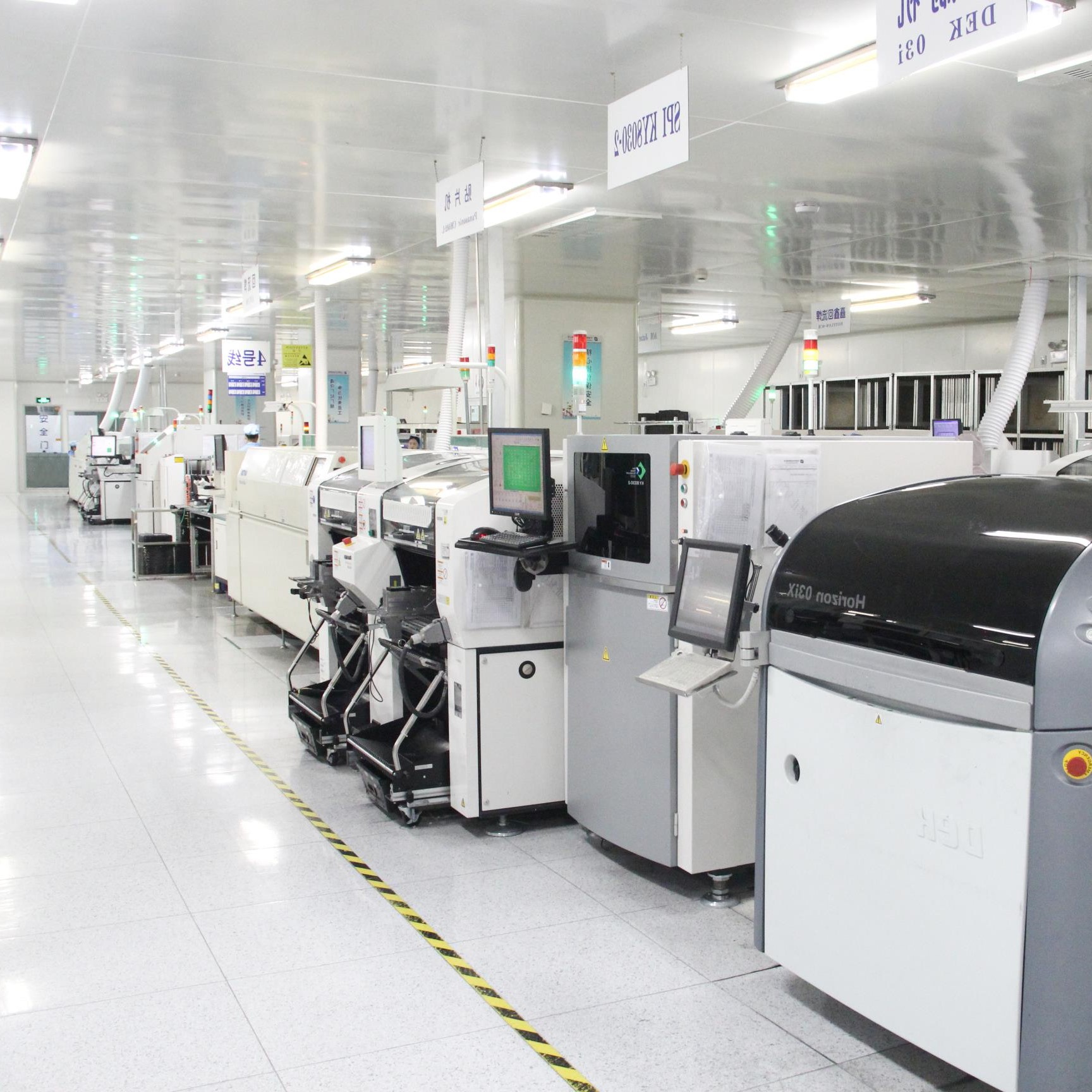
Based in Guangdong, China—the global epicenter of optical communication manufacturing—Shenzhen Soras Technology Co., Ltd. has established a sophisticated research and production network over more than a decade. Our ISO 9001, UL, CE, FCC, and RoHS certified facilities house high-precision Surface Mount Technology (SMT) lines, automated optoelectronic assembly processes, and comprehensive quality assurance testing setups.
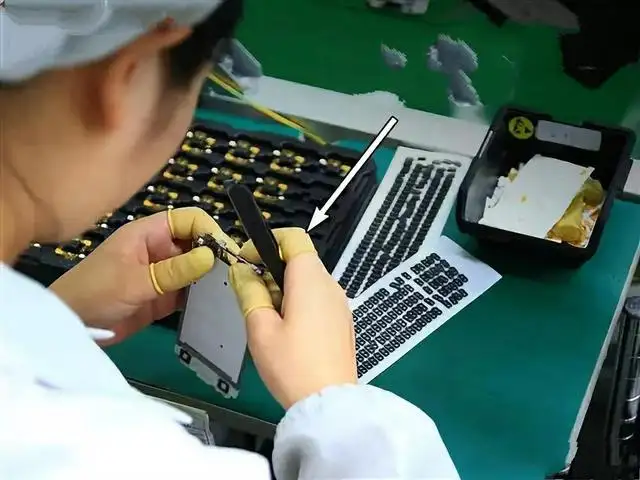
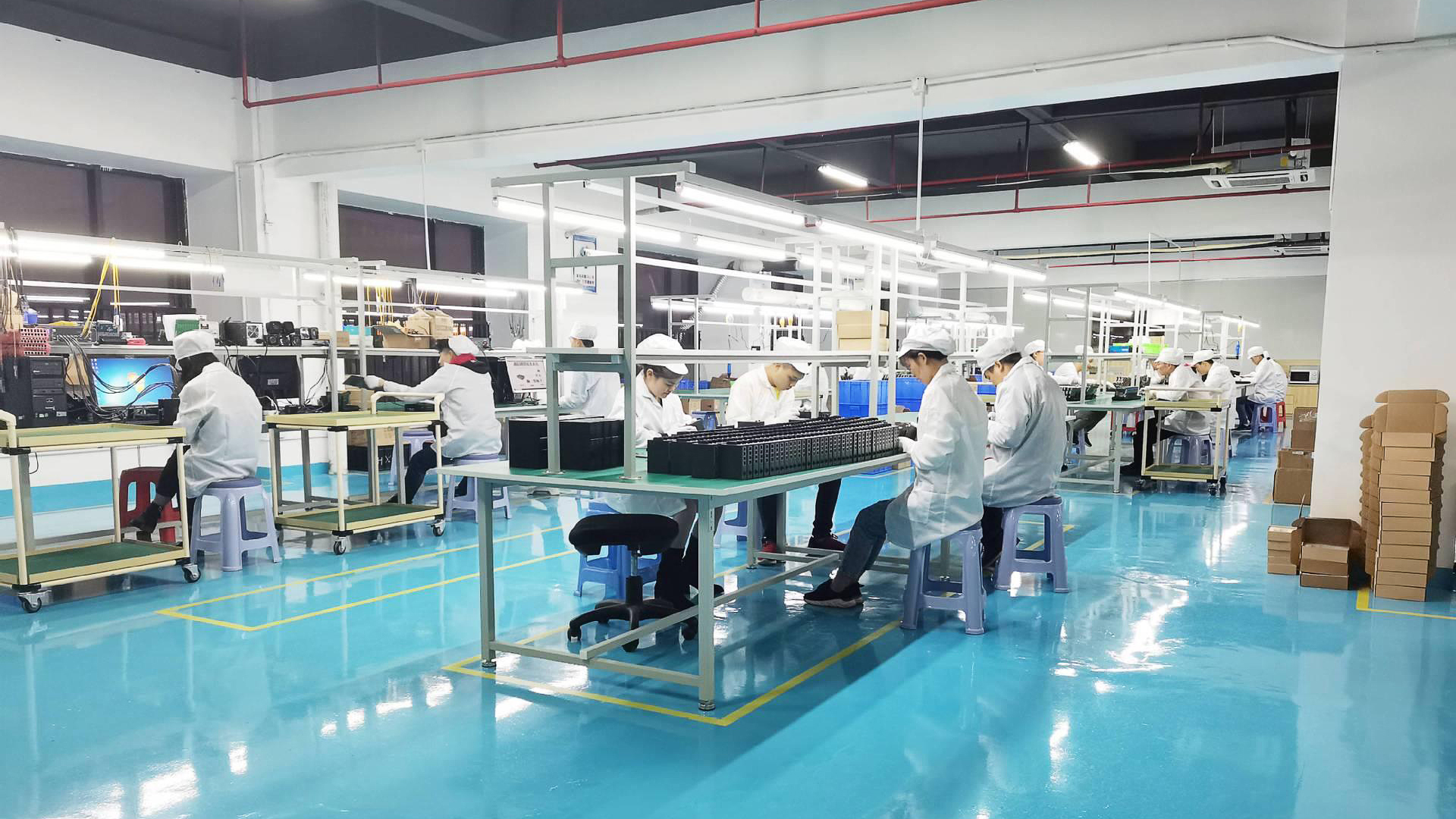
The manufacturing of a 10G BiDi SFP+ transceiver requires precision alignment of the TOSA (Transmitter Optical Sub-Assembly) and ROSA (Receiver Optical Sub-Assembly) with an internal wavelength-selective diplex filter (WDM filter). Our cleanroom assembly lines employ robotic, sub-micron spatial positioning equipment to lock the active components into place, minimizing insertion loss and maximizing return loss.
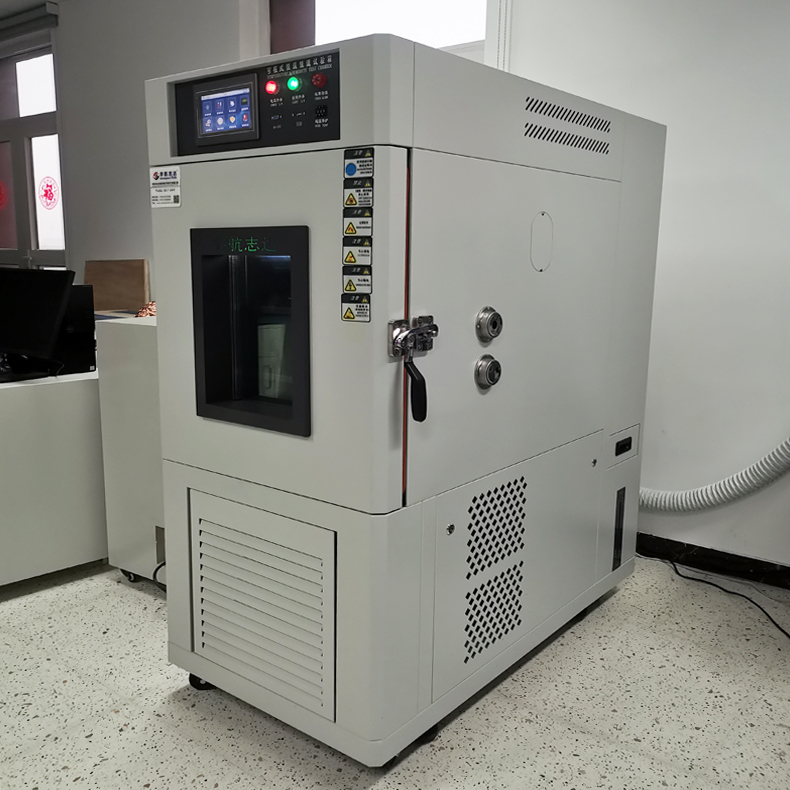
Our comprehensive testing protocols ensure that each unit is built to withstand rigorous deployment conditions:
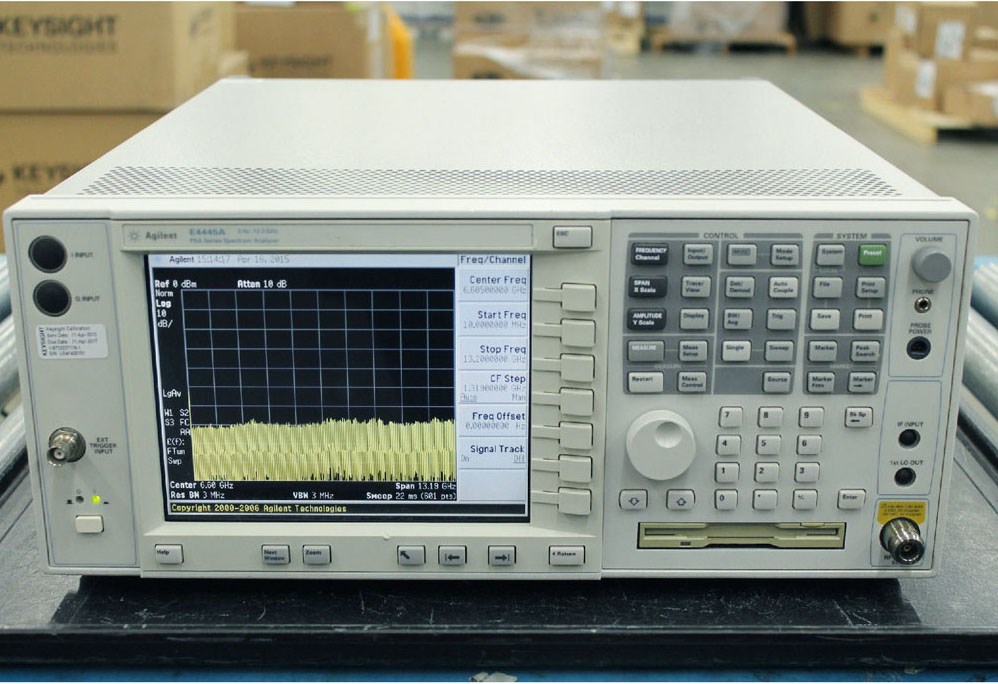
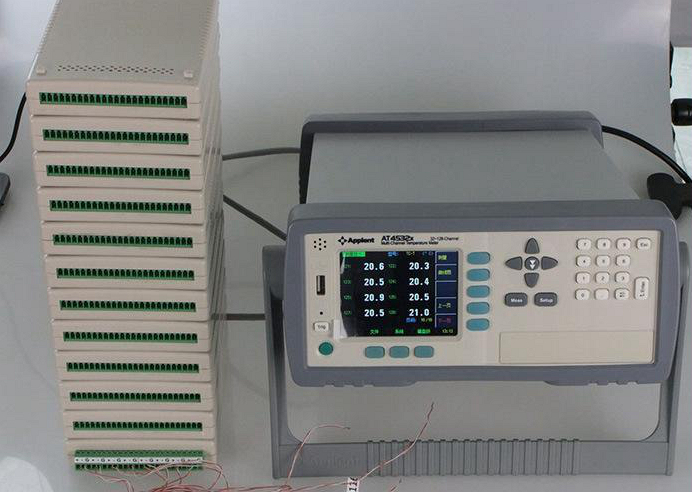
The global optical communications supply chain relies heavily on Chinese clusters due to their deep component ecosystem, skilled workforce, and rapid turnaround for custom engineering. At Soras Technology, we utilize local silicon photonics developments and component scale to offer high-quality 10G BiDi modules at highly competitive prices.
Unlike smaller assembly operations, our facility integrates raw substrate printing, automated SMT components, active laser mounting, and final quality control in one continuous loop. This vertical integration allows us to execute OEM and ODM customization orders with lead times that are 50% shorter than the industry average, while ensuring strict compliance with ISO 9001 systems.
10G BiDi transceivers are critical components in modern telecommunications architectures, including:
| Module Type | Wavelength (Tx/Rx) | Distance (km) | Connector Type | Diagnostic Monitoring (DDM/DOM) | Fiber Type |
|---|---|---|---|---|---|
| 10G BiDi SFP+ 10km | 1270nm / 1330nm | 10 km | Simplex LC | Supported | Single-Mode (SMF) |
| 10G BiDi SFP+ 20km | 1270nm / 1330nm | 20 km | Simplex LC | Supported | Single-Mode (SMF) |
| 10G BiDi SFP+ 40km | 1270nm / 1330nm | 40 km | Simplex LC | Supported | Single-Mode (SMF) |
| 10G BiDi SFP+ 60km | 1270nm / 1330nm | 60 km | Simplex LC | Supported | Single-Mode (SMF) |
| 10G BiDi SFP+ 80km | 1490nm / 1550nm | 80 km | Simplex LC | Supported | Single-Mode (SMF) |
| 10G BiDi SFP+ 100km | 1490nm / 1550nm | 100 km | Simplex LC | Supported | Single-Mode (SMF) |
| 10G BiDi SFP+ 120km | 1490nm / 1550nm | 120 km | Simplex LC | Supported | Single-Mode (SMF) |
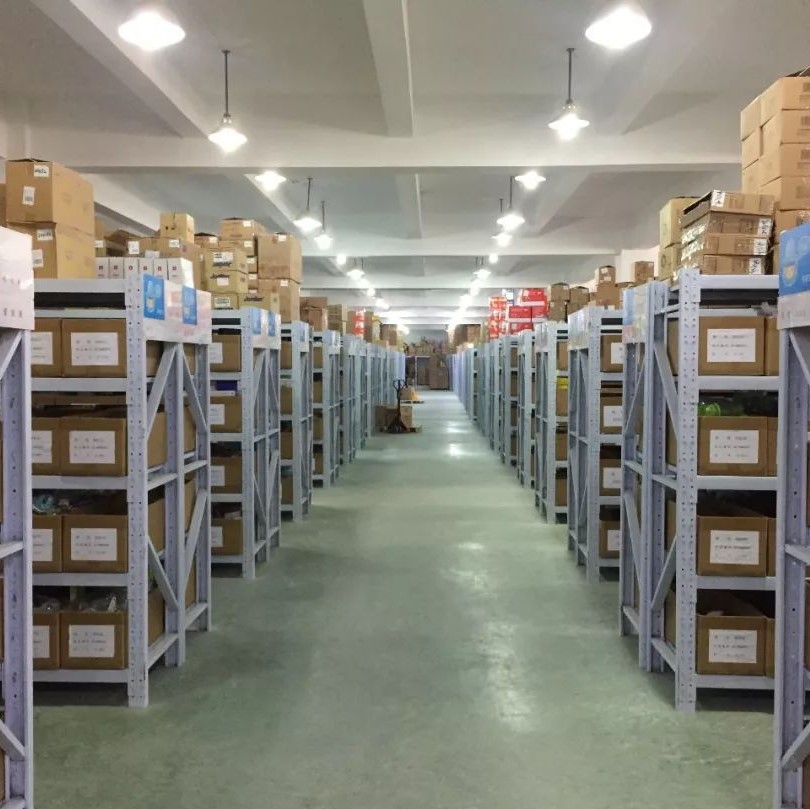
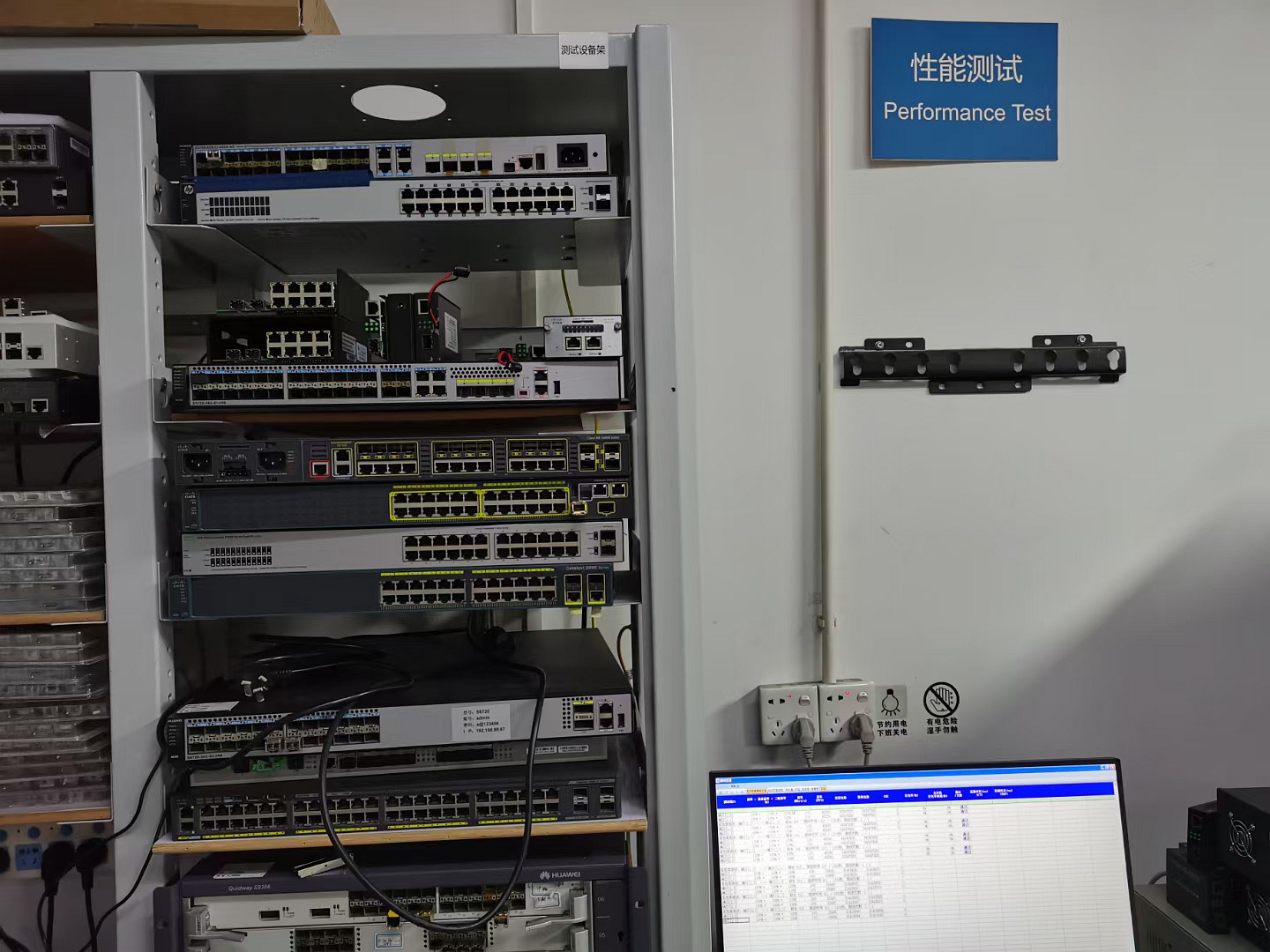
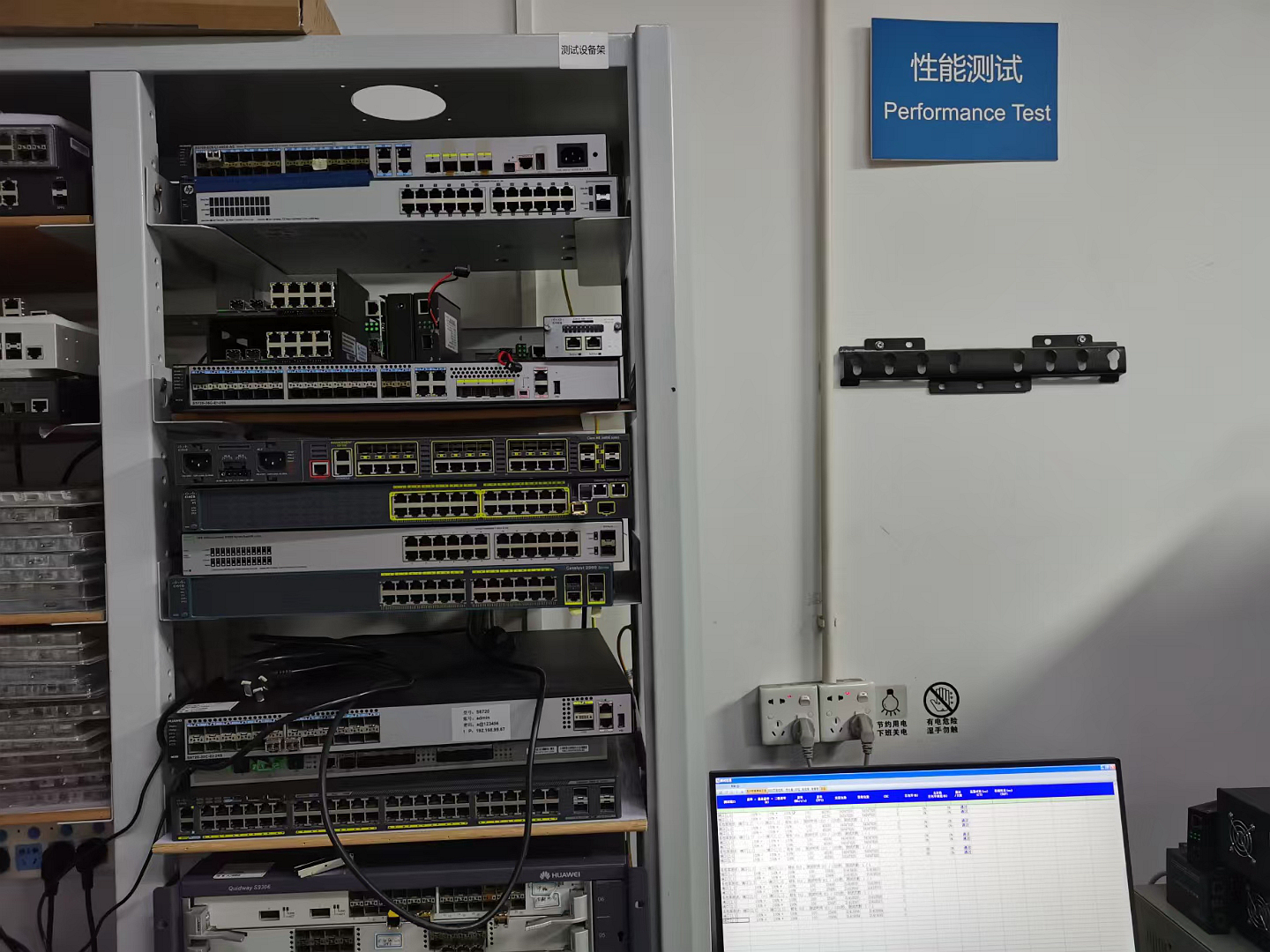
Your Trusted Global Partner in Optical Transmission & Network Infrastructure Solutions
Shenzhen Soras Technology Co., Ltd. is a manufacturer of optical transmission equipment and network components with over 10 years of industry experience. Based in Guangdong, China, we focus on providing high-quality, cost-effective, and high-value-added products and solutions.
We work closely with telecommunications companies worldwide, backed by an experienced R&D team capable of developing products to match specific customer demands, including custom OEM and ODM orders. Today, our products are exported to more than 60 countries across South America, North America, Europe, and East Asia.
| Business Type | Manufacturer | Country / Region | Guangdong, China |
| Main Products | FTTH ONU & OLT, SFP Module, Fiber Media Converter, PoE Switch, Fiber Optic Equipment | Total Employees | 11 - 50 People |
| Total Annual Revenue | US$5 Million - US$10 Million | Year Established | 2021 |
| Main Markets | Domestic Market 24.00%, Eastern Asia 15.00%, North America 15.00% | Certifications | ISO 9001, UL, CE, FCC, RoHS |
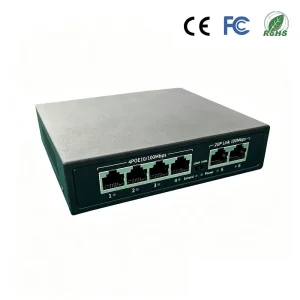
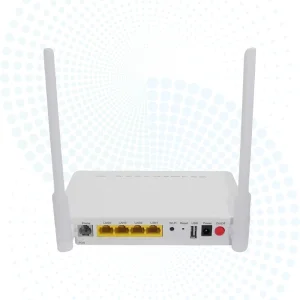
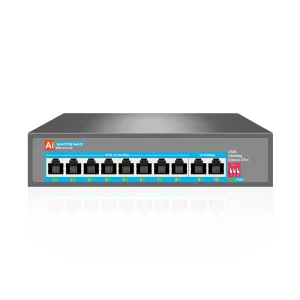
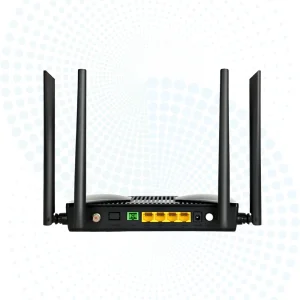
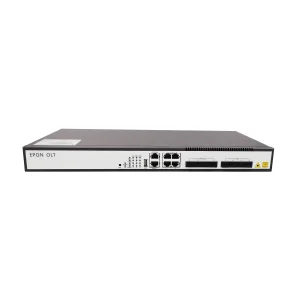
Explore our complete network infrastructure portfolio, including XPON ONUs, high-capacity OLT service boxes, and smart PoE switches.
 Soras Tech