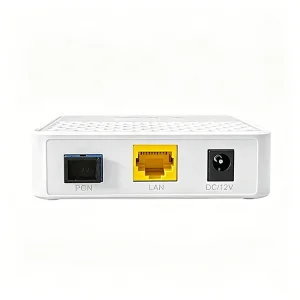
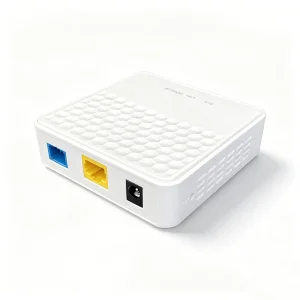
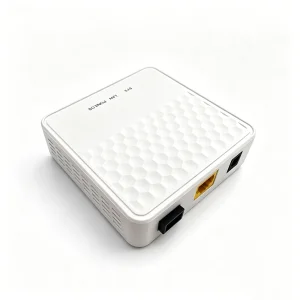
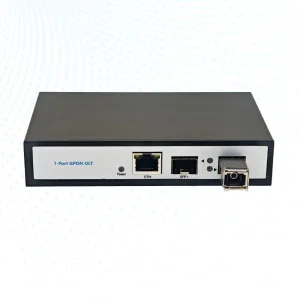
Explore our leading range of Standard Series ONU modems, POE switches, media converters, and mini-OLT terminals designed for high-density FTTH deployment.
Unpacking the technological requirements, protocol standards, and global deployment architectures driving broadband networks.
The global telecommunications market is currently experiencing an unprecedented transformation. High-bandwidth applications, remote workspaces, smart city frameworks, and cloud-native databases require robust, stable physical layers. The term "Standard Series" in this context represents the fundamental hardware ecosystem that links central office exchange units to subscriber endpoints. This ecosystem consists of optical network units (ONUs), optical line terminals (OLTs), POE switches, and fiber-to-copper media converters.
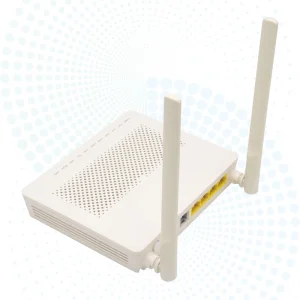
These devices translate high-speed laser pulses into Ethernet-compatible digital signals. Globally, operators are moving away from traditional copper cable infrastructures (DSL, Coaxial) towards Fiber-To-The-Home (FTTH) and Fiber-To-The-Office (FTTO). Modern Standard Series ONUs support multi-play services, bundling high-speed internet, Voice over IP (VoIP), IPTV, and wireless local area networks (WLAN) into a single, compact device.
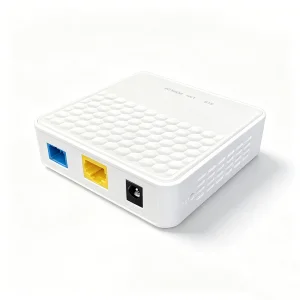
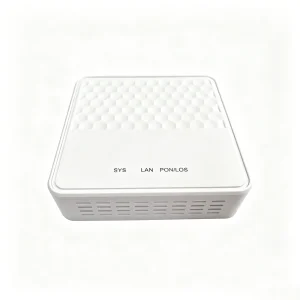
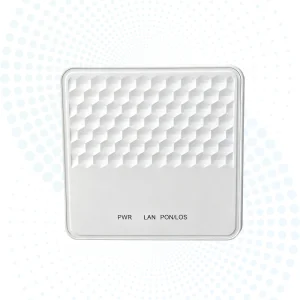
One of the main challenges in global GPON/EPON deployment is interoperability. Standard Series hardware addresses this with dual-mode (XPON) auto-negotiation firmware. When connected to a Central Office, the device automatically senses the optical line system type and switches its operating standard between ITU-T G.984 (GPON) and IEEE 802.3ah (EPON) within milliseconds, preventing configuration friction for network technicians.
The Standard Series covers multiple essential transmission specs:
Years R&D Experience
Export Countries
Annual Revenue (USD)
Quality Inspected
Why Southern China's industrial clusters deliver high quality, reliable technology at competitive prices.


Shenzhen's Bao'an and Longhua districts represent the world's most advanced hub for optical communication equipment. By housing the entire supply chain—from raw silicon chips and multi-layer PCB fabrication to precision SMT assembly—production cycle times are significantly reduced. Shenzhen Soras Technology Co., Ltd. uses this local ecosystem to deliver cost-effective and highly customized network gear.
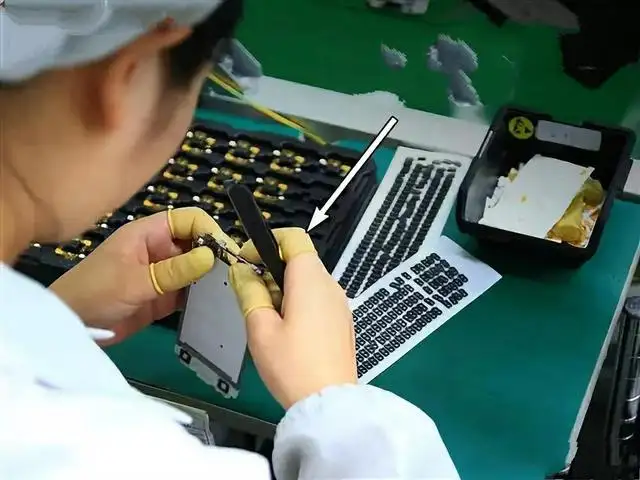
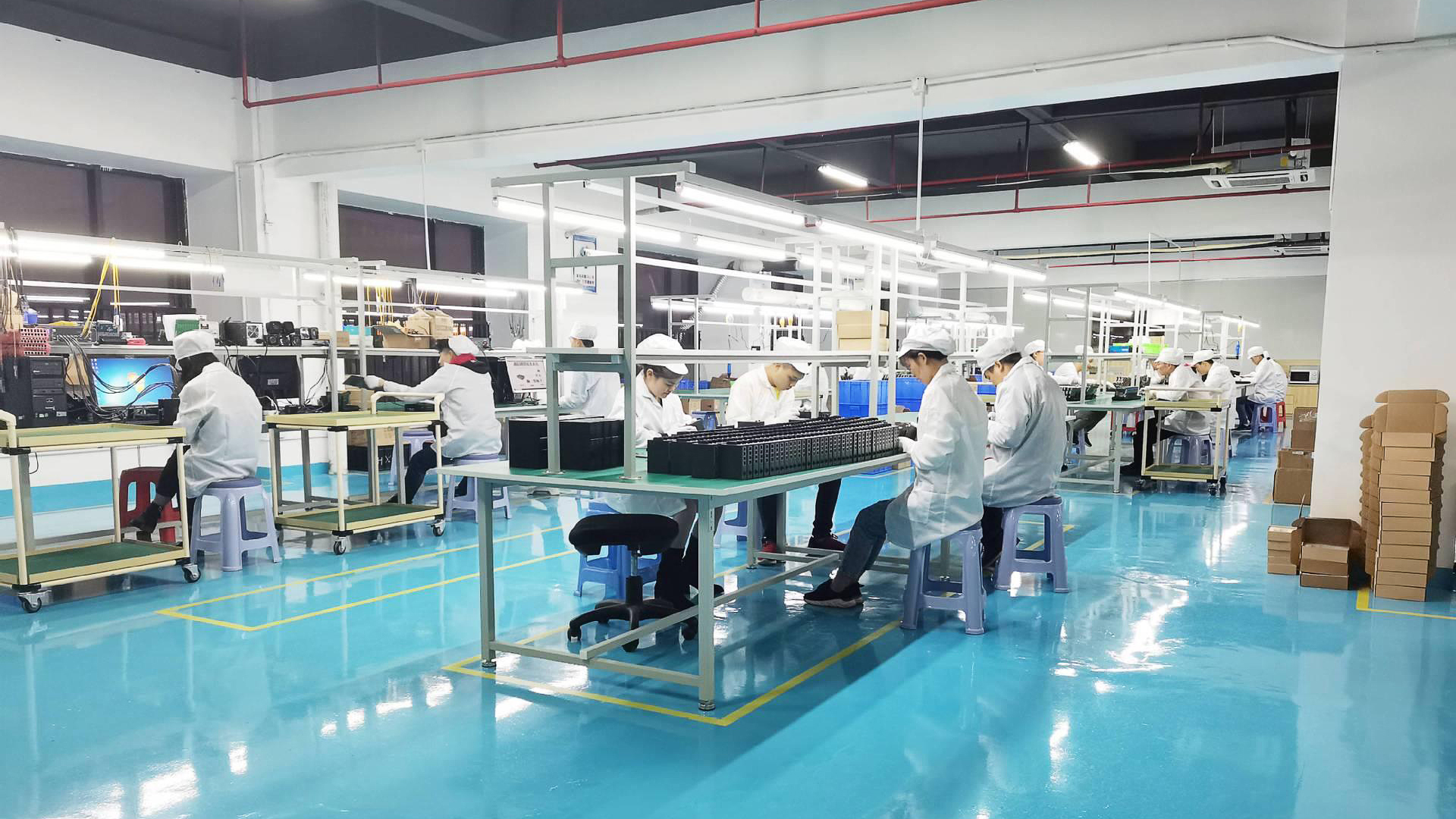
A typical manufacturing flow begins with computerized SMT lines, where high-speed solder paste printers and pick-and-place systems mount chips (such as Broadcom, Realtek, or ZTE chipsets) onto the boards. Automated Optical Inspection (AOI) systems then verify every joint prior to wave soldering. These streamlined steps ensure consistent high yields, fast turnaround times, and reliable performance across all product lines.
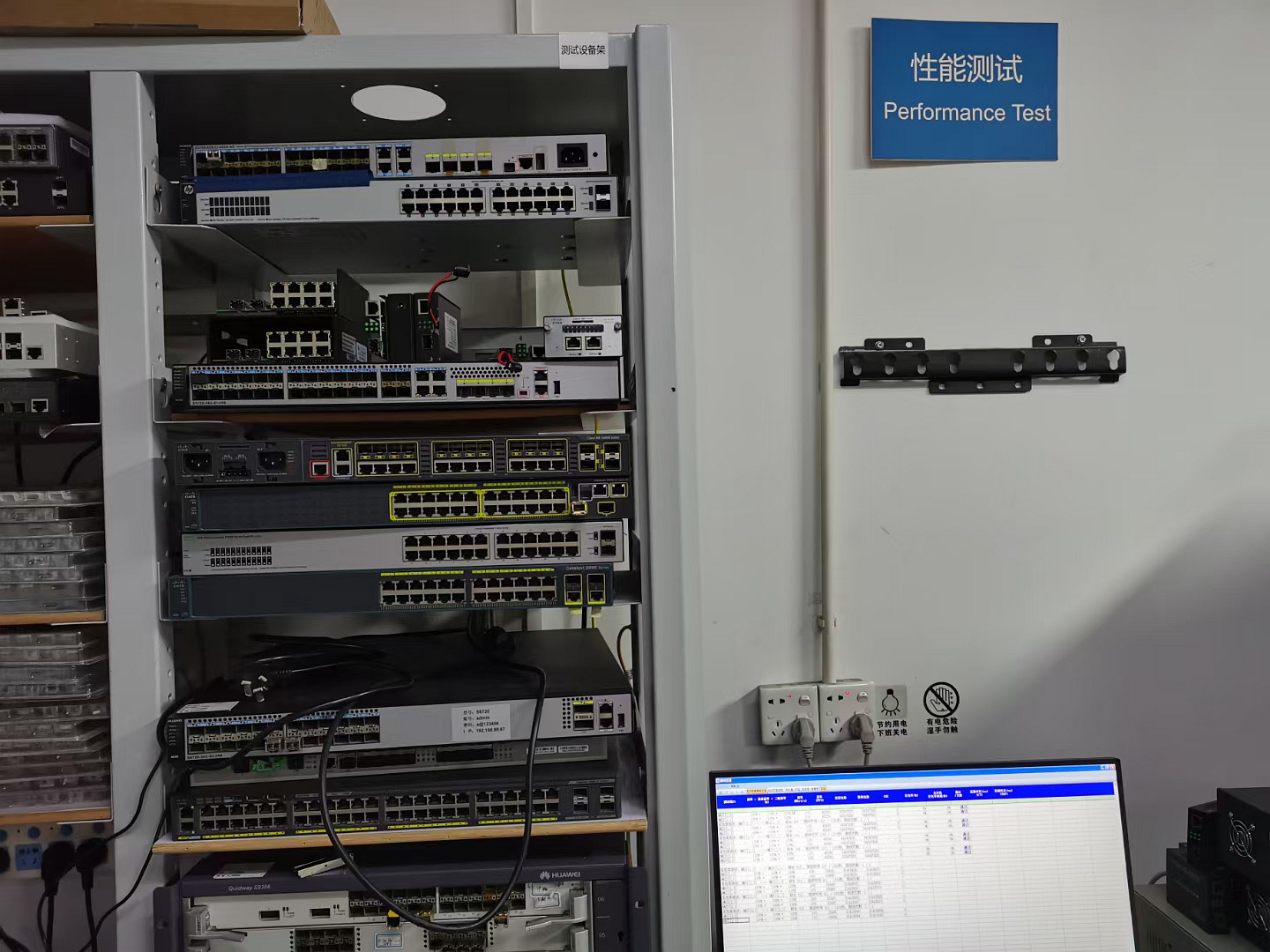
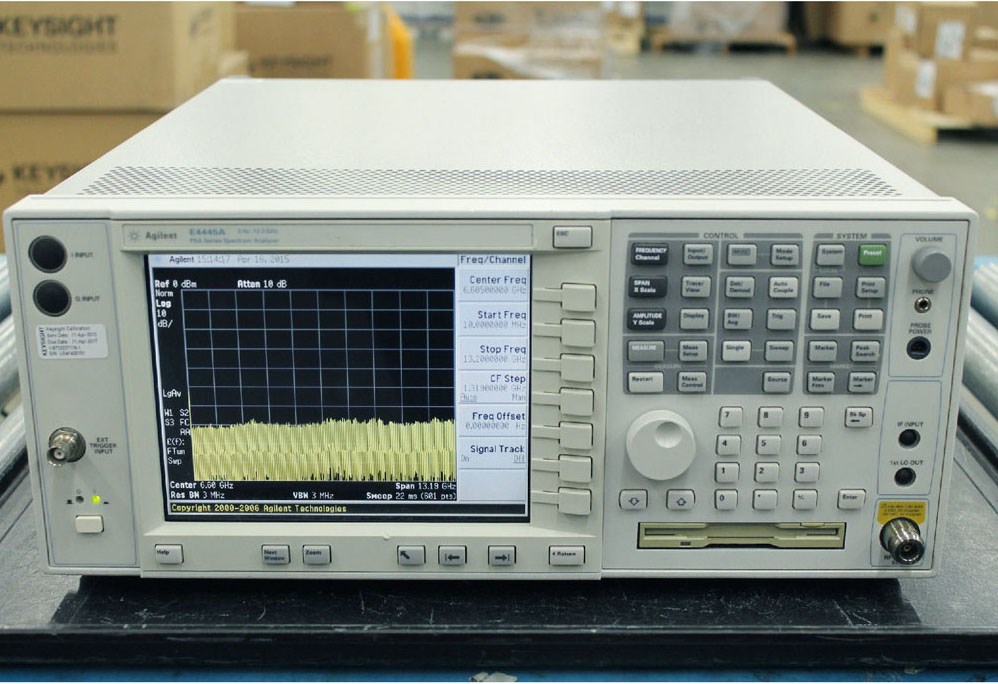
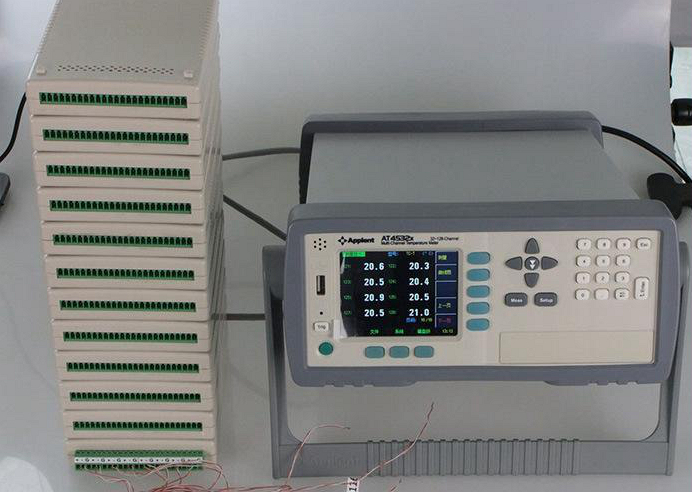
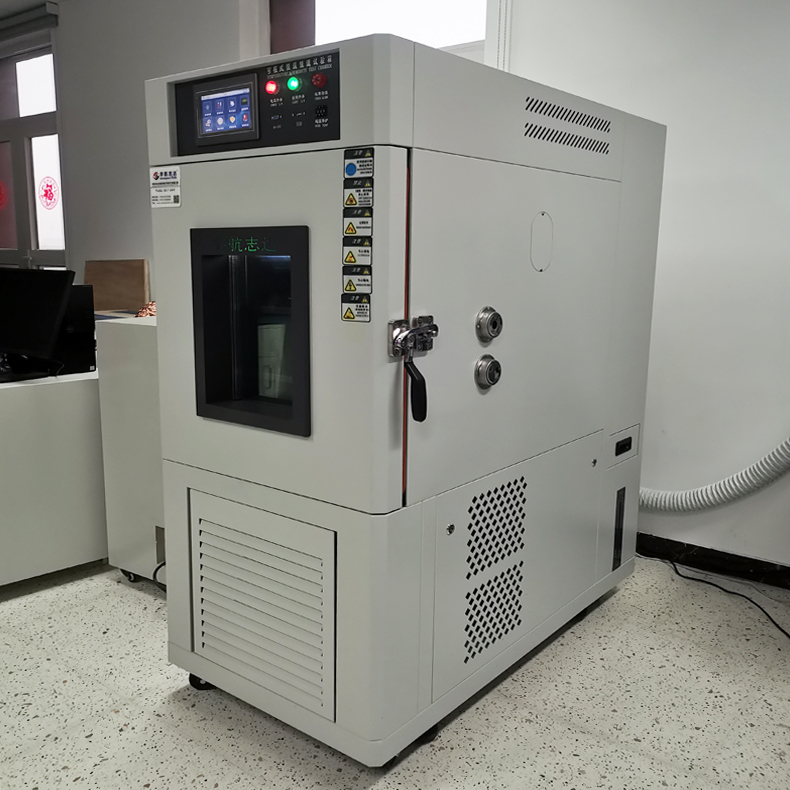
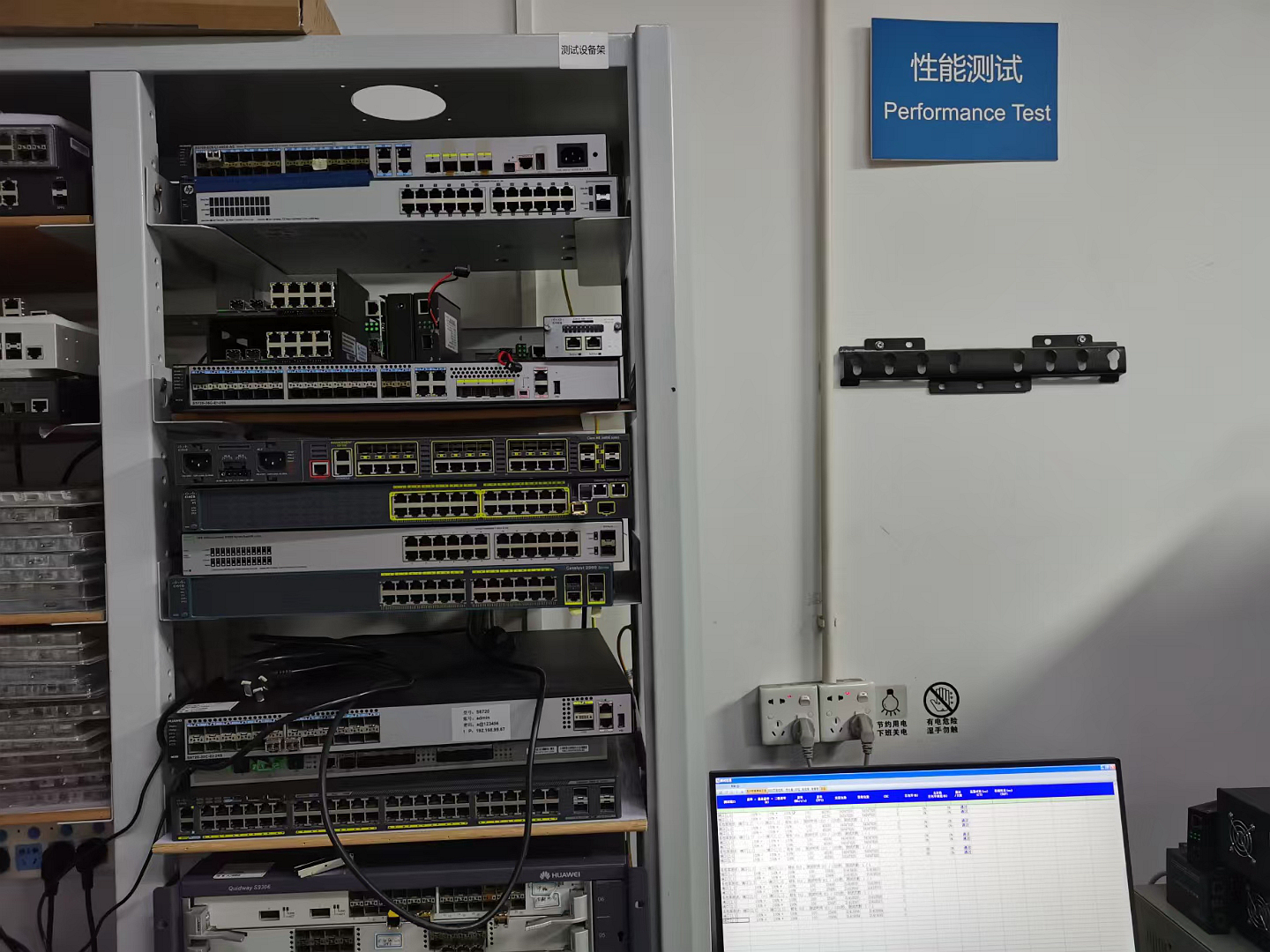
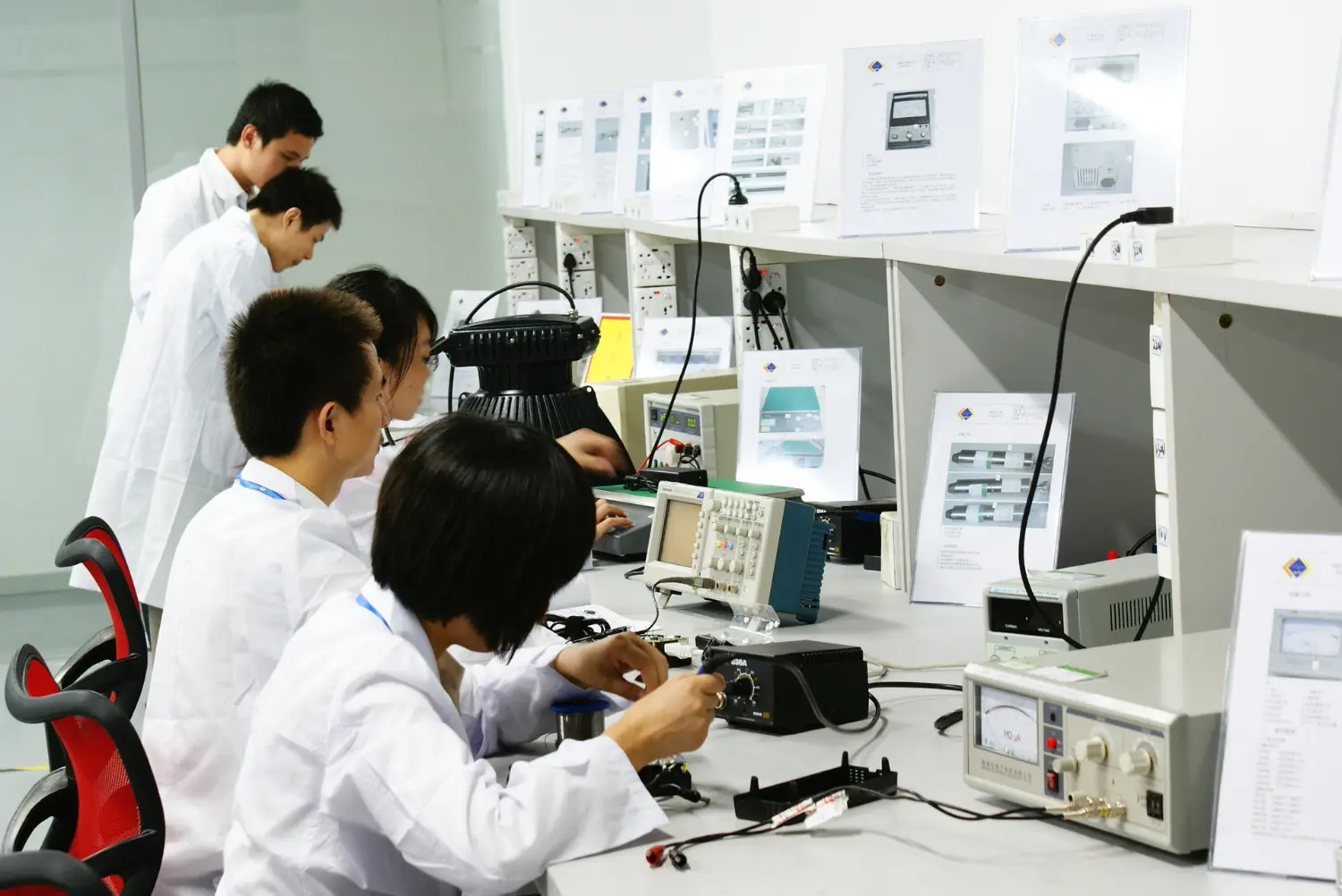
Our facility runs multiple testing stages. Every ONU board is subjected to automated RF calibration, high-low temperature simulation chambers, and continuous packet-loss testing under load. This structured testing process helps ensure that each unit meets international ISO 9001, CE, FCC, and RoHS standards before shipment.

How next-generation fiber infrastructure meets real-world deployment challenges.
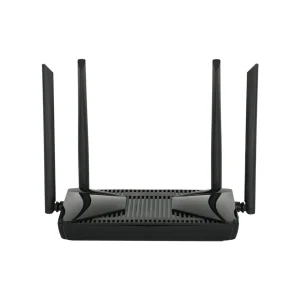
In municipal deployments, Standard Series XPON ONUs act as the subscriber's gateway. Dual-band AX3000 WiFi 6 capabilities handle high-density streaming, online gaming, and smart home IoT networks. This setup provides stable wall-penetrating signals and consistent connections, reducing service calls to ISPs.
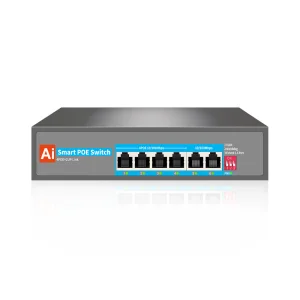
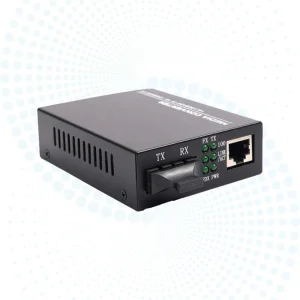
For municipal surveillance and outdoor access points, Smart AI POE Switches deliver both power and high-speed data uplink over a single Ethernet cable. Paired with Fiber Media Converters, they extend signal reach beyond the standard 100-meter copper limit to cover vast campus network projects.
The industry is transitioning toward 10G-PON (XG-PON/XGS-PON) systems and Wi-Fi 7 integrations. As bandwidth demands increase, central offices require high-capacity mini OLT setups to handle high split ratios. Meanwhile, Software-Defined Networking (SDN) is making remote provisioning simpler and faster.
Shenzhen Soras Technology Co., Ltd. (Soraslink) is an established manufacturer of high-quality, cost-effective optical networking gear.
With more than 10 years of industry experience, Soraslink is committed to quality management and technological innovation. We offer high-value, reliable products and end-to-end solutions, collaborating closely with telecom operators worldwide. In addition to our standard lines, we provide full ODM and OEM services, tailoring products to meet specific customer requirements. Today, our optical equipment is exported to over 60 countries across South America, North America, and Europe. Our facility operates under ISO 9001, UL, CE, FCC, and RoHS certifications, guided by our core focus: "superior quality, professional service, competitive price, integrity-based".
| Business type | Manufacturer | Country / Region | Guangdong, China |
| Main Products | FTTH ONU & OLT, SFP Module, Fiber Media Converter, Poe Switch, Fiber Optic Equipment | Total employees | 11 - 50 People |
| Total Annual Revenue | US$5 Million - US$10 Million | Year established | 2021 |
| Main Markets | Domestic Market 24.00%, Eastern Asia 15.00%, North America 15.00% | Certifications | ISO 9001, UL, CE, FCC, ROHS |
Expert answers to common questions about ONU/OLT deployment, hardware compatibility, and custom manufacturing.
GPON (ITU-T G.984) and EPON (IEEE 802.3ah) run on different protocols, framing methods, and data rates. GPON offers up to 2.488 Gbps downstream and 1.244 Gbps upstream with dynamic bandwidth allocation. EPON provides a symmetrical 1.25 Gbps rate. An XPON ONU (or dual-mode ONU) detects the optical line terminal (OLT) type during startup and automatically switches protocols, helping ISPs manage mixed networks without swapping out subscriber hardware.
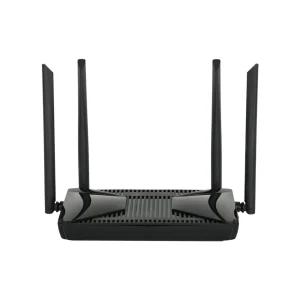
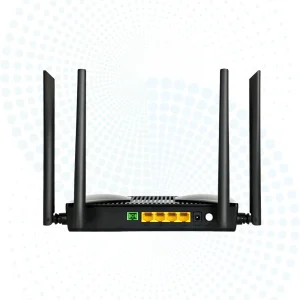
WiFi 6 (802.11ax) ONUs, like our AX3000 series, use OFDMA and MU-MIMO technologies to transmit data to multiple devices simultaneously. This reduces lag, raises throughput (up to 3000 Mbps), and handles more connected smart home devices without signal dropouts, solving wireless bottlenecks at the subscriber's location.
Yes. We offer comprehensive OEM/ODM customization options. This includes custom hardware casing, board layouts, customer logo branding, custom packaging, and custom software settings (such as default login credentials, specific TR-069 ACS management URLs, and custom firmware profiles for different network requirements).
All our manufacturing operations are ISO 9001 certified. Our network equipment is tested and certified to comply with UL, CE, FCC, and RoHS standards, ensuring safety, electromagnetic compatibility, and reliable long-term operation.
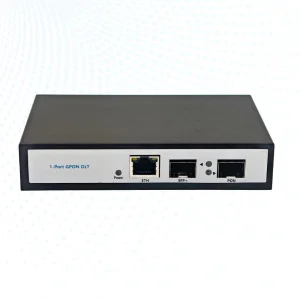
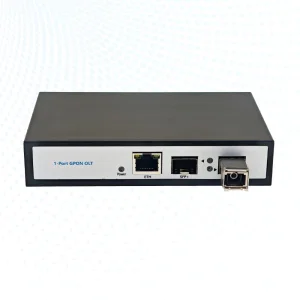
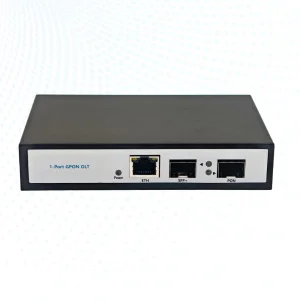
Mini OLT terminals (like our single-port or metal 1-port GPON OLTs) let operators establish fiber networks for up to 128 ONUs on a single port. This makes them ideal for building small networks in rural areas, gated communities, or enterprise campuses without the high initial cost of chassis-based, multi-port OLT systems.
Yes. Our 10/100Mbps and Gigabit Fiber Media Converters convert optical signals to copper RJ45 connections. They are widely used to connect distant CCTV security cameras to central recorders, bypassing standard Ethernet distance limits while keeping video feeds stable.
High-efficiency, cost-effective fiber network terminals ready for global distribution.
 Soras Tech