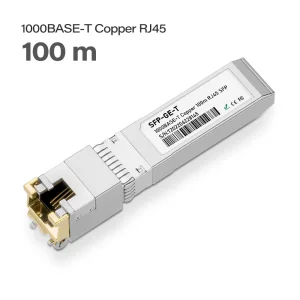
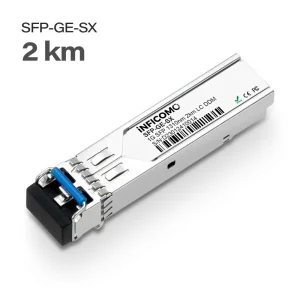
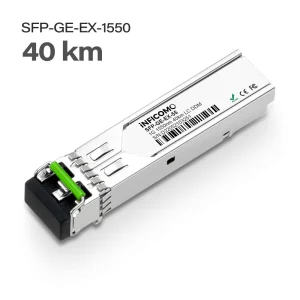
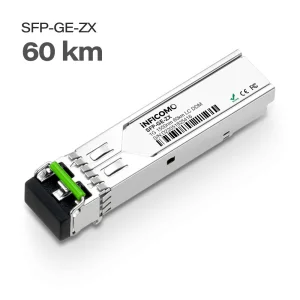
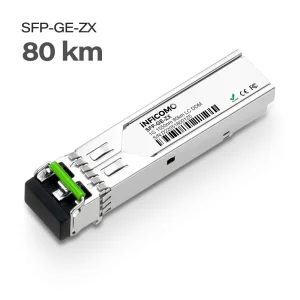
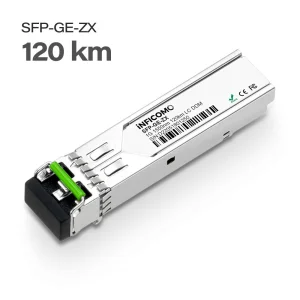
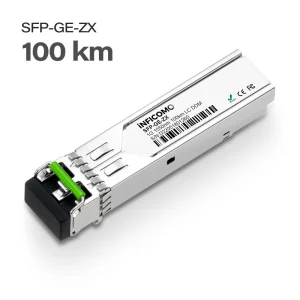
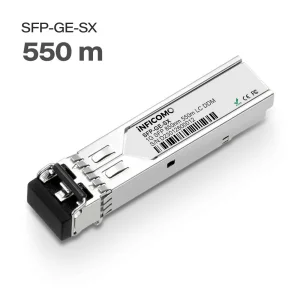
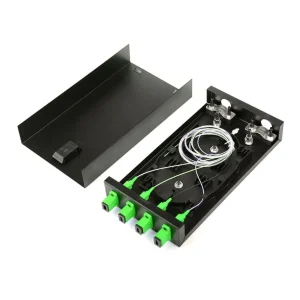
Explore our leading SFP transceivers engineered to perform across variable distances, fiber types, and extreme operating conditions.
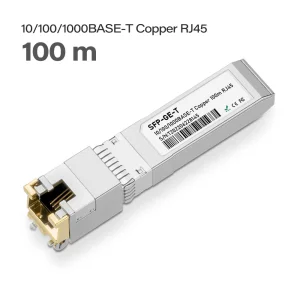
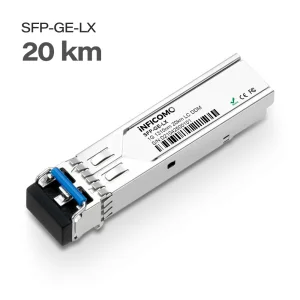
In modern enterprise networks and optical carrier backbones, 1.25Gbps Small Form-factor Pluggable (SFP) modules represent the foundational layer for physical layer transmission. Understanding their electrical, optical, and diagnostic parameters is crucial for optimal infrastructure deployment.
Digital Diagnostic Monitoring (DDM) according to SFF-8472 provides real-time monitoring of receiver optical power, transmitter bias current, internal transceiver temperature, supply voltage, and transmitter output power to prevent network failures.
Utilizing high-stability lasers (VCSEL for short-reach multimode, DFB/FP for intermediate-range, and cooled DFB lasers for ultra-long distances up to 160km) coupled with PIN/APD photodetectors for optimized optical link budget calculations.
Fully compliant with MSA SFP specifications, IEEE 802.3z 1000Base-X standard, and Fibre Channel standards. Standard LC duplex optical connectors provide low insertion loss (< 0.2dB) and high physical alignment precision.
While Simplex (BiDi) transceivers utilize a single fiber by separating transmit and receive wavelengths (e.g., 1310nm/1550nm), Duplex configurations maintain optical symmetry by using two dedicated fibers for Tx and Rx. This symmetry minimizes signal skew, simplifies power budget calculations, and avoids the cost of wavelength-splitting filters within the transceiver, making Duplex the standard choice for legacy enterprise backbones.
Identifying the precise transceiver type matching your physical fiber type (Single-Mode Fiber - SMF vs. Multi-Mode Fiber - MMF) is the key step to prevent signal saturation or high attenuation.
| Standard Name | Wavelength (Tx/Rx) | Fiber Type | Max Link Budget | Max Reach | Typical Application |
|---|---|---|---|---|---|
| 1000BASE-SX (GLC-LH-SX) | 850nm / 850nm | Multimode (OM2/OM3/OM4) | 8.5 dB | 550m | Intra-datacenter, Server Racks, Campus Backbones |
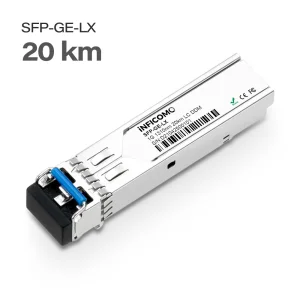
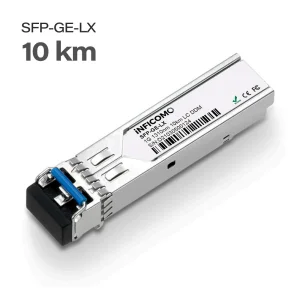
| 1000BASE-LX/LH (GLC-LH-SMD) | 1310nm / 1310nm | Single Mode (OS2) | 10.5 dB - 15 dB | 10km - 40km | Metropolitan Networks, Enterprise Site Interconnects |
| 1000BASE-ZX (GLC-ZX-SM) | 1550nm / 1550nm | Single Mode (OS2) | 21 dB - 24 dB | 80km | ISP Backhaul, Long-Haul Utility Networks |
| 1000BASE-EZX (Long-Reach) | 1550nm / 1550nm (DFB/APD) | Single Mode (OS2) | 30 dB - 32 dB | 100km - 120km | Sub-station automation, Regional Telecom transport |
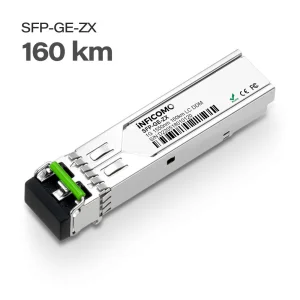
| 1000BASE-ZXC (Ultra Long-Reach) | 1550nm Cooled DFB | Single Mode (OS2) | > 35 dB | 160km | Extreme-distance rural telecom links |
As networks transition toward 10G, 25G, and 100G architectures, 1.25G transceivers continue to play a critical role in the global communications hierarchy. Because the deployment cost per port is extremely low, 1.25G represents the gold standard for Edge access, Internet of Things (IoT) nodes, industrial automation controllers, and fiber-to-the-home (FTTH) ONU/OLT distribution systems.
The current technical roadmap emphasizes lowering power consumption (aiming for sub-0.5W designs), integration of intelligent digital troubleshooting features, and high industrial temperature tolerance (ranging from -40°C to +85°C) to support remote cabinets and harsh environments without supplemental cooling systems.
Soras Technology's green optics initiative targets reduction of idle power consumption in passive optical distribution nodes. In comparison to older-generation legacy active chipsets, our updated 1.25G duplex hardware lowers thermal emission by 25%, extending overall switch and router life cycles, minimizing overall system failure rates.
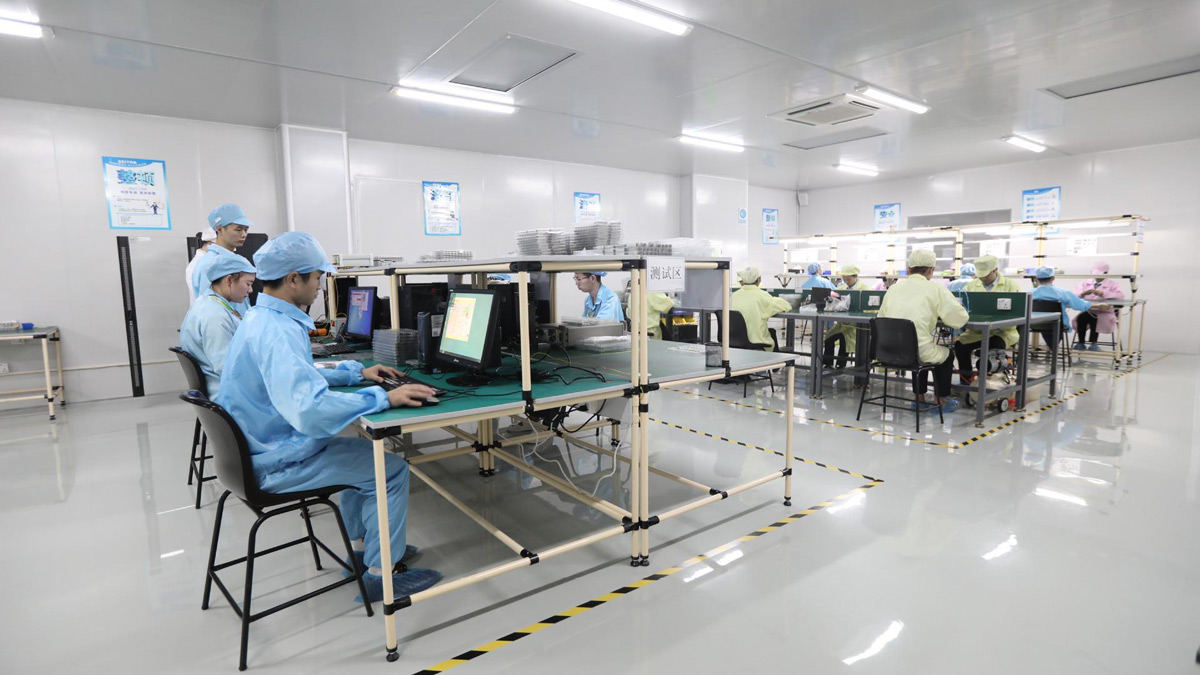
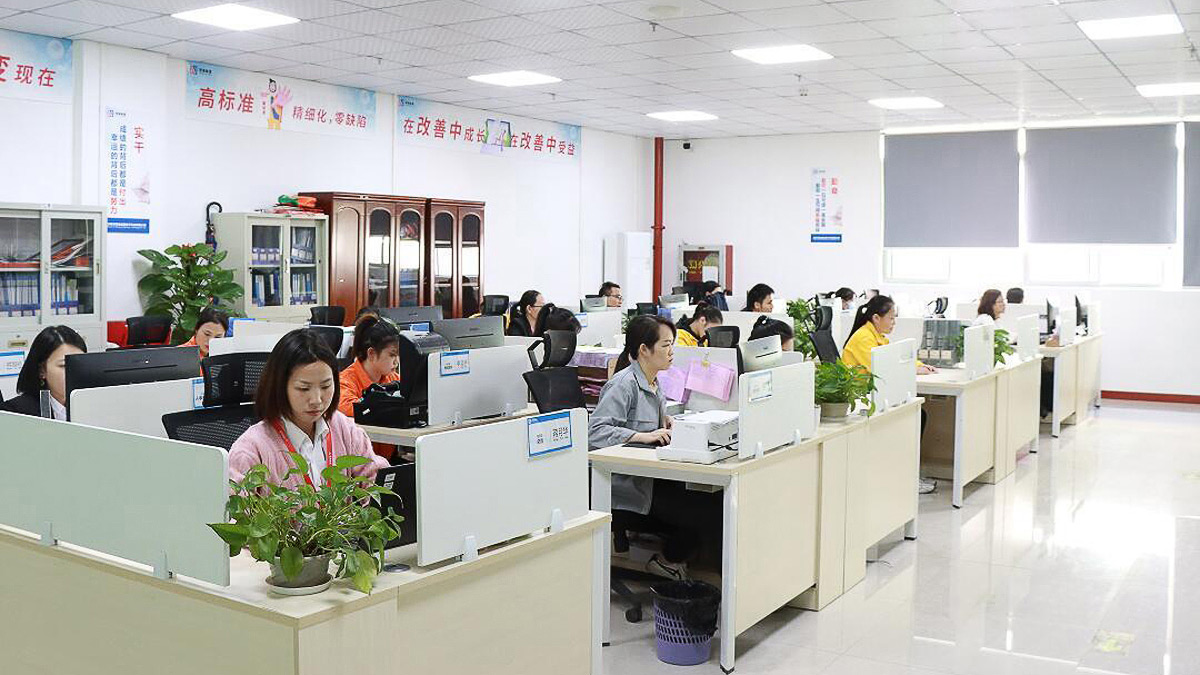
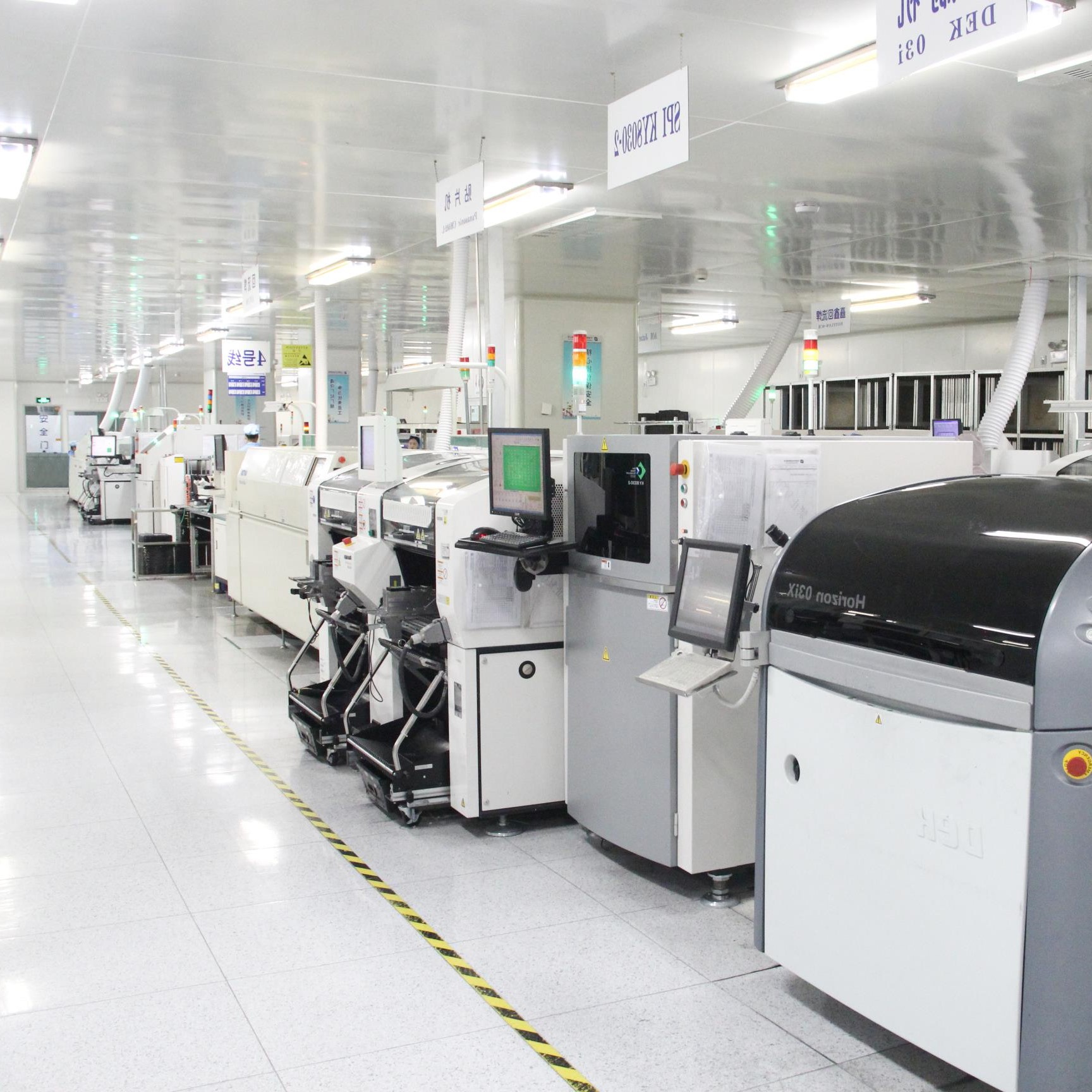
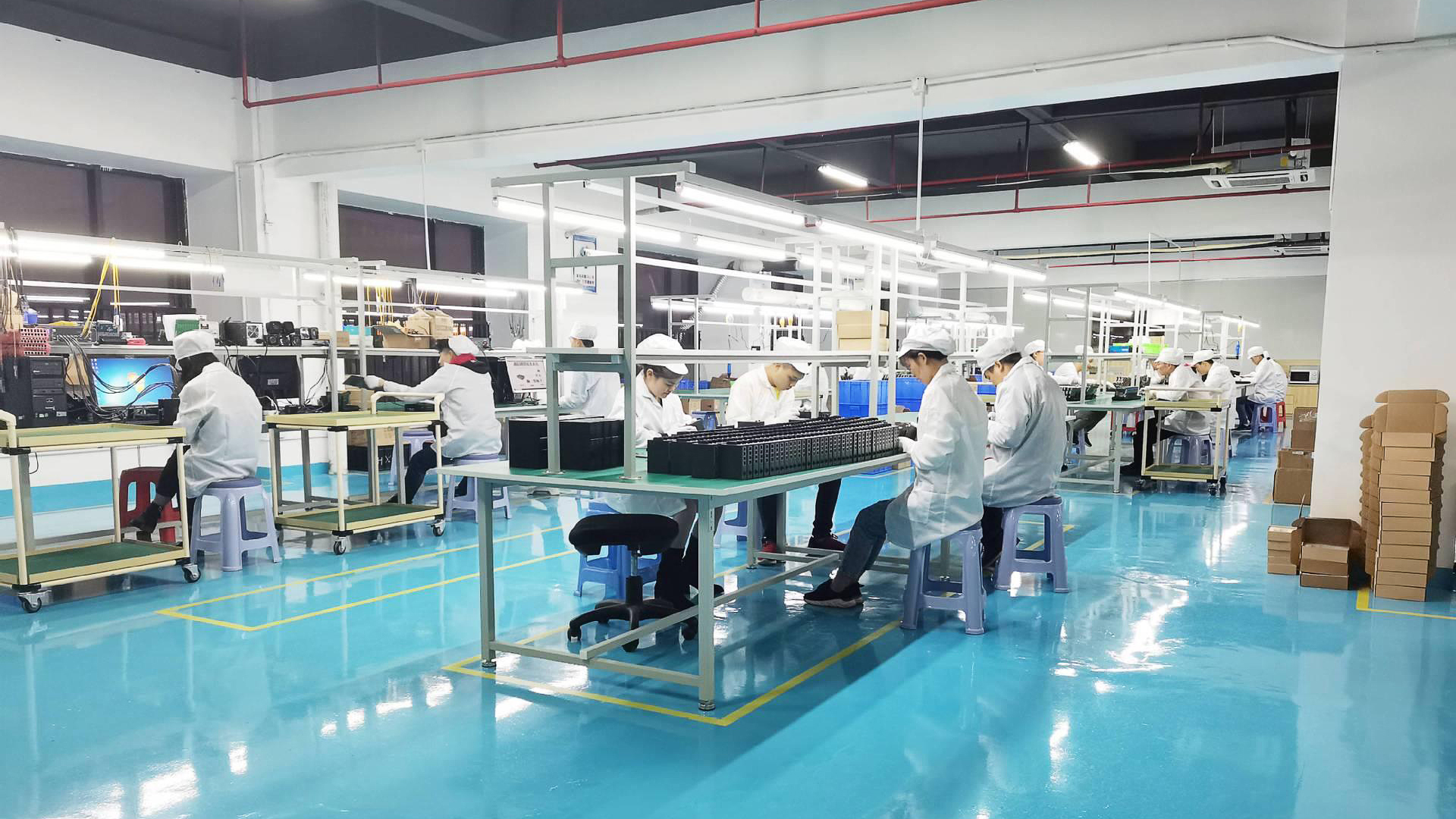
Shenzhen Soras Technology Co., Ltd. operates state-of-the-art production floors in Guangdong, China. Leveraging 10+ years of network equipment manufacturing experience, our workflow ensures quality at scale.
Established as a premier manufacturer of optical transmission and network equipment, Soras Technology operates on a baseline of high-quality management and technological innovation. Today, we work closely with telecommunications companies around the world, supported by a strong R&D team capable of satisfying comprehensive OEM and ODM requirements.
Our product portfolio reaches more than 60 countries across South America, North America, and Europe. Our production output is governed by rigorous quality standards with certifications including ISO 9001, UL, CE, FCC, and RoHS. Our philosophy centers on "superior quality, professional service, competitive price, integrity-based" development.
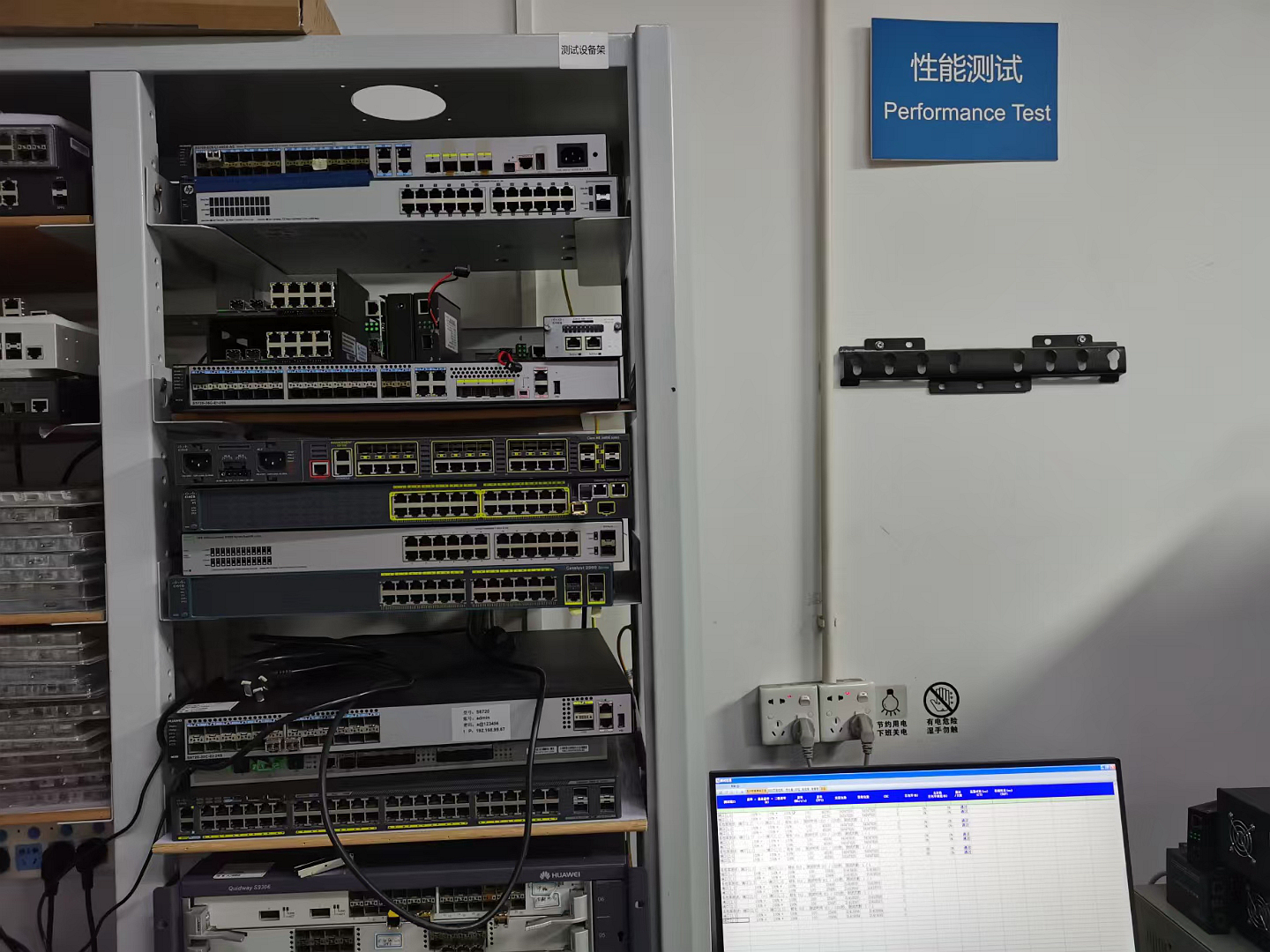
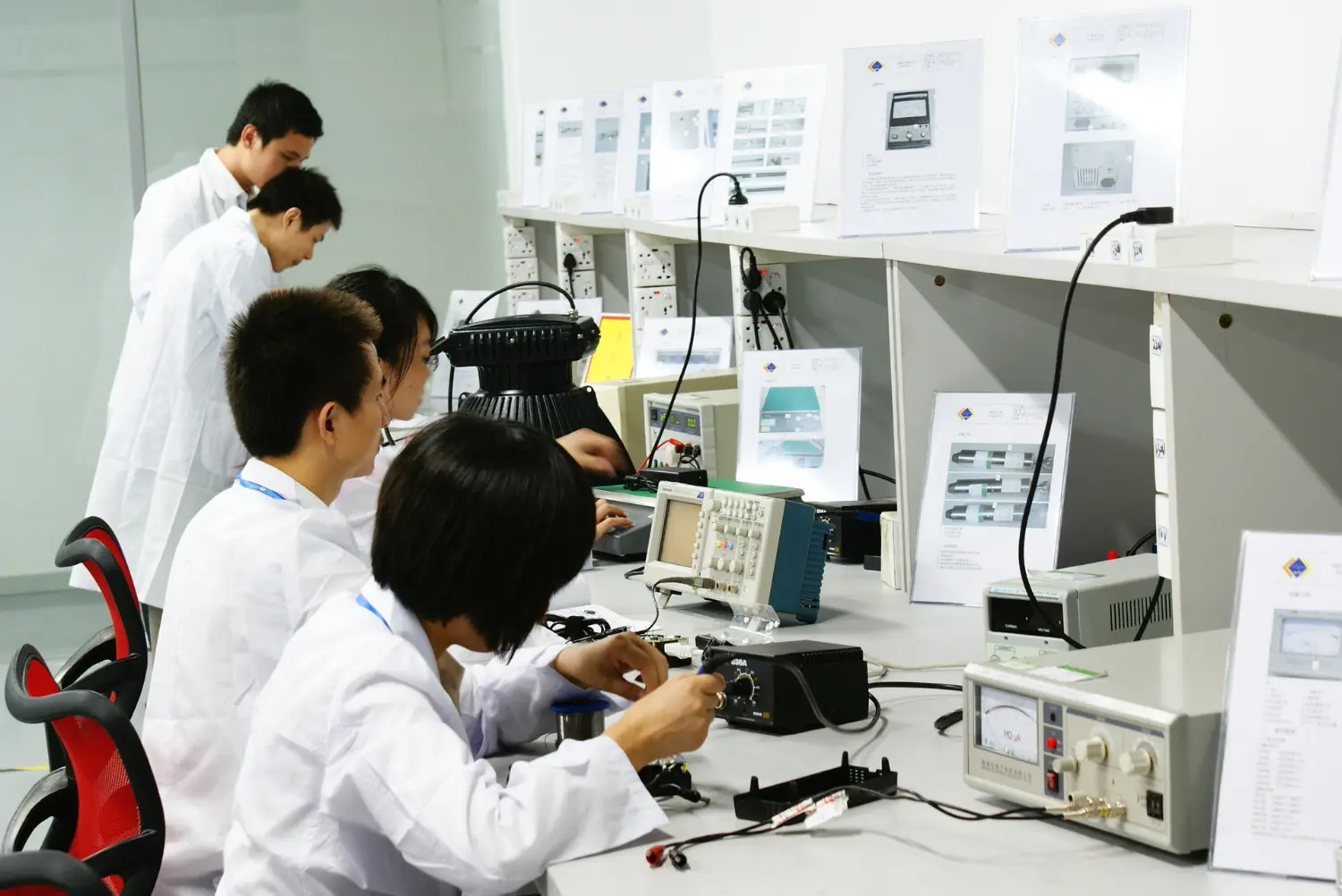
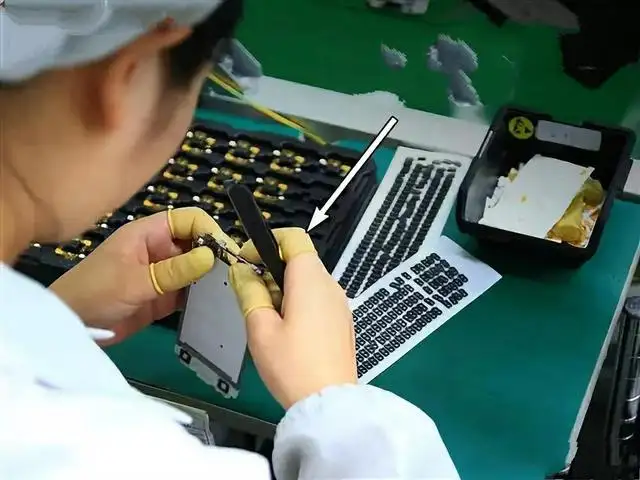
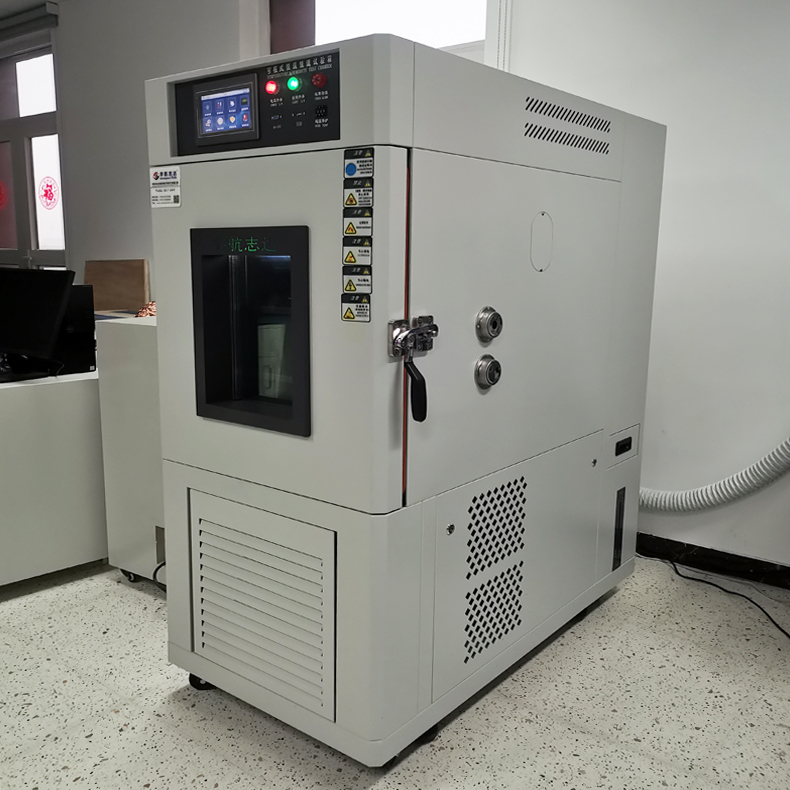
Every 1.25G transceiver undergoes a series of physical, thermal, and optoelectronic tests prior to secure packaging.
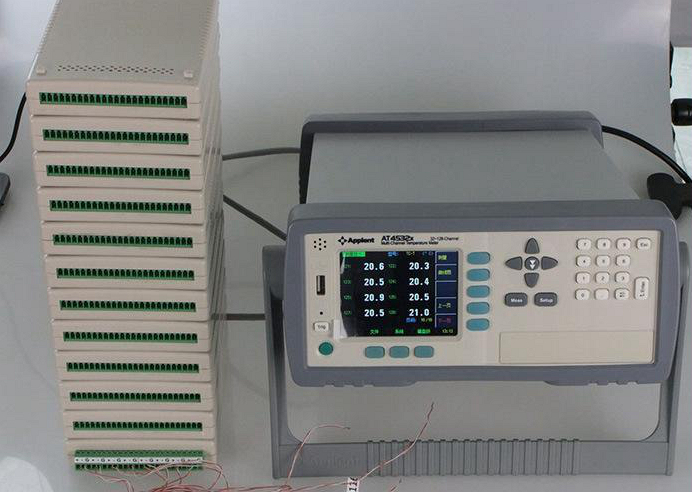
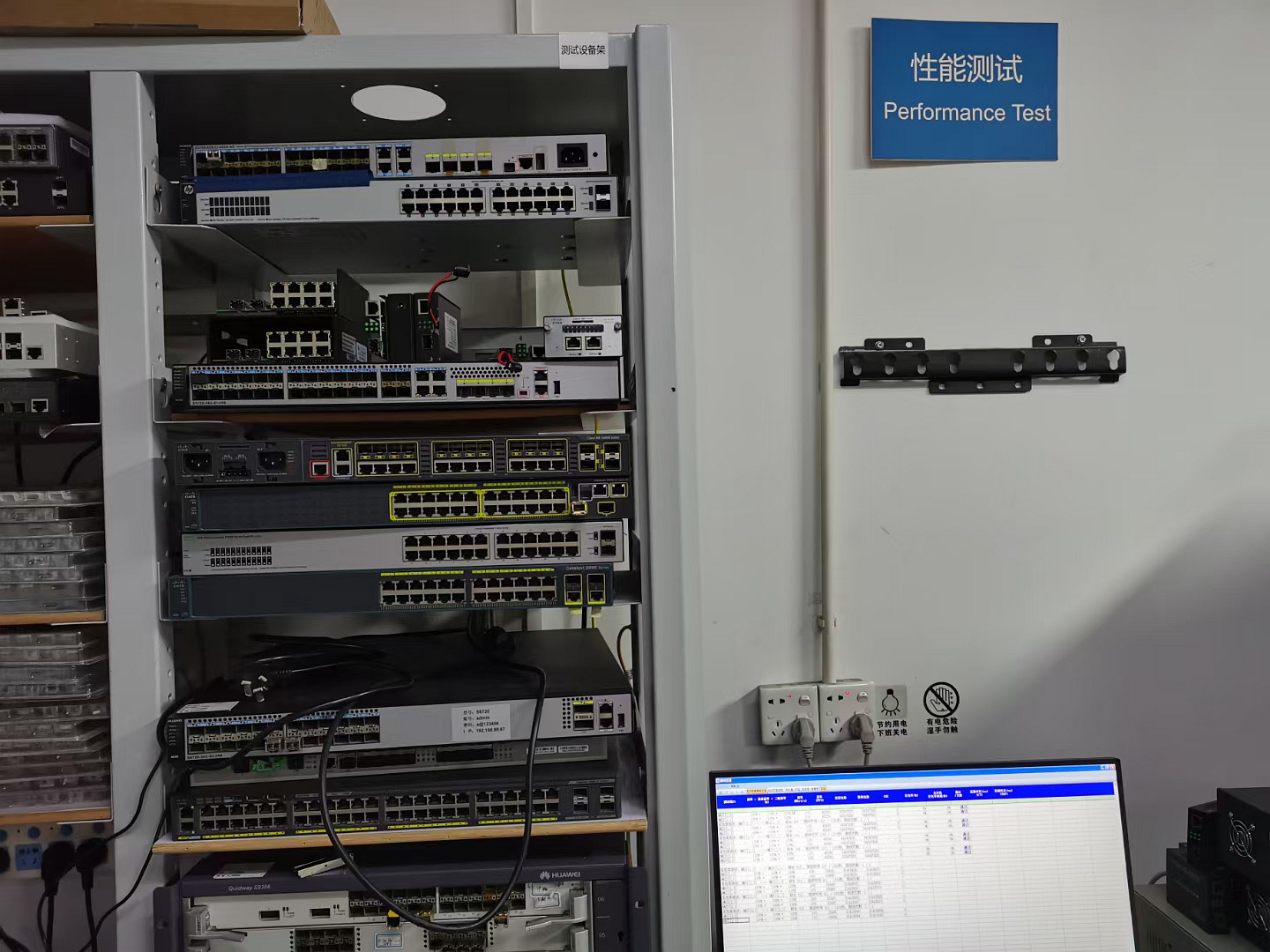
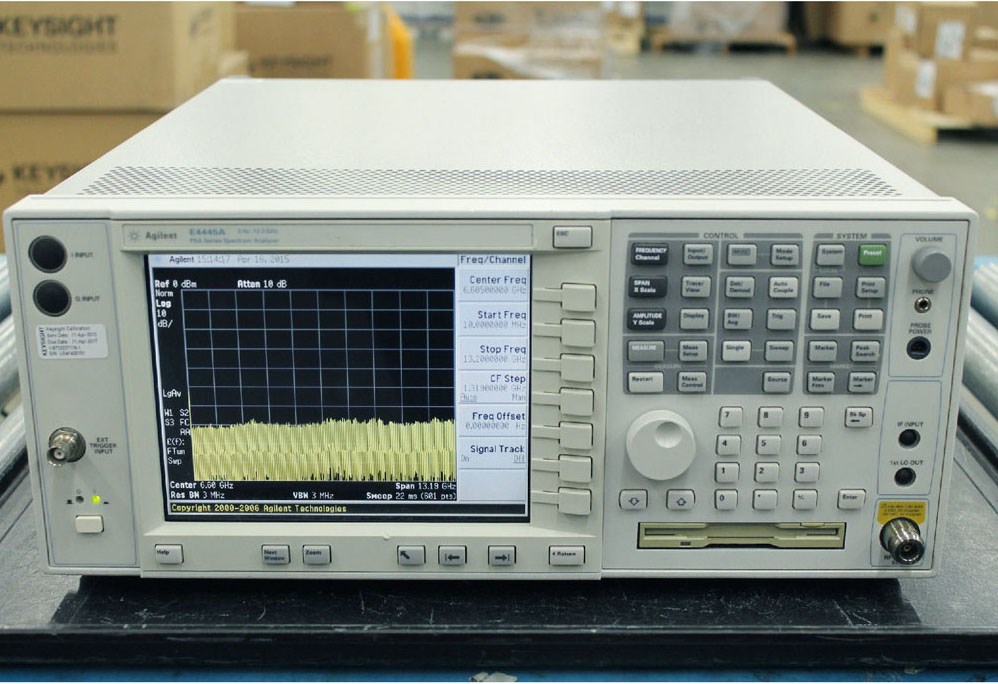
1.25Gbps transceivers serve as the critical connectivity link in a wide array of application matrices, from metro access switches to automated power utilities.
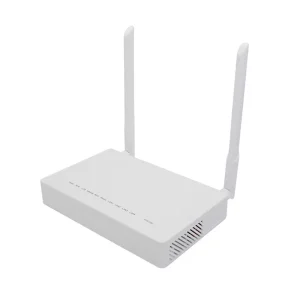
In Fiber to the Home (FTTH) architectures, standard 1.25G duplex modules serve as the vital connection between active optical distribution switches and peripheral networks. Our transceivers interoperate natively with GPON/EPON platforms, offering high optical dynamic range, which allows local operators to extend network reach to remote rural populations without installing intermediate amplification equipment.
Electric utilities require high reliability in high electromagnetic interference (EMI) environments. By utilizing single-mode duplex SFP modules (e.g., 40km to 80km models), energy distributors establish optical links that are completely immune to electromagnetic fields, preserving the integrity of critical telemetry data.
Our SFP transceivers feature built-in EEPROM microchips containing vendor-specific coding profiles. We verify functional coding parameters for major hardware brands:
Purchasing networking hardware globally requires strict alignment with local product safety laws, customs requirements, and environmental standards.
All Soras optical modules hold CE, FCC, and UL certifications, satisfying stringent safety requirements for European Union and United States markets. Furthermore, RoHS compliance guarantees that lead, cadmium, and other hazardous materials are kept within strict limits.
For large corporate clients and network integrators, we provide custom brand printing, individualized label structures, and unique wavelength configurations. Our engineering team can adjust hardware layouts to support specialized telemetry and industrial monitoring projects.
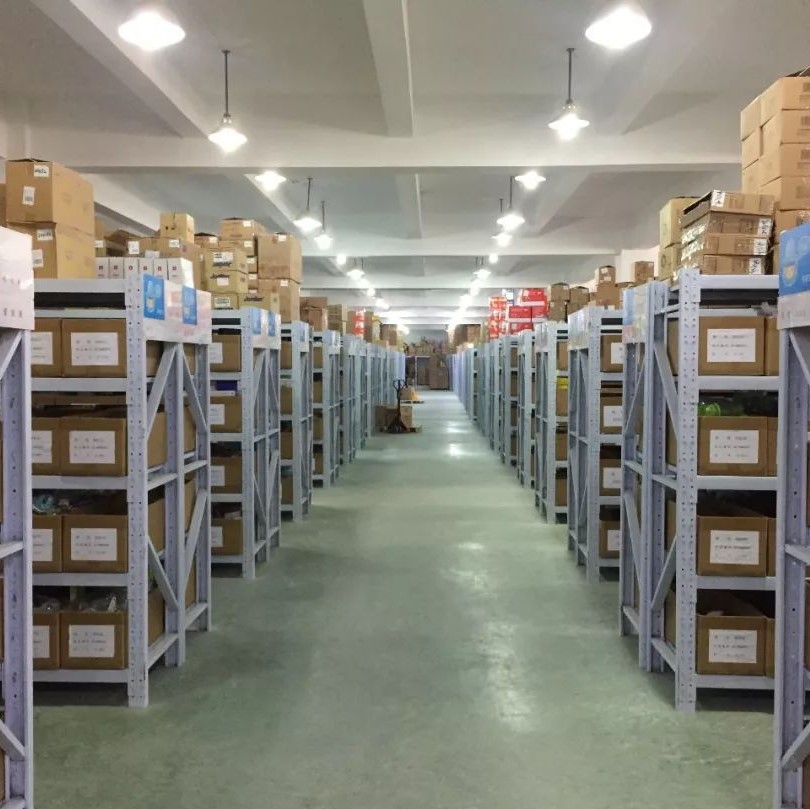
Leveraging our location in Shenzhen, China's core electronics logistics hub, we maintain strategic safety stock of essential parts. This positioning helps stabilize lead times against international component shortages, offering reliable shipping terms for long-term supply contracts.
A comprehensive reference answering critical engineering and purchasing questions about 1.25G Duplex Optical SFP Transceiver Modules.
Complete your deployment requirements with our long-reach optical transceivers, FTTH network terminals, and related distribution infrastructure accessories.
 Soras Tech