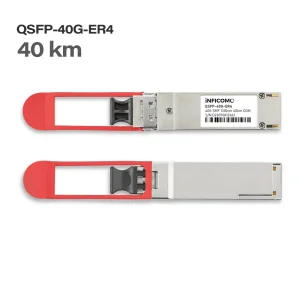
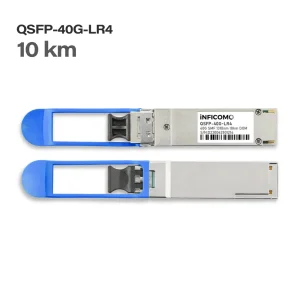
High-reliability optical modules from our SMT and assembly cleanrooms, fully compatible with industry-leading network equipment.
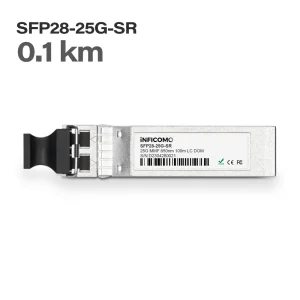
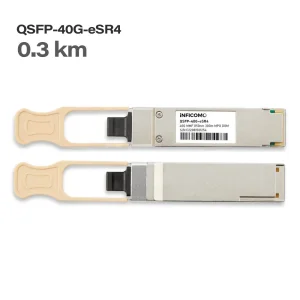
In the modern digital infrastructure landscape, optical transceivers serve as the critical physical-layer link enabling global data exchange. The transition from legacy 10G systems to 25G, 40G, and 100G architectures represents a fundamental paradigm shift in bandwidth density, power efficiency, and cost per gigabit. To achieve these throughputs, hardware designers and network architects leverage specific form factors and encoding standards optimized for distinct network topologies.
The SFP28 (Small Form-Factor Pluggable 28) standard is the primary evolutionary pathway from SFP+. By boosting the electrical lane speed from 10 Gbps to 25 Gbps (and up to 28 Gbps to accommodate Forward Error Correction overhead), SFP28 allows network operators to triple their channel capacity without changing their physical footprint. Crucially, 25G SFP28 modules utilize the same mechanical form factor as SFP+, providing backward compatibility and a seamless upgrade path for Top-of-Rack (ToR) switches.
For aggregated backhaul and core switching, the industry bifurcated into QSFP+ (Quad Small Form-Factor Pluggable Plus) for 40G, and subsequently QSFP28 for 100G. The QSFP28 architecture utilizes four independent electrical lanes, each operating at 25 Gbps. This design avoids the complex aggregation schemes required by older standards, significantly reducing transceiver complexity, thermal dissipation, and insertion losses. By bypassing the need for optical multiplexing in short-reach solutions, technologies like 100G SR4 and PSM4 dramatically lower the Total Cost of Ownership (TCO) for enterprise data centers.
Traditional 25G and 40G modules rely on NRZ (Non-Return-to-Zero) modulation. As we progress to higher densities, PAM4 (Pulse Amplitude Modulation 4-level) doubles the bit rate at the same baud rate, serving as the foundational building block for advanced 100G, 200G, and 400G applications.
Multi-Source Agreements (MSAs) guarantee strict mechanical, thermal, and electrical interoperability. Our transceivers comply with SFF-8431, SFF-8472, and SFF-8665, ensuring flawless operation across diverse Cisco, Juniper, and Arista switch platforms.
Digital Optical Monitoring (DOM) provides real-time telemetry of optical output power, receiver sensitivity, operating temperature, and bias current. This allows operators to execute predictive maintenance and prevent unexpected network downtime.
B2B network procurement officers and CTOs face complex challenges when specifying optical modules. It is no longer just about matching connector types; procurement strategies must balance raw bandpass capacity, thermal limits, link budgets, and long-term compatibility. Below, we examine the primary deployment domains for our 25G-100G portfolio:
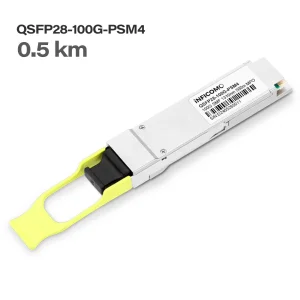
The rise of LLM (Large Language Model) training clusters requires massive, low-latency east-west traffic distribution. QSFP28 100G SR4 and PSM4 modules are utilized heavily here. By pairing with high-density MPO-12 patch cords, these transceivers facilitate parallel single-mode or multi-mode fiber arrays, ensuring that multi-GPU clusters communicate with sub-microsecond latency.
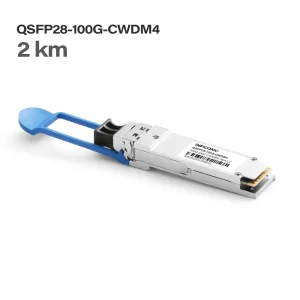
Data center spine-and-leaf leaf switches demand high density. Utilizing 100G CWDM4 modules allows data centers to transmit four wavelengths over a single duplex single-mode fiber (SMF) up to 2 km. This mitigates fiber congestion in structured cabling layouts and avoids the high costs associated with long-range ER4 or ZR4 configurations.
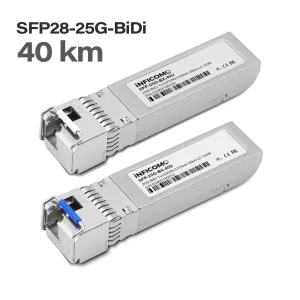
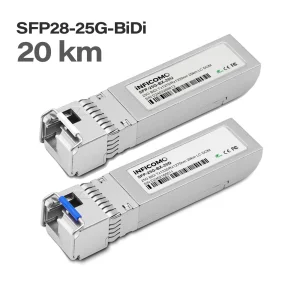
5G Next-Generation Radio Access Networks (NG-RAN) require extreme environmental resilience. Outdoor remote radio heads (RRH) experience wide temperature fluctuations. For these edge cases, Soras Technology supplies Industrial Temperature (I-Temp, -40°C to +85°C) 25G SFP28 BIDI modules. BIDI (Bidirectional) technology uses Wavelength Division Multiplexing (WDM) to transmit and receive signals over a single fiber strand (1270nm/1330nm), cutting the lease costs of fiber backhaul networks by exactly 50%.
| Form Factor | Standard | Wavelength (nm) | Fiber Type | Max Distance | Optics/Laser Type |
|---|---|---|---|---|---|
| SFP28 | 25GBASE-SR | 850nm | MMF (OM4) | 100m | VCSEL |
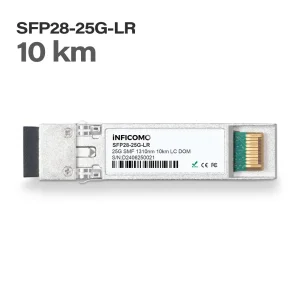
| SFP28 | 25GBASE-LR | 1310nm | SMF | 10km | DFB |
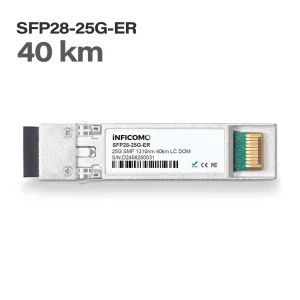
| SFP28 | 25GBASE-ER | 1310nm | SMF | 40km | EML |
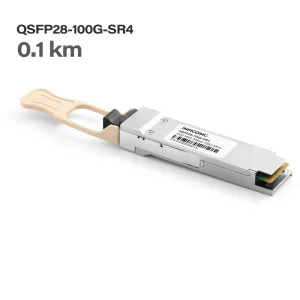
| QSFP28 | 100GBASE-SR4 | 850nm | MMF (OM4) | 100m | VCSEL Array |
| QSFP28 | 100GBASE-CWDM4 | 1271, 1291, 1311, 1331nm | SMF | 2km | CWDM DFB |
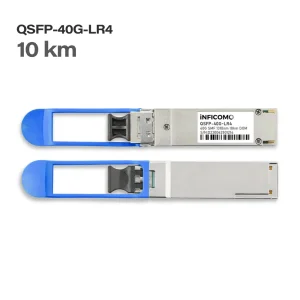
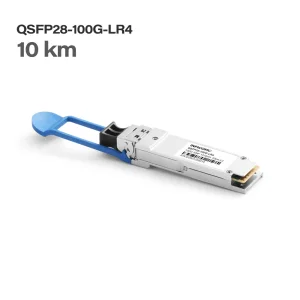
| QSFP28 | 100GBASE-LR4 | LAN-WDM (1295-1309nm) | SMF | 10km | LAN-WDM DFB |
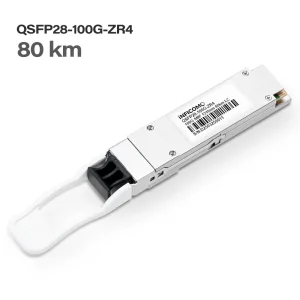
| QSFP28 | 100GBASE-ZR4 | 1310nm (4 Wavelengths) | SMF | 80km | EML + SOA |
Operating out of the global hardware center of Shenzhen, Guangdong, China, Shenzhen Soras Technology Co., Ltd. (established in 2021) has evolved into a premier high-performance manufacturer and exporter. With an active workforce and a dedicated R&D division, our factory generates an annual revenue of $5 Million to $10 Million, delivering customized telecommunication solutions to more than 60 countries across South America, North America, Europe, and Eastern Asia.
Our manufacturing processes comply with international standards, governed by ISO 9001 quality management guidelines. Our products carry UL, CE, FCC, and RoHS certifications, ensuring compliance with strict environmental regulations in target markets. To achieve low error rates and consistent output power, our cleanrooms are equipped with state-of-the-art automated manufacturing and testing platforms.

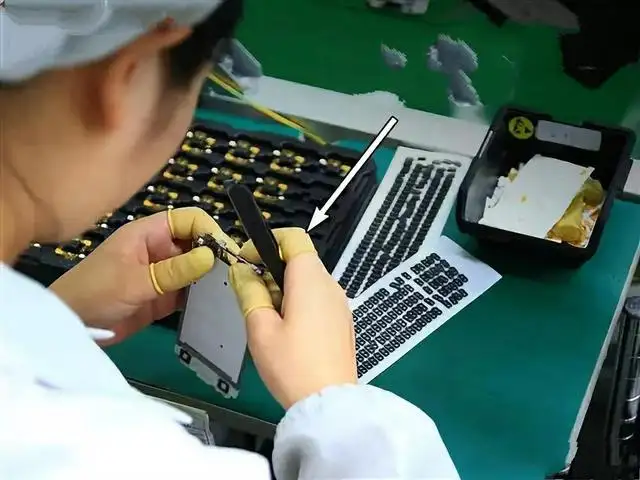


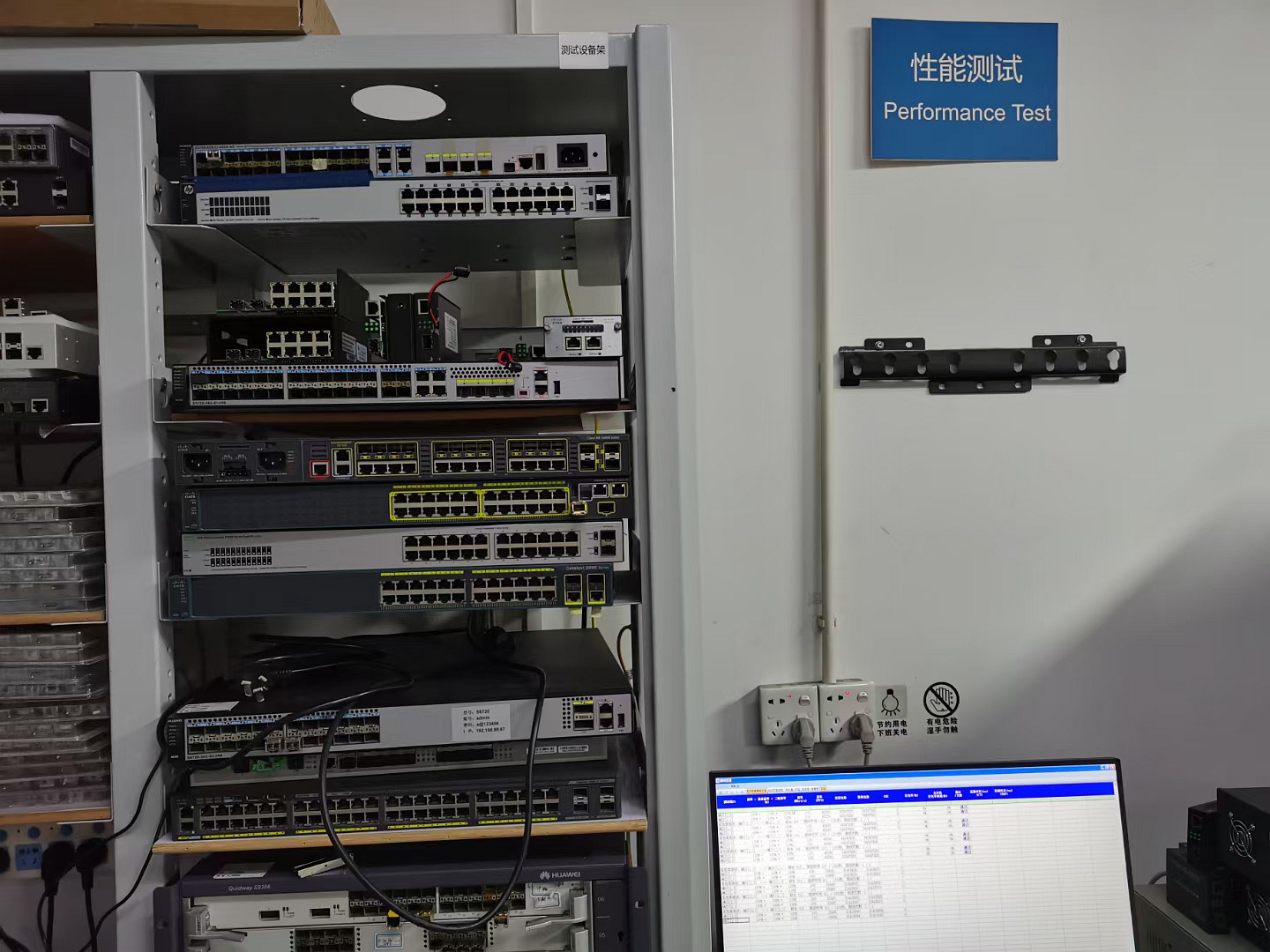
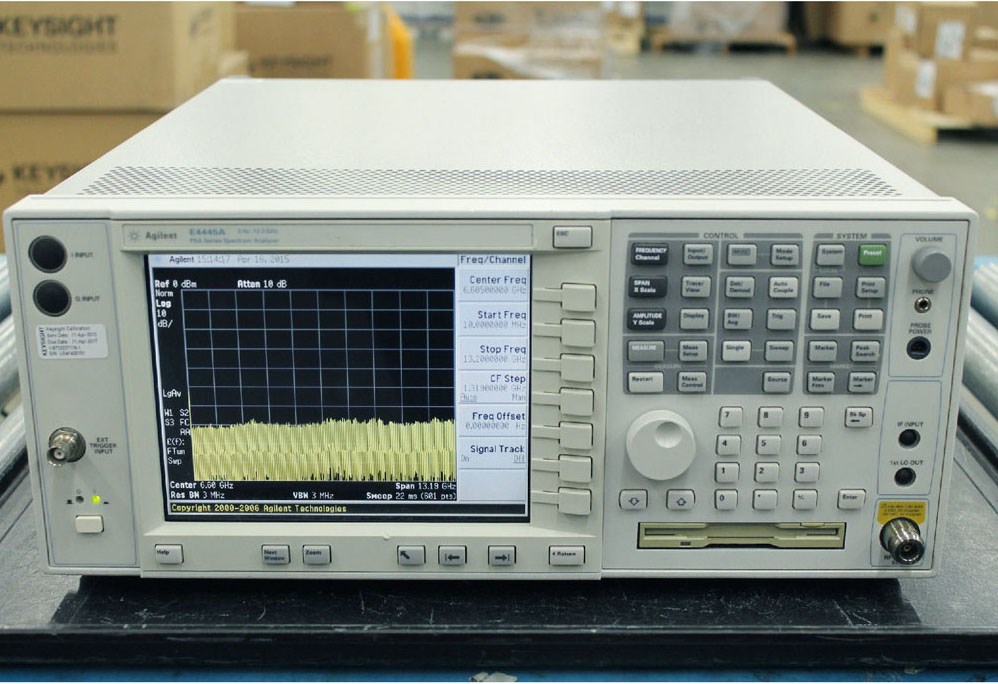
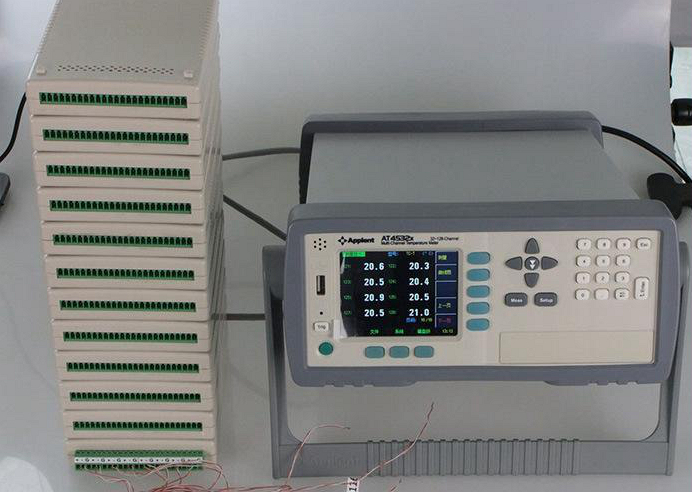
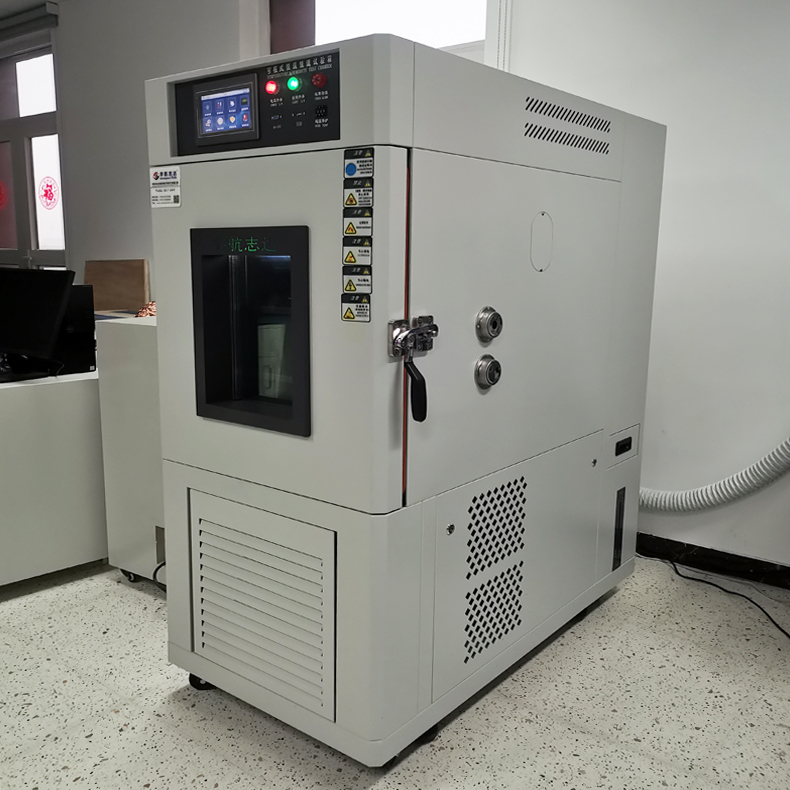
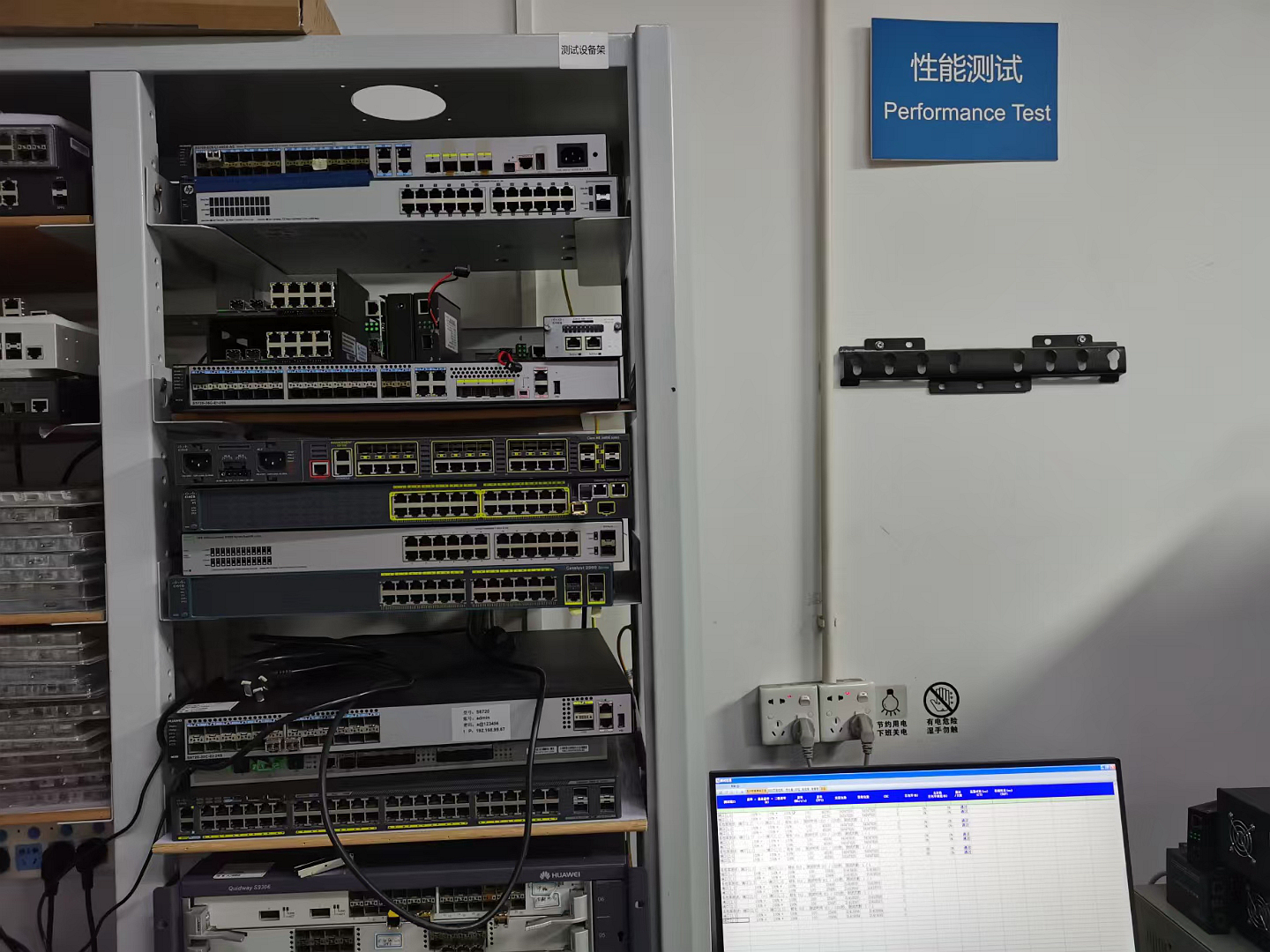
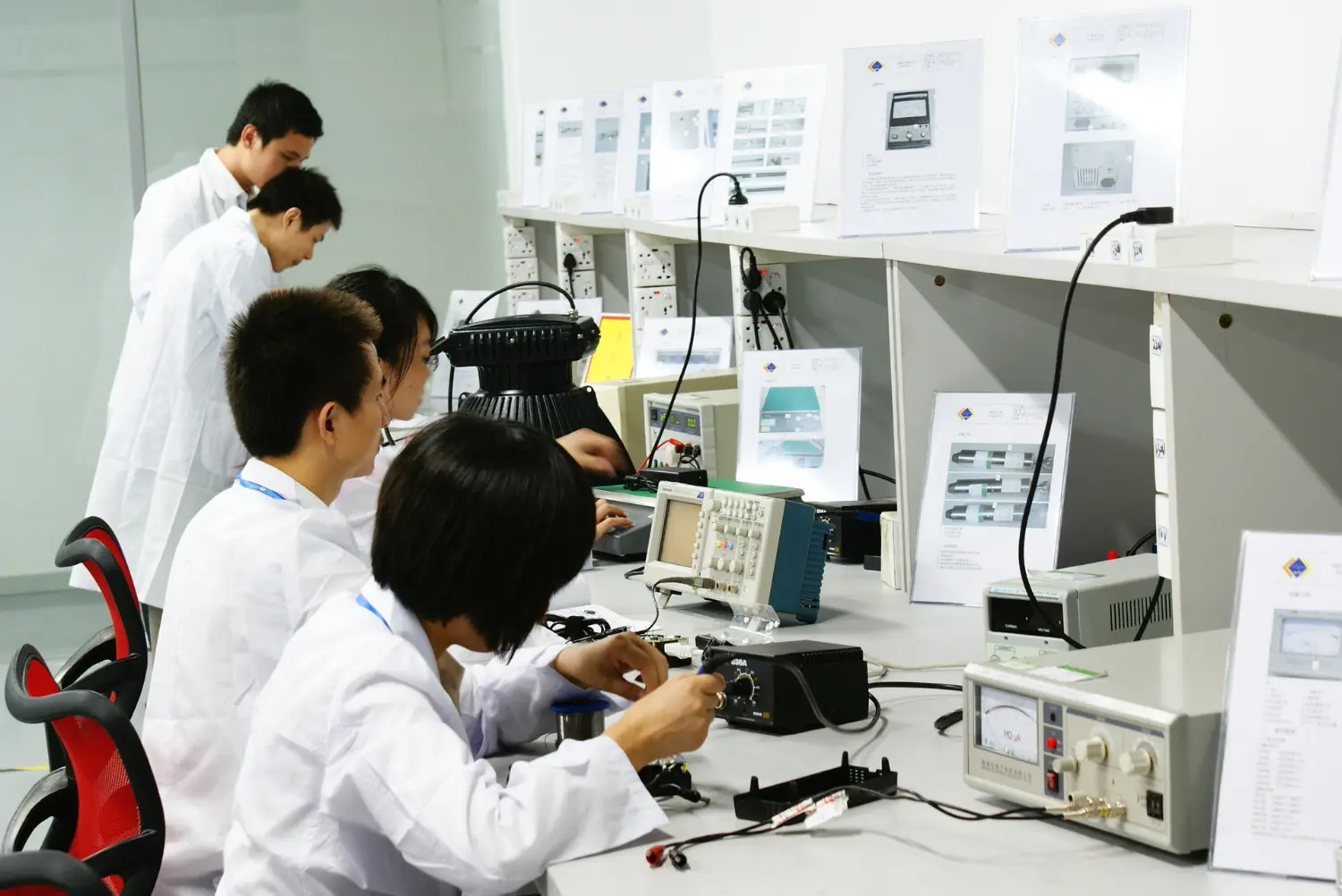
Every single module leaving our facility undergoes a strict testing sequence to guarantee compatibility and performance in real-world scenarios:
As an exporter targeting North America, Europe, and South America, Soras Technology understands that B2B buyers require localized support, custom branding, and compliance documentation.
We offer flexible OEM and ODM services. Whether you need custom EEPROM coding for specific host systems, unique labels, or custom packaging, our engineering team can execute specifications to order. We maintain stock of critical parts in our warehouse, allowing us to offer short lead times even during high market demand.
On the regulatory front, we supply comprehensive compliance documents. All shipments are accompanied by certificate papers for CE, FCC, RoHS, and UL. This guarantees clean customs clearance and enables trouble-free deployment in government, telecom, and corporate networks with strict procurement rules.
We write and patch transceiver firmware to match the host platform's command-line interfaces. This ensures your systems recognize the modules without generating "Non-OEM Transceiver Detected" errors, preserving your system warranty.
Leveraging partnerships with DHL, FedEx, and freight forwarders, we manage both air and sea shipping routes, providing reliable customs processing and doorstep delivery across the Americas, Europe, and Asia.
The network communications industry continues to move toward higher speeds. While 25G and 100G form the current backbone of enterprise and carrier networks, the migration to 400G and 800G is accelerating in hyperscale data centers. To support this growth, technologies are evolving along three primary vectors:
By packing more wavelengths onto a single fiber, networks increase density without deploying new cabling. Beyond CWDM4 and LAN-WDM, newer DWDM (Dense Wavelength Division Multiplexing) standards are moving down to the transceiver level, allowing long-distance, high-capacity runs over hundreds of kilometers.
Traditional optical transceivers rely on discrete components (lasers, modulators, detectors) assembled manually on a substrate. Silicon Photonics integrates these optical components onto a silicon chip. This reduces power consumption, minimizes thermal footprint, and lowers manufacturing costs at scale for 400G and 800G modules.
As electrical lane speeds surpass 112 Gbps, the electrical path between the switch ASIC and the optical transceiver faces high attenuation. Co-Packaged Optics (CPO) addresses this by mounting the optical engine directly onto the same substrate as the switch ASIC, reducing electrical path lengths and power dissipation.
Technical advice for engineering teams and procurement offices specifying optical solutions.
High-density optical modules engineered for high-performance enterprise backbone networks.
 Soras Tech