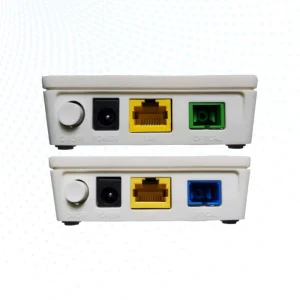
Explore our industrial-grade transceivers, media converters, drop cables, and termination tools engineered for reliable high-speed optical infrastructures.
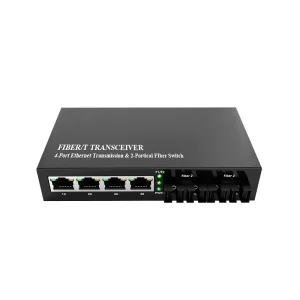
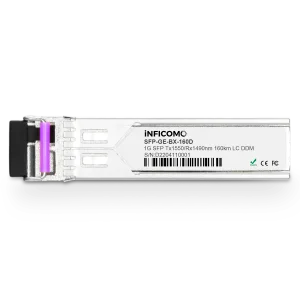
As the digital world enters the era of ultra-broadband, the demand for reliable optical access networks has reached unprecedented heights. Optical Line Terminals (OLTs) serve as the absolute core of Passive Optical Networks (PON), acting as the central office endpoint that aggregates signals from optical network units (ONUs) distributed across households, commercial offices, and industrial hubs.
GPON (Gigabit Passive Optical Network) and EPON (Ethernet Passive Optical Network) technologies represent the bedrock of the FTTx (Fiber-to-the-x) revolution. GPON, defined by ITU-T G.984 standards, offers a downstream speed of 2.488 Gbps and an upstream speed of 1.244 Gbps, utilizing a highly efficient GEM (GPON Encapsulation Method) that translates to optimal bandwidth allocation and multi-service transmission (including voice, data, and video). On the other hand, EPON, standardized under IEEE 802.3ah, delivers a symmetrical 1.25 Gbps bandwidth, offering simple IP-native configurations that significantly reduce capital and operational expenditures (CAPEX/OPEX) for operators targeting high-density residential areas.
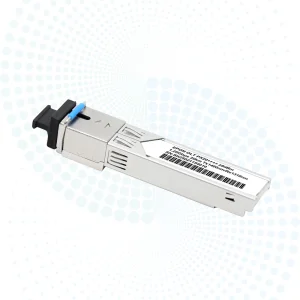
Across North America, South America, and Europe, regional internet service providers (ISPs) are optimizing their fiber architectures to transition seamlessly from legacy copper connections to Gigabit-capable active and passive networks. Leveraging specialized transceiver modules such as SFP Class C+ and C++ optics, modern GPON OLT units can support split ratios of up to 1:128 over a 20km link, maximizing user reach and reducing the need for costly field infrastructure.
Understanding the design characteristics of Central Office optical equipment allows buyers to match network density with operational budgets.
By utilizing advanced Dynamic Bandwidth Allocation (DBA) algorithms, OLTs can dynamically distribute upstream bandwidth to ONUs according to real-time traffic demand, preventing network congestion and maintaining solid Quality of Service (QoS) guarantees.
Operating at the center of the world's electronics supply chain, Shenzhen Soras Technology Co., Ltd. (branded as Soraslink) has spent over a decade establishing state-of-the-art production infrastructures. Established in 2021 as a centralized manufacturing entity with an annual revenue of USD 5 Million to 10 Million, we integrate high-level engineering and strict raw material selection.
To ensure our fiber optic transceivers, OLTs, SFP modules, and media converters can operate flawlessly in harsh environments, our facility is equipped with automated Surface Mount Technology (SMT) lines, high-precision assembly lanes, and cleanrooms. Every step of our manufacturing workflow is governed by the ISO 9001 quality management framework.
Whether it is ensuring the perfect optical coupling on a 25GBASE-ER SMF transceiver or tuning the radio frequency parameters of dual-band WiFi GPON ONUs, our engineering and R&D divisions verify all devices against CE, FCC, RoHS, and UL standards. By maintaining this depth of quality control, we lower RMA rates for our worldwide customers to less than 0.1%.
| Shenzhen Soras Technology Co., Ltd. - Specifications | |
|---|---|
| Business Model | OEM & ODM Manufacturer, Global Exporter |
| HQ Location | Guangdong, China (Shenzhen Hub) |
| Key Standards Compliance | ISO 9001, UL, CE, FCC, RoHS |
| Product Categories | FTTx OLTs & ONUs, SFP Modules, POE Switches, Media Converters |
| Primary Markets | South America, North America, Europe, East Asia, Domestic |
| Custom Services | Firmware customization, OEM labeling, customized wavelengths |
From rural fiber expansion to multi-tenant business buildings and smart municipal safety webs, explore how GPON/EPON technology acts as the infrastructure backbone.
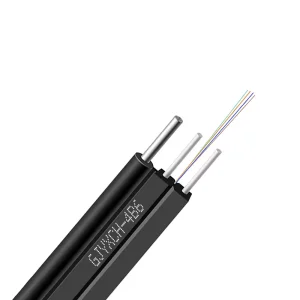
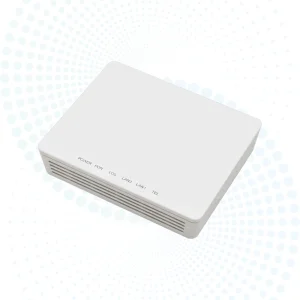
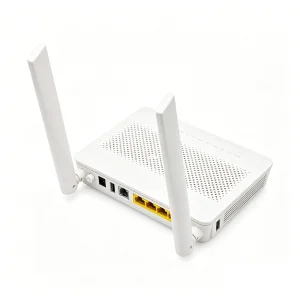
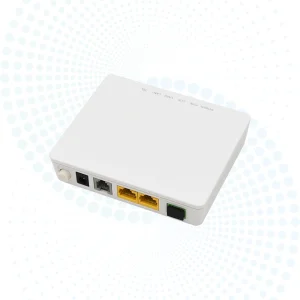
In suburban and metropolitan residential rollouts, GPON OLT units connect over passive optical splitters to terminal modems, such as our *EG8145V5 dual-band WiFi GPON ONU*. This enables operators to deliver triple-play packages (Gigabit IPTV, VoIP, and high-speed internet) over a single strand of outdoor GJYXCH drop cable, offering resilient customer connections.
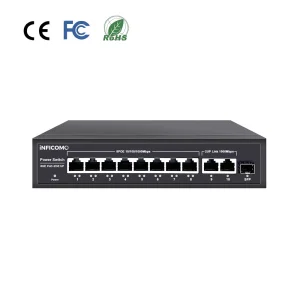
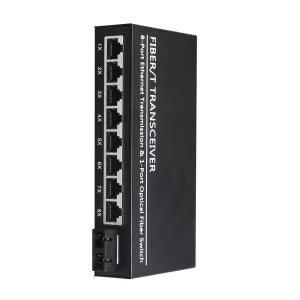
Modern surveillance systems require reliable transmission of high-definition video feeds. By combining EPON/GPON OLT structures with active PoE switches (like our *Gigabit 8-Port PoE Switch*) and fiber media converters, cities can deploy IP cameras at long distances (up to 120km) without experiencing latency spikes or signal degradation caused by electromagnetic interference.
Large office complexes and campus environments are replacing copper-heavy localized area networks with Fiber-to-the-Office (FTTO) setups. Using compact, rack-mounted GPON OLTs connected to XPON ONU stick transceivers inside routers, corporate IT teams can build highly secure, low-latency private networks with simplified administration and reduced power footprints.
As video streaming, cloud computing, and IoT deployments expand, network operators are facing the limits of legacy GPON and EPON standards. The industry is currently in a major upgrade cycle transitioning toward XG-PON (10G/2.5G) and XGS-PON (10G/10G symmetrical) technologies.
This evolution is built to run on existing Optical Distribution Networks (ODN). By using Wavelength Division Multiplexing (WDM) co-existence elements, operators can layer 10G signals on the same physical fiber path without disrupting users on legacy 2.488G/1.24Gbps wavelengths. Upstream signals are shifted to 1270nm and downstream to 1577nm, avoiding the standard GPON wavelengths of 1310nm and 1490nm.
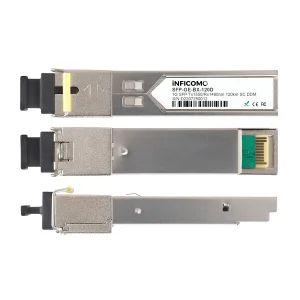
For procurement managers, choosing flexible hardware that supports dual-mode operation (GPON/EPON auto-negotiation) or purchasing transceivers like our *High-Efficiency XGSPON SFP+ ONU Stick* provides future-proof security, allowing operators to scale up to higher-bandwidth packages without replacing their entire terminal setup.
Acquiring high-volume networking equipment from international factories requires balancing technical compatibility, shipping logistics, and long-term hardware reliability. When purchasing GPON/EPON OLT units, consider the following parameters:
Complete your broadband architecture with our high-power optical modules, multi-port switches, and FTTH subscriber devices.
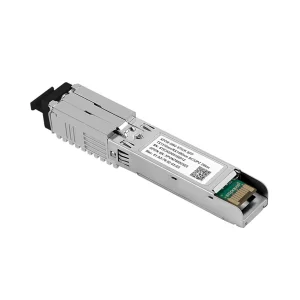
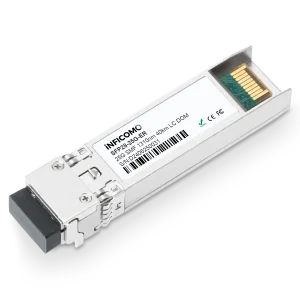
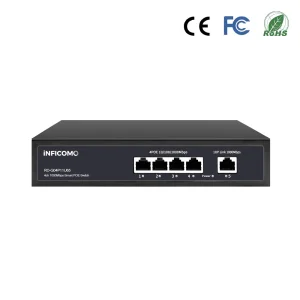
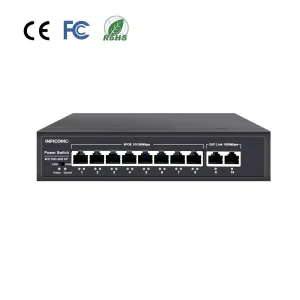
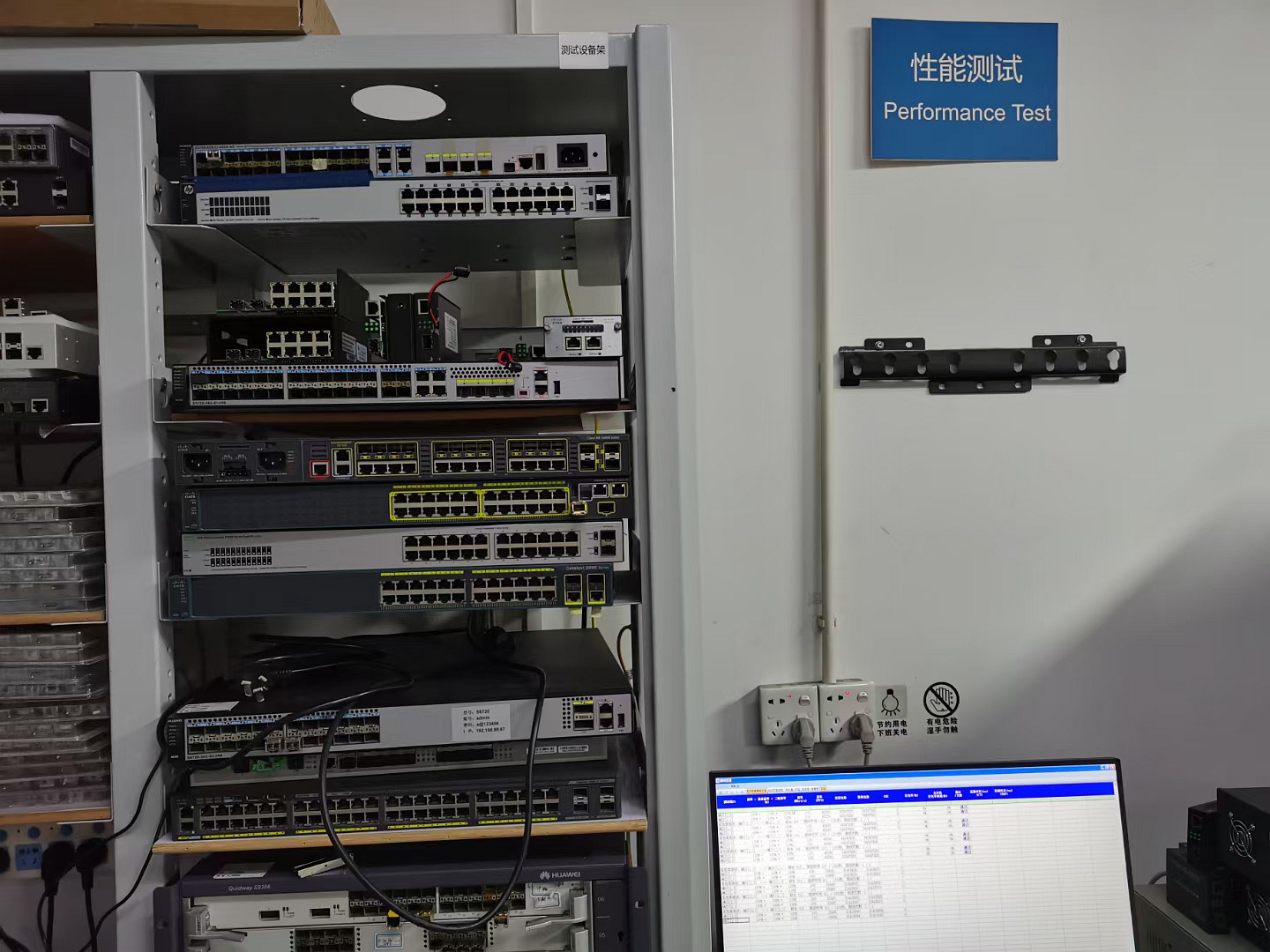
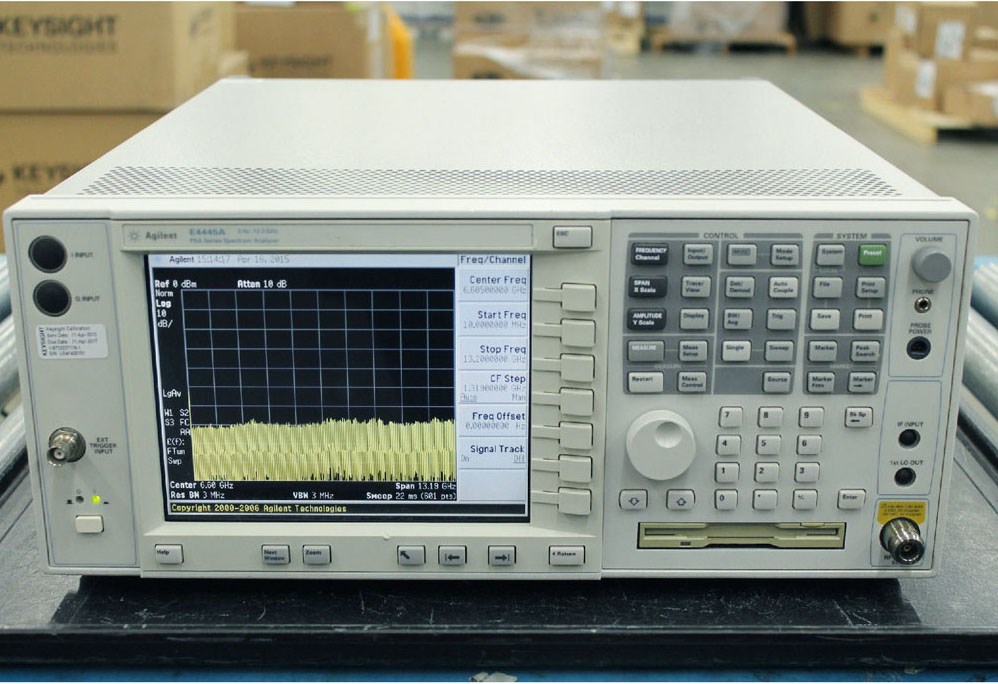
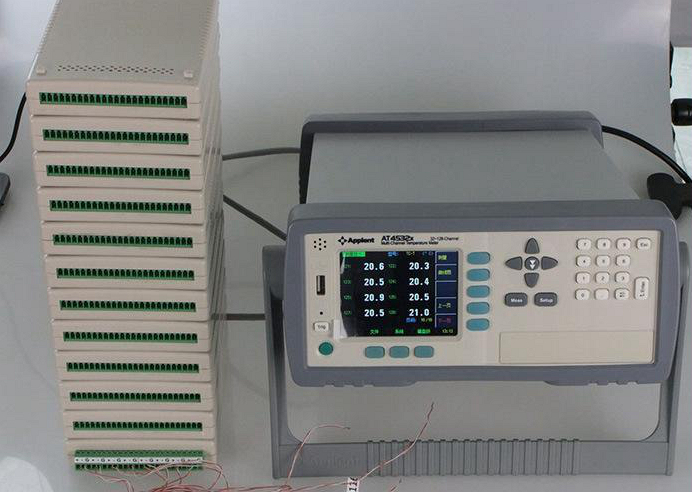
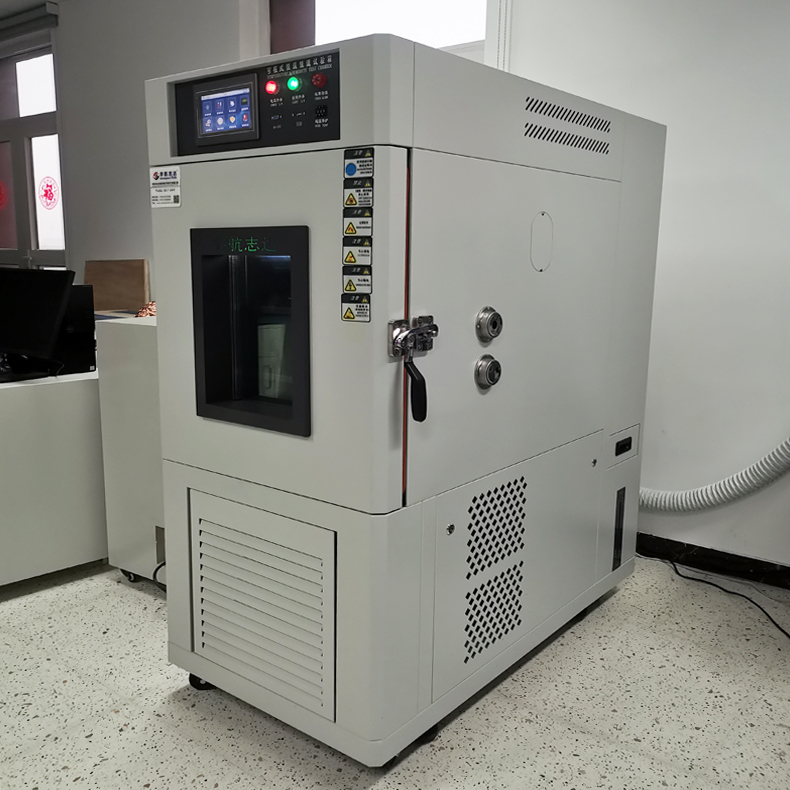
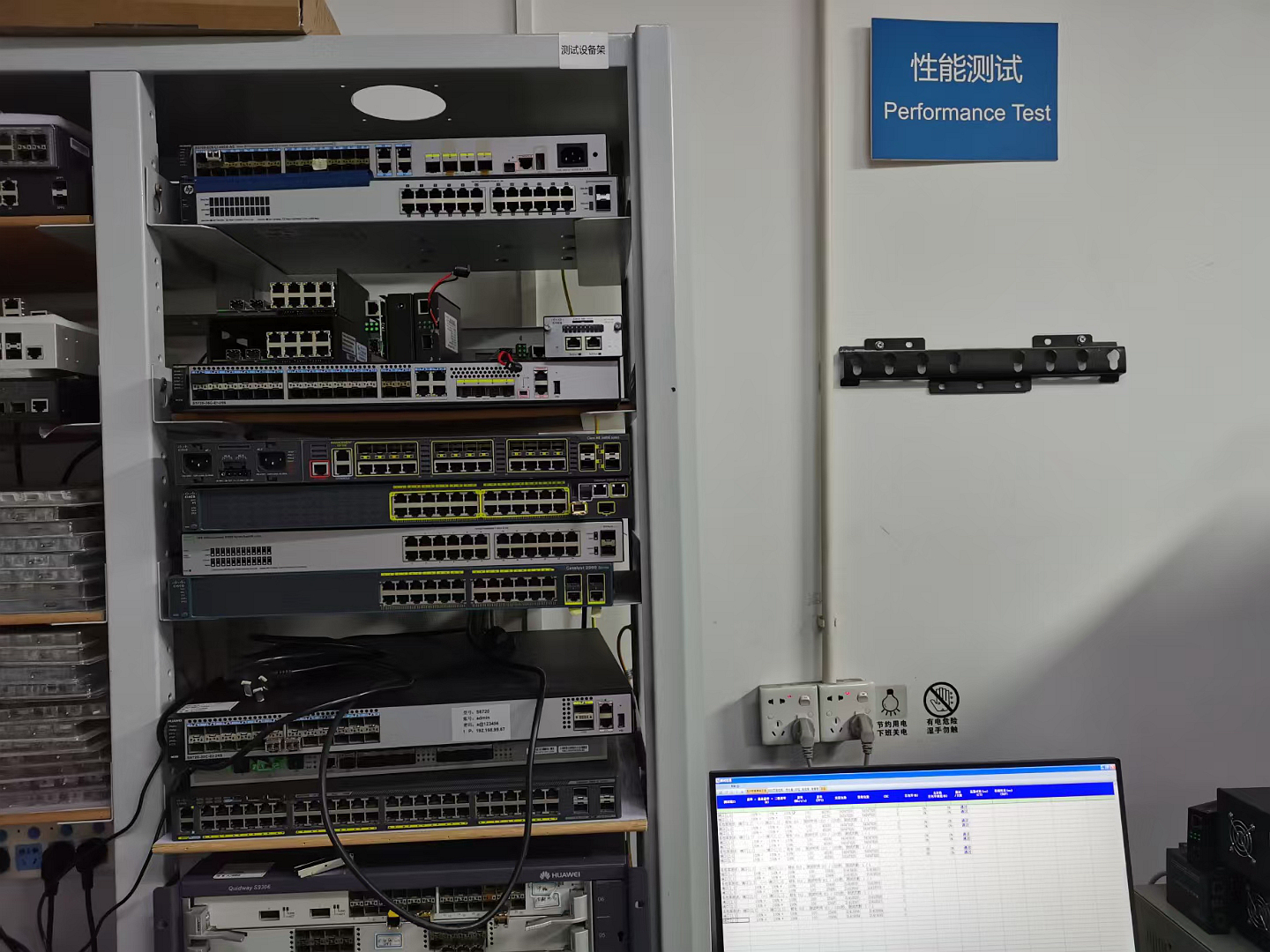
A visual walkthrough of our advanced optical assembly, automated testing chambers, and calibration processes inside our Shenzhen factory.




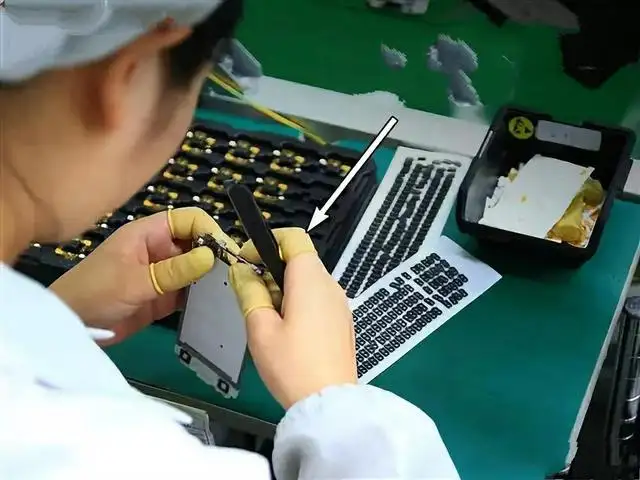



Get answers to common technical queries, deployment configurations, and global sourcing inquiries regarding optical line terminals.
 Soras Tech