Engineered for seamless integration, critical network reliability, and scalable fiber distribution architecture.
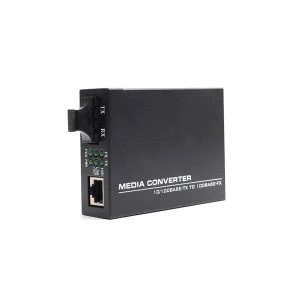
In modern telecommunications environments and enterprise data centers, transitioning signals between copper-based Ethernet networks and fiber-optic backbones is a fundamental requirement. Single-channel media converters are highly effective for decentralized endpoints. However, when scaled across central offices, campus aggregation nodes, or major enterprise hubs, individual power supplies and loose hardware modules create significant cable management challenges and increase points of failure.
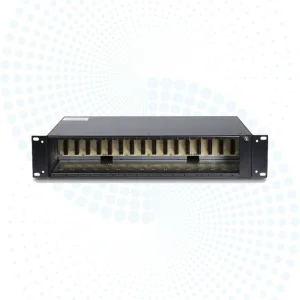
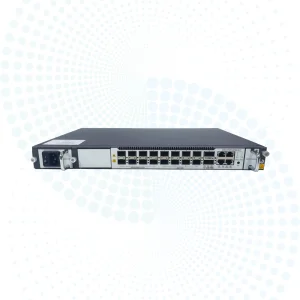
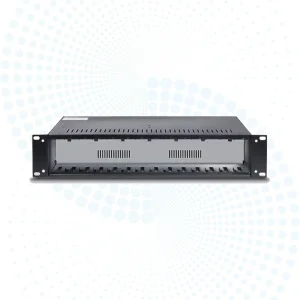
A Rack Mount Fiber Media Converter Chassis solves these spatial and electrical inefficiencies. By housing multiple media converter cards in a single, standard 19-inch 2U rack-mounted enclosure (typically configuration designs featuring 14 or 16 independent slots), networks transition from chaotic point-to-point hardware arrays to structured, modular patch centers.
Soras Technology manufactures two primary classes of rack-mount chassis built for high reliability:
The longevity of passive and active network hardware in high-density environments depends heavily on material selection and internal electrical design. Soras Technology rack-mount enclosures are built with cold-rolled steel (SPCC) coated with an anti-static, anti-corrosive finish. This provides structural rigidity and serves as an electromagnetic shield against radio frequency interference (RFI) and EMI.
Electrically, the chassis utilizes an integrated circuit motherboard backplane. Instead of using internal wiring harnesses that restrict airflow and can fail over time, our systems employ a multi-layer PCB backplane. This layout distributes power evenly to all 14 or 16 slots with minimal voltage drop. High-quality solid capacitors filter out ripple noise and power spikes, protecting sensitive optical receivers on the media converter cards.
| Feature Parameter | 14-Slot Chassis Specifications | 16-Slot Card-Type Chassis |
|---|---|---|
| Physical Form Factor | Standard 19-inch 2U Rack Mount | Standard 19-inch 2U Rack Mount |
| Supported Converters | Standalone Units (10/100M, 1000M) | Modular Card Cards (Plug-in design) |
| Power Supply Configurations | Dual AC 85~265V or DC -48V options | Dual AC 85~265V or DC -48V options |
| Power Output Per Slot | DC 5V, Max 1A per channel | DC 5V, Max 1A per channel |
| Cooling Mechanism | Dual 80mm High-Speed Fans | Dual 80mm High-Speed Fans |
| Operating Temperature | -10°C to +55°C (Extended range available) | -20°C to +65°C |
| Mean Time Between Failures | > 65,000 Hours | > 80,000 Hours |
For procurement officers, network architects, and global IT hardware buyers, choosing infrastructure components goes beyond checking basic specifications. Procurement decisions require balancing initial capital expenditure (CAPEX) with long-term operational costs (OPEX), system compatibility, and supply chain security.
Investing in carrier-grade rack-mount chassis optimizes the Total Cost of Ownership (TCO) in several ways:
Fiber media converter chassis are key building blocks across a range of high-performance network designs:
In Fiber-to-the-Home (FTTH) and municipal networks, central offices must aggregate thousands of subscriber optical lines and route them into core Ethernet switches. Using 16-slot chassis populated with GPON/EPON modules or Gigabit ethernet-to-fiber converters allows service providers to manage these connections in a compact footprint, simplifying physical routing and maintenance.
Smart cities rely on high-definition IP cameras deployed across wide geographic areas, often exceeding the 100-meter limit of copper UTP cabling. Fiber-optic lines route these camera feeds back to central security offices. At the control center, multiple media converter chassis aggregate these incoming fiber lines, converting the optical signals back to copper for connection to network video recorders (NVRs) and core switches.
Industrial plants, substations, and manufacturing facilities generate substantial electromagnetic noise that can degrade signals on traditional copper cabling. Fiber-optic connections provide complete immunity to EMI. In these settings, wide-temperature rack chassis are installed in control rooms to aggregate optical connections from remote field machinery, keeping industrial networks stable and noise-free.
Years R&D Experience
Exporting Countries
Carrier-Grade Reliability
QC Inspected & Certified
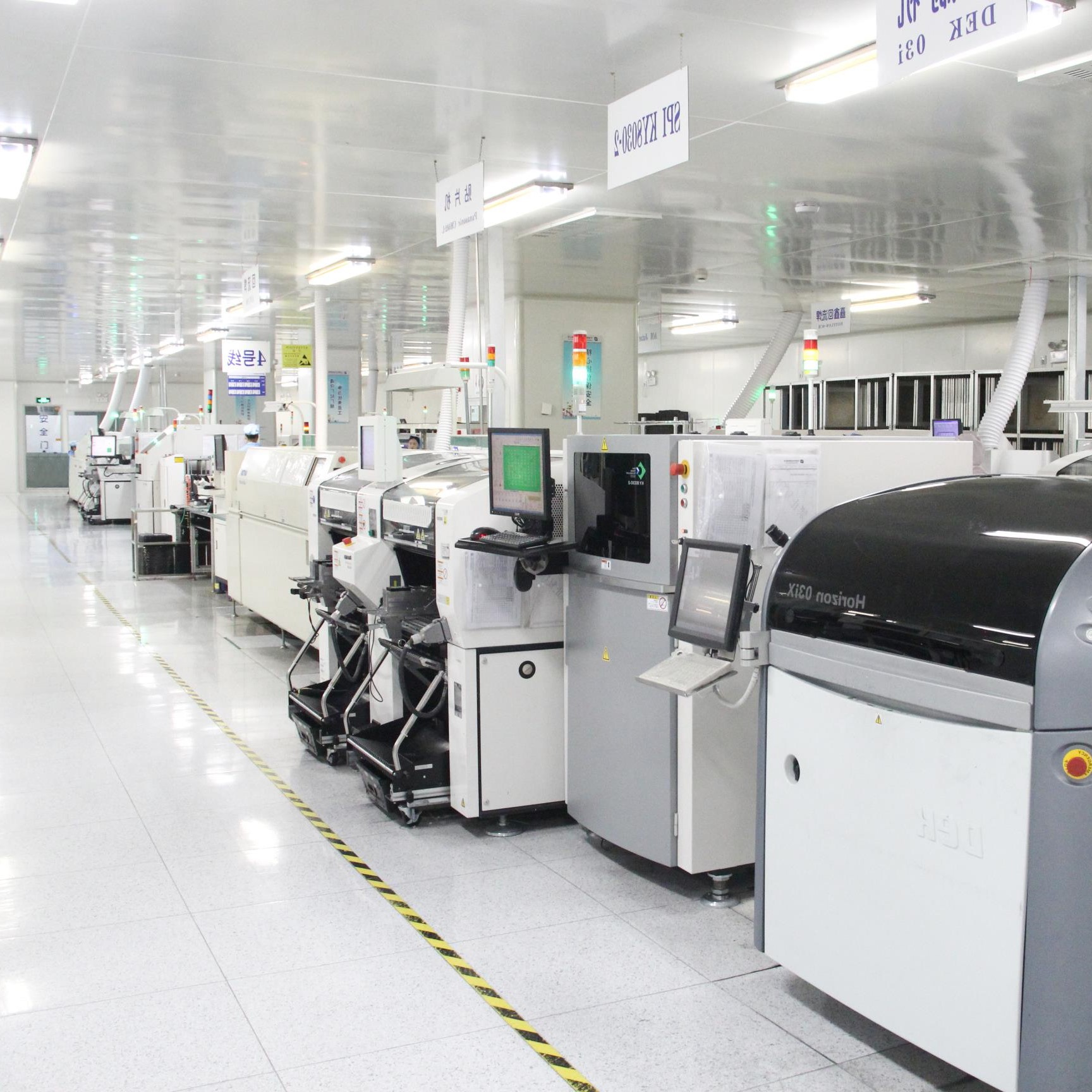
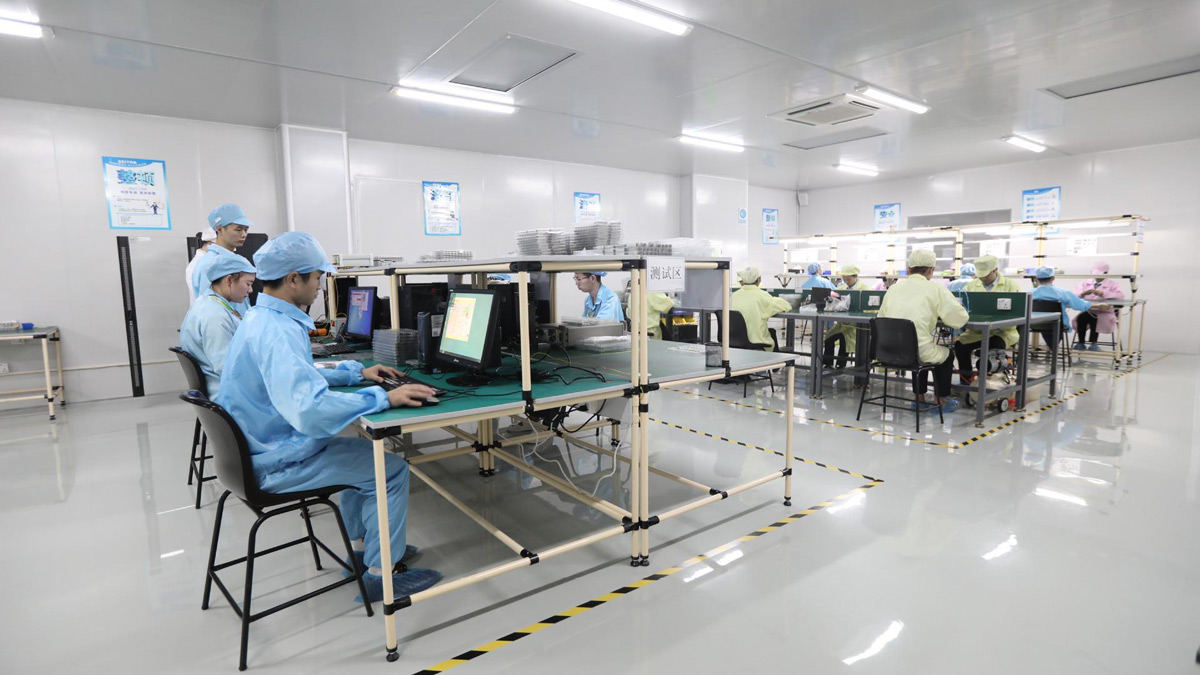
Soras Technology operates a modern manufacturing facility in Shenzhen, Guangdong, utilizing advanced automation and rigorous quality control protocols to produce reliable fiber optic equipment. Our manufacturing philosophy combines advanced machinery with strict, multi-stage testing to deliver high-performance hardware.
Our factory features automated Surface Mount Technology (SMT) lines that place high-speed chipsets and micro-components onto PCB backplanes with high precision. Automation minimizes human error and guarantees consistent soldering quality, reducing structural defects that can lead to early component failure.
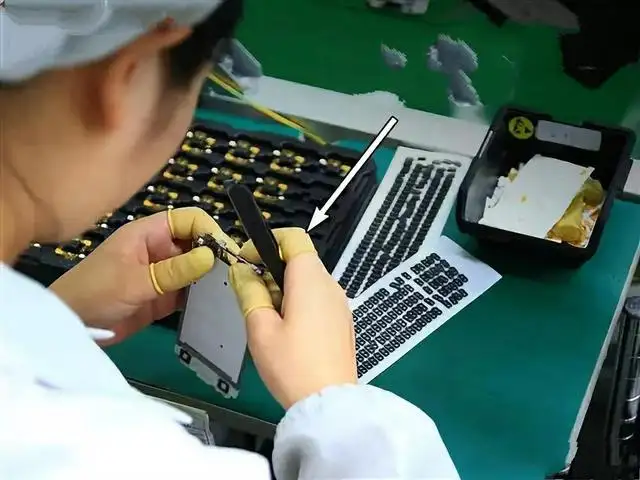
Every rack-mount chassis and media converter undergoes a comprehensive test workflow:
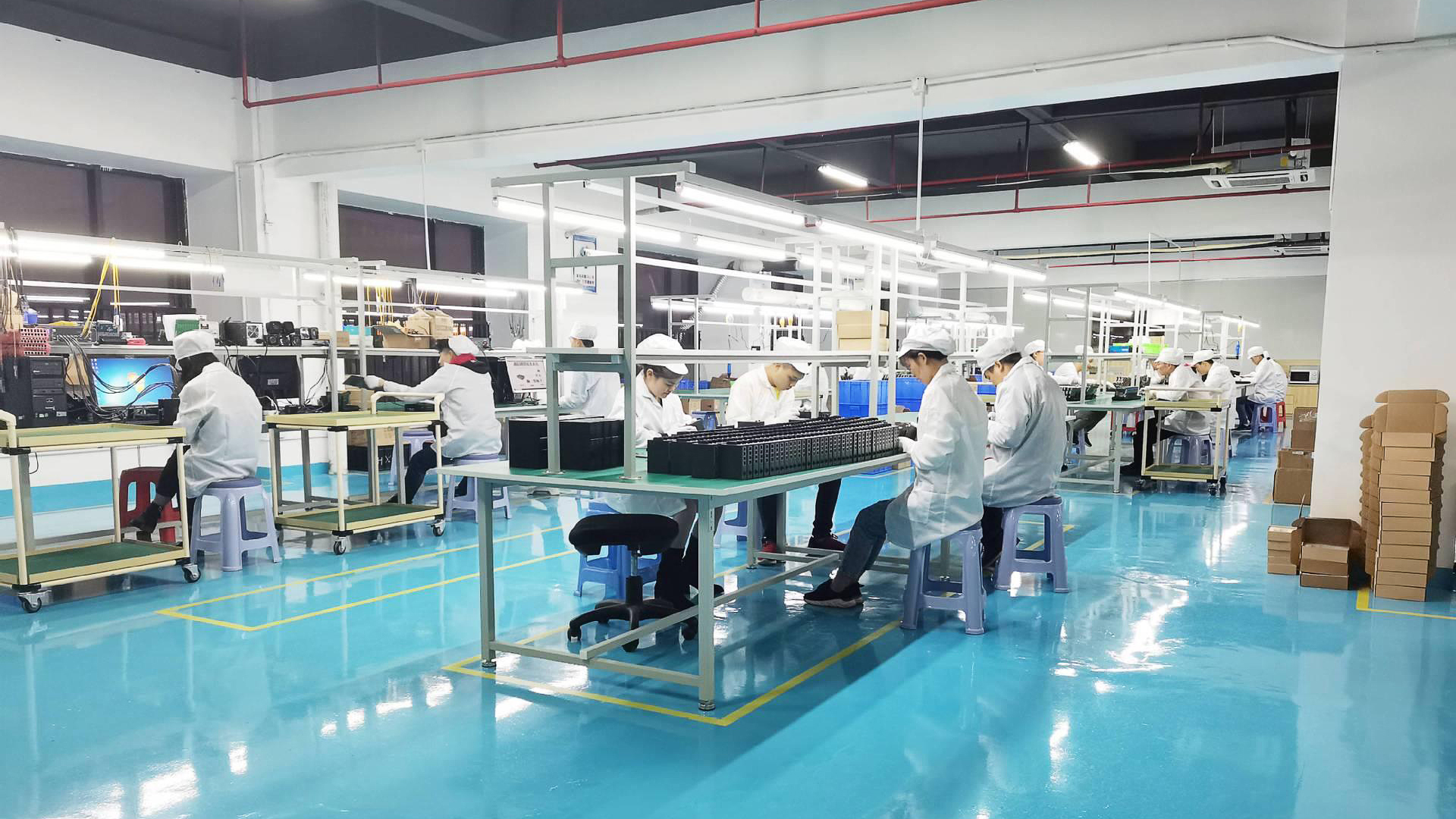
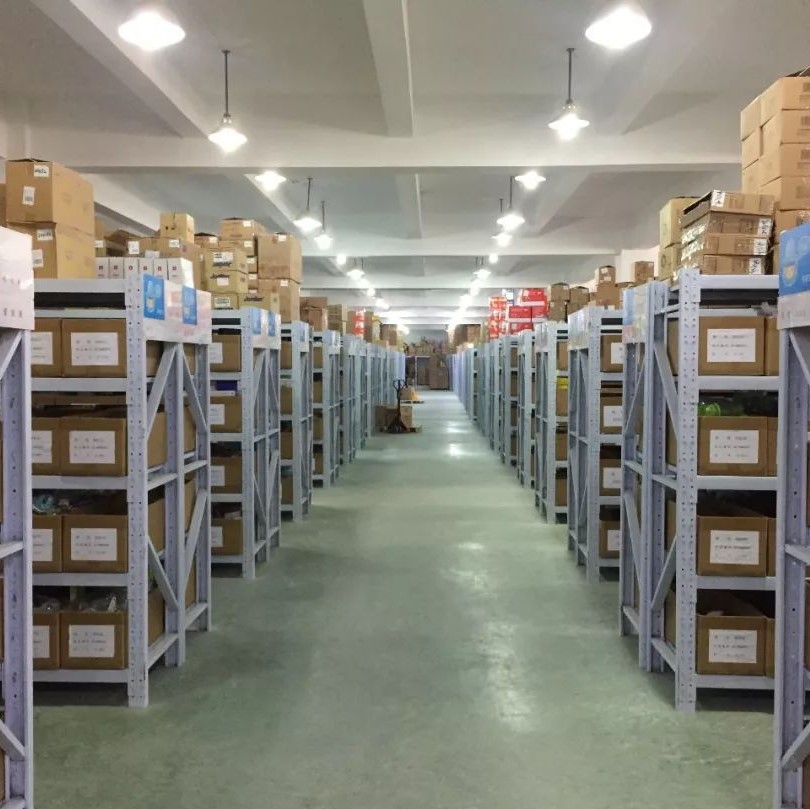
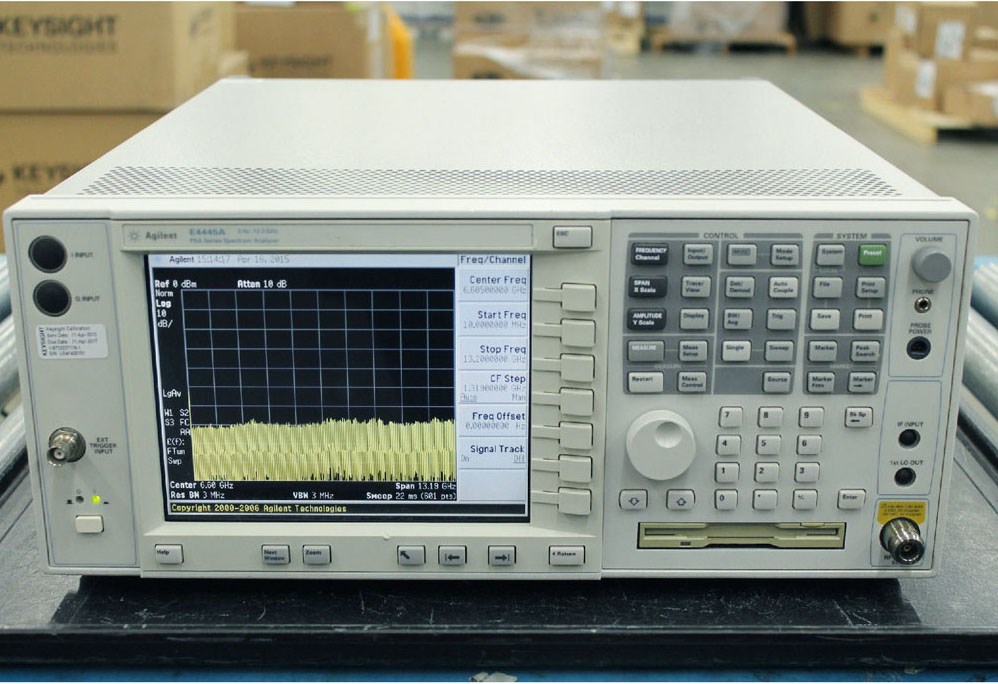
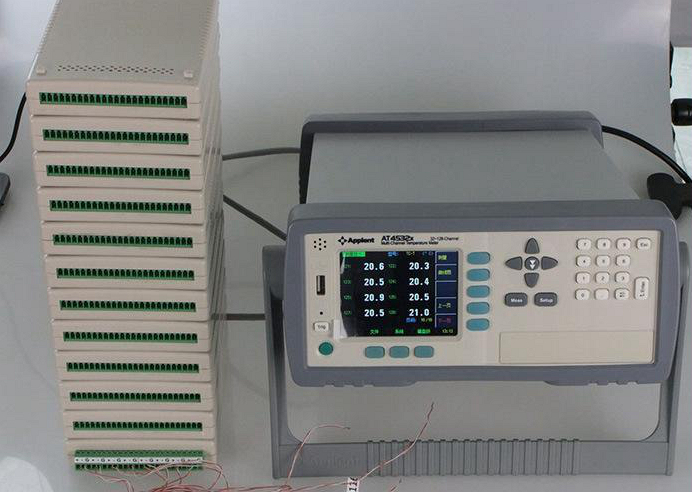
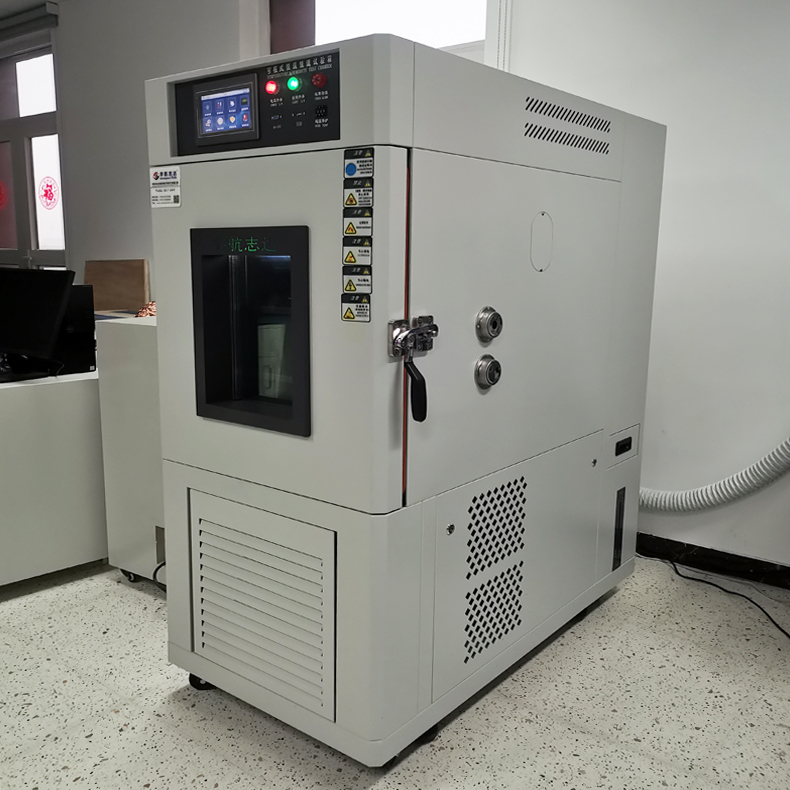
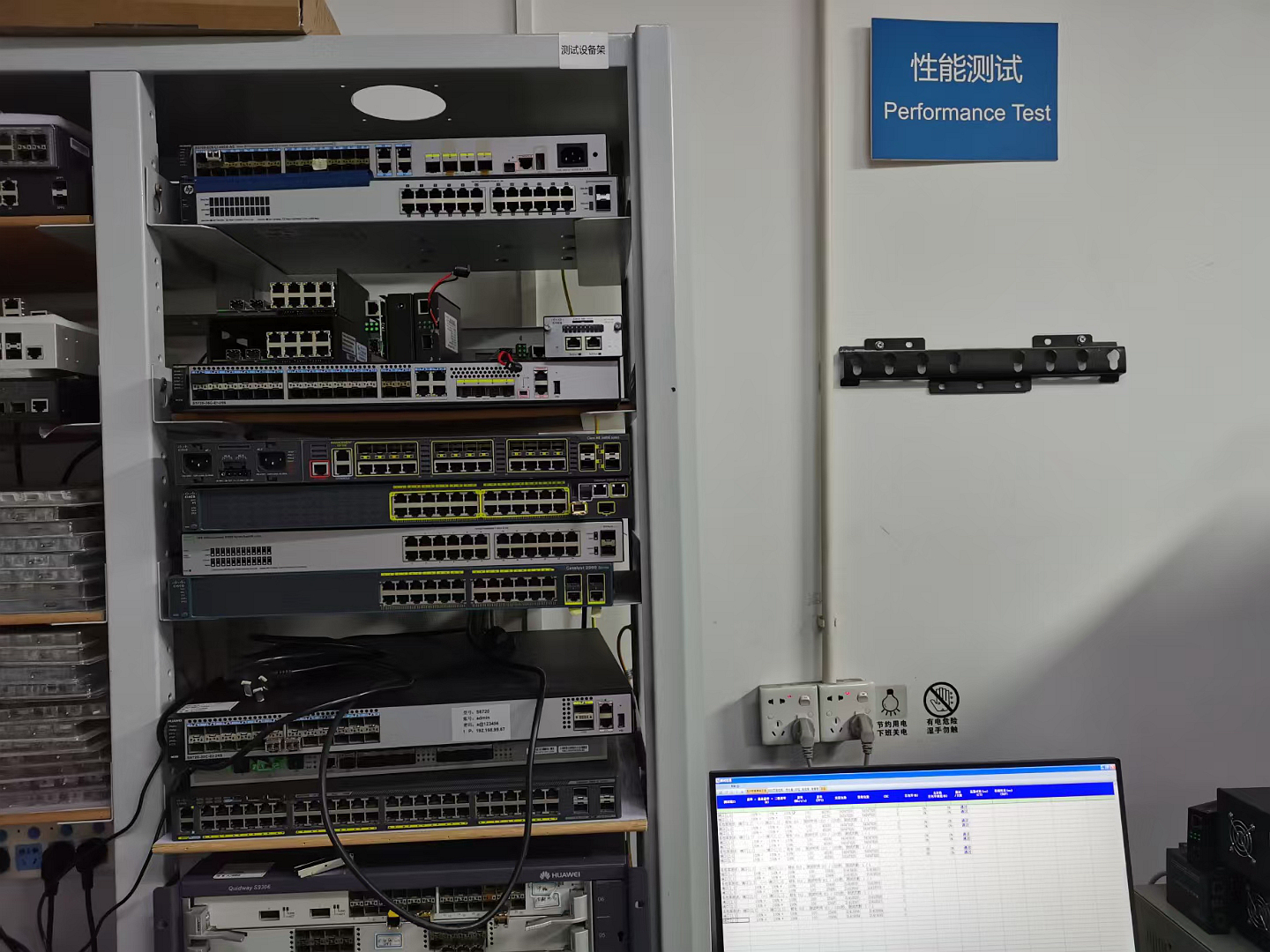
A transparent look at Shenzhen Soras Technology Co., Ltd.'s operations and global footprint.
Shenzhen Soras Technology Co., Ltd. is a specialized manufacturer of optical transmission and network equipment with over 10 years of industry experience. Through continuous technical refinement and high-quality management practices, we deliver cost-effective, reliable communication hardware to clients worldwide.
We partner with telecommunications providers, network integrators, and industrial enterprises in more than 60 countries across South America, North America, and Europe. Our engineering teams specialize in customizing hardware to meet client requirements, supporting both OEM and ODM configurations.
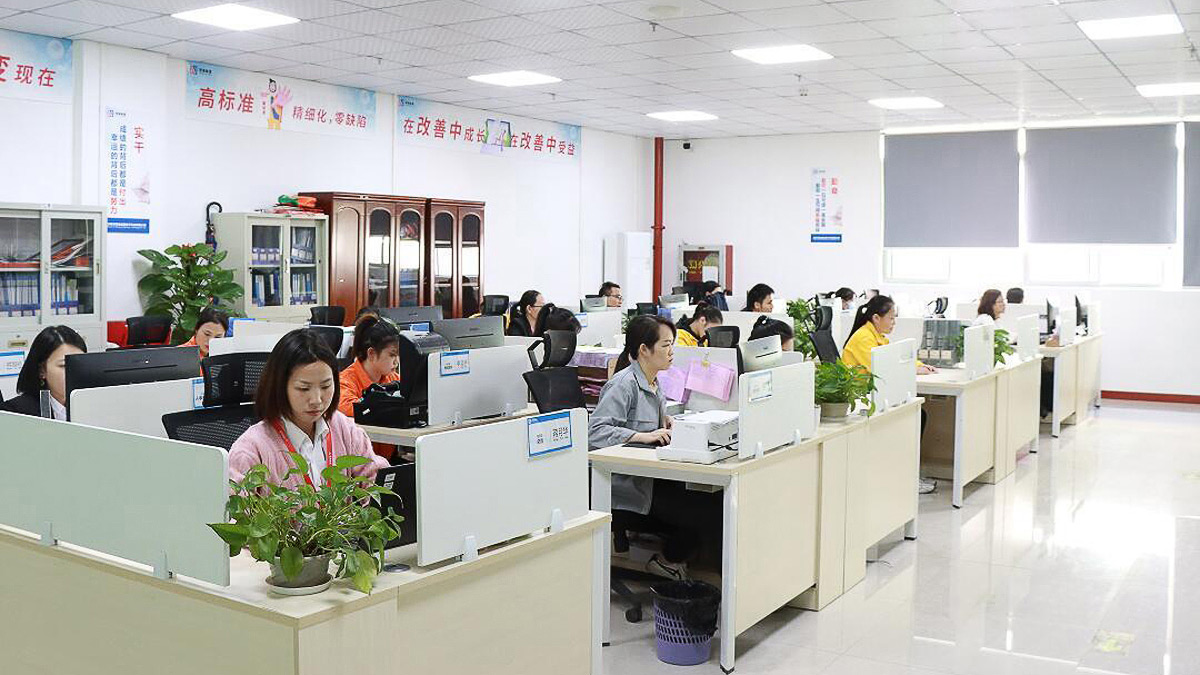
| Business Type | Manufacturer / OEM / ODM |
| Headquarters | Guangdong, China |
| Core Offerings | FTTH ONU & OLT, SFP Transceiver Modules, Fiber Media Converters, PoE Switches, Passive Optical Splitters |
| Team Size | 11 - 50 Experienced Personnel |
| Annual Revenue | US$5 Million - US$10 Million |
| Year Established | 2021 |
| Key Markets | Domestic (24%), North America (15%), East Asia (15%), Europe & South America |
| Quality Standards | ISO 9001, CE, FCC, RoHS, UL Compliant Design |
As networking demands transition from Gigabit Ethernet toward 10G, 40G, and 100G interfaces, media conversion systems must evolve. Modern cloud environments and high-frequency trading networks require sub-microsecond latency, making hardware-level optical translation critical.
Soras Technology's research roadmap focuses on three key areas of technological development:
Next-generation chassis systems will feature integrated management modules supporting SNMP (Simple Network Management Protocol) and OAM (Operations, Administration, and Maintenance) standards (IEEE 802.3ah). This allows network administrators to monitor slot status, optical power levels, transceiver temperatures, and link statuses remotely, reducing the need for on-site technicians.
Future chassis platforms are designed to host multi-protocol modules, accommodating PoE-injected copper cards, SFP+ 10Gbps transceivers, and standard RJ45 media converters in a single 2U enclosure. This flexibility enables hybrid fiber/copper networks to adapt as system speeds increase.
Energy efficiency remains a priority for modern data centers. Our ongoing R&D focuses on power supplies that adjust power output based on slot occupancy. Active cooling fans utilize pulse-width modulation (PWM) to adjust speeds dynamically in response to internal temperatures, reducing power consumption and wear.
Deploying critical network infrastructure requires a reliable support structure. Soras Technology offers comprehensive engineering support, hardware customization, and responsive supply chain logistics to back our hardware installations.
All Soras products comply with international regulatory standards, facilitating smooth import procedures and compliance for global deployments:
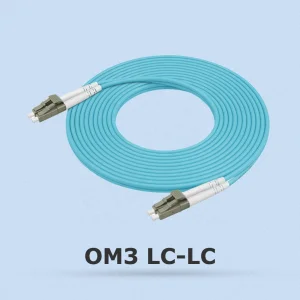
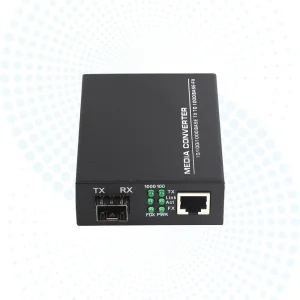
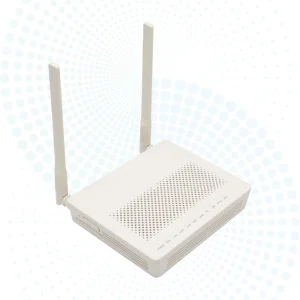
Explore our full line of compatible SFP modules, optical patch cords, and XPON terminal equipment designed for end-to-end reliability.
Answers to common technical and deployment questions regarding high-density media converter chassis.
 Soras Tech