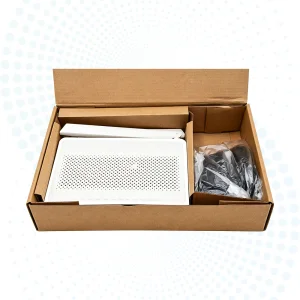
GPON ONT EG8145V5 4GE Dual Band WiFi 2.4G/5G Fiber ONU for Broadband
View Details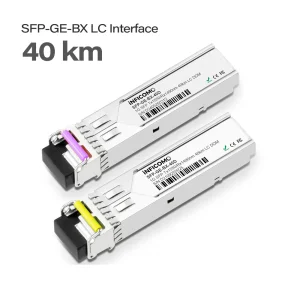
1.25G SFP BiDi LC 40km 1490/1550nm Fiber Optic Transceivers SFP Module
View Details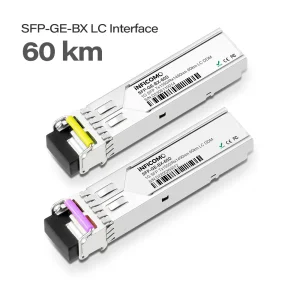
1.25G SFP BIDI 60km 1490nm/1550nm LC Single Mode Single Fiber Transceivers
View Details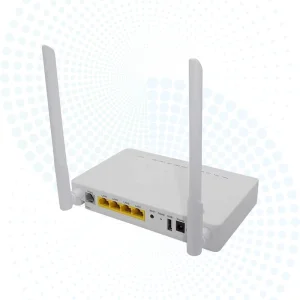
F660 V8 XPON ONU WiFi Fiber Modem 1GE 3FE 1POTS USB FTTH ONT Device
View Details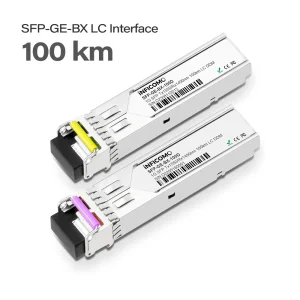
1.25Gb Bidi 1490/1550 nm 100km Single Mode Simplex LC SC Transceiver Module
View Details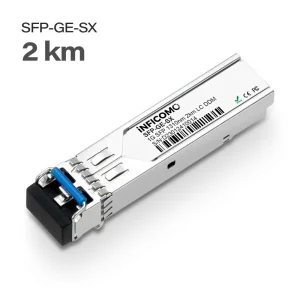
Small MOQ 1.25G Duplex 2km 1310nm 1000base-LX/LH 1G SFP Module
View Details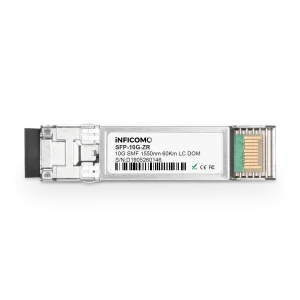
Low-power 10G SFP+ Module Duplex SM 1550nm 60km LC DDM SFP Transceiver
View Details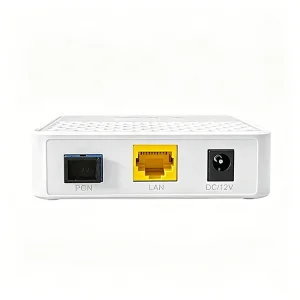
FTTH XPON ONT 1GE Mini Xpon Gpon Epon Fiber Optic Onu Modem Price
View DetailsBridging the gap between legacy Ethernet infrastructures and high-capacity fiber optic backbones.
As communication networks scale up to accommodate high-frequency data pipelines, corporate networks encounter a stark physical bottleneck. The typical copper Ethernet network is limited to a mere 100-meter range. Overcoming this requires fiber-optic infrastructure, which forms the core backbone of global telecommunications.
This is where a dedicated fiber media converter manufacturer plays an indispensable role. A Fiber Media Converter (FMC) is a compact, cost-effective device that transparently converts Ethernet signals into light beams, allowing network managers to extend their copper network distance up to 120km over single-mode fiber (SMF) cables.
By integrating customized, high-reliability media converters, network engineers can achieve zero-packet-loss, minimal latency, and robust electromagnetic interference (EMI) protection. From enterprise backbones to extreme industrial field sites, optical-copper conversion is the crucial component that keeps physical layer architectures united and operating optimally.
According to the Google Search Quality Rater Guidelines, true expertise in telecommunications demands proof of field tests and hardware verification. Shenzhen Soras Technology Co., Ltd. leverages over 10 years of R&D experience in structural layout, transceiver thermal dispersion, and optical alignment to produce devices certified under ISO 9001, CE, FCC, and RoHS standards.
Meeting the demands of modern cloud architectures, smart factories, and enterprise campuses.
Smart power distribution systems utilize fiber media converters to safely isolate network hardware from high-voltage substation switchgear, eliminating lightning surge risks and ground potential differentials.
As data centers transition to 10G and 100G internal speeds, media converters allow older copper-based server racks to communicate with modern multi-mode or single-mode optical core switches without costly retrofitting.
IP CCTV networks spanning multi-mile parameters utilize Power-over-Ethernet (PoE) fiber media converters to simultaneously transmit data over fiber and inject power into high-definition cameras on remote poles.
Engineered configurations developed by fiber media converter manufacturers for targeted operational situations.
In municipal deployments, telecom companies use media converters to convert local copper feeds to Single Fiber Bi-Directional (BiDi) signals. BiDi transceivers use Wavelength Division Multiplexing (WDM) to transmit and receive data on a single optical strand (e.g., using 1310nm for TX and 1550nm for RX). This effectively doubles the fiber capacity of existing underground conduits without laying down new physical cables.
Heavy manufacturing plants, refineries, and railway networks generate massive amounts of electromagnetic noise that degrades copper Ethernet signals. Fiber optic lines are completely immune to EMI and RFI. Industrial media converters, equipped with rugged metal chassis and extended temperature tolerances (-40°C to 75°C), guarantee error-free data transmission from industrial sensors back to the operations room.
For home broadband provisioning, ISPs deploy cost-effective ONU (Optical Network Unit) hardware in combination with media converters. Using GPON or EPON standard modems, optical fiber terminates in the residential gateway, which translates the connection to domestic Gigabit copper lines. This infrastructure layout supports triple-play services (VoIP, IPTV, and high-speed broadband) at a fraction of the cost of legacy installations.
Secure government installations choose fiber opticians primarily for network security. Since copper cables emit electromagnetic fields that can be intercepted, fiber cables—which confine light waves inside glass cores—offer a highly secure medium. Secure media converters with Link Fault Pass-Through (LFP) immediately shut down connections if a physical line break is detected, preventing unauthorized access or data leakage.
The evolutionary path of high-speed media conversion technology over the next decade.
Future enterprise loops will require media conversion systems that handle ultra-wide bandwidths. R&D centers are developing active optical converters capable of multiplexing multi-channel 100G signals over single-mode fibers for metro-aggregation layers.
Next-generation hardware features embedded microcontrollers that support OAM (Operations, Administration, and Maintenance) protocols under IEEE 802.3ah. This allows administrators to remotely monitor optical power, temperature, and line breaks.
To meet the power requirements of modern pan-tilt-zoom dome cameras, high-performance optical endpoints must supply up to 90W of power over standard copper patches, utilizing smart power allocation algorithms.
Why leading global telecom companies trust Shenzhen Soras Technology Co., Ltd. for OEM and ODM projects.
Shenzhen, China stands as the global hub for fiber optic communications manufacturing. Leveraging this geographic ecosystem, Soras Tech provides high-capacity, low-latency, and cost-effective optical networking solutions.
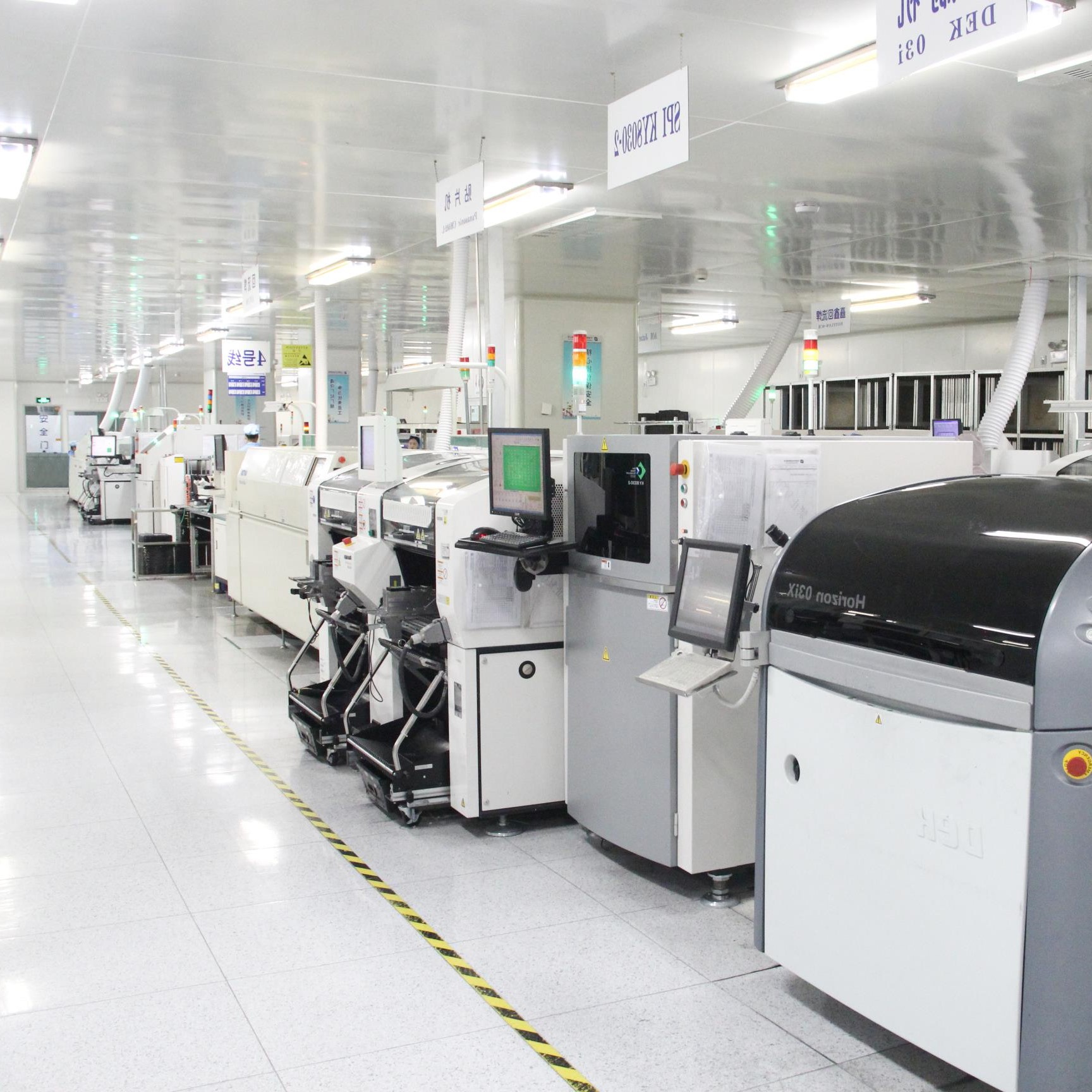
With a 10-year manufacturing heritage, we manage every step of production. Our facilities feature fully automated SMT (Surface Mount Technology) assembly lines, wave-soldering processes, and rigorous high-precision optical calibration units. By sourcing raw chipsets directly from leading semiconductor fabs and assembling locally, we maintain complete control over quality and cost, passing those savings directly to our global partners.
Our OEM/ODM services accommodate customized mechanical casing designs, firmware adjustments, and custom packaging. This approach ensures rapid, compliant product delivery to over 60 countries across South America, North America, and Europe.
| Shenzhen Soras Technology Factory Overview | |
|---|---|
| Business Type | Direct Manufacturer / OEM & ODM Solutions Provider |
| Country / Region | Guangdong, China (Global Telecom Supply Hub) |
| Main Products | FTTH ONU & OLT, SFP Transceivers, Fiber Media Converters, PoE Switches |
| Annual Revenue | US$5 Million - US$10 Million |
| Established Year | 2021 (R&D roots dating back 10+ years) |
| Target Markets | Domestic Market (24%), East Asia (15%), North America (15%), Europe (15%) |
| Certifications | ISO 9001, UL, CE, FCC, RoHS Compliant |
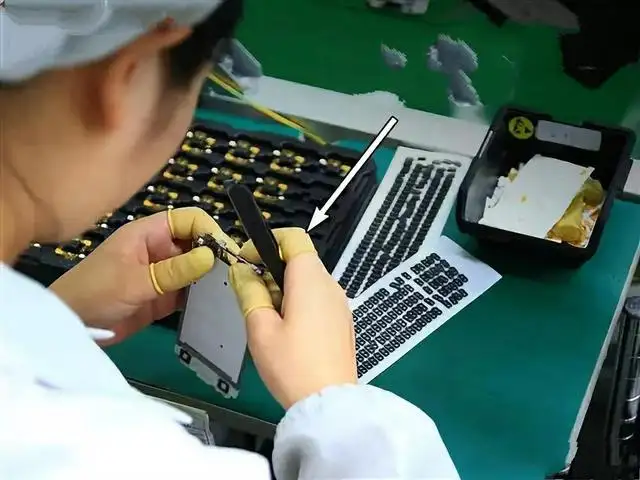
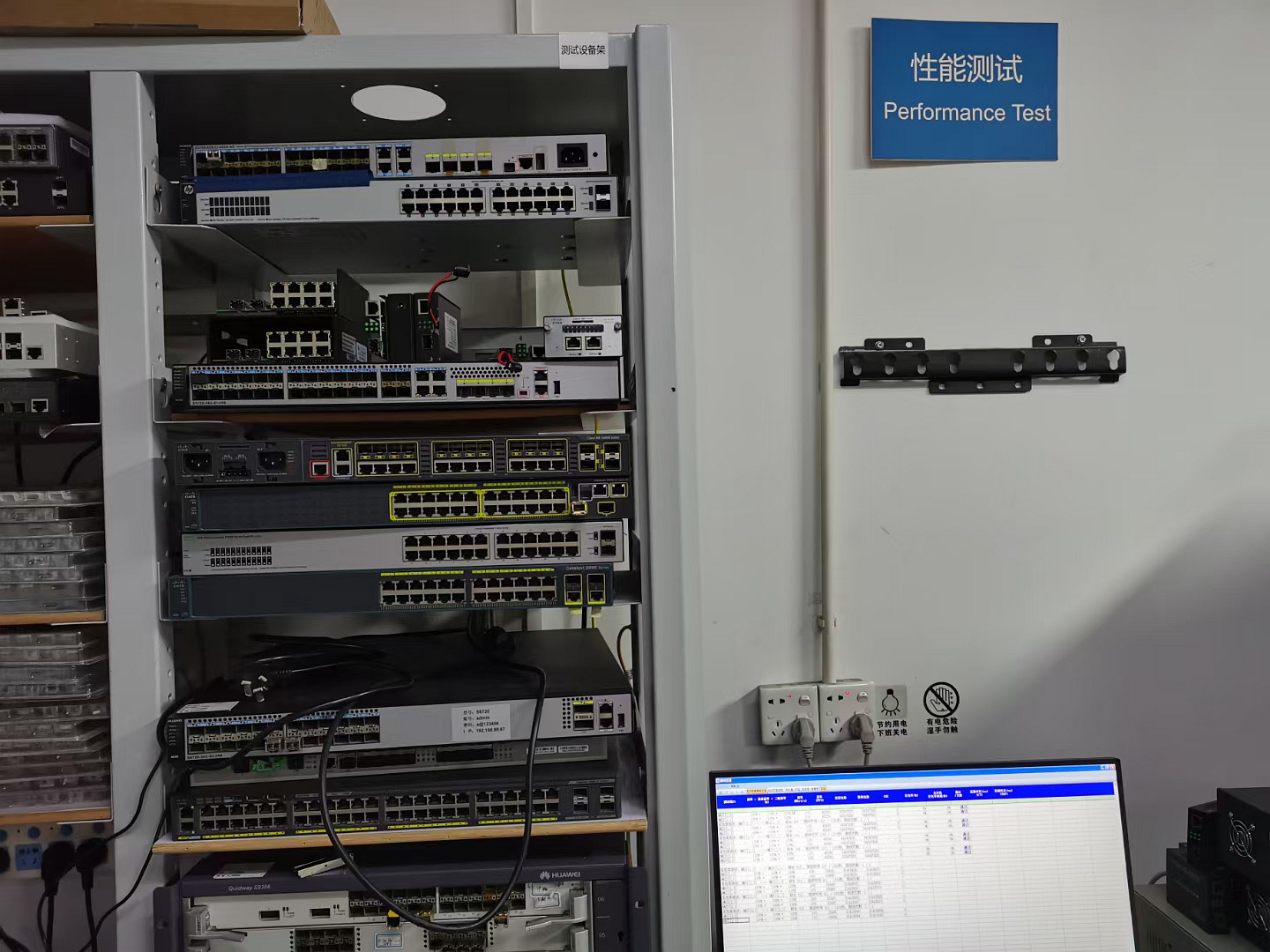
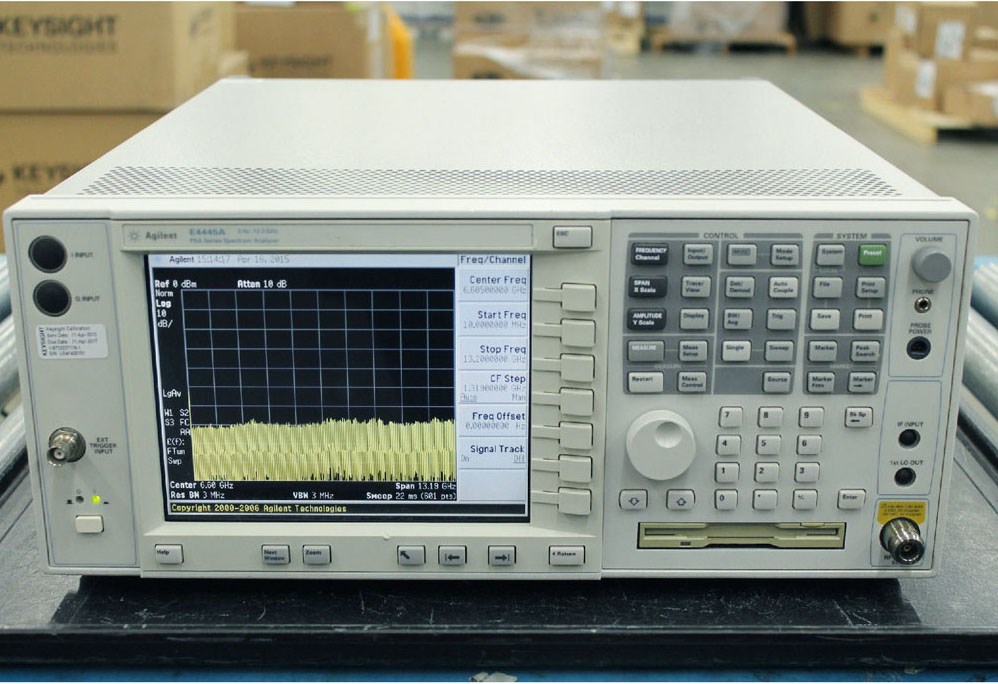
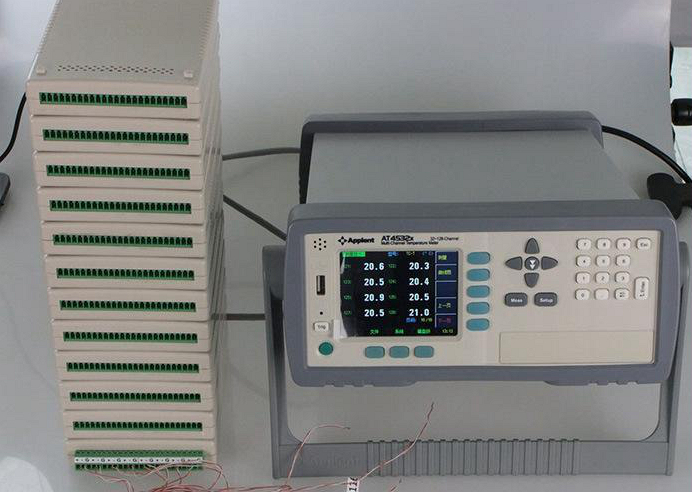
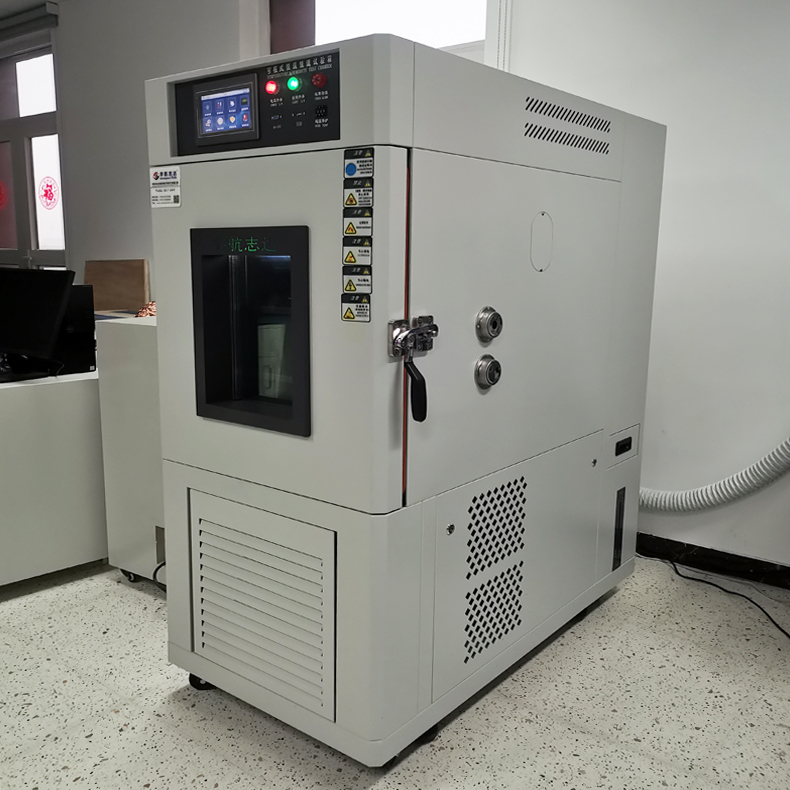
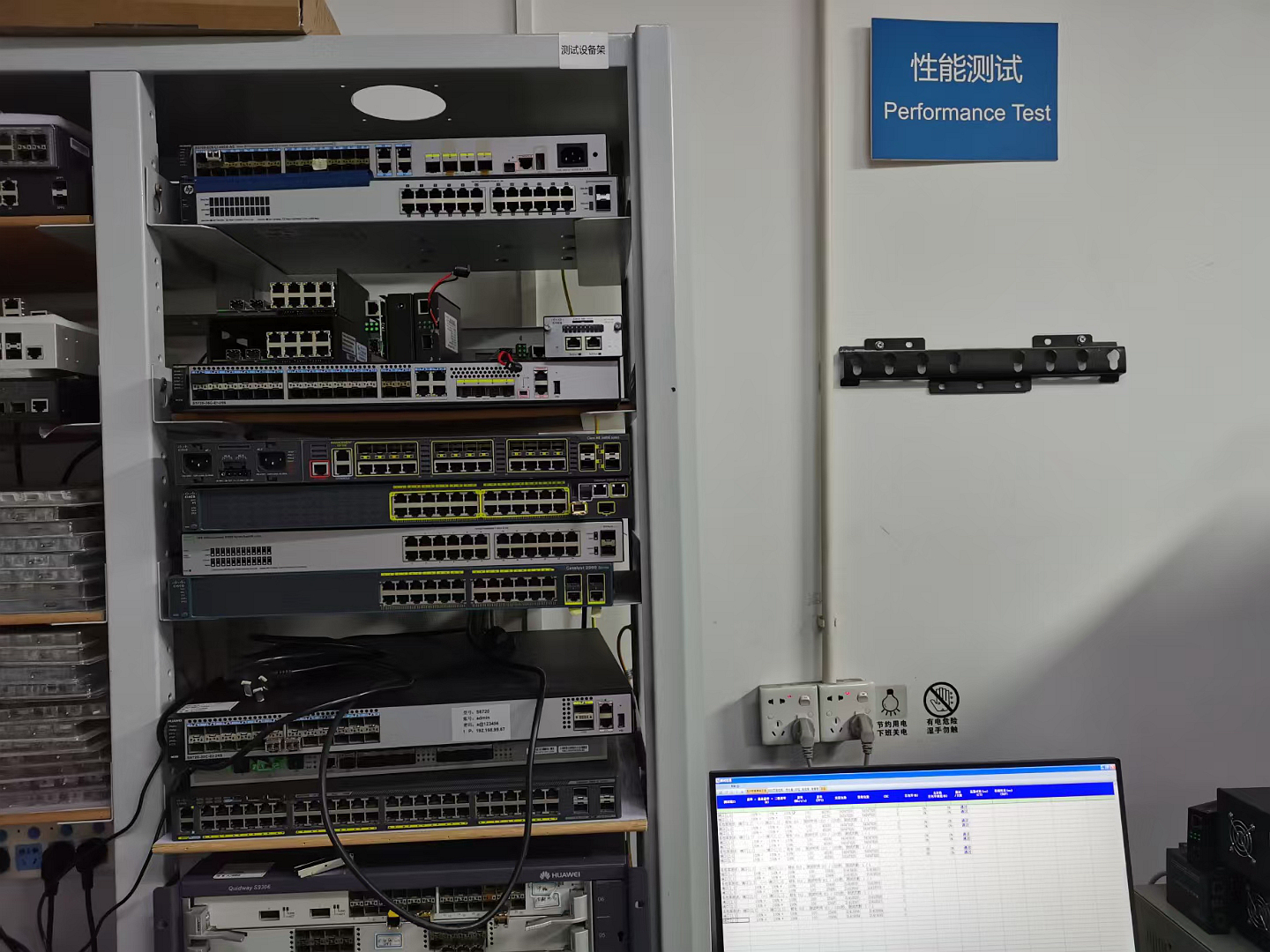
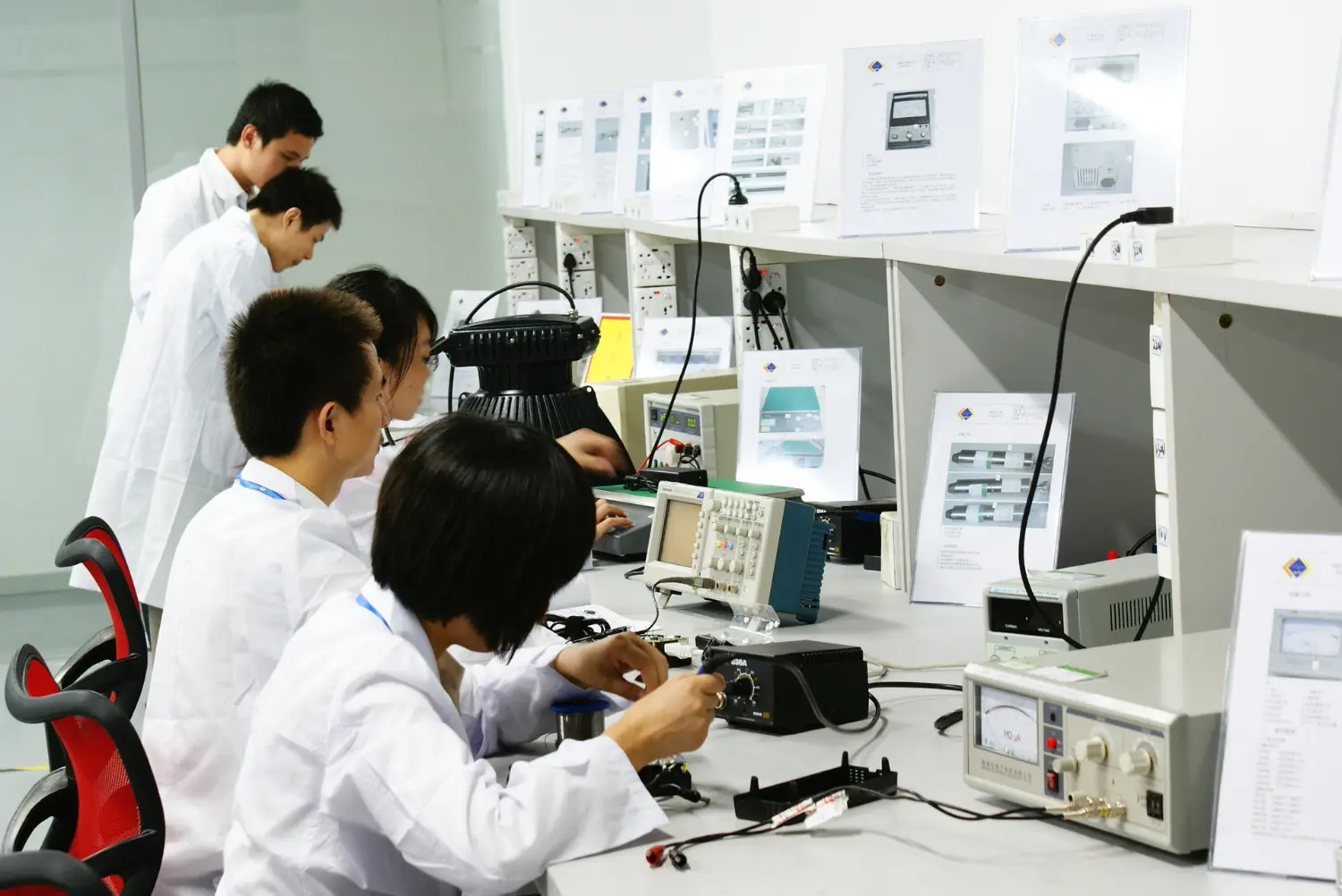
Every single fiber media converter and transceiver undergoes strict hardware testing before shipment.


Technical clarifications and procurement guidance regarding optical network equipment.
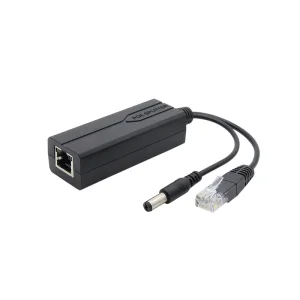
10/100/1000Mbps Standard 48V to 12V 30W Passive POE Splitter with 12 Months Warranty
View Details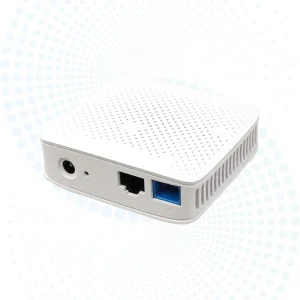
Stable 1GE XPON ONU Bridge Mode Fiber Optic ONT Compatible with Huawei ZTE
View Details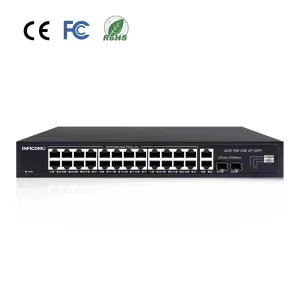
Factory Price Full GIGABIT PoE Switch Active 24+2+2 Built-in Power IEEE802.AF/AT
View Details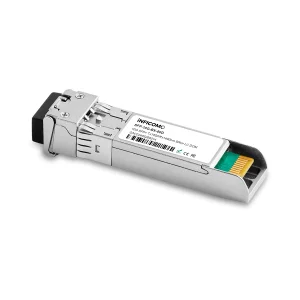
10G BIDI 80KM SFP+ Transceiver 1550nm LC 10G XFP/SFP+/SFP Optical Transceiver
View Details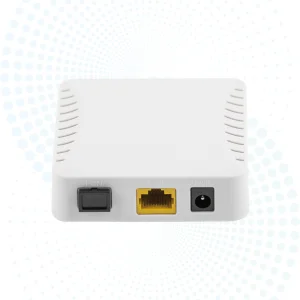
Mini XPON ONU HG1001 1GE Fiber Optic ONT Modem SC UPC for Broadband
View Details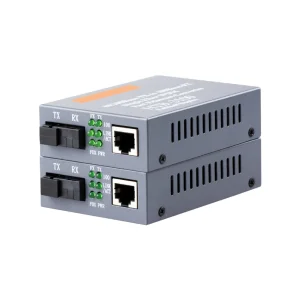
Fiber Media Converter 10/100Mbps, 1 Simplex SC + 1 RJ45, Single Mode 25km
View Details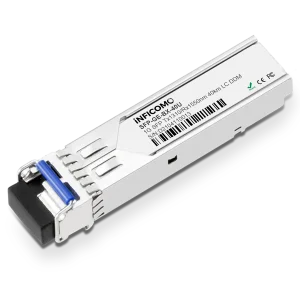
1.25G BiDi SFP Optical Module 40km 1310nm/1550nm Multimode Single Fiber
View Details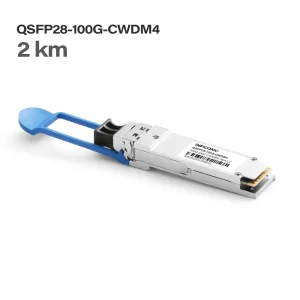
QSFP28 100G CWDM4 2km 1271nm/1291nm/1311nm/1331nm LC Transceivers SMF
View Details Soras Tech