Explore our premium grade active transmission components developed with high-performance specs for immediate global integration.
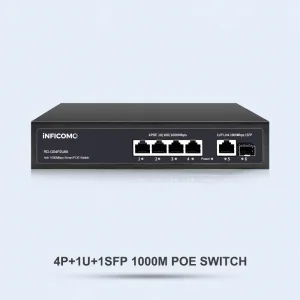
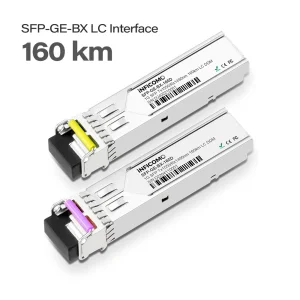
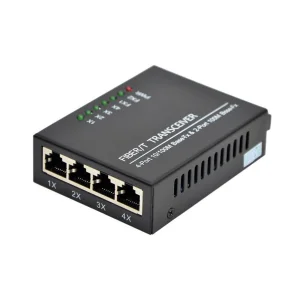
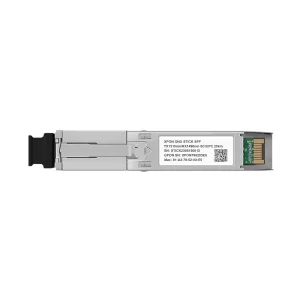
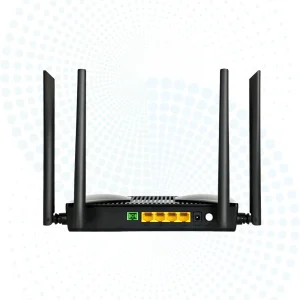
In an era dominated by high-density cloud computing, 5G deployments, and next-generation Artificial Intelligence workloads, optical network infrastructures have evolved from standard backhaul pathways to dynamic, mission-critical conduits. Global telecommunications systems demand unparalleled transmission reliability and speed. Passive infrastructure represents only part of the equation; active components such as transceivers, media converters, and switches control the efficiency of these systems.
As fiber-to-the-home (FTTH) architectures shift towards 10G-PON and XGS-PON technologies, network engineers require adaptable ONU and OLT nodes capable of minimizing latency while maximizing optical budget capacity. Industrial switch integration, specifically Power over Ethernet (PoE) over fiber, has become the standard for smart city deployments, complex IoT systems, and high-definition IP video surveillance networks worldwide.
Leading telecommunication companies now focus on reducing total cost of ownership (TCO) through multi-vendor compatibility. The capability to secure modules matching strict optical standards, low insertion loss coefficients, and robust thermal performance profiles dictates operational success in modern hyper-scale data centers.

Providing high-value infrastructure elements configured to precise industry guidelines.
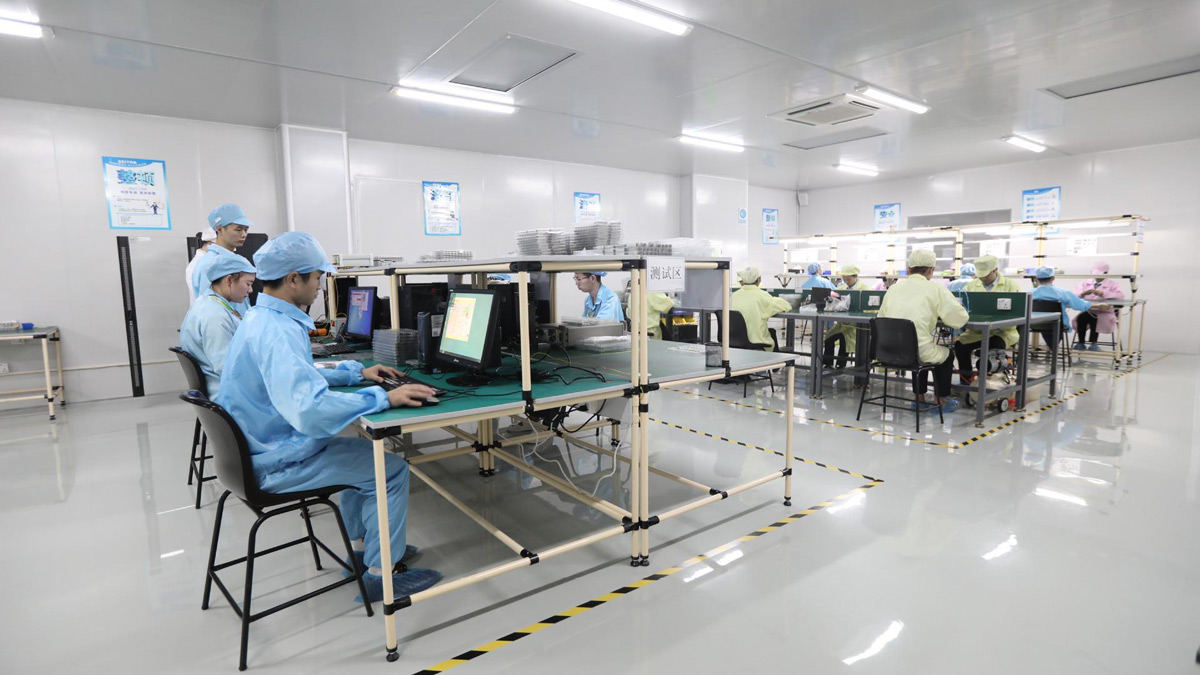
Shenzhen, China, stands as the global epicentre of optical communication innovation and manufacturing. The region's dense industrial ecosystem integrates primary raw component sourcing, chip packaging, high-speed SMT assembly, and rigorous system validation into a streamlined geography. This proximity eliminates lead time bottlenecks and enables unparalleled agile development.
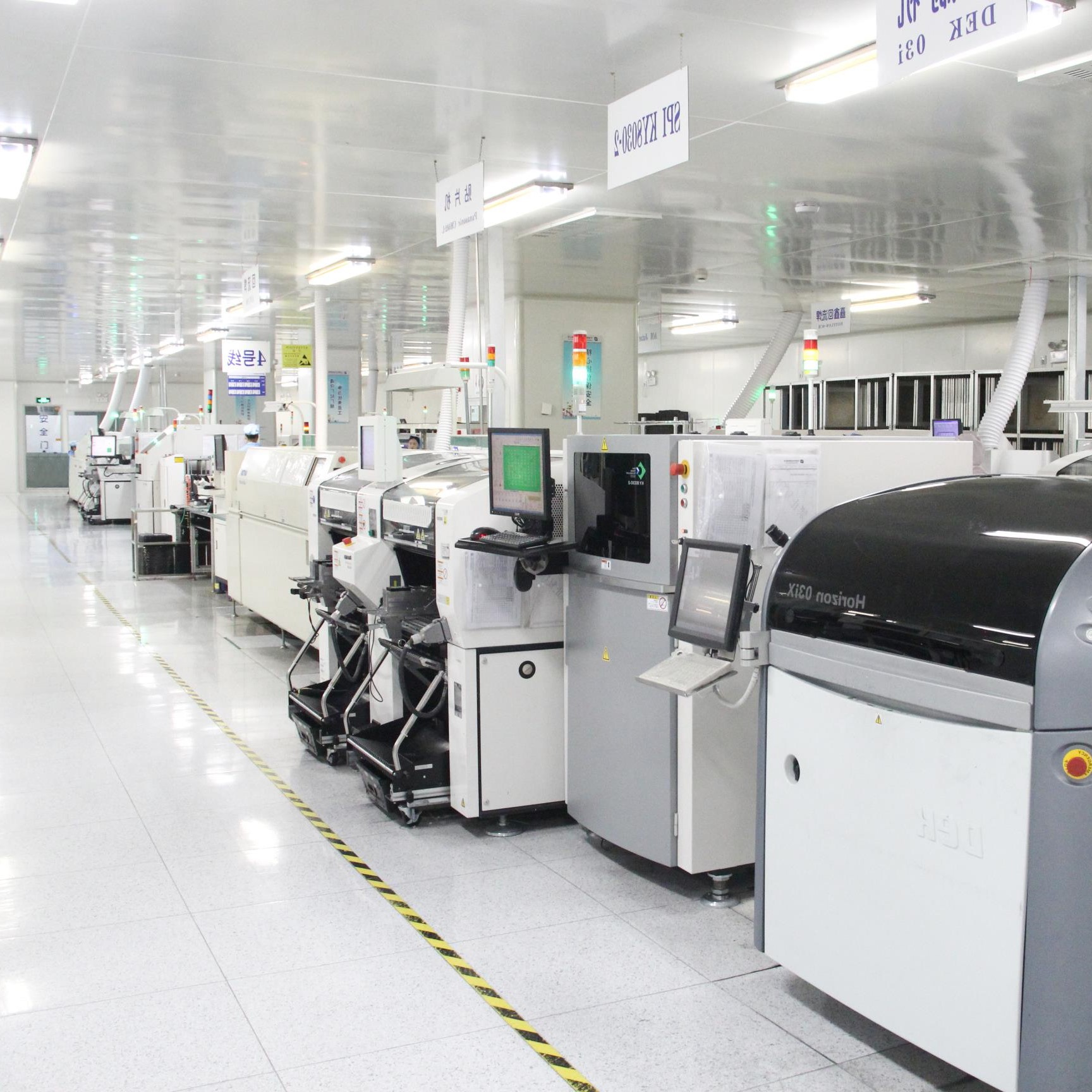
At Shenzhen Soras Technology Co., Ltd. (operating under the global brand Soraslink), we leverage these localized geographic advantages to optimize production costs and speed. Our factory coordinates raw component incoming-inspection with high-precision Surface Mount Technology (SMT) lines. This operational speed means we can rapidly adapt SFP, switch, and ONU designs to client requirements without introducing long delays.
By combining China's supply chain agility with international standard certifications, we bridge the gap between competitive pricing and industrial dependability. We provide global buyers with direct factory customization (OEM/ODM) backed by standardized quality assurance protocols.
A closer look at the architectures driving modern network integration.
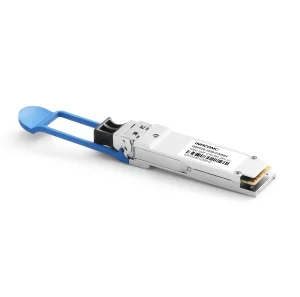
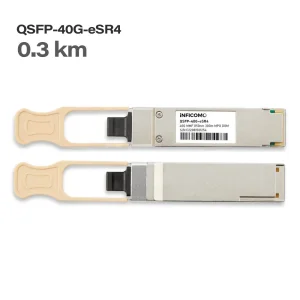
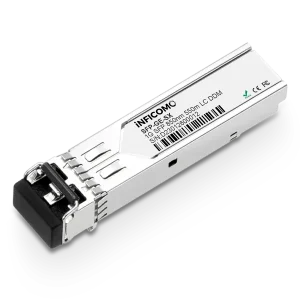
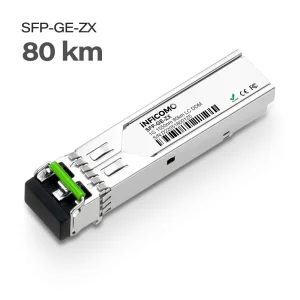
From legacy 1.25G SFP transceivers to 40G QSFP+ and state-of-the-art 100G QSFP28 modules. Engineered to strict MSA standards for seamless multi-platform system compatibility and low power consumption metrics.
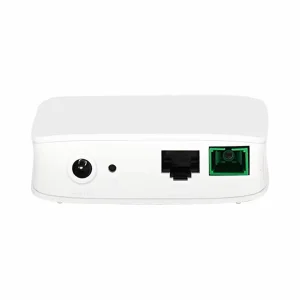
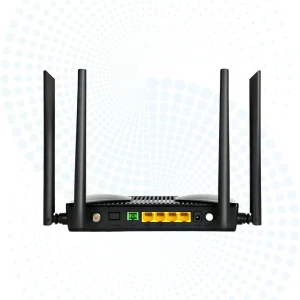
Intelligent customer premises equipment (CPE) for high-speed FTTH networks. Built with high-throughput routing chipsets supporting Wi-Fi 6 technologies, dynamic bandwidth allocation (DBA), and zero-configuration setups.
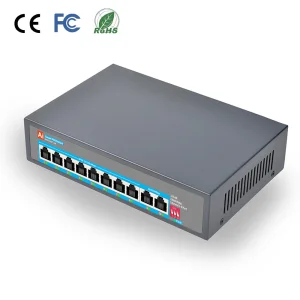
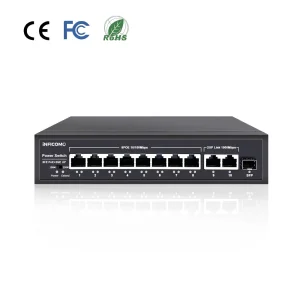
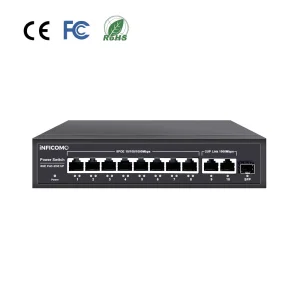
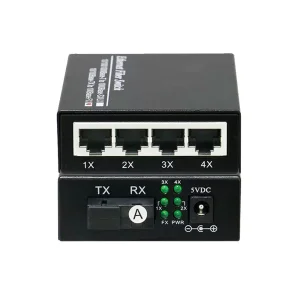
Industrial-grade transmission converters bridging traditional copper systems to fiber optics. Coupled with smart Gigabit PoE switches designed with generous power budgets to run cameras, APs, and endpoints smoothly.
A transparent presentation of Shenzhen Soras Technology Co., Ltd. operational metrics and structures.
| Business Type | Manufacturer & Exporter | Country / Region | Guangdong, China |
| Main Products | FTTH ONU & OLT, SFP Transceiver Modules, Fiber Media Converters, PoE Network Switches, Active Fiber Optic Equipment | Total Employees | 11 - 50 People (High-level Engineering, R&D and QC specialists) |
| Total Annual Revenue | US$5 Million - US$10 Million | Year Established | 2021 (Backed by 10+ years of technical leadership) |
| Certifications Summary | ISO 9001 Quality Management System, CE Mark, FCC Compliance, UL Safety, RoHS Directive Compliant | Main Markets | Domestic Market (24%), Eastern Asia (15%), North America (15%), South America, Europe |
A transparent look at the advanced facilities and methodologies used to fabricate active optical hardware.
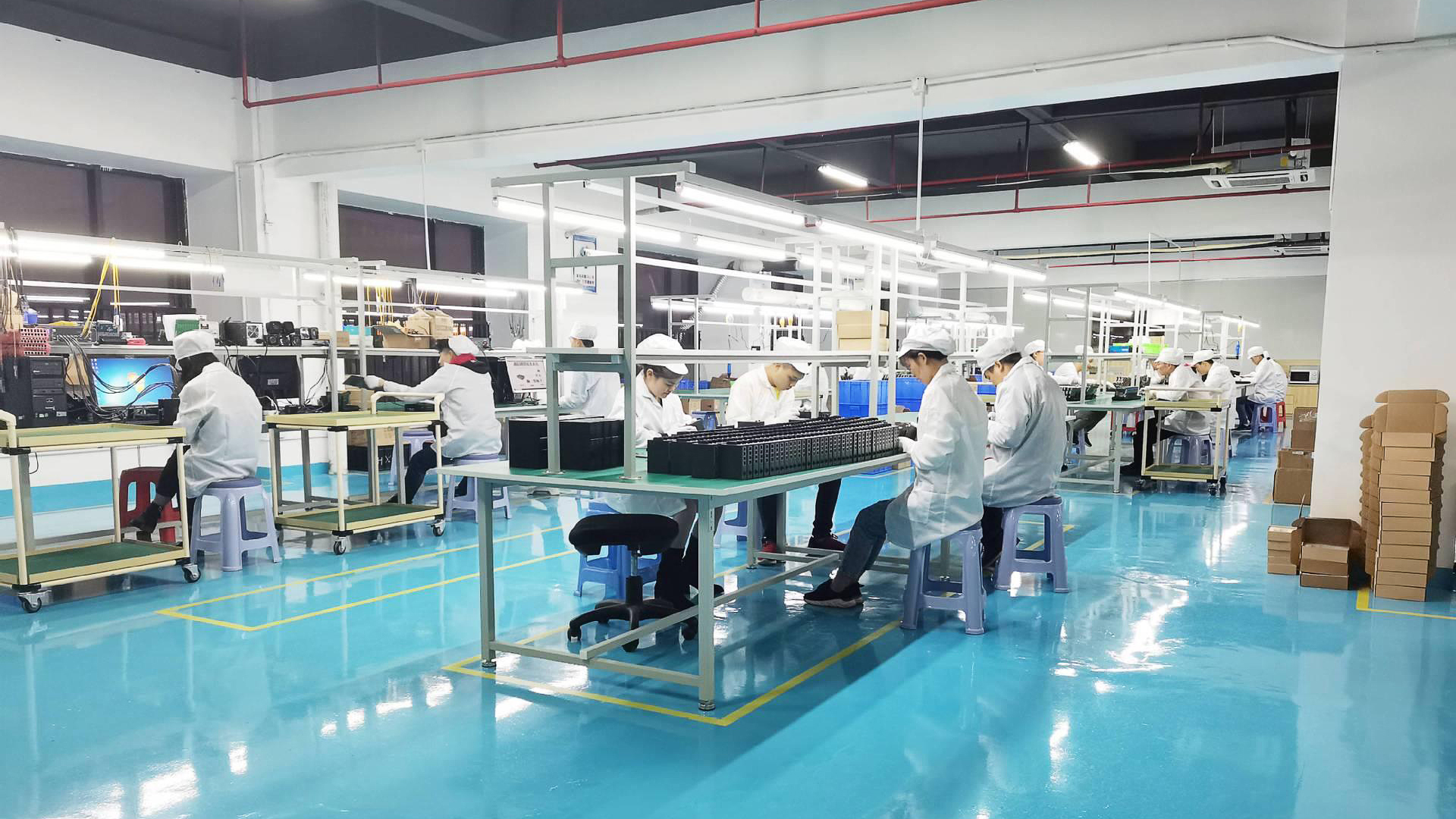
Every step inside our assembly framework follows cleanroom standards to prevent dust contamination. Dust particle contamination is a leading cause of insertion loss and return loss failures in active optoelectronics. Our facility integrates automated Surface Mount Technology (SMT) with human-supervised assembly processes.
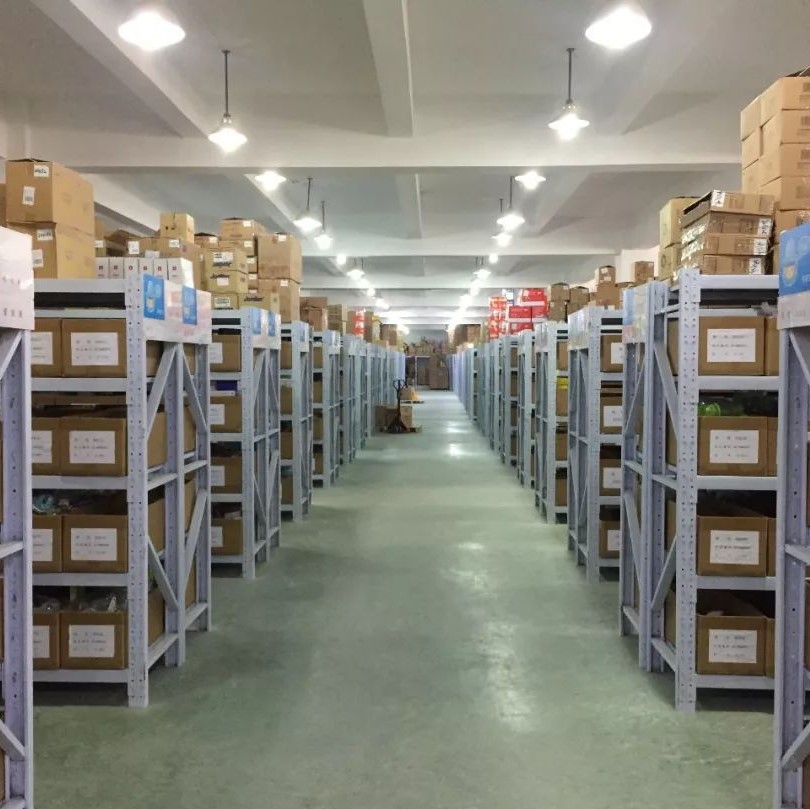
Our warehouse and logistics teams operate in tandem with real-time Enterprise Resource Planning (ERP) software. This configuration guarantees that all laser diodes (TOSA/ROSA components), optical sub-assemblies, and specialized network chipsets are stored under temperature and humidity-controlled conditions. Doing so protects them from premature aging or electrostatic discharge (ESD) events prior to board insertion.
By controlling the production lifecycle from trace-routing design layouts to the final structural assembly, we support advanced OEM requests. These request types frequently demand custom optical power levels, specific DDM (Digital Diagnostic Monitoring) parameters, and custom firmware profiles.
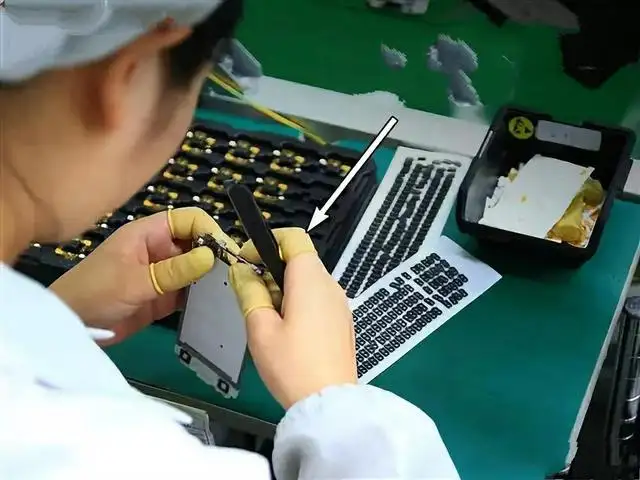
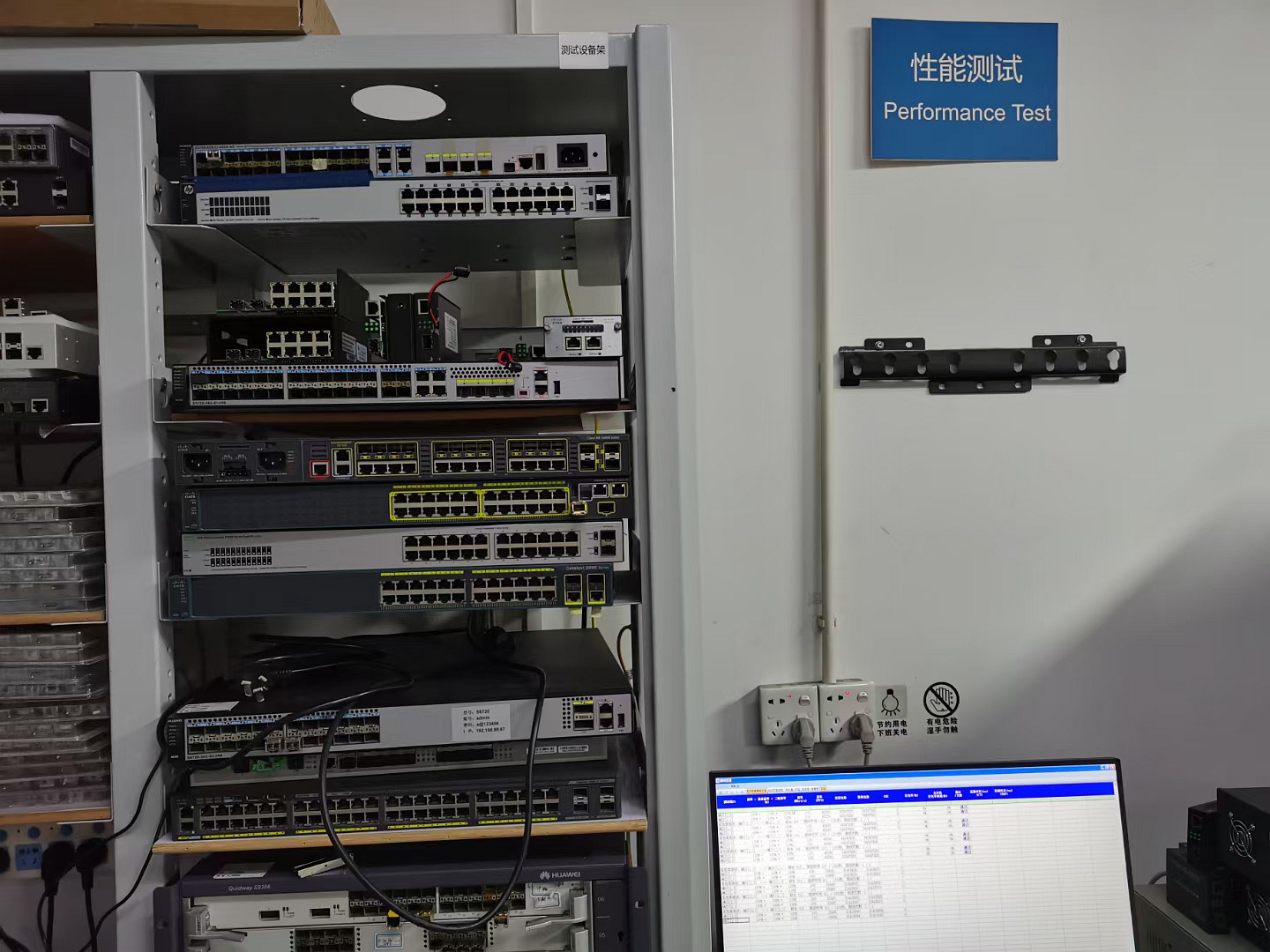
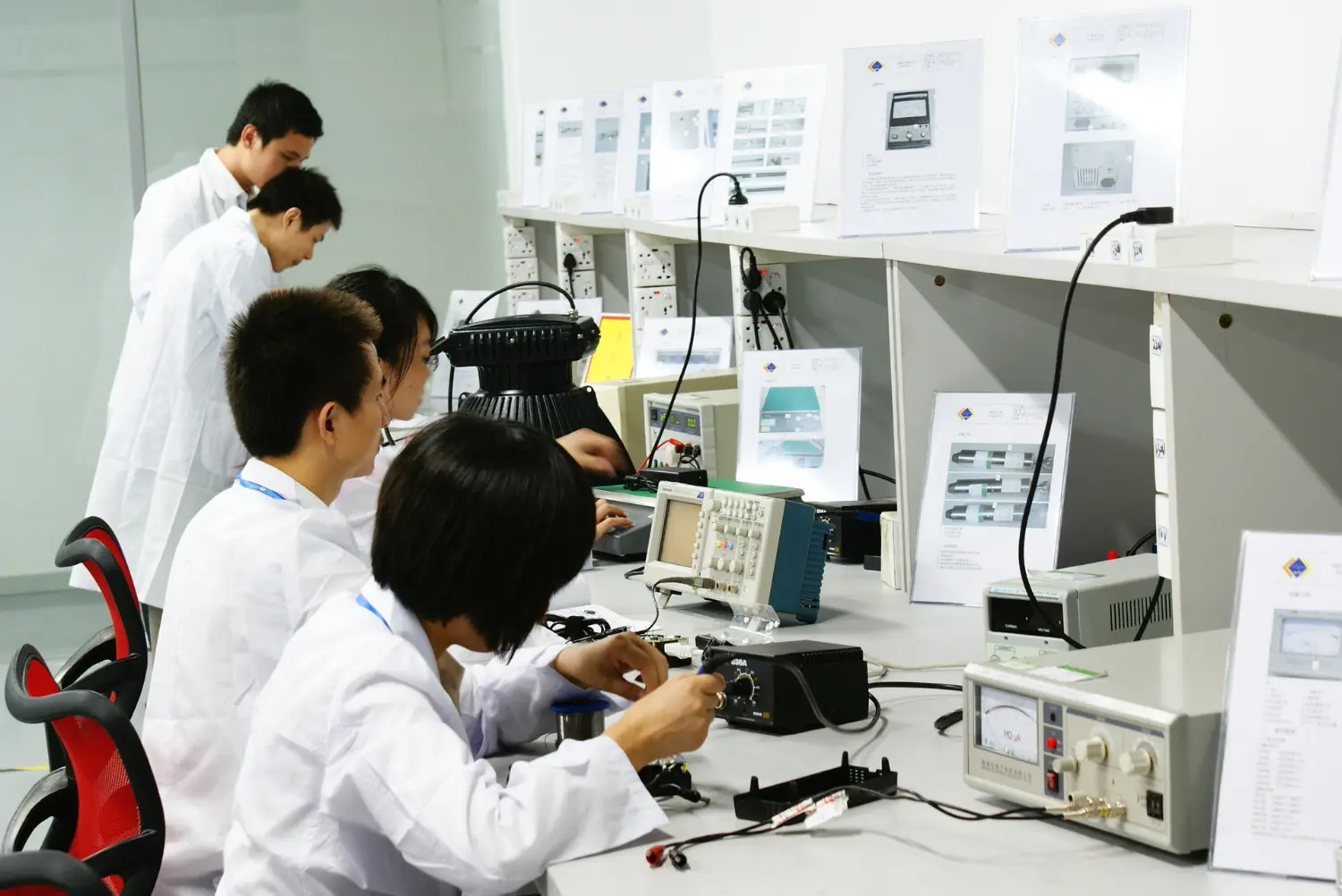
Active optical network devices operate in diverse physical environments. Our testing lab tests performance boundaries to guarantee reliability.
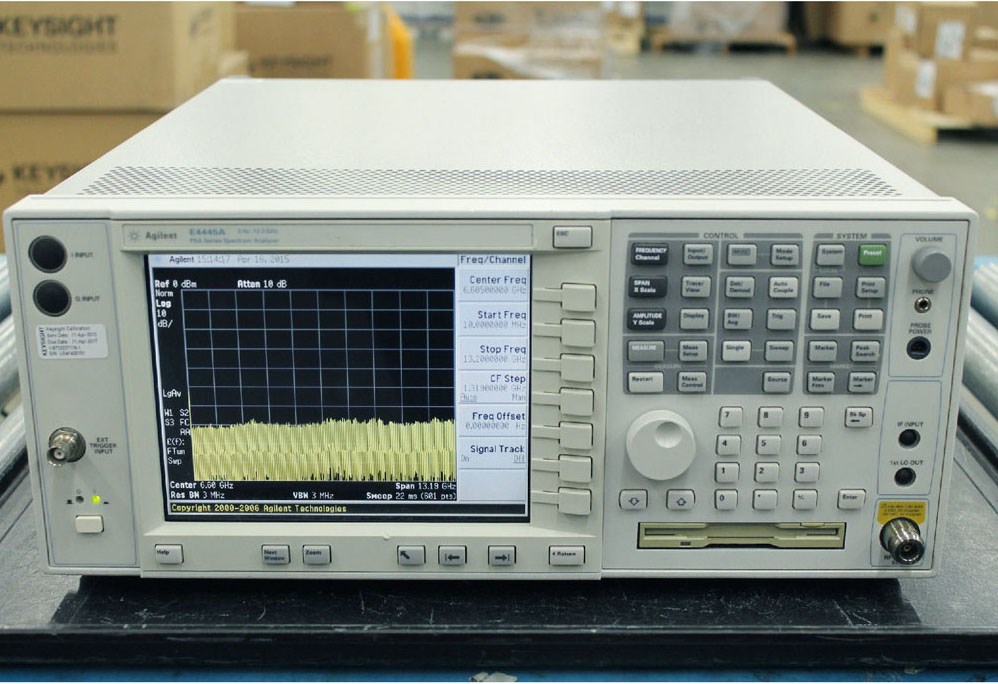
Before shipment, every SFP module, ONU device, and media converter undergoes verification. Our testing sequence starts with Wifi Calibration and Functional Validation, then advances to challenging stress tests. These simulate long-term deployment environments to verify long-term performance.
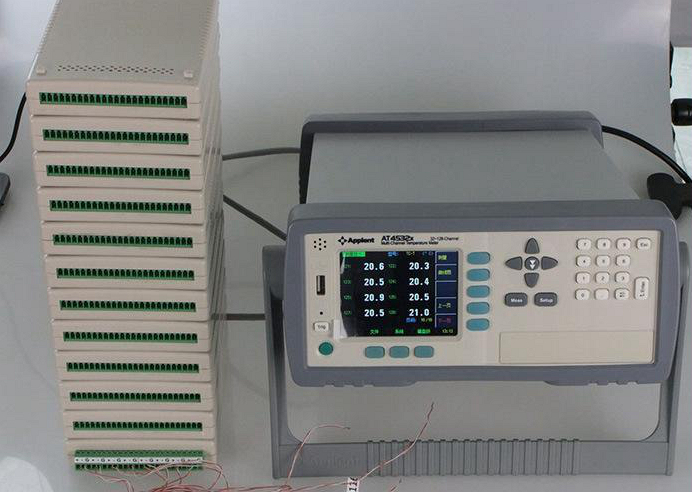
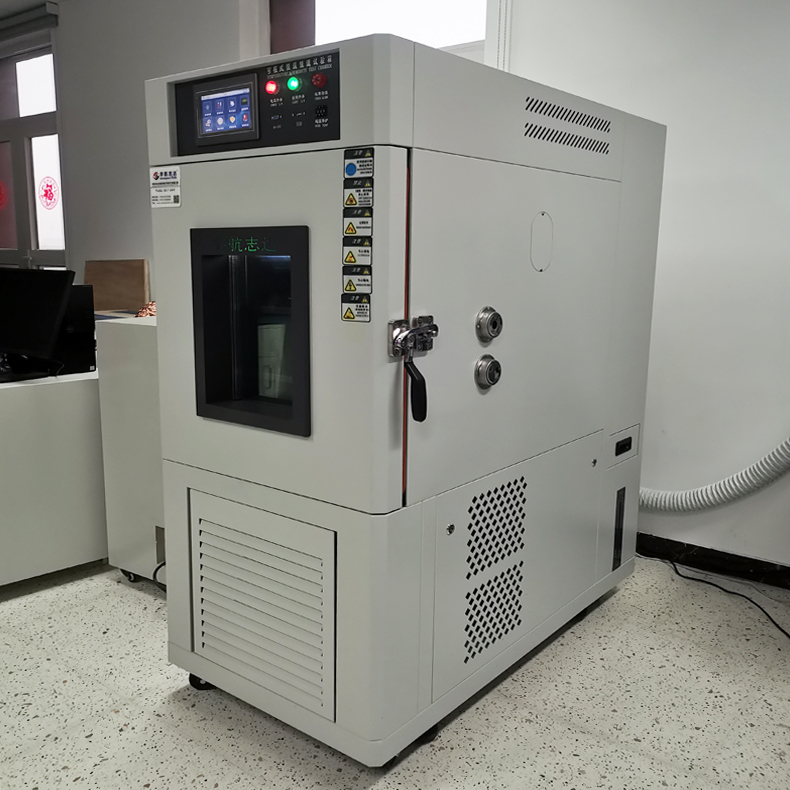
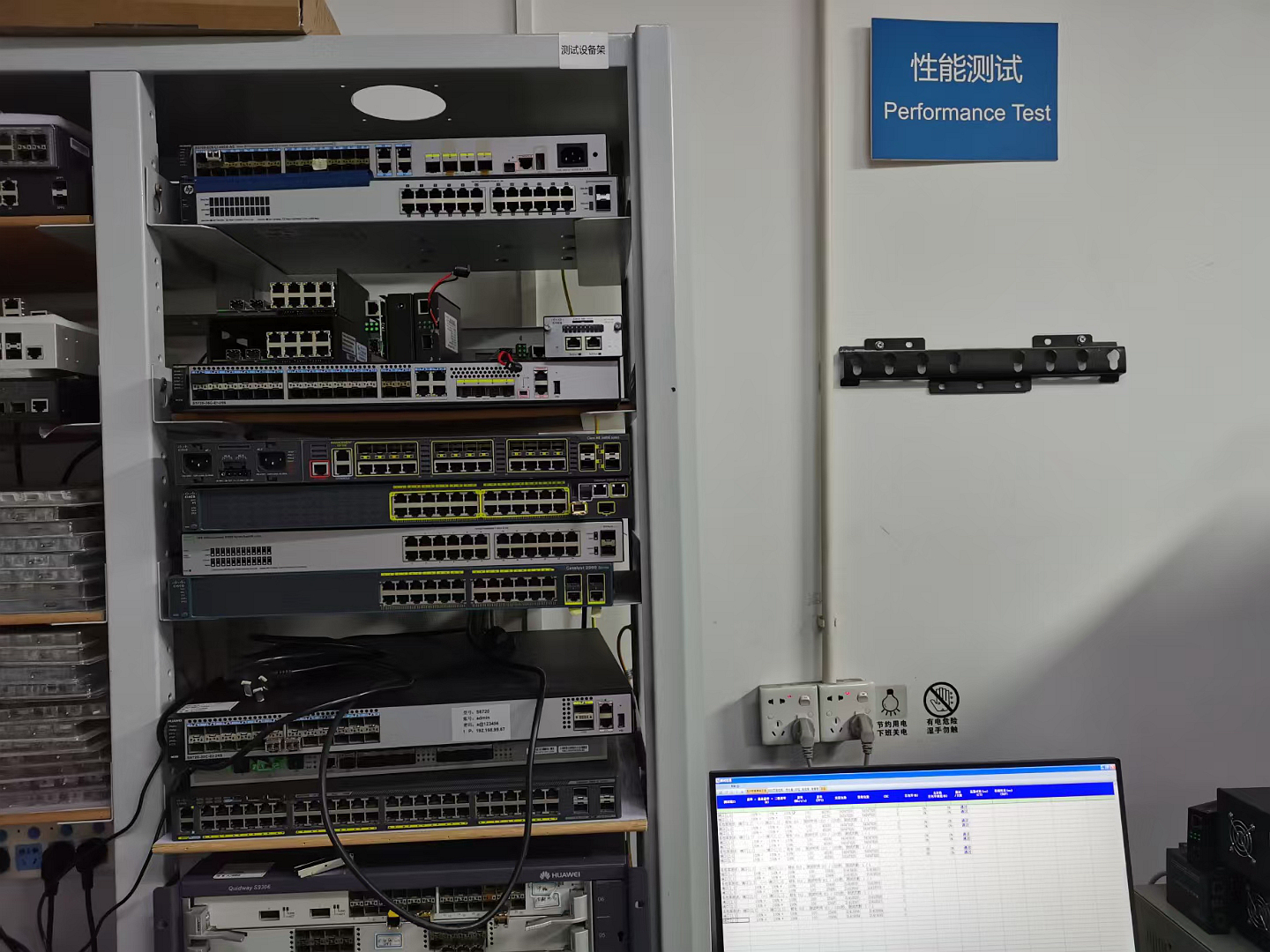
Our High-Low Temperature Chambers test active transceivers under extreme thermal stress ranging from -40°C to +85°C. This ensures consistent performance in industrial node enclosures.
Our Bit Error Rate Testing (BERT) monitors optical eye patterns to verify clean transmission margins. This step helps confirm the module operates without data loss across the specified fiber distance.
Key technical criteria global enterprise buyers consider when qualifying active fiber component suppliers.
Verify that your manufacturer writes correct EEPROM firmware compatible with host switches (such as Cisco, Juniper, Arista, or Huawei). This ensures smooth installation without error codes.
Ensure receiver sensitivity parameters and transmitter optical power ranges align with your physical plant. Factor in safety margins for patch panels, splices, and optical dispersion.
Check for CE, FCC, RoHS, and ISO 9001 compliance. Safe active components prevent power-surge hazards and comply with environmental criteria in regions like North America and Europe.
The optics industry is currently seeing a rapid shift in baseline speeds. While 10G and 25G channels remain standard for local enterprise applications, high-performance backbones are migrating towards 100G QSFP28, 400G OSFP/QSFP-DD, and 800G optical form factors. Driven by deep AI models, machine learning environments, and large-scale data clusters, transceivers must now deliver more bandwidth while maintaining a compact physical footprint.
In FTTH access networks, standard GPON configurations are transitioning toward high-capacity XG-PON and XGS-PON systems. The modern optical network unit (ONU) is no longer a simple bridge device. Advanced units now function as full-featured residential gateways. Equipped with AX3000 Wi-Fi 6 or upcoming Wi-Fi 7 capabilities, they process high-density, multi-user traffic with very low internal latency.
Our engineering team continues to adapt to these shifts, optimizing our active product lineup to meet evolving bandwidth demands.
Essential insights on active optics configuration, multi-platform compatibility, and deployment best practices.
Explore our additional fiber network components designed for reliable, long-distance deployments.
 Soras Tech