Explore our production-grade optical transceivers engineered for carrier networks, data centers, and multi-service broadband infrastructure.
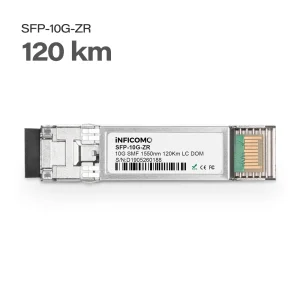
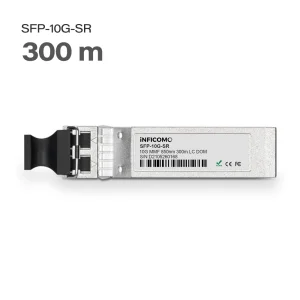
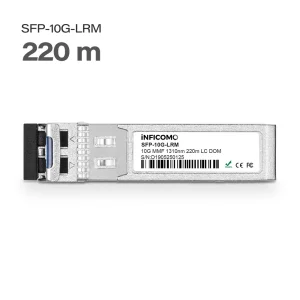
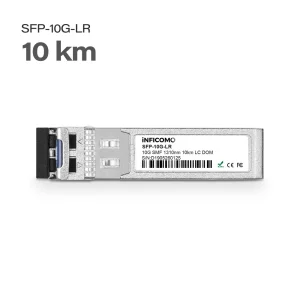
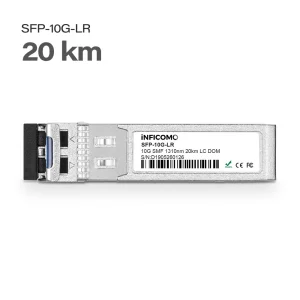
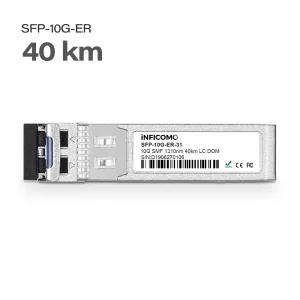
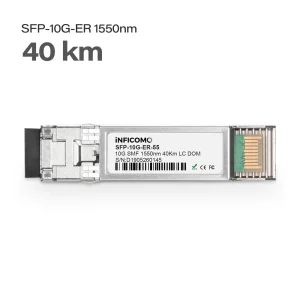
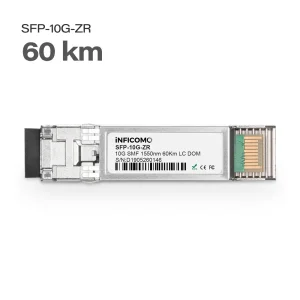
Deconstructing the structural relevance of dual-fiber SFP+ technology in modern infrastructure networks.
Unlike simplex or BiDi (Bidirectional) setups that combine transmission and reception onto a single optical strand using wavelength division multiplexing (WDM), 10G Duplex transceivers operate over two dedicated fiber strands. One fiber acts exclusively as the transmitter (Tx) channel, while the second functions as the receiver (Rx) channel. This dedicated design eliminates internal crosstalk, simplifies routing logic at the physical layer, and provides maximum optical link budget performance over extended distances.
The transition from bulky XFP/X2 form factors to the compact SFP+ (Small Form-Factor Pluggable Plus) interface marked a pivotal shift in network switch density. Supporting data rates up to 11.3 Gbps, 10G Duplex SFP+ transceivers align fully with the SFF-8431 and SFF-8472 Multi-Source Agreements (MSA). This ensures seamless electrical and optical interoperability across high-end switching platforms, routing elements, and media conversion nodes without vendor lock-in.
Real-time link monitoring is critical for identifying signal degradation before structural link failures occur. Equipped with Digital Diagnostics Monitoring (DDM), also referred to as Digital Optical Monitoring (DOM), modern 10G Duplex transceivers report real-time operating metrics. Network administrators can monitor laser transmit power, received optical power, internal temperature, operating voltage, and bias currents directly from their network operating centers (NOCs).
E-E-A-T Verified: Shenzhen Soras Technology Co., Ltd. is a premier manufacturing hub for high-reliability network components.
| Shenzhen Soras Technology Co., Ltd. — Corporate & Manufacturing Overview | |||
|---|---|---|---|
| Business Type: | Manufacturer / OEM & ODM Supplier | Country / Region: | Guangdong, China (Shenzhen Hub) |
| Main Products: | FTTH ONU & OLT, SFP Modules (10G/25G/100G), Fiber Media Converters, PoE Switches | Established: | 2021 (with over 10 years of R&D expertise) |
| Total Employees: | 11 - 50 Specialized Staff | Annual Revenue: | US$5 Million - US$10 Million |
| Main Markets: | Domestic Market (24%), East Asia (15%), North America (15%), Europe & South America | Certificates: | ISO 9001, UL, CE, FCC, RoHS Compliant |
Established in the technological epicentre of China, Shenzhen Soras Technology Co., Ltd. (operating under the global brand Soraslink) leverages a decade-long foundation of engineering intelligence. We deliver high-value, cost-effective, and fully customized optical communication solutions to telecom operators, system integrators, and network distributors worldwide.
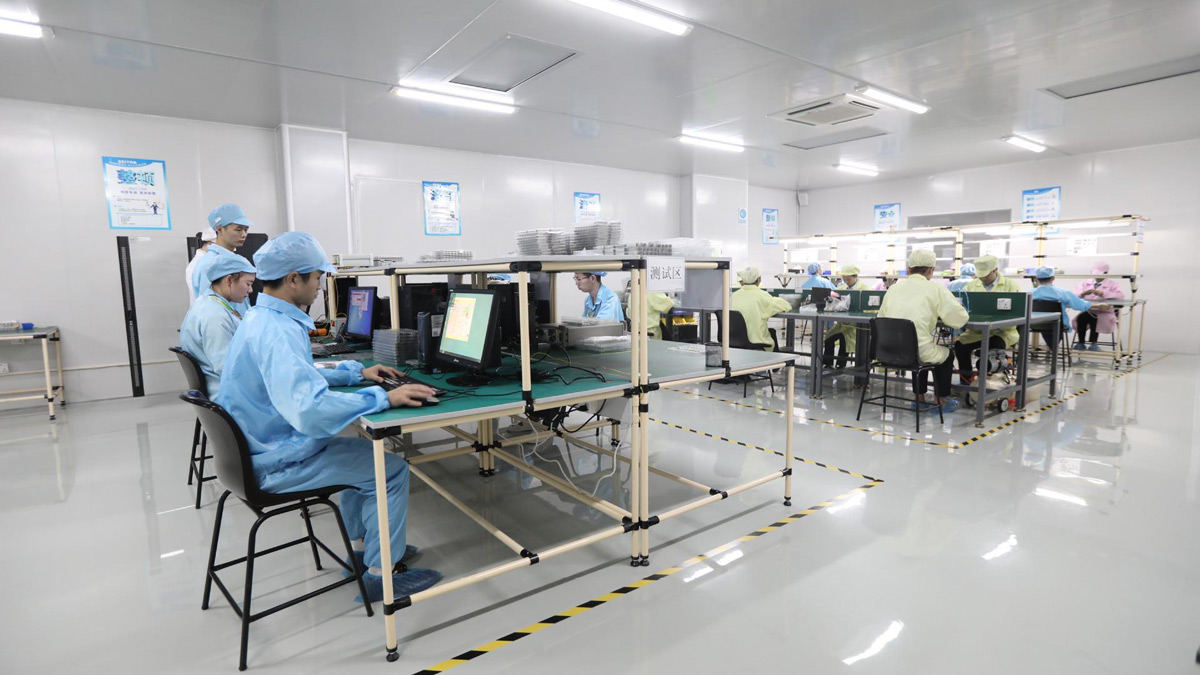
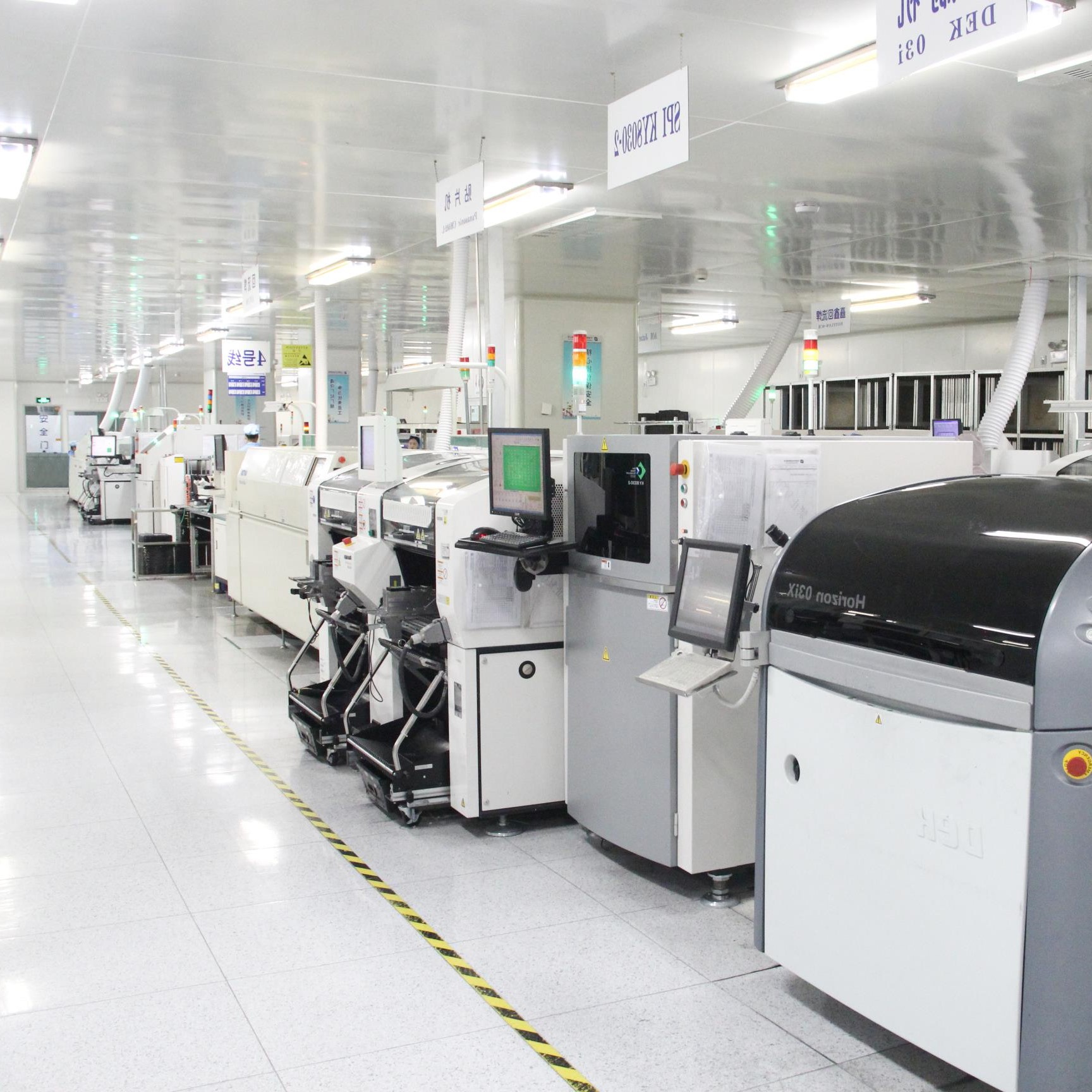
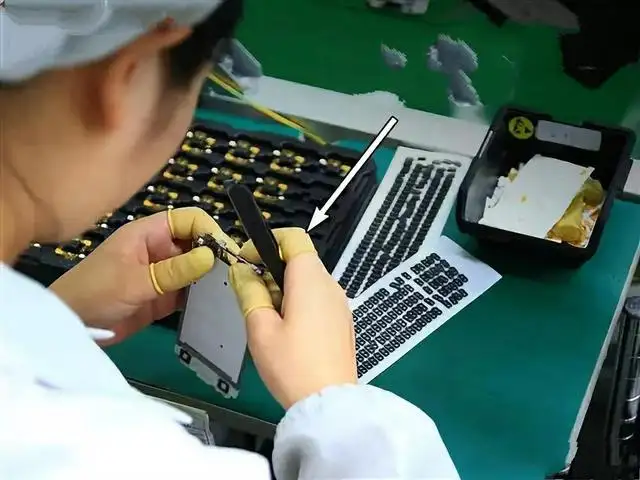
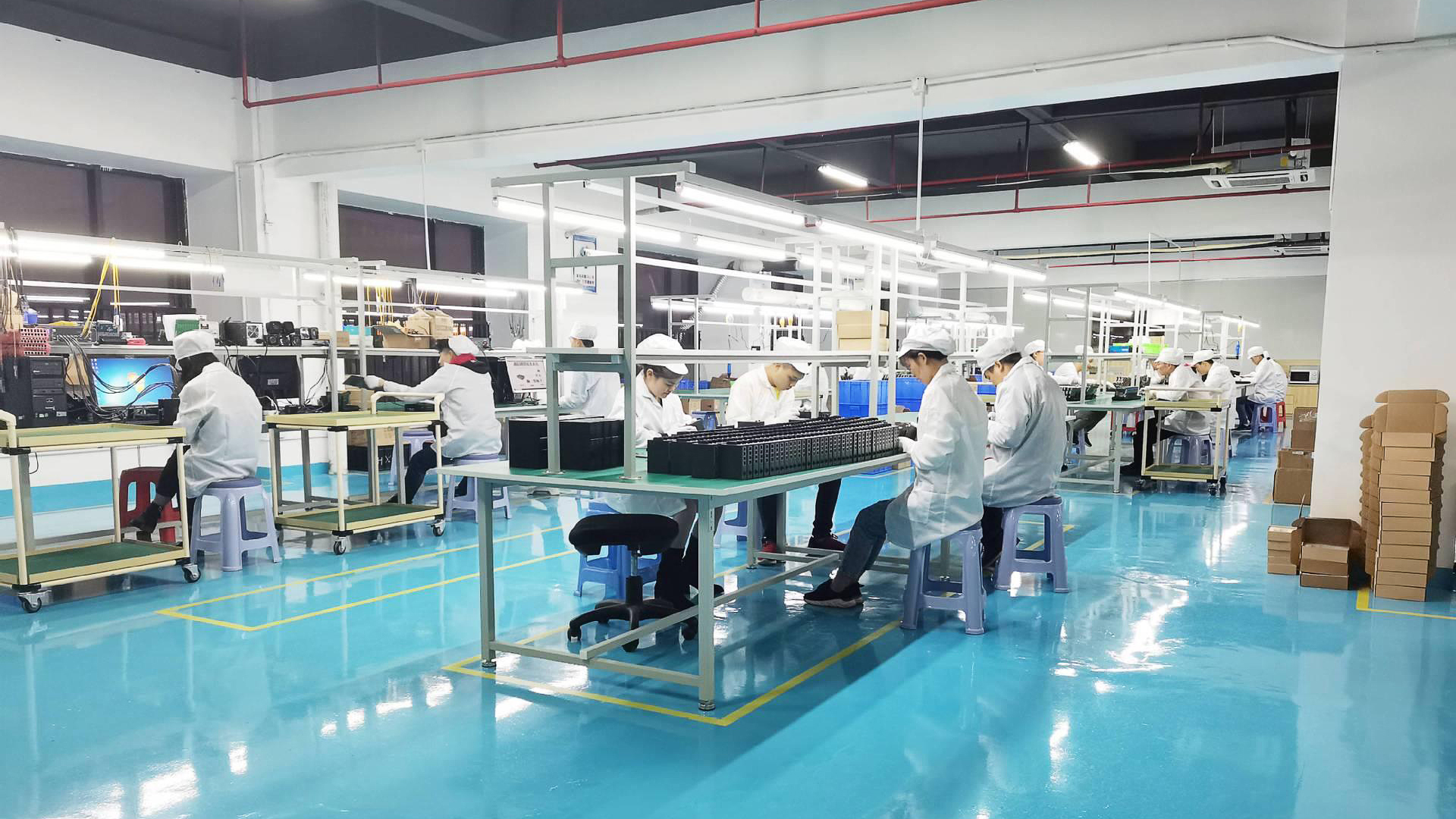
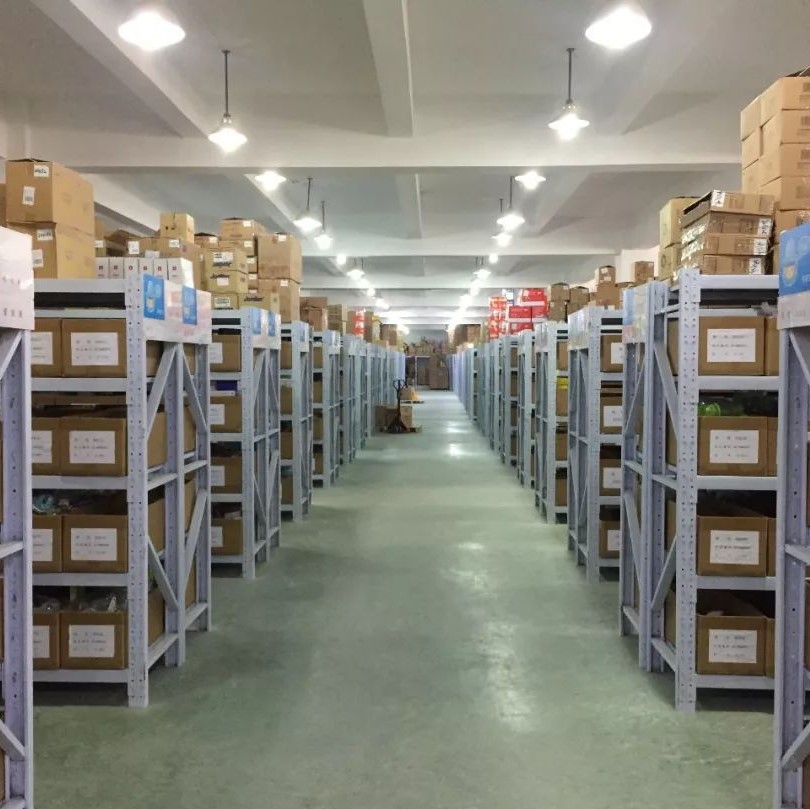
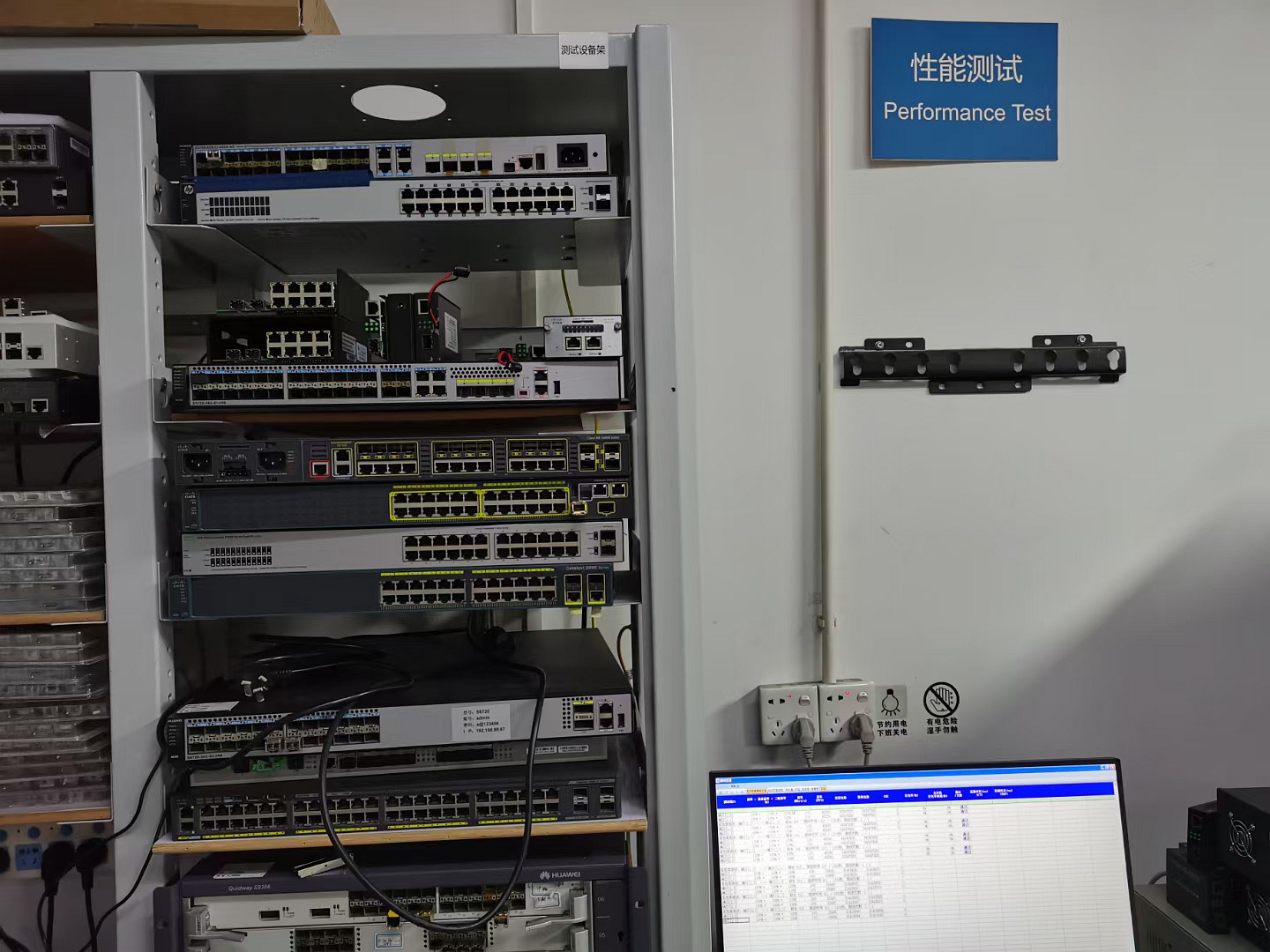
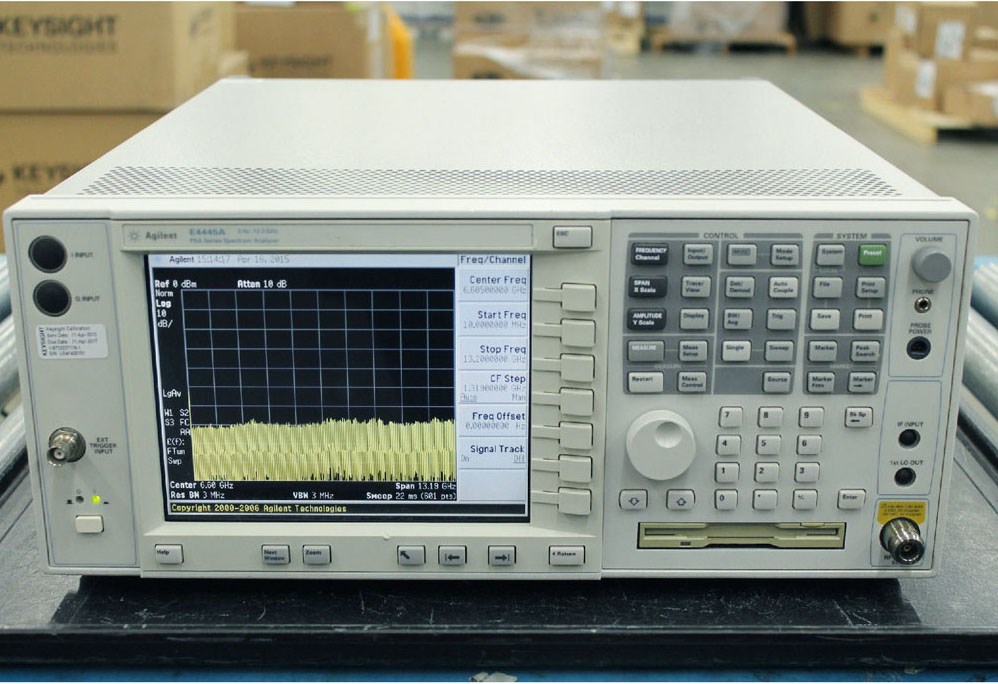
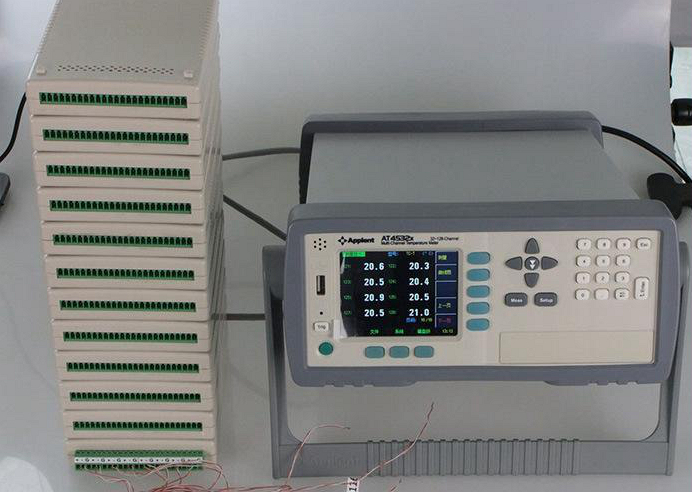
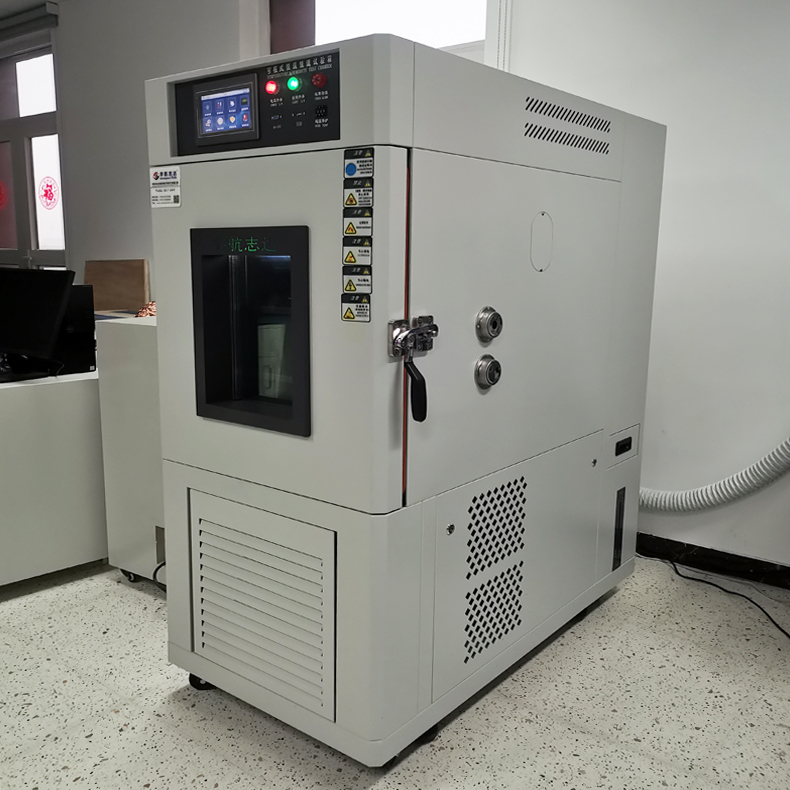
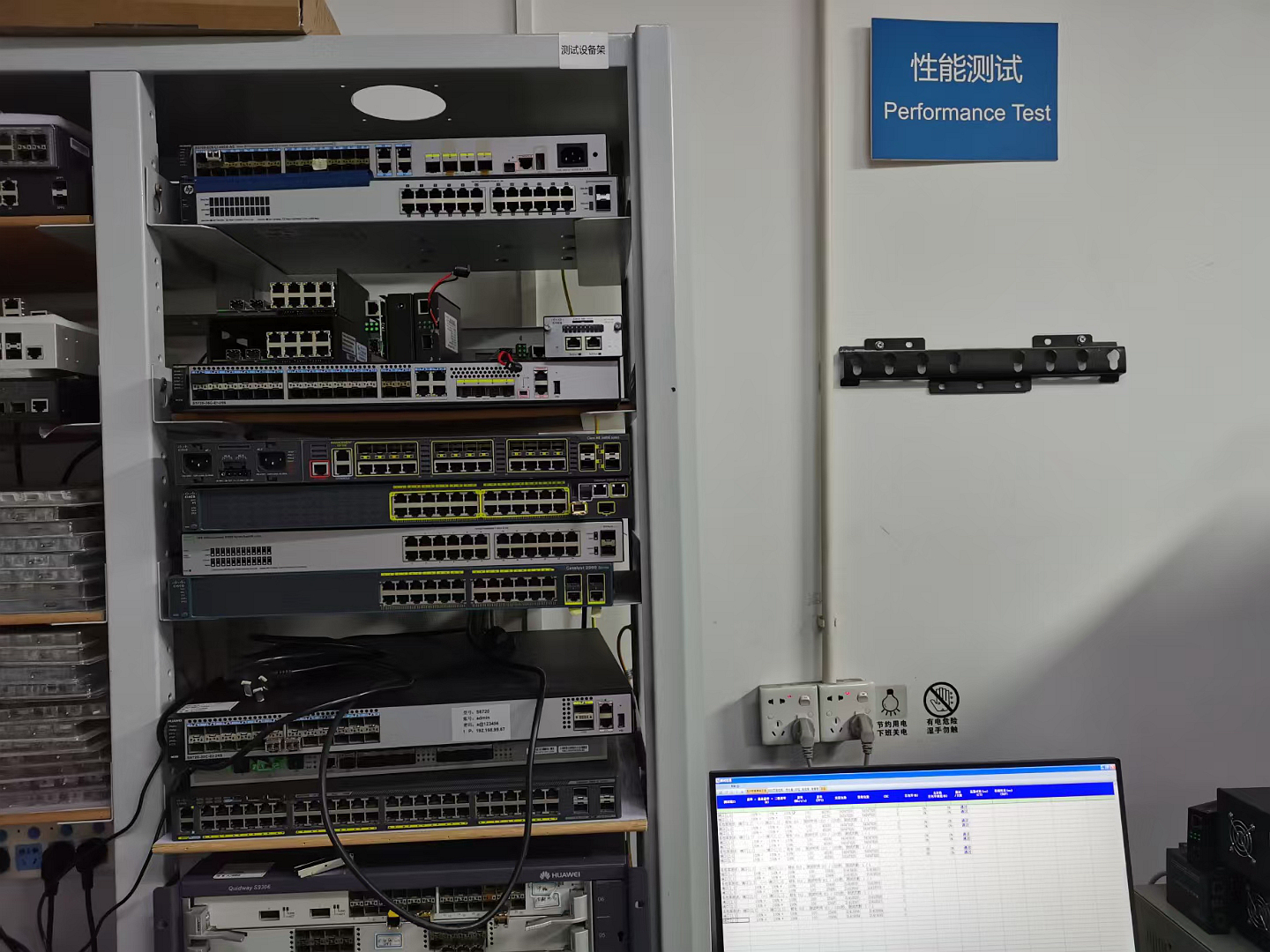
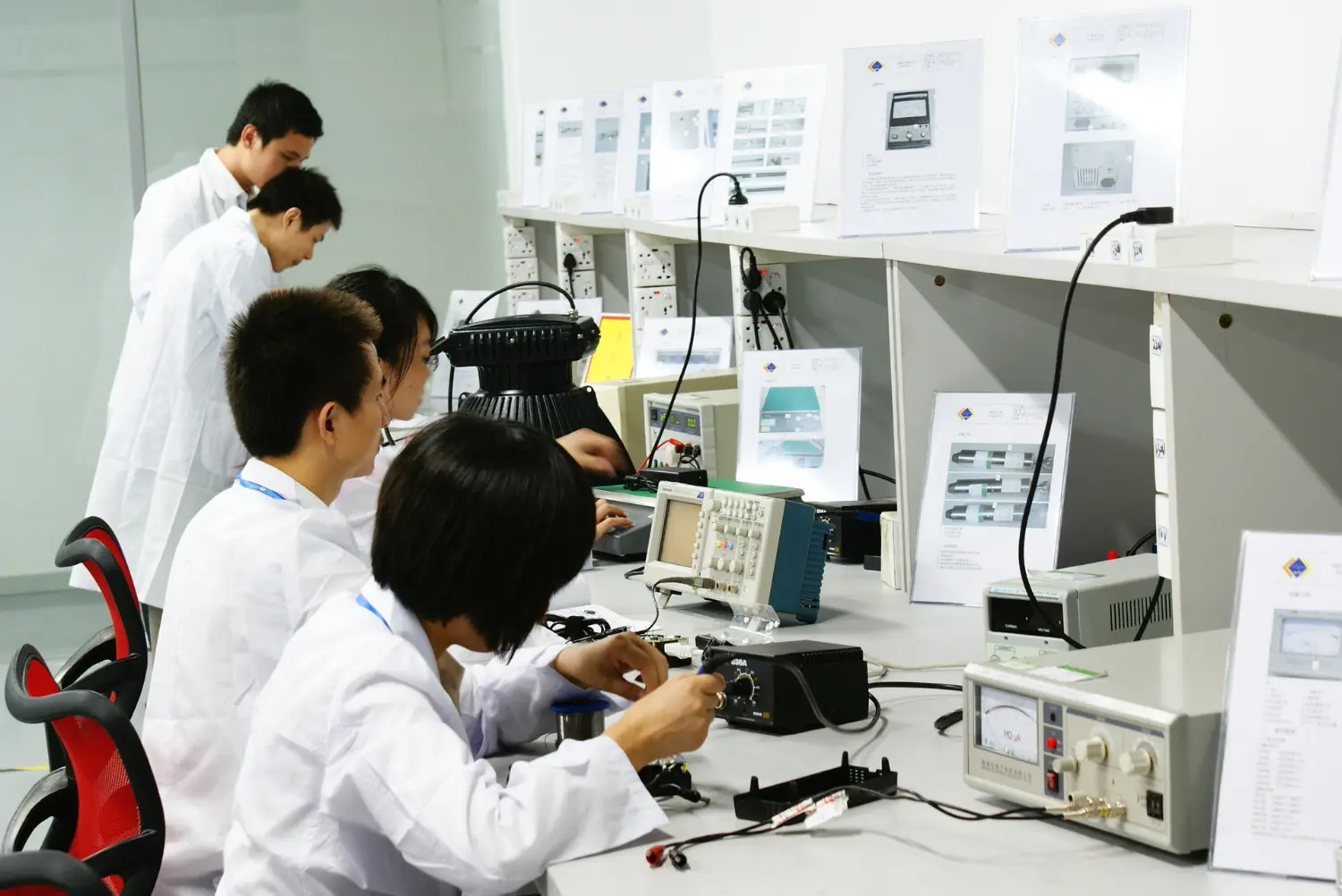
Our facility hosts state-of-the-art production floors, including high-precision Surface Mount Technology (SMT) lines, automated sub-assembly departments, and cleanroom packaging spaces. Quality control is not a phase at our factory; it is the core architecture of our assembly process. Every SFP+ transceiver undergoes intensive testing regimens, including high-and-low temperature chamber cycles, error rate simulation, bit error rate testing (BERT), eye diagram analysis, and multi-switch interoperability verification (testing on Cisco, Juniper, Arista, Huawei, and Mikrotik host environments).


Why global procurement teams rely on Shenzhen's specialized optical ecosystem.
The global optical transceiver supply chain is heavily anchored in Guangdong, China—specifically the Shenzhen technology belt. Working directly with a localized manufacturer like Soraslink provides three critical strategic advantages for enterprise buyers:
Shenzhen hosts the world's most concentrated manufacturing cluster for laser diodes (VCSEL, DFB, EML), photodetectors (PIN, APD), and micro-optics. Because these components are sourced locally, Soraslink bypasses international transport delays and customs backlogs, ensuring rapid scaling from prototype to high-volume manufacturing (HVM).
Many legacy manufacturers enforce rigid minimum order quantities (MOQs) and standard coding profiles. Our engineers can compile custom firmware configurations to match unique EEPROM identifiers, configure specific wavelengths, or develop customized packaging. This agile engineering support is central to our OEM/ODM partnership model.
By pairing optimized automation with skilled assembly teams, we maintain a highly competitive cost-to-performance ratio. These cost savings are passed directly to our customers, enabling network operators in Europe, North America, and South America to scale their fiber rollouts without overextending capital expenditure budgets (CapEx).
How enterprise and telecommunication architectures integrate 10G Duplex optics across key application scenarios.
Optical networks are the silent engine of global data distribution. 10G Duplex optical transceivers are critical in linking high-bandwidth nodes across diverse applications:
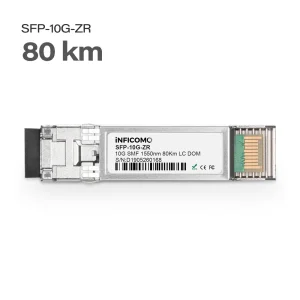
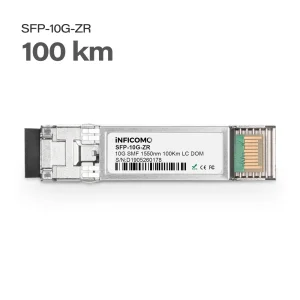
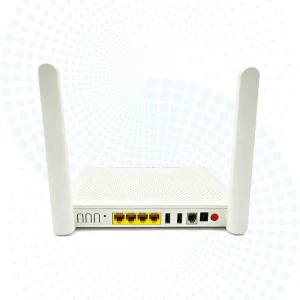
In FTTH deployments, high-capacity Optical Line Terminals (OLTs) collect traffic from hundreds of residential ONTs (such as the HG6821M ONT modem). The OLT aggregation switch relies on long-reach 10G Duplex SFP+ transceivers (such as the 10G ZR 80km or 100km modules) to backhaul subscriber data across metropolitan cores back to the main ISP central office.
Within modern enterprise data centers, 10GBASE-SR SFP+ modules link Top-of-Rack (ToR) switches to distribution layers over OM3/OM4 multi-mode fiber. For connection links spanning across large corporate office complexes, 10G LR (10km) and 20km transceivers are deployed to form the high-speed backbone over single-mode fiber.
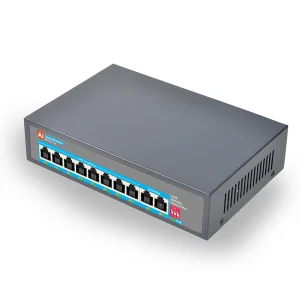
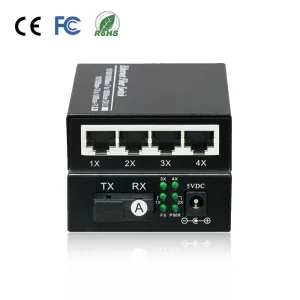
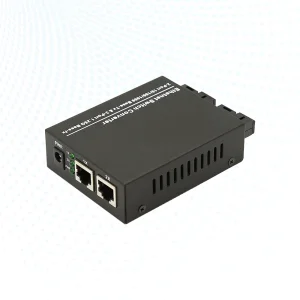
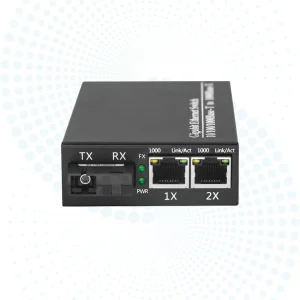
Smart city designs and high-security enterprise properties require extensive IP CCTV networks. PoE switches (like our stable 8-port 100Mbps PoE switches) aggregate camera traffic locally. The uplink port is connected to a Gigabit or 10G Fiber Media Converter, converting copper signals into high-speed optical links that transmit clean feeds over long distances back to the monitoring center.
Technological shifts shaping the next generation of optical transceivers.
As data center requirements transition toward 25G, 100G, and 400G, the 10G SFP+ Duplex ecosystem continues to evolve rather than fade. It remains the dominant choice for edge networking, access loops, and industrial automation due to several key technological trends:
Essential insights and technical guidelines for network architects and procurement leads.
Explore our long-haul transceivers, media converters, POE switches, and ONU terminals.
 Soras Tech