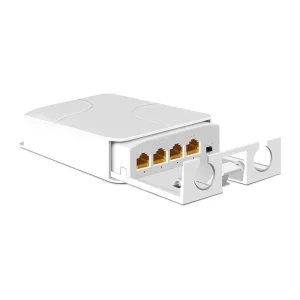
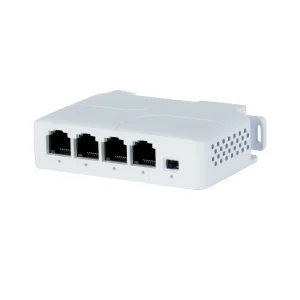
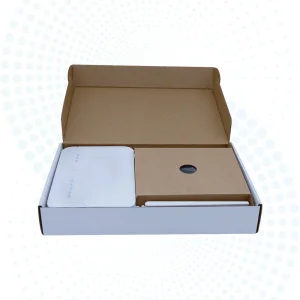
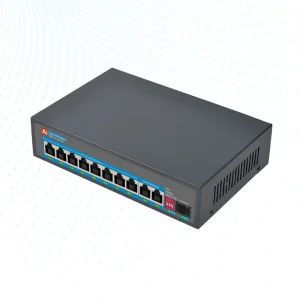
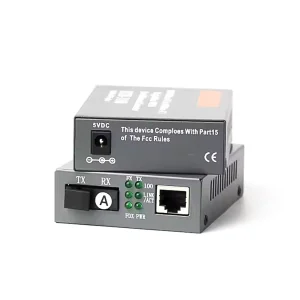
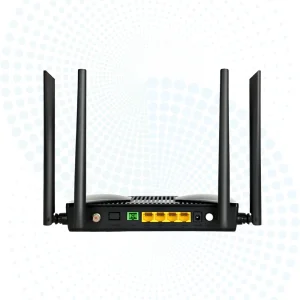
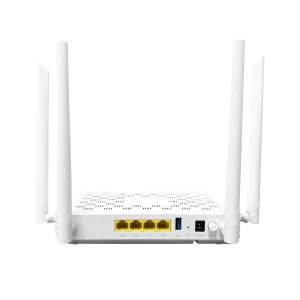
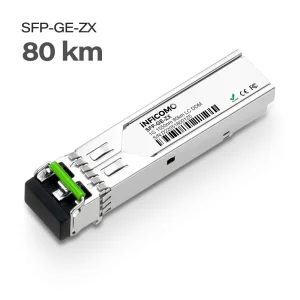
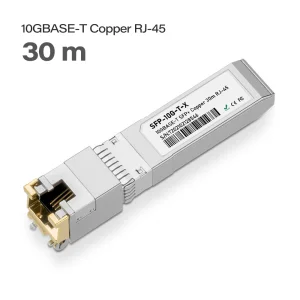
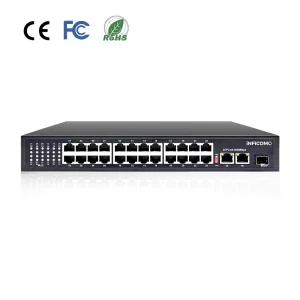
Explore our cutting-edge PoE extensions, fiber transceivers, and switch architectures designed for mission-critical operations.
Shenzhen Soras Technology Co., Ltd. (Soraslink) is a leading manufacturer of optical transmission equipment and network equipment with more than 10 years of experience. We rely on high-quality management and technological innovation, committed to providing customers with high quality, cost-effective, high value-added products and solutions.
Today, we work closely with telecommunications companies around the world. We have strong technical force and an experienced R&D team. Products can be developed according to customer requirements; we also accept your OEM and ODM orders. Now our products are exported to more than 60 countries, with our main markets located in South America, North America, and Europe.
| Business Type | Manufacturer | Country / Region | Guangdong, China |
| Main Products | FTTH ONU & OLT, SFP Module, Fiber Media Converter, PoE Switch, Fiber Optic Equipment | Total Employees | 11 - 50 People |
| Total Annual Revenue | US$5 Million - US$10 Million | Year Established | 2021 |
| Main Markets | Domestic Market 24.00%, Eastern Asia 15.00%, North America 15.00%, South America, Europe | ||
| Certifications | ISO 9001, UL, CE, FCC, ROHS Certification | ||
| Strategic Slogan | "Superior quality, professional service, competitive price, integrity-based" | ||
How Modern Smart Infrastructure, Industrial IoT, and FTTH Broadband Deployments Demand Next-Generation PoE Systems
The transformation from IEEE 802.3af (PoE, 15.4W) to IEEE 802.3at (PoE+, 30W), and now to IEEE 802.3bt (PoE++, up to 90W), has revolutionized device integration. Systems can now deploy PTZ cameras, Wi-Fi 6/7 access points, and remote IoT edge terminals without dedicated electrical wiring, drastically reducing deployment overhead.
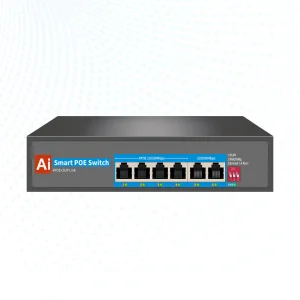
Modern surveillance systems demand continuous connectivity. With features like AI Watchdog and AI Extend, switches can extend data transmission up to 250 meters while constantly monitoring device heartbeat. If a security camera hangs, the switch automatically power-cycles the port, eliminating physical maintenance visits.
Bandwidth bottlenecks are eliminated by matching PoE power distribution with high-speed fiber backhaul. SFP uplink slots enable data aggregation and long-distance transport (up to 40km-160km using transceivers), integrating local physical security networks directly into core telecom central office nodes.
When selecting a global PoE Switch Supplier, system integrators and telecom operators look beyond basic specifications. Critical factors include total cost of ownership (TCO), supply chain reliability, regulatory certifications (such as ISO 9001, UL, CE, FCC, and RoHS), and hardware reliability under extreme conditions.
Enterprise-level sourcing demands products that are built to withstand environmental stress. For example, remote surveillance nodes in commercial or industrial settings require rail-mounted POE extenders with IP55 or higher dustproof and waterproof ratings. This ensures uninterrupted data flow and power delivery despite dust, humidity, or temperature extremes.
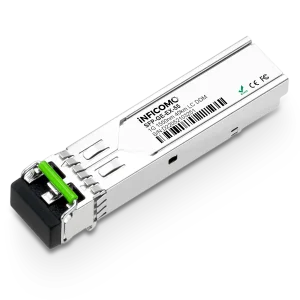
Furthermore, optical integration has become a prerequisite. SFP transceivers, XPON ONU sticks, and media converters must offer hot-swappable reliability and wide compatibility. System designers require SFP modules with Digital Diagnostics Monitoring (DDM) or Digital Optical Monitoring (DOM) to analyze operational metrics like laser temperature, receiver power, and transmitter bias current in real-time, preventing failures before they occur.
As smart cities, FTTx broadband networks, and IoT ecosystems expand, network architecture must adapt. To address these demands, manufacturers provide complete, integrated communication solutions:
The industry is transitioning toward multi-gigabit speeds and smart power delivery. Future networks will increasingly utilize 2.5G, 5G, and 10G PoE ports to handle the massive data volumes generated by Wi-Fi 7 access points, 4K/8K surveillance feeds, and high-frequency edge computing nodes.
Green energy optimization is another emerging trend. Intelligent power allocation software dynamically schedules PoE output, shutting down non-essential ports during off-peak hours to conserve energy. This is paired with advances in silicon carbide (SiC) semiconductors, which reduce thermal loss inside high-density 24-port and 48-port switches, extending hardware lifespan and overall MTBF (Mean Time Between Failures).
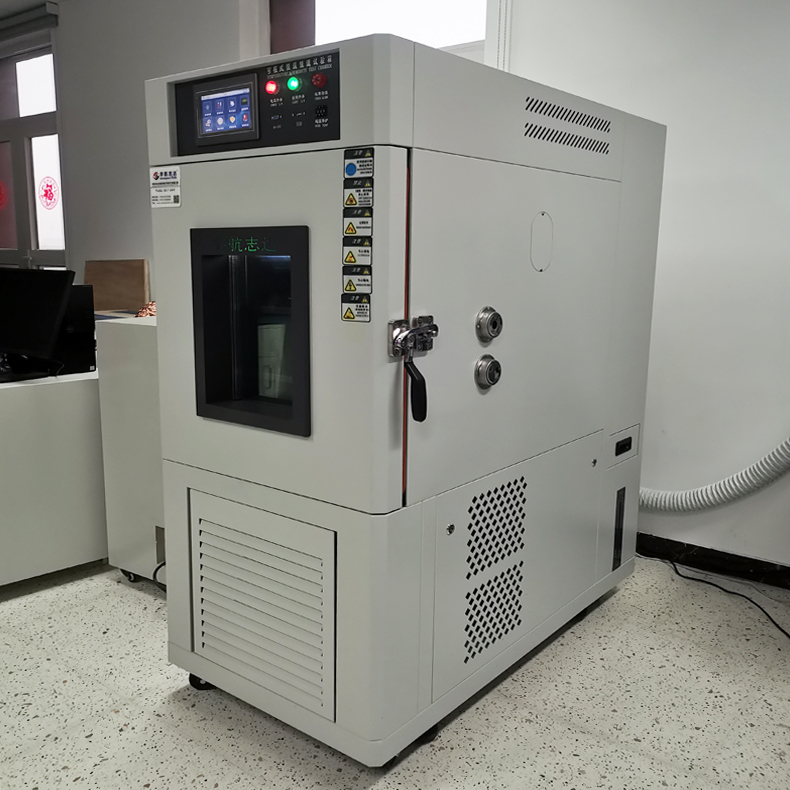
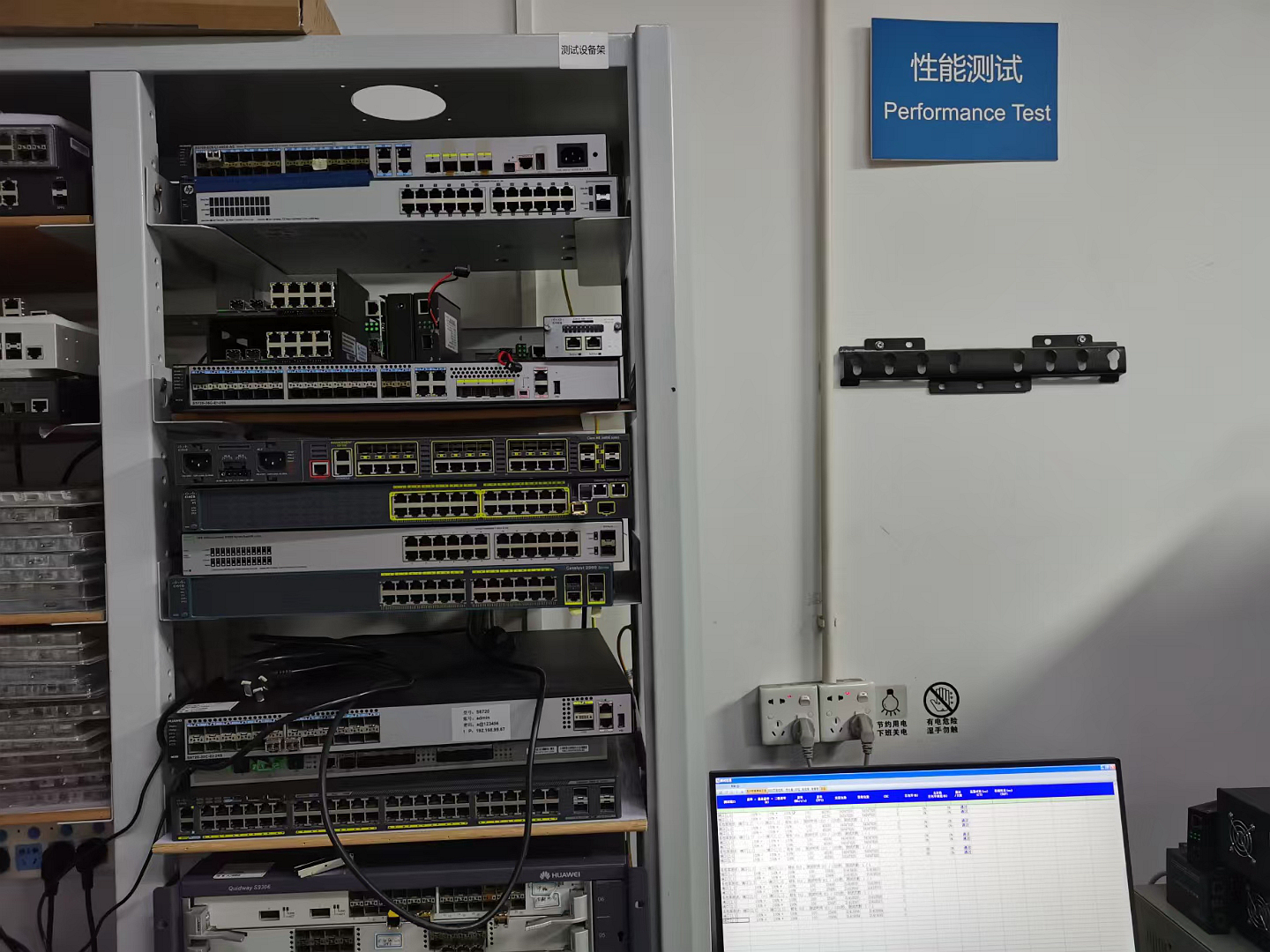
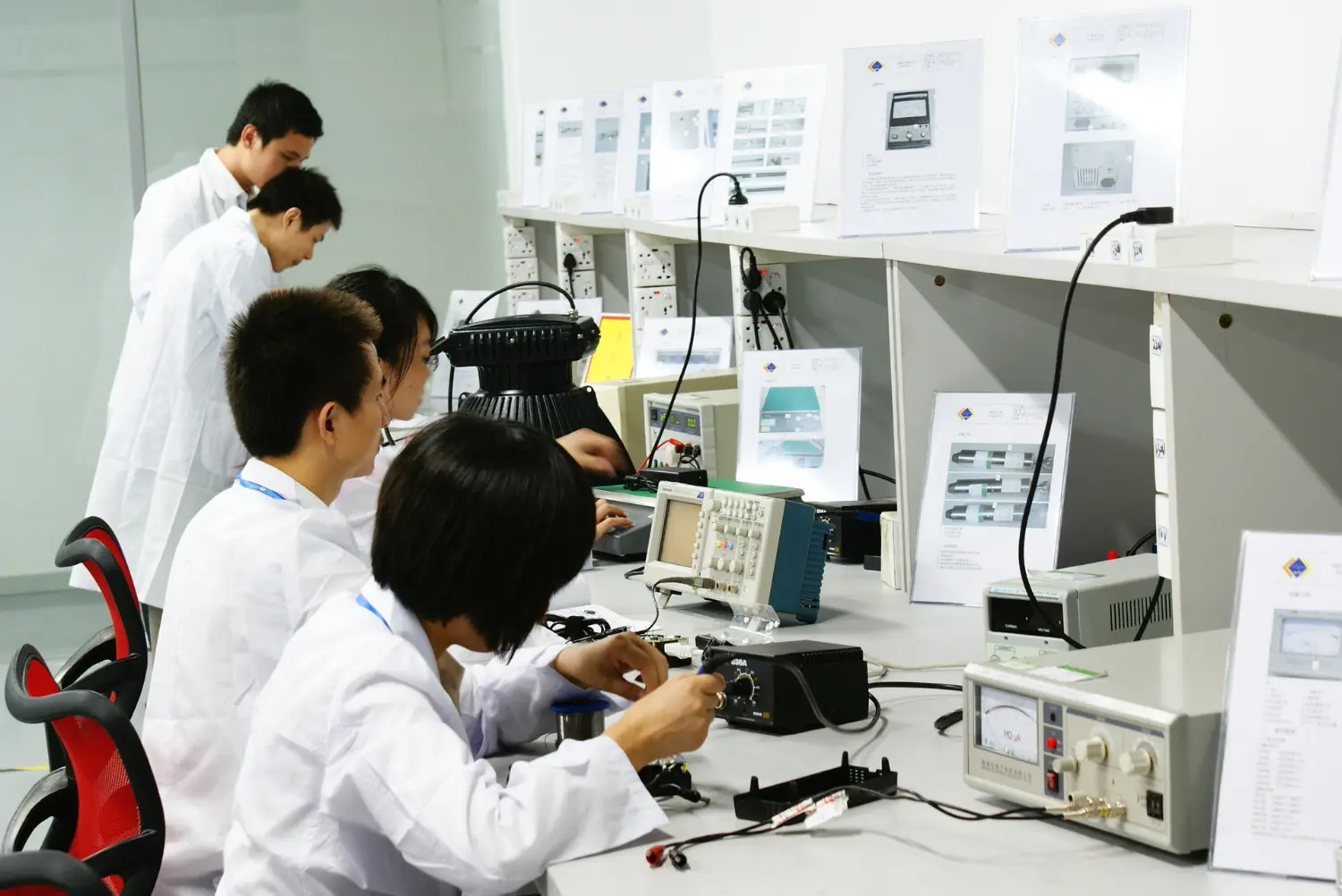
Explore Soraslink's advanced production environment, highlighting our commitment to quality, efficiency, and international standards.

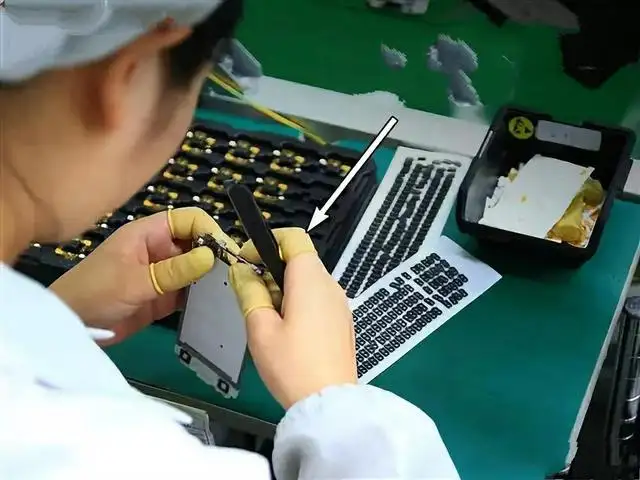


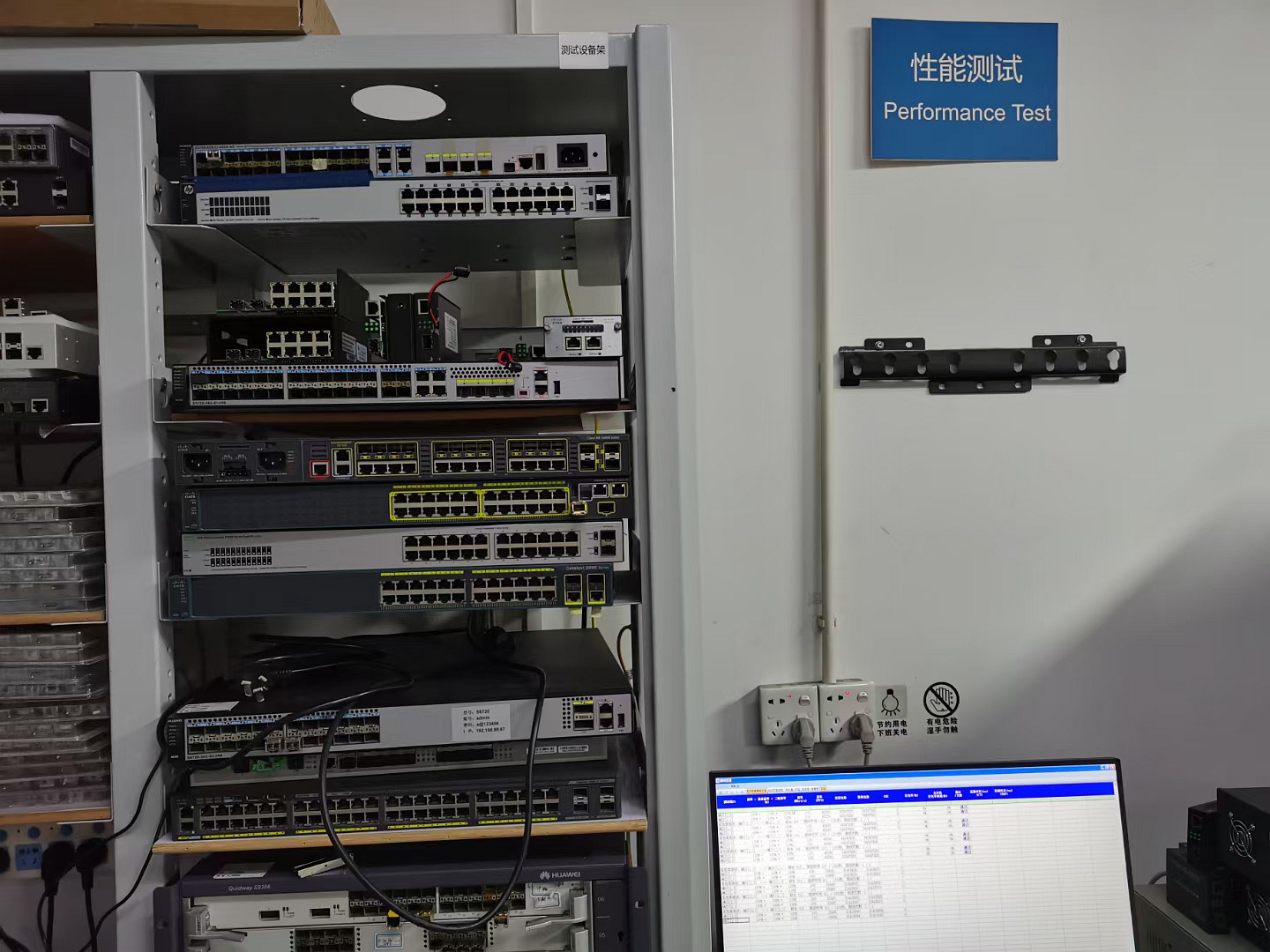
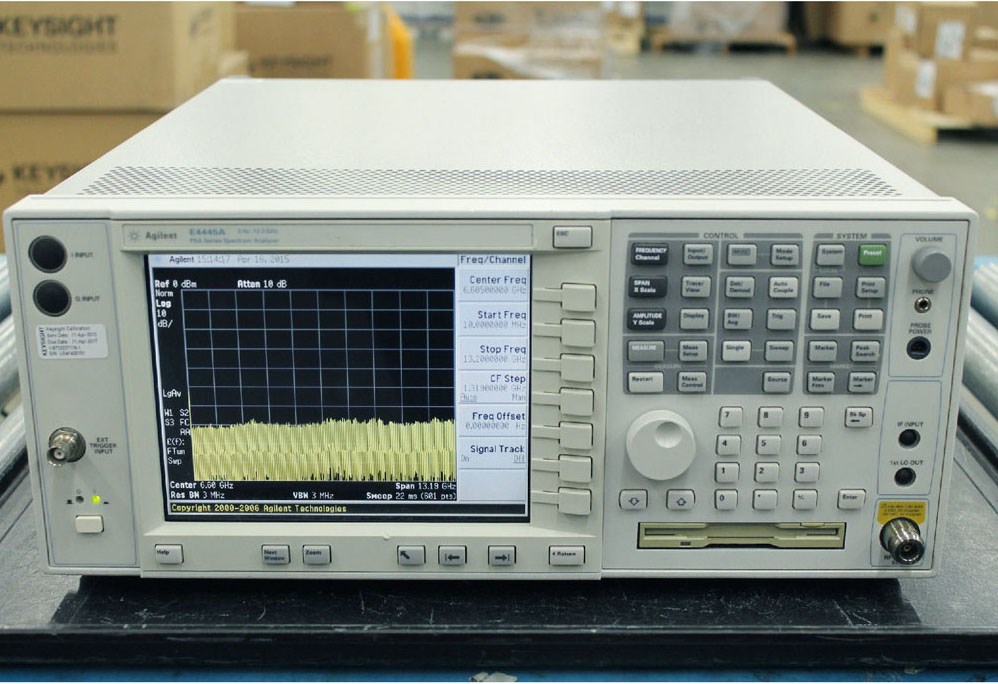
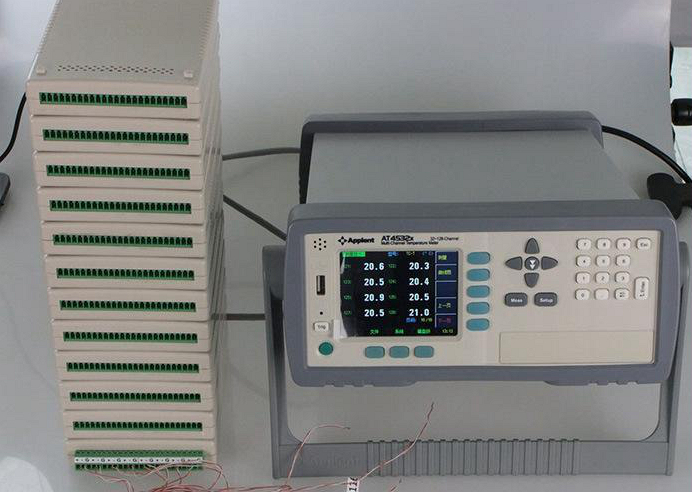
Addressing key engineering inquiries regarding PoE switch deployments, standardizations, and network topology planning.
A: The selection is determined by the maximum power draw of your terminal devices (Powered Devices, or PDs). Standard PoE (802.3af) provides up to 15.4W at the port (suitable for standard IP cameras, VoIP phones). PoE+ (802.3at) provides up to 30W (for entry-level PTZ cameras and dual-band APs). If you are deploying high-power devices like multi-lens PTZ security systems, outdoor heating enclosures, digital signage, or enterprise Wi-Fi 6/7 access points, you must specify a PoE++ (802.3bt) switch, which provides up to 60W (Type 3) or 90W (Type 4) of continuous power per port.
A: In default Ethernet configurations, data transmission is limited to 100 meters. Activating "AI Extend" shifts the transmission mode, allowing the switch to support distances of up to 250 meters at 10Mbps. This is ideal for long-range IP camera setups. Meanwhile, "AI Watchdog" is a self-healing security feature. The switch continuously monitors network traffic to connected ports. If a terminal stops responding, the switch automatically power-cycles that specific port, forcing a reboot and restoring service without requiring a manual site visit.
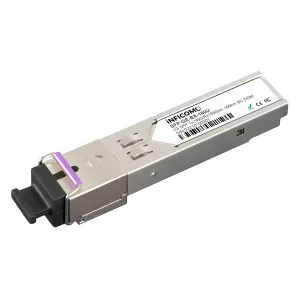
A: SFP transceivers serve as the high-speed uplink bridge, connecting local copper-based PoE switch nodes to central offices miles away. By integrating SFP slots on 4-port, 8-port, or 24-port switches, system integrators can scale networks seamlessly. They can use copper patch cables for local connections and BiDi SFP transceivers to run single-mode fiber links spanning 20km to 160km, bypassing the limitations of standard copper cabling.
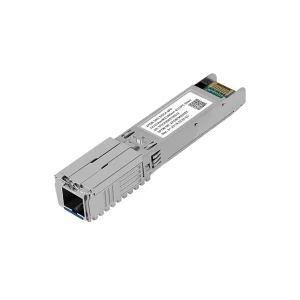
A: An XPON ONU Stick is a highly integrated GPON/EPON Optical Network Unit (ONU) packaged in a standard hot-pluggable SFP form factor. Instead of using a standalone desktop ONU box with external power adapters, network administrators plug the XPON SFP module directly into the SFP uplink port of an enterprise switch or router. This converts the switch port into an optical fiber terminal, simplifying FTTH/FTTB deployments, reducing hardware footprint, and eliminating cabling clutter.
A: Outdoor and industrial networking environments subject hardware to severe thermal fluctuations. High-Low Temperature chambers test switches, extenders, and transceivers to ensure components maintain signal integrity, power budget consistency, and mechanical stability across extreme temperatures (typically from -40°C to +75°C). For wireless products like Wi-Fi 6 ONUs and routers, Wifi Calibration is essential to optimize RF output power, receiver sensitivity, and frequency accuracy, ensuring compliance with global wireless standards.
Integrate robust optical transceivers, media converters, and high-speed FTTH routers into your network core.
 Soras Tech