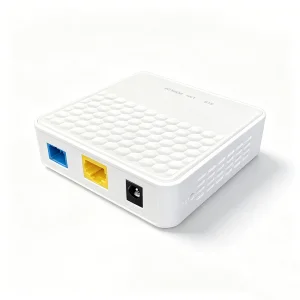
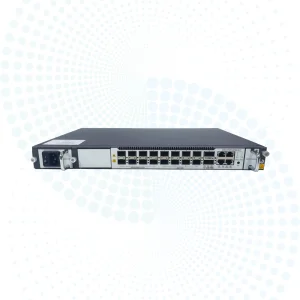
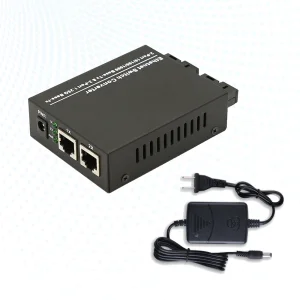
Premium OEM and ODM connectivity solutions tailored for network stability, FTTH rollout, and surveillance applications.
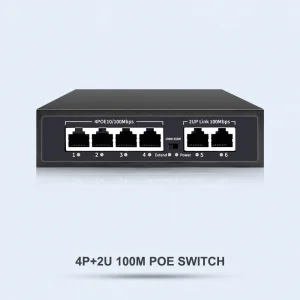
In the rapidly changing landscape of global telecommunications, the RG-6 coaxial cable remains a critical physical medium for high-frequency signal distribution. Designated historically as "Radio Guide" class 6, this 75-ohm cable serves as the primary gateway for Hybrid Fiber-Coaxial (HFC) architectures, satellite downlink feeds, high-performance community antenna television (CATV) systems, and terrestrial HDTV distribution.
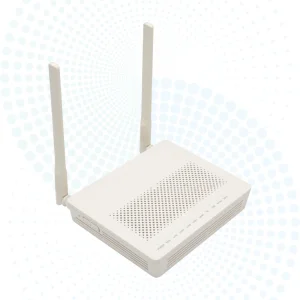
Despite the rapid expansion of Fiber-to-the-Home (FTTH) networks globally, the commercial reality in regions like North America, Europe, and Latin America relies heavily on hybrid systems. Here, high-performance optical backhaul equipment—such as the XPON ONUs, OLT terminals, and media converters manufactured by Shenzhen Soras Technology Co., Ltd.—interfaces directly with localized RG-6 coaxial distribution networks. Understanding the structural properties, attenuation coefficients, and shielding efficacy of RG-6 cables is crucial for network architects striving to maintain maximum signal integrity and prevent electromagnetic ingress or egress.
High-performance RG-6 cables differ from standard legacy wiring due to strict manufacturing standards and high-quality materials. A premium RG-6 coaxial line consists of four critical structural components:
Available as Solid Bare Copper (BC) for low DC resistance or Copper-Clad Steel (CCS) for high structural strength in aerial drops.
Foamed polyethylene (PE) maintains precise structural centering of the conductor, critical for consistent characteristic impedance.
Features dual, tri, or quad shielding (overlapping aluminum foil combined with up to 95% braid coverage) to eliminate external noise.
| Performance Parameter | Standard RG-6 (CCS) | Premium RG-6 (Bare Copper) | Quad-Shield RG-6 (Co-axial) |
|---|---|---|---|
| Conductor Material | Copper-Clad Steel (18 AWG) | Solid Bare Copper (18 AWG) | Bare Copper / CCS Option |
| Dielectric Type | Foamed Polyethylene (4.57mm) | Gas-injected Foamed PE (4.57mm) | Gas-injected Foamed PE (4.57mm) |
| Shielding Layering | Al-Foil + 60% Al Braid | Al-Foil + 80% Al Braid | Dual Al-Foil + Dual Al Braid (Quad) |
| Nominal Attenuation (at 1 GHz) | ~ 21.5 dB / 100 meters | ~ 20.0 dB / 100 meters | ~ 19.5 dB / 100 meters |
| Ideal Usage Context | CATV, Broadband Internet Drops | Satellite Downlinks, Low-Freq Video | High EMI Environments, UHD Systems |
The deployment requirements for RG-6 cables depend heavily on the local engineering guidelines and infrastructure policies of different regions.
In the United States and Canada, local multi-system operators (MSOs) rely heavily on Hybrid Fiber-Coaxial (HFC) systems. Fiber optic nodes route high-speed signals to local neighborhoods. At this point, RG-6 quad-shield cables carry the signal the final distance into residential and commercial buildings. Because these networks operate on the DOCSIS 3.1 and 4.0 standards (which push frequencies up to 1.2 GHz and 1.8 GHz), using high-frequency swept RG-6 cables is essential to prevent signal loss and intermodulation distortion.
In high-density urban areas across South America, such as Brazil and Colombia, telecom providers frequently deploy FTTH networks using central OLT equipment paired with optical receivers. Inside building complexes, these receivers convert signals back to RF. From there, RG-6 coaxial distribution networks deliver satellite and cable television to individual apartments. Because tropical environments present unique challenges, utilizing UV-resistant polyethylene (PE) outdoor jackets and moisture-blocking gel coatings is essential to ensure long-term durability.
European standards (like EN 50117) require strict compliance with Class A, A+, and A++ shielding classifications. In highly congested spectrum environments, cables must prevent wireless signals (such as 4G and 5G LTE) from leaking into the cable lines. As a result, European networks mandate the use of high-shielding triple or quad-shielded RG-6 cables. Additionally, these cables must meet Low Smoke Zero Halogen (LSZH) jacket requirements for indoor installations to comply with construction safety standards.
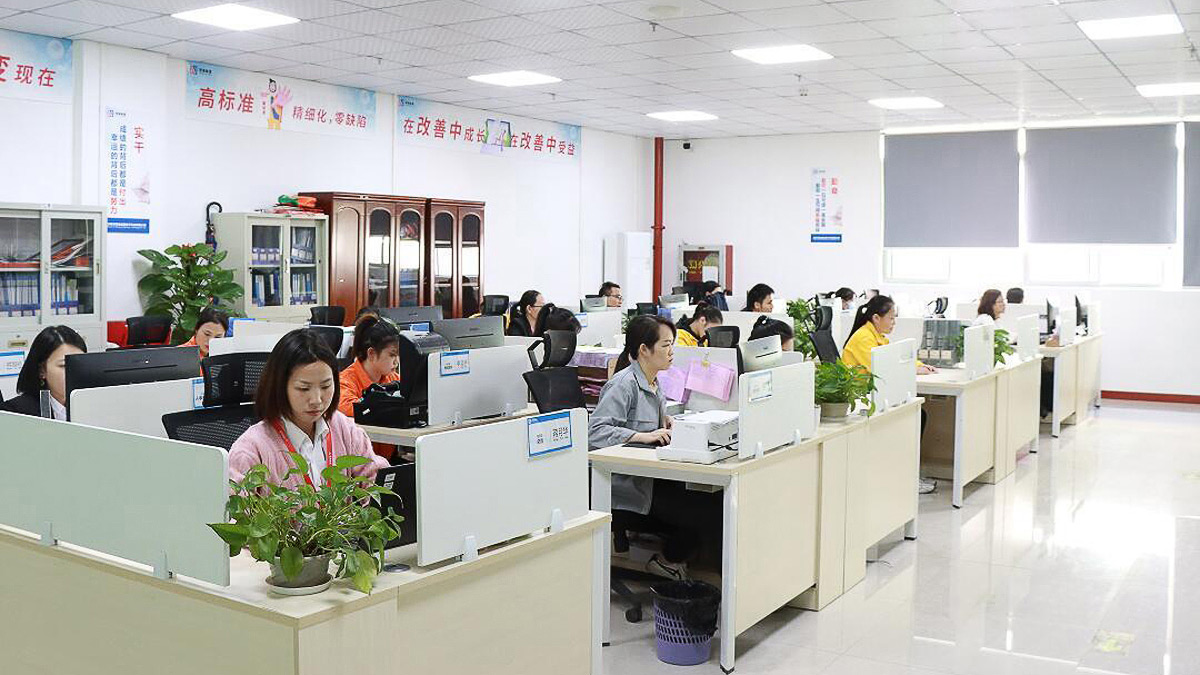
Shenzhen Soras Technology Co., Ltd. is a leading manufacturer of optical transmission and network equipment with over 10 years of experience. We focus on technological innovation and high-quality production standards to deliver cost-effective connectivity solutions. Today, we work closely with telecommunications companies around the world to support robust, long-term network deployments.
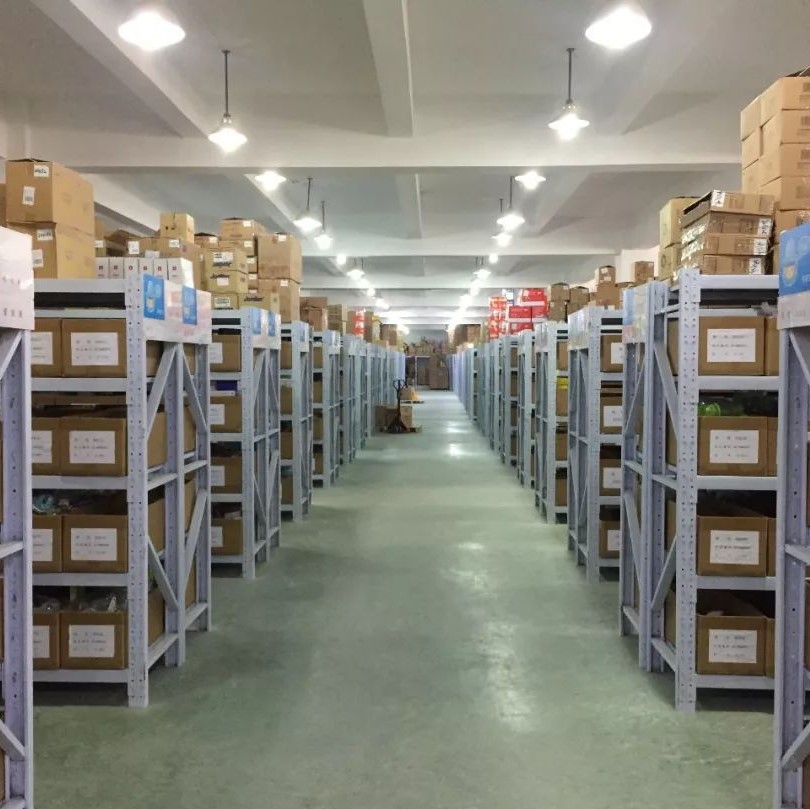
We operate in a modern manufacturing facility located in Guangdong, China. Our engineering capabilities enable us to offer complete OEM and ODM design services to meet your specific regional technical requirements. With international certifications including ISO 9001, UL, CE, FCC, and RoHS, we ensure every production run meets global quality and environmental standards.
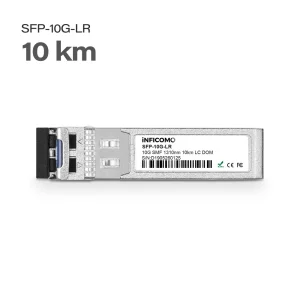
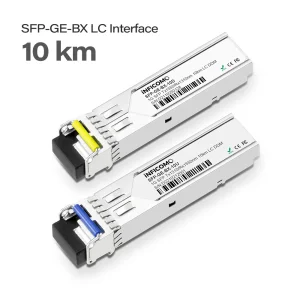
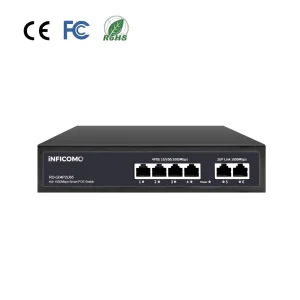
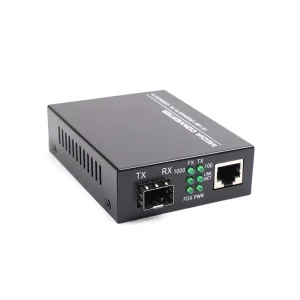
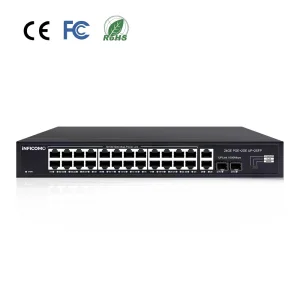
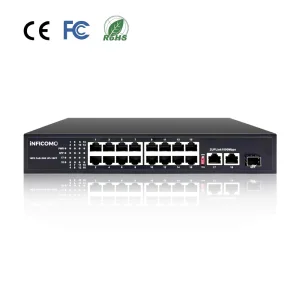
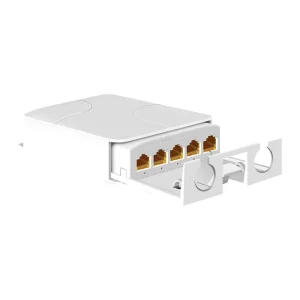
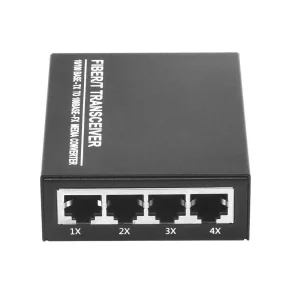
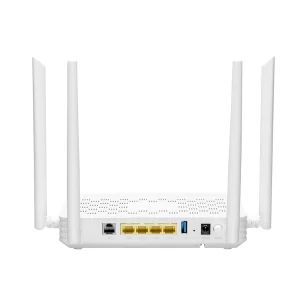
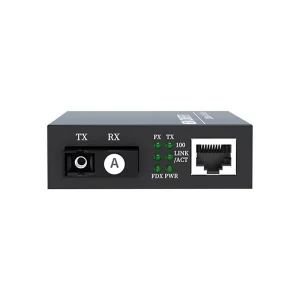
Our core product lines include Fiber Media Converters, SFP Transceiver Modules, POE Switches, GPON/EPON ONUs, OLT platforms, and complementary network equipment. By integrating these systems with high-quality RG-6 distribution cables, we help customers build reliable, end-to-end network infrastructures.
| Business Type | Manufacturer | Country / Region | Guangdong, China |
| Main Products | FTTH ONU & OLT, SFP Module, Fiber Media Converter, Poe Switch, Fiber Optic Equipment | Total Employees | 11 - 50 People |
| Total Annual Revenue | US$5 Million - US$10 Million | Year Established | 2021 |
| Main Markets | Domestic Market 24.00%, Eastern Asia 15.00%, North America 15.00%, South America, Europe | ||
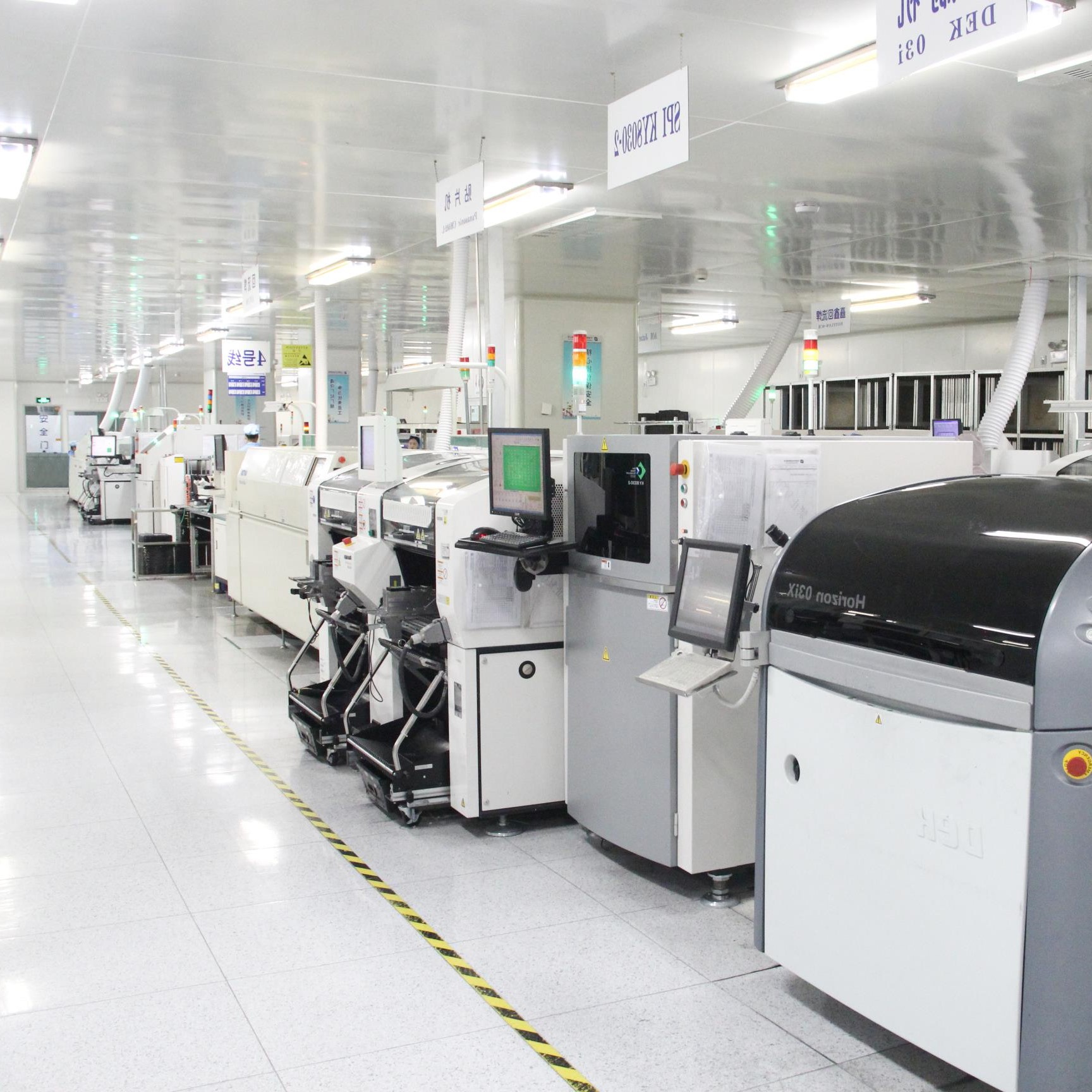
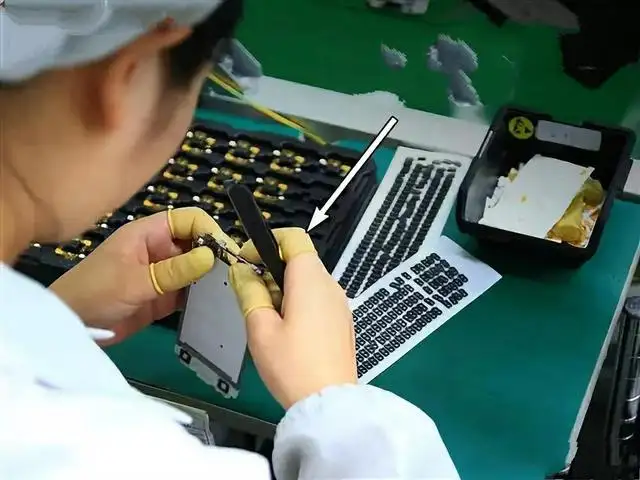
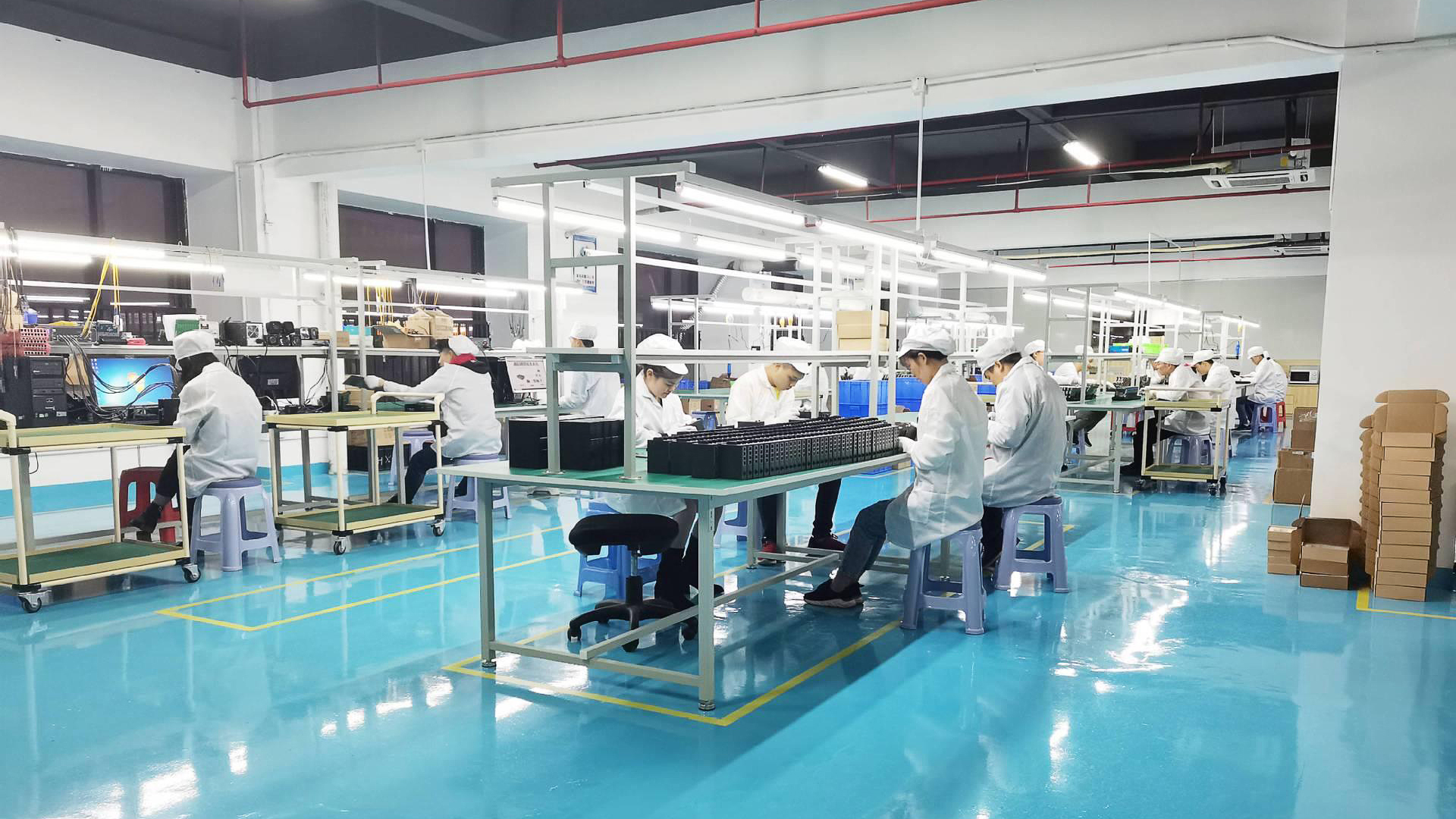
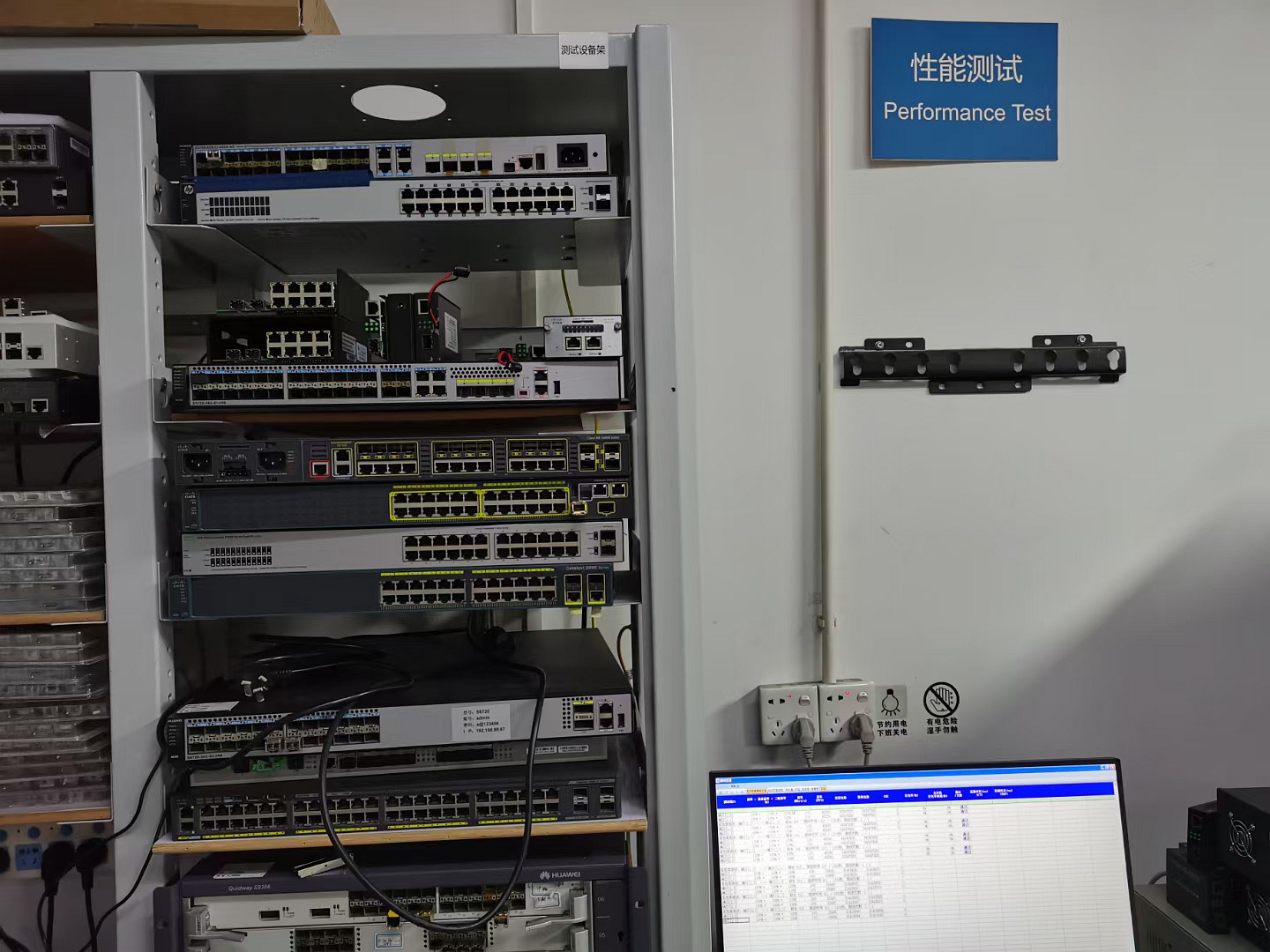
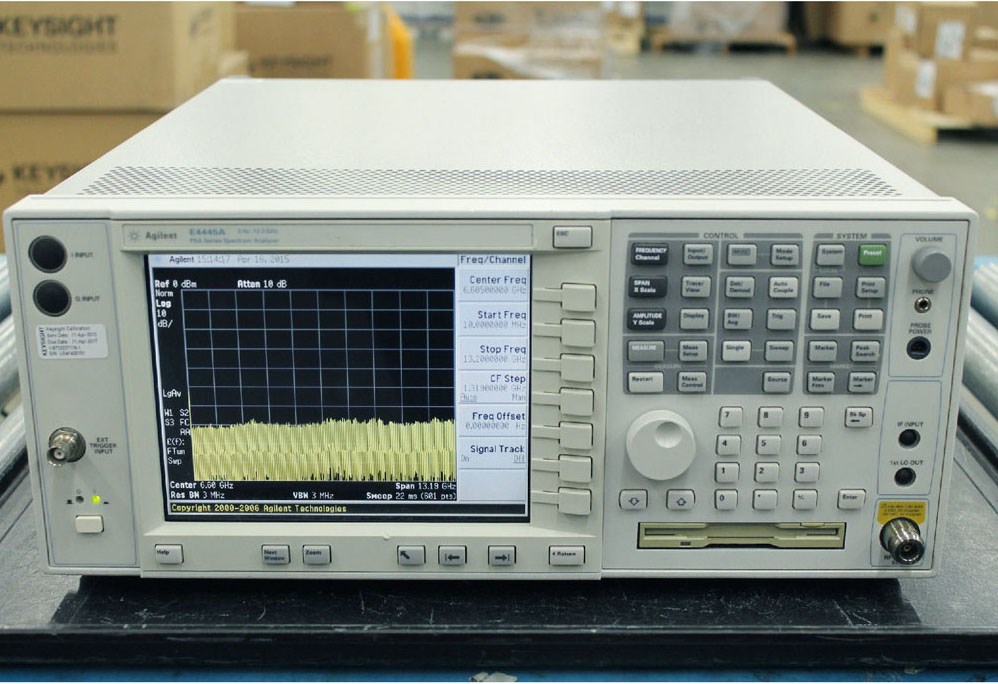
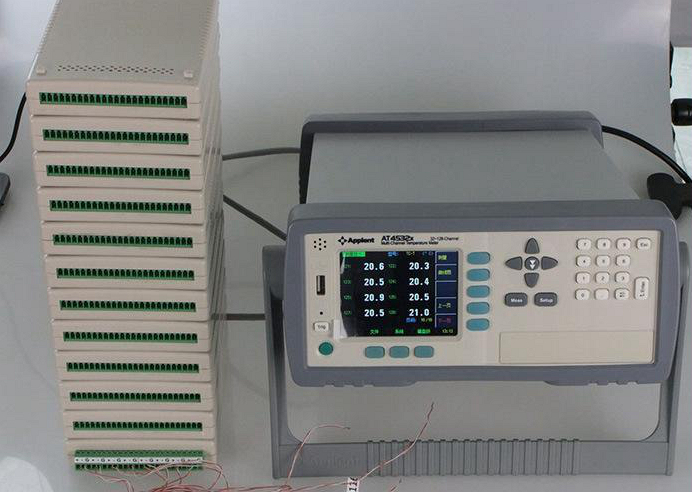
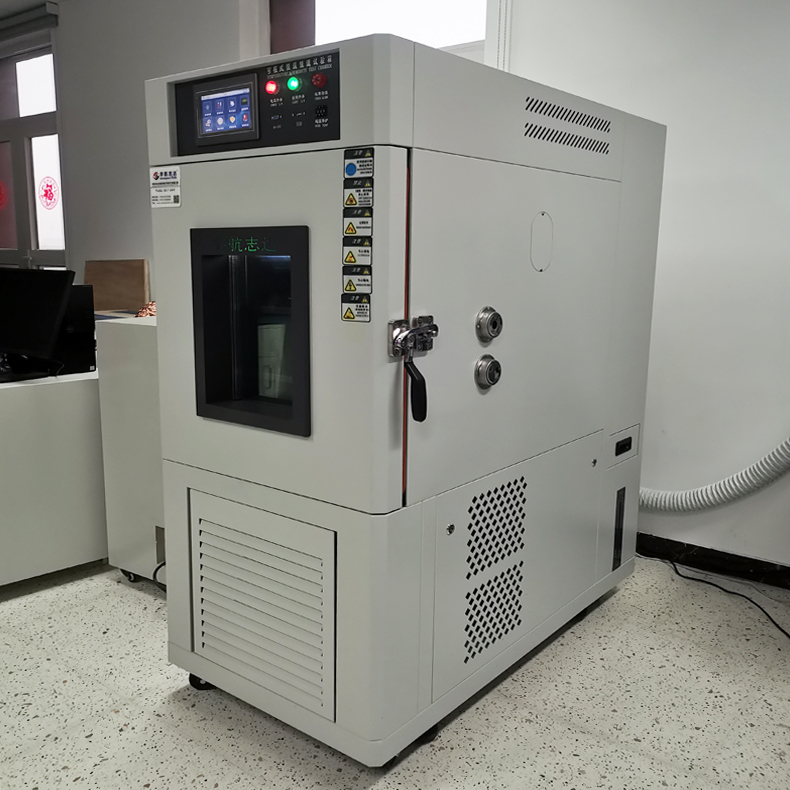
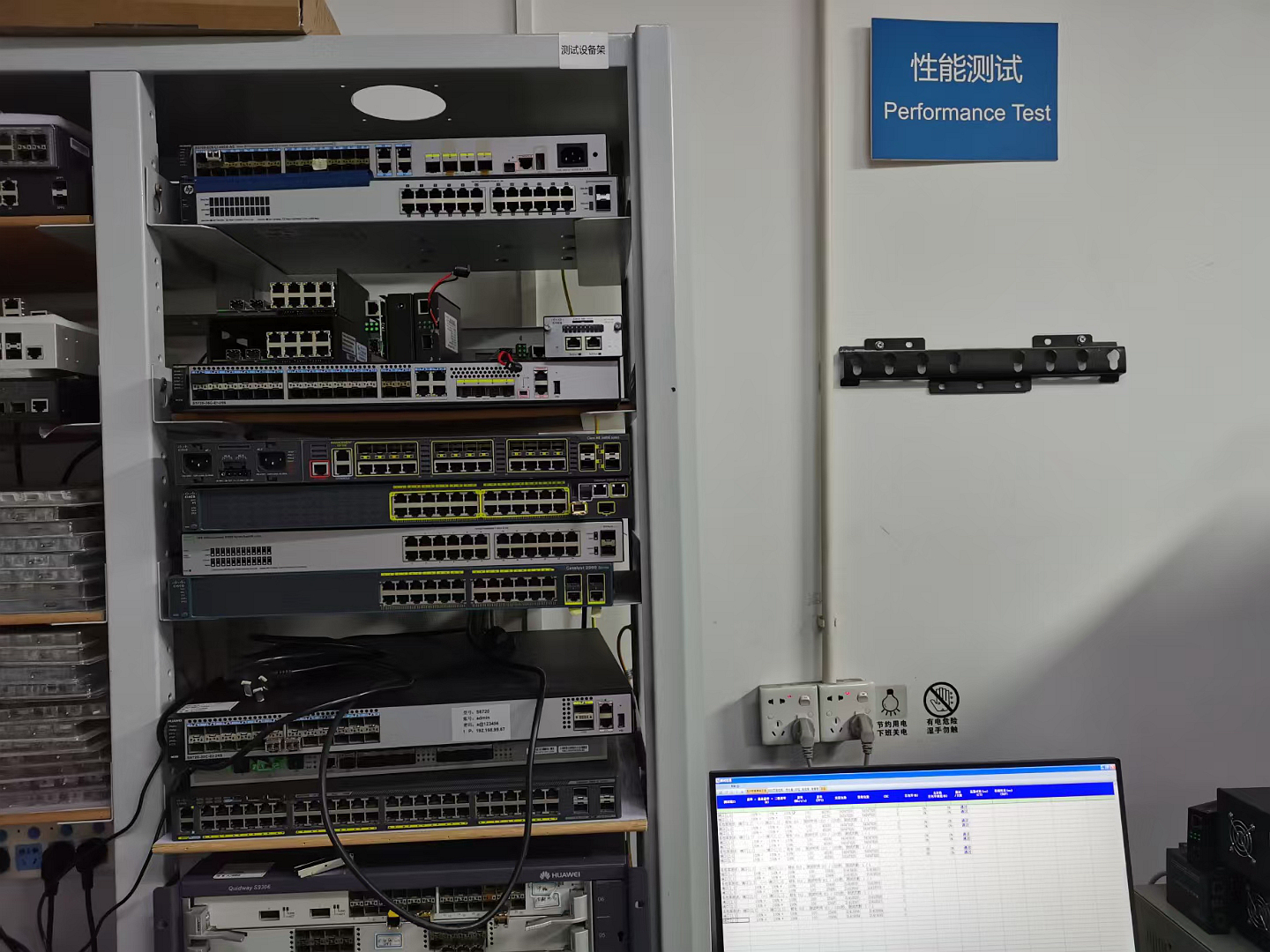
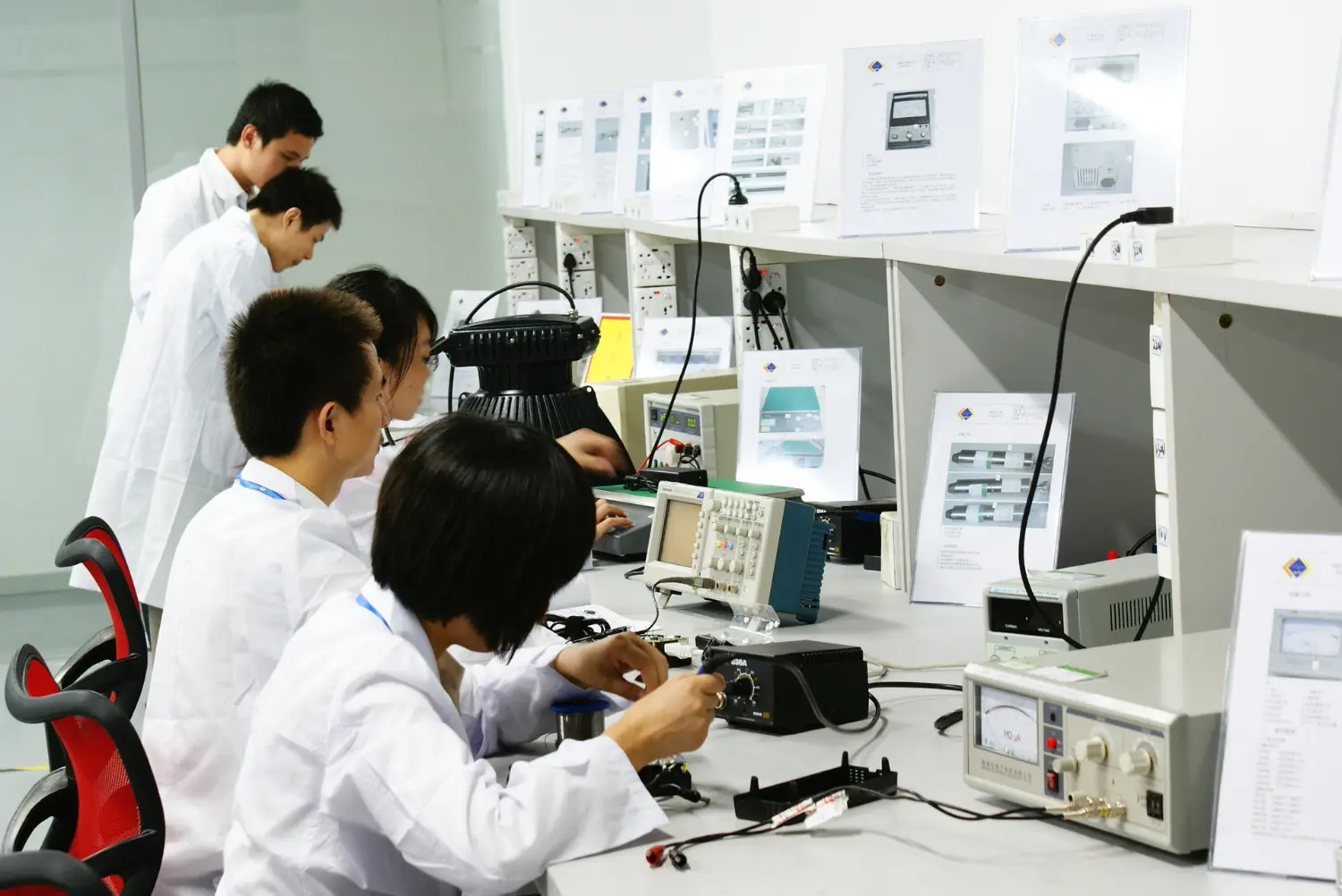
A transparent look at our precision SMT processing, cleanroom manual assemblies, and quality assurance testing protocols.
As demand for gigabit and multi-gigabit speeds increases, the integration of fiber optic backhaul lines with local coaxial networks requires continuous technical evolution.
Modern networks face the challenge of matching coax performance with pure fiber connections. The industry's path forward relies on upgrading transmission systems to support DOCSIS 4.0. This standard expands the active downstream frequency range up to 1.8 GHz, and eventually to 3.0 GHz, supporting speeds up to 10 Gbps downstream and 6 Gbps upstream. These ultra-high frequency levels require advanced engineering, including precision dielectric foaming and double-sided aluminum shielding. These designs help prevent high-frequency attenuation and maintain the signal stability needed for reliable long-term operation.
Another growing trend is the transmission of power alongside data signals. Modern IP CCTV camera systems, commercial access control points, and distributed WiFi extenders are increasingly powered via coaxial cables using Power over Coax (PoC). This system combines data signals with DC power on a single RG-6 cable, eliminating the need to install separate power lines at remote endpoints.
Future product development focuses heavily on environmental safety and material sustainability. Global buyers are moving away from traditional PVC jackets due to toxicity concerns during thermal failure. The industry is standardizing on Low Smoke Zero Halogen (LSZH) and plenum-rated flame-retardant polymers. These materials ensure that cables installed inside public buildings, schools, and transit centers meet strict fire and safety regulations.
Sourcing network hardware and transmission cables from Chinese manufacturers offers clear advantages in terms of cost-performance, scalability, and logistical efficiency.
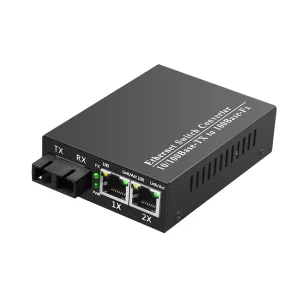
Complete your hybrid transmission network with our certified high-performance modules and high-speed switches.
 Soras Tech