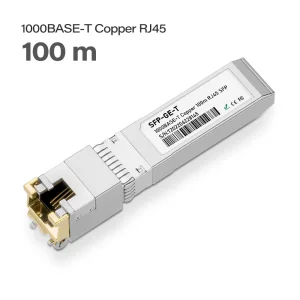
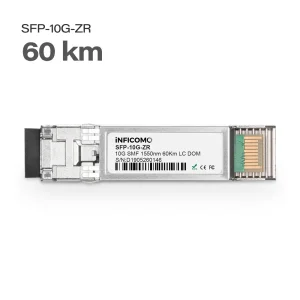
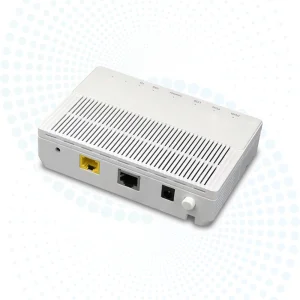
Explore our core CE-certified optical-to-copper media converters, SFP modules, and high-performance PoE Ethernet switch series optimized for enterprise networks.
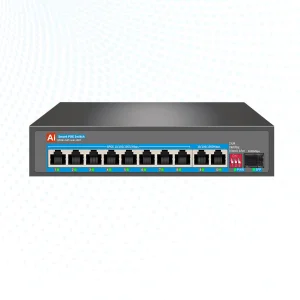
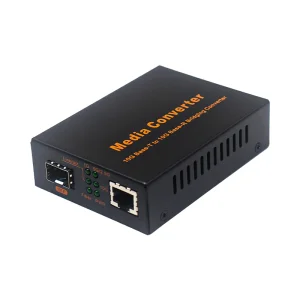
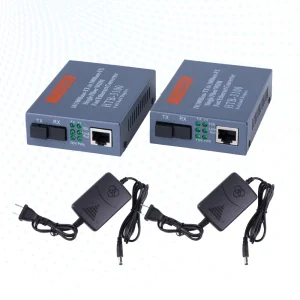
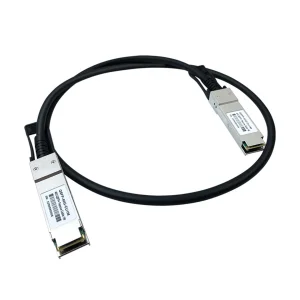

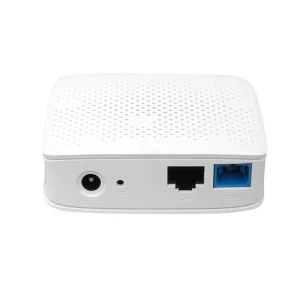
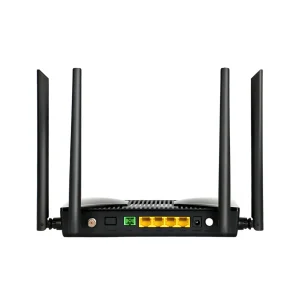
Analyzing industry architectures, signaling methodologies, and the indispensable function of media conversion in bridging legacy copper loops with multi-gigabit fiber networks.
In the current telecommunications landscape, the migration toward end-to-end fiber optic connectivity is indisputable. However, the legacy copper infrastructure—primarily consisting of Cat5e, Cat6, and Cat6A Ethernet cabling—remains highly integrated within localized enterprise local area networks (LANs), data center cabinets, and edge distribution nodes. Replacing these physical-layer copper circuits entirely with fiber optic cable is often economically unfeasible and operationally disruptive. Herein lies the critical technical imperative for Ethernet-to-Fiber Media Converters.
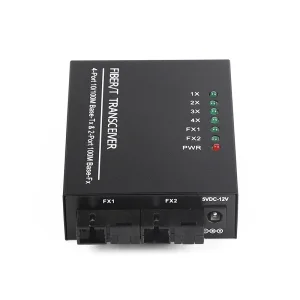
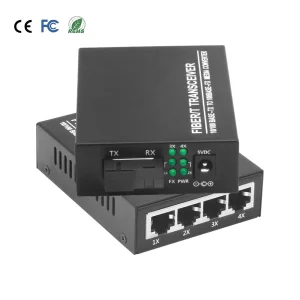
A media converter acts as a transparent physical layer device (Layer 1 in the OSI model), translating electrical signals over twisted-pair copper cabling into modulated light pulses for transmission over optical fiber waveguides. In doing so, these devices bypass the physical constraints of copper Ethernet cabling, which is intrinsically limited to a maximum propagation distance of 100 meters (328 feet) due to resistive losses, high-frequency signal attenuation, and electromagnetic vulnerability. By converting these signals to optical waveforms, network architects can extend network segments over spans ranging from 2 kilometers to upwards of 120 kilometers utilizing Single-Mode Fiber (SMF) assemblies operating at wavelengths of 1310nm, 1550nm, or through Single Fiber Bi-Directional (BiDi) Wavelength Division Multiplexing (WDM) protocols.
Information Gain Concept: Modern media conversion goes beyond simple physical layer adaptation. Modern telecom networks demand intelligence at the optical edge. Today's industrial networks integrate media converters to perform key L2 switching tasks, link fault pass-through (LFP) propagation, and PoE+ power provisioning directly to terminal points, maximizing uptime in harsh topological conditions.
For system integrators, municipal engineering departments, and telecommunications operators, the select standard for these hardware deployments centers on international safety, compatibility, and environmental compliance. Devices certified by European authorities under the CE (Conformité Européenne) mark ensure strict adherence to safety, health, and environmental protection standards. This certification guarantees that media converters conform to directives such as the Electromagnetic Compatibility (EMC) Directive 2014/30/EU and the Low Voltage Directive (LVD) 2014/35/EU, ensuring no harmful electromagnetic emissions interfere with surrounding IT gear, and validating the device's electrical isolation parameters.
How specialized production ecosystems, strict quality controls, and technological innovations in Shenzhen enable cost-effective, high-reliability networking solutions.
Shenzhen, China, has evolved from a simple assembly hub to the world's primary source of optical transmission technology. As global demand for high-speed fiber interfaces grows, China-based manufacturers like Shenzhen Soras Technology Co., Ltd. leverage a specialized supply chain to deliver high-quality, cost-competitive products. This industrial concentration yields several key advantages:
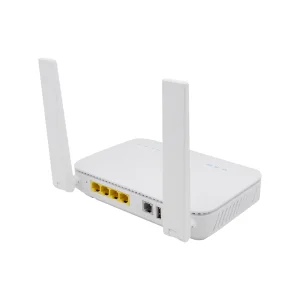
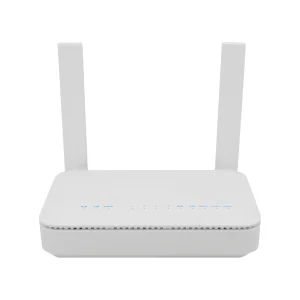
In addition to cost and structural efficiencies, global fiber network trends are driving significant shifts in product design. Hardware architectures are moving toward higher bandwidths, moving from Fast Ethernet (10/100M) and Gigabit Ethernet (1000M) platforms to 10G, 40G, and 100G transmission rates. Network architectures are also shifting away from single-purpose media converters toward multi-port managed switches that integrate fiber multiplexing, and advanced optical network units (ONUs) supporting WiFi 6 technologies like the F6610M AX3000 XPON ONT.
Aligning optical hardware with complex system designs across telecommunication, security, and transport industries.
Media converters and optical transceivers are critical components in a wide range of industrial and municipal networking projects. Below are the primary application scenarios where these systems are deployed:
Connecting high-definition IP cameras to central monitoring facilities. Using hardened media converters with dual SFP uplinks and PoE ports allows installers to power cameras and run fiber links over 20km back to network video recorders (NVRs).
Supplying GPON, EPON, and XGS-PON ONU modems for high-speed residential and corporate broadband. Devices like the INFICOMO X2001 Epon/Gpon ONU connect fiber lines directly to consumer network equipment.
Deploying ruggedized fiber media converters in manufacturing plants and power substations. Designed with metal enclosures and wide operating temperature ranges, these converters prevent EMI/RFI issues common in copper networks.
A trusted manufacturer with over 10 years of R&D experience in global optical transmission and network equipment.
Shenzhen Soras Technology Co., Ltd. is a leading manufacturer of optical transmission and network equipment. We rely on high-quality management and technological innovation, and are committed to providing customers with cost-effective, high-value-added products and solutions. Today, we work closely with telecommunications companies around the world, supported by an experienced R&D team capable of handling custom OEM and ODM orders. Our products are exported to more than 60 countries across South America, North America, and Europe. Our core product lines include Fiber Media Converters, SFP Modules, POE Switches, ONUs, OLTs, and supporting hardware. We operate under ISO 9001 quality management, with certifications including UL, CE, FCC, and RoHS, guided by our core philosophy: "superior quality, professional service, competitive price, integrity-based."
| Business Type | Manufacturer |
Country / Region | Guangdong, China |
|---|---|---|---|
| Main Products | FTTH ONU & OLT, SFP Module, Fiber Media Converter, Poe Switch, Fiber Optic Equipment | Total Employees | 11 - 50 People |
| Total Annual Revenue | US$5 Million - US$10 Million | Year Established | 2021 |
| Main Markets | Domestic Market 24.00%, Eastern Asia 15.00%, North America 15.00%, South America, Europe | ||
| Quality Certifications | ISO 9001, UL, CE, FCC, RoHS Compliance Certificates Verified | ||
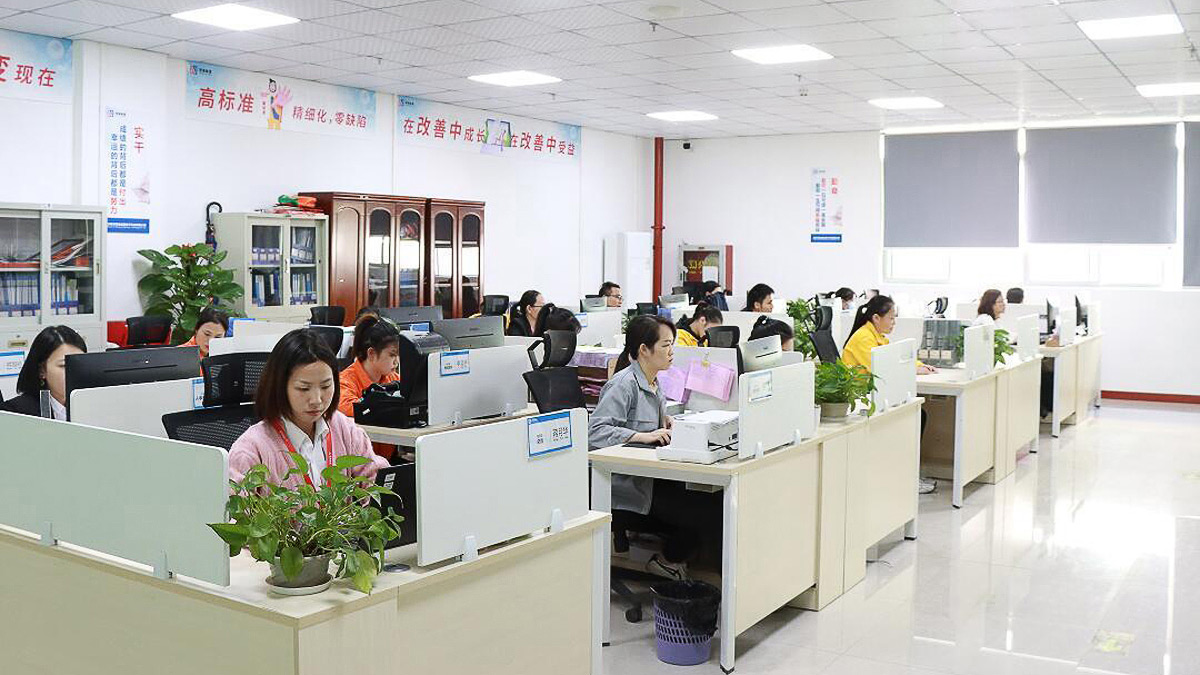
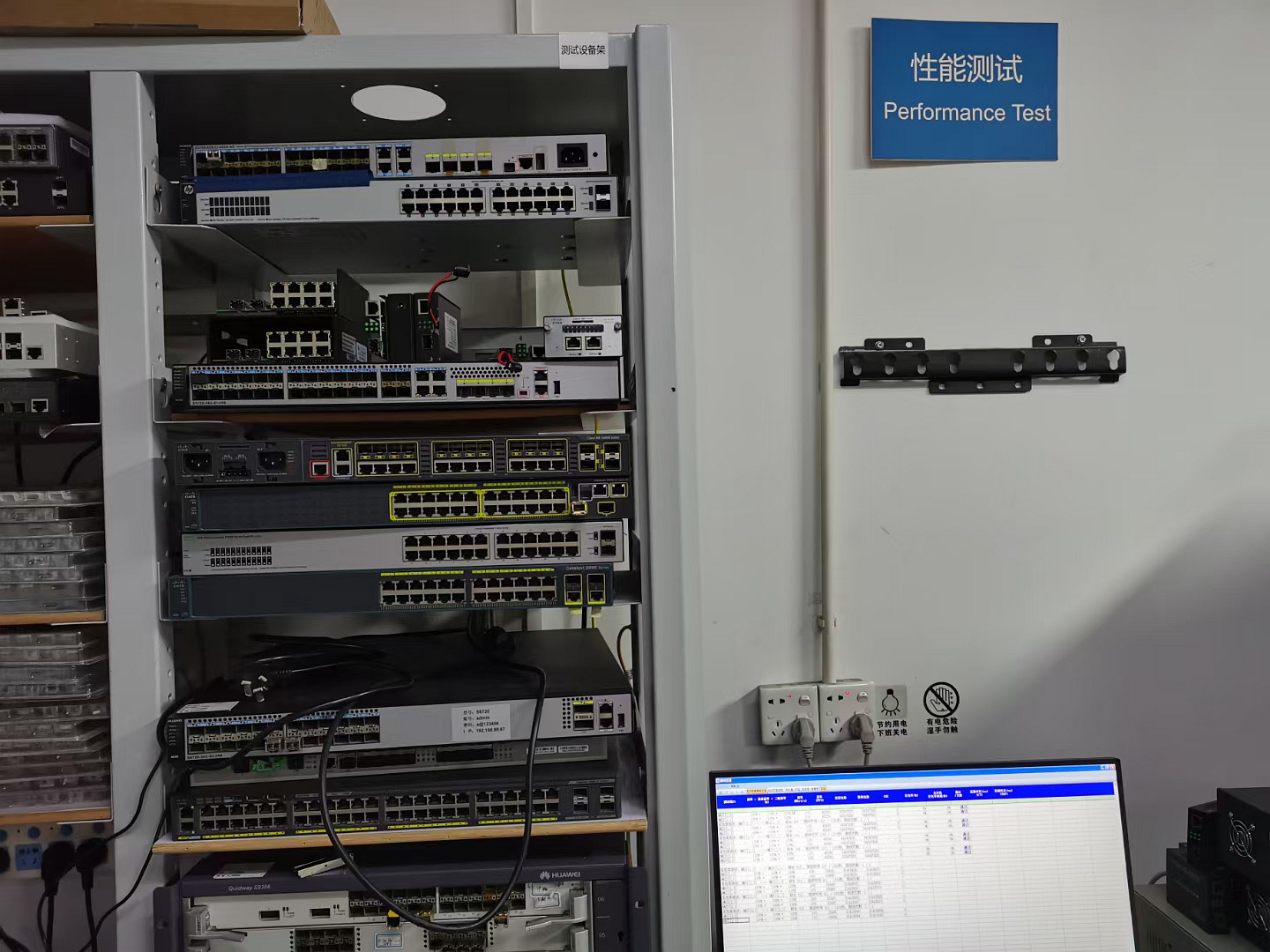
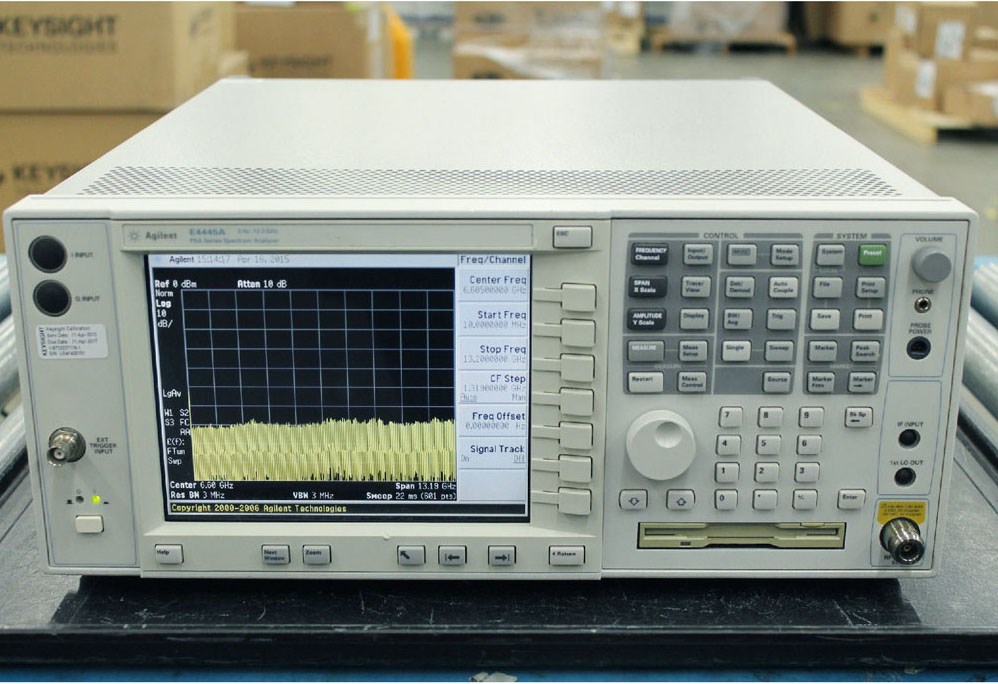
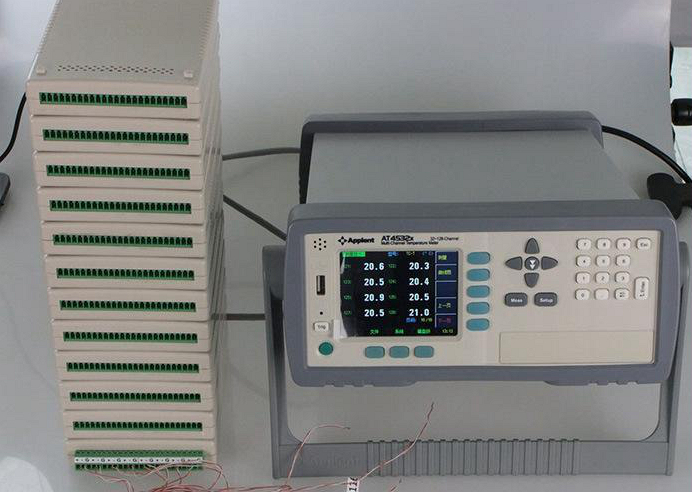
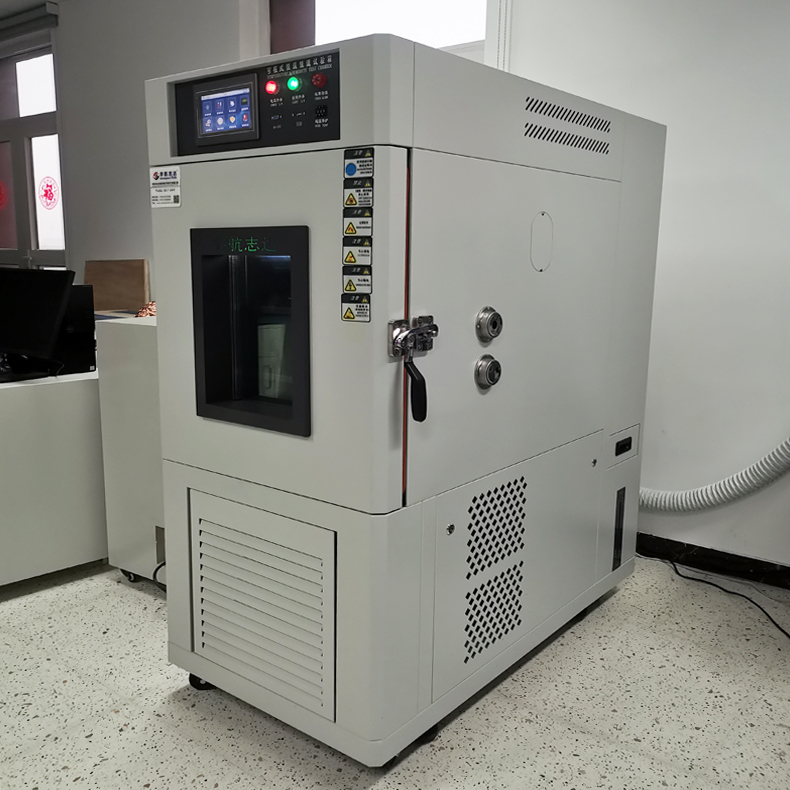
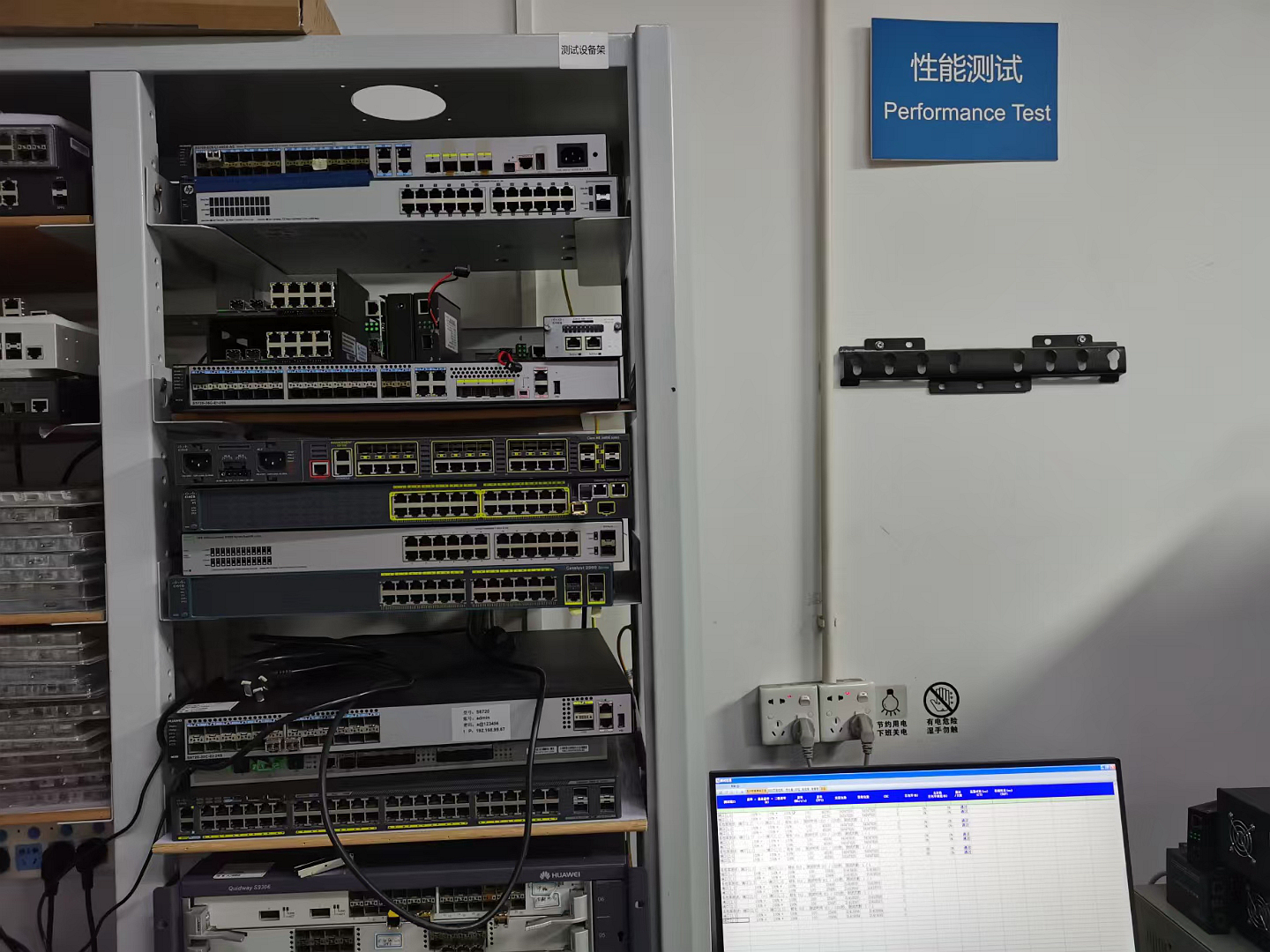
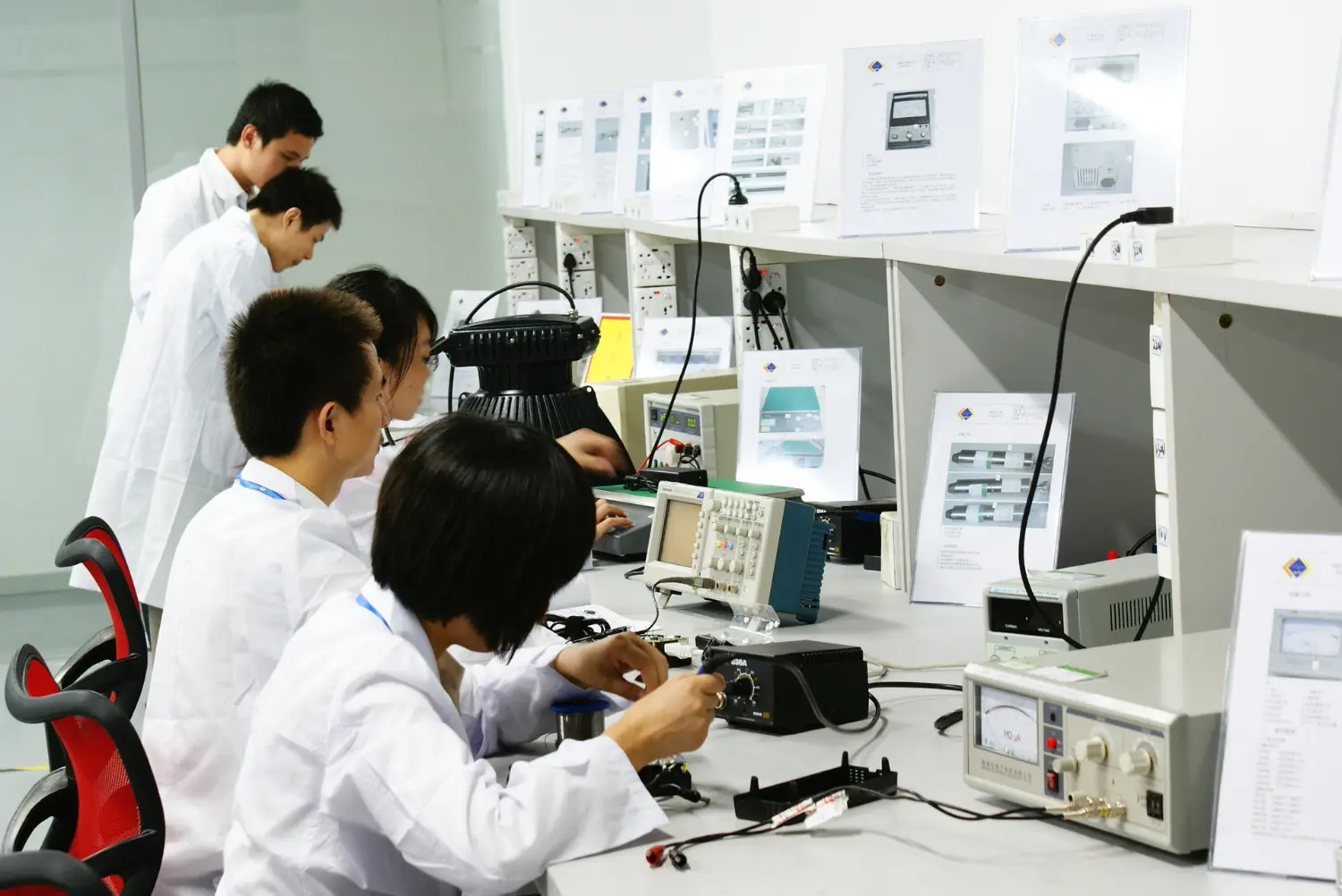
To ensure high performance and long-term reliability in the field, Soras Technology manages every stage of production at our Shenzhen facility. This includes PCB assembly on automated SMT lines, precise device assembly, and comprehensive quality control testing.
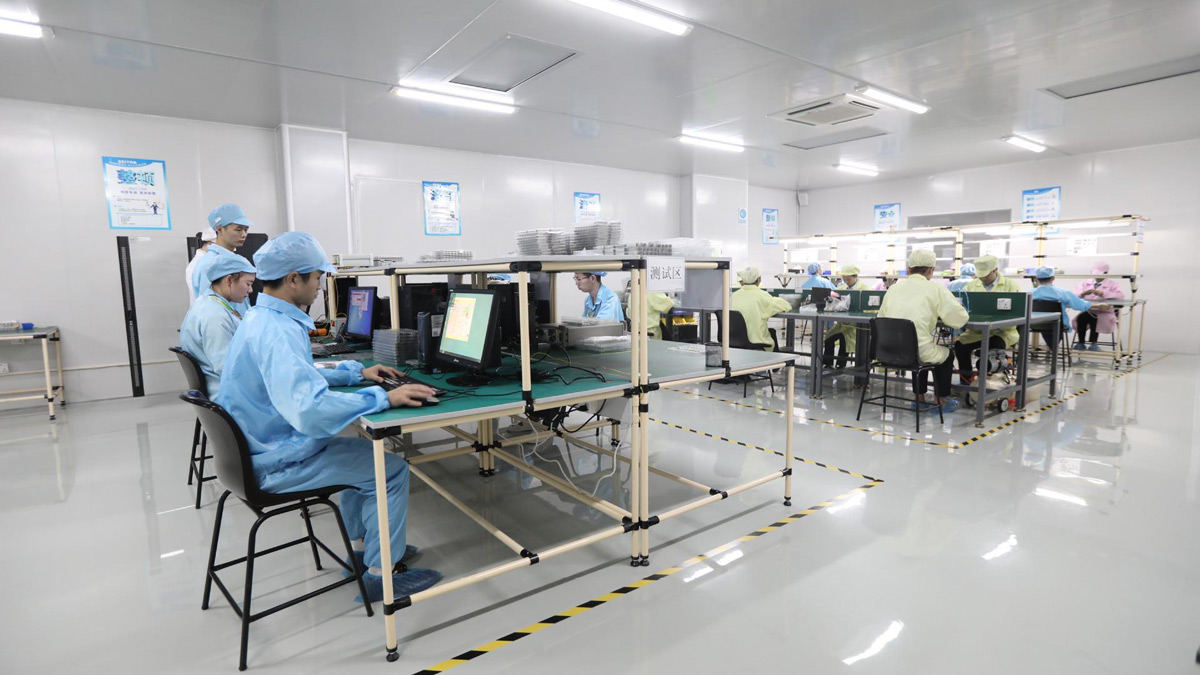
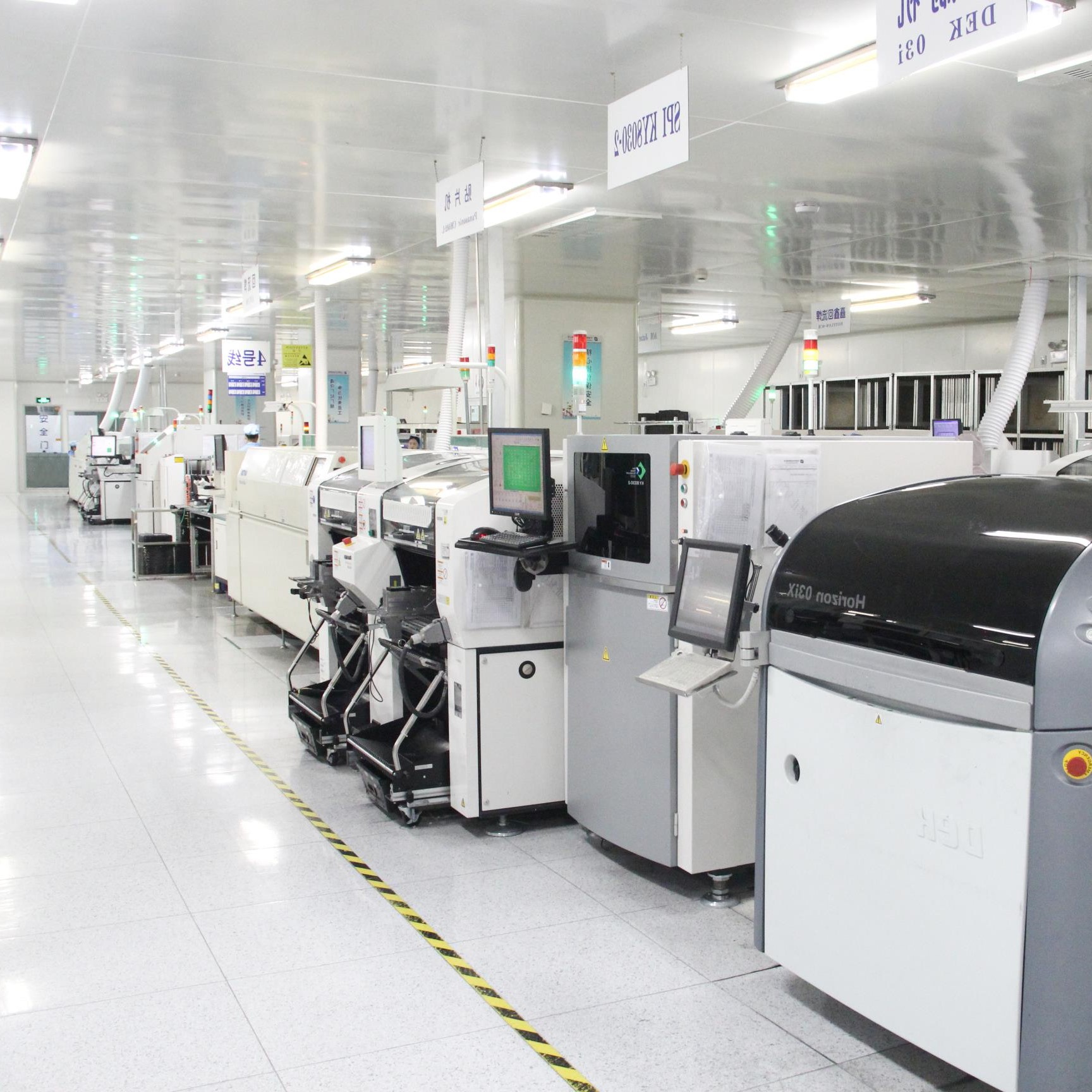
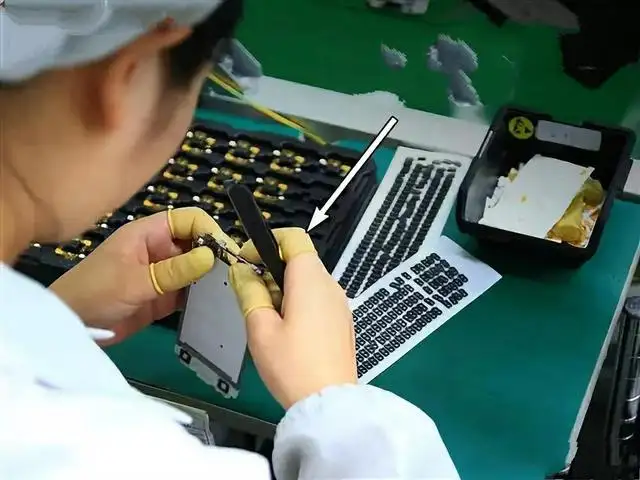
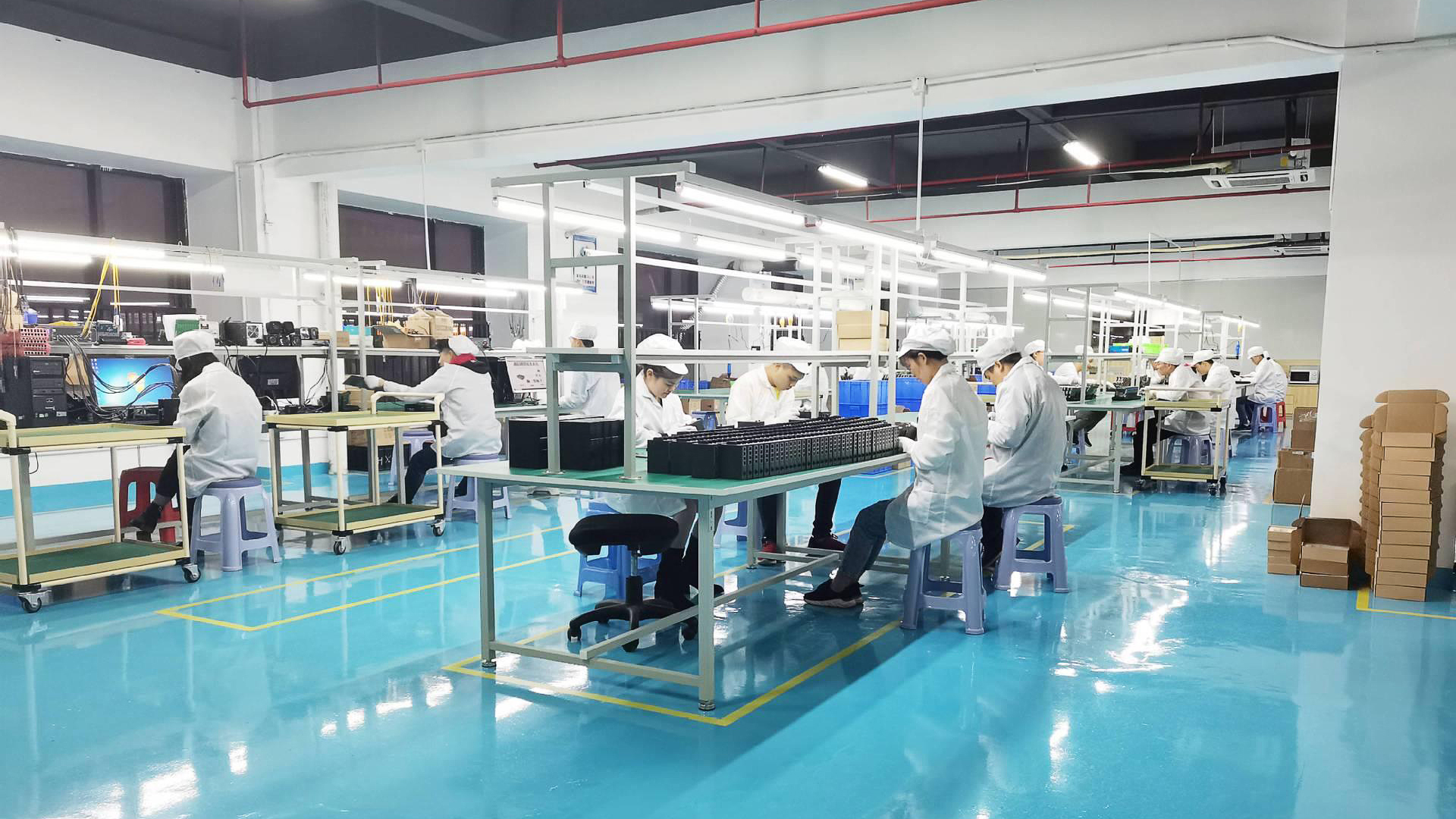
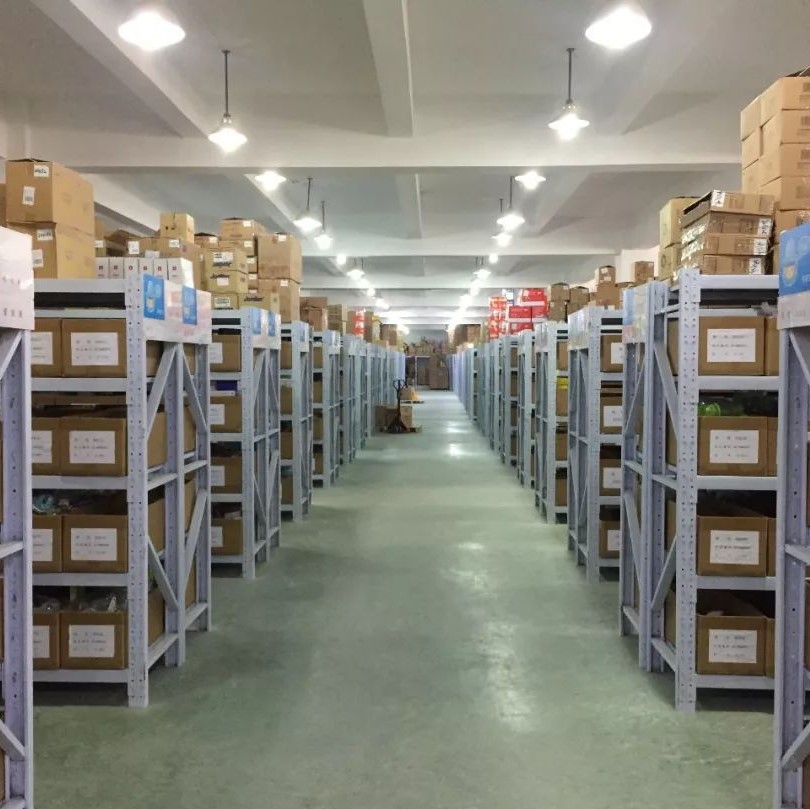
Every transceiver, media converter, and ONU undergoes a suite of tests to ensure performance in variable environments, verifying baseline signaling metrics, error rates, and temperature stability.
Technical guidance for network engineers and procurement teams evaluating fiber integration projects.
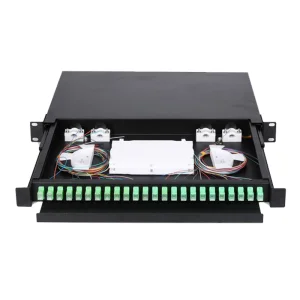
Explore our additional optical networking components, ranging from high-bandwidth XGS-PON units to high-density distribution patch panels.
 Soras Tech