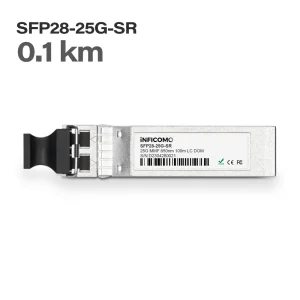
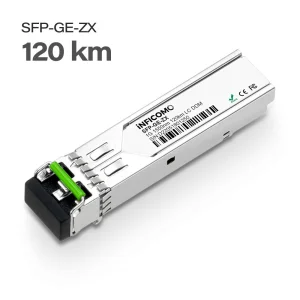
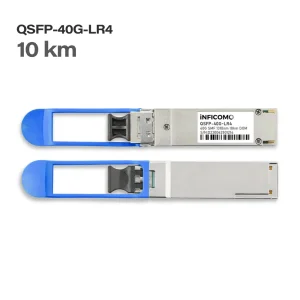
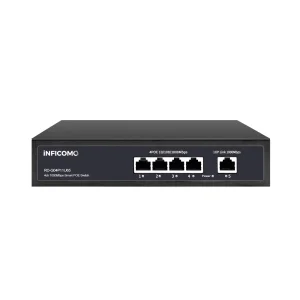
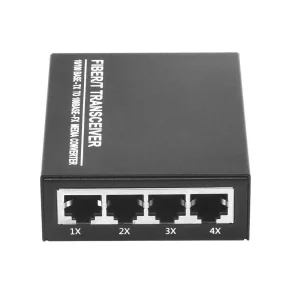
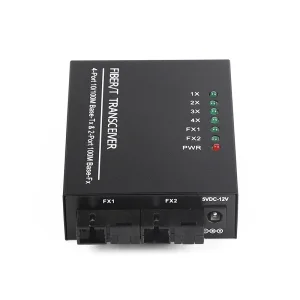
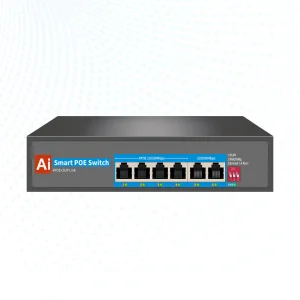
Fully compatible, high-reliability transceiver interfaces designed for enterprise networks and local edge connections across Nigeria.
Nigeria's telecommunications sector has emerged as the digital epicentre of West Africa. With major metropolitan developments in Lagos (particularly Victoria Island, Lekki, and Ikeja), Abuja, and Port Harcourt, the deployment of hyper-scale data centers and corporate local area networks (LANs) is growing exponentially. To support this massive surge in data consumption, network architects are heavily prioritizing Multi-Mode fiber patch cords for short-range high-bandwidth configurations, as well as robust active transmission modules, GPON systems, and PoE network configurations.
Lagos' coastal environment presents high salinity and humidity, while northern states exhibit extreme dry heat. Standard components decay rapidly. Our multi-mode patch cords feature high-performance LSZH jackets and dust-tight ceramic ferrules built to withstand harsh ambient climates.
The rapid installation of carrier-neutral data centers across Lekki and Ikeja requires massive deployment of multi-mode OM3, OM4, and OM5 fibers to connect internal server racks, SAN architectures, and switch fabrics seamlessly.
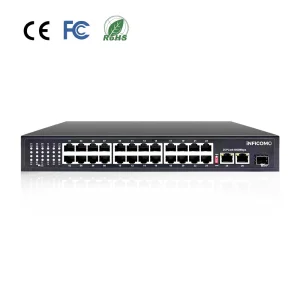
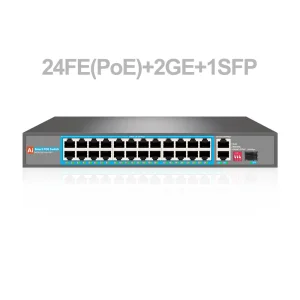
Frequent grid micro-outages require active networking gear to feature wide input tolerances and high thermal dissipation. Our industrial PoE switches and GPON ONUs are optimized for local solar-hybrid and generator back-up configurations.
Globally, fiber deployments are clearly segmented: Single-Mode Fiber (SMF) covers the long-haul WAN routes, while Multi-Mode Fiber (MMF) remains the dominant technology inside enterprise buildings and data centers. The primary driver is economics: while SMF cable is relatively inexpensive, the optics (transceivers) required to drive laser signals down SMF are significantly more expensive than the Vertical-Cavity Surface-Emitting Lasers (VCSELs) used in MMF systems. By deploying high-quality multi-mode patch cords in combination with cost-effective SFP28 and QSFP transceivers, network operators can slash their capital expenditure (CapEx) in data centers by up to 30%.
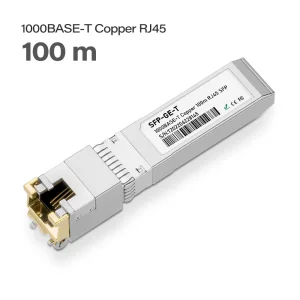
Hardened network edge devices engineered to bridge optical backbones with copper-based local interfaces in demanding electrical environments.
Deploying fiber patch cords in isolation is insufficient for modern enterprise demands. Network engineers require systemic, macro-level solutions that combine active components with passive fiber channels to maintain absolute uptime. Here is how Shenzhen Soras Technology integrates various components for localized deployments:
Inside the headquarters of leading banks and telecom giants, OM3/OM4 LC-LC Multi-Mode patch cords serve as the crucial interconnect between patch panels and core switches. Because these facilities support thousands of concurrent transactions, we supply low-insertion-loss (≤0.2dB) fiber cables that prevent packet loss and degradation. These are paired with 10G/25G SFP transceivers, ensuring stable throughput during peak trading hours.
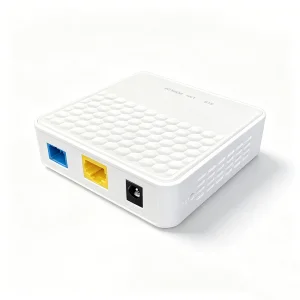
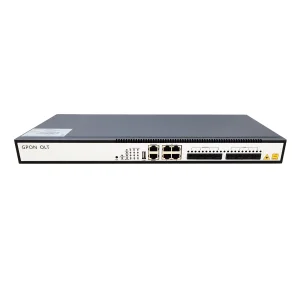
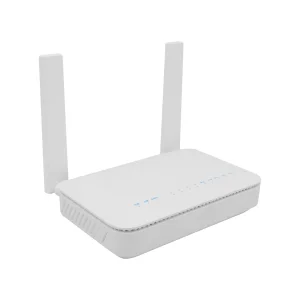
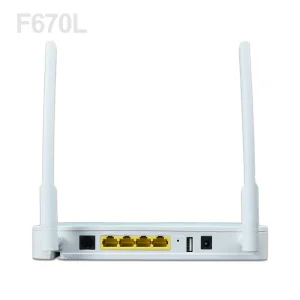
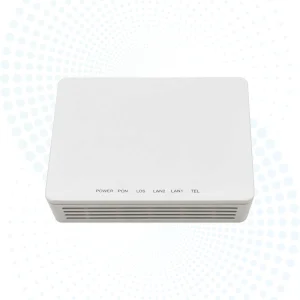
For large estate developers in Lekki and governmental quarters in Abuja, FTTx (Fiber to the x) is the standard. Soras Technology provides high-performance GPON OLT configurations paired with FTTH customer-premises GPON/XPON ONUs. By implementing dual-band Wi-Fi 6 ONUs at the subscriber end, we deliver seamless gigabit connectivity directly to consumers, satisfying Nigeria's massive demand for HD streaming and remote digital work.
Industrial refineries and municipal surveillance frameworks in oil-rich regions require a rugged hybrid approach. Heavy electrical noise makes copper cabling obsolete for run links. Here, multi-mode fiber patch cords and rugged fiber-to-copper media converters are deployed. They bridge the gap between long-haul optical rings and PoE-powered IP security cameras, resisting electromagnetic interference (EMI) and maintaining data integrity in extreme environments.
Years R&D Experience
Exporting Countries
QC Tested Optical Goods
Global Safety Standard
A trusted global manufacturer and exporter of network equipment and optical transceivers, committed to West Africa's digital transition.
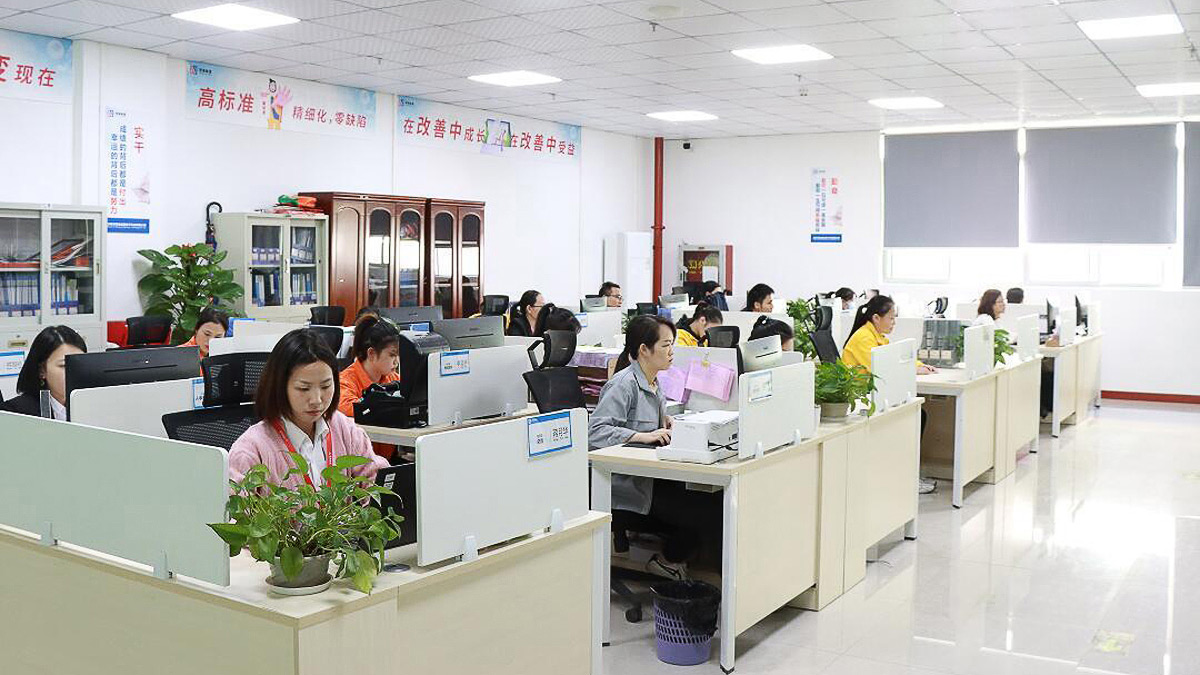
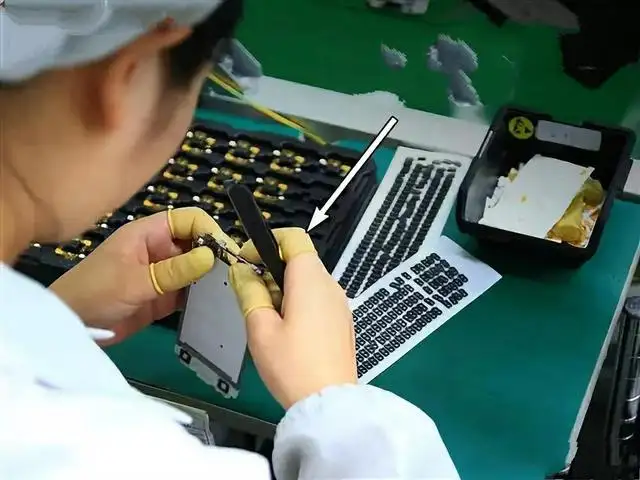
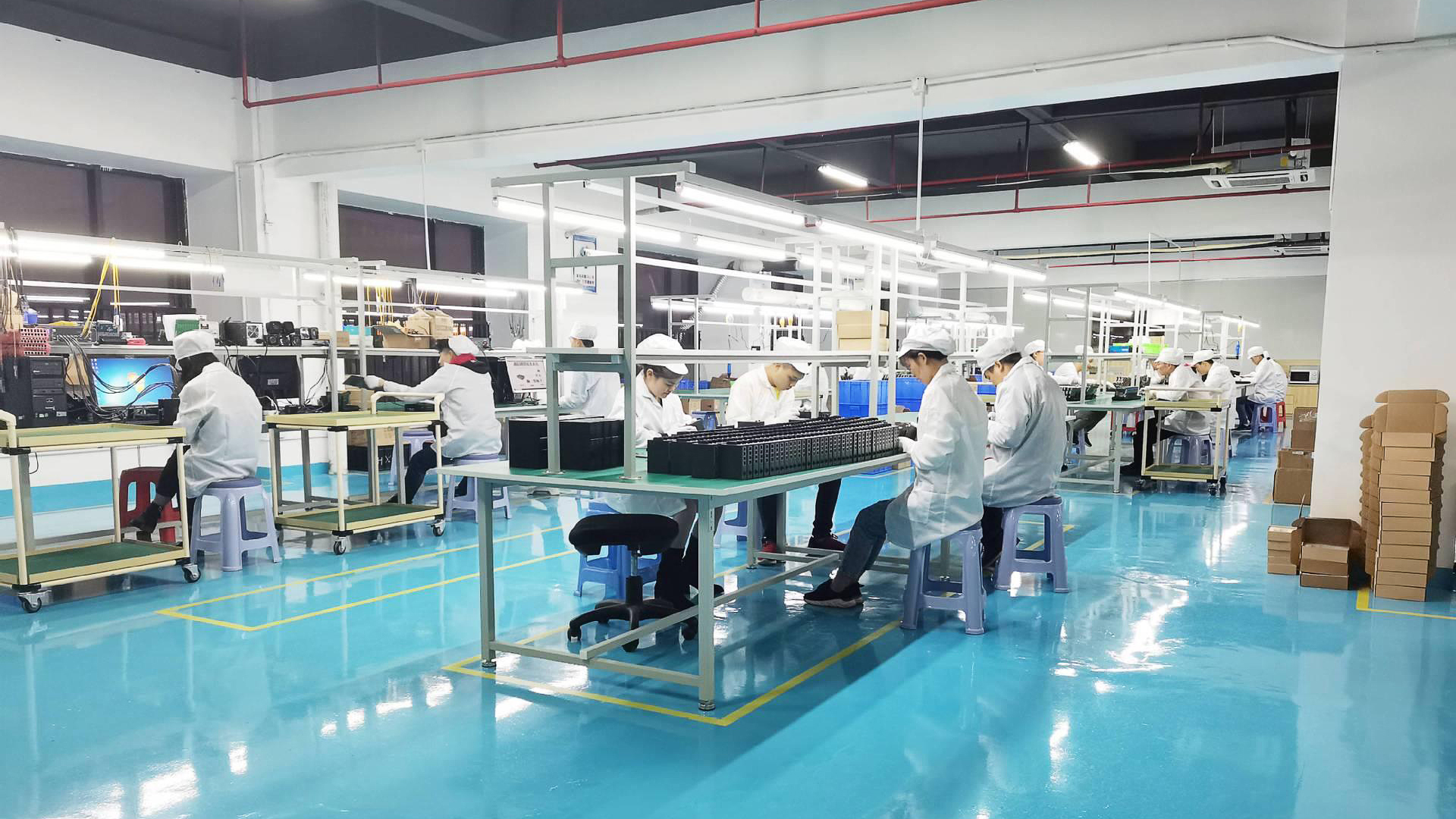
Shenzhen Soras Technology Co., Ltd. is a leading manufacturer of optical transmission equipment and network equipment with more than 10 years of experience. We rely on high-quality management and technological innovation, committed to providing customers with high quality, cost-effective, high value-added products and solutions.
Today, we work closely with telecommunications companies around the world. We have strong technical force and an experienced R&D team; products can be customized according to customer requirements, and we accept your OEM and ODM orders. Now our products are exported to more than 60 countries, with primary markets across South America, North America, Europe, and rapid scaling within the African continent.
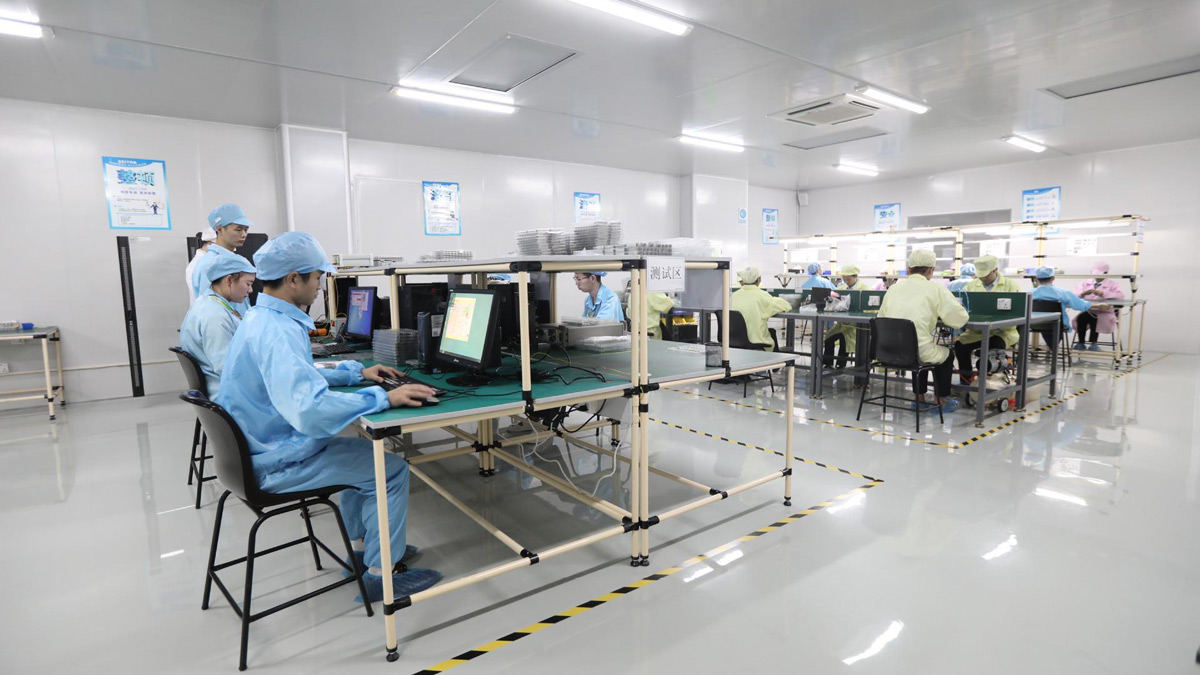
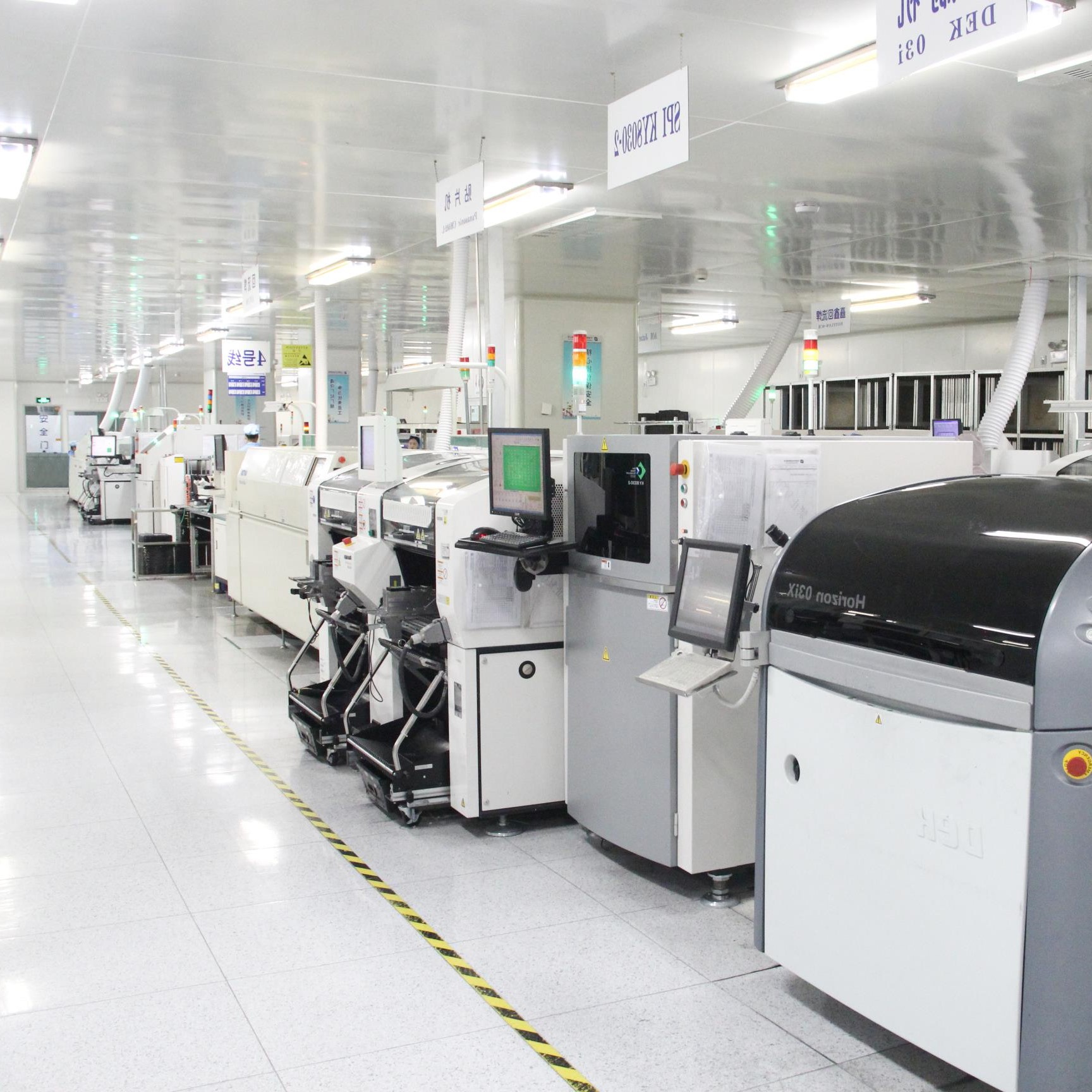
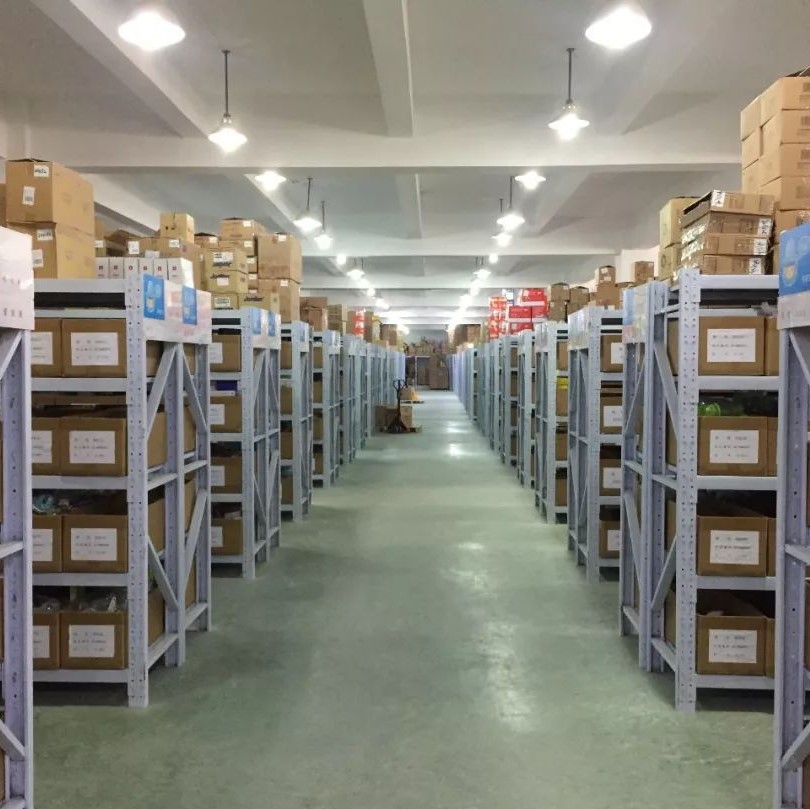
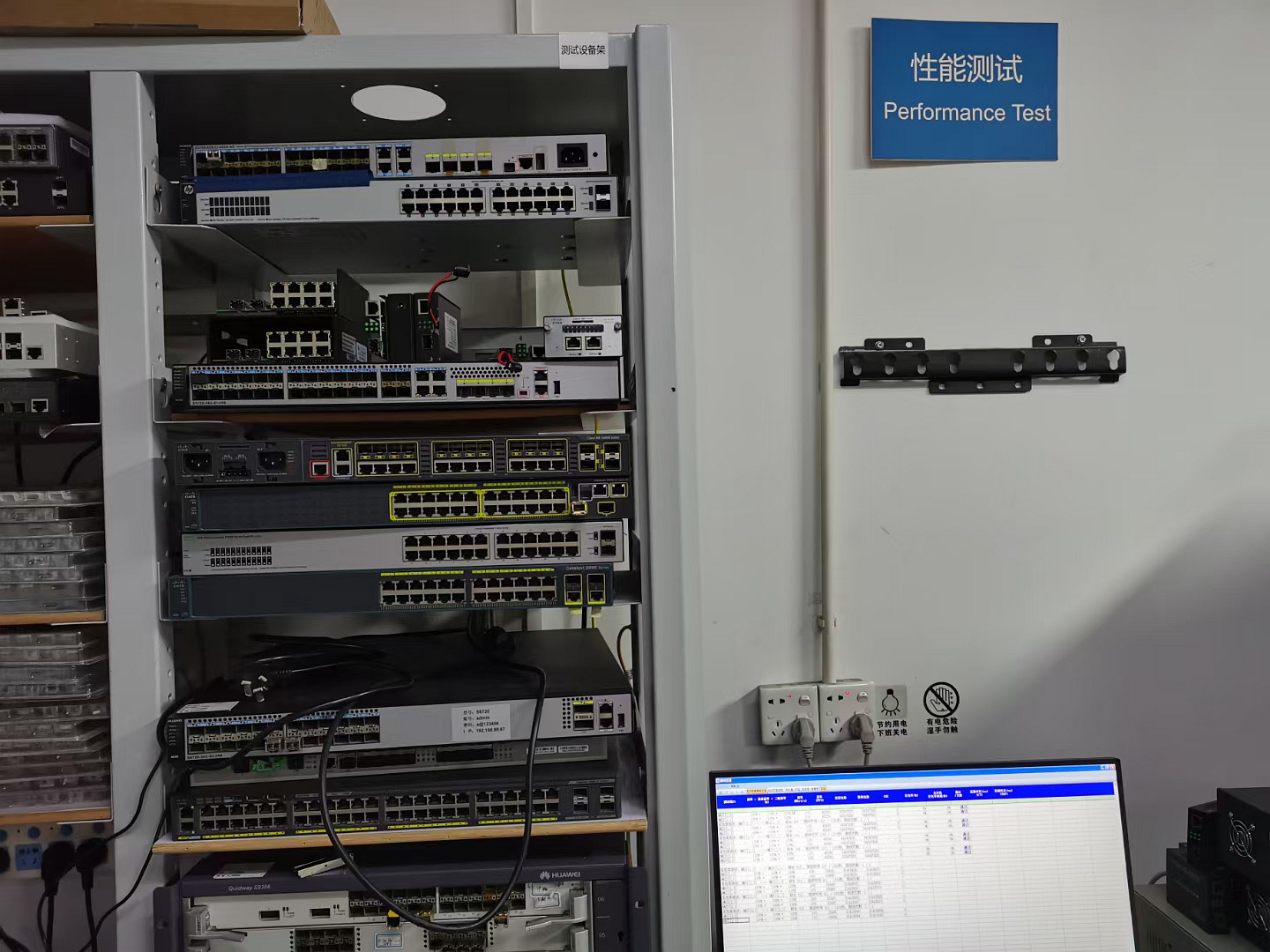
Our comprehensive production facility has passed ISO 9001, UL, CE, FCC, and RoHS certifications. Our operating philosophy is: "superior quality, professional service, competitive price, integrity-based". We believe this is not only our responsibility, but also the best pathway toward long-term partnership. Soraslink looks forward to working with you!
| Business type | Manufacturer | Country / Region | Guangdong, China |
| Main Products | FTTH ONU & OLT, SFP Module, Fiber Media Converter, PoE Switch, Fiber Optic Equipment | Total employees | 11 - 50 People |
| Total Annual Revenue | US$5 Million - US$10 Million | Year established | 2021 |
| Company Certificates | ISO 9001, CE, FCC, RoHS, UL | Product Standards | GR-326-CORE Compliant |
| Main Markets | Domestic Market 24%, Eastern Asia 15%, North America 15%, West African Hubs | OEM/ODM Support | Available |
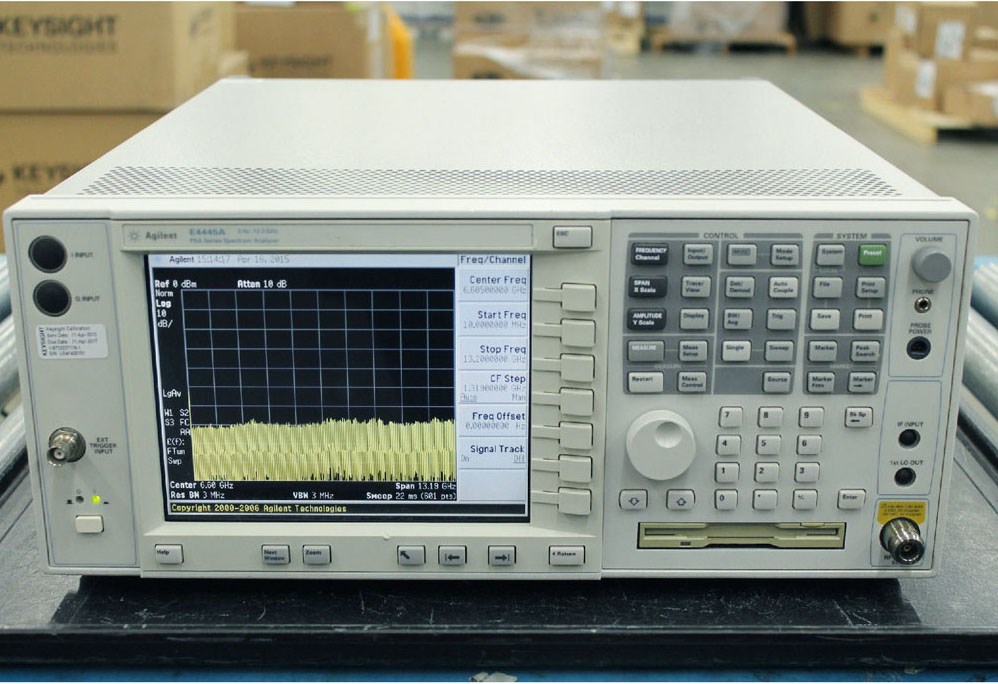
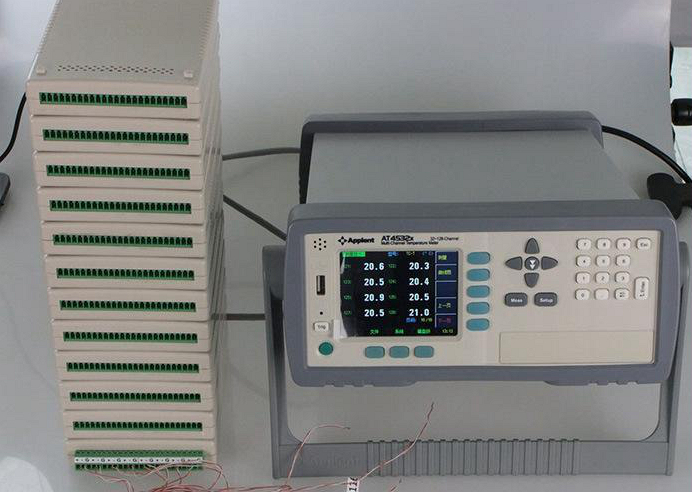
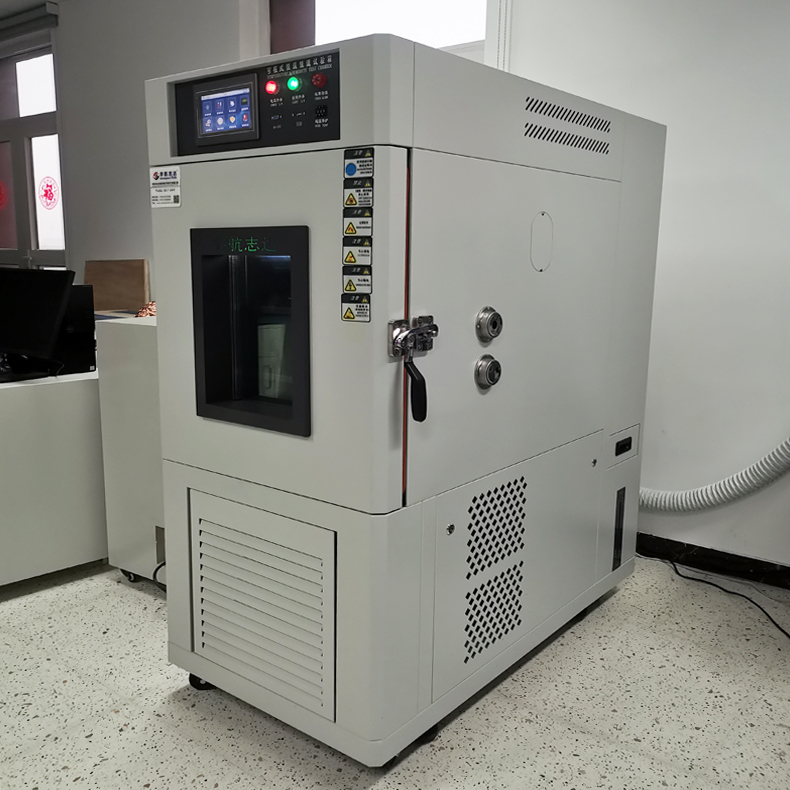
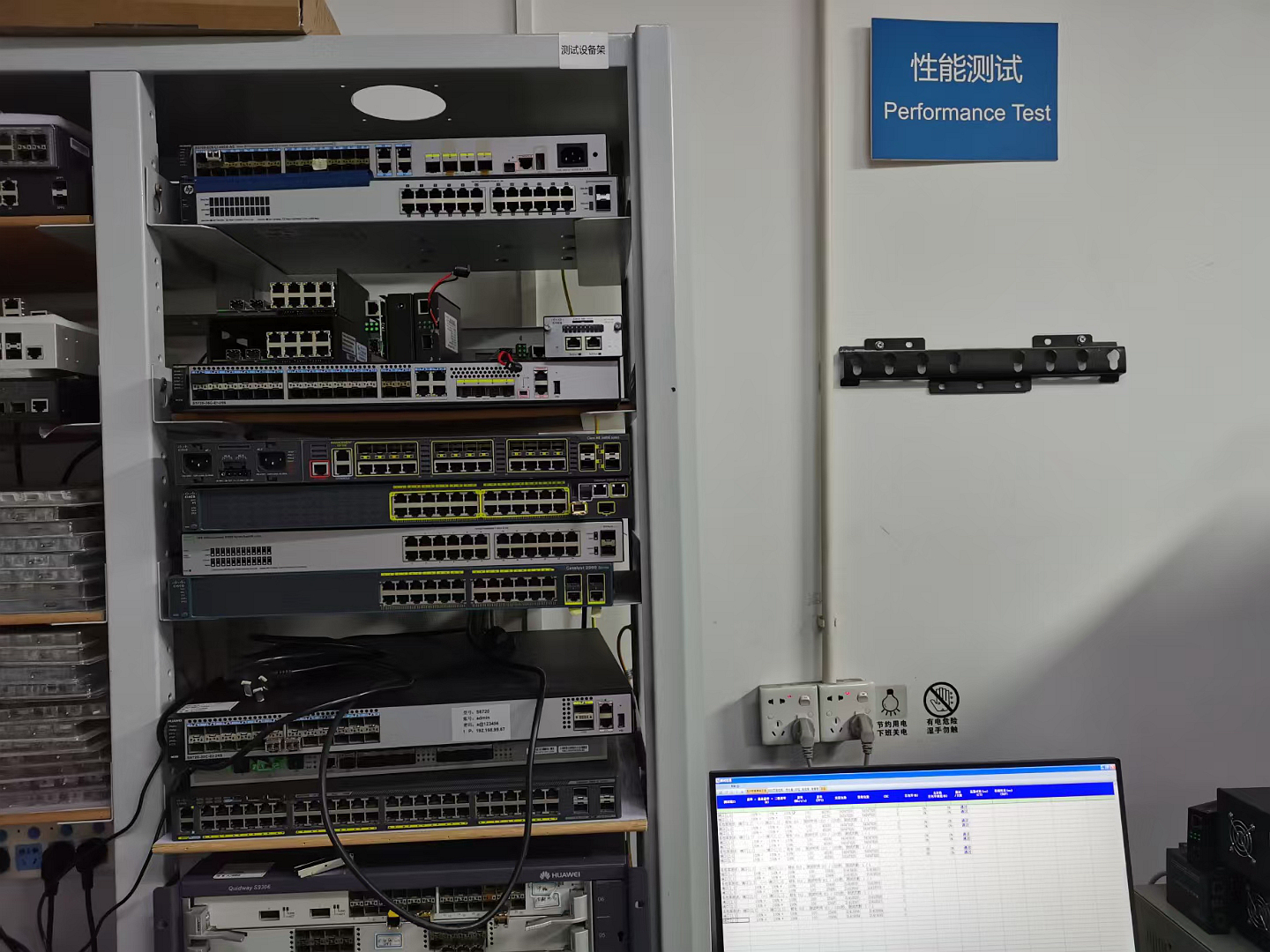
As internet availability speeds up via submarine arrivals like Equiano and 2Africa on Nigerian shores, local ISP hubs must scale internal networks from 10G/40G backbones to 100G and 400G configurations. Passive infrastructure must be planned meticulously to avoid expensive upgrades down the line.
For links up to 100 meters at 10Gbps, standard OM3 fiber is highly capable. However, at 40Gbps and 100Gbps, OM3's effective range falls to 70 meters. Under these circumstances, OM4 fibers are highly recommended, pushing 100G signals up to 100 meters. For upcoming architectures utilizing Shortwave Wavelength Division Multiplexing (SWDM), OM5 (Wideband Multimode Fiber) supports transmission across multiple wavelengths from 850nm to 950nm, expanding bandwidth capacity quadrupled over the same physical glass thread.
In foreign trade and local integration, certifications are non-negotiable trust factors. Our processes strictly comply with standard telecom guidelines:
Technical guidance and field-proven solutions to address daily deployment issues in the West African telecommunication landscape.
Original core optical distribution, GPON systems, and enterprise switches designed to keep pace with heavy network demands.
Partner with Shenzhen Soras Technology for high-performance multi-mode patch cords, fiber active switches, and customized GPON/XPON installations. Get in touch with our engineering team for customized OEM configuration options and competitive wholesale pricing tailored to the Nigeria market.
Send Inquiry Now Soras Tech