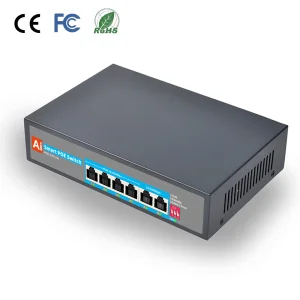
Highly optimized for telecommunication rollouts, these select products offer extreme weather durability, low insertion loss, and complete compatibility with standard Caribbean carrier networks.
As the digital economy matures in the Caribbean, Antigua and Barbuda has emerged as a focal point for robust infrastructure development. Driven by both public undertakings through the Antigua Public Utilities Authority (APUA) and private investments from regional telecommunications giants like Flow and Digicel, the twin-island nation is experiencing an unprecedented migration from legacy copper systems to high-speed fiber-to-the-home (FTTH) and fiber-to-the-business (FTTB) architectures.
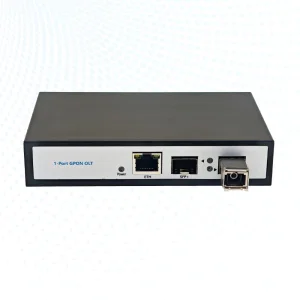
The demand for premium optical transmission hardware is fueled by national connectivity mandates aimed at boosting tourism, enabling international banking hubs, and supporting the growing remote workforce in Saint John’s, Jolly Harbour, and English Harbour. Crucial to this roll-out is the procurement of high-performance fiber optic drop cables, media converters, and high-density GPON/XPON optical line terminals (OLTs) that can seamlessly interface with existing subsea cables like the Eastern Caribbean Fiber System (ECFS) and Southern Caribbean Fiber (SCF).
Expanding broadband infrastructure throughout Saint John’s, ensuring low-latency links for public sectors, educational hubs, and local utility distribution points.
Demanding high-bandwidth Gigabit passive optical networks (GPON) to provide luxury resorts with uninterrupted streaming and business-grade VoIP connections.
Aligning local terrestrial networks with subsea termination backhauls via optical transceivers capable of running error-free over long-distance spans.
Deploying network infrastructure in Antigua and Barbuda requires distinct architectural resilience. The tropical climate introduces challenges such as high humidity, severe salt-mist corrosion, extreme UV radiation, and seasonal hurricane vulnerabilities. Standard indoor/outdoor fiber lines will rapidly degrade, leading to high signal loss, micro-cracks in glass cores, and total network failure.
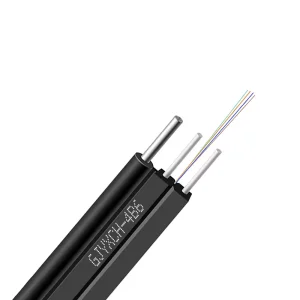
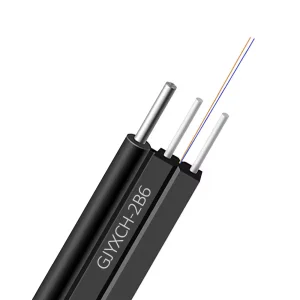
To counter these environments, our GJYXCH FTTH Drop Cable features robust self-supporting steel wires and secondary reinforcement members that ensure superior tensile strength, keeping the fiber spans secure during high-wind events. The outer jackets are engineered from high-density, UV-resistant Polyethylene (HDPE) or Low Smoke Zero Halogen (LSZH) materials to withstand intense Caribbean sunlight.
| Environmental Challenge | Technical Mitigation Strategy | Soras Product Implementation |
|---|---|---|
| High Salinity & Humidity | Moisture-blocking gel fills and water-swellable tape barriers to prevent moisture penetration. | GJYXCH / GJXFH Drop Cables with specialized moisture-barrier tape layers. |
| High Wind & Hurricane Loads | Incorporation of high-tensile steel messenger wires (1.0mm) and FRP strength members. | GJYXCH-2B6 Steel Drop Cables with up to 600N tensile loading. |
| UV Radiation degradation | Carbon-black integrated outer jackets to block deep UV wavelengths. | Anti-UV, flame-retardant outer protective jackets. |
| High Optical Link Loss | Implementation of G.657.A2 bend-insensitive glass fibers for tight-radius architectural routes. | Soras fiber line integrations for minimal micro-bending losses. |
As regional Caribbean operators scale up bandwidth capacity, they face the challenge of modernizing the optical distribution network (ODN). Bridging the gap between the Optical Line Terminal (OLT) at the Central Office (CO) and the customer premises requires a strategic deployment roadmap. Active devices such as GPON ONTs and SFP transceiver modules must adapt to flexible dual-mode (GPON/EPON) auto-sensing environments to cut hardware costs.
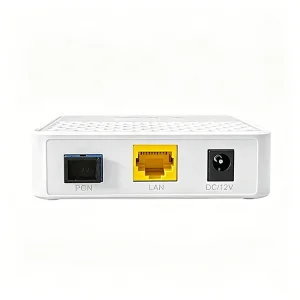
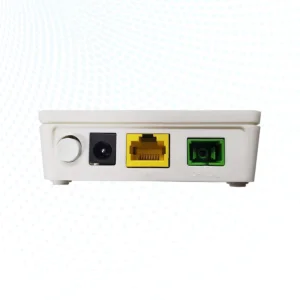
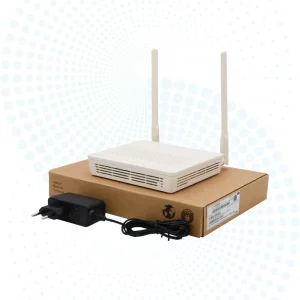
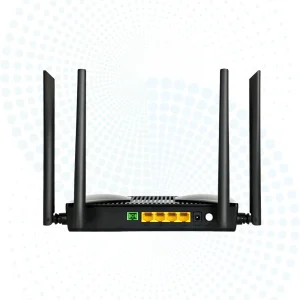
With dual-band XPON ONTs like our AX3000 Wi-Fi 6 XPON ONU, networks can seamlessly handle downstream rates up to 2.488 Gbps and upstream rates of 1.244 Gbps. The built-in auto-negotiation dynamically interfaces with both older EPON systems and modern GPON architectures, protecting capital investments.
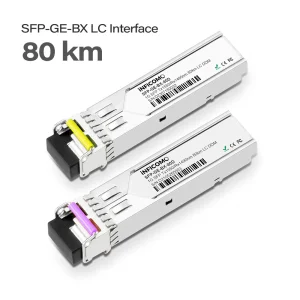
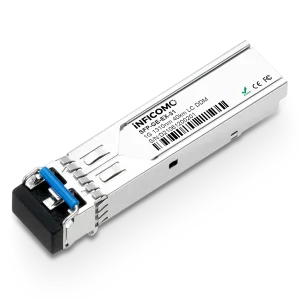
Linking Saint John's to Barbuda's regional nodes demands long-range optical transceivers capable of overcoming attenuation over distance. Our 1.25G 80KM BiDi SFP Modules make point-to-point connections over single-mode fibers efficient, removing the need for costly mid-span optical amplifiers.
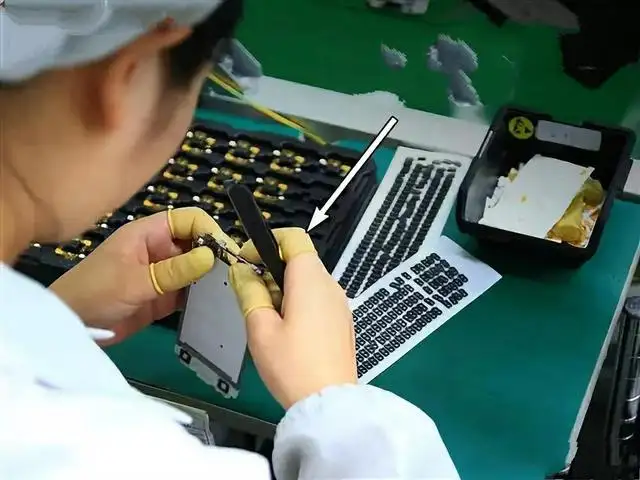
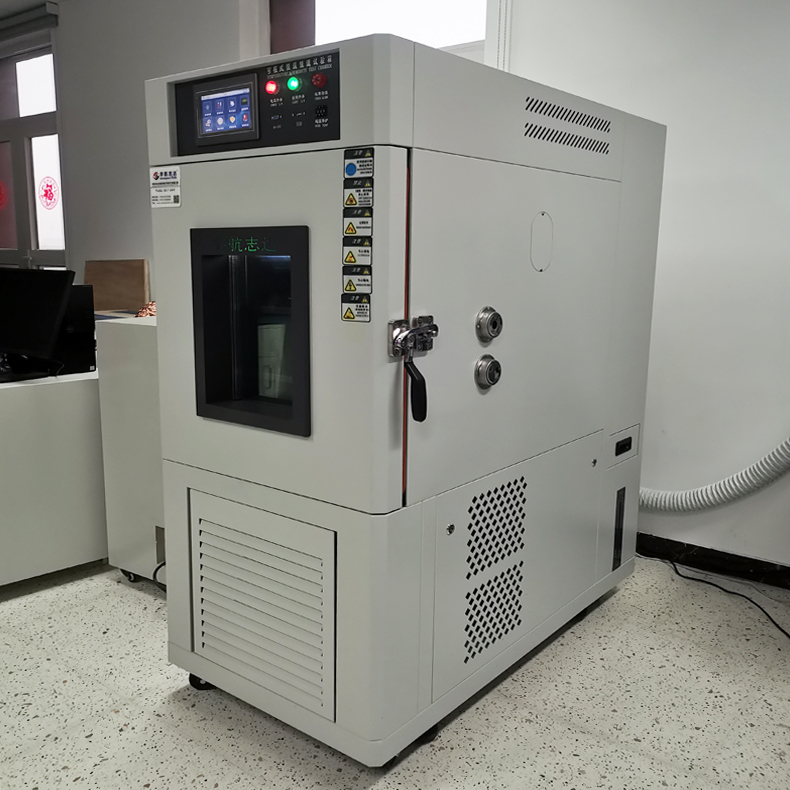
As a global optical communication leader based in Shenzhen, Guangdong, China, Shenzhen Soras Technology Co., Ltd. leverages a highly automated Industry 4.0 ecosystem. Our advanced production floor handles every step of manufacturing: from precision SMT (Surface Mount Technology) component assembly to rigorous automated calibration, high-low temperature simulation testing, and final quality control.
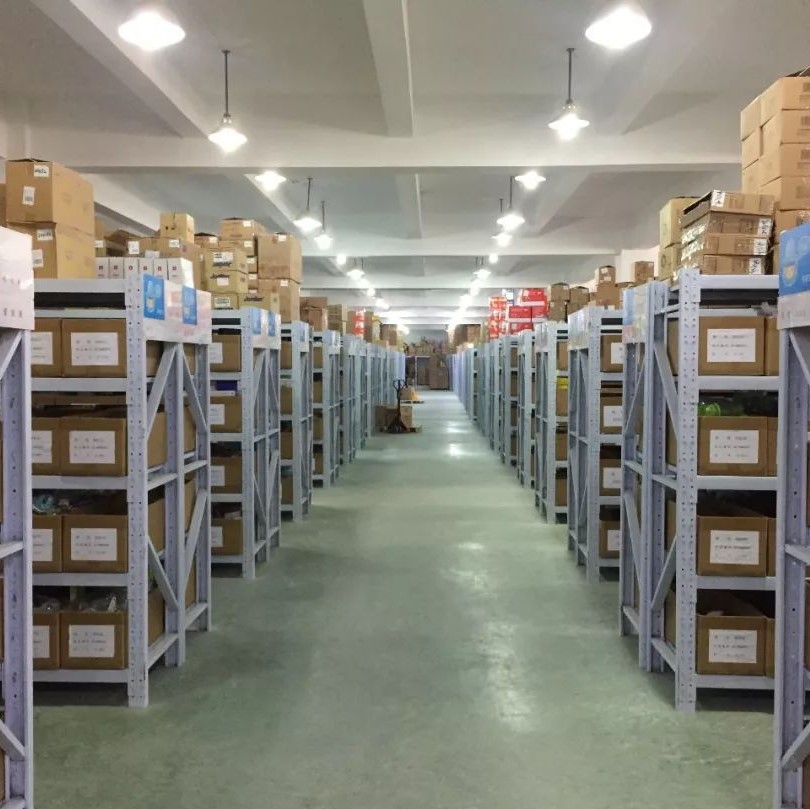
Direct sourcing from our factory gives ISPs, network integrators, and distributors in Antigua and Barbuda a clear competitive advantage. By bypassing intermediary distributors, you get customized OEM/ODM services, certified compliance, and a resilient supply chain that guarantees consistent lead times.
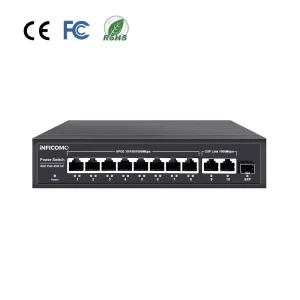
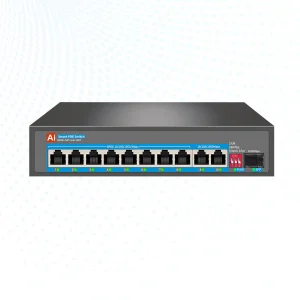
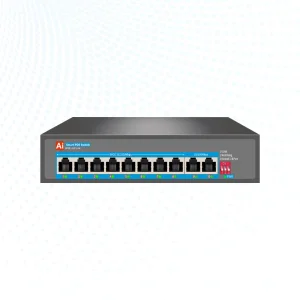
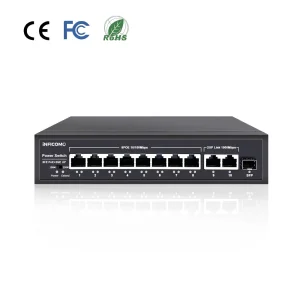
Every optical transceiver, POE switch, and GPON ONU undergoes full functional and error testing, satisfying international standards with ISO 9001, UL, CE, FCC, and RoHS certifications.

| Shenzhen Soras Technology Co., Ltd. Company Profile | |||
|---|---|---|---|
| Business Type | Manufacturer, OEM/ODM Provider | Headquarters | Guangdong, China |
| Main Product Lines | FTTH ONUs & OLTs, SFP Modules, Fiber Media Converters, PoE Switches | Certifications | ISO 9001, UL, CE, FCC, RoHS |
| Annual Export Volume | US$5 Million - US$10 Million | Established Year | 2021 (with over 10 years of R&D expertise) |
| Key Markets Served | North America, South America, Europe, Caribbean Region | Production Capabilities | SMT lines, Function simulators, Bit Error Rate (BER) testers |
International procurement for large infrastructure projects requires careful coordination. For shipments arriving at the Deep Water Harbour in Saint John’s, understanding import protocols, freight options, and duty structures is key to preventing project delays.
Optical fiber cables are spooled onto moisture-resistant wooden or composite drums, wrapped in protective barrier films, and placed in reinforced containers. This prevents water intrusion and physical compression during long ocean journeys.
We supply complete commercial documentation, including HS Code classification (e.g., 8544.70 for optical fiber cables), Certificate of Origin documents, and detailed packaging lists to guarantee smooth clearance by Antigua Customs.
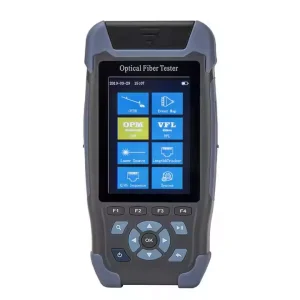
Whether you require express air cargo for critical maintenance parts (transceivers, OTDR splicers) arriving at V.C. Bird International Airport, or LCL/FCL ocean freight for bulk projects, we work with leading carriers to offer reliable shipping.
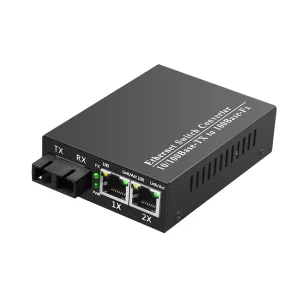
Explore our complete selection of active optical transmission equipment and high-speed network switches. We offer direct factory supply, full technical support, and product warranties for all Caribbean shipments.
Get in touch with our engineering team for custom configurations, bulk pricing discounts, and optimized shipping schedules to Antigua and Barbuda. Let us assist you in designing a highly resilient Caribbean network.
 Soras Tech