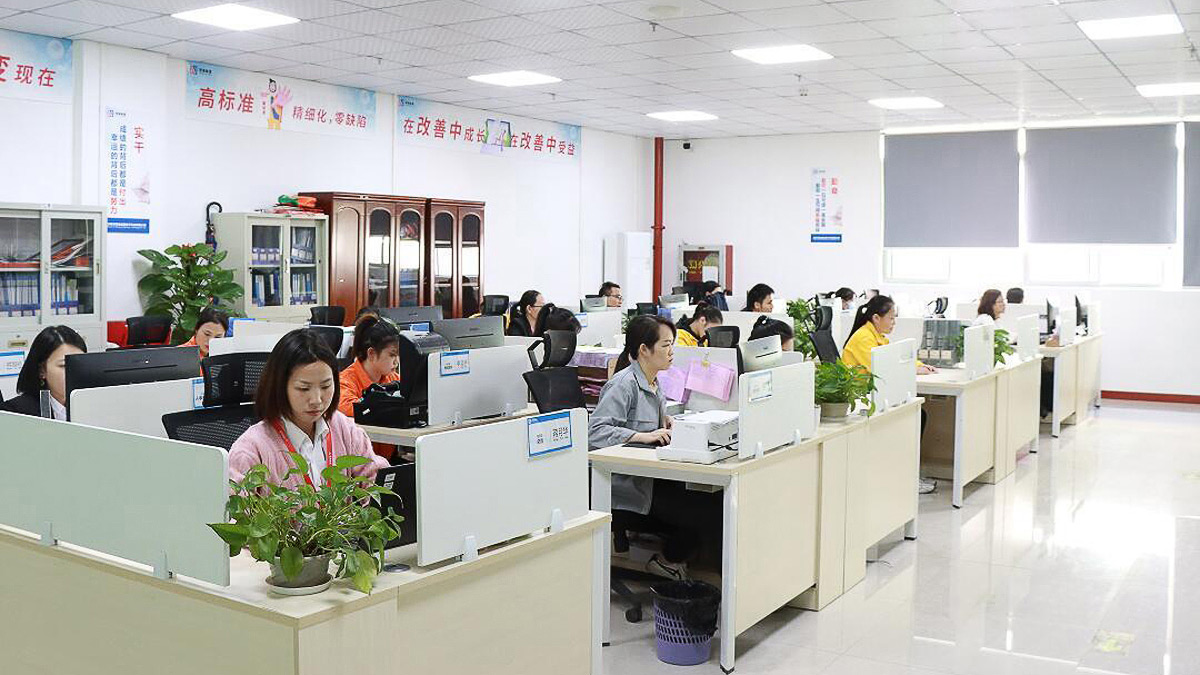
Shenzhen Soras Technology Co., Ltd. (representing the Soraslink brand) is a pioneering, highly integrated OEM/ODM manufacturer specializing in optical transmission infrastructure and advanced telecommunication network equipment. Anchored in the global tech capital of Shenzhen, Guangdong, China, we bring over 10 years of intensive R&D and fabrication experience to the global optical networking market.
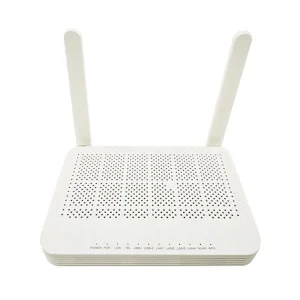
Our core mission centers on delivering high-performance, cost-efficient, and structurally customized optical solutions that bridge critical interfaces in municipal, enterprise, and carrier-grade networks. From single-mode fiber (SMF) duplex transceivers utilizing industry-standard LC connectors to sophisticated triple-play GPON/EPON ONT/ONU devices, Soraslink supplies a complete catalog verified by international standards bodies, serving operators and distributors across North America, South America, Europe, and Asia.
| Shenzhen Soras Technology Co., Ltd. — Technical Specification Sheet | |||
|---|---|---|---|
| Business Type: | Manufacturer / OEM & ODM Exporter | Country / Region: | Guangdong, China |
| Main Products: | FTTH ONU & OLT, Duplex SFP Modules, Fiber Media Converters, PoE Switches, WDM Systems | Total Employees: | 11 - 50 Professional Engineers & Technicians |
| Annual Revenue: | US$5 Million - US$10 Million | Year Established: | 2021 (Consolidating 10+ years R&D team history) |
| Main Markets: | North America (15%), Eastern Asia (15%), Domestic Market (24%), South America, Europe | Quality Certifications: | ISO 9001, UL, CE, FCC, RoHS Compliance |
In the landscape of modern enterprise networks, municipal data distribution centers, and regional telecom infrastructures, optical interconnect interfaces serve as the arterial network conduits. Modern architectural trends emphasize high density, minimal thermal signatures, and extreme transceiver adaptability. As a veteran **Custom OEM Duplex Module Factory**, we design solutions addressing two primary modes of duplex optical transmission:
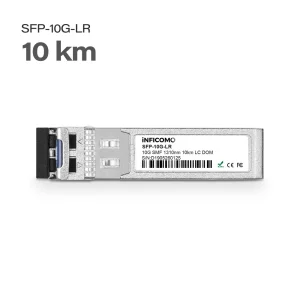
Utilizing core diameters of approximately 9μm, single-mode duplex modules (such as our SFP-10G-LR running at 1310nm) are engineered for long-haul transmission systems reaching up to 10km, 20km, or even 80km. They eliminate dispersion barriers, making them ideal for intra-city rings, FTTH distributions, and backbone carrier switches.
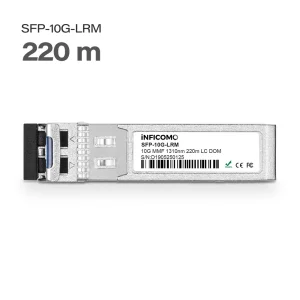
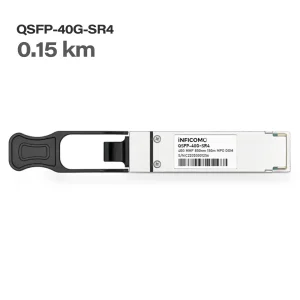
Operating at core diameters of 50μm or 62.5μm, these modules rely on VCSEL (Vertical-Cavity Surface-Emitting Laser) transmitters. Multi-mode options like the SFP-10G-LRM and QSFP-40G-SR4 (850nm) offer short-reach, high-bandwidth interconnectivity. They deliver cost-effective links inside data center server racks and horizontal enterprise backbones.
By embedding WDM (Wavelength Division Multiplexing), TDM, or advanced PAM4 modulation technologies directly into our transceiver firmware, our factory builds custom devices that double optical carrying capacities. This eliminates the need to deploy additional physical cabling, streamlining installation layouts.
Every transceiver module produced in our Shenzhen factory integrates a highly stable PIN or APD (Avalanche Photodiode) receiver paired with a laser diode (DFB/EML/VCSEL). These optical engines are supported by premium TOSA (Transmitting Optical Sub-Assembly) and ROSA (Receiving Optical Sub-Assembly) configurations. We implement custom firmware optimization on the EEPROM (Electrically Erasable Programmable Read-Only Memory) to support Digital Diagnostic Monitoring (DDM/DOM) according to SFF-8472 standards. This allows network administrators to monitor real-time laser temperature, transceiver supply voltage, laser bias current, Tx power, and Rx optical power directly from the system console.
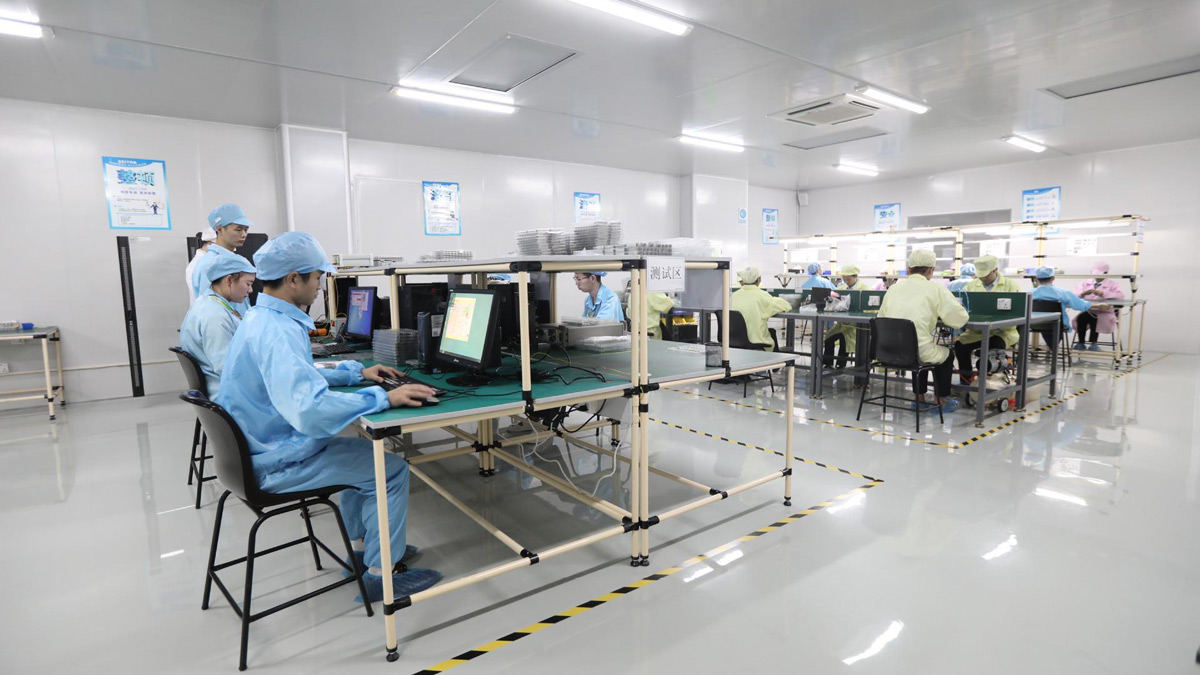
Operating in Shenzhen places Soraslink at the core of the global electronics supply chain. Our facility implements Factory 4.0 automated workflows to guarantee yield consistency and precision across our optical lines. This infrastructure mitigates geopolitical and logistical bottlenecks, offering resilient sourcing for global system integrators and telecommunication firms.
Our production sequence is divided into specialized zones managed by an integrated ERP tracking system. The physical manufacturing workflow is detailed below:
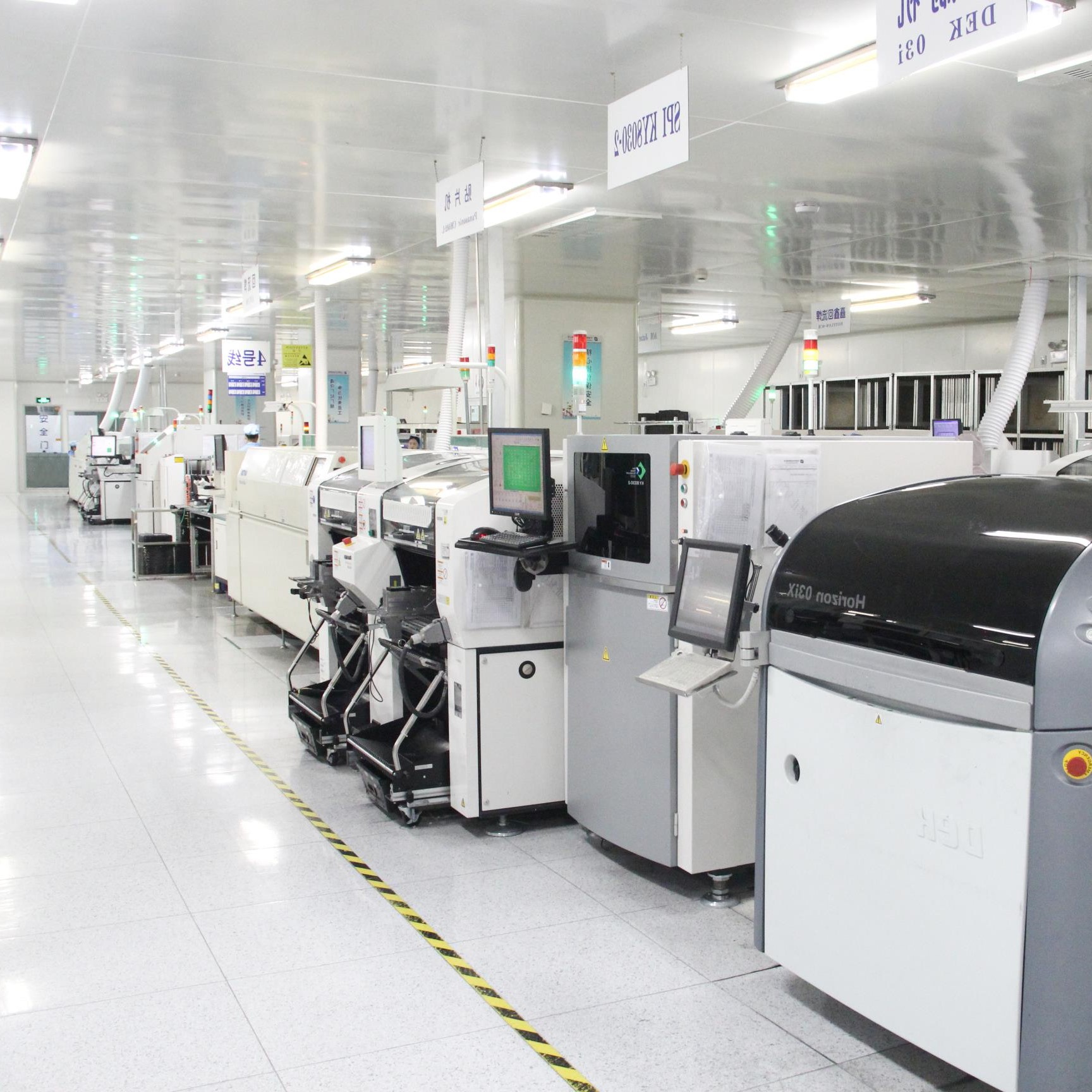
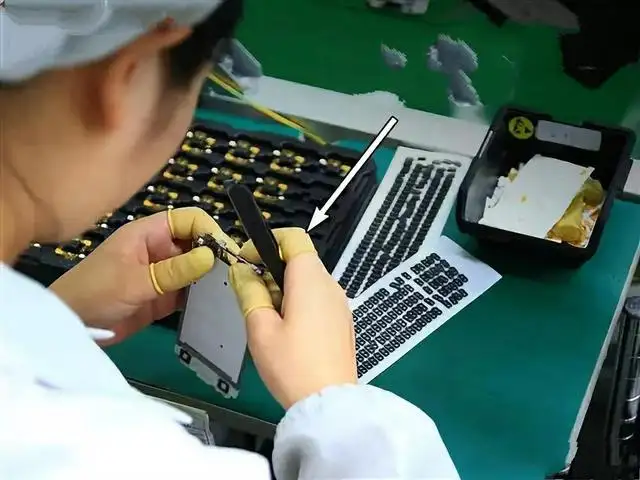
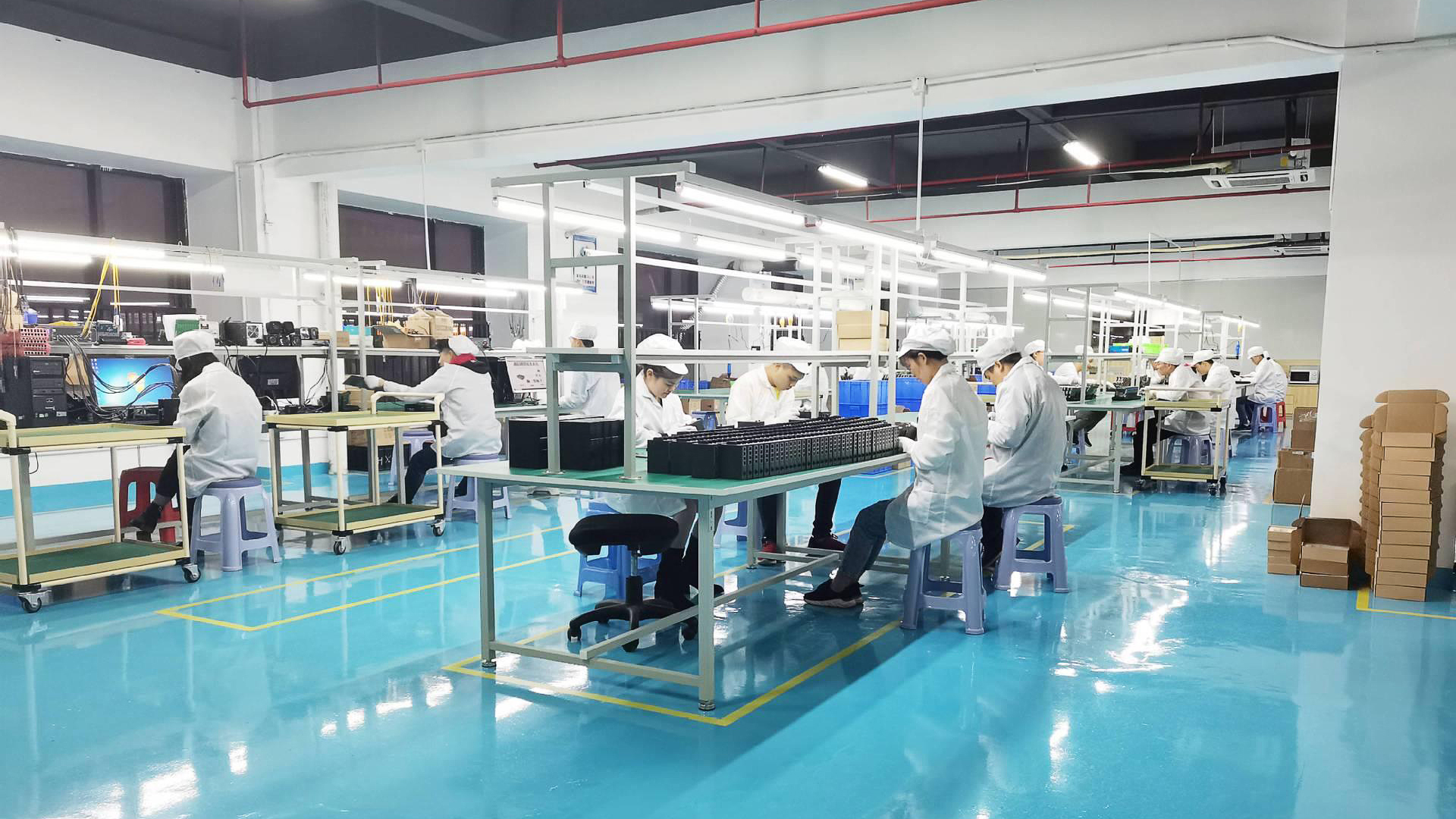
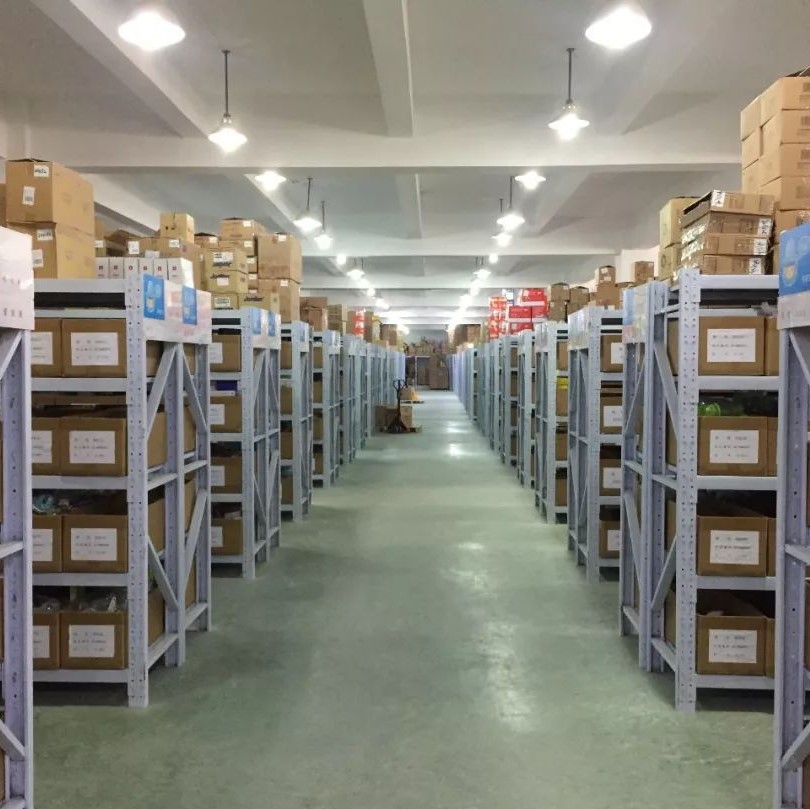
Our Shenzhen facility maintains direct, long-term contracts with local chip design houses and laser diode suppliers, buffering our production lines against semiconductor supply fluctuations. By managing SMT mounting, active optical alignment, and final assembly in-house, we reduce production cycle times by up to 30% compared to non-integrated exporters. This allows us to offer flexible MOQ limits for custom transceiver developments, custom branding, and custom packaging designs.
Optical transceivers must operate reliably in challenging environments, from sub-zero municipal distribution boxes to high-temperature datacenter racks. Every custom duplex module engineered by Soraslink undergoes a multi-stage testing regimen to ensure continuous service life.
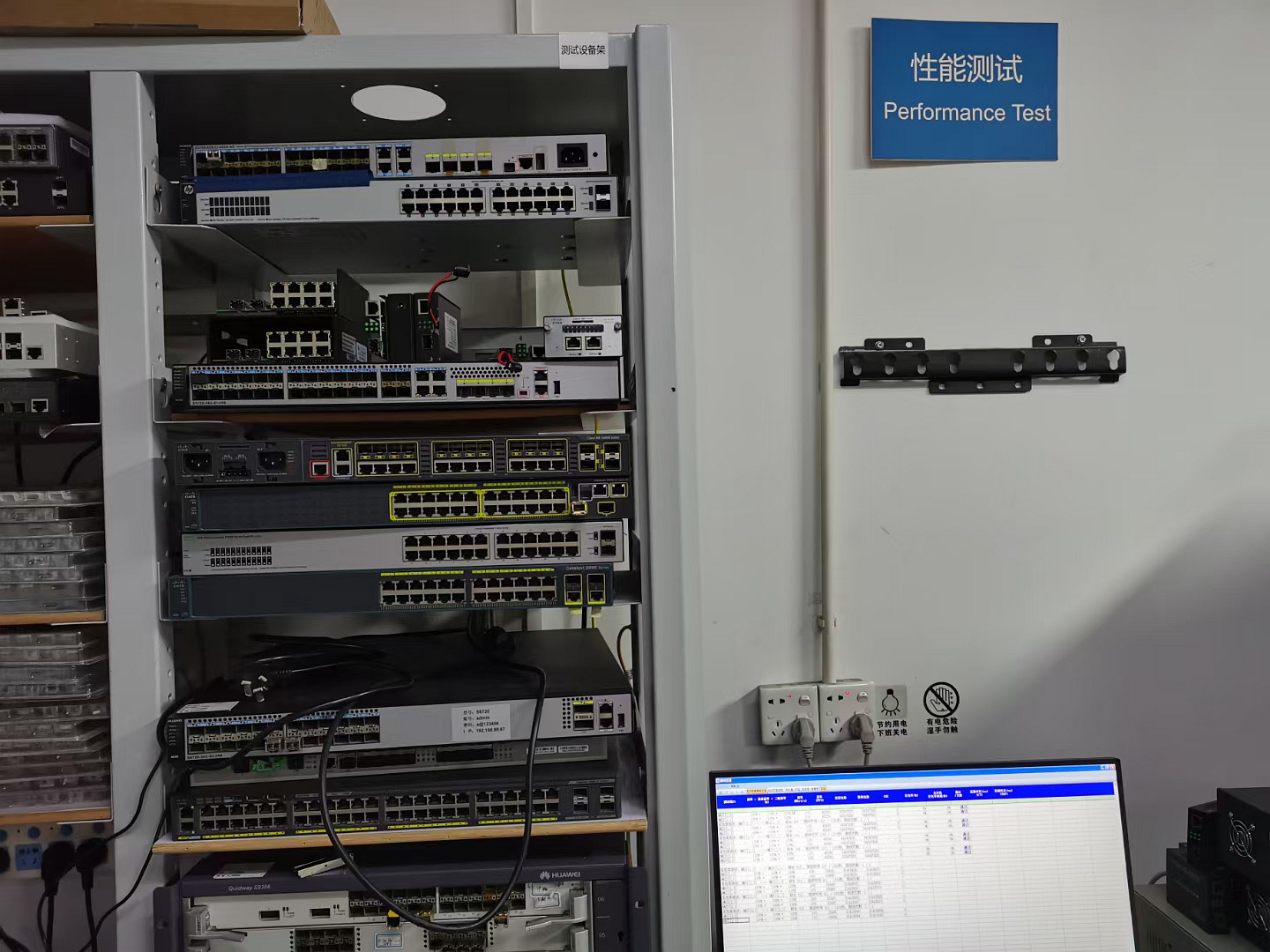
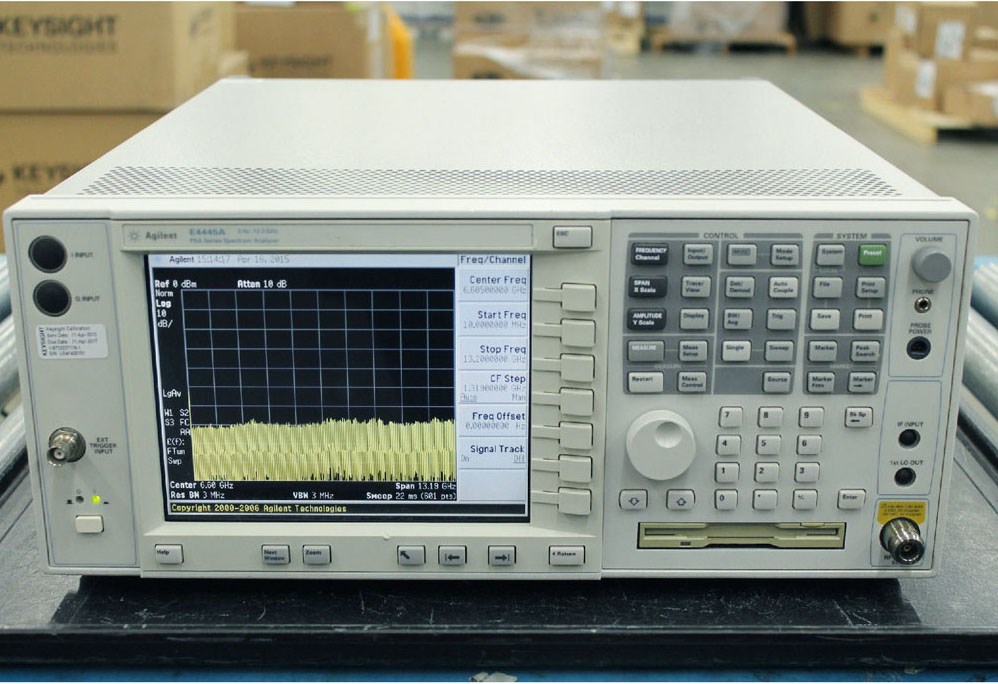
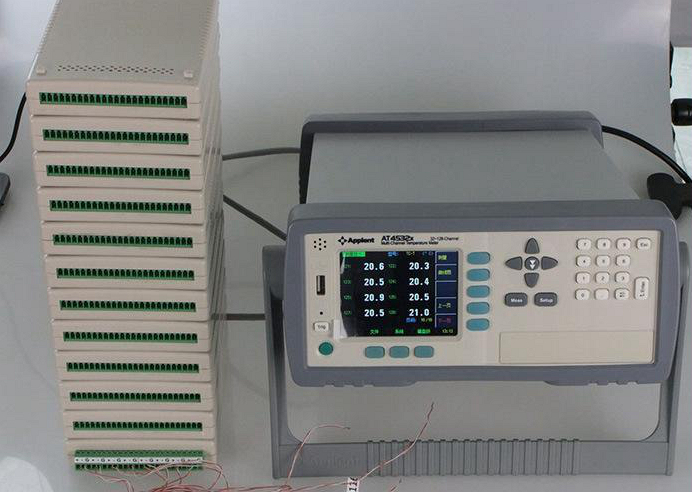
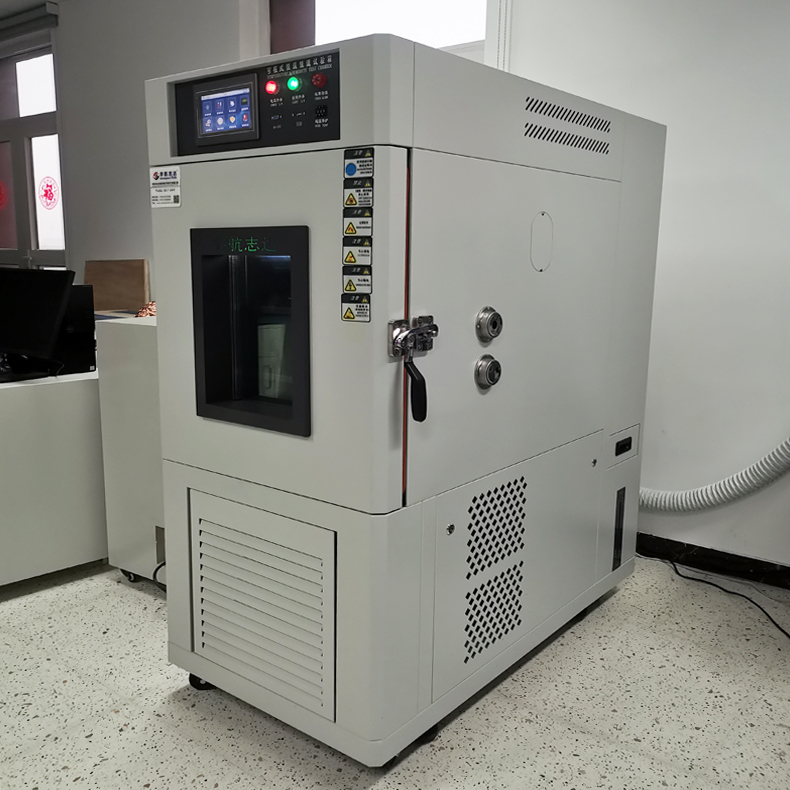
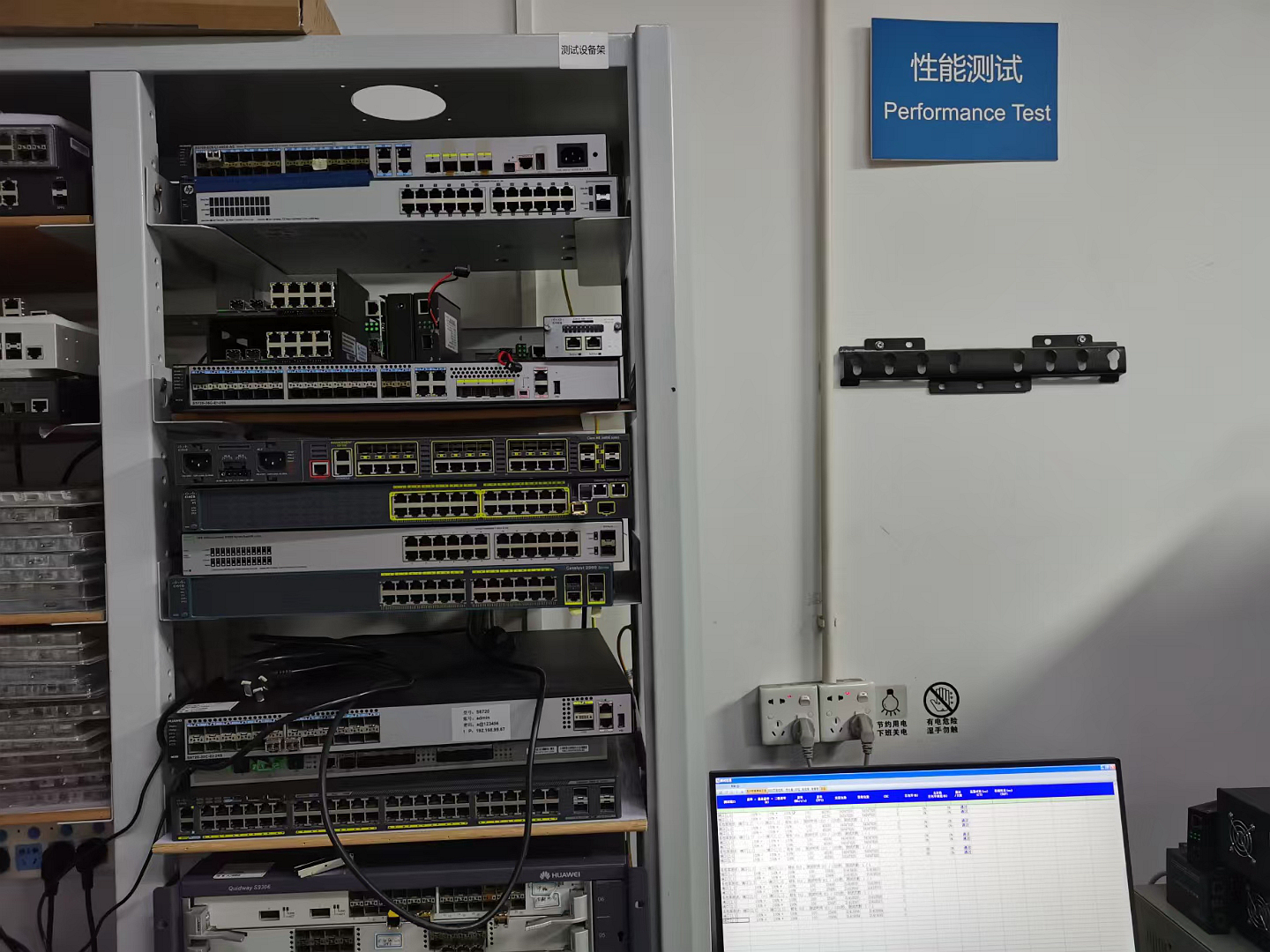
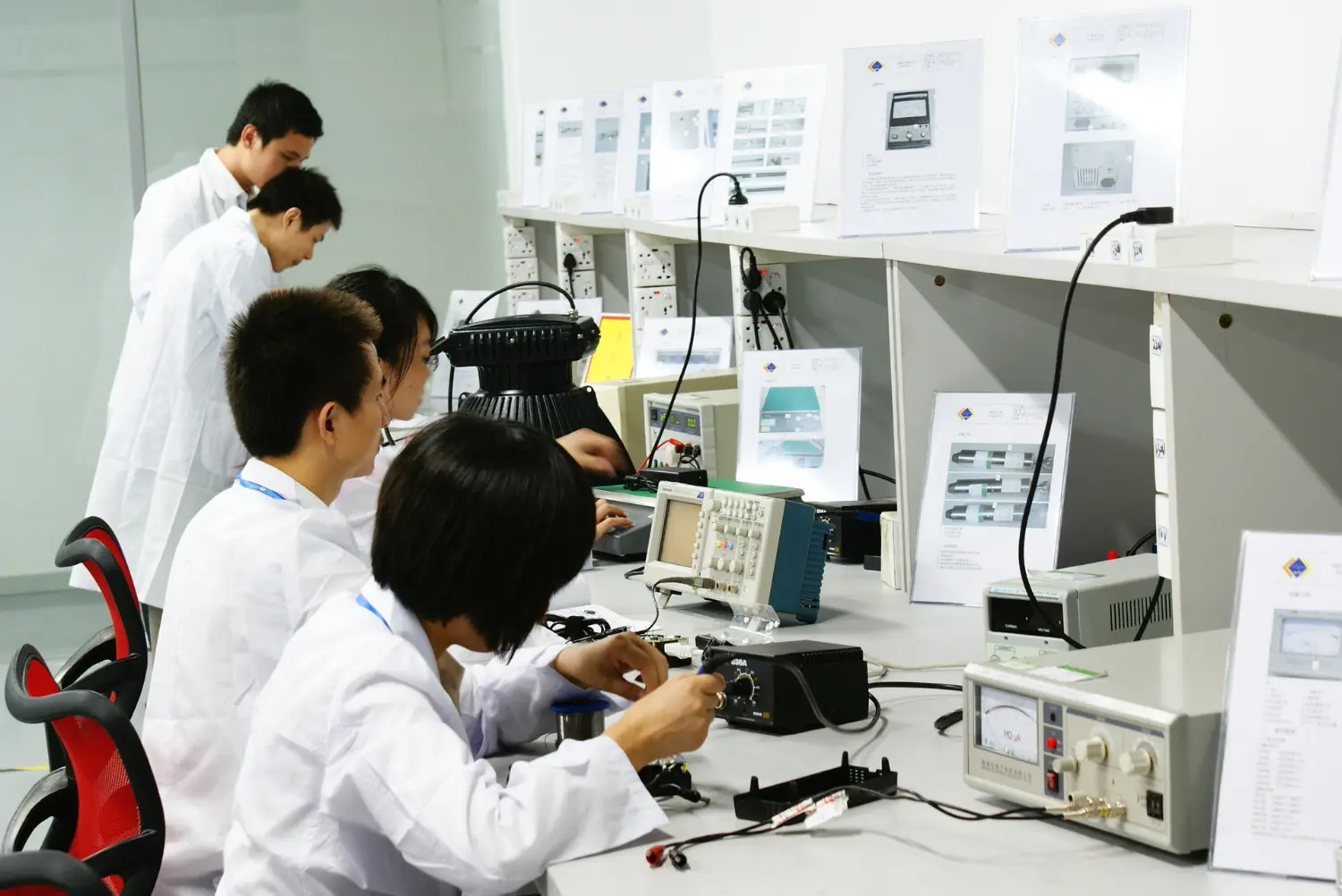
Our testing flow is structured into six key phases to ensure high reliability before shipment:
Optical transmission hardware must adapt to diverse operational environments. Our product line supports three main network architectures:
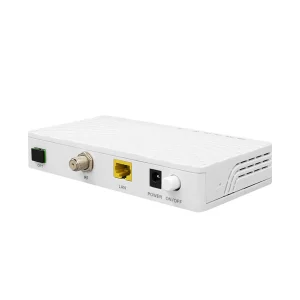
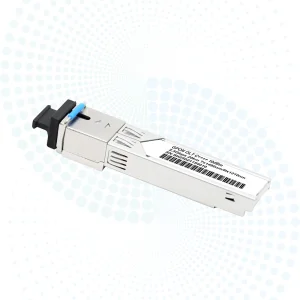
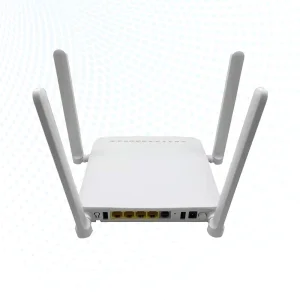
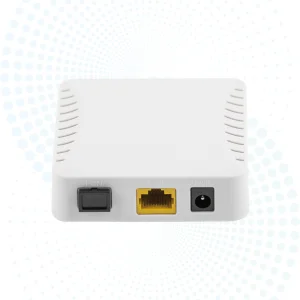
Fiber-to-the-Home (FTTH) architectures demand cost-effective ONU and OLT nodes with long service lives. Devices like our XPON GPON EPON ONU and GPON PON SFP Module are designed to connect residential and commercial premises back to metropolitan distribution loops, delivering high optical budgets and wide temperature tolerances.
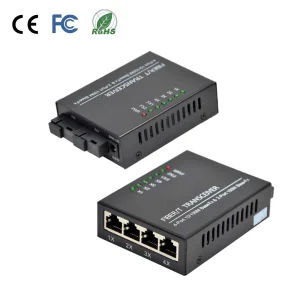
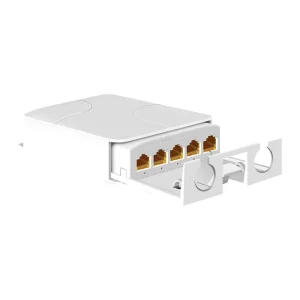
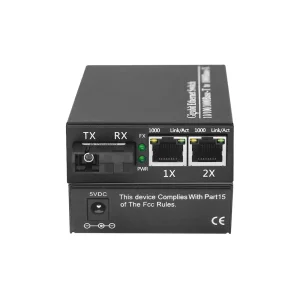
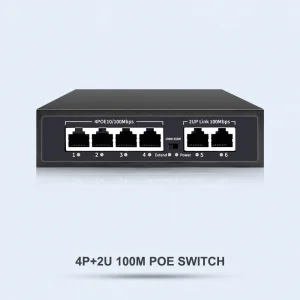
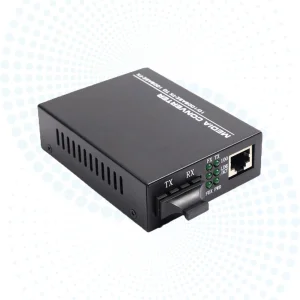
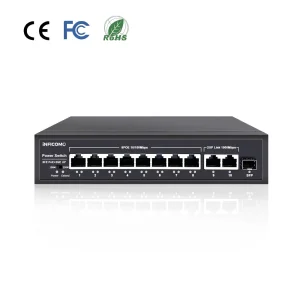
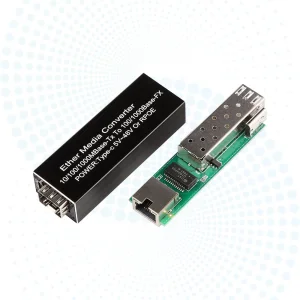
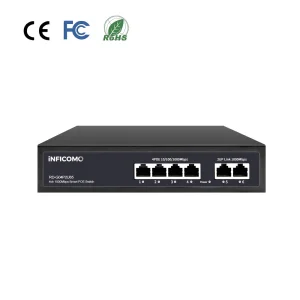
Enterprise campuses use local area networks to link administrative blocks, manufacturing sites, and local servers. Our PoE Switches and Fiber Media Converters convert optical paths to copper interfaces, supporting surveillance infrastructure, VoIP deployments, and wireless access points.
Cloud hosting facilities and high-performance computing centers require high-density interconnect options. High-speed duplex transceivers (such as the QSFP-40G-SR4) support spine-leaf cabling architectures, offering low latency and low power consumption per port.
Entering the European, North American, and East Asian telecom markets requires strict adherence to regional safety and environmental guidelines. Shenzhen Soras Technology maintains a comprehensive compliance portfolio to simplify entry for our clients:
Our support structure includes engineering field agents and remote firmware configuration services. If compatibility problems occur on-site due to a switch software update, our engineering team can provide updated EEPROM microcode patches within 24 hours. This level of support protects local networks from service interruptions.
The growing demand for machine learning clusters and 5G networks is accelerating the transition from traditional 10G/40G speeds to higher bandwidth designs. The Soraslink R&D team is continually scaling our manufacturing capabilities to align with this industry trend:
Integrating optical couplers, modulators, and photodetectors onto a single silicon chip reduces component count, increases production yield, and significantly improves thermal management in high-density installations.
Positioning optical transceivers directly on the same substrate as the network switch chip minimizes PCB copper traces, reducing power dissipation and signal attenuation in high-speed applications.
We are upgrading our SMT lines to support high-density packaging designs like OSFP and QSFP-DD, meeting the bandwidth and thermal demands of next-generation data center interconnects.
 Soras Tech