Explore our leading selection of GPON, XG-PON, transceiver modules, and fiber optic accessories designed to deliver maximum throughput and carrier-grade reliability.
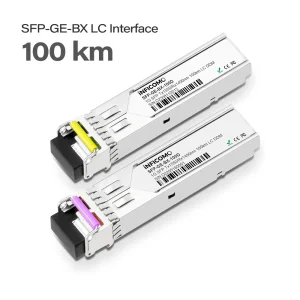
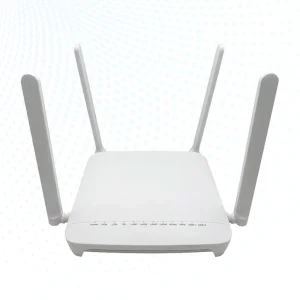
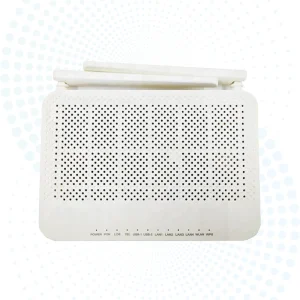
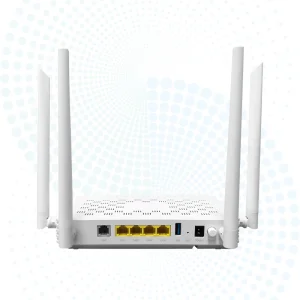
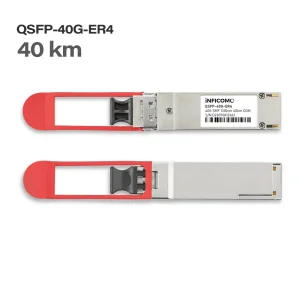
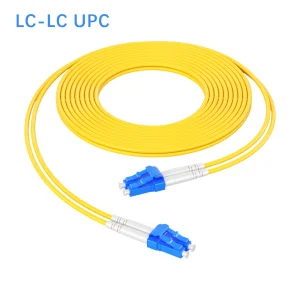
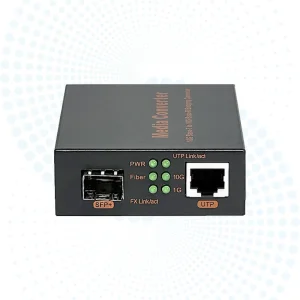
Unlocking symmetrical multigigabit capacities to meet the scaling requirements of the modern cloud economy.
In the rapidly transforming landscape of global telecommunications, broadband connectivity is transitioning from a high-utility commodity to the core backbone of infrastructure. As data-intensive applications such as ultra-high-definition 4K/8K video streaming, immersive Virtual Reality (VR), enterprise cloud migrations, and real-time smart home IoT networks saturate existing bandwidth, legacy Gigabit Passive Optical Networks (GPON) are facing extreme congestion bottlenecks. To resolve this, operators are systematically upgrading to XG-PON (10-Gigabit Asymmetric PON) and XGS-PON (10-Gigabit Symmetric PON) standards.
XG-PON, governed by the ITU-T G.987 recommendation, delivers a downstream transmission speed of 10 Gbps and an upstream speed of 2.5 Gbps. This asymmetric bandwidth profile aligns precisely with residential user behavior, which typically displays asymmetric traffic patterns (high consumption and lower contribution). Conversely, XGS-PON, defined by the ITU-T G.9807.1 standard, implements full symmetrical capabilities of 10 Gbps in both directions, making it the ideal solution for high-density enterprise environments, remote-working hubs, and mobile backhaul architectures. By selecting a leading China wholesale manufacturer, network orchestrators gain direct access to robust hardware systems capable of managing this massive density with exceptional efficiency.
Tenfold increase over traditional GPON, designed for high-density traffic distribution and multi-gig services.
Backward-compatible optical structures enable simple upgrades using existing optical distribution networks (ODN).
Features standard AES-128 cryptographic functions downstream and upstream to protect subscriber payloads.
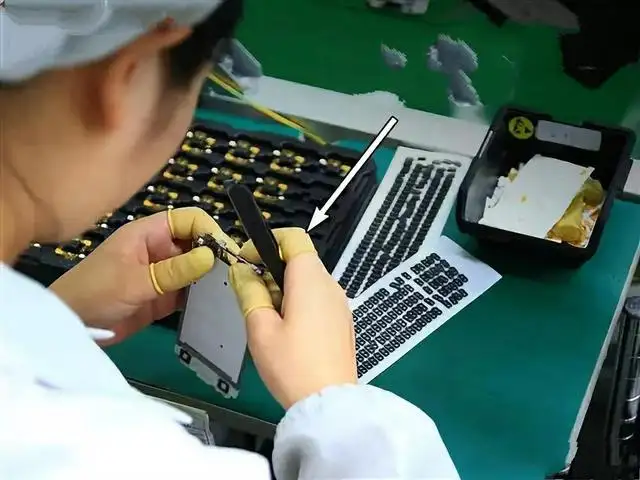
A premier Chinese manufacturing force combining more than a decade of research, automated SMT processes, and strict quality control.

Established in 2021 with a management core boasting over 10 years of intensive R&D and engineering experience in optical transmission equipment, Shenzhen Soras Technology Co., Ltd. represents the pinnacle of premium optical networking innovation. We rely on state-of-the-art technological infrastructures and lean production practices to deliver highly cost-effective, high-value-added hardware solutions to operators in over 60 countries across South America, North America, Europe, and Eastern Asia.
Operating high-precision, ISO 9001-certified manufacturing facilities in Guangdong, China, our business focuses on FTTH ONU & OLT systems, SFP modules, Media Converters, PoE switches, and essential passive accessories. Our comprehensive design capabilities mean we support custom OEM and ODM configurations, aligning product dimensions, firmware localization, and enclosure layouts with the regulatory and operational demands of our clients.
| Soras Technology Corporate Overview | |||
|---|---|---|---|
| Business Type | Manufacturer / Exporter |
Country / Region | Guangdong, China |
| Main Products | FTTH ONU & OLT, SFP Transceiver Modules, Fiber Media Converter, PoE Switch, Optical Network Accessories |
Total Employees | 11 - 50 Professionals |
| Annual Revenue | US$5 Million - US$10 Million |
Year Established | 2021 |
| Global Footprint | South America, North America, Europe, Domestic Market (24%), Eastern Asia (15%) |
Quality Standards | ISO 9001, UL, CE, FCC, ROHS Compliance |



Deciphering the wholesale parameters that impact CapEx, operational sustainability, and network uptime.
Procuring network transmission equipment in bulk demands a deep understanding of hardware durability, supply chain logistics, and device compatibility. For Tier-2 and Tier-3 ISPs, managing capital expenditure (CapEx) while delivering high-speed bandwidth is a constant challenge. Standardizing deployments on high-grade GPON and XG-PON ONUs sourced directly from specialized factories in China offers a cost-effective path to scaling networks without sacrificing performance.
A primary factor when selecting hardware is the level of software and hardware interoperability. Leading China wholesale manufacturers construct their optical terminals based on standard OMCI (ONT Management and Control Interface) protocols. This guarantees seamless integration with major third-party Optical Line Terminals (OLTs) in the field, including brands like Huawei, ZTE, Nokia, and FiberHome. This cross-compatibility eliminates vendor lock-in, increases procurement flexibility, and simplifies inventory management. Additionally, choosing suppliers with in-house SMT (Surface Mount Technology) and assembly lines guarantees consistent quality and reliable delivery timelines.
Architectural blueprints for deploying XG-PON / GPON infrastructure in diverse urban and suburban scenarios.
Soras Technology develops comprehensive fiber transmission systems designed to operate across multiple deployment models, helping service providers balance connection density, reach, and total deployment costs.
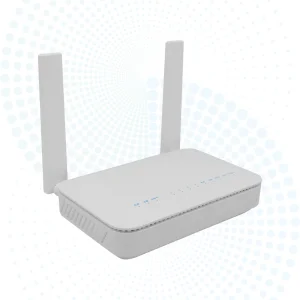
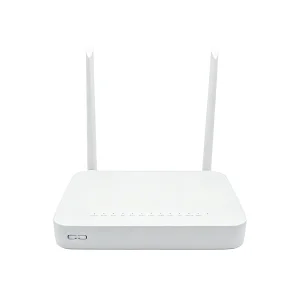
In FTTH rollouts, the primary focus is delivering high-speed internet and voice services directly to individual residences. Deploying multi-band Wi-Fi 6 ONUs, such as the INFICOMO X3124 AX3000, enables operators to deliver gigabit speeds over local wireless networks. These terminals combine a high-sensitivity GPON/XG-PON receiver with advanced wireless configurations, providing wide coverage and stable connectivity for modern smart home environments.
For high-density residential buildings, business parks, and multi-dwelling units (MDUs), FTTB architectures offer an efficient, cost-optimized approach. A high-bandwidth fiber link runs directly to a centralized building distribution hub, with local distribution handled via high-speed Ethernet switches or PoE extenders. This setup drastically reduces the total optical fiber length required, utilizing existing copper or Cat6 infrastructure while maintaining robust gigabit performance across the property.
As large residential spaces and complex layouts face wireless signal degradation through walls, FTTR has emerged as a premium solution. By extending fiber lines directly to individual rooms and connecting them to localized access points, FTTR eliminates the bottlenecks of traditional copper cabling. This setup guarantees consistent gigabit speeds and ultra-low latency throughout the property, making it ideal for high-performance home offices, VR systems, and 4K entertainment setups.


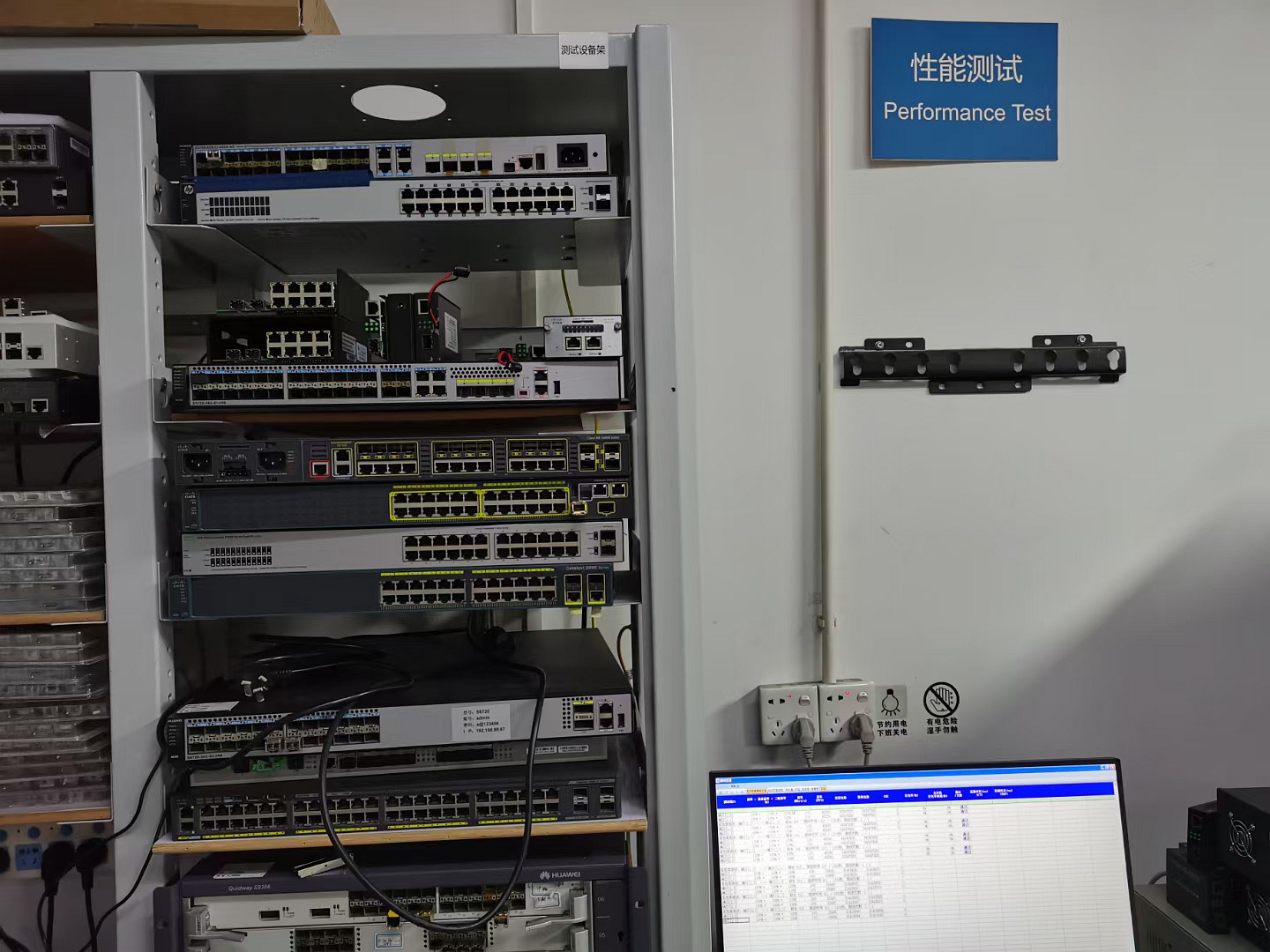
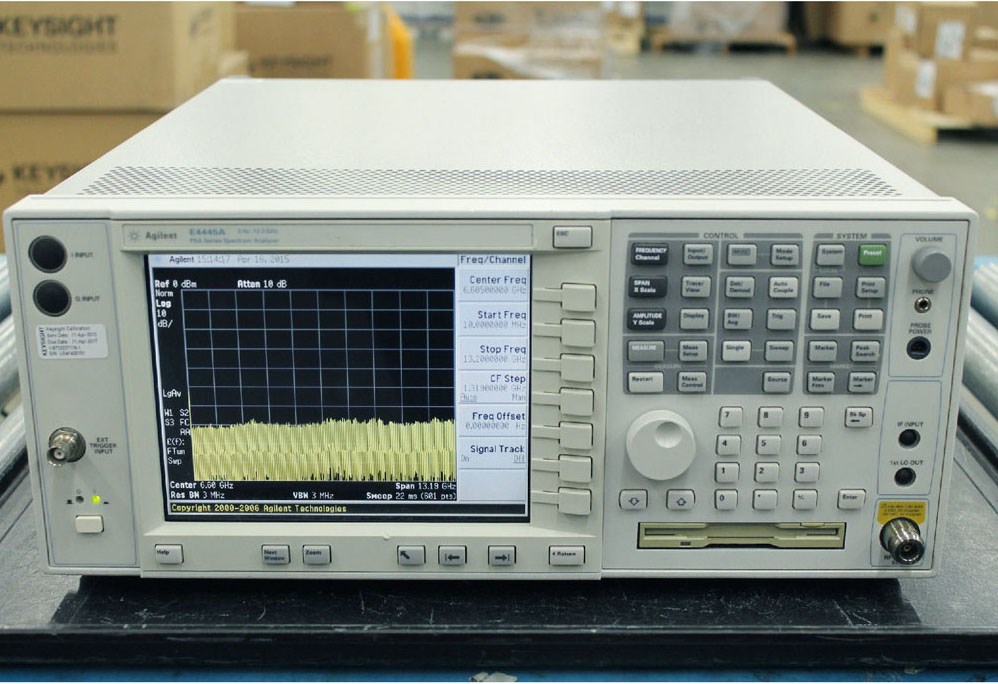
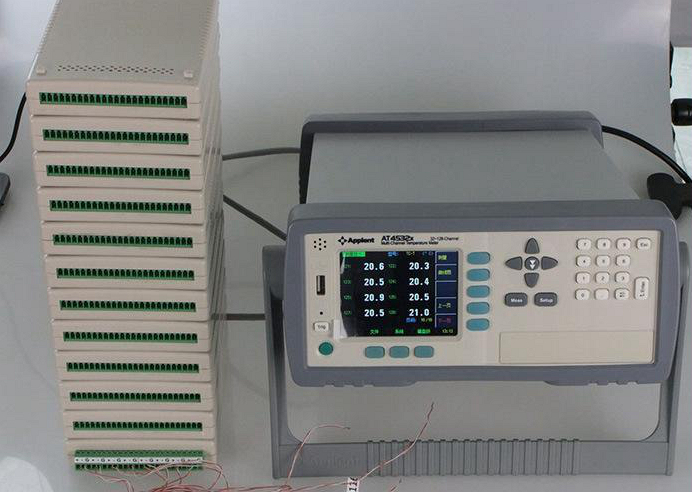
Demonstrating our commitment to device reliability and system integrity under demanding operating conditions.
Operational stability is the bedrock of network performance. In fiber-optic deployments, transceiver failures or faulty ONU components can lead to customer churn and expensive maintenance calls. Soras Technology maintains a comprehensive testing pipeline, ensuring every shipped unit matches the standards required by international telecom carriers.
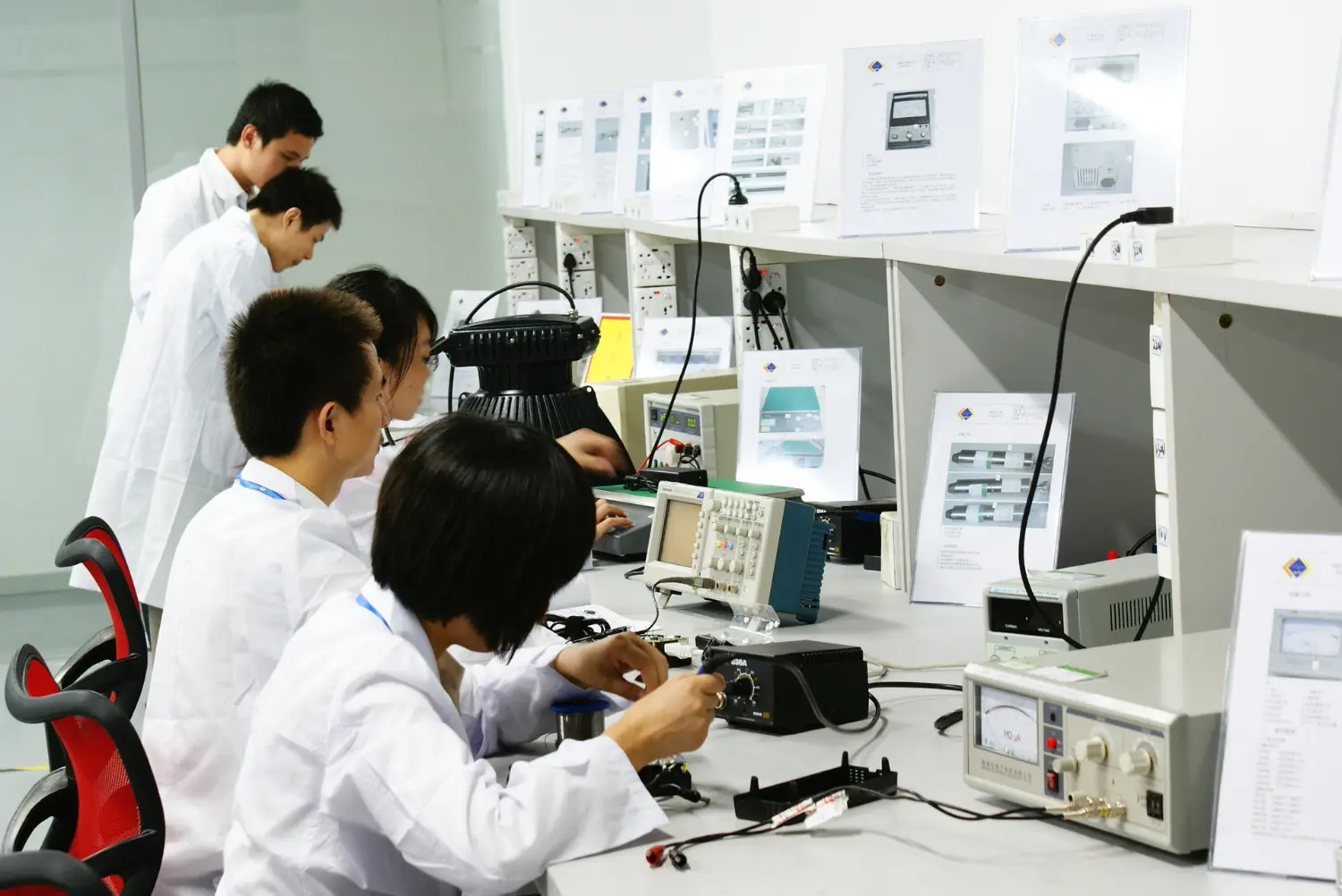
Using specialized RF shielded chambers and automated calibration software, our technicians fine-tune the transceiver power and receiver sensitivity of every Wi-Fi enabled ONU. This process minimizes signal distortion and ensures optimal throughput across both 2.4 GHz and 5 GHz bands.
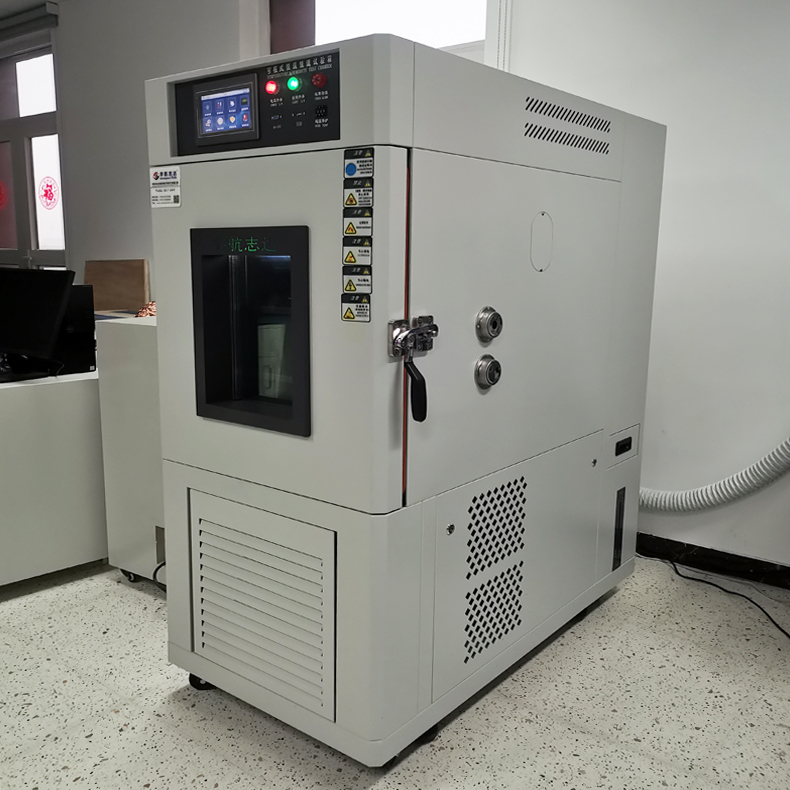
Optical hardware is often deployed in unconditioned outdoor enclosures or dusty basements. Our components undergo rigorous stress testing in environmental chambers, cycling between extreme temperatures (-40°C to +85°C for industrial-grade transceivers) to ensure thermal stability, component adhesion, and signal integrity.
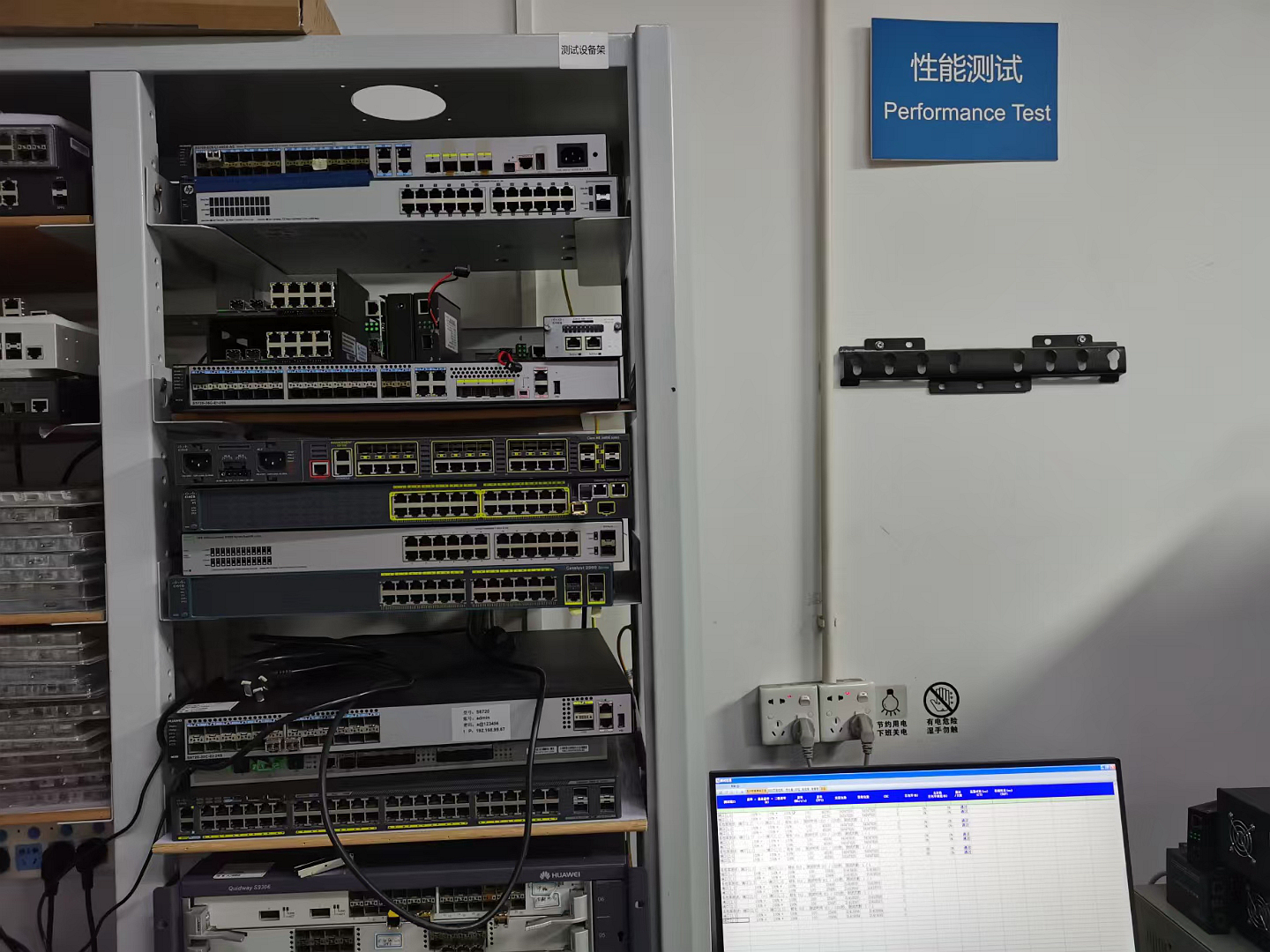
Before packaging, ONUs and optical transceivers are connected to specialized simulation networks mimicking various fiber spans and splitter configurations. This step tests optical power budget margins, verifies bit error rates (BER), and guarantees stable communication under typical operating conditions.
Mapping the future of optical broadband from XG/XGS-PON to 50G-PON architectures.
Although XG-PON and XGS-PON are currently the main choices for modern network upgrades, the optical access market continues to evolve. The ITU-T has already standardized 50G-PON (ITU-T G.9804) as the next primary step for high-capacity networks. Forward-thinking service providers are designing their optical distribution networks (ODNs) to support this eventual upgrade with minimal physical restructuring.
By implementing coexistence elements (WDM1r filters), operators can run legacy GPON, current XGS-PON, and future 50G-PON wavelengths simultaneously over the same single fiber. This approach protects existing infrastructure investments, allowing operators to systematically upgrade individual customer premises terminals as bandwidth demands grow.
Expert technical answers regarding XG-PON deployment, factory sourcing, and device compatibility.
GPON operates at 2.488 Gbps downstream and 1.244 Gbps upstream using a 1490nm/1310nm wavelength structure. XG-PON provides 9.953 Gbps downstream and 2.488 Gbps upstream, using 1577nm downstream and 1270nm upstream. This separation allows both systems to run simultaneously on the same optical distribution network (ODN) via a WDM1r coexistence filter.
Yes. Soras Technology designs its ONUs based on the standard ITU-T OMCI protocol. Our devices are regularly tested and certified for compatibility with major industry-standard OLT platforms, including Huawei, ZTE, Nokia, and FiberHome, helping operators avoid vendor lock-in.
We offer wide customization options, including custom brand logo printing, personalized device housing colors, customized default firmware settings, localized packaging, and specific wireless configurations suited to target regional regulations.
Every design is validated in environmental test chambers, exposing the hardware to temperatures ranging from -40°C to +85°C. This testing ensures that performance remains stable and components do not degrade under harsh operational conditions.
Our products are manufactured under ISO 9001-certified processes and comply with CE, FCC, UL, and RoHS standards, facilitating export clearance and meeting regulatory requirements in major international markets.
Discover our heavy-duty optical line terminals, PoE solutions, high-capacity transceivers, and installation tools.

 Soras Tech