Direct from our state-of-the-art production lines. Fully certified optical engines, active switches, and transceivers for mission-critical applications.
Within fiber optic networking, transmission pathways are only as reliable as their connection points. A patch cord (fiber optic jumper) is not merely a segment of glass encased in polymer; it is an engineered component that must align optical cores to sub-micron tolerances. For high-speed networks, slight deviations in fiber core concentricity, physical contact geometry, or cleaning methodologies can lead to significant network degradation.
“Even minor insertion loss at connection points will increase the bit-error-rate (BER) of transceivers, reducing the maximum optical budget across backhaul routes.”
As networks scale to 100G, 400G, and 800G, passive infrastructure parameters are heavily scrutinized. Single-mode (OS2) and multi-mode (OM3, OM4, OM5) cables require distinct manufacturing processes. From physical contact (PC) to ultra physical contact (UPC) and angled physical contact (APC), understanding structural tolerances is key for data center architects and telecom operators looking to future-proof their installations.

Shenzhen Soras Technology Co., Ltd. leads the production of optical transmission equipment through automation, meticulous quality control, and regional supply chain integration.
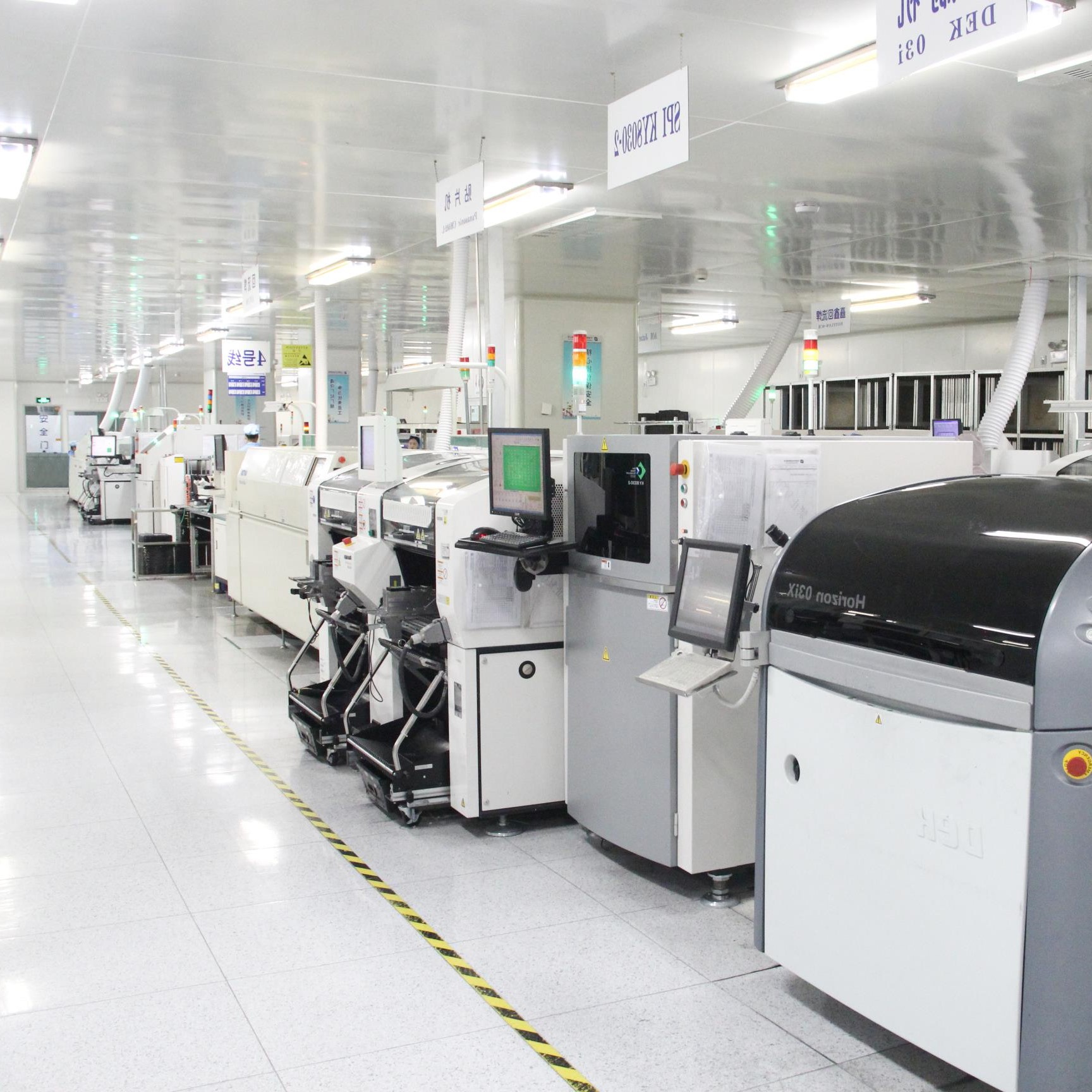
Our surface mount technology (SMT) lines feature sub-micron pick-and-place accuracy, ensuring high-speed active components such as PON ONT chips and PoE control logic are populated with defect-free solder points.
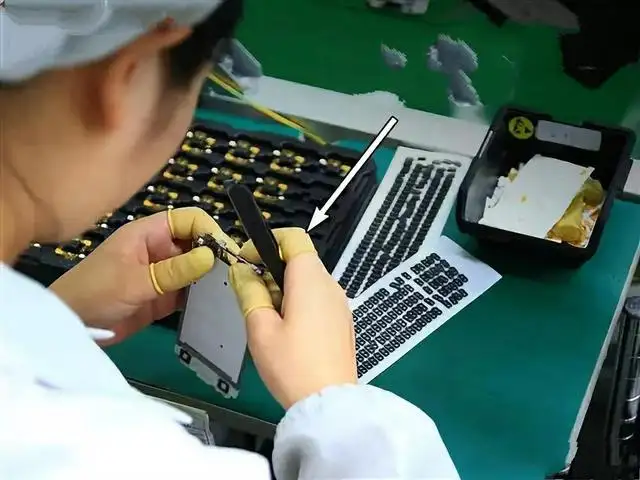
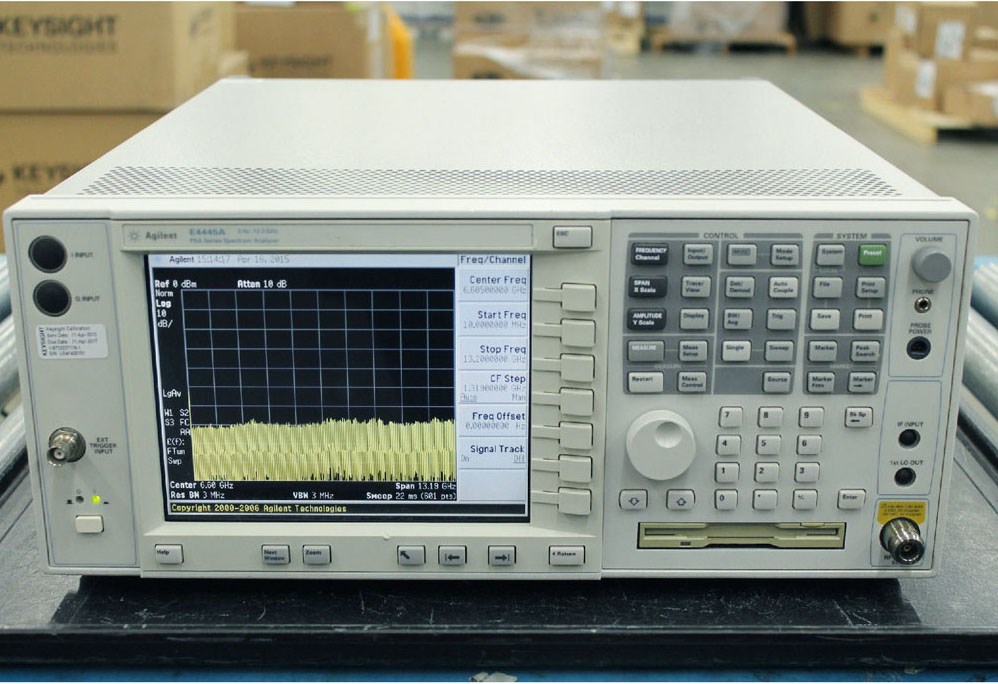
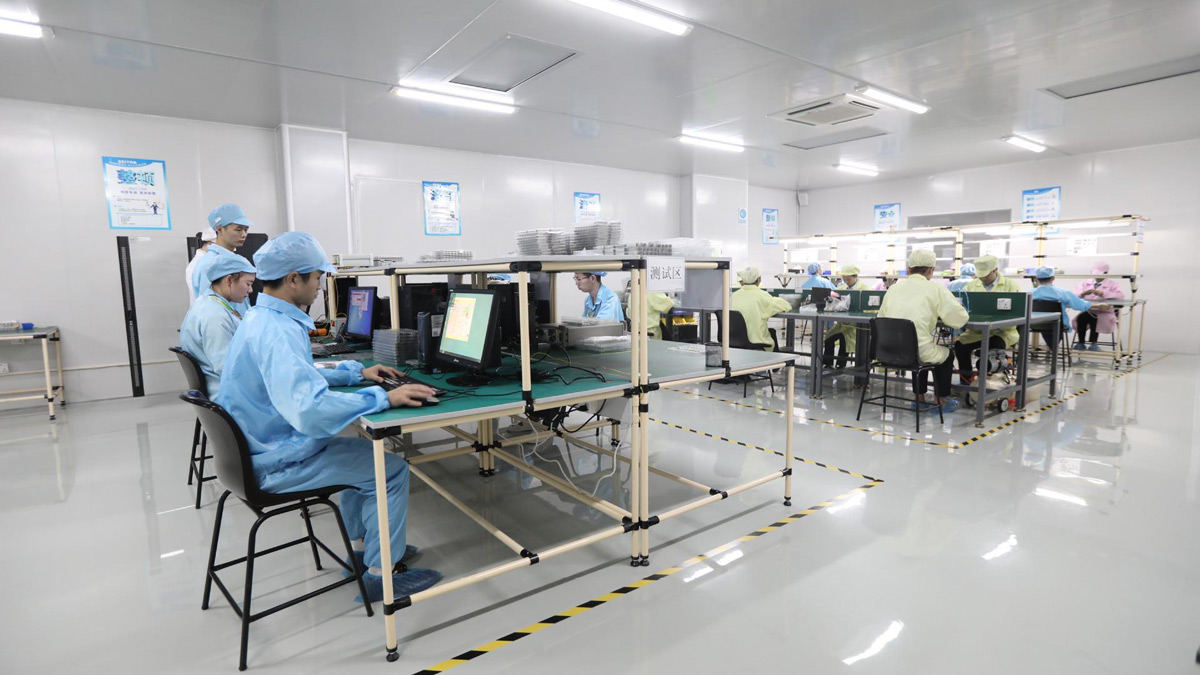
Every active transceiver, media converter, and switch undergoes structured inspection protocols, including 3D fiber end-face interferometers and optical time-domain reflectometry (OTDR) to identify micro-bends.
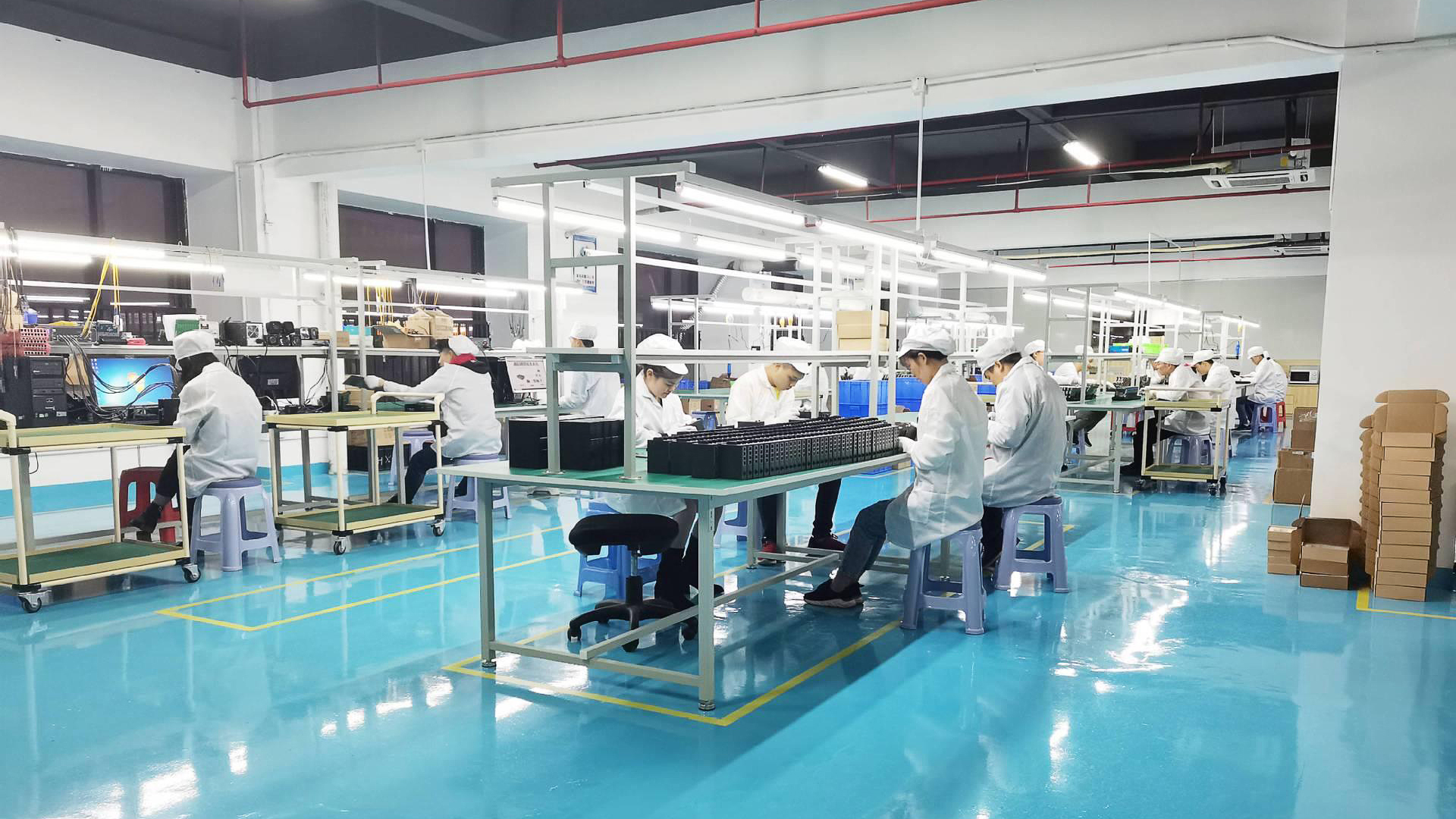
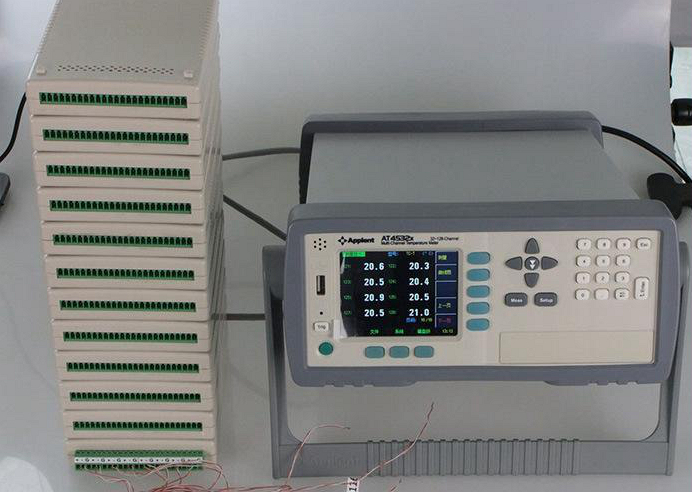
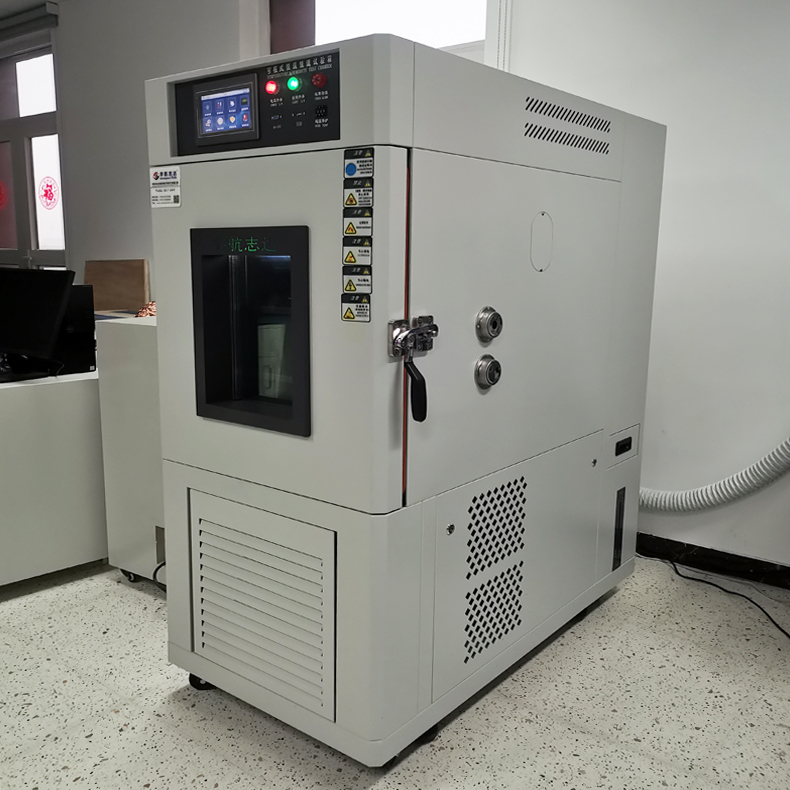
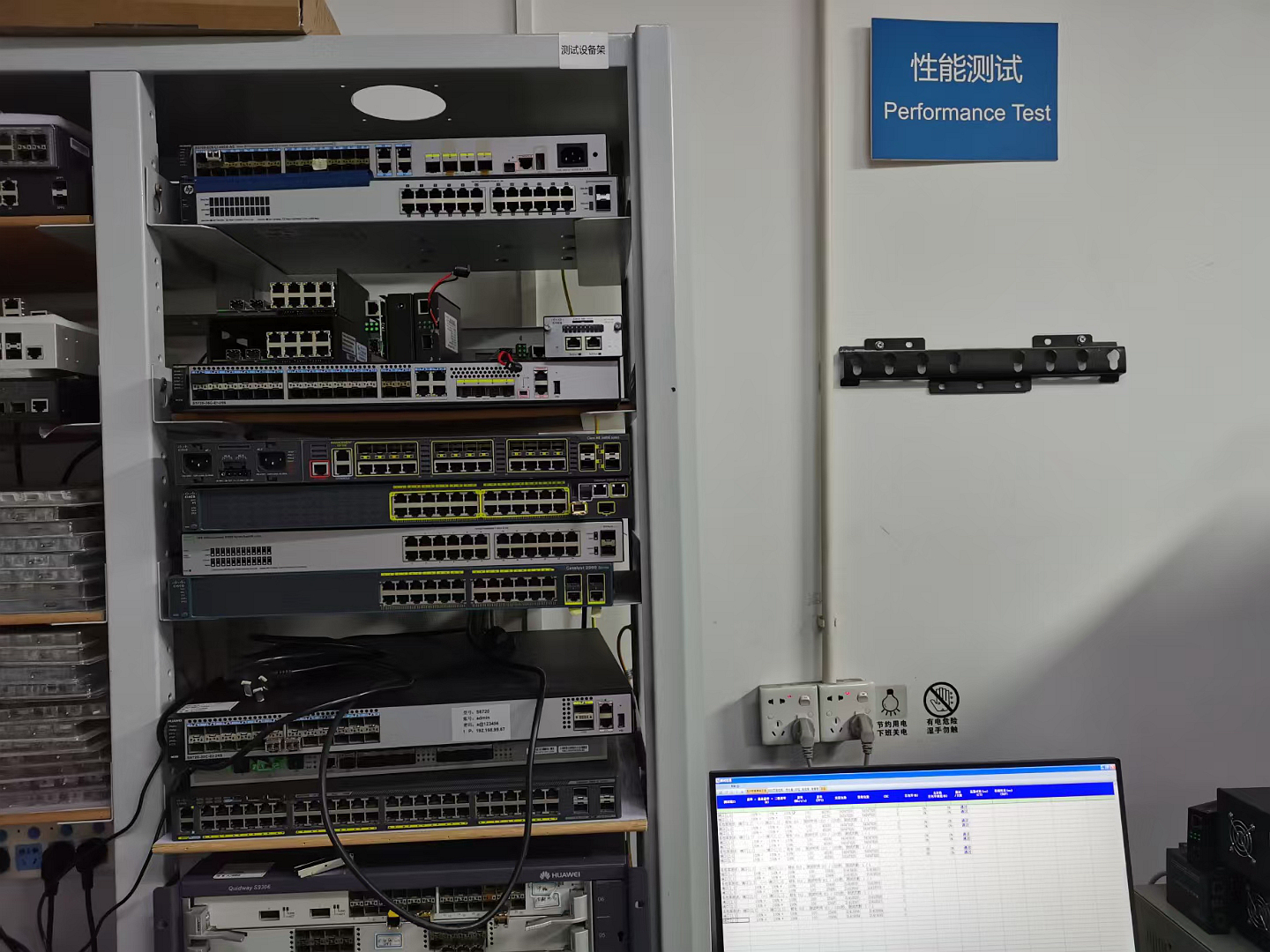
We deploy high-low temperature thermal cycling chambers (-40°C to +85°C) to simulate field deployments, paired with automatic Wi-Fi calibration, performance testing, and error-rate checks.
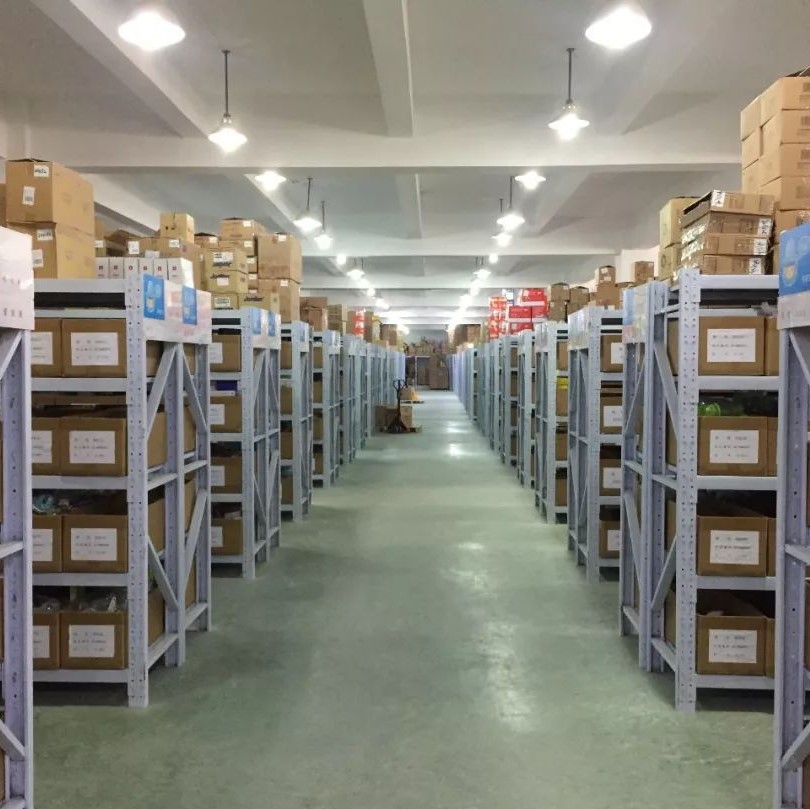
Visual verification of our physical assembly lines, testing setups, and distribution warehouse. Demonstrating transparent, carrier-grade quality assurance.
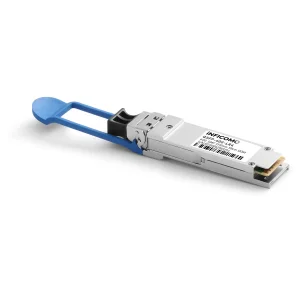
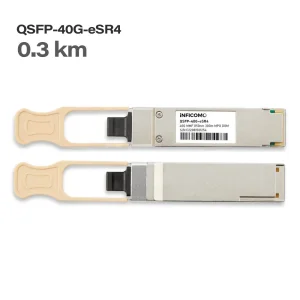
Optical communications are transitionary; technologies do not stand still. Currently, telecom ecosystems are shifting from standard FTTH (Fiber-to-the-Home) systems into ultra-broadband architectures driven by XGS-PON and Wi-Fi 7 technologies. This migration requires significant changes in both active transceivers (such as our 40G QSFP+ modules and GPON SFP sticks) and the patch cords connecting them.
Our engineering division focuses on developments in three primary areas:
Fiber optic infrastructure connects across global industries. Below is a breakdown of our multi-scenario deployment configurations for carrier networks and large enterprise operations.
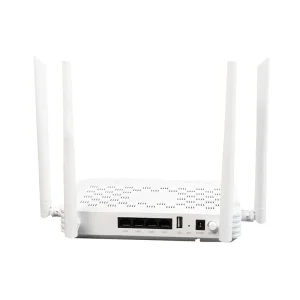
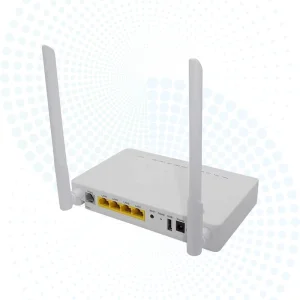
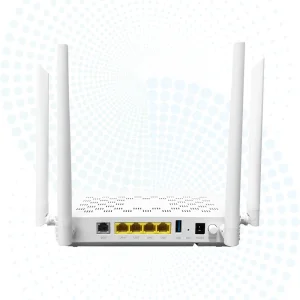
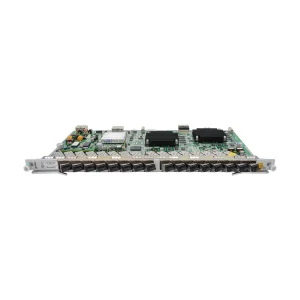
By connecting OLT line terminals (like the ZXA10 C300) directly with dual-band XPON ONUs using high-performance fiber jumpers, telecom providers can maintain consistent gigabit-level latency profiles from central offices out to subscriber endpoints.
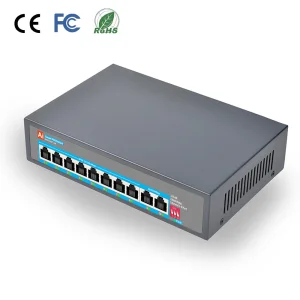
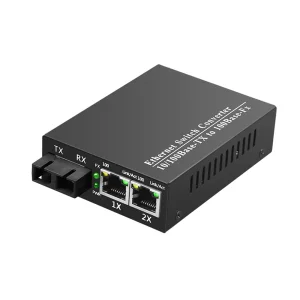
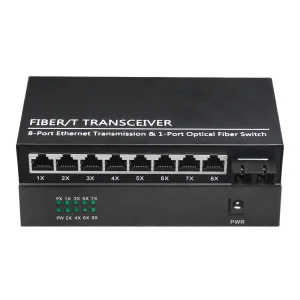
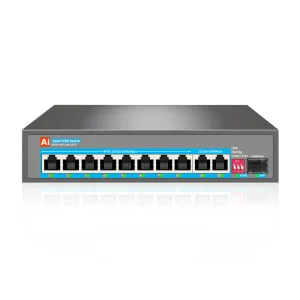
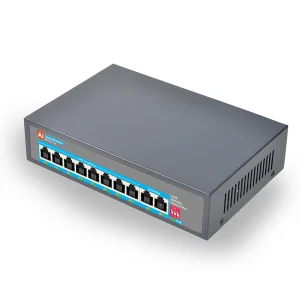
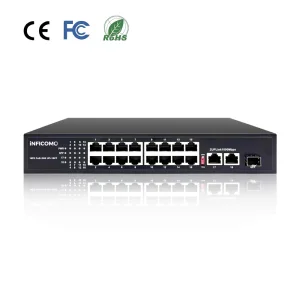
Supporting outdoor IP camera setups requires stable, long-distance power and data paths. Our industrial PoE switches support steady 48V power transmission across distances up to 300 meters, backed by media converters that bridge copper and fiber networks.
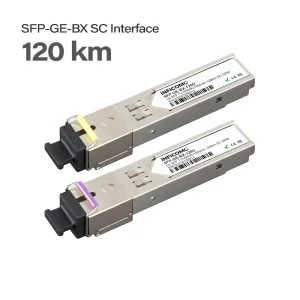
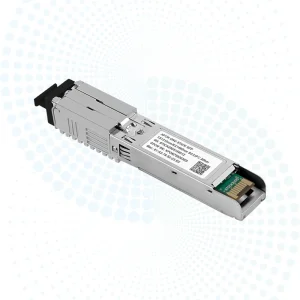
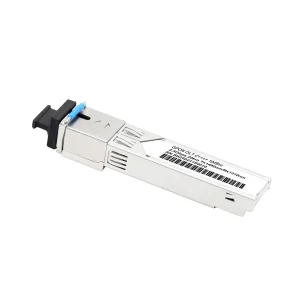
Connecting distributed municipal sites requires highly stable transceivers. By combining 120km BIDI SFP single-mode modules with low-dispersion optical jumpers, network teams can extend data networks without needing costly intermediate optical regenerators.
For global procurement managers, selecting patch cords and network components relies heavily on international compliance, system compatibility, and design versatility. Product reliability is reinforced through certifications that meet safety and performance standards worldwide.
Soras Technology holds certifications across major regulatory frameworks:
Our OEM/ODM services allow clients to customize fiber jacket materials (such as LSZH or Plenum-rated PVC), select specific cable lengths, and custom-label packaging, ensuring smooth integration into existing enterprise distribution workflows.
| Shenzhen Soras Technology Co., Ltd. - Company Parameters | |
|---|---|
| Business Type | Original Equipment Manufacturer (OEM) / ODM / Exporter |
| Registered Address | Guangdong, China (Production Capital) |
| Key Products | FTTH ONU & OLT, SFP Transceiver Modules, Fiber Media Converters, PoE Switches |
| Factory Operations | SMT Assembly, High-Low Thermal Chambers, Wi-Fi Signal Calibration |
| Export Markets | North America (15%), South America (24%), Eastern Asia (15%), Europe |
| Main Quality Accreditations | ISO 9001, UL, CE, FCC, RoHS Certifications |
Detailed answers to help network engineers, system integrators, and procurement agents choose the right optical products.
The difference lies in the polish of the fiber connector end-faces. An Angled Physical Contact (APC) connector features an 8-degree angle ferrule, which redirects back-reflections into the cladding. This yields a higher Return Loss (≥60dB or ≥65dB) compared to Ultra Physical Contact (UPC) connectors (≥50dB), which have a flat polish. APC is highly recommended for high-bandwidth single-mode applications like GPON/XPON networks and high-frequency CATV systems to prevent signal degradation.
Our active SFP modules, PON sticks, and ONU/OLT transceivers are configured with EEPROM parameters compatible with major global networking brands. During R&D and final testing, our firmware engineers verify code matching and digital diagnostics monitoring (DDM) reporting, ensuring seamless plug-and-play installation in heterogeneous network environments.
Every PoE switch undergoes high-current loading tests to confirm power distribution stability up to 120W (for 8-port switches) and 250W (for 16-port switches) under IEEE 802.3af/at standards. We also test extended-reach performance, verifying error-free transmission up to 300 meters, and subject the hardware to high-temperature burn-in testing to minimize early failures.
LSZH (Low Smoke Zero Halogen) jackets are designed to emit minimal smoke and zero toxic halogen gases when exposed to fire. This makes them ideal for poorly ventilated high-density areas, such as data centers and commercial buildings, protecting personnel and critical electronics from corrosive acid gases during a fire.
Explore our long-range optical transceivers, high-capacity GPON OLT infrastructure, and specialized tools designed for global fiber-to-the-home (FTTH) deployments.
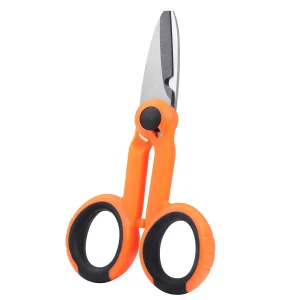
Proper fiber preparation and precision trimming tools are essential for successful field installations. When deploying FTTH drop cables, field technicians must work with rugged materials, such as internal FRP strength members and outer jackets, alongside delicate glass fibers.
“Using sub-standard cutters or dull shears can damage Kevlar strength members, putting excess tension on the inner glass core during pull routing.”
Soras Technology supplies specialized tools like the WL-9011Z Kevlar Shears. Designed with high-carbon molybdenum-vanadium blades, these tools cleanly sever internal synthetic fibers without crushing or bending the core. High-quality tools help minimize micro-bend losses at the connector boot, ensuring reliable performance across long-distance runs.

A step-by-step framework to help project managers and engineers select the appropriate fiber specifications for their installations.
Select Singlemode (OS2 - Yellow) for long-haul networks, or Multimode (OM3/OM4/OM5 - Aqua/Lime) for high-density, short-reach data centers.
Match transceivers or panel interfaces (LC, SC, ST, FC, MPO). Select APC (Angled) for PON systems, and UPC (Flat) for standard Ethernet routing.
Select LSZH (Low Smoke Zero Halogen) for standard buildings, Plenum-rated PVC for air ducts, or TPU armored cables for industrial environments.
Calculate total expected insertion loss across all connections. Aim for less than 0.2dB per junction to maintain optimal transceiver power budgets.
 Soras Tech