High-fidelity active optoelectronic integration modules engineered for hyper-converged networks and robust industrial links.
The rapid integration of Cloud Computing, Artificial Intelligence (AI), the Internet of Things (IoT), and high-frequency 5G communications has revolutionized the global bandwidth infrastructure. In this dynamic context, the Optical Interface Module—typically comprising optical transceivers, network converters, optical network units (ONUs), and active distribution hubs—serves as the critical backbone. These components convert electrical signals into optical pulses with negligible signal attenuation, ensuring ultra-long-distance gigabit transmission.
Industrial and commercial markets worldwide are experiencing an aggressive transition from legacy copper infrastructure to high-density optical interfaces. Standard application demands have elevated the status of pluggable Small Form-factor Pluggable (SFP/SFP+) interfaces, Gigabit Passive Optical Networks (GPON/EPON), and high-density Media Converters. Modern data centers and public telecommunications networks require robust physical-layer transceiver modules capable of sustaining data transfer rates from 1.25Gbps up to 10G, 40G, and 100G with sub-millisecond propagation latency.
SEO Insight & Information Gain: When sourcing optical interface modules, global network architects look beyond data-rate metrics. They heavily evaluate DDM (Digital Diagnostic Monitoring) parameters, spectral wavelength stability under wide operational temperature ranges (-20°C to 70°C), and optical link loss budgets (measured in dB). Selecting products that native-support multisource agreement (MSA) compliance ensures seamless interoperability with legacy network switches.
Understanding the modern optical node architecture requires dissecting the specific sub-components that make up the active network topology:
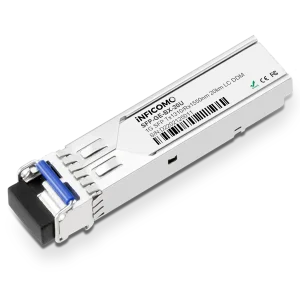
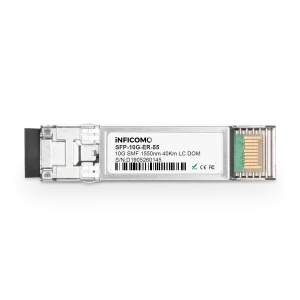
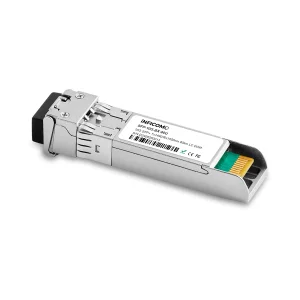
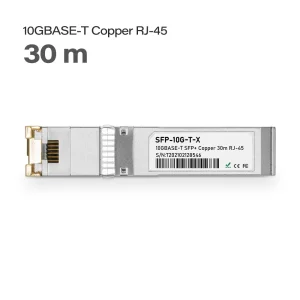
Pluggable, hot-swappable transceivers support high-speed data transmission over Singlemode (SMF) or Multimode (MMF) fiber. BiDi (Bidirectional) SFP units utilize single-fiber Wavelength Division Multiplexing (WDM) to transmit on one wavelength (e.g., 1310nm or 1490nm) and receive on another (e.g., 1550nm), cutting fiber deployment costs by 50%.
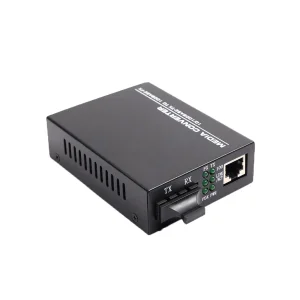
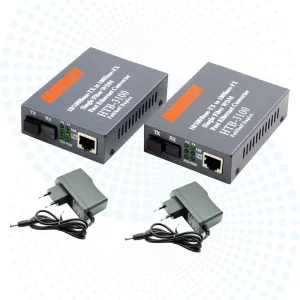
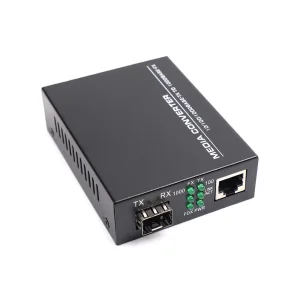
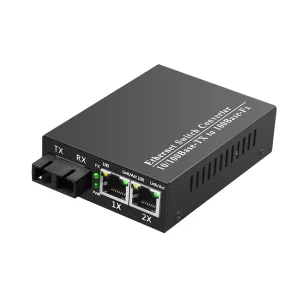
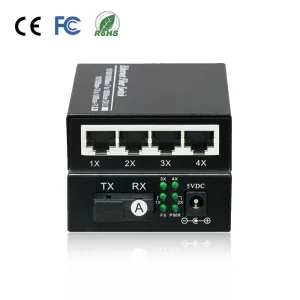
Bridges the distance gap between standard copper Ethernet interfaces (RJ45) and fiber optic backbones. Primarily deployed in high-definition IP camera networks (CCTV), FTTH extensions, and industrial plants where electromagnetic interference (EMI) renders standard copper lines inoperable beyond 100 meters.
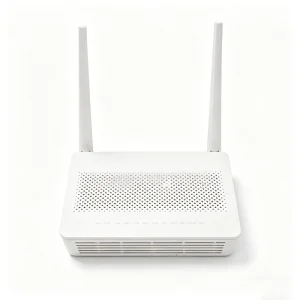
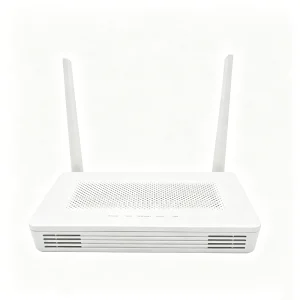
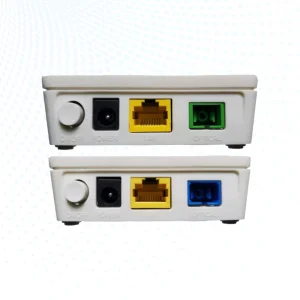
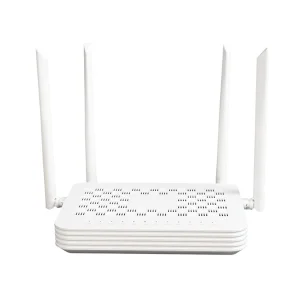
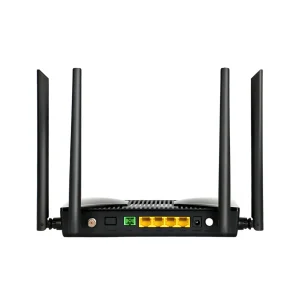
Optical Network Units (ONU) and Optical Network Terminals (ONT) operate at the client terminal of Passive Optical Networks. Devices such as the EG8145V5 and AX3000 series integrate WiFi 6 technologies and multiple GigE ports, delivering high-speed internet, voice (VoIP), and IPTV directly to businesses and residences.
A core differentiation parameter in high-performance transceivers is DDM (Digital Diagnostic Monitoring). Under E-E-A-T engineering criteria, DDM is not an optional feature but a core reliability metric. It allows real-time diagnostic tracking of key optical performance indices, including laser bias current, optical output power, received optical power, internal transceiver temperature, and supply voltage. Access to this analytical telemetry enables network operators to execute predictive maintenance before physical link failures happen.
China has emerged as the global production engine for optoelectronic systems. Manufacturers based in the high-tech corridors of Shenzhen, Guangdong leverage a highly dense localized supply chain that accelerates technological iterations and optimizes manufacturing overhead.
This regional dynamic allows Chinese factories to implement high-speed **Surface Mount Technology (SMT)** lines, state-of-the-art automated optical inspection (AOI), and comprehensive climate-controlled testing facilities. These local efficiencies translate directly into rapid OEM/ODM design cycles. Custom specifications for transceiver housings, interface protocols, and firmware modifications (vital for compatibility with proprietary switch platforms from manufacturers like Cisco, Juniper, or HP) can be processed within days, compared to weeks or months in other manufacturing regions.
A premier manufacturer and exporter of network transmission systems, committed to engineering excellence, rigorous quality testing, and robust global partnership network.
Shenzhen Soras Technology Co., Ltd. (operating globally under the brand Soraslink) is an industry-leading manufacturer of high-precision optical transmission equipment and high-performance networking devices. Backed by over a decade of industry expertise, Soraslink leverages structural engineering innovation and strict quality control standards to construct highly durable, cost-competitive optoelectronic systems.
Operating from our advanced facility in Guangdong, China, our specialized engineering teams manage everything from raw optical sub-assembly (OSA) design to final functional firmware configurations. Our client-focused model handles both customized OEM requests and high-volume standard product runs. This adaptive model has enabled us to forge close relationships with global telecom providers and enterprise distributors across North America, South America, and Europe.
We maintain full system compliance with global quality guidelines. Our manufacturing processes and products are certified under ISO 9001, UL, CE, FCC, and RoHS. This regulatory compliance, combined with our competitive pricing and dedicated after-sales support, ensures our optical interface modules install cleanly and perform reliably in mission-critical networks.

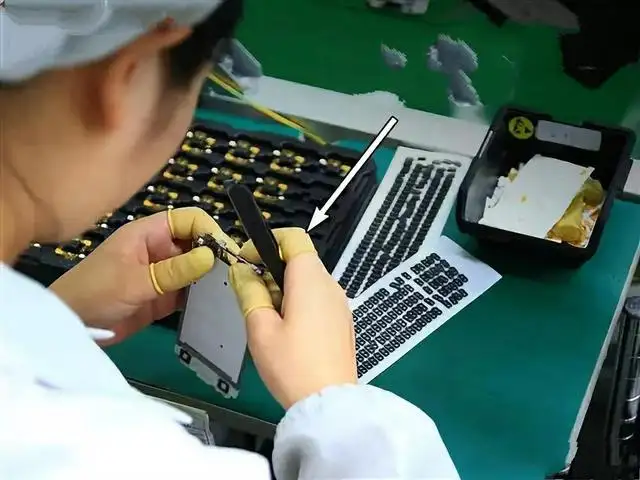
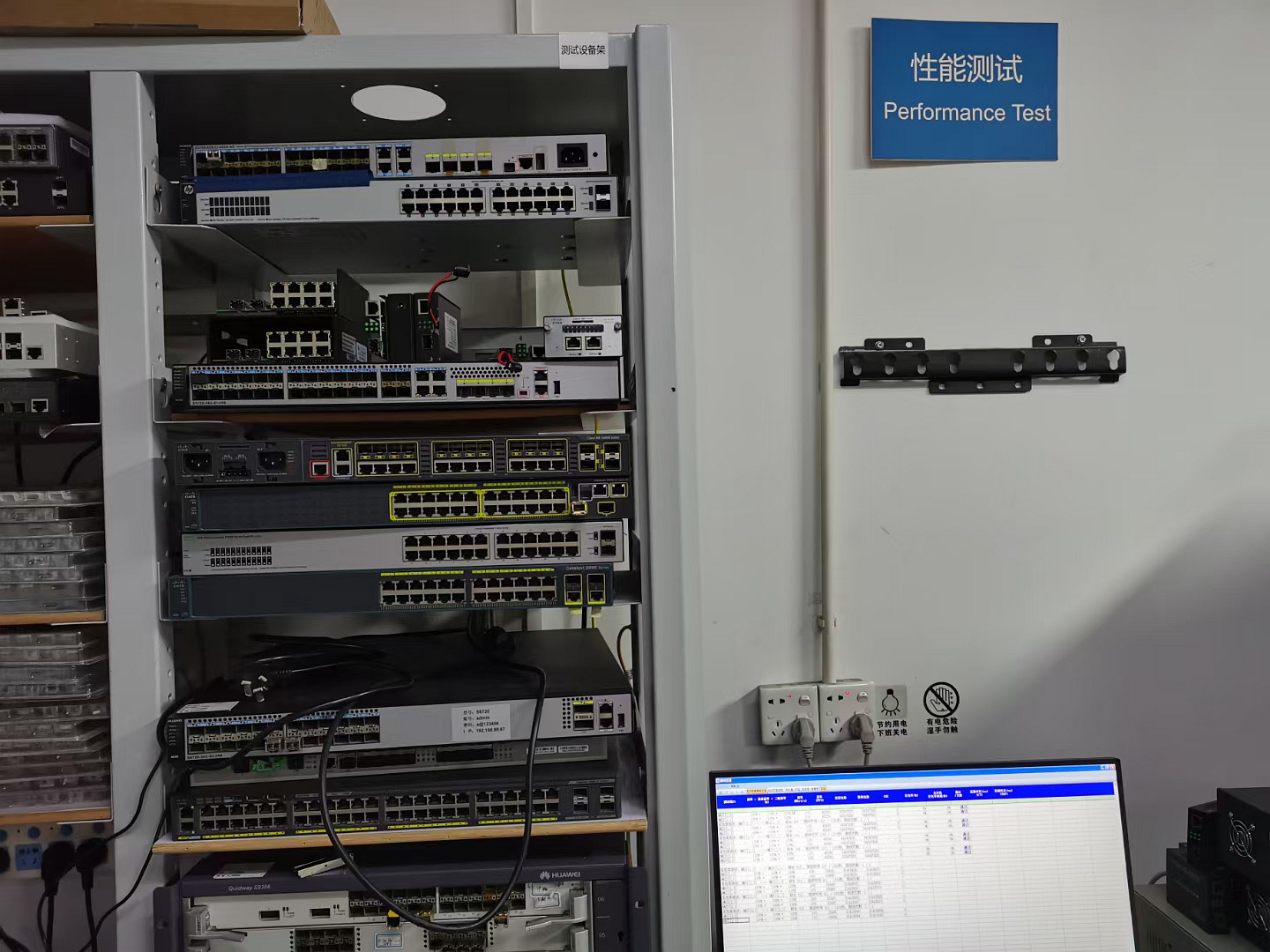
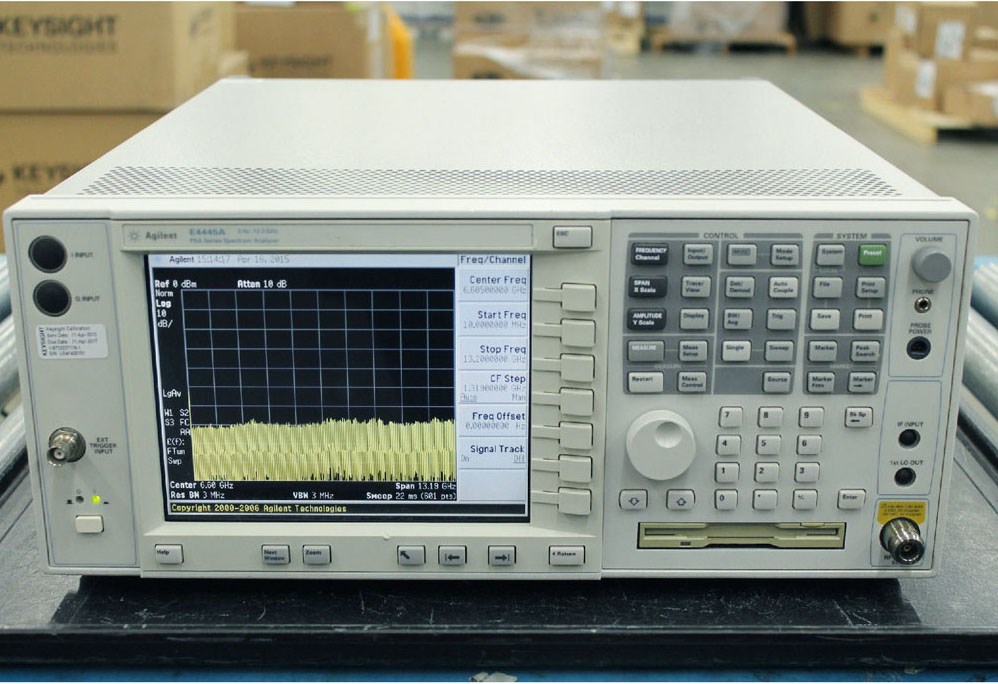
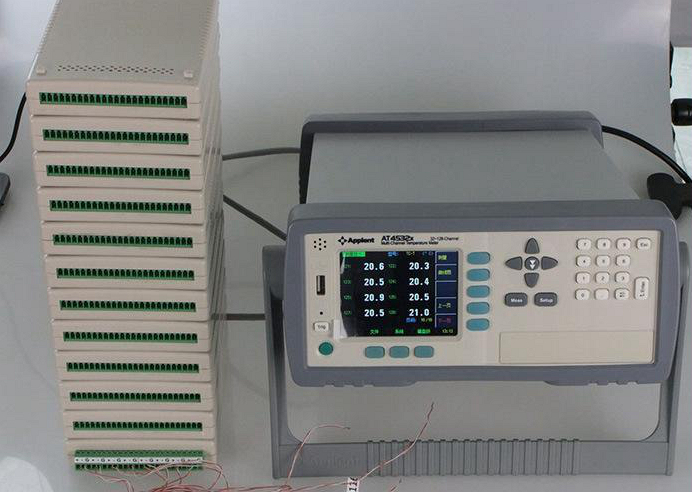
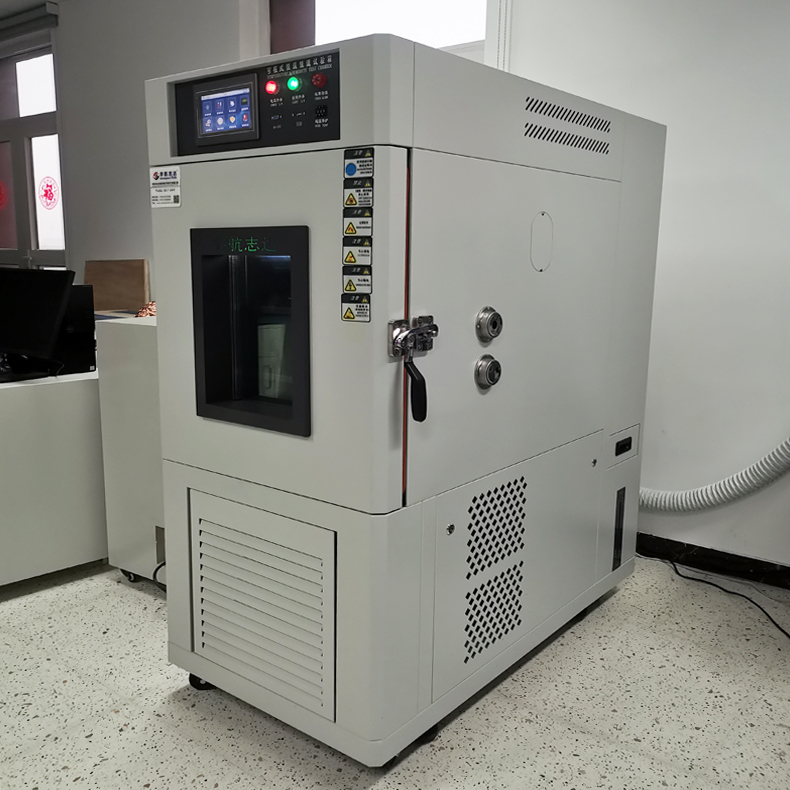
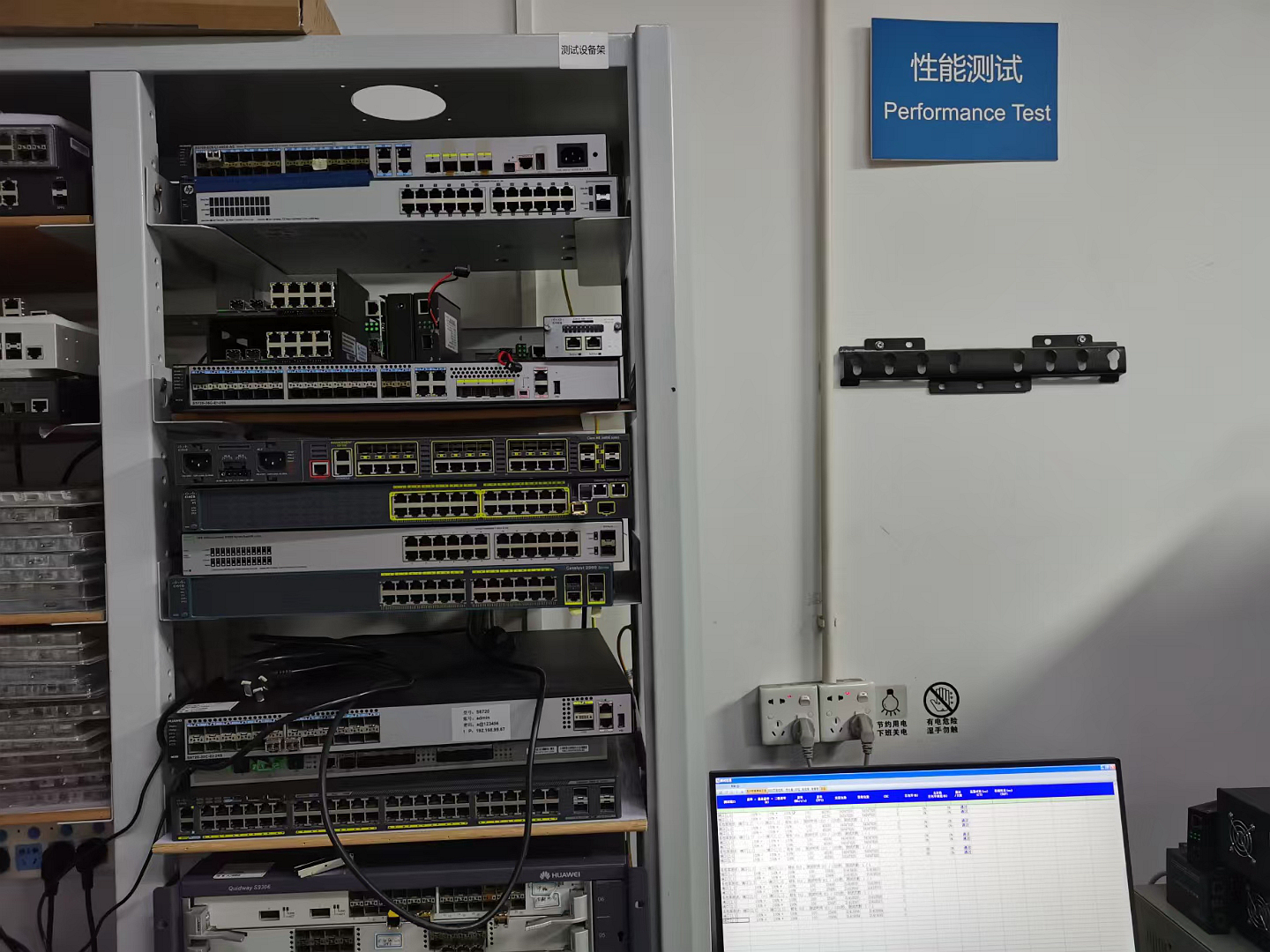
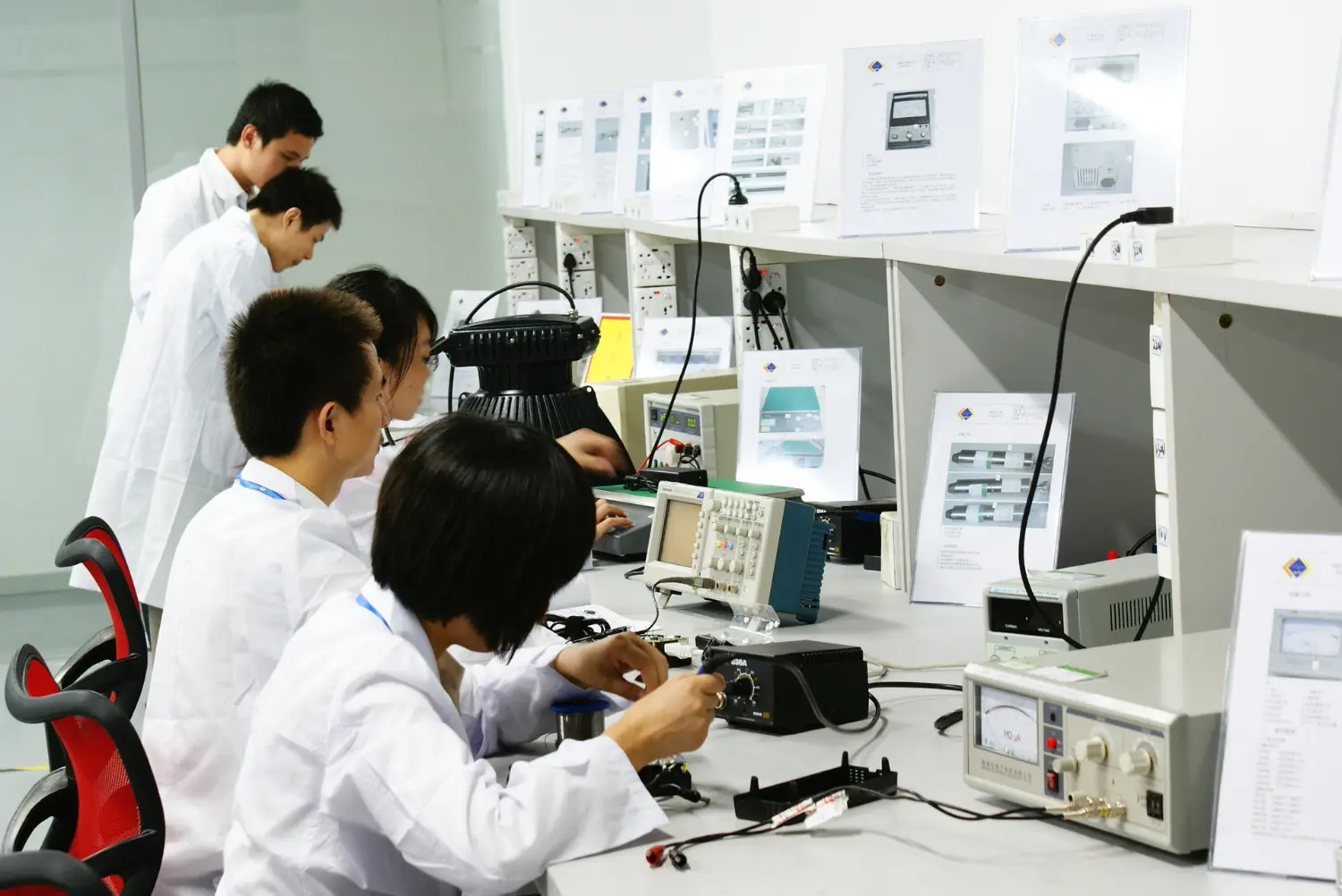
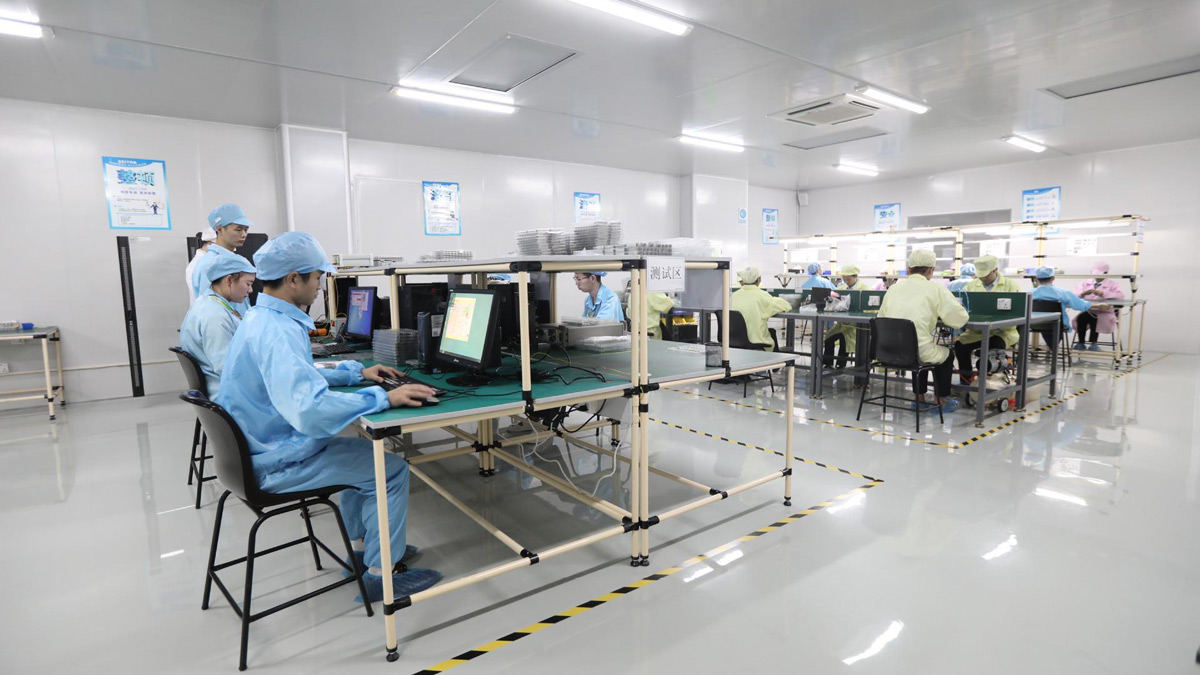
We invest heavily in state-of-the-art testing systems to ensure all products withstand harsh industrial environments.




| Corporate Parameter | Values & Standards | Geographical Distribution | Operating Region |
|---|---|---|---|
| Business Type | Manufacturer, OEM/ODM Exporter | Country / Region | Guangdong, China (Shenzhen Hub) |
| Main Products | FTTH ONU & OLT, SFP Transceiver Modules, Fiber Media Converters, PoE Network Switches | Total Employees | 11 - 50 People (High-Skill Engineers & Assemblers) |
| Total Annual Revenue | US$5 Million - US$10 Million | Year Established | 2021 |
| Compliance Standard Summary | ISO 9001:2015, CE, FCC, RoHS, UL Compliant Quality Systems | Export Market Shares | Domestic Market: 24.00% Eastern Asia: 15.00% North America: 15.00% Europe & South America (Key growth regions) |
The operating environment of an optical interface module dictates its engineering parameters. Selecting the right module requires matching specific architectural requirements to the targeted deployment scenario:
Reliability is paramount in high-performance networking. Soraslink subjects every component to a multi-stage testing sequence before shipment. This QA process is key to meeting the standards expected of top-tier Chinese optical exporters:
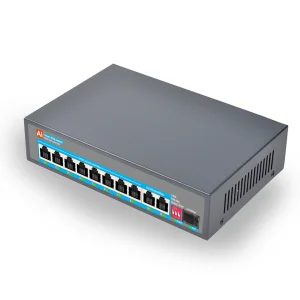
Reliable media converters, high-density optical switches, and terminal ONUs designed to extend broadband reach.
 Soras Tech