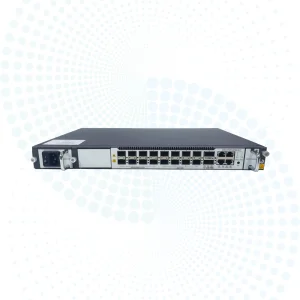
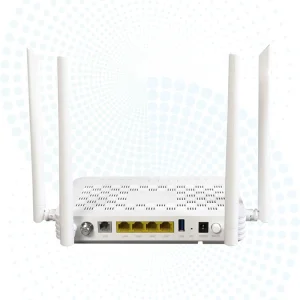
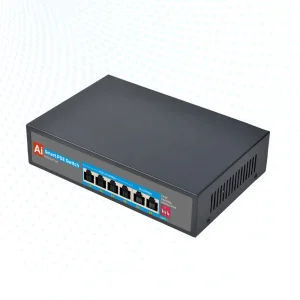
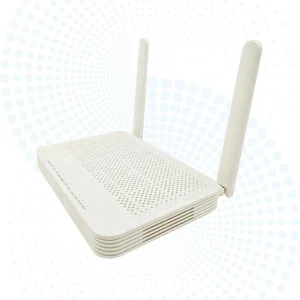
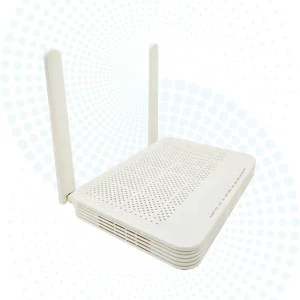
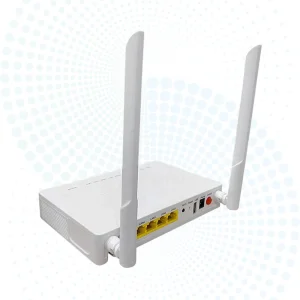
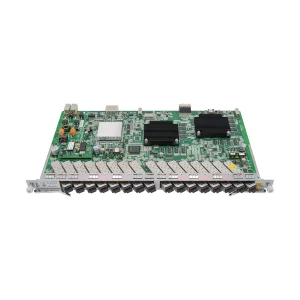
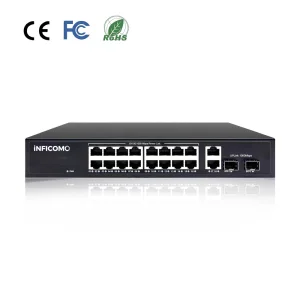
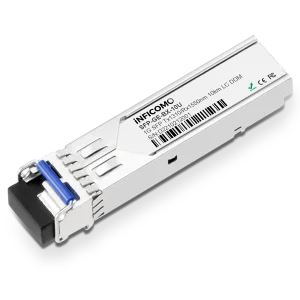
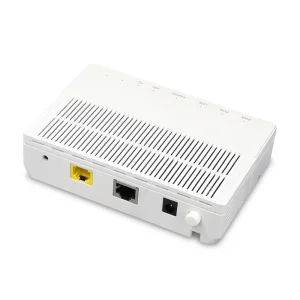
High-performance optical line terminals and local customer premise equipment designed to sustain optical link stability across complex metropolitan infrastructures.
As Algeria accelerates its national digitalization agenda, local telecommunication enterprises, regional ISPs, and governmental infrastructure authorities in Algiers are facing unprecedented demands for broadband bandwidth. The capital city of Algiers, serving as the commercial and political nexus of the nation, requires deep structural upgrades from legacy copper lines and standard GPON systems to high-speed, symmetric 10G optical networks. This modernization movement is critical for supporting smart city projects, dense multi-tenant residential complexes (MDU), and industrial logistics hubs across districts like Rouiba, Dar El Beïda, and the Sidi Abdellah cyberpark.
Implementing XG/XGS-PON technology provides Algiers network operators with a clear evolutionary roadmap. By utilizing a single fiber link to transmit symmetric upload and download speeds of up to 10 Gbps (via XGS-PON) or asymmetric speeds (via XG-PON), operators can comfortably accommodate traffic surges from modern cloud computing, enterprise data centers, and multi-user high-definition video streaming. Our industry-grade XG/XGS-PON OLTs offer the optical budget, physical reliability, and layer-3 forwarding architecture needed to power Algiers' next digital epoch.
Operating a fiber-to-the-home (FTTH) network in Algiers exposes hardware to challenging physical environments, characterized by dust ingress and significant seasonal temperature variations ranging from hot Mediterranean summers to chilly winter months. Therefore, optical terminal equipment must possess robust high-temperature operating tolerances, advanced dust-protection cooling systems, and deep optical path protection features (such as Type B and Type C backup loops) to guarantee service continuity.
Historically, standard GPON technology offering 2.488 Gbps downstream and 1.244 Gbps upstream satisfied basic consumer web-browsing requests. Today, however, the digital density in metropolitan Algiers has reached a point where GPON architectures suffer from heavy optical splitter congestion. An 8-port XG/XGS-PON OLT drastically multiplies the available capacity per port, ensuring that split ratios up to 1:128 or even 1:256 can be served without compromising subscriber Quality of Service (QoS) and Quality of Experience (QoE).
Soras Technology brings enterprise-grade optical communication innovation directly to Algerian operators, ensuring seamless cross-compatibility, zero-packet loss transmission, and carrier-class uptime.
Enabling high-upload capabilities for Algiers enterprise cloud systems and remote offices.
Significantly reducing structural cabling costs and simplifying ODN deployments.
Ensuring instantaneous fiber line protection switching for critical governmental networks.
One of the principal concerns for local network engineers in Algiers is the preservation of their existing Optical Distribution Network (ODN) investments. Laying down optical fiber cables, splitters, and distribution frames represents over 70% of the total capital expenditure (CapEx) in network deployment. Upgrading to XG/XGS-PON does not mean abandoning this foundation. By implementing WDM1r (Wavelength Division Multiplexing) coexistence modules, operators can transmit GPON signals and XGS-PON signals simultaneously over the same single-mode fiber.
GPON operates at 1490nm (downstream) and 1310nm (upstream), while XGS-PON utilizes 1577nm (downstream) and 1270nm (upstream). This spectrum separation allows Algerian operators to gradually migrate customers. High-bandwidth corporate users can be provisioned with high-tier WiFi 6 XG-PON ONTs, while budget-conscious residential clients remain on cost-effective GPON ONTs, protecting early infrastructure capital and ensuring an organic migration path.
The Regulatory Authority for Post and Electronic Communications (ARPCE) in Algeria enforces strict compliance metrics regarding telecommunication hardware security, radiation emissions, and interoperability. Soras Technology designs all optical terminals to be completely open-platform, adhering strictly to ITU-T G.987 and G.9807.1 standards. This ensures our OLTs and ONUs communicate flawlessly with major third-party vendors and local billing systems, minimizing software customization delays and eliminating vendor lock-in risk.
More than a decade of high-precision optical hardware manufacturing, custom OEM/ODM solutions, and globally certified networking quality.
| Business parameter | Details & Capability | Regional Support Focus | Standards Compliance |
|---|---|---|---|
| Business Type | ISO-9001 Certified Optical Hardware Manufacturer | Algiers, Oran, Constantine (Algeria) | CE, FCC, RoHS, UL Certified |
| Main Products | FTTH ONU & OLT, SFP Transceivers, Fiber Media Converters, PoE Switches | Dedicated EMEA Support Division | ITU-T G.984 / G.987 / G.988 / G.9807.1 Compliant |
| R&D Capability | Full OEM/ODM customization, firmware adaptation, and CLI integration | Multi-lingual configuration support (French, Arabic, English) | Rigorous SMT, H-L temperature chamber testing |
| Supply Chain Scale | US$5 Million - US$10 Million Annual Revenue; SMT Production lines | Fast shipping to Port d'Alger and Houari Boumediene Airport | Sourced from world-class optical chipsets |
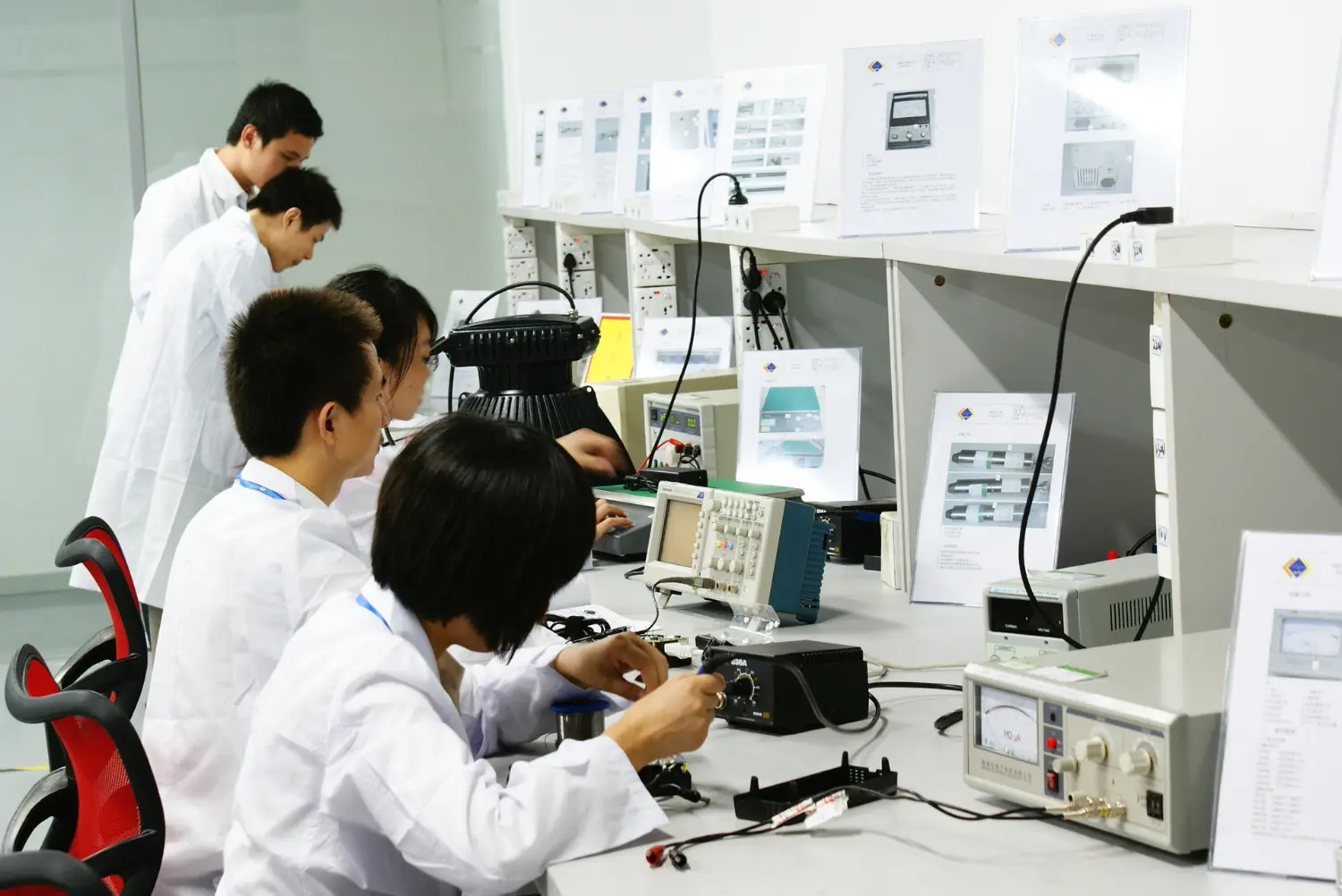
Shenzhen Soras Technology Co., Ltd. operates state-of-the-art production environments in Guangdong, China. By controlling the entire manufacturing process—from high-density SMT patch assembly to clean-room optical alignment, WiFi calibration, and thermal environmental testing—we deliver enterprise networking devices that achieve exceptionally low field defect rates. Our engineering team specializes in adapting equipment firmware to meet localized ISP authentication criteria, ensuring smooth plug-and-play operation for Algiers-based network topologies.
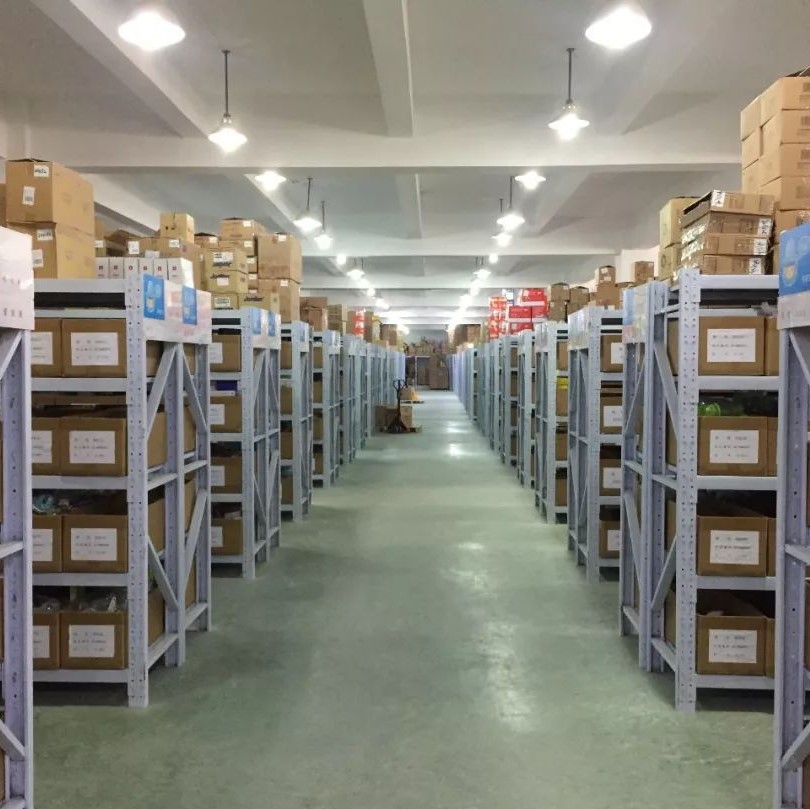
Our rigorous testing and manufacturing pipelines guarantee that every optical module, switch, and OLT shipped to Algiers maintains optimal performance under all environmental stresses.
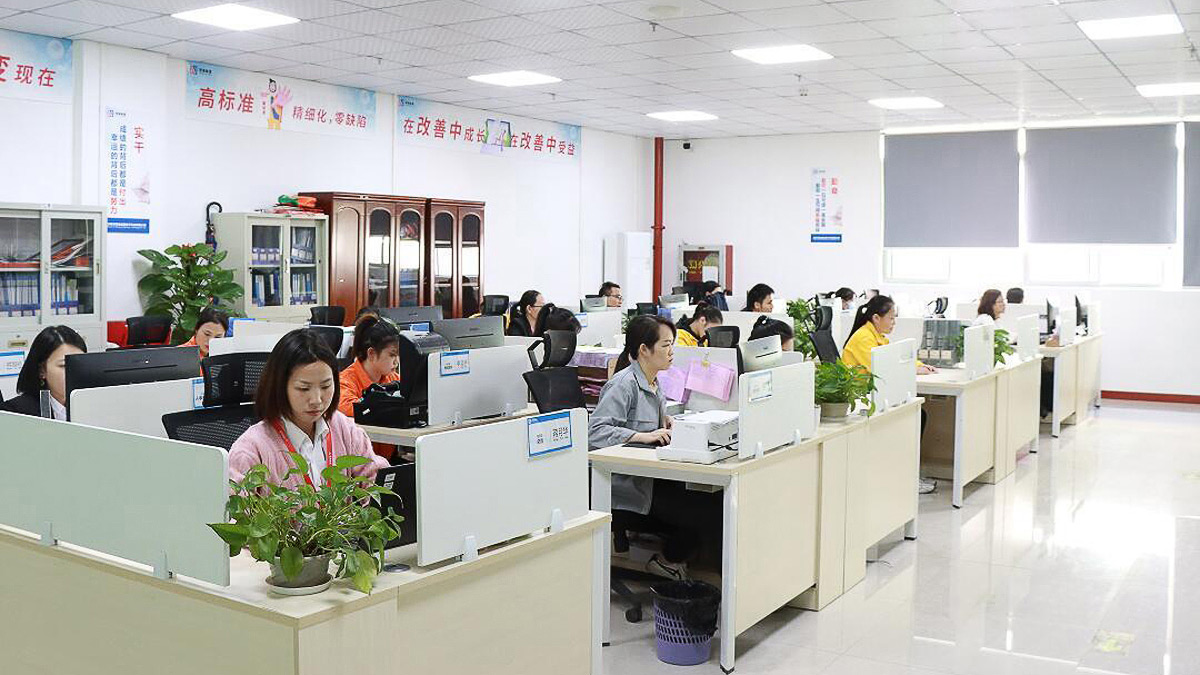
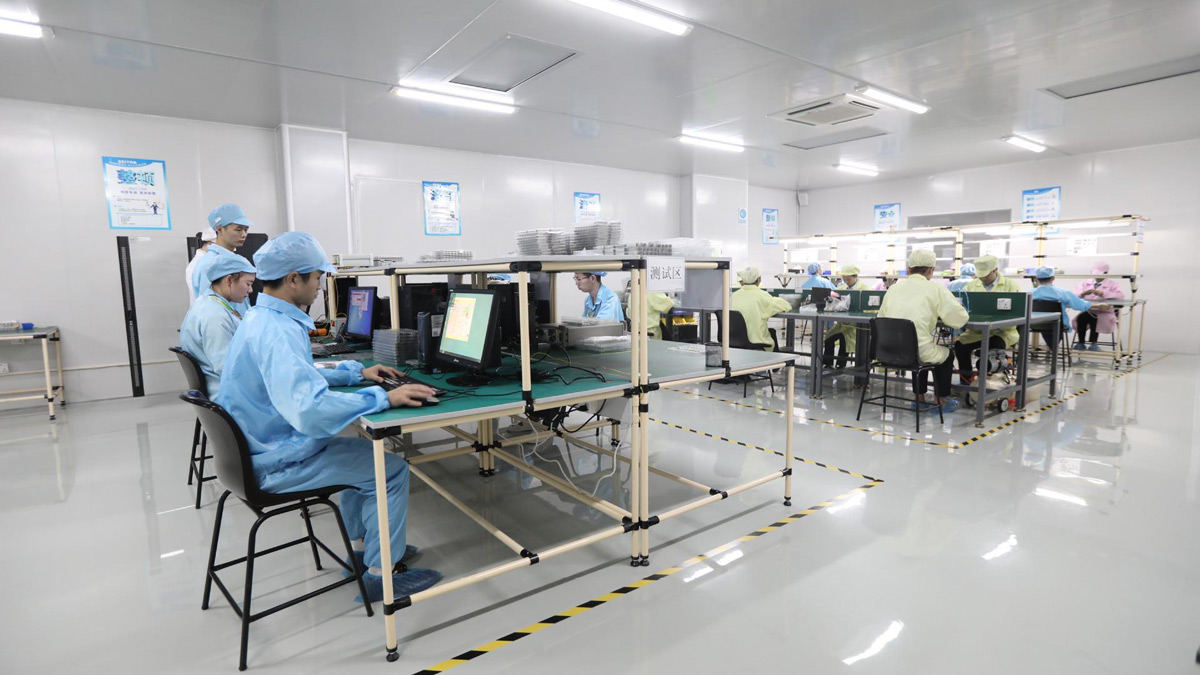
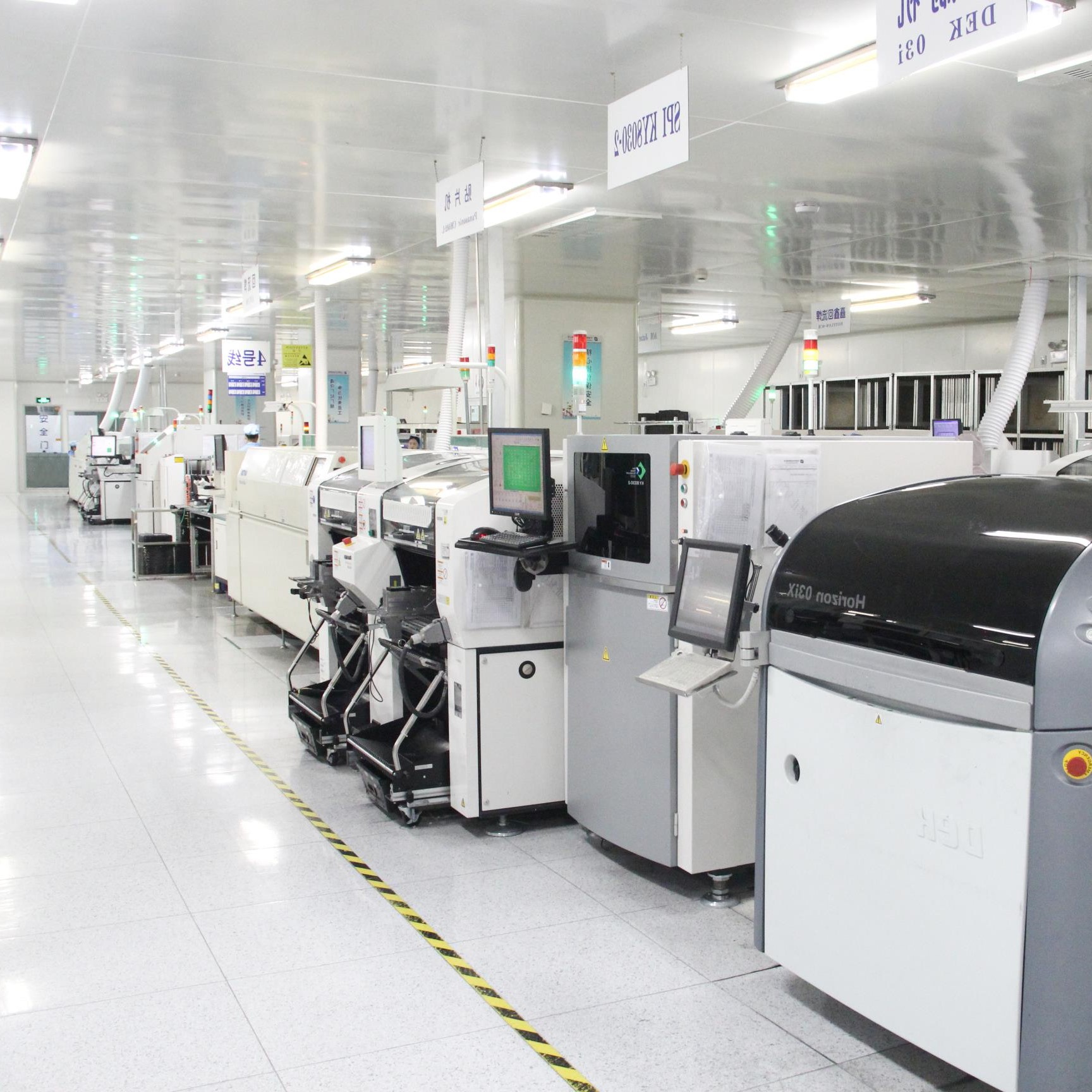
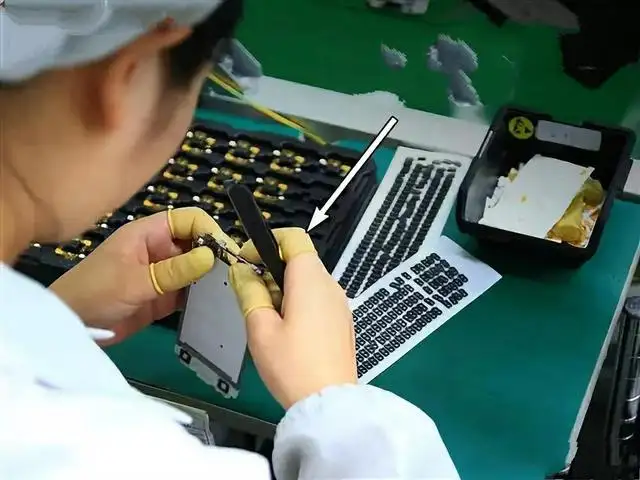
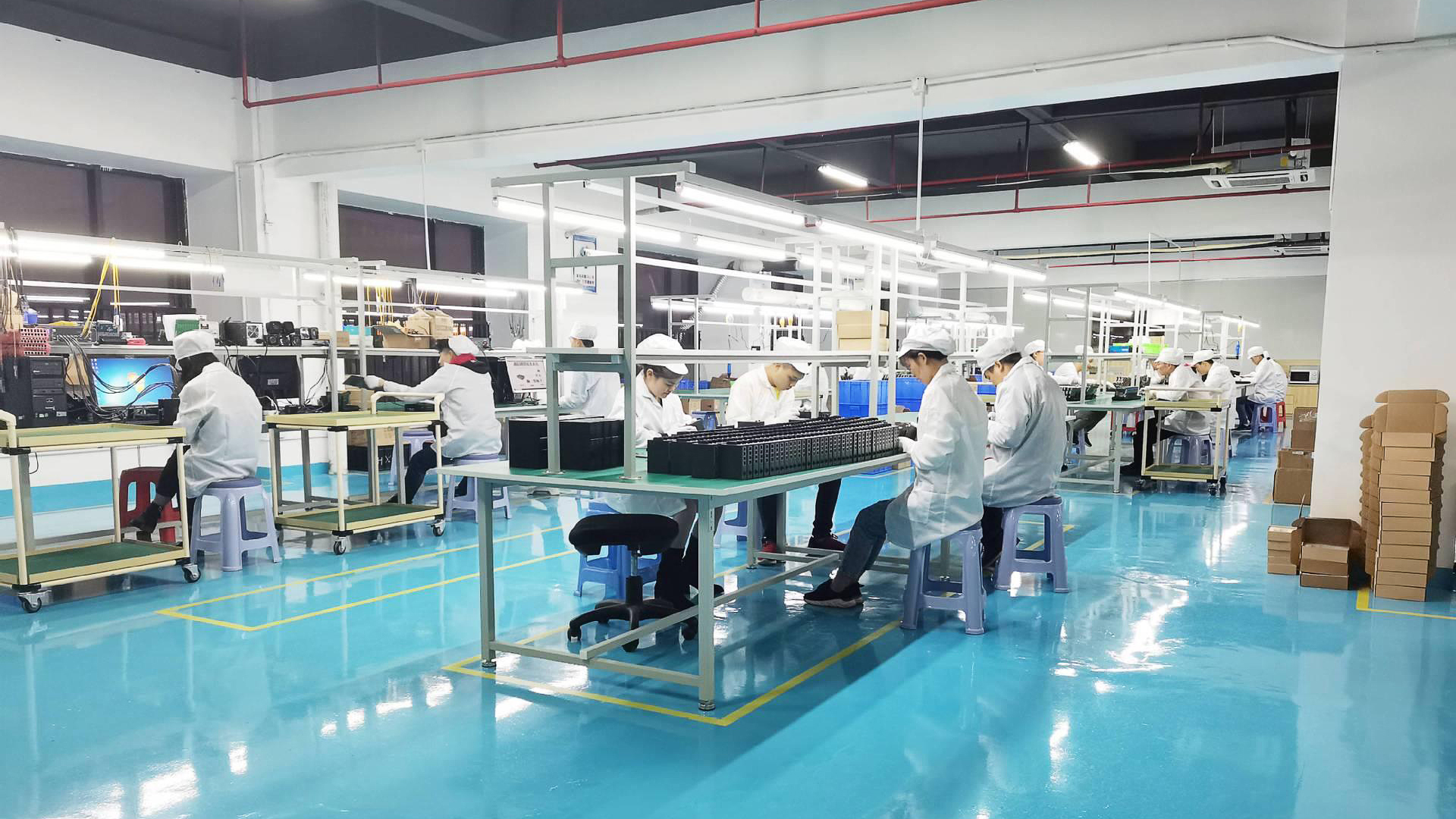
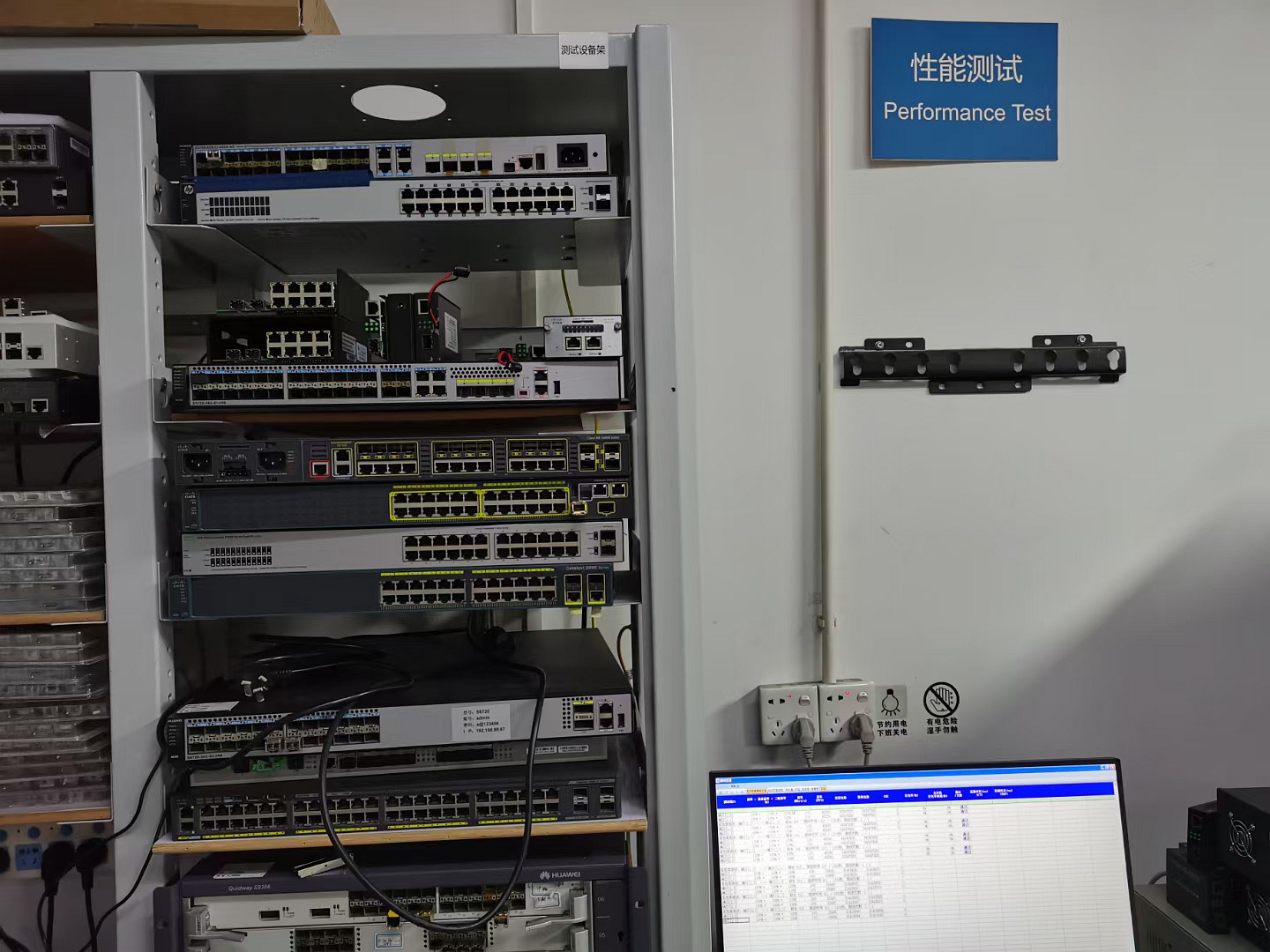
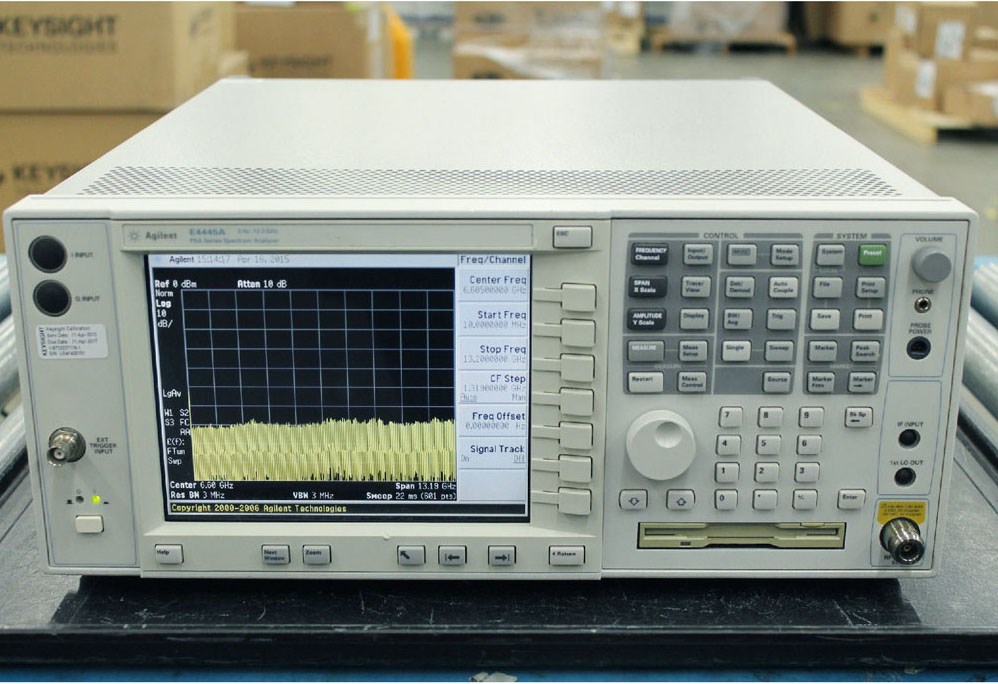
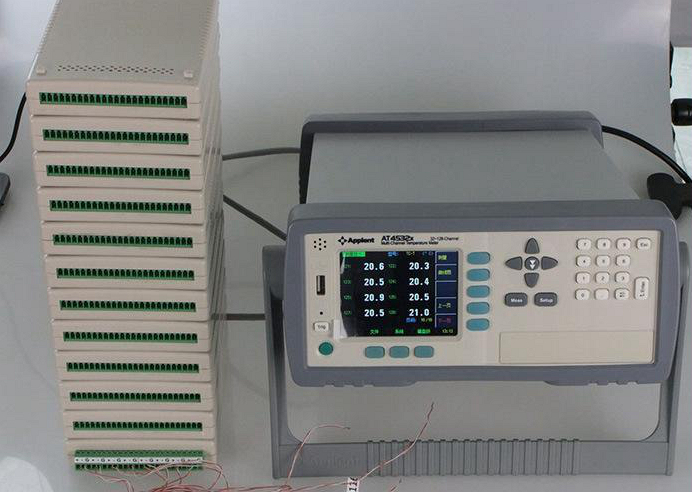
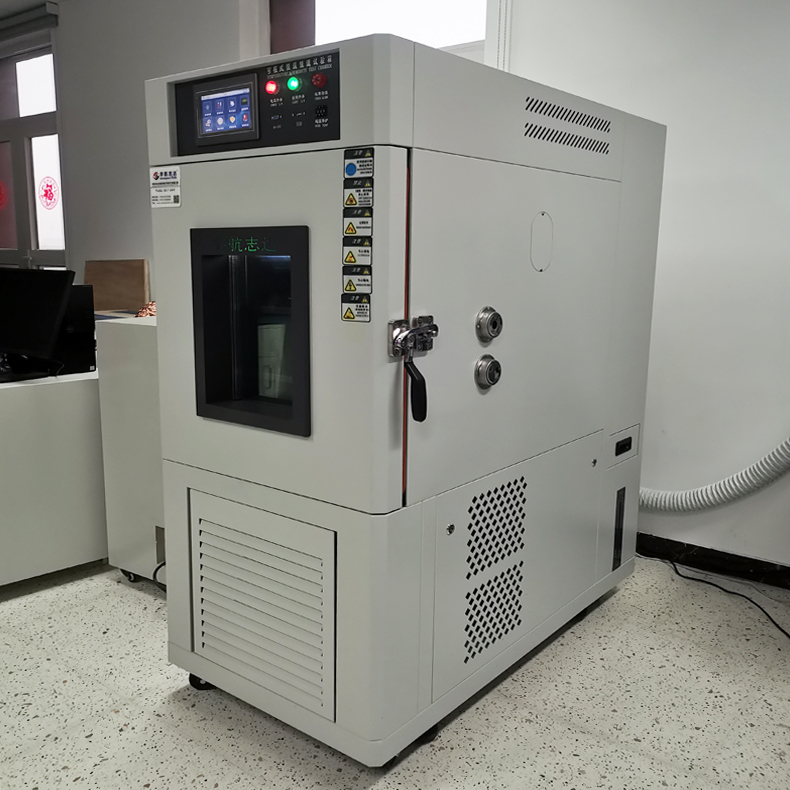
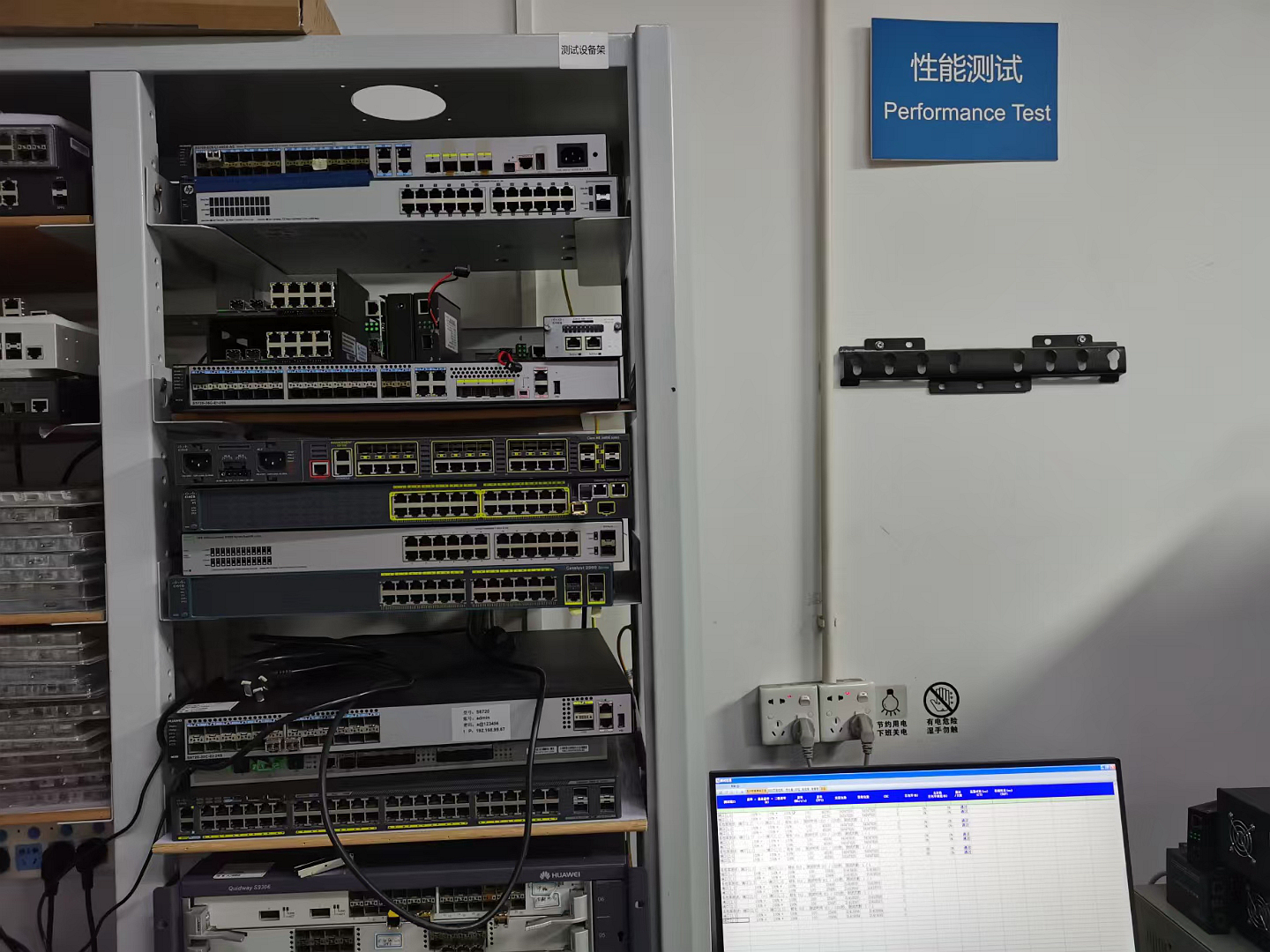
Environmental stability is a non-negotiable metric for hardware destined for North African deployment. In regions bordering Algiers, extreme temperatures can cause optical transceiver modules to drift in wavelength frequency, leading to transmission errors or complete optical loss. To mitigate this risk, Soras Technology subjects all optical components to high-low temperature chamber tests (ranging from -40°C to +85°C). This process stabilizes the laser output power, prevents optical receiver overload, and ensures that the OLT modules deployed in outdoor telco cabinets continue to function reliably year-round.
Purchasing directly from our factory in Shenzhen, China, provides Algiers operators with significant cost savings, technical customizability, and stable hardware sourcing. By utilizing direct shipping links via Port d'Alger or air cargo via Houari Boumediene Airport, we ensure streamlined delivery schedules. Our localized customer service engineers support regional teams in French and English, offering remote assistance for installation, command-line provisioning, and GPON-to-10G migration configurations.
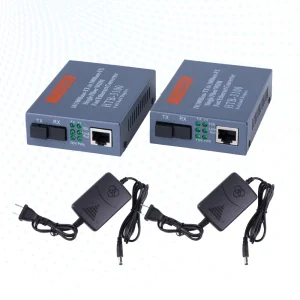
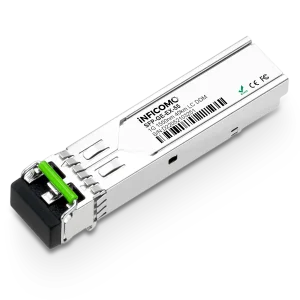
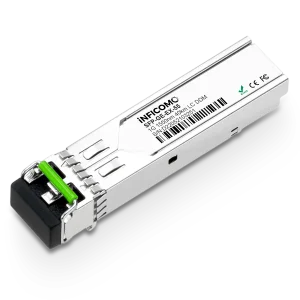
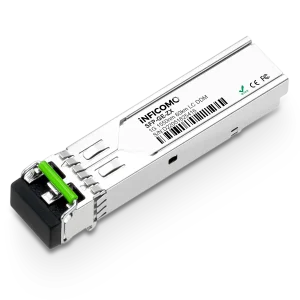
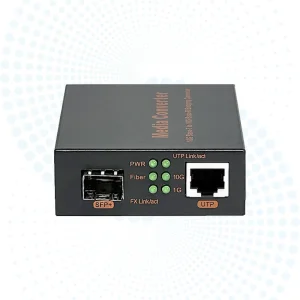
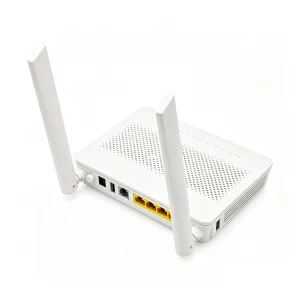
From single-mode high-distance SFP modules to multi-port PoE switches, explore our range of carrier-compliant FTTH network components.
Get professional technical answers concerning compatibility, coexistence configuration, and direct manufacturing logistics for the Algiers market.
Contact our senior optical network engineers today to discuss Class C+ optics budgets, custom firmware profiles, bulk pricing structures, and sample testing parameters.
Send Inquiry Now Soras Tech