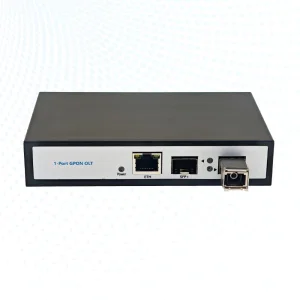
Deploy and verify reliable FTTH/FTTX links with our field-tested measurement solutions optimized for deployment across Poland's regional optical grids.
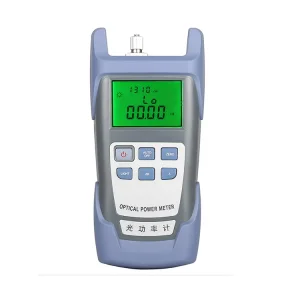
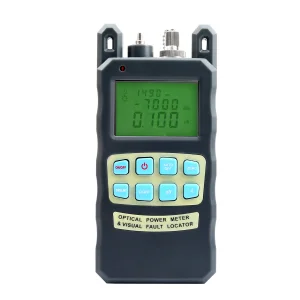
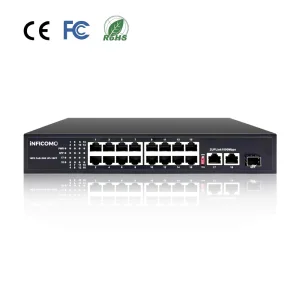
A comprehensive overview of Poland's broadband expansion, POPC program, and local industrial parameters driving optical infrastructure quality.
Poland's telecommunications sector is experiencing an unprecedented structural transformation. Driven by the Polish National Broadband Plan and fueled by successive phases of the Program Operacyjny Polska Cyfrowa (POPC), the nation is actively working to bridge the digital divide between metropolitan hubs like Warsaw, Kraków, and Gdańsk, and rural voivodeships. The acceleration of FTTH (Fiber to the Home) deployment, paired with the rollout of 5G infrastructure, demands next-generation optical fiber test systems that can withstand the physical, climatic, and protocol environments typical of Central Europe.
In high-density deployments, testing is not merely a post-installation ritual but a key regulatory milestone. To obtain subsidies and pass the stringent audits of Poland's Office of Electronic Communications (Urzad Komunikacji Elektronicznej - UKE), operators must demonstrate structural compliance, low insertion losses, and high physical-layer reliability. This requires versatile, calibrated optical measurement devices capable of testing multi-connection systems (SC, LC, ST, FC) across distinct wavelengths (850nm, 1300nm, 1310nm, 1490nm, 1550nm, 1625nm).
Poland represents one of the largest and most dynamic FTTH markets in the EU. Key telecom entities including Orange Polska, Play, Plus, and Netia, along with open-access network builders like Nexera and Światłowód Inwestycje, are building extensive networks across challenging terrains. From the mountainous terrain of the south (Małopolska and Podkarpacie) to the marshy lowlands of Masuria, technicians require highly portable, shock-resistant, and high-performance equipment to test and repair fiber links.
Additionally, seasonal variations in Poland—ranging from freezing winter conditions (-20°C) to warm summer peaks (+35°C)—introduce physical stresses on optical fibers, causing micro-bending and macro-bending losses. High-performance portable Optical Power Meters (OPM) and Visual Fault Locators (VFL) must offer temperature-stabilized measurement circuits to ensure accuracy in the field, safeguarding operators from false-positive readings that can lead to costly network rollbacks.
Global procurement teams targeting the Polish telecom market face complex demands. Equipment must meet strict CE and RoHS requirements, run localized, easy-to-use interfaces, and deliver reliable optical measurements. We address this through our specialized product design, engineering cost-effective, durable, and highly precise tools. By integrating OPM and VFL functionalities into lightweight, portable form factors, we reduce the footprint of standard field toolkits, minimizing capital expenditures (CAPEX) and operating expenses (OPEX) for Polish engineering service providers.
Delivering certified optical transmission systems, media converters, and advanced PoE networks to over 60 countries.
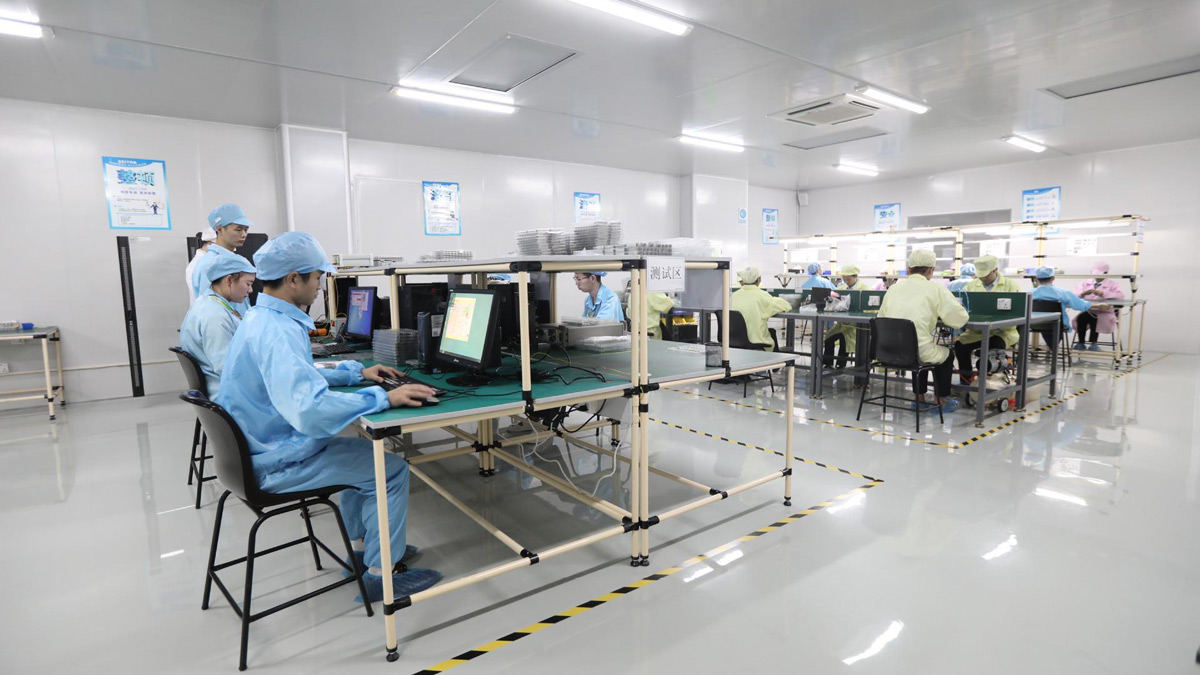
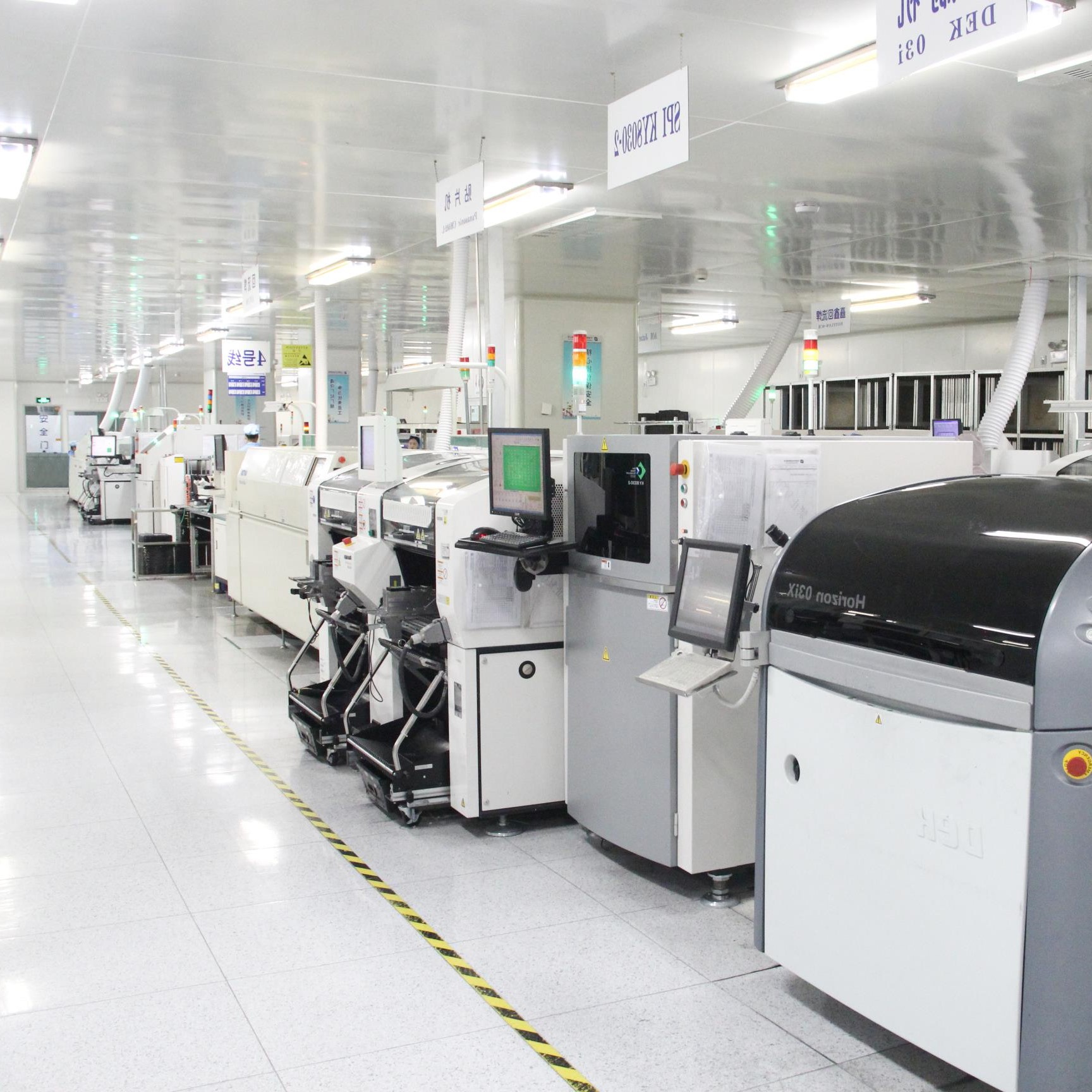
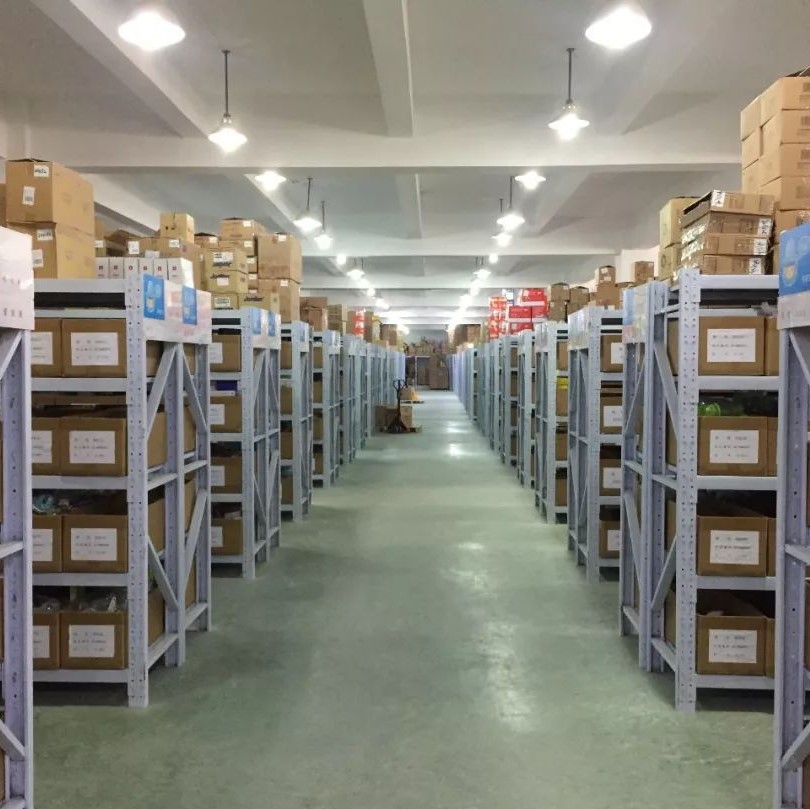
Shenzhen Soras Technology Co., Ltd. (known globally as Soraslink) stands as a prominent pioneer in the manufacturing and development of premium optical transmission and high-performance network equipment. With a history spanning over 10 years of R&D and manufacturing, we leverage cutting-edge manufacturing lines and advanced quality control systems to deliver reliable products to telecommunication firms, ISPs, and regional distributors worldwide.
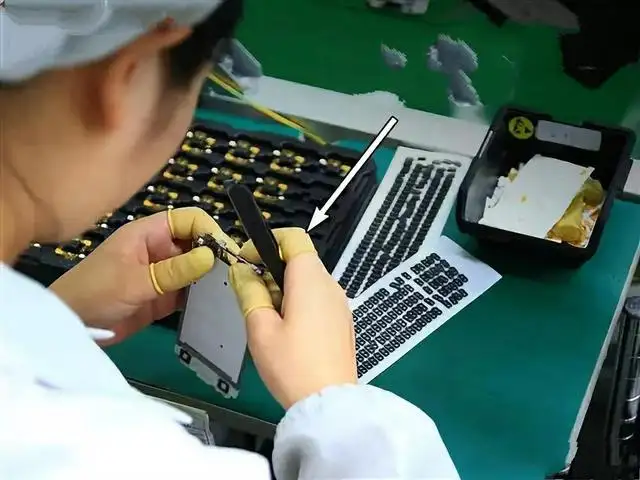
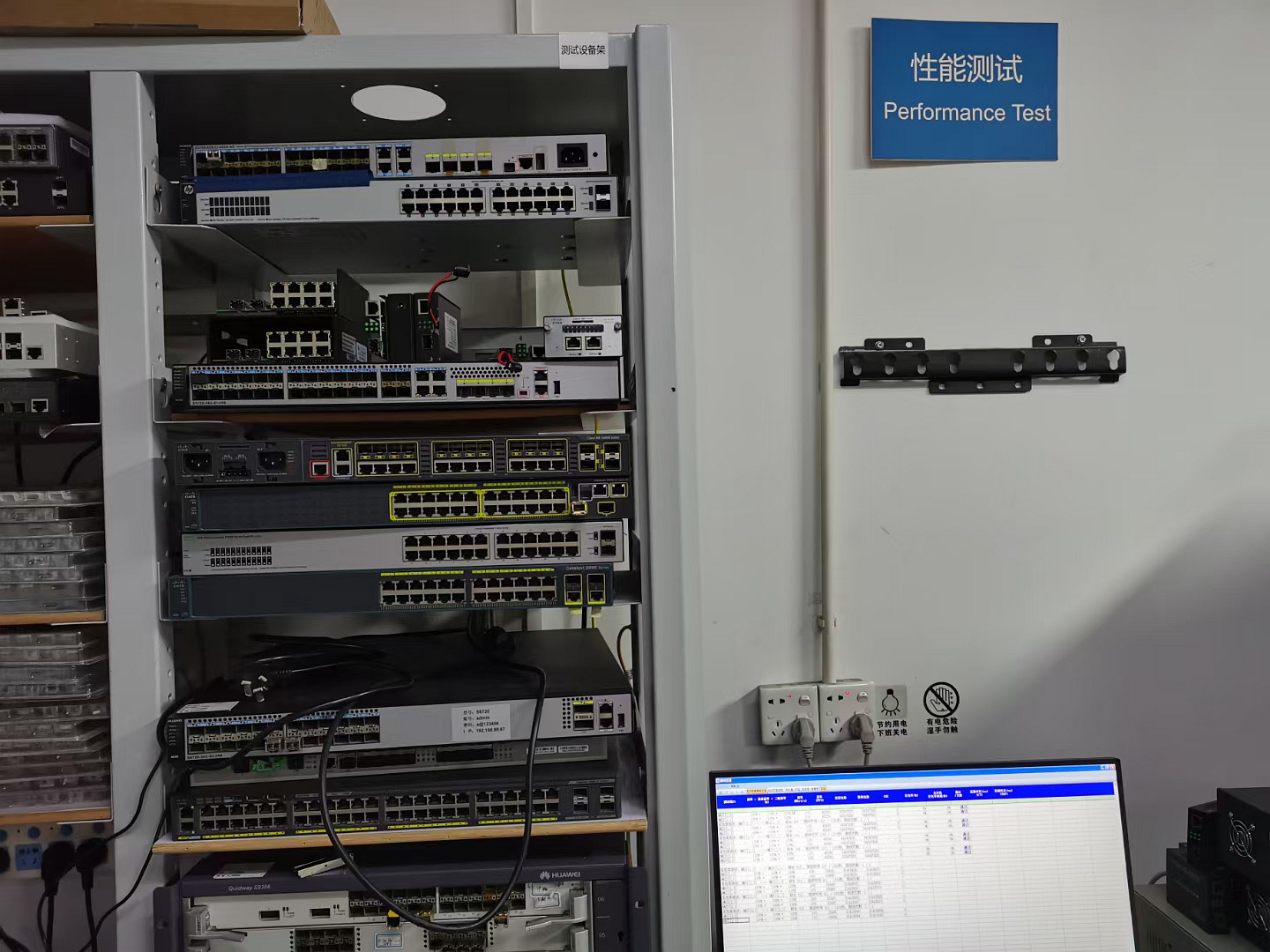
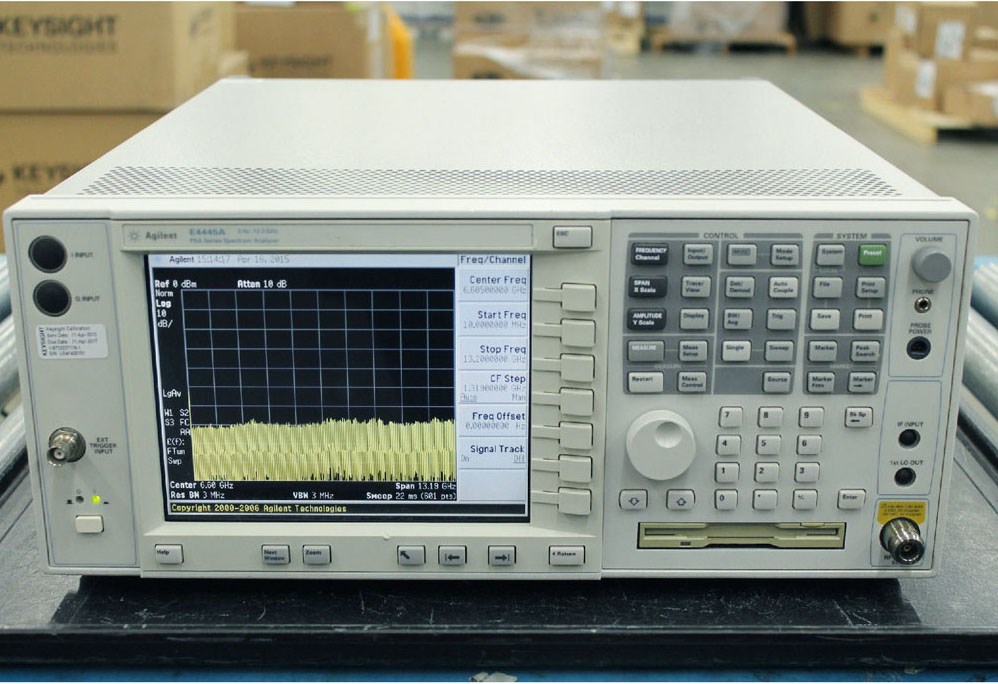
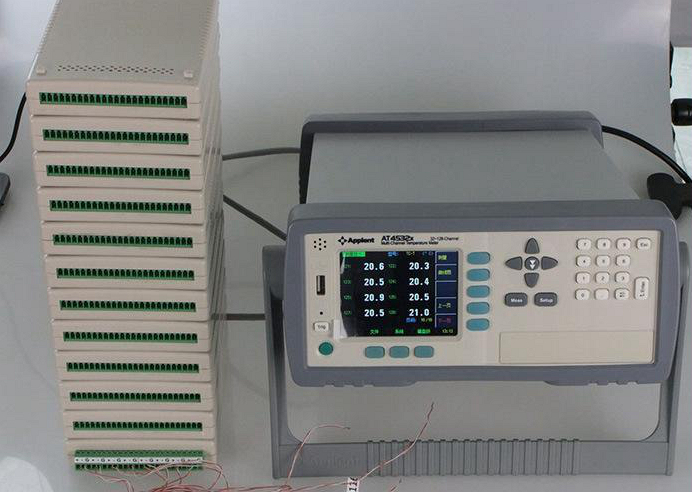
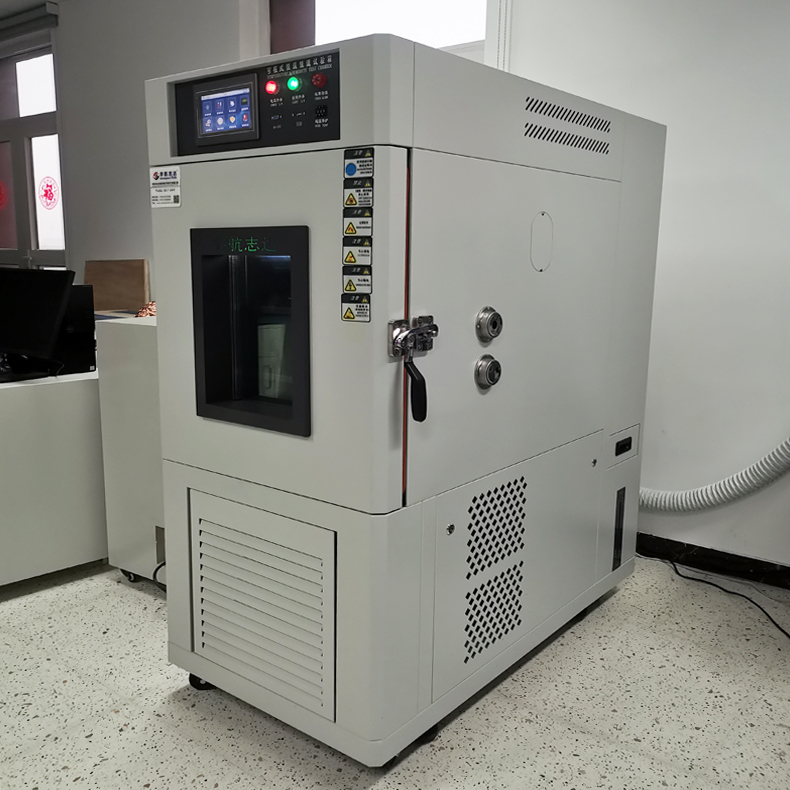
Operating out of Guangdong, China, our specialized facilities handle everything from high-density Surface Mount Technology (SMT) assembly to comprehensive environmental chamber tests. Our dedication to research and development allows us to provide customized solutions, working closely with clients on bespoke OEM and ODM projects to meet the unique needs of the Polish infrastructure market.
| Company Profile & Trade Information Summary | |||
|---|---|---|---|
| Business Type | Manufacturer / Exporter | Country / Region | Guangdong, China |
| Main Products | FTTH ONU & OLT, SFP Module, Fiber Media Converter, PoE Switch, Fiber Optic Equipment | Total Employees | 11 - 50 People |
| Total Annual Revenue | US$5 Million - US$10 Million | Year Established | 2021 |
| Key Markets | Domestic Market (24.00%), Eastern Asia (15.00%), North America (15.00%), Europe & South America (Exporting to 60+ countries) | ||
| Certificates | ISO 9001, UL, CE, FCC, ROHS Certification Compliance | ||



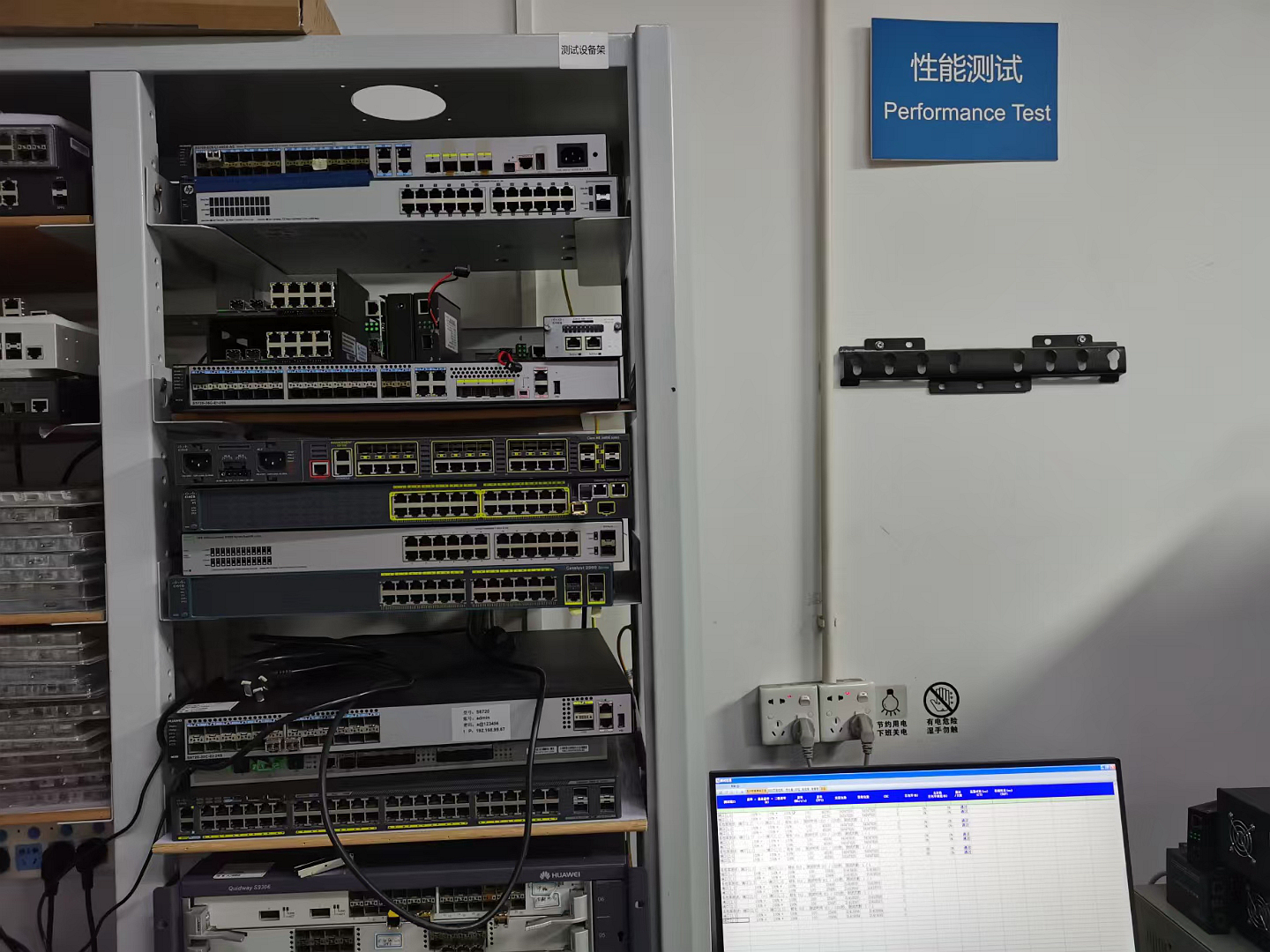
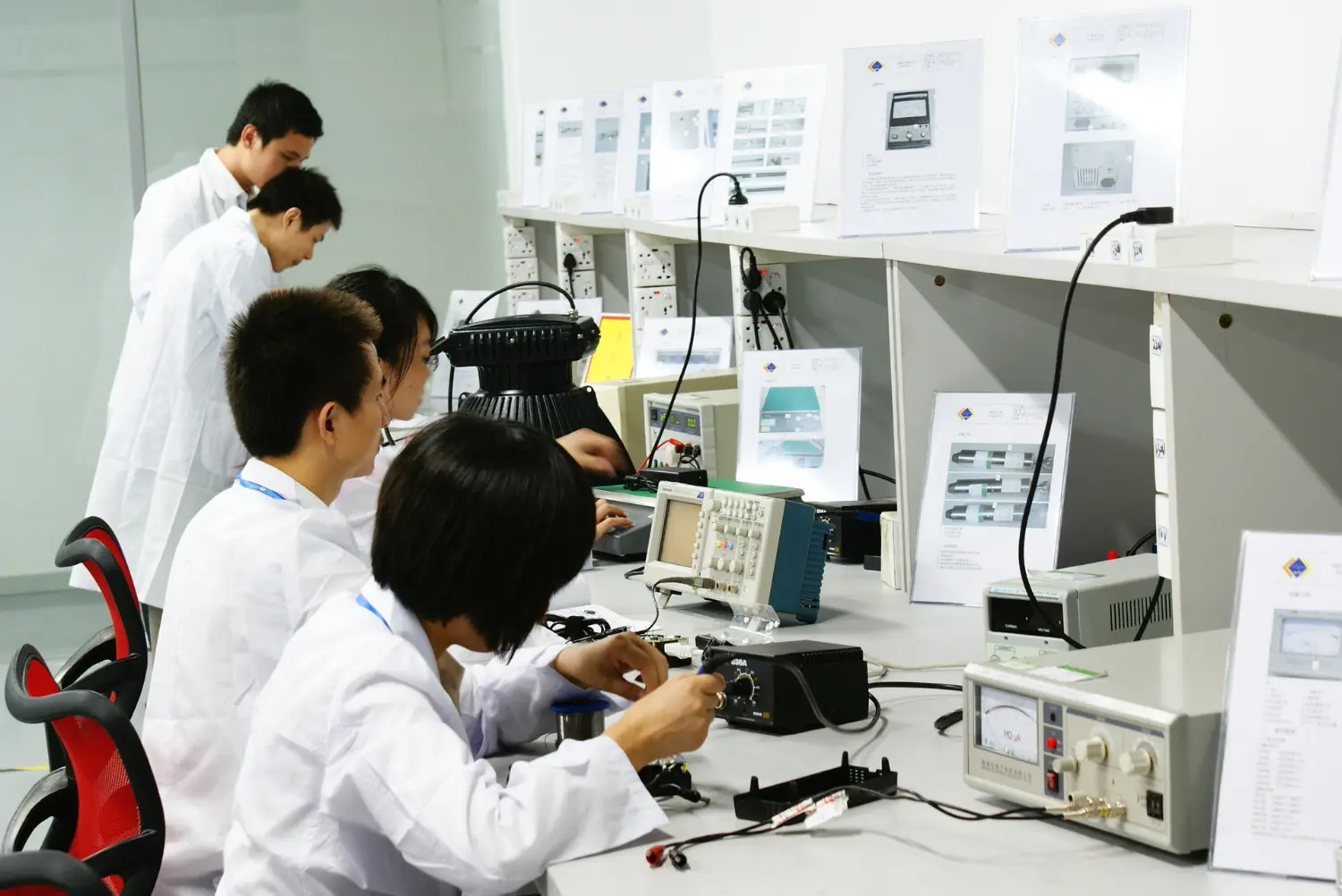
Deploying future-proof fiber testing systems compatible with next-generation high-speed network topologies.
The future of fiber testing lies in adapting to high-frequency and multi-core architectures. As networks transition from GPON to XGS-PON (10 Gigabit Symmetrical PON) and future 25G/50G PON architectures, old power meters with wide spectral bandwidths fail to isolate downstream and upstream wavelengths properly. To address this, our engineers are developing wavelength-selective OPMs that separate 1270nm, 1310nm, 1490nm, and 1577nm bands without needing complex filters.
In addition, optical physical-layer testing must scale to support 5G backhaul networks. The deployment of 5G microcells across Polish urban centers relies on high-density fiber-to-the-antenna (FTTA) topologies. Because these connections are prone to weather damage and micro-vibrations, field crews need quick testing tools. Our visual fault locators feature high-power output (up to 10mw) to quickly detect fiber cracks, faulty splices, and tight bends through dense outer jackets.
A comprehensive selection of optical modules, PoE switches, and active customer-premises equipment (CPE) for global and Polish distribution networks.
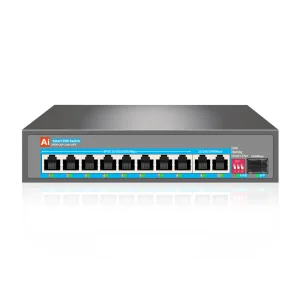
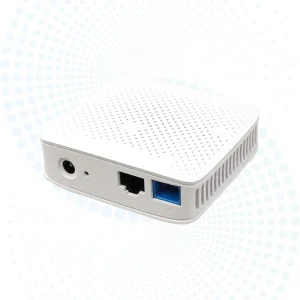
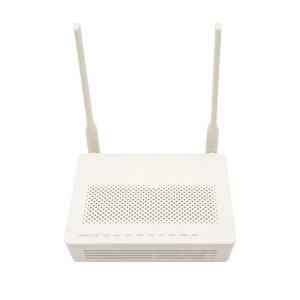
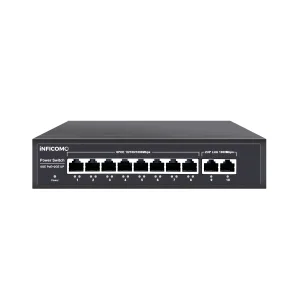
Supporting optical technicians with reliable tools and high-speed core interconnect transceivers.
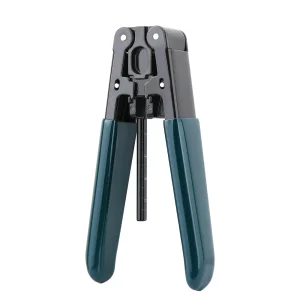
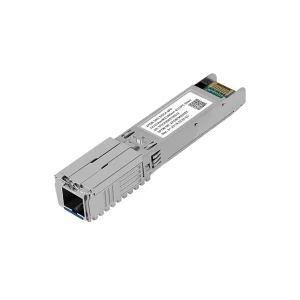
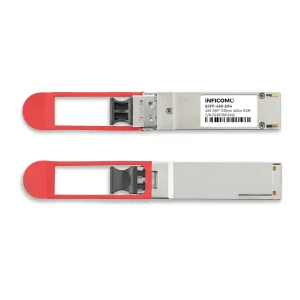
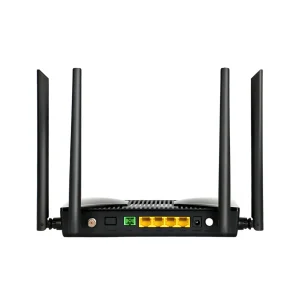
Ensuring your network deployment complies with Polish and EU regulations, directives, and physical performance standards.
Selling telecom systems in Europe requires strict compliance with continental standards. Our production plant is certified under ISO 9001, ensuring consistent manufacturing processes. Every fiber optic tester, ONU, OLT, and transceiver we export carries full CE marking, indicating compliance with relevant EU directives (including Electromagnetic Compatibility (EMC) Directive 2014/30/EU and Low Voltage Directive 2014/35/EU).
Furthermore, our products comply with the RoHS Directive (Restriction of Hazardous Substances), keeping harmful chemicals out of our electronic components. To guarantee durability, our testers undergo high-low temperature stress tests (operating down to -20°C for winter environments) and vibration tests to simulate transport over long distances to Polish ports like Gdynia or Gdańsk.
Technical answers to help network operators, procurement managers, and telecom engineers optimize fiber deployments.
 Soras Tech