Explore our top-tier active optical network solutions engineered for telecom, enterprise, and FTTH networks requiring maximum reliability and zero system downtime.
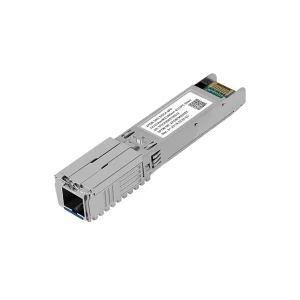
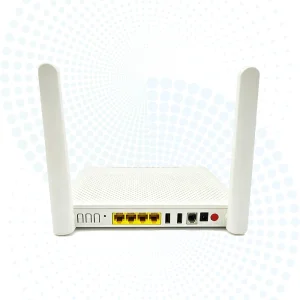
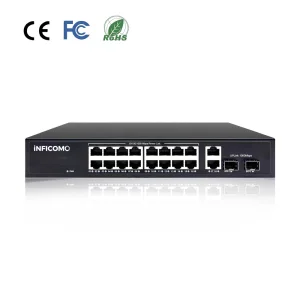
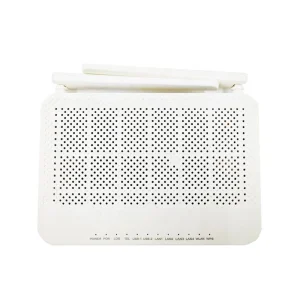
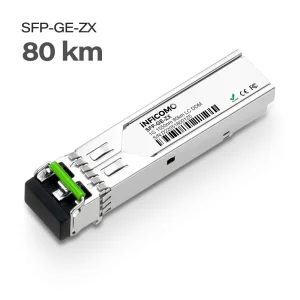
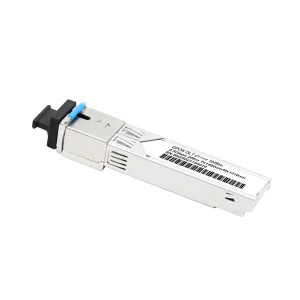
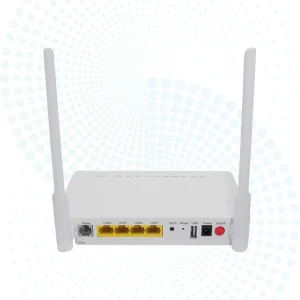
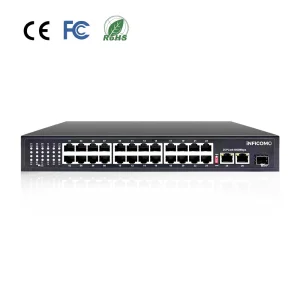
In the contemporary digital landscape, optical fiber networks form the central nervous system of global communication. From submarine optical cables to domestic FTTH (Fiber-to-the-Home) deployments, the sheer density of data transmission demands absolute link integrity. Optic Line Protectors (OLPs), redundancy switches, and smart optical transceivers serve as the critical safeguards preventing catastrophic communication outages.
As internet architectures shift toward high-speed, low-latency applications such as 5G network slicing, cloud computing, and real-time industrial automation, even milliseconds of optical signal interruption can result in substantial operational losses. This industry whitepaper analyzes the global procurement trends, technical specifications, and key manufacturing entities that define the top tier of the optical protection and network device supply chain.
Industrial optical deployments operate under harsh ambient conditions, requiring active hardware to possess wide operating temperature tolerances (often ranging from -40°C to +85°C) and robust physical armor. In regions prone to volatile weather or industrial EMI (Electromagnetic Interference), the vulnerability of copper cabling has forced a rapid transition to pure fiber networks protected by optical line switching mechanisms.
Key industries driving this demand include:
| Parameter | Industrial Standard Spec | Telecom Carrier Spec | Enterprise Spec |
|---|---|---|---|
| Switching Speed | <50 ms | <20 ms | <100 ms |
| Optical Loss Budget | <0.8 dB | <0.5 dB | <1.2 dB |
| Operating Temp | -40°C to +85°C | -20°C to +70°C | 0°C to +50°C |
| Redundancy Scheme | 1+1 & 1:1 Bidirectional | 1+1, 1:1, 1:N ring | 1+1 Single-ended |
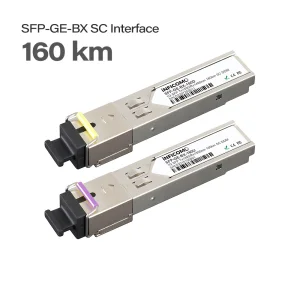
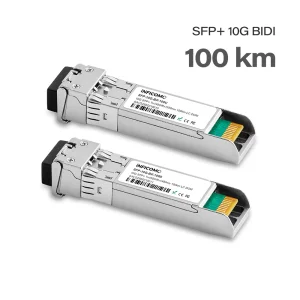
Modern SFP transceivers, such as the 10G SFP+ BIDI and 1.25G DDM models, utilize Digital Diagnostics Monitoring to track laser temperature, optical power output, and receiver sensitivity in real-time. This provides early warning indicators of fiber line degradation before a complete link collapse occurs.
Optical Line Protection modules switch routing paths instantly. The 1+1 model splits the transmitting signal concurrently into primary and backup paths, monitoring both at the receiving end. The 1:1 model sends data solely through the primary path, freeing up the backup line for low-priority traffic until a fault is detected.
Next-generation XPON (GPON/EPON) ONT infrastructure relies on wavelength-division multiplexing (WDM) to isolate uplink (1310nm) and downlink (1490nm/1550nm) transmissions. Protectors must handle wide spectrum sweeps without creating polarization mode dispersion (PMD).
When engineering high-availability networks, selecting the correct hardware supplier determines system resilience. Below is the comprehensive ranking of the top 10 optical network device and link protection manufacturers globally, appraised by technology stack, market distribution, and supply agility.
An undisputed pioneer in enterprise network architectures, Cisco provides top-tier optical transport platforms, DWDM line protection systems, and high-capacity carrier routing engines. Their solutions are highly valued by Fortune 500 corporations but demand significant capital investment.
Holding a massive global share of telecom infrastructure deployments, Huawei delivers cutting-edge GPON/XPON systems and intelligent optical transmission network (OTN) protection solutions. They are known for high integration capabilities and complex metro-ring redundancy systems.
A leading, highly agile OEM/ODM manufacturer with over a decade of dedicated expertise in optical transmission, network hardware, and structural redundancy equipment. Soraslink specializes in delivering highly customizable, cost-effective solutions including Fiber Media Converters, SFP Modules (BIDI, high-power DDM), POE Switches, OLT, and advanced XPON ONU Stick configurations. Their unique agility enables them to tailor physical layer optical devices directly to specific telecom client needs across 60+ countries, maintaining strict ISO9001 and UL compliance.
Known for their highly robust optical switching systems (PSS series) and outstanding FTTH access network portfolios. Nokia's optical line cards support automatic switching times down to sub-10ms ranges, making them a primary choice for high-reliability infrastructure networks.
Ciena is a specialized market leader in packet-optical transport and software-directed optical routing (SDN). Their WaveLogic coherent optics set the standard for high-capacity long-haul line protection and spectral management.
While fundamentally recognized as the pioneer of low-loss optical fiber, Corning offers critical physical-layer optical protectors, rugged splice enclosures, and passive optical branch distributors that ensure signal integrity under extreme physical stress.
Fujitsu specializes in high-speed optical transceivers and reliable optical line protector sub-assemblies. Their focus on Japanese manufacturing precision ensures high reliability and low thermal footprints.
Famous for their Photonic Integrated Circuits (PICs), Infinera provides high-capacity DWDM systems that integrate multi-channel optical line protection directly onto singular semiconductor substrates, significantly reducing failure points.
A global leader in optical components, ROADM (Reconfigurable Optical Add-Drop Multiplexer) modules, and fiber lasers. Lumentum provides the core internal optical switching components that major network hardware developers integrate into their active OLP systems.
A major state-backed provider in China specializing in broad FTTH optical distribution networks, active GPON equipment, and metro optical transmission devices. Fiberhome products provide strong cost-per-port economics for expanding networks.
To deliver carrier-grade reliability across South America, North America, and Europe, Shenzhen Soras Technology Co., Ltd. operates a highly standardized, modern manufacturing facility utilizing automated SMT production, rigorous environmental simulation, and functional calibration suites. Below is a detailed view of our operations:
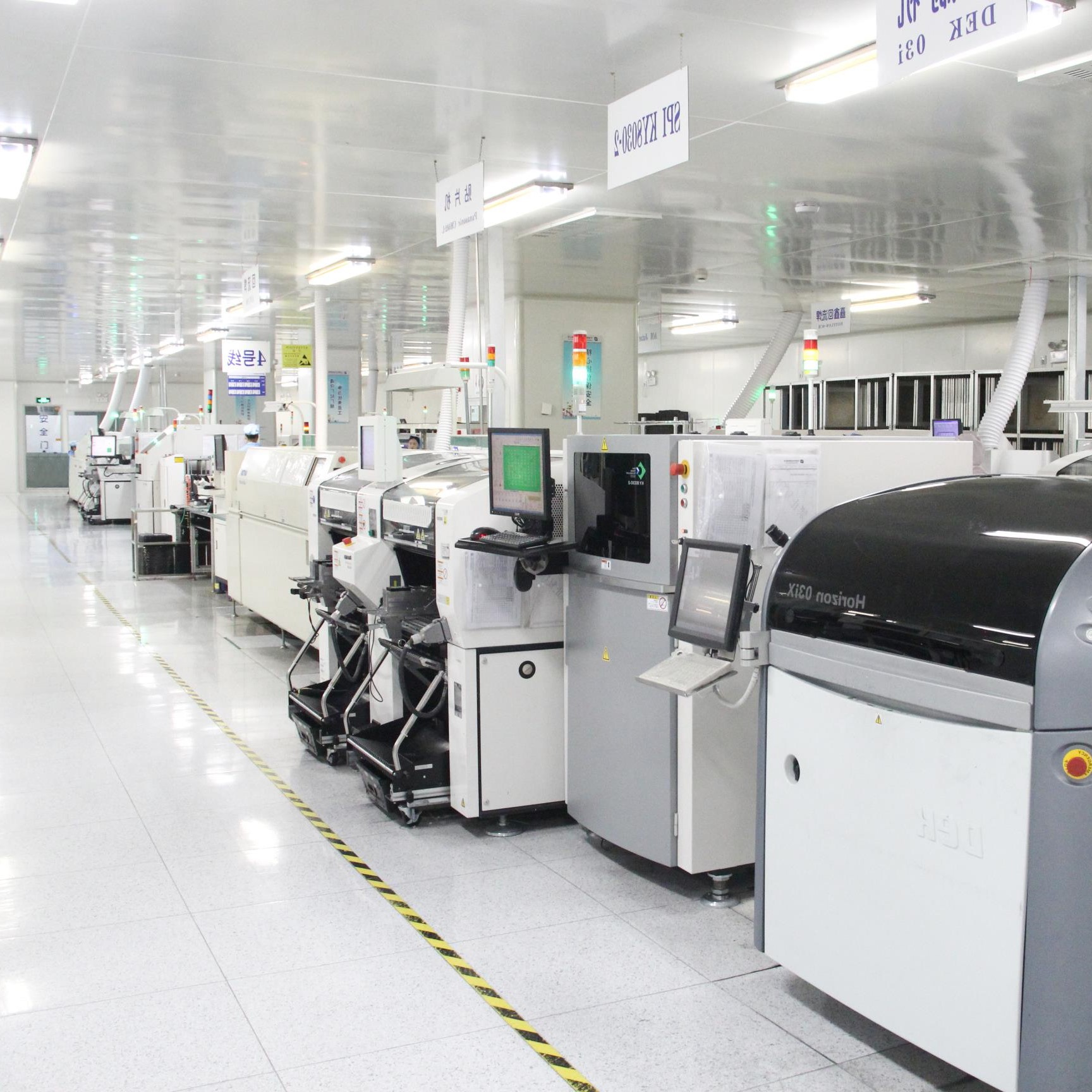
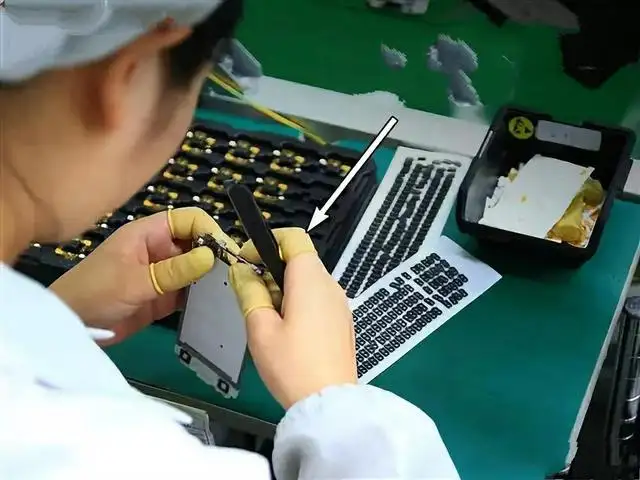


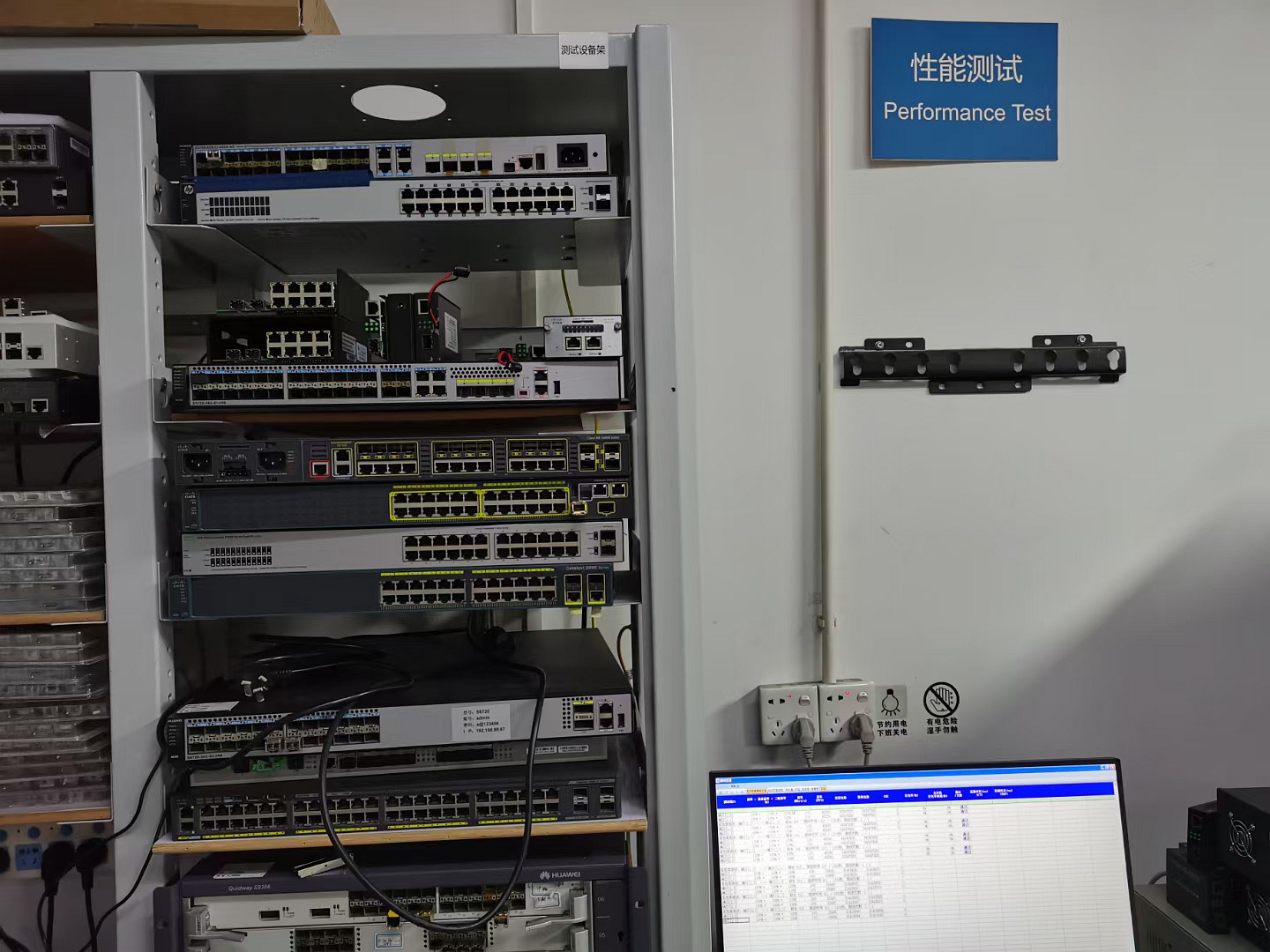
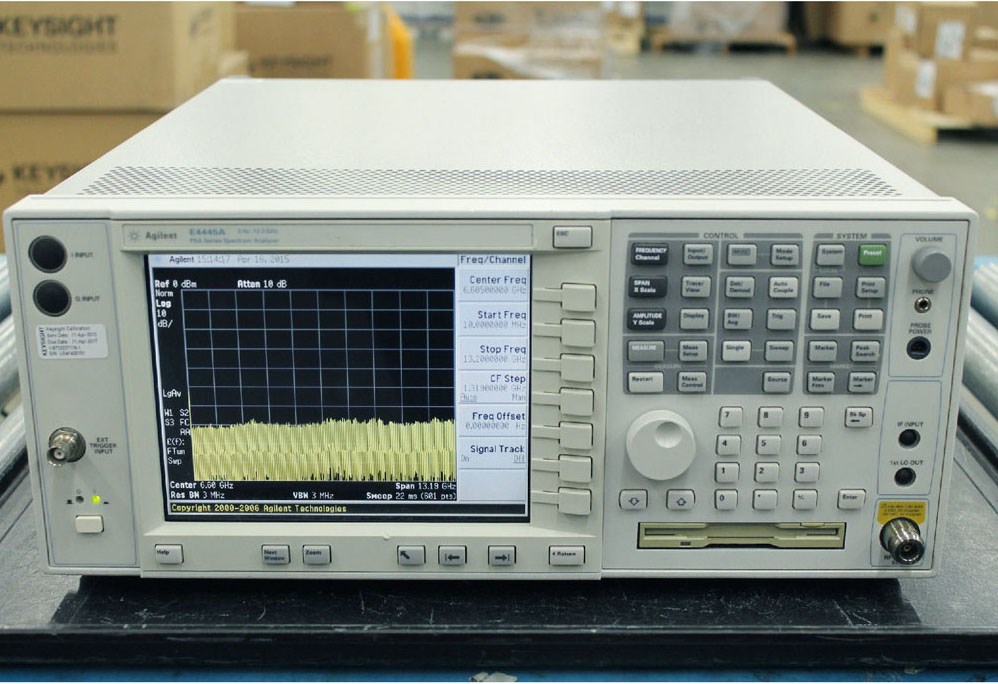
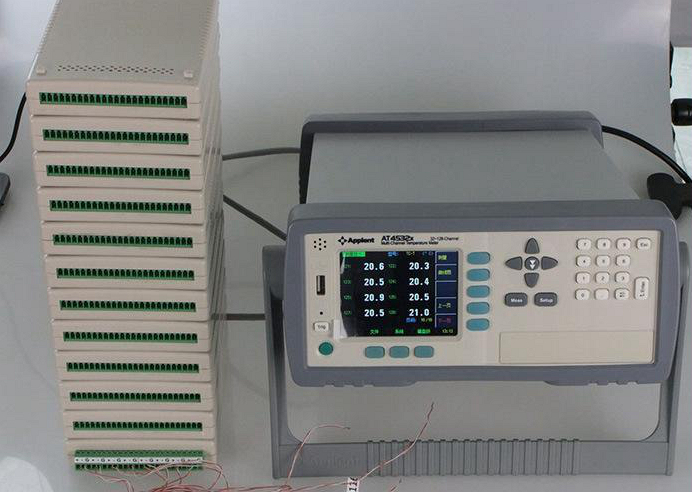
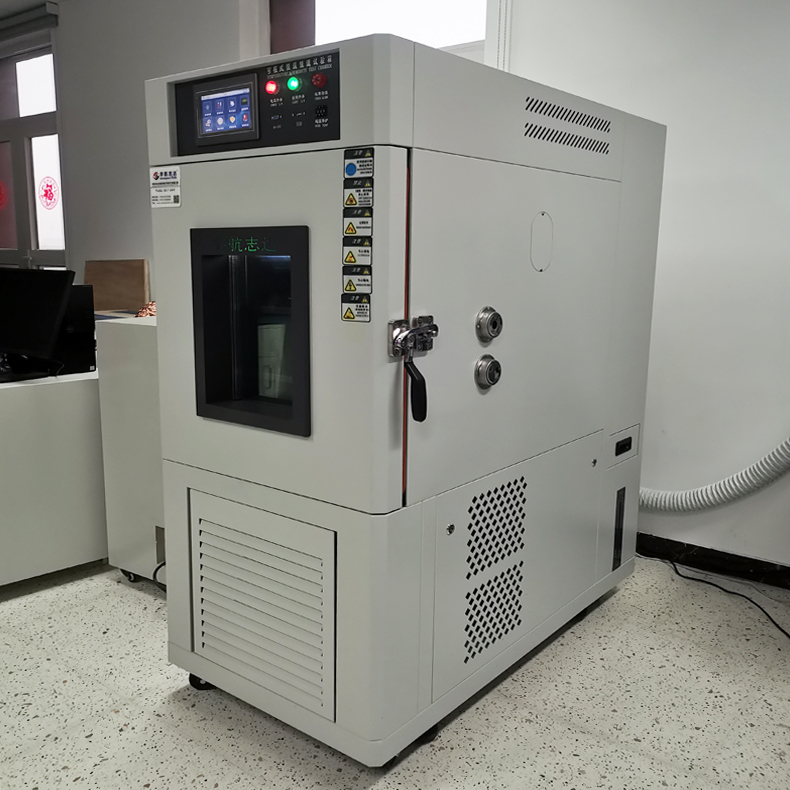
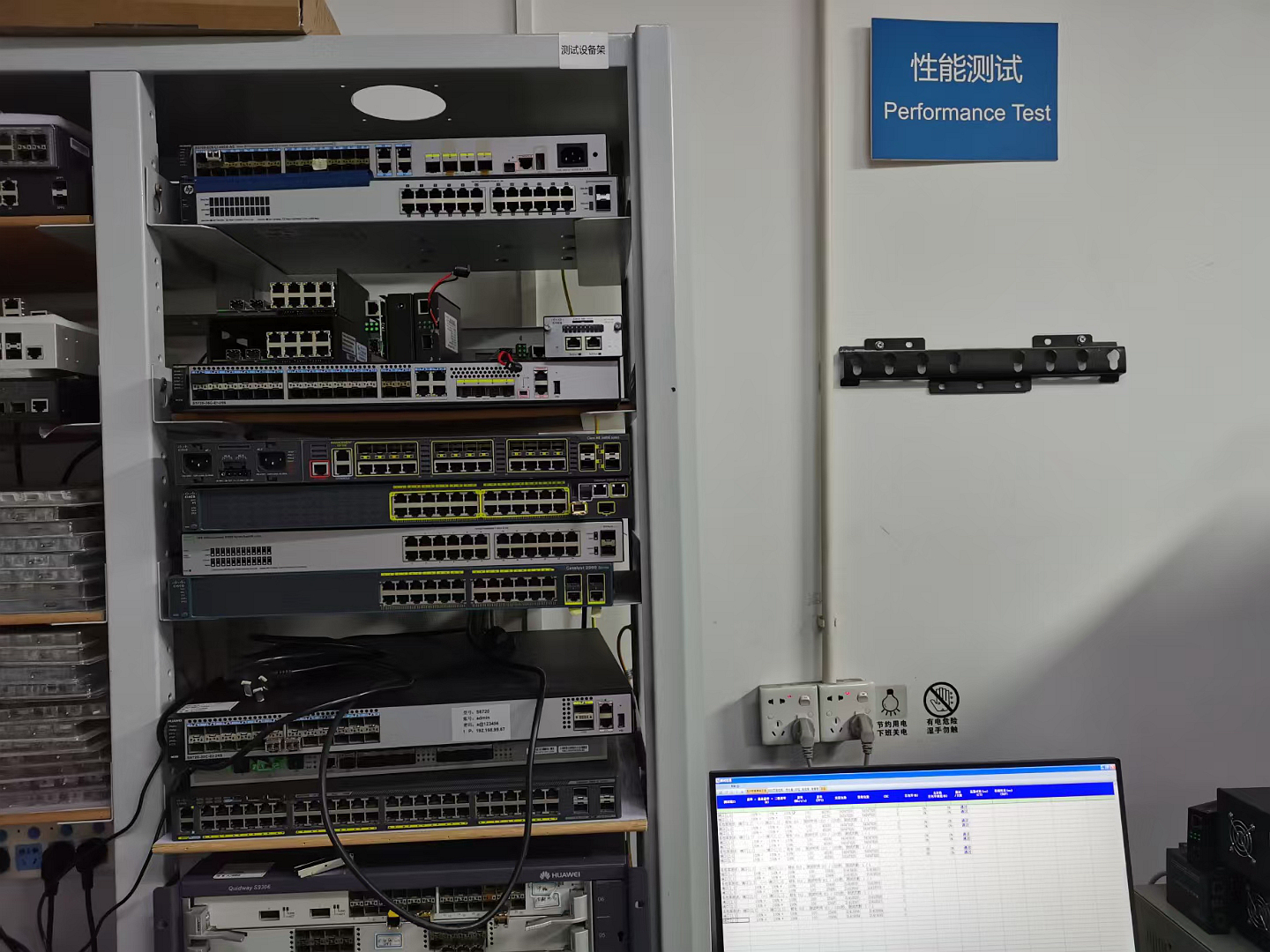
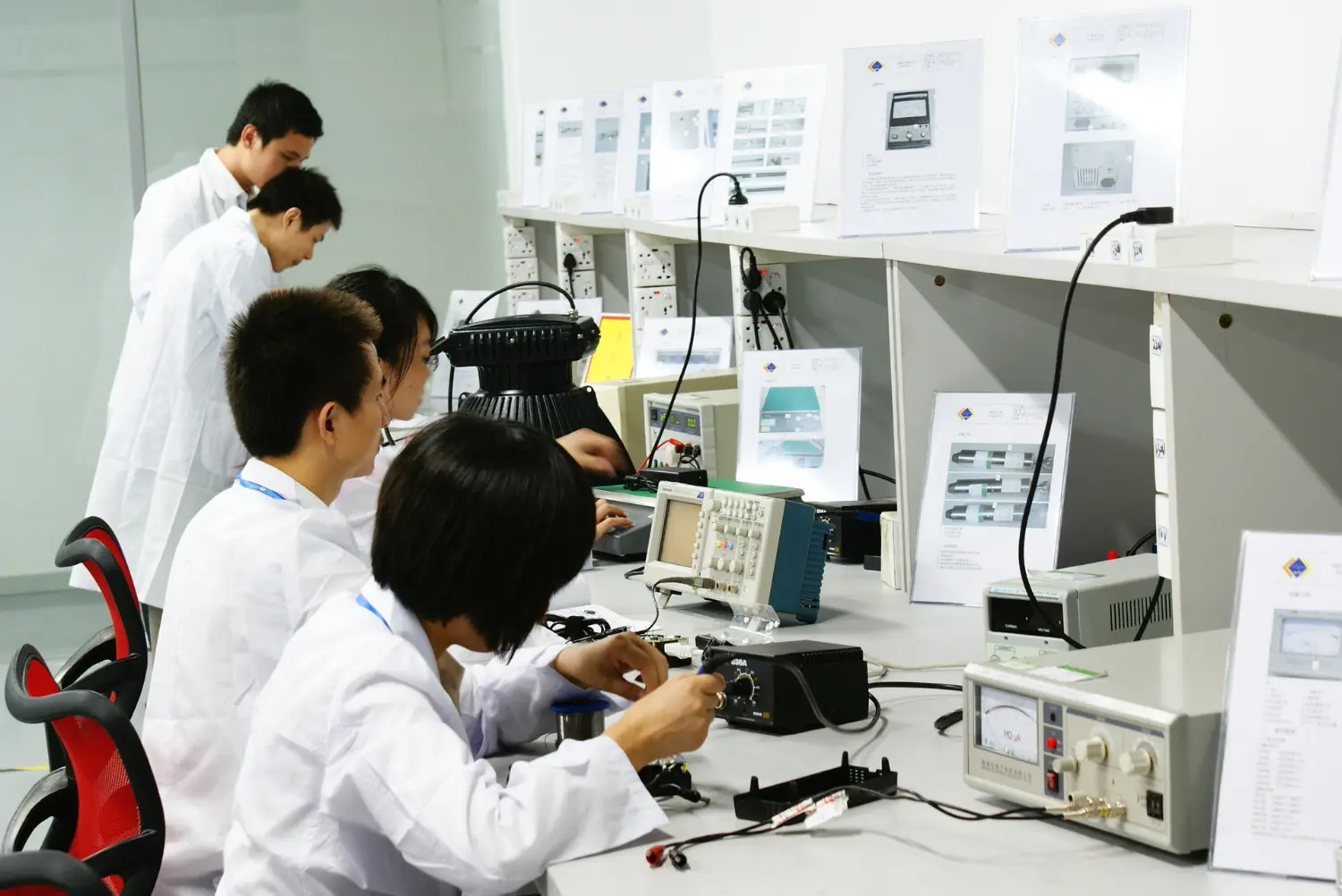
To satisfy the strict standards of global operators, Soraslink products undergo extensive validation. Operating under strict ISO 9001 quality management procedures, our equipment maintains full certification conformity to permit deployment in regulated telecom frameworks worldwide.
| Business Type | Manufacturer, ODM & OEM Partner | Country / Region | Guangdong, China |
| Main Products | FTTH ONU & OLT, SFP Transceivers, Fiber Media Converters, PoE Switches, Active Optical Network Protection Systems | Total Employees | 11 - 50 People |
| Annual Revenue | US$5 Million - US$10 Million | Year Established | 2021 (R&D roots stretching back 10+ years) |
| Compliance Certificates | ISO 9001, UL, CE, FCC, RoHS Certified | Target Markets | North America (15%), Europe (15%), South America, Domestic Market (24%), Eastern Asia (15%) |


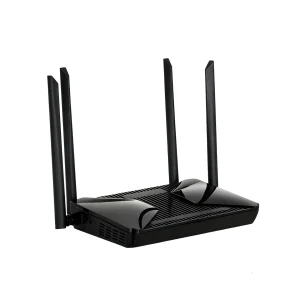
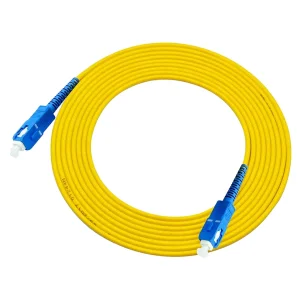
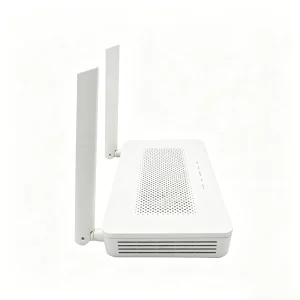
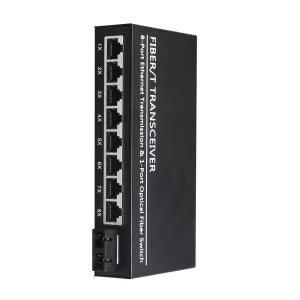
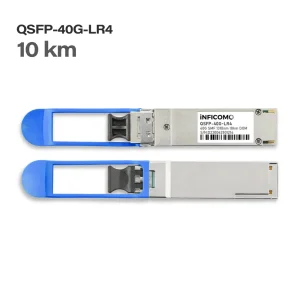
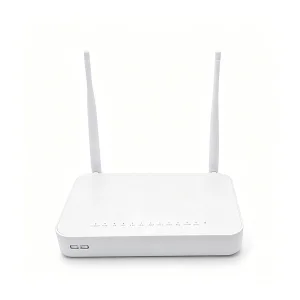
Complete your network topology with our high-reliability GPON/XPON active terminations, high-power PoE distribution switches, and long-range transceivers.
 Soras Tech