Modern enterprises and telecommunications structures operate on hybrid platforms. While core networks are supported by high-speed fiber-optic backplanes (such as GPON, EPON, and 10G XG-PON), the final structural termination—the LAN ecosystem—continues to rely heavily on structured copper Ethernet cabling (Cat6, Cat6A, Cat8) and PoE (Power over Ethernet) modules. The integration of high-bandwidth physical data pipelines is critical for modern industrial setups, cloud data hubs, and Smart Office developments.
Sourcing premium LAN cabling systems is not just about choosing conductors; it requires a deep technical understanding of return loss, attenuation parameters, crosstalk cancellation (NEXT, FEXT), and mechanical resilience. As a premier provider of unified optical transmission systems and copper networking architectures, Shenzhen Soras Technology Co., Ltd. addresses these exact structural engineering parameters. By bridging the gap between fiber-optic interfaces (such as optical transceivers, ONUs, and media converters) and structured Ethernet delivery points (LAN Cables, PoE Switch plants), we deliver high-reliability connectivity systems across the globe.
Operating within the core industrial landscape of Guangdong, Shenzhen Soras Technology Co., Ltd. (Soraslink) utilizes automated manufacturing ecosystems to supply high-reliability networking hardware. Leveraging SMT processing lines, high-frequency wave-soldering equipment, and advanced performance testing suites, we ensure each batch conforms to rigorous design rules.
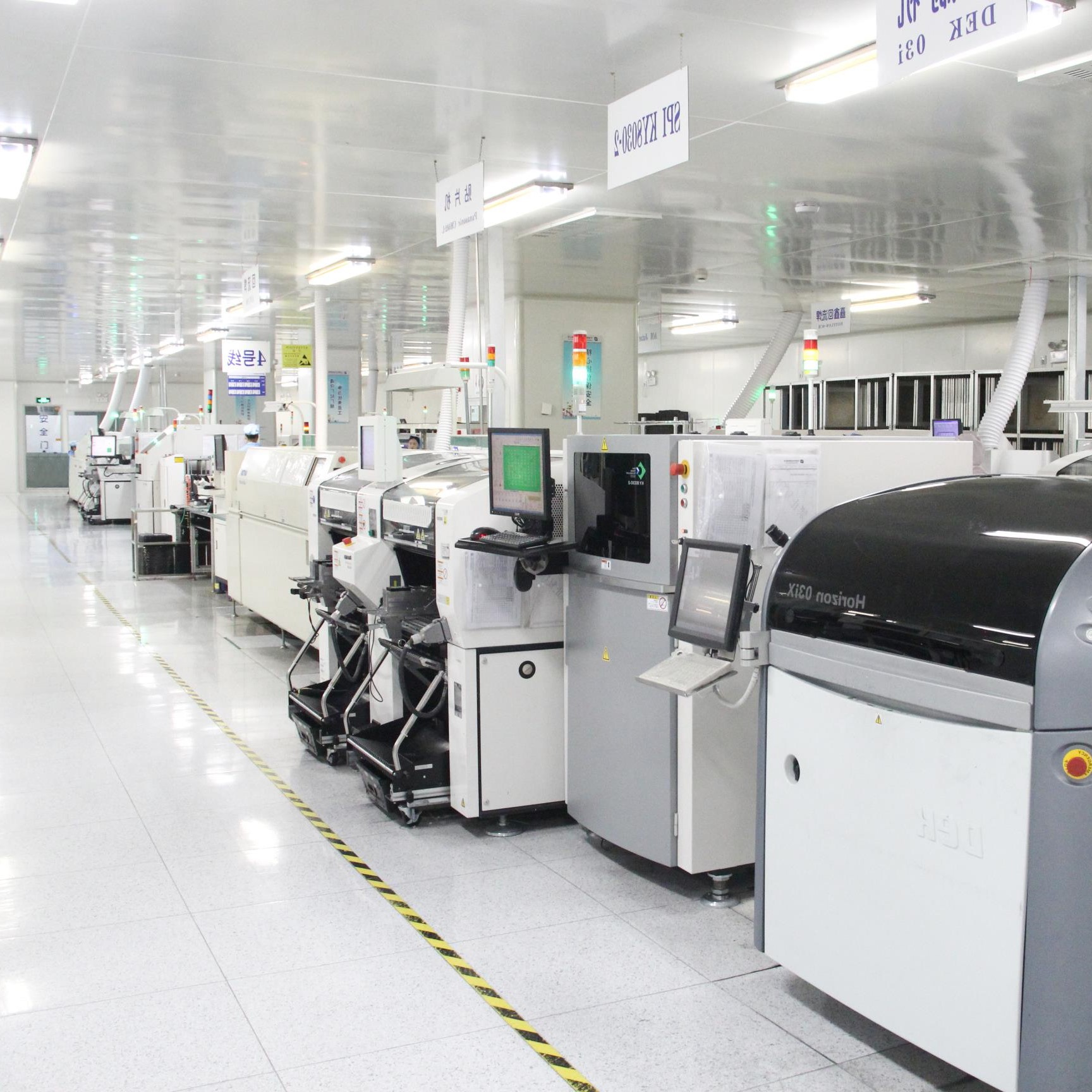


Manufacturing high-performance Ethernet hardware requires constant validation at every stage of the assembly pipeline. Below are the specialized validation steps implemented within our testing facility to eliminate transmission failures:


To guarantee structural reliability under complex operating environments, we subject our products to mechanical and electrical stresses. This includes running bit error rate tests on optical circuits, verifying wireless RF integrity for ONUs, evaluating components in high-low temperature simulation chambers (-40°C to +85°C), and running continuous traffic load tests.
| Soras Tech Corporate & Supply Specifications | |||
|---|---|---|---|
| Business Model | Manufacturer, OEM/ODM Exporter | Primary Factory Location | Guangdong, China |
| Primary Equipment Portfolio | FTTH ONU & OLT, SFP Transceivers, Fiber Media Converters, PoE Switches, LAN Cabling Solutions | Global Regulatory Standards | ISO 9001, UL, CE, FCC, RoHS Compliant |
| Total R&D and Factory Staff | 11 - 50 Professional Engineers & Technicians | Annual Operating Revenue | US$5 Million - US$10 Million |
| Key Markets | South America, North America, Europe, Domestic Asia | Founded Year | 2021 |
B2B network procurement officers must avoid standard consumer-grade pitfalls. When ordering wholesale LAN cables, evaluating the internal physical structure is essential for long-term transmission stability. Below is a breakdown of the key factors to consider:
Always verify copper purity. Solid Bare Copper (BC) is the industry standard for high-performance networks, particularly for Power over Ethernet (PoE) runs. While Copper Clad Aluminum (CCA) is a cost-effective alternative for simple, low-power channels, it suffers from higher attenuation, higher resistance, and brittleness under stress.
Assess electromagnetic interference (EMI) risks in your installation environment. Choose between U/UTP (Unshielded Twisted Pair) for standard office routing, F/UTP (foil outer shield) for protection against crosstalk, and S/FTP (individually shielded pairs with an overall metal braid) for high-density datacenters.
Ensure safety compliance with local regulations. Indoor installations require LSZH (Low Smoke Zero Halogen) ratings for regions like Europe (under CPR regulations), or CMP (Plenum) / CMR (Riser) compounds in North America to satisfy strict fire and toxicity code standards.
The rapid deployment of automated systems, edge computing, AI inferencing hubs, and high-density IoT arrays is driving changes in LAN design. Standard gigabit networks are shifting to Multi-Gigabit (2.5G/5G/10G) architectures. As bandwidth requirements increase, copper and optical technologies are working closer together:
Supporting IEEE 802.3bt Type 4 up to 90W/100W per port over high-gauge Cat6A cabling, powering PTZ smart cameras, IoT systems, and high-performance WiFi 6/7 access points.
Providing up to 2000 MHz bandwidth for distances up to 30 meters. This meets the performance demands of data center rack switching and high-speed local processing pipelines.
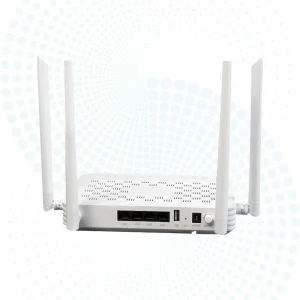
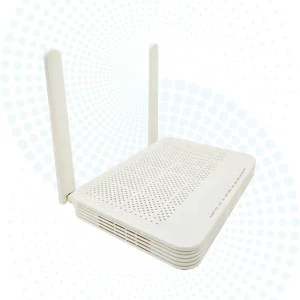
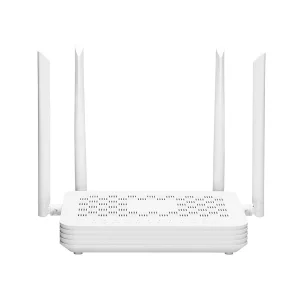
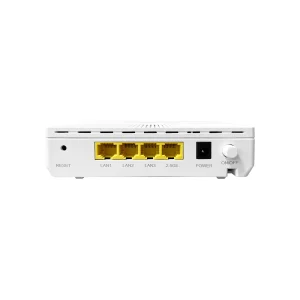
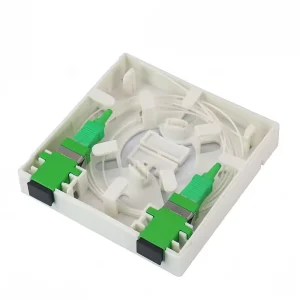
Connecting GPON/EPON fibers directly to the building edge. High-performance ONUs convert these lines into domestic copper lines with minimal latency or packet drop.
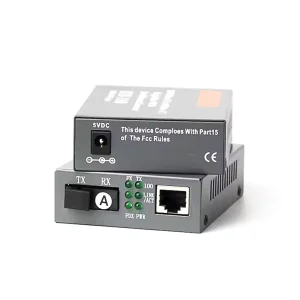
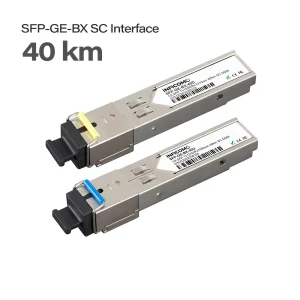
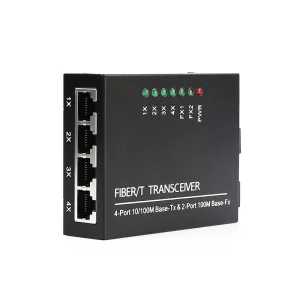
Combining high-density SFP transceivers and media converters to extend network ranges. This design easily bridges long distances with fiber and transitions to copper locally.
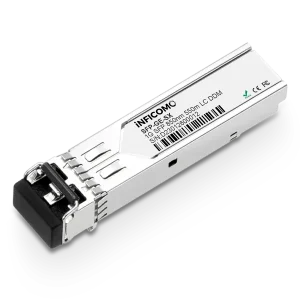
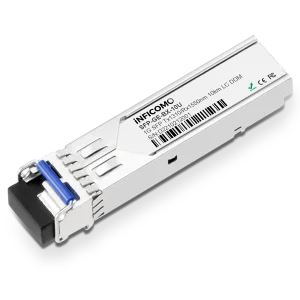
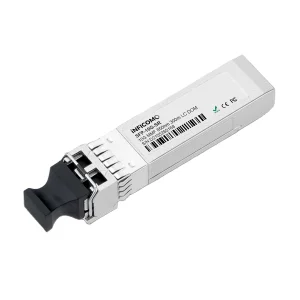
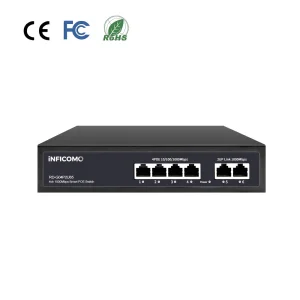
At Shenzhen Soras Technology, we help clients adapt to these trends by manufacturing compatible hardware components. Our 1.25G and 10G SFP transceivers, active PoE switches, and optical-electric media converters are engineered to maintain high signal integrity across hybrid networks.
Selling networks across different countries requires compliance with varying regional standards and safety certifications. A single non-compliant component can disrupt an entire installation. We handle compliance across several major global markets:
European Union installations must comply with strict CPR (Construction Products Regulation) flammability classes. We design our network cables and hardware to meet CE standards and Euroclass fire safety ratings, using Low Smoke Zero Halogen (LSZH) jacketing to minimize gas emissions during a fire.
In North America, electromagnetic emission standards are governed by the FCC, and electrical safety is verified by UL. Our optical modules and Ethernet switches comply with FCC Part 15 subparts, and our cables utilize plenum-rated materials that meet vertical flame test requirements.
South American markets (such as Brazil) require Anatel standards for telecommunications hardware. Our eco-friendly production methods align with RoHS environmental guidelines, restricting hazardous materials in all exported network assemblies.
Ethernet cabling and active media converters are deployed in diverse environments, each presenting unique engineering challenges. Our components are designed to perform reliably across several major scenarios:
Objective: Delivering high-speed internet to residential units via GPON OLTs.
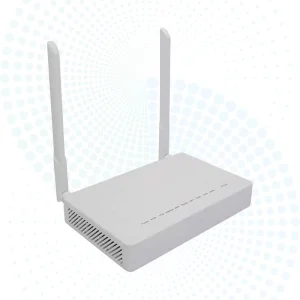
Solution: Standard high-performance ONUs (such as our AX3000 WiFi 6 ONT) serve as the terminal point in the building, using Cat6 copper LAN patch cables to distribute gigabit signals to indoor devices.
Objective: Powering outdoor security cameras up to 250 meters away without local power sources.
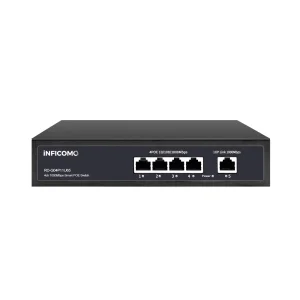
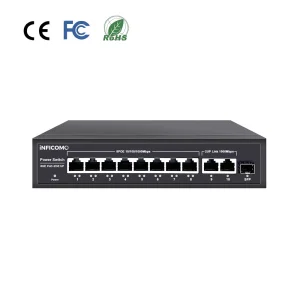
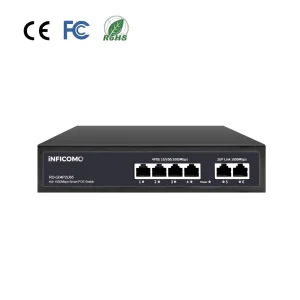
Solution: Active PoE Switches (such as our 4-Port/8-Port Gigabit PoE switches) supply both DC52V power and data over a single solid copper LAN cable, ensuring stable video transmission and weather resistance.
Objective: Interconnecting rack servers and storage devices while preventing crosstalk.
Solution: SFP+ 10G SR modules and OM3 fiber paths link main core switches, while Cat6A SFTP copper patch cables provide redundant, low-latency connections to local server interfaces.
 Soras Tech