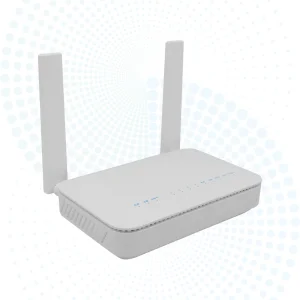
The telecommunications industry is undergoing a structural transition toward environmental sustainability. As global data demand rises exponentially, powered by cloud computing, AI clusters, and 5G/6G communication links, the underlying hardware must adapt to minimize its ecological footprint. Green Fiber Optics is not simply a marketing label; it is a rigorous, multidimensional approach to network engineering that addresses energy dissipation, toxic material reduction, and resource efficiency during manufacturing.
Historically, copper networks (DSL and coaxial cables) consumed immense electrical current to push signals over long distances, requiring active repeater hubs at tight intervals. In contrast, modern single-mode and multi-mode optical fibers transmit information via photons with minimal loss, virtually eliminating the need for inline power amplification over tens of kilometers. Leading China manufacturers, such as Shenzhen Soras Technology Co., Ltd., are pioneering this transition. By complying with RoHS, CE, and FCC standards, we guarantee that all high-density FTTH/FTTX installations utilize materials devoid of heavy metals, using optimized manufacturing lines that reduce production carbon footprints.
Under the Paris Agreement and global Net-Zero frameworks, telecommunication operators are targeted to reduce network operational emissions by 45% before 2030. Upgrading to passive optical networks (PON) like GPON and XG-SPON drastically lowers idle power state losses at the subscriber end.
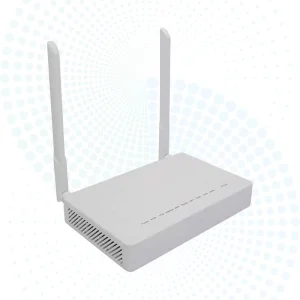
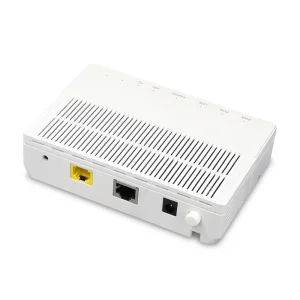
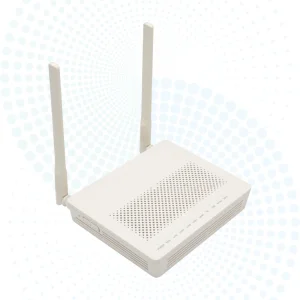
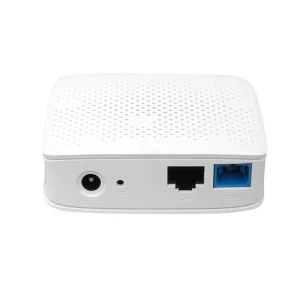
Next-gen ONUs feature automated Sleep Modes (compliant with ITU-T G.987.3 standards). Active electronics power down during periods of user inactivity, reducing energy draw by up to 60% compared to legacy devices.
By streamlining physical supply chains and manufacturing processes in Guangdong, China, suppliers optimize material usage. Minimizing redundant packaging and using bio-compatible insulation materials on Drop Cables reduces systemic waste.
Establishing high-performance optical networks requires strict adherence to advanced physical-layer standards and low-loss connectivity components. The global roadmap focuses heavily on two parameters: Insertion Loss (IL) minimization and transceiver power dissipation optimization.
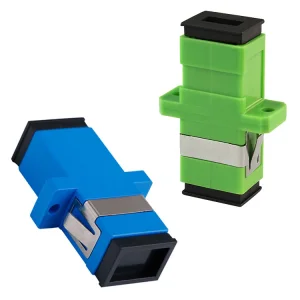
Every connection point in a distribution frame introduces attenuation. Our premium single-mode APC/UPC couplers achieve insertion losses below 0.2dB. Minimizing back-reflections translates directly into lower transmitter power requirements at the central office OLT (Optical Line Terminal) level, allowing lasers to operate at optimal, lower-emission performance bins.
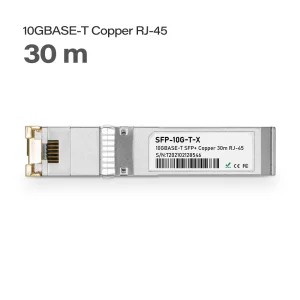
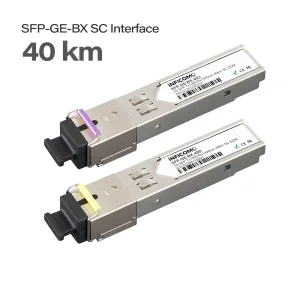
Traditional transceivers emit considerable heat, demanding active cooling systems in data centers. Soras Technology designs 10GBASE-T SFP+ Copper Modules and 1.25G DDM SFP Transceiver Modules utilizing low-power digital signal processing (DSP) chips. By reducing typical power consumption to under 1.0W per module, data centers and ISP hubs can downscale active cooling infrastructure, realizing a massive compounding drop in operational electricity costs.
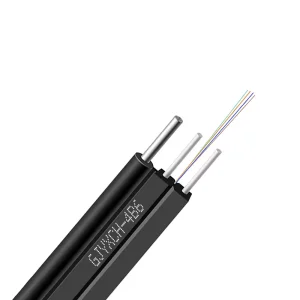
Field installations demand resilient cables that resist micro-bending losses. The GJYXCH outdoor drop cable integrates steel wire strength members alongside low-water-peak single-mode fibers. This structure ensures that physical stress, temperature fluctuations, and environmental degradation do not increase signal attenuation, preserving transmission efficiency over a multi-decade operational lifespan.
Shenzhen Soras Technology Co., Ltd. is a leading manufacturer of optical transmission equipment and network equipment with more than 10 years of experience. We rely on high-quality management and technological innovation, committed to providing customers with high quality, cost-effective, high value-added products and solutions.
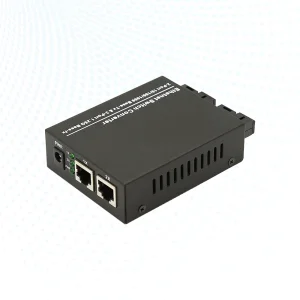
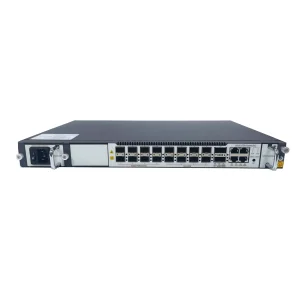
Today, we work closely with telecommunications companies around the world. We have strong technical force and an experienced R&D team. Products can be developed according to customer requirements; we also accept your OEM and ODM orders. Now our products are exported to more than 60 countries, and the main markets are South America, North America, and Europe. Our main products include: Fiber Media Converter, SFP Module, POE Switch, ONU, OLT, and supporting products. We have passed ISO 9001, UL, CE, FCC, and RoHS Certifications. Our aim is "superior quality, professional service, competitive price, integrity-based". We believe this is not only our responsibility, but also the best way for long-term development. Soraslink looks forward to working with you!
| Business Attribute | Specification Detail | Operational Parameter | Details |
|---|---|---|---|
| Business Type | Manufacturer / OEM & ODM Exporter | Country / Region | Guangdong, China |
| Main Products | FTTH ONU & OLT, SFP Transceivers, Media Converters, PoE Switches | Total Employees | 11 - 50 People (Highly Specialized R&D Core) |
| Total Annual Revenue | US$5 Million - US$10 Million | Year Established | 2021 |
| Certifications | ISO 9001, UL, CE, FCC, RoHS Compliant | Main Markets | Domestic Market (24%), Eastern Asia (15%), North America (15%), Europe & South America |
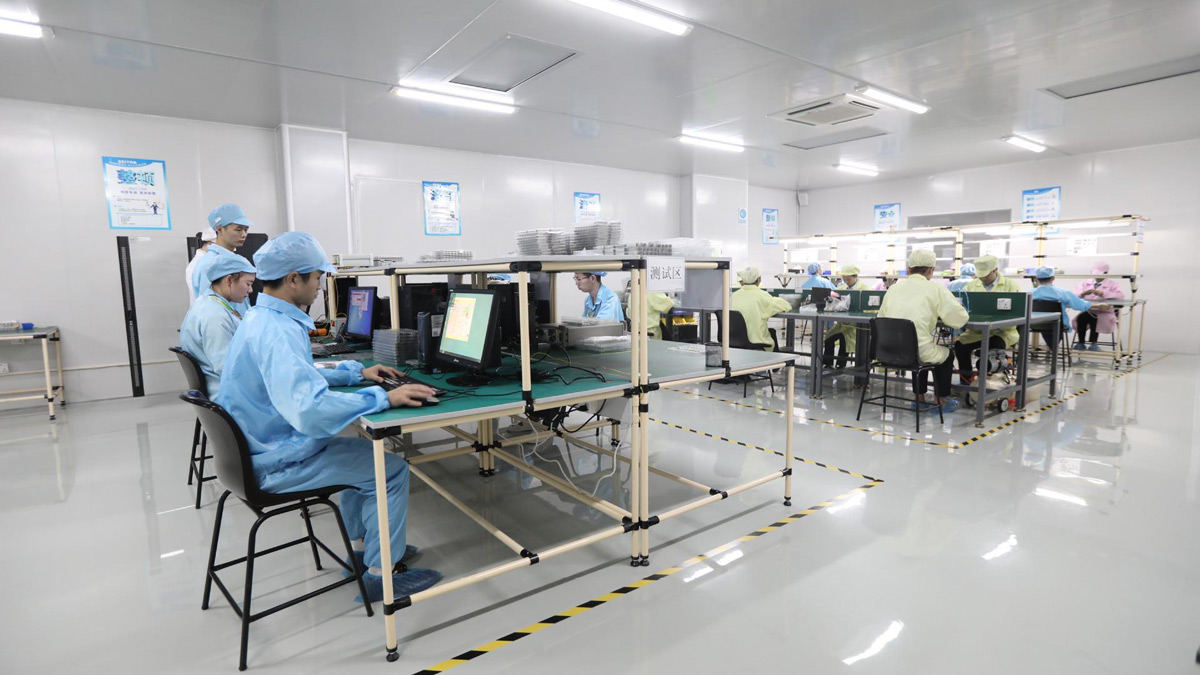
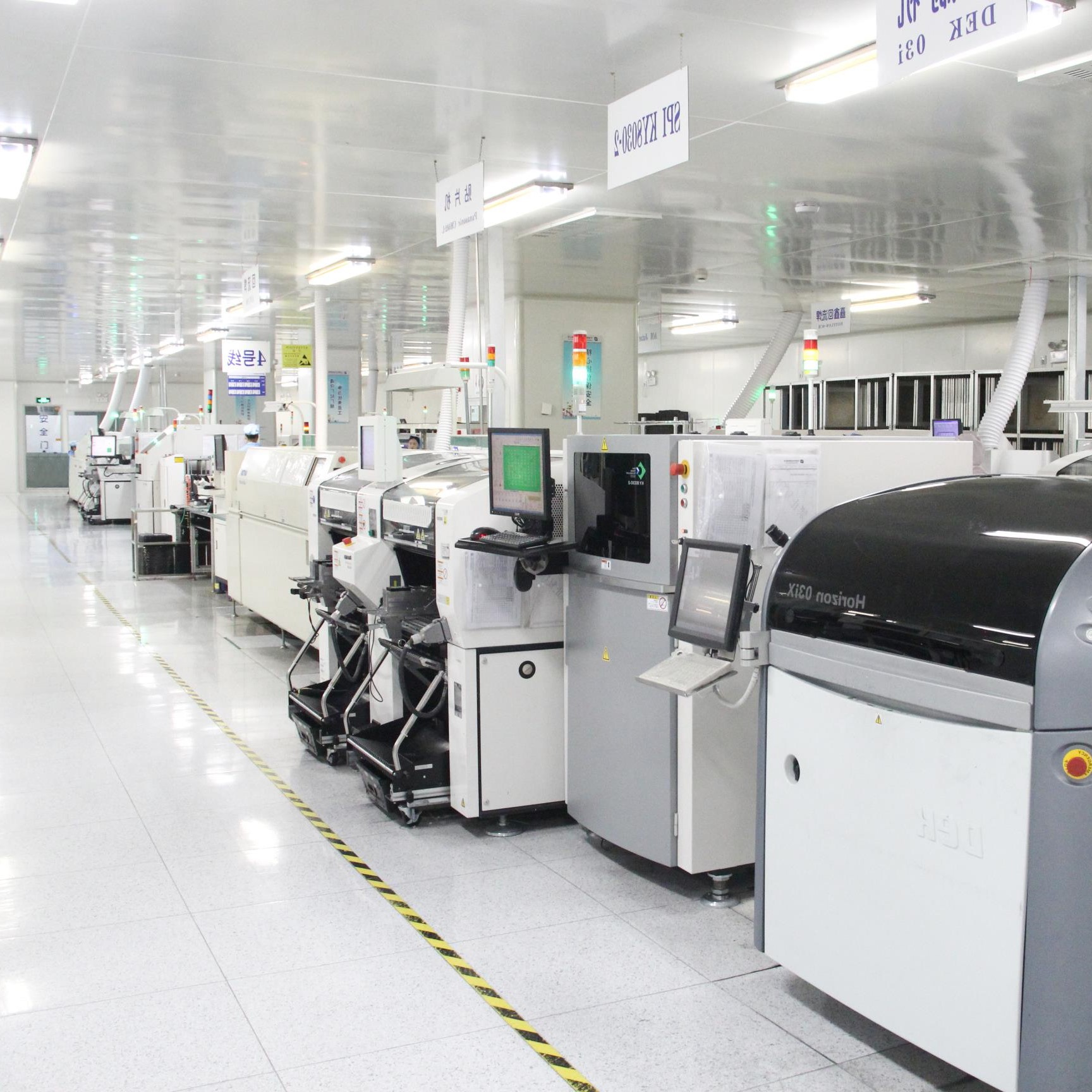
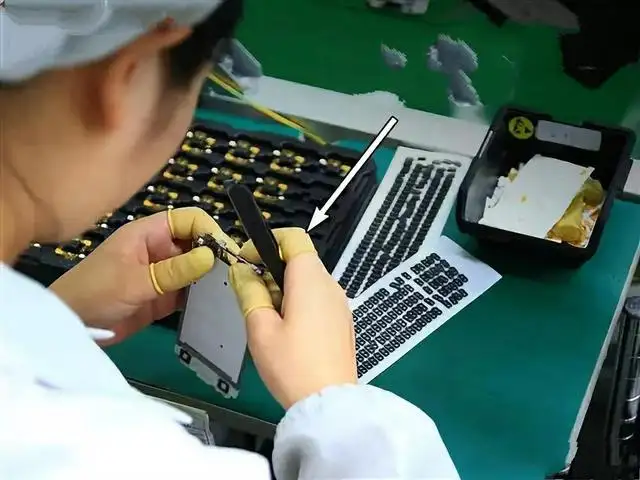
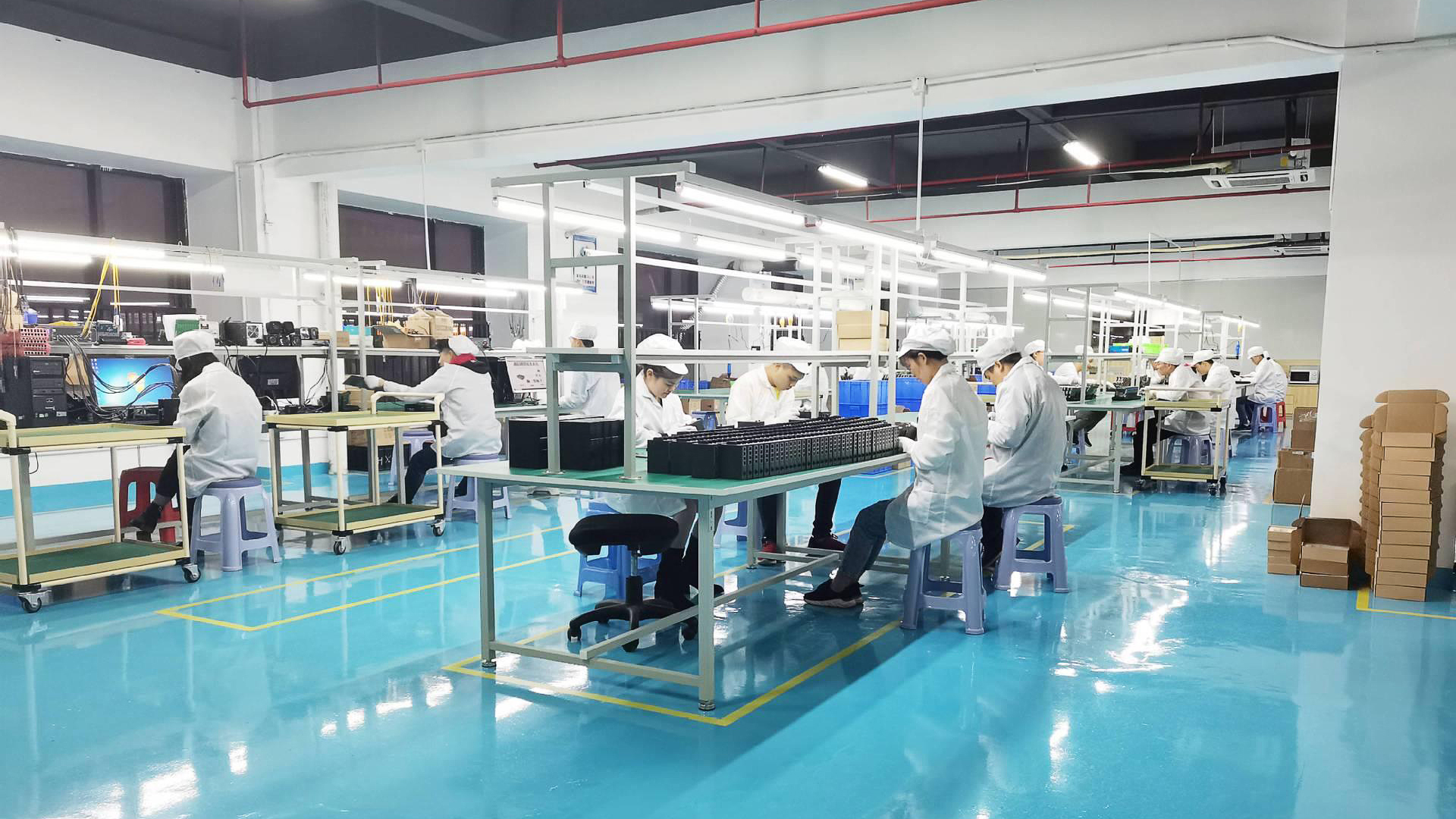
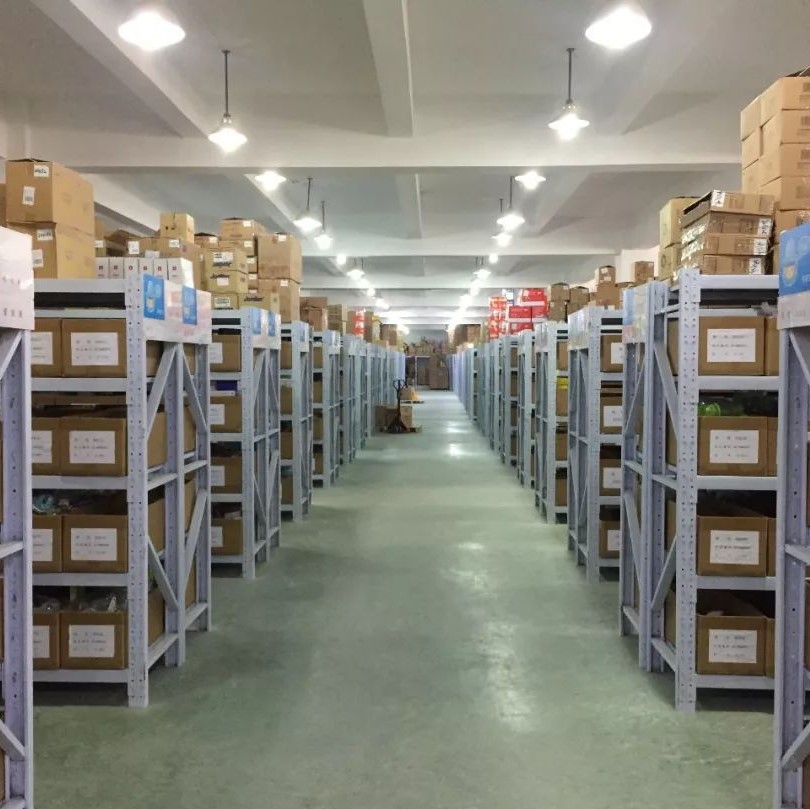
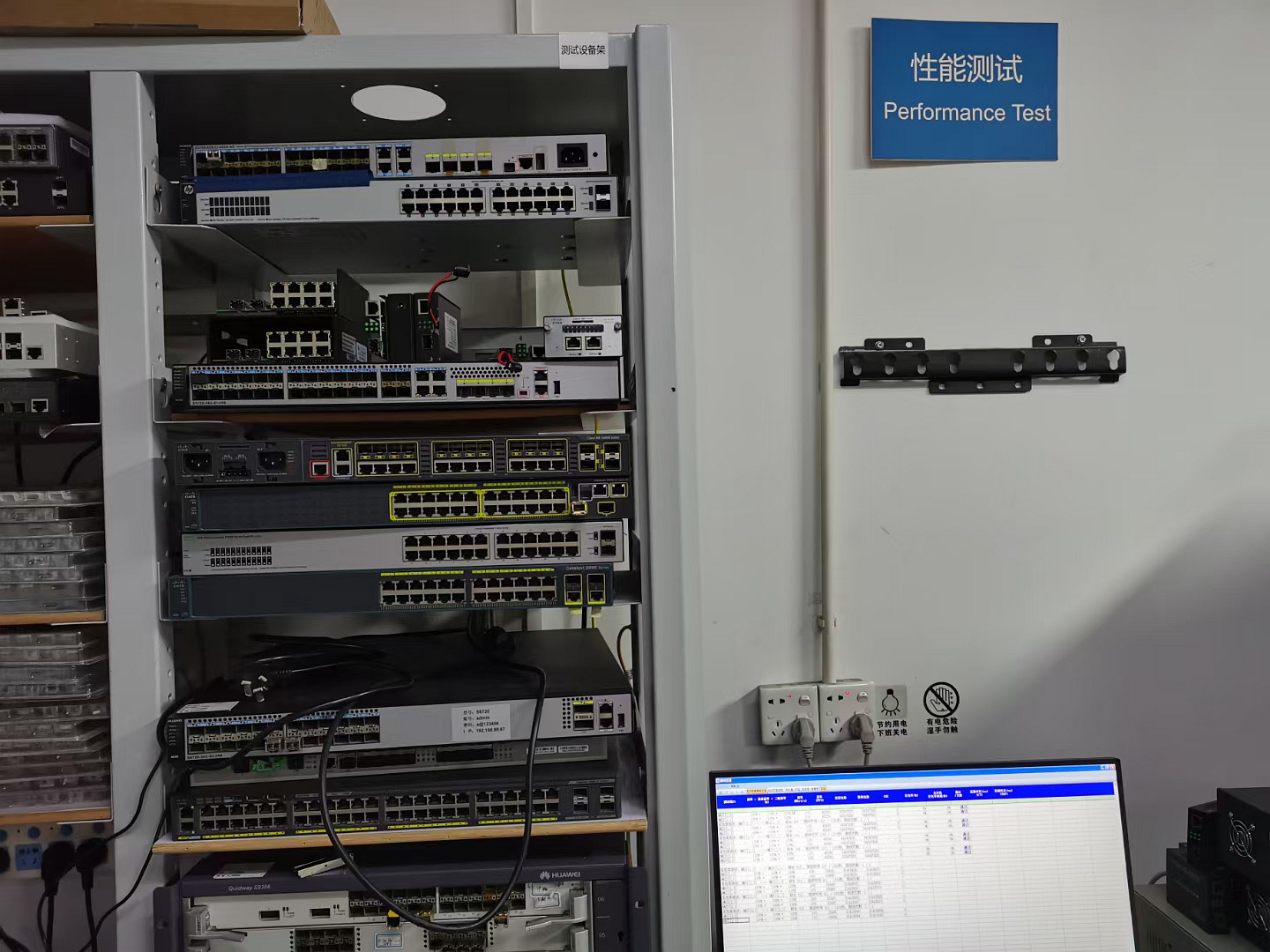
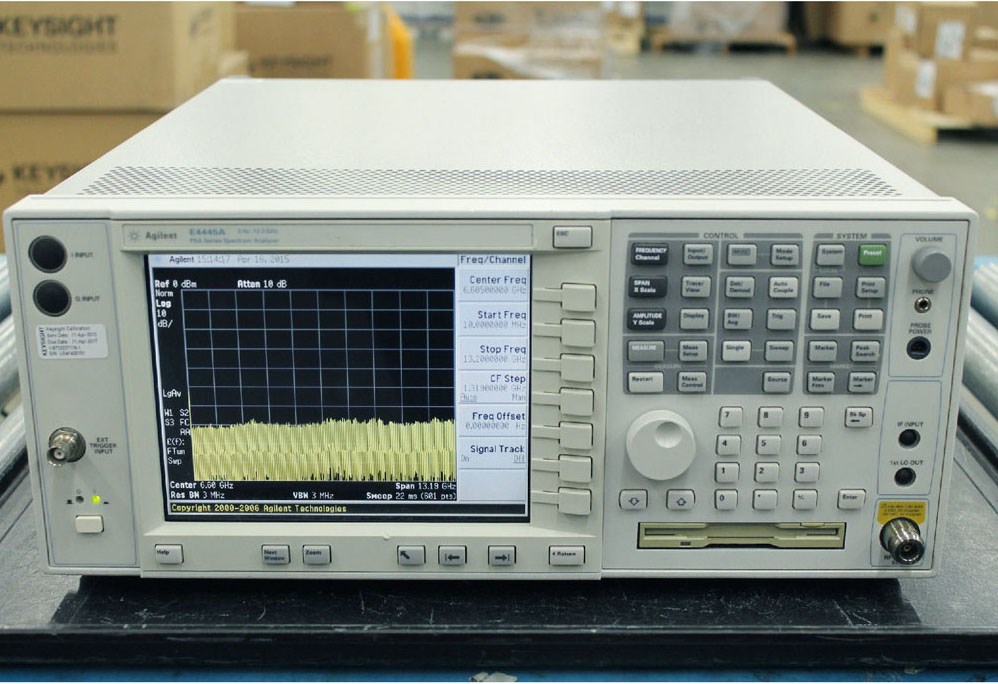
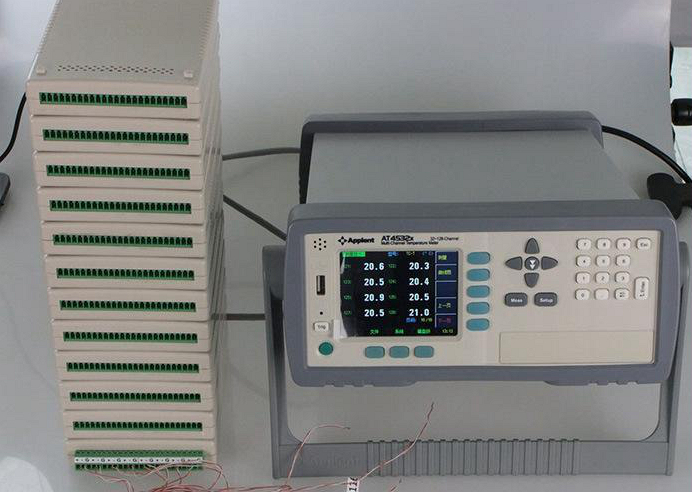
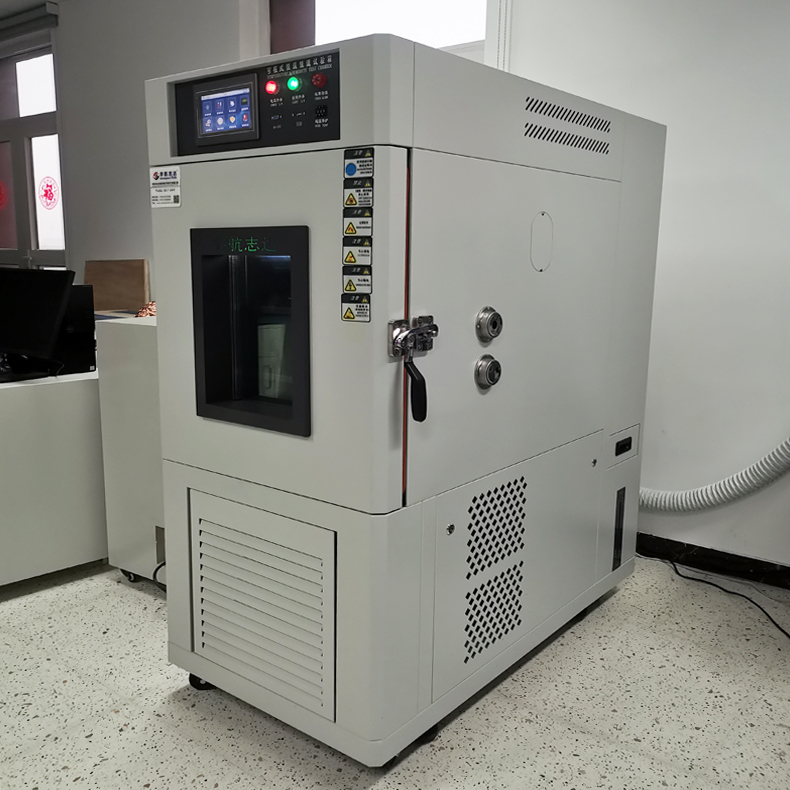
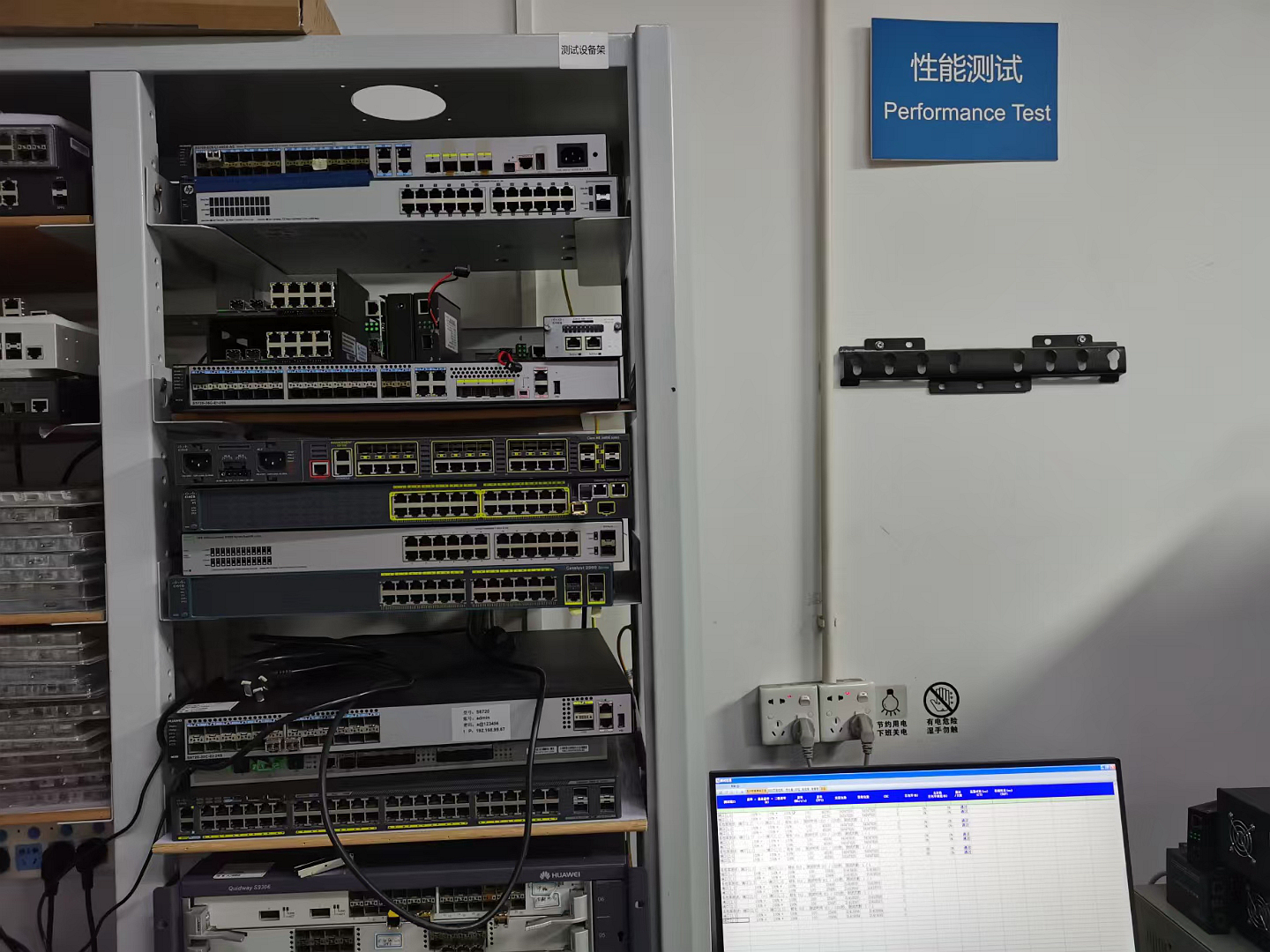
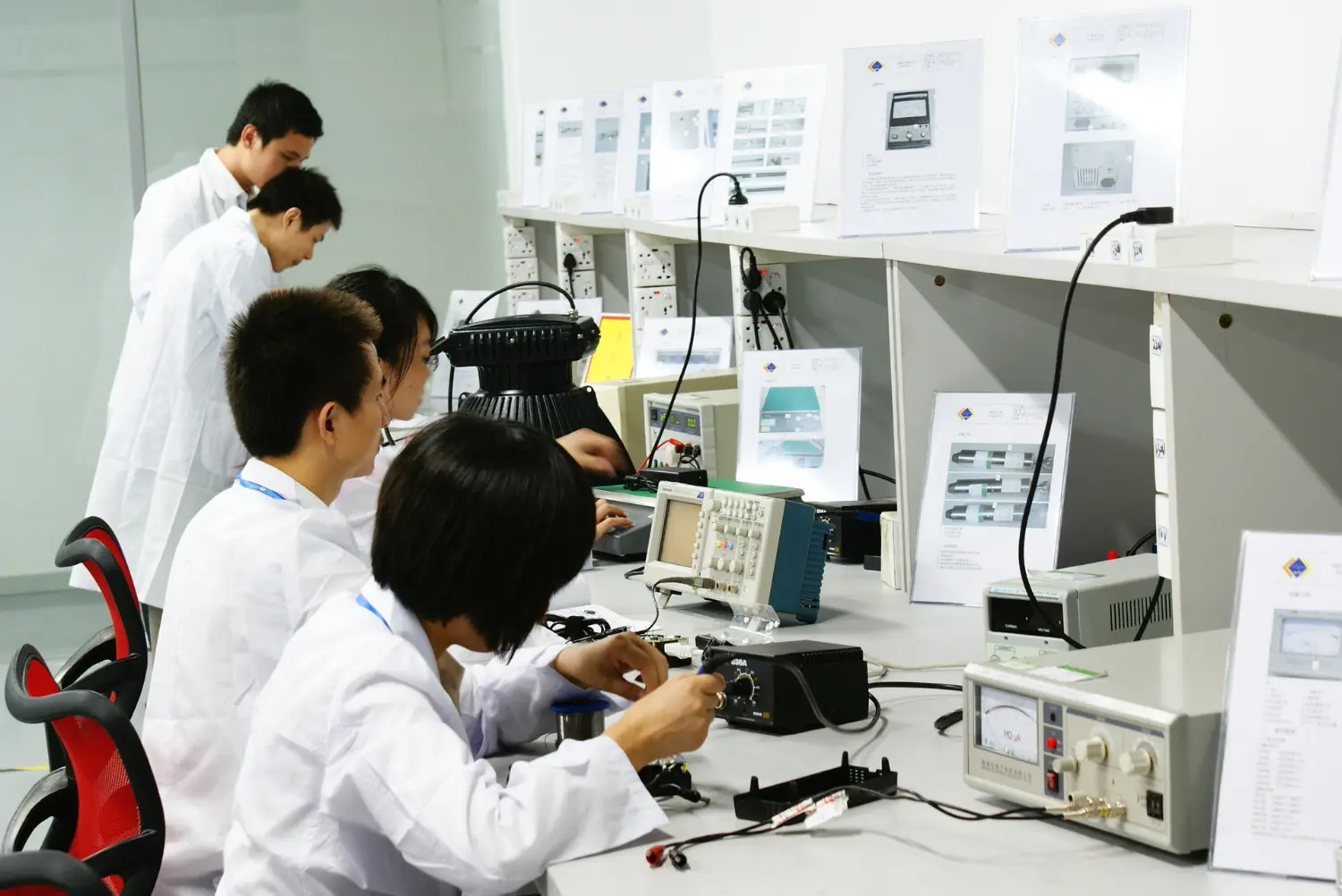
Our state-of-the-art manufacturing plant in Guangdong features fully automated Surface Mount Technology (SMT) lines and multi-stage testing setups to guarantee zero-defect shipments. Every device undergoes strict environmental simulation and calibration checks.

Depending on the deployment region, "Green Fiber" applications require customized hardware implementations to balance climate challenges, legacy networks, and regulatory policies:
With an emphasis on reducing carbon footprints in high-density data hubs, local ISPs prioritize hot-swappable 10G SFP+ copper modules with low power-to-data-throughput ratios. Low power usage limits thermal dissipation, preventing costly air conditioning overhead inside centralized telecom enclosures.
Strict European environmental directives demand lead-free, non-hazardous components. High-efficiency XPON ONUs and low-attenuation couplers manufactured under ISO 9001 and certified by CE and RoHS guarantee compliance, reducing e-waste footprints and streamlining end-of-life recycling procedures.
In developing regions, maximizing link length without adding active, power-hungry repeater stations is crucial. High-budget 40KM/60KM single-mode transceivers coupled with robust fusion-spliced lines bridge distant municipalities using purely passive, maintenance-free optical links.
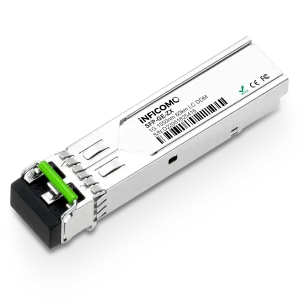
 Soras Tech