The global telecommunications and hyper-scale data center ecosystems are undergoing an unprecedented structural transition. Driven by high-intensity AI/ML model workloads, virtualization, massive IoT deployments, and the global rollout of standalone 5G networks, the standard baseline for backhaul, midhaul, and data center leaf-spine interconnects has shifted rapidly from legacy 10G topologies toward 25G SFP28 and 100G QSFP28 form factors.
In the modern optoelectronic landscape, 25G SFP28 modules represent the optimal cost-to-performance architecture for 5G fronthaul networks and next-generation enterprise access layers. By utilizing single-lane 25 Gbps signaling, these modules avoid the complex multiplexing overhead of legacy standards, significantly reducing transceiver heat dissipation while doubling overall fiber throughput. Concurrently, 100G QSFP28 modules dominate high-density data center core switches and long-haul metro transport rings. Standardized on a four-lane structure (4 x 25G NRZ or PAM4 modulation configurations), QSFP28 has successfully minimized the spatial footprint and optical power budget per gigabit of data transmitted.
Procurement engineering must balance physical limitations and optoelectronic compatibility when selecting specific modules. Below is a comprehensive breakdown of the core architectural standards governing China-manufactured 25G and 100G optical modules:
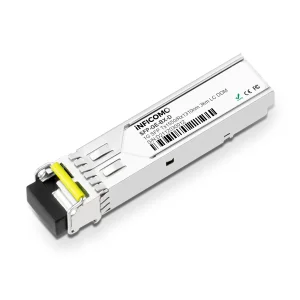
Standard SFP28 transceivers typically operate via VCSEL lasers over multi-mode fiber (MMF) for short-range links (SFP28 SR, up to 100m) or via DFB (Distributed Feedback) lasers over single-mode fiber (SMF) for medium-to-long haul networks (SFP28 LR, up to 10km; ER, up to 40km). In high-density carrier environments, BiDi (Bidirectional) SFP28 transceivers are heavily deployed to halve physical fiber cabling requirements by multiplexing transmit (Tx 1270nm) and receive (Rx 1310nm) signals onto a single optical strand.
China, specifically the optoelectronic clusters of Shenzhen and Wuhan, accounts for the largest manufacturing footprint of optical modules globally. The dominance of Chinese manufacturers in the 25G-100G segment is built upon integrated industrial supply chains, advanced automation, and aggressive R&D investments.
Shenzhen's optoelectronic ecosystem operates on a highly vertical integration model. Raw semiconductor materials, optical sub-assemblies (OSA - TOSA/ROSA/BOSA), and high-frequency printed circuit board assemblies (PCBA) are sourced, manufactured, and quality-tested within a tight geographic radius. This minimizes lead times, stabilizes prices against global currency fluctuations, and enables massive scale advantages.
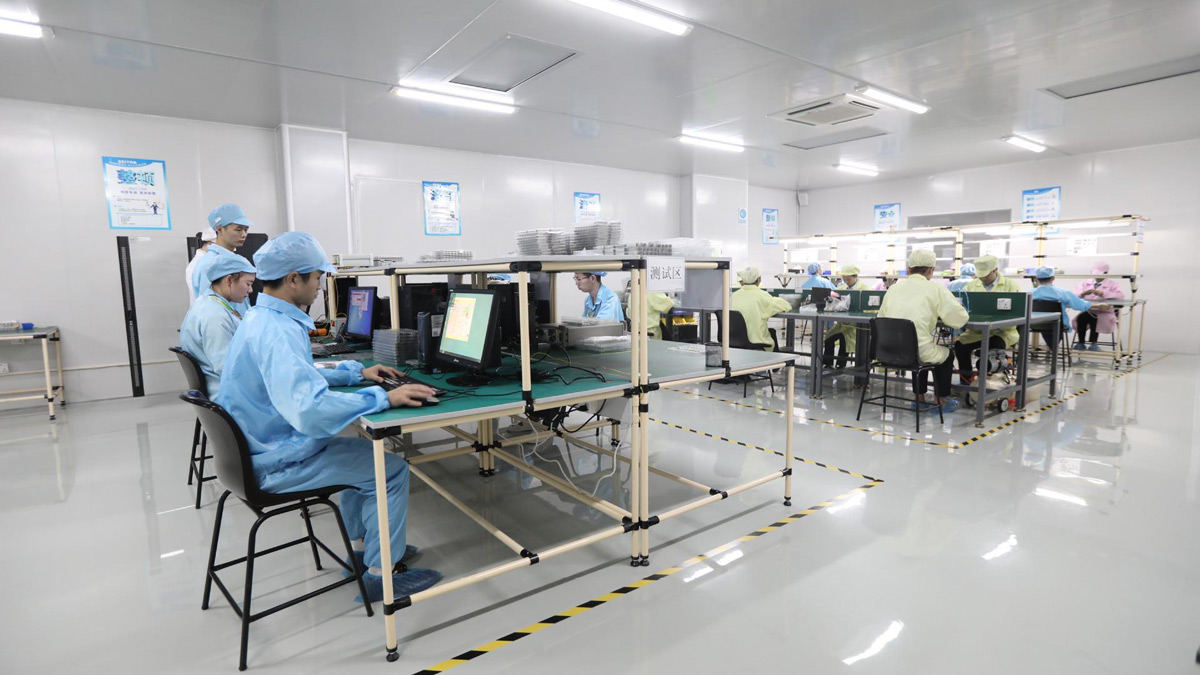
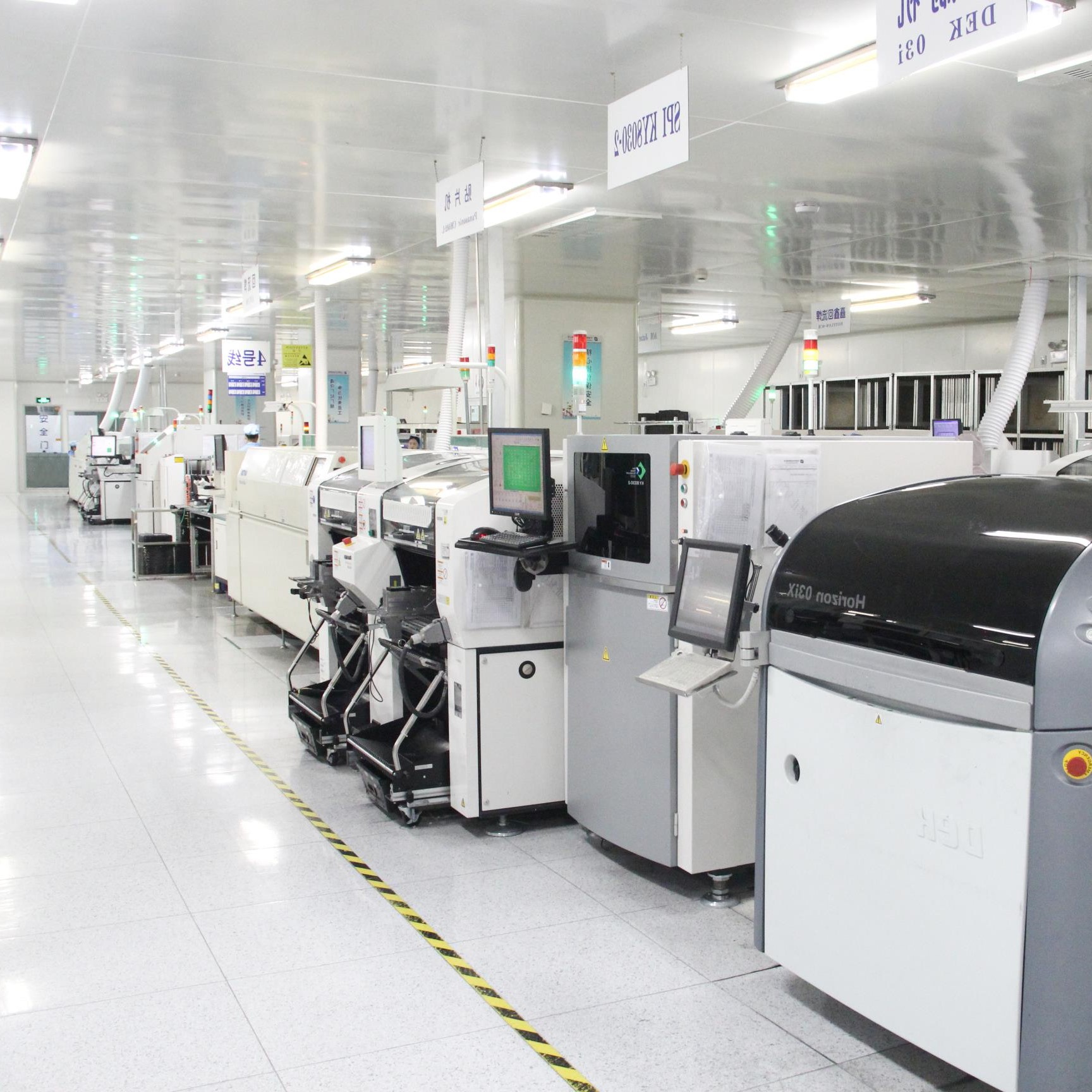
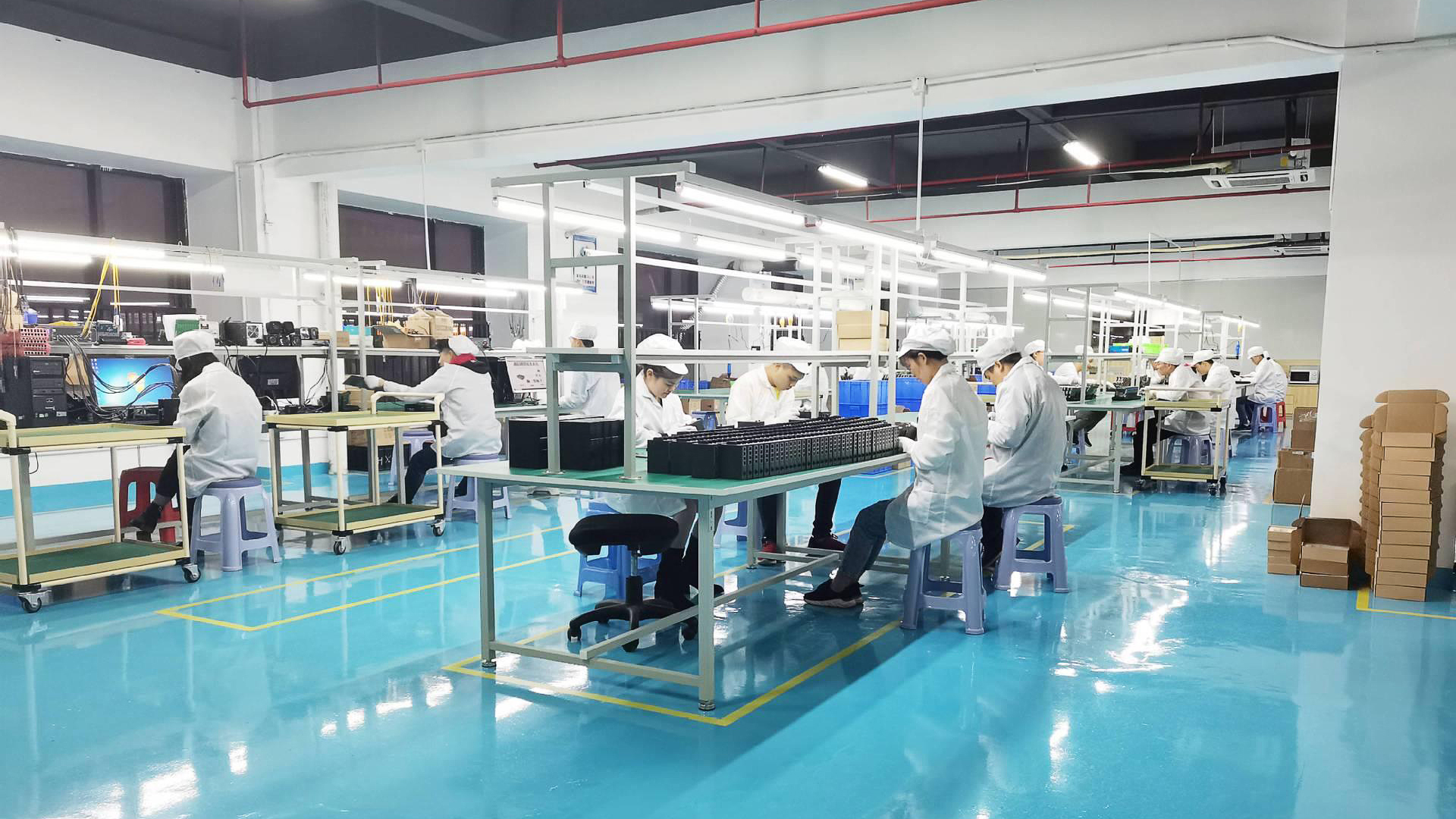
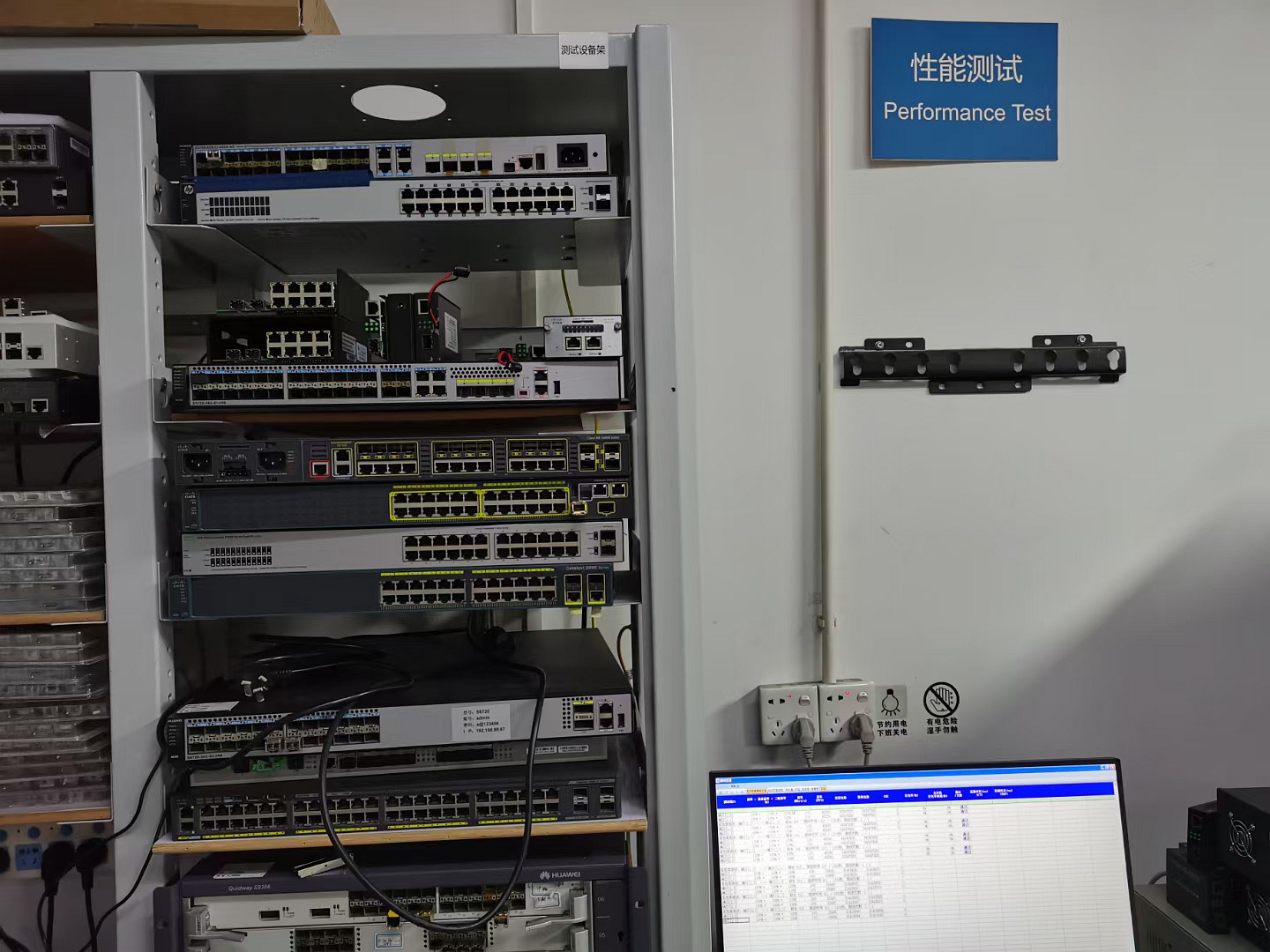
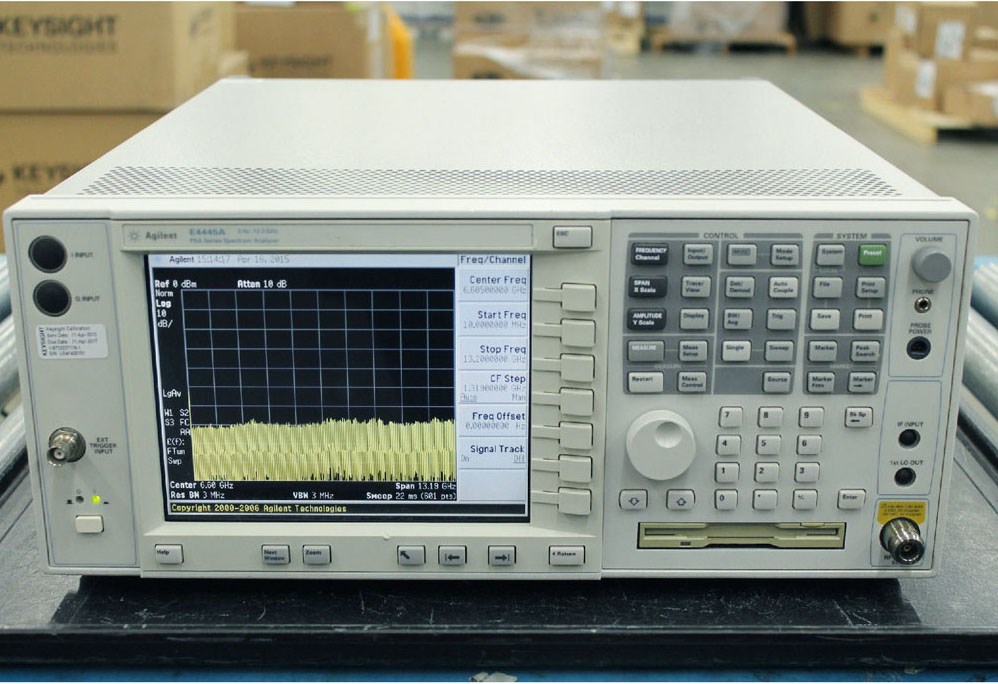
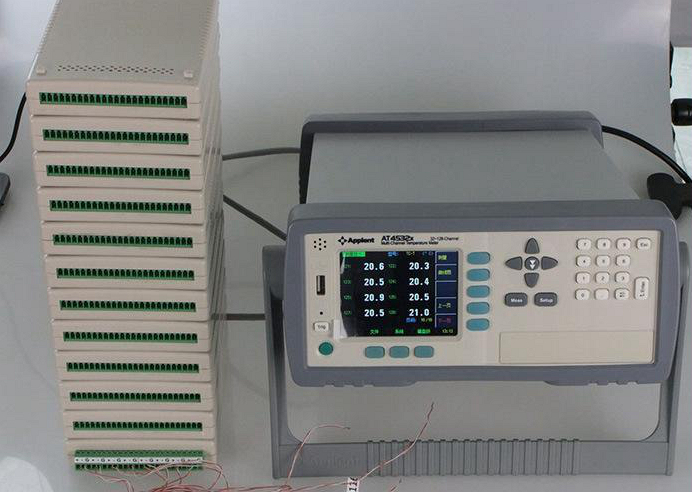
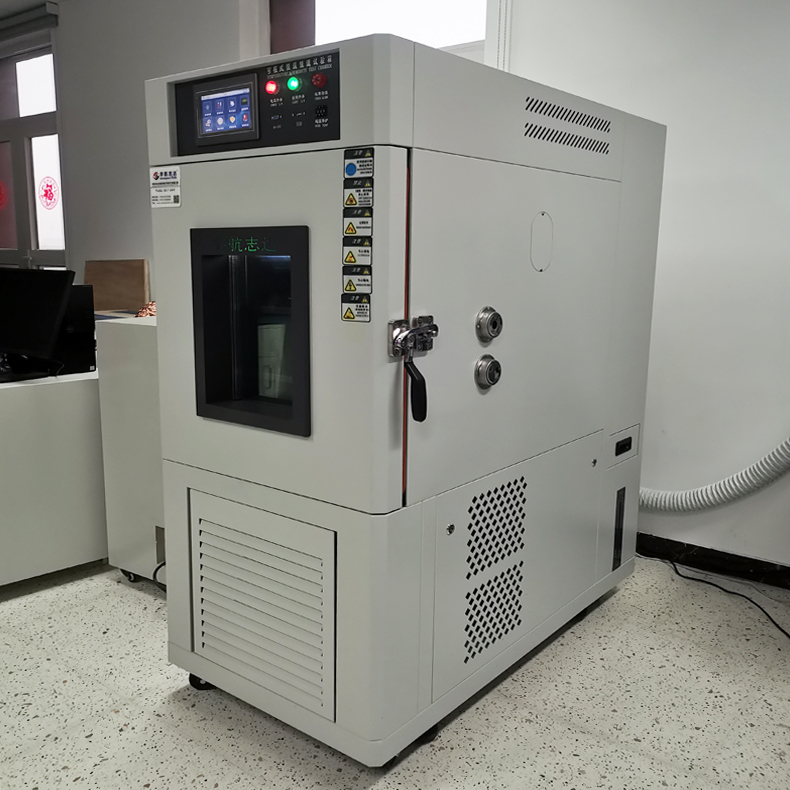
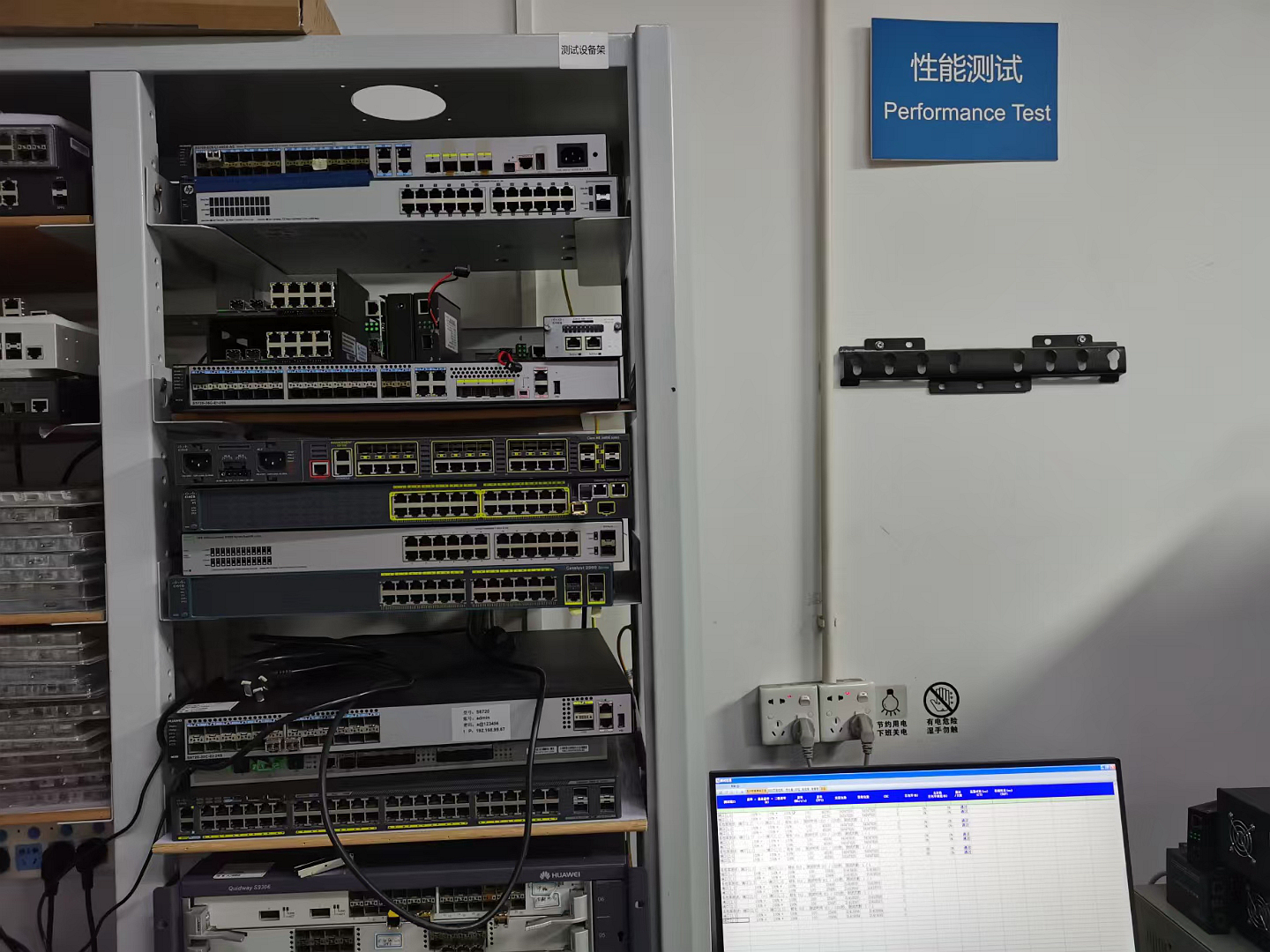
Furthermore, manufacturing entities such as Shenzhen Soras Technology Co., Ltd. demonstrate how agile production structures coupled with state-of-the-art SMT (Surface Mount Technology) processes and automated testing lines allow for rapid turnaround of both standard Multi-Source Agreement (MSA) modules and custom OEM/ODM solutions. By automating laser calibration, error testing, and high-low temperature chamber aging processes, Chinese facilities achieve strict optical yield margins while maintaining unmatched global pricing.
Understanding the real-world operational scenarios of 25G and 100G transceivers is key to selecting the correct network hardware architectures. These modules do not operate in a vacuum; they must integrate seamlessly with wider networking infrastructure:
Shenzhen Soras Technology Co., Ltd. is a leading manufacturer of optical transmission equipment and network equipment with more than 10 years of experience. We rely on high-quality management and technological innovation, committed to providing customers with high quality, cost-effective, high value-added products and solutions.
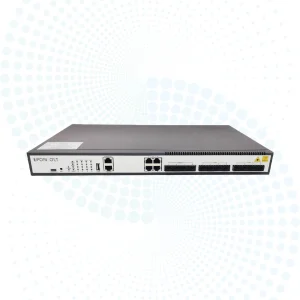
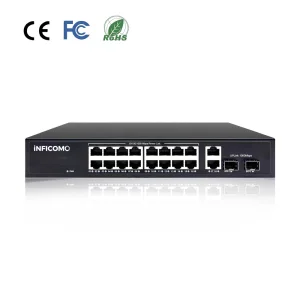
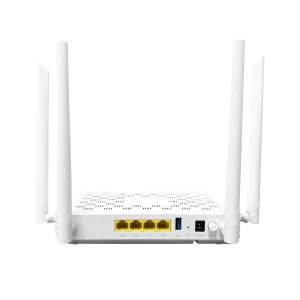
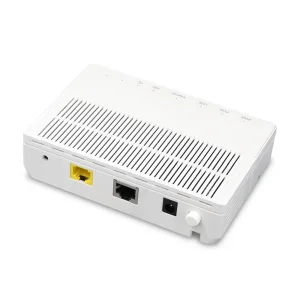
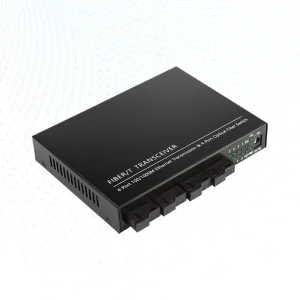
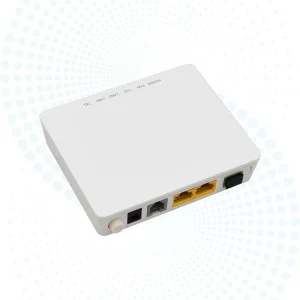
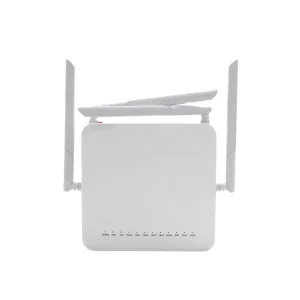
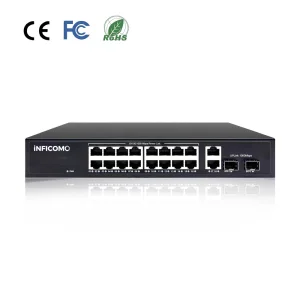
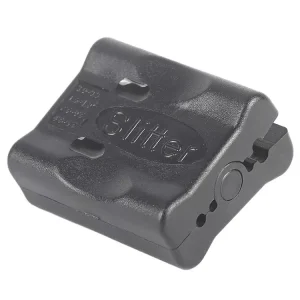
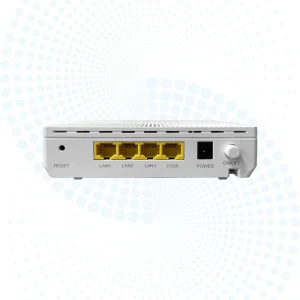
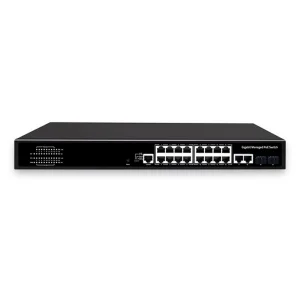
Today, we work closely with telecommunications companies around the world. We have strong technical force and an experienced R&D team; products can be developed according to customer requirements, and we also accept your OEM and ODM orders. Now our products are exported to more than 60 countries, and the main markets are South America, North America, and Europe. Our main products include: Fiber Media Converter, SFP Module, POE Switch, ONU, OLT, and supporting products. We have passed ISO 9001, UL, CE, FCC, and RoHS certifications. Our aim is "superior quality, professional service, competitive price, integrity-based". We believe this is not only our responsibility but also the best way forward for long-term development. Soraslink looks forward to working with you!
| Corporate Operations & Distribution Metrics | |||
|---|---|---|---|
| Business Type | Manufacturer | Country / Region | Guangdong, China |
| Main Products | FTTH ONU & OLT, SFP Module, Fiber Media Converter, Poe Switch, Fiber Optic Equipment | Total Employees | 11 - 50 People |
| Total Annual Revenue | US$5 Million - US$10 Million | Year Established | 2021 |
| Certifications | ISO 9001, UL, CE, FCC, ROHS | Main Markets | Domestic Market (24%), Eastern Asia (15%), North America (15%), Europe & South America |
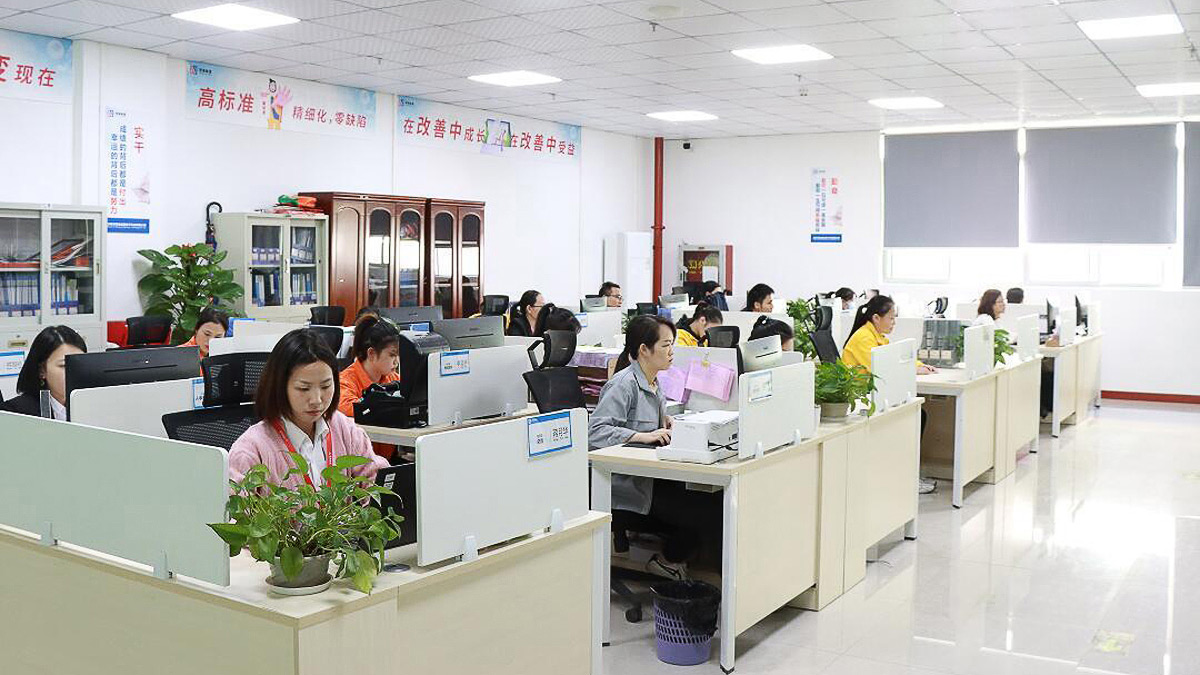
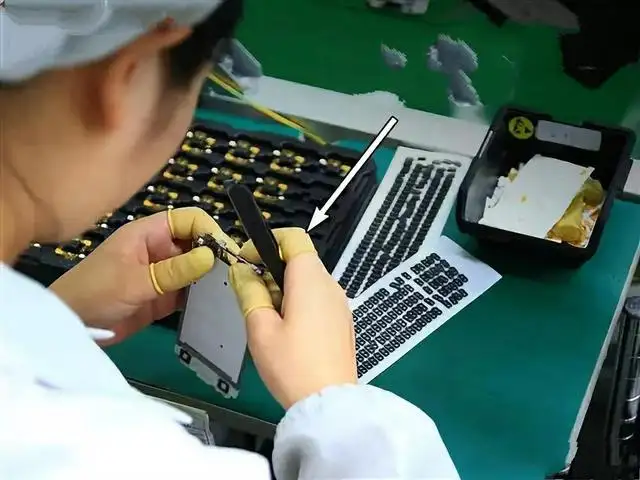
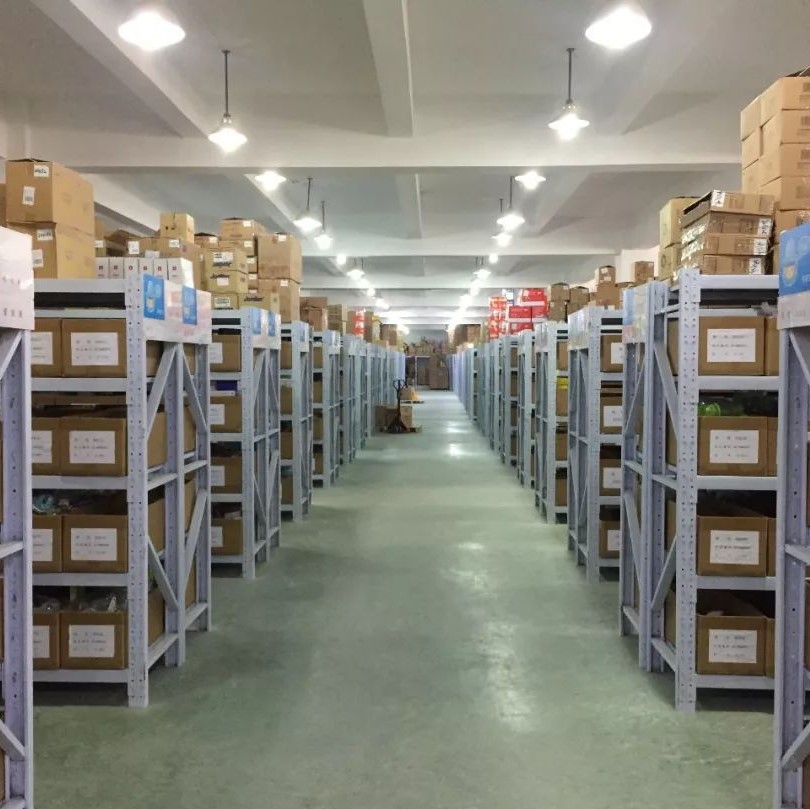
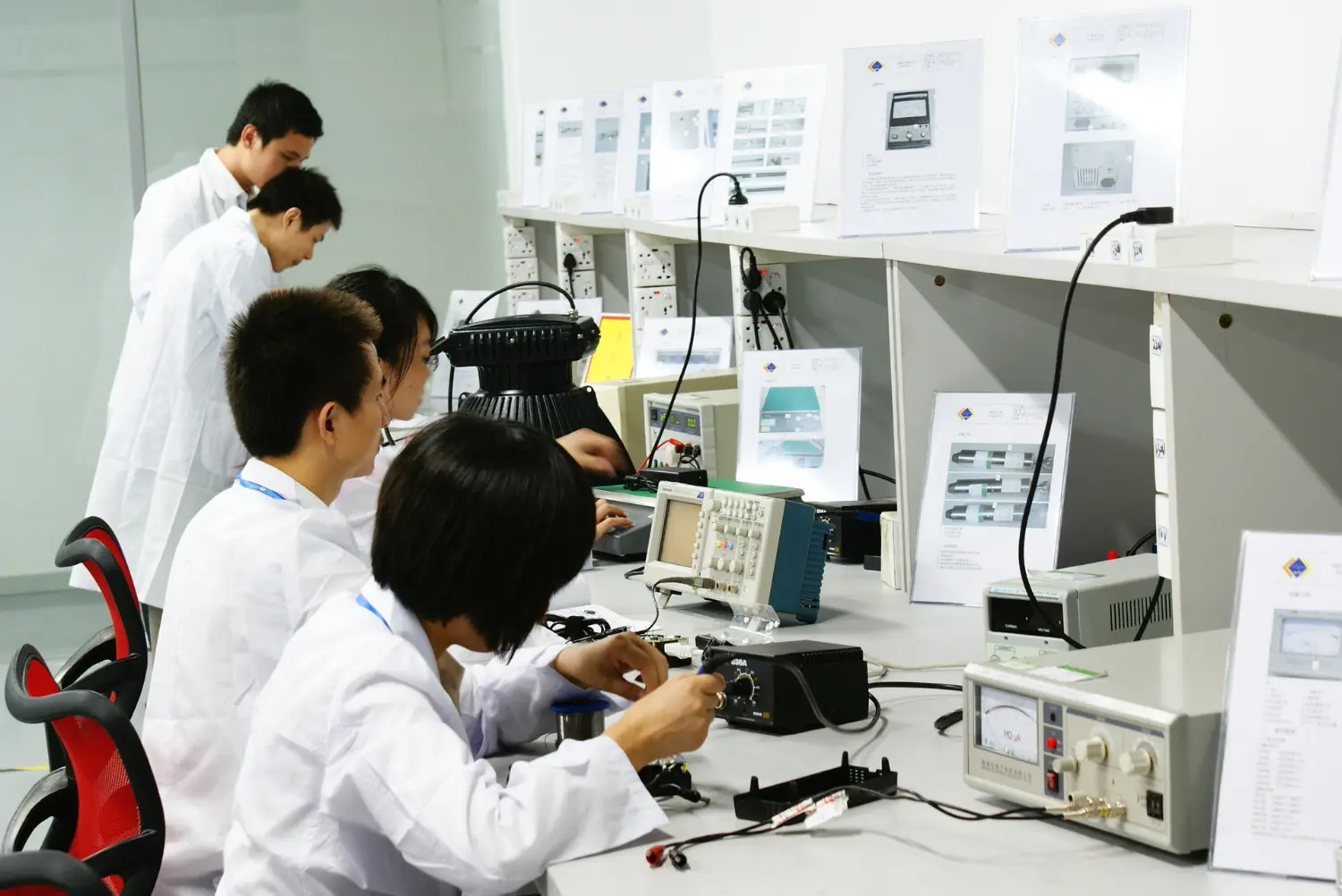
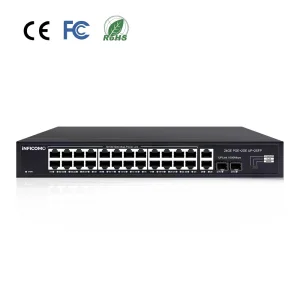
To achieve high performance and full compatibility with international networking hardware (e.g., Cisco, Juniper, Arista), Soras Technology maintains robust quality control procedures. The gallery below showcases our state-of-the-art facilities:
When purchasing high-speed 25G and 100G transceivers, global enterprise procurement teams must look past nominal unit costs. High-speed networking components operate within complex environments; thus, strict validation metrics are required to avoid catastrophic downtime.
While 25G and 100G modules currently represent the high-volume core of enterprise networks, the long-term trend points towards higher-bandwidth applications. Large-scale AI training infrastructures are driving the migration towards 400G and 800G optical transceivers using PAM4 technology.
Additionally, as copper traces between network chips and optical engines encounter physical limits, Silicon Photonics and Co-Packaged Optics (CPO) are emerging as the next frontiers. CPO integrates optical transceivers directly with switch silicon on a shared substrate, minimizing signal loss, improving latency, and dramatically lowering power consumption. Partnering with a manufacturer like Soras Technology, which continuously updates its production lines and keeps pace with these technological developments, ensures your infrastructure remains compatible with future hardware updates.
 Soras Tech