Explore our core range of high-reliability transceivers, active network switches, GPON ONUs, and media converters designed for global telecommunication infrastructure.
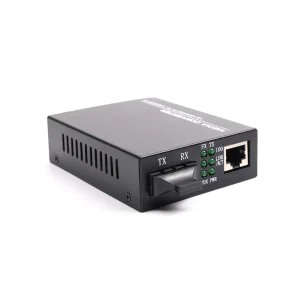
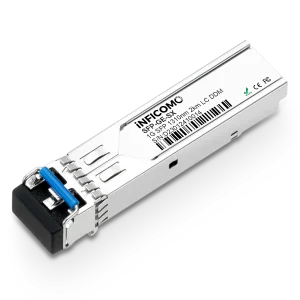
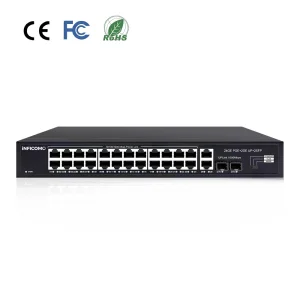
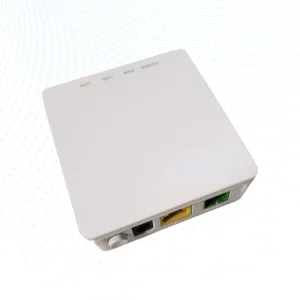
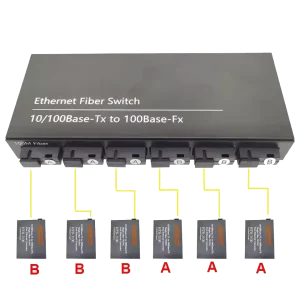
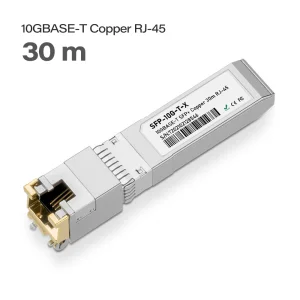
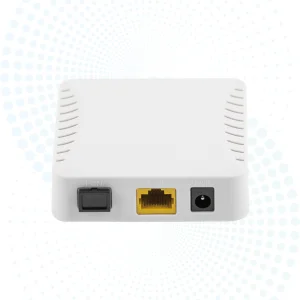
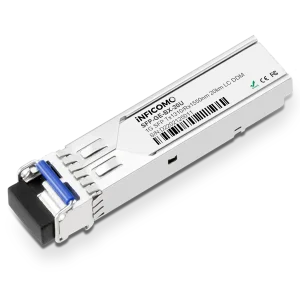
At Shenzhen Soras Technology Co., Ltd., we serve as a benchmark manufacturer and exporter of optical transmission equipment and high-performance network hardware. With our production facilities situated in Guangdong, China, we operate with a singular, customer-centric mission: to deliver premium-grade, exceptionally reliable, and high-value optical interconnect solutions to global telecommunication partners and enterprise system integrators.
By implementing robust quality management processes alongside continuous technological innovation, we successfully fulfill OEM and ODM requirements. We collaborate closely with top-tier telecommunications companies globally, delivering engineered solutions certified to strict international standards such as ISO 9001, UL, CE, FCC, and RoHS. From standard SFP transceivers to high-bandwidth QSFP modules, our product array is deployed across 60+ countries throughout North America, South America, Europe, and Asia.
Our core ethos—"superior quality, professional service, competitive price, integrity-based"—drives our production line validation, compatibility matrix certifications, and long-term research strategies. Partner with Soras Technology to empower your modern fiber optic network infrastructure.

Transparent business capabilities and structural data aligned with global supply chain verification requirements.
| Key Profile Parameter | Verified Operating Value | ||
|---|---|---|---|
| Business Entity Type | Manufacturer / Exporter / OEM Developer | Country / Region of Origin | Guangdong, China |
| Primary Product Output | FTTH ONU & OLT, SFP/QSFP Modules, Fiber Media Converters, PoE Switches | Active Personnel Count | 11 - 50 Professional Engineers & Technicians |
| Total Annual Revenues | US$5 Million - US$10 Million | Year Established | 2021 (Refined operations structure) |
| System Certifications | ISO 9001, CE, FCC, RoHS, UL Compliance | Primary Target Markets | Domestic (24%), East Asia (15%), North America (15%), South America & Europe |
How QSFP and optical network technology are scaling to meet the demands of global hyper-scale compute and telecom clusters.
The surge in artificial intelligence training models and cloud services demands non-blocking network fabrics. Standard 10G/25G architectures are rapidly transitioning to 100G, 400G, and 800G. The QSFP (Quad Small Form-factor Pluggable) architecture represents the cornerstone of this evolution, utilizing four independent transmit/receive channels to quadruple bandwidth compared to legacy SFP modules.
Energy efficiency is a primary driver in modern network engineering. Modern QSFP28 and QSFP-DD modules focus on reducing power consumption per gigabit of data transmitted. Advanced silicon photonics and high-efficiency laser drivers within our QSFP modules enable operators to slash power budgets, optimizing Total Cost of Ownership (TCO) across server halls.
Multi-Source Agreements (MSA) govern the mechanical, electrical, and thermal properties of optical transceivers. By strictly adhering to MSA specifications, our engineering team ensures that Soras QSFP modules exhibit absolute hardware compatibility and EEPROM programming compatibility with networking switches from Cisco, Juniper, Arista, and Huawei.
Inside the Soras Technology production ecosystem. Every transceiver, GPON unit, and media converter undergoes automated testing and environmental calibration.
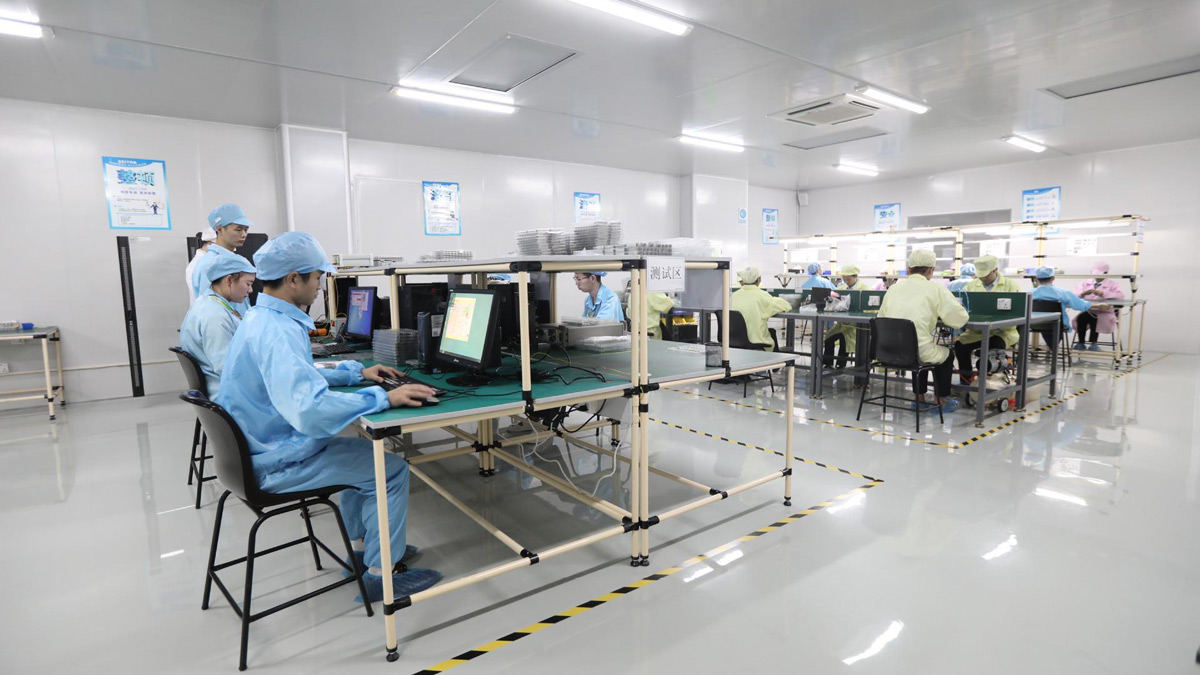

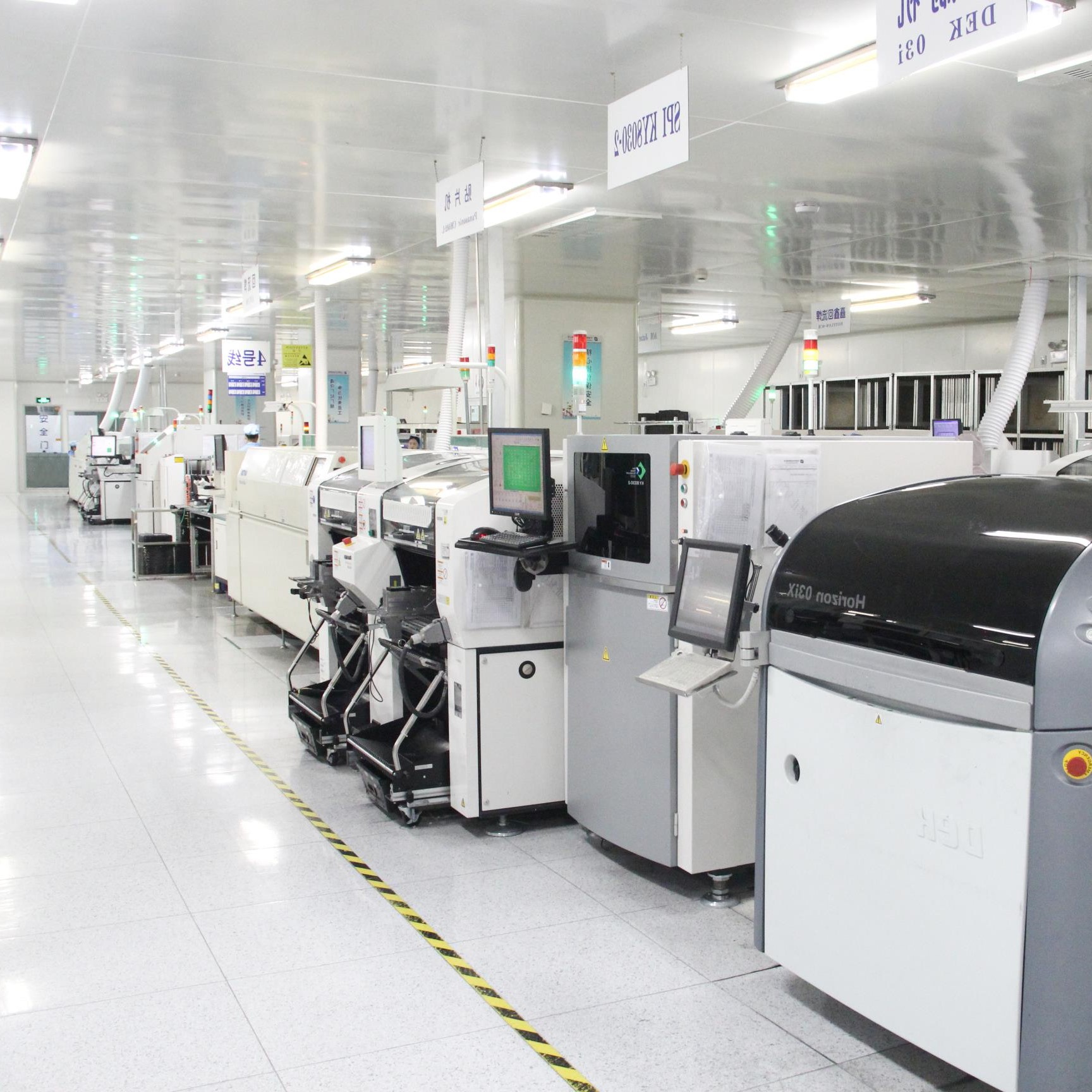
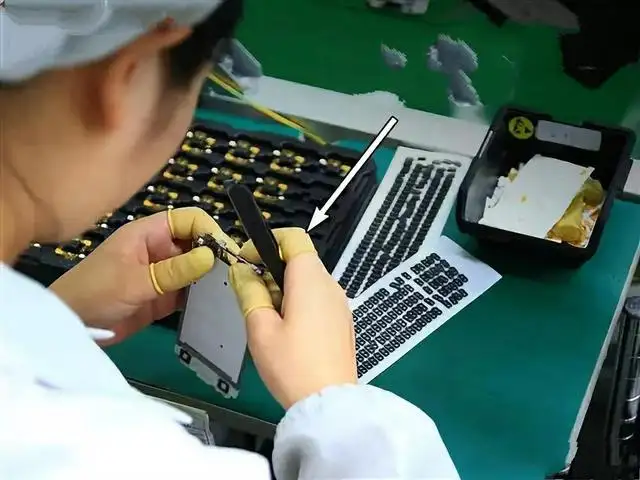
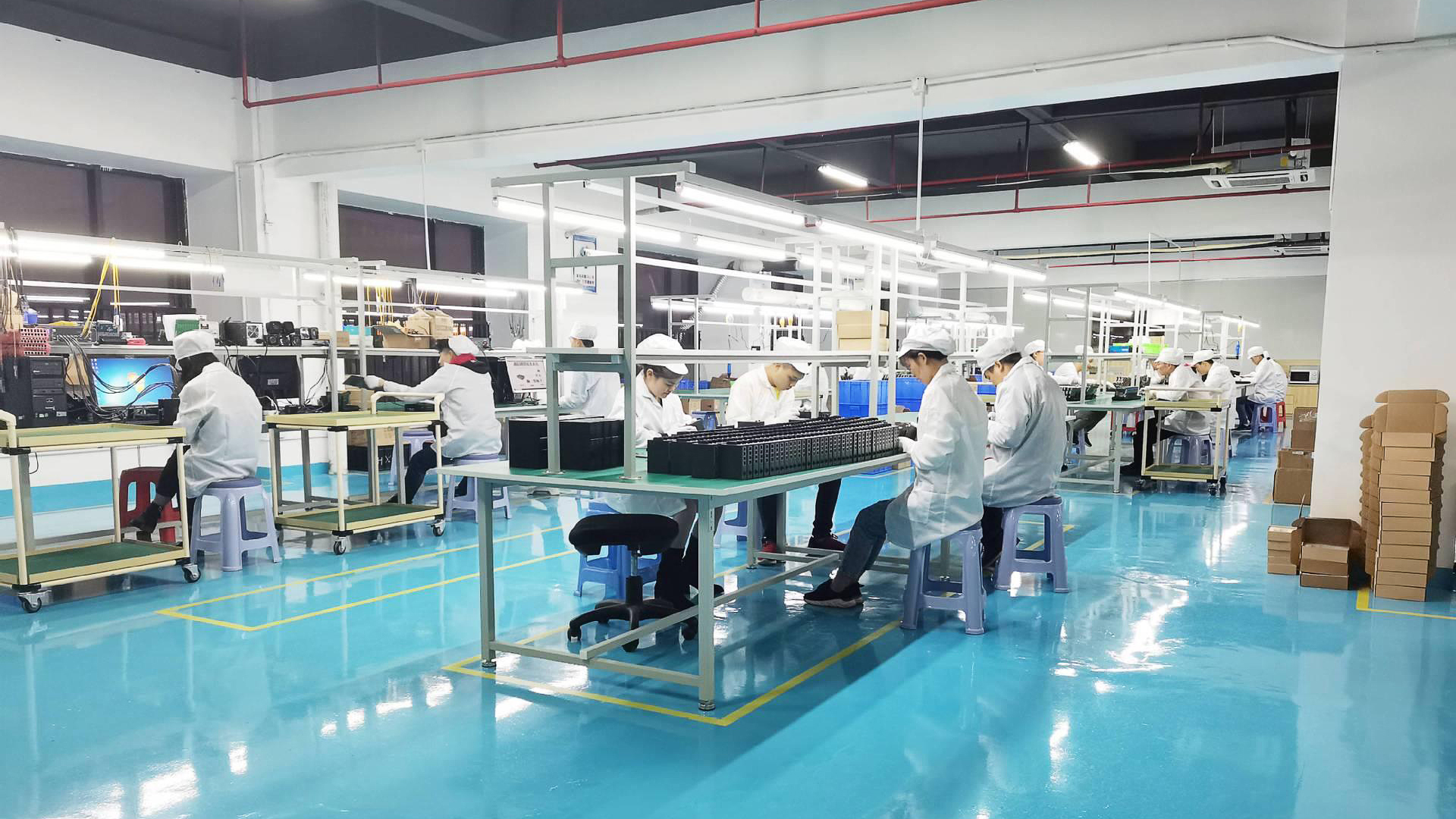

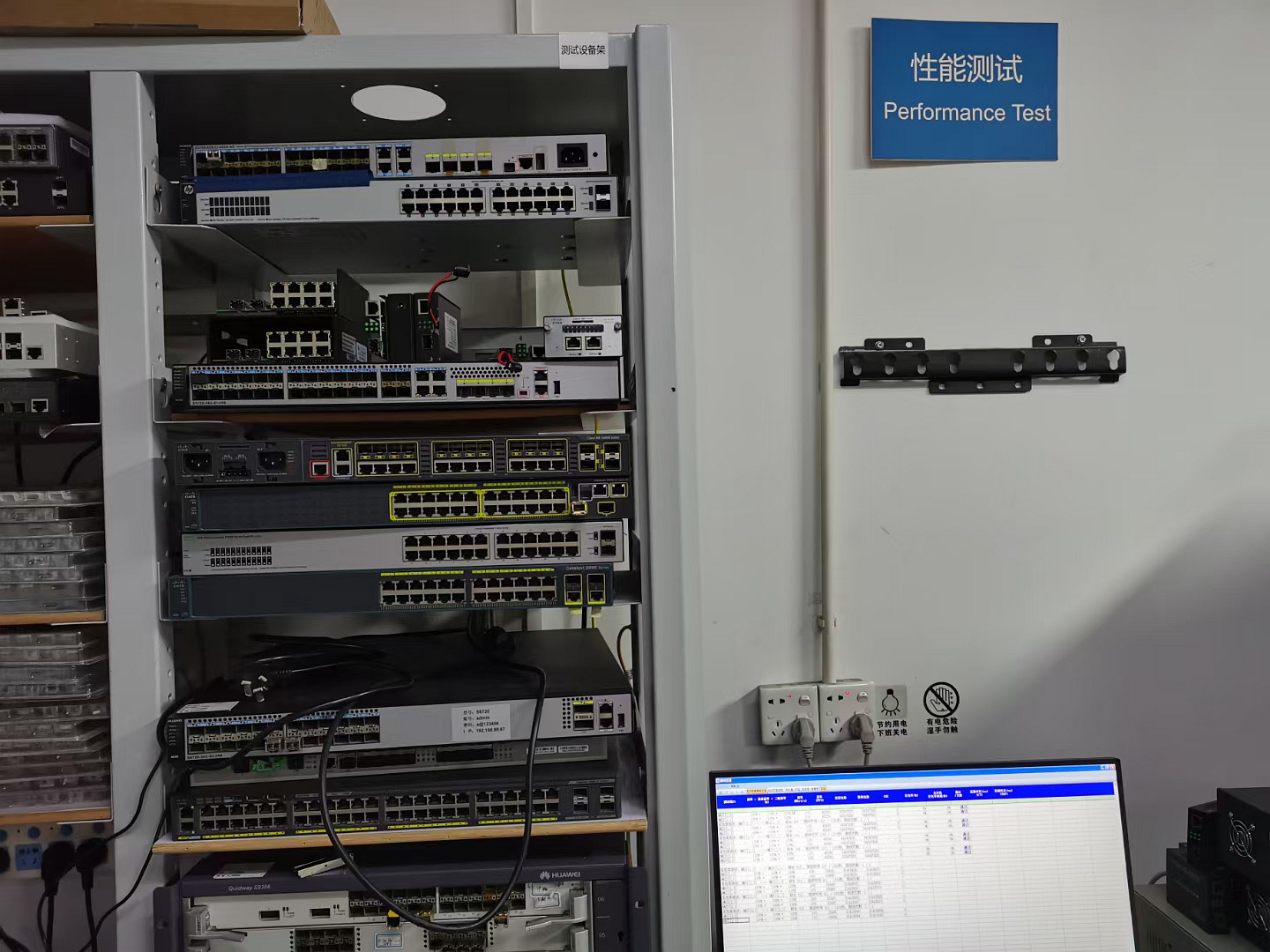
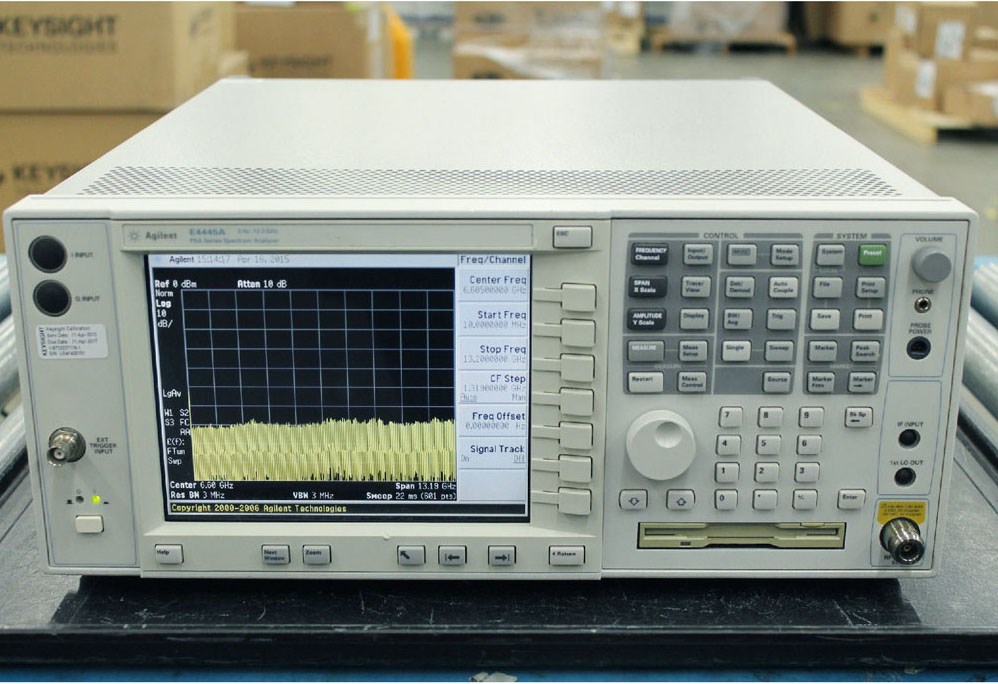
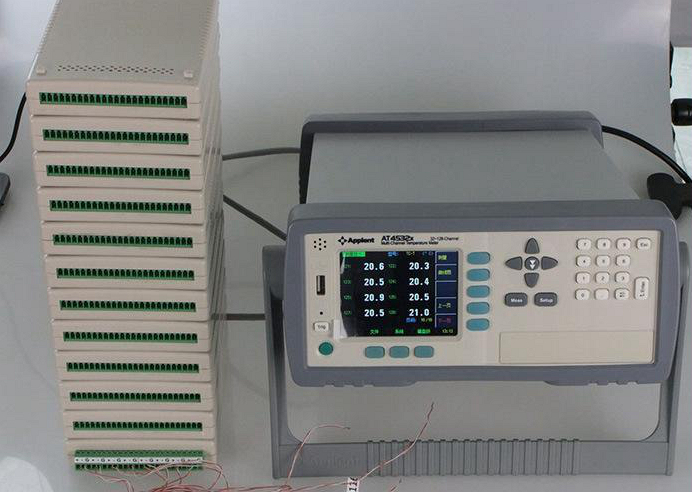
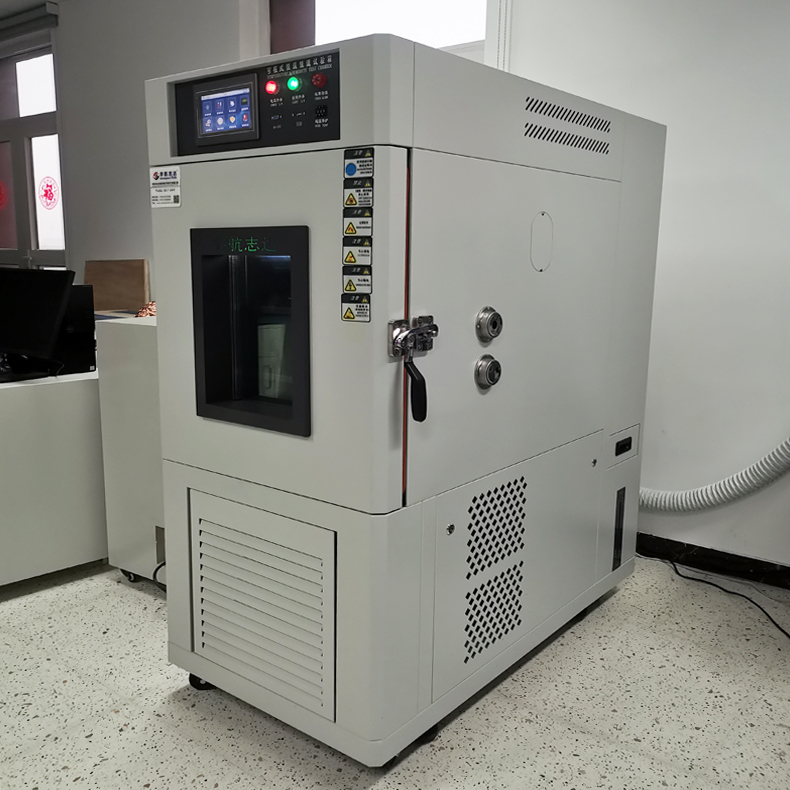
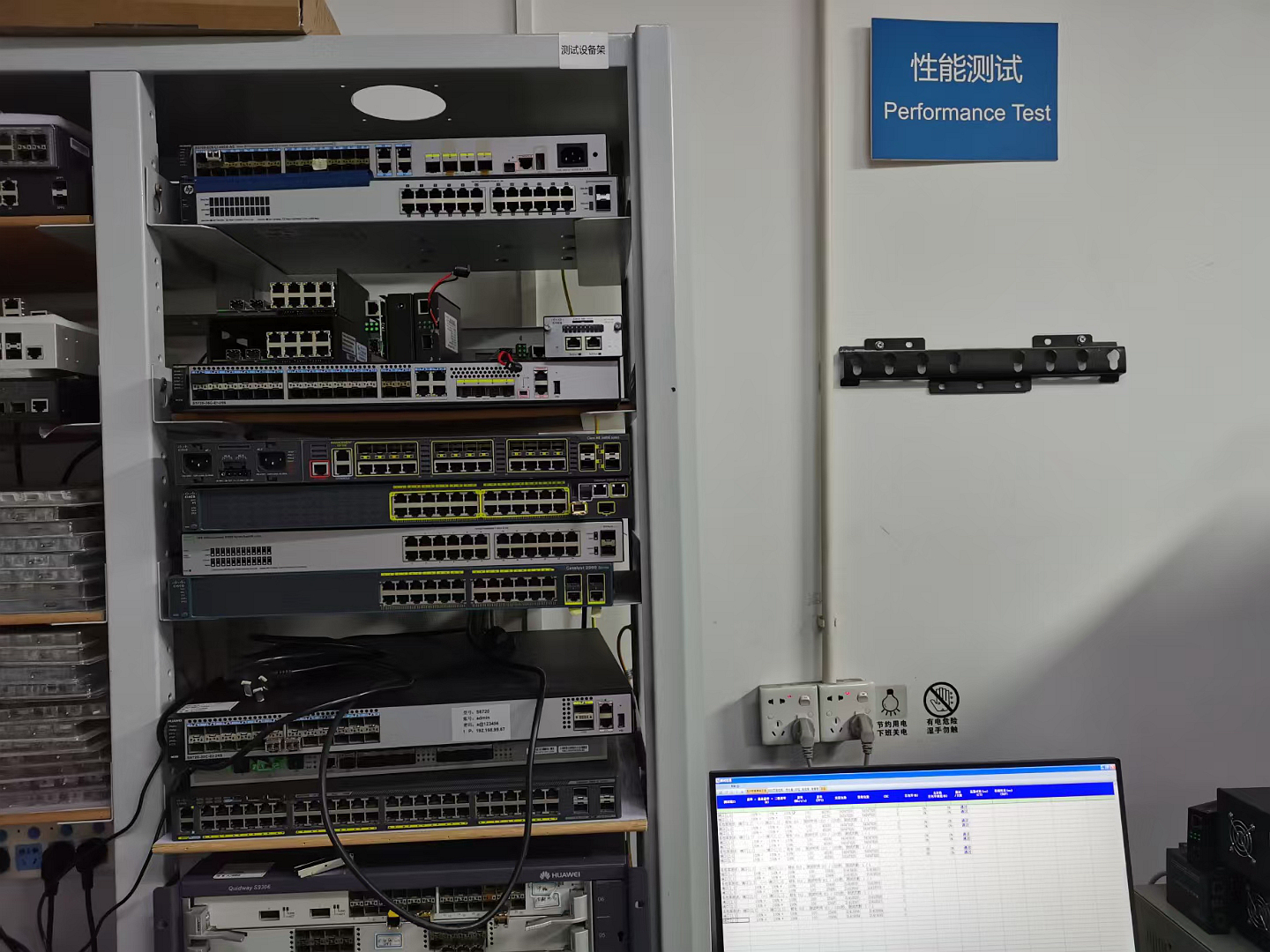
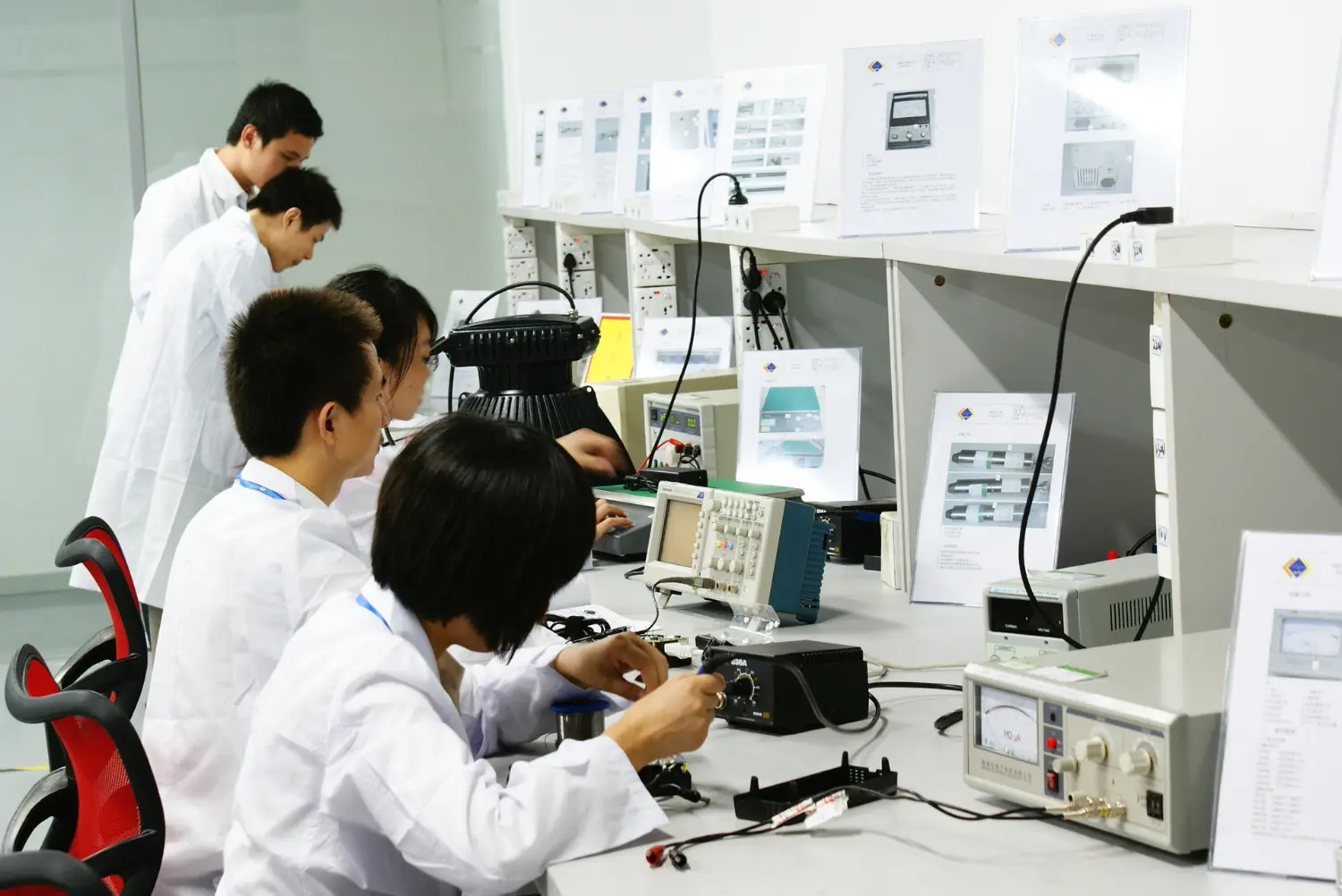
Our manufacturing process utilizes fully automated surface mount technology (SMT) to place ultra-miniaturized optoelectronic components on multilayer PCBs. This ensures minimal electrical noise and prevents signal distortion at high baud rates. Each optical module is then run through high-precision temperature calibration ovens (operating between -40°C and +85°C for industrial-grade specs) to characterize laser wavelength stability and receiver sensitivity across extreme thermal ranges.
Every batch is subjected to continuous Bit Error Rate (BER) monitoring and eye diagram analysis. The functional test station verifies standard DDM (Digital Diagnostic Monitoring) parameter reporting over I2C, guaranteeing real-time telemetry updates for switch management systems regarding voltage, current, laser power, and temperature parameters.
Soras Technology optical products provide robust connectivity across diverse commercial, enterprise, and industrial infrastructures.
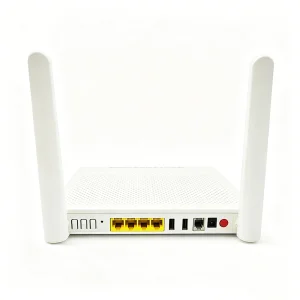
Our FTTH GPON ONUs (including HG8310M, HG8010, and XPON dual-band WiFi units) serve as the CPE (Customer Premises Equipment) for municipal fiber builds. Integrated optical transceivers maintain link margins up to 20km, offering high compatibility with GPON OLT switches to deliver gigabit broadband speeds directly to households.
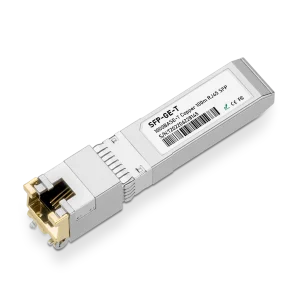
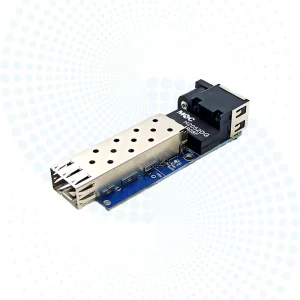
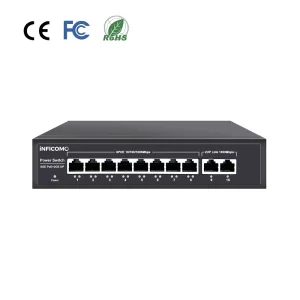
In commercial campuses, enterprise network switches require high-speed uplinks to aggregate traffic. Our managed and unmanaged PoE Switches with dedicated SFP ports interface directly with fiber backbones via copper transceivers, powering IP surveillance networks, wireless access points, and VoIP infrastructures.
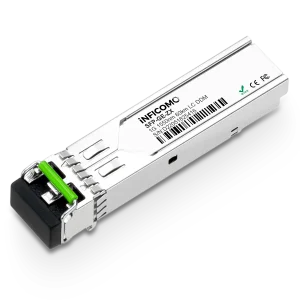
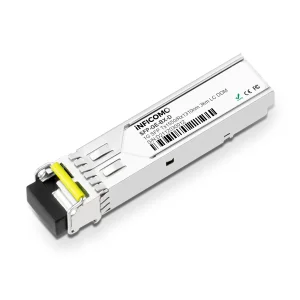
In industrial spaces where electromagnetic interference (EMI) degrades traditional copper links, Soras fiber media converters provide isolation and extended reach. Using robust single-mode BiDi SFP transceivers, industrial data routes are extended up to 60km, linking outlying facilities to centralized control centers.
Adhering to strict international standards to ensure deployment safety, sustainability, and cross-border regulatory alignment.
All Soras SFP and QSFP modules comply with CE and FCC electromagnetic compatibility (EMC) regulations. The internal circuitry is shielded against electromagnetic emissions, preventing interference with adjacent high-speed computing modules or wireless transmission arrays. This level of compliance is critical for deployment in dense multi-tenant data centers and metropolitan network hubs.
To address environmental responsibility and meet European regulatory imports, our entire component line is manufactured in lead-free processes, fulfilling Restriction of Hazardous Substances (RoHS) directives. This guarantees that no toxic substances—such as lead, mercury, or cadmium—are introduced during assembly, ensuring clean disposal and recycling pathways.
Mapping the transition from current standards to 800G, 1.6T, and next-generation packaging architectures.
Moving beyond NRZ (Non-Return-to-Zero), modern optical architectures leverage PAM4 (Pulse Amplitude Modulation 4-Level) to transmit two bits per symbol. Our upcoming high-bandwidth transceivers utilize PAM4 DSP chips to achieve 50G and 100G transmission rates per lane, paving the way for cost-effective 400G and 800G modules without scaling fiber counts.
To overcome electrical signal loss on PCBs between the switch ASIC and pluggable modules, Co-Packaged Optics (CPO) integration is emerging. CPO merges optical components and switch ASICs onto a single substrate, reducing power consumption and increasing port density for ultra-large computing environments.
Silicon photonics integrates laser sources, modulators, and photodetectors onto silicon chips. By combining traditional semiconductor manufacturing with optics, silicon photonics simplifies optical sub-assembly (OSA), lowering overall manufacturing costs and improving thermal efficiency at high rates.
Detailed technical answers to common questions asked by network engineers, procurement teams, and IT professionals.
Discover additional active and passive components supporting end-to-end optical and copper connectivity.
 Soras Tech