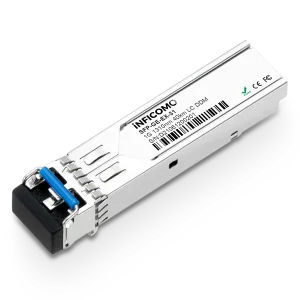
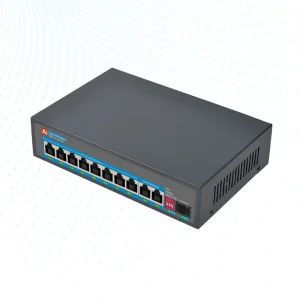
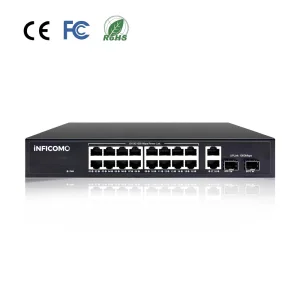
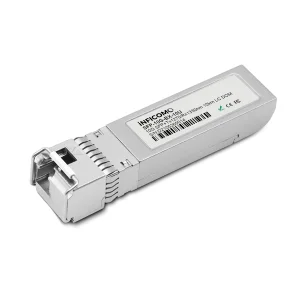
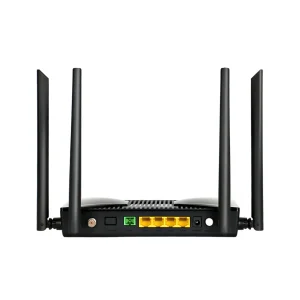
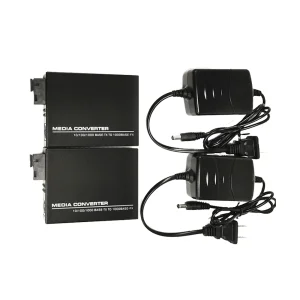
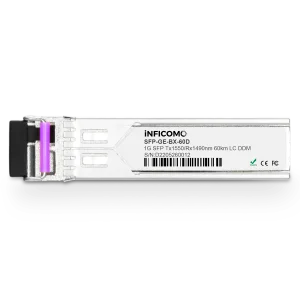
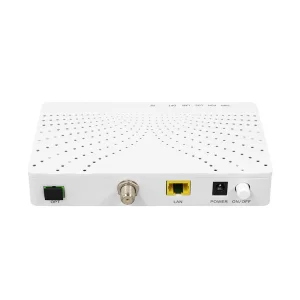
Explore our state-of-the-art optical transceivers, PoE switches, and FTTH ONU devices designed for next-generation telecommunication infrastructures.

Understanding structural engineering requirements, material integrity, and operational compatibility for large-scale FTTH and Datacenter rollouts.
As optical communication systems evolve toward higher density, the humble fiber splice tray has transitioned from a basic wire organizer into a highly engineered hardware component. Operating at the core of Optical Distribution Frames (ODFs), fiber patch panels, splice closures, and cabinet distribution points, a high-performance fiber splice tray is paramount to ensuring network stability and minimizing optical insertion losses.
For procurement officers in multinational telecommunication corporations, Tier-1 system integrators, and infrastructure developers, selecting the ideal supplier involves far more than comparing basic unit prices. E-E-A-T (Experience, Expertise, Authoritativeness, and Trustworthiness) standards demand that the hardware can withstand critical environmental exposures while maintaining precise geometric tolerances over a operational lifespan exceeding 25 years.
Fiber splice trays must conform to international regulations including Telcordia GR-769-CORE (Generic Requirements for Splice Organizer Assemblies), ITU-T G.652/G.657 guidelines for bend-insensitive single-mode fibers, and RoHS/REACH environmental compliance.
Shenzhen Soras Technology Co., Ltd. addresses these global demands by deploying advanced manufacturing principles, utilizing raw engineering-grade polymers (such as premium flame-retardant ABS and Polycarbonate blends), and incorporating rigorous optical simulation tests to protect fragile fusion splices from macrobending and microbending attenuation.

Optimized slot dimensions allow for compact containment of heat-shrinkable protective sleeves. Specialized routing paths ensure a bend radius of R ≥ 30mm is strictly preserved across all fiber entry and exit vectors, avoiding attenuation anomalies.
Manufactured using UL 94-V0 rated flame-retardant ABS or engineering Polycarbonate. Highly resistant to chemical degradation, UV exposure, and mechanical impacts, guaranteeing long-term durability in outdoor enclosure environments.
Modular architectures support easy stacking and hinge integrations. Designed to interface seamlessly with international cabinet architectures, rack-mounted optical distribution frames, and complex FTTX optical boxes.
How high-capacity optical transmission infrastructure adapts to the demands of smart networks, 5G backhaul, and high-density datacenters.
In massive Fiber-To-The-Home (FTTH) rollouts, installations demand high speed and minimal error margins. Fiber splice trays utilizing pre-engineered routing geometries allow field technicians to quickly lay, secure, and splice fibers. By utilizing modular tray stacking solutions, operators can scale up passive distribution nodes incrementally as customer penetration increases, without incurring massive upfront overheads.
Modern hyperscale datacenters deploy thousands of high-core-count cables, requiring meticulous fiber management. Interconnect architectures must minimize insertion losses at all costs. Advanced splice trays feature ultra-flat profiles and precise micro-management zones, permitting hundreds of splices in 1U/2U rack spaces without placing unnecessary mechanical tension on the individual fiber strands.
Looking toward the 2026-2030 technology window, optical networks are migrating toward intelligent, self-diagnosing structures. Future fiber splice tray iterations are integrating passive RFID tags and micro-optical sensors to trace line health dynamically. This transition allows remote NOC operators to identify splice failures or micro-bend issues down to the specific physical tray level, minimizing Mean Time to Repair (MTTR) dramatically.
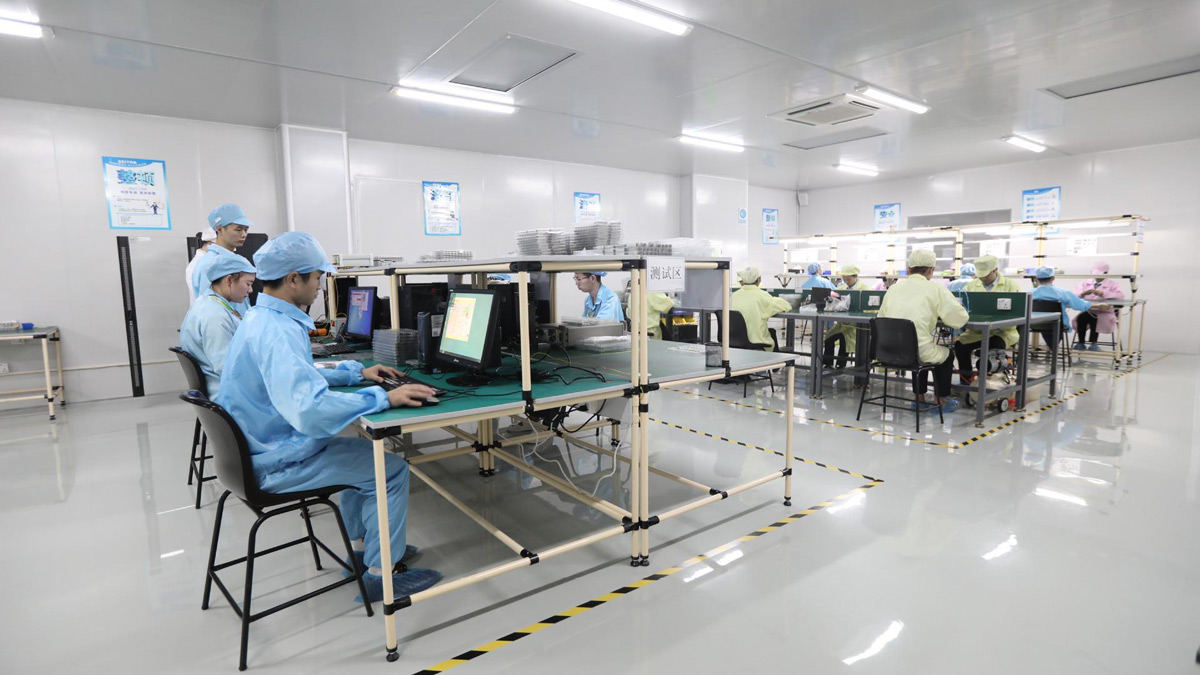
When selecting a reliable Chinese OEM/ODM partner for fiber splice trays, procurement and technical leaders evaluate specific mechanical, material, and geometric metrics to secure optical network longevity.
An authoritative, certified manufacturer of high-end optical transmission hardware with a decade of engineering excellence.
With more than 10 years of R&D and manufacturing experience, Shenzhen Soras Technology Co., Ltd. has established itself as an industry leader. Committed to providing premium, cost-effective, and high-value optical network solutions, the company operates state-of-the-art production environments in Guangdong, China. Soras Technology works closely with top-tier telecom companies globally, accepting ODM/OEM orders customized to specific regional standards.
| Official Corporate Profile & Capabilities | |||
|---|---|---|---|
| Business Type: | Manufacturer / Exporter | Country / Region: | Guangdong, China |
| Main Products: | FTTH ONU & OLT, SFP Module, Fiber Media Converter, PoE Switch, Fiber Optic Accessories | Total Employees: | 11 - 50 People (High-yield technical core) |
| Total Annual Revenue: | US$5 Million - US$10 Million | Year Established: | 2021 |
| Quality Certifications: | ISO 9001, UL, CE, FCC, ROHS | Main Markets: | Domestic Market (24%), Eastern Asia (15%), North America (15%), Europe, South America |
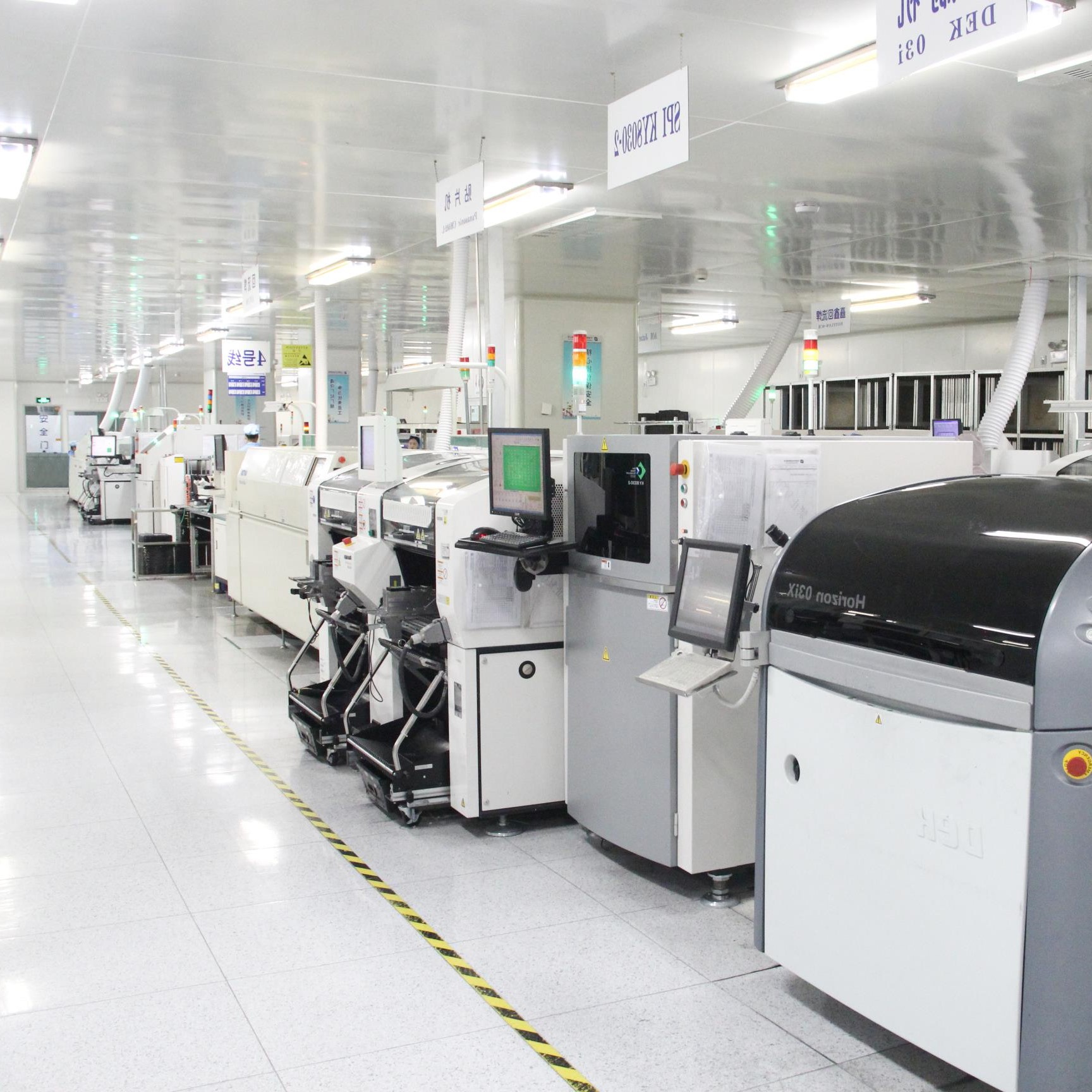
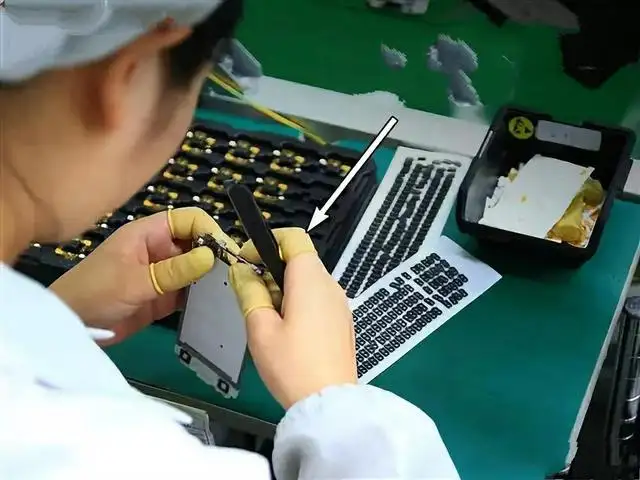
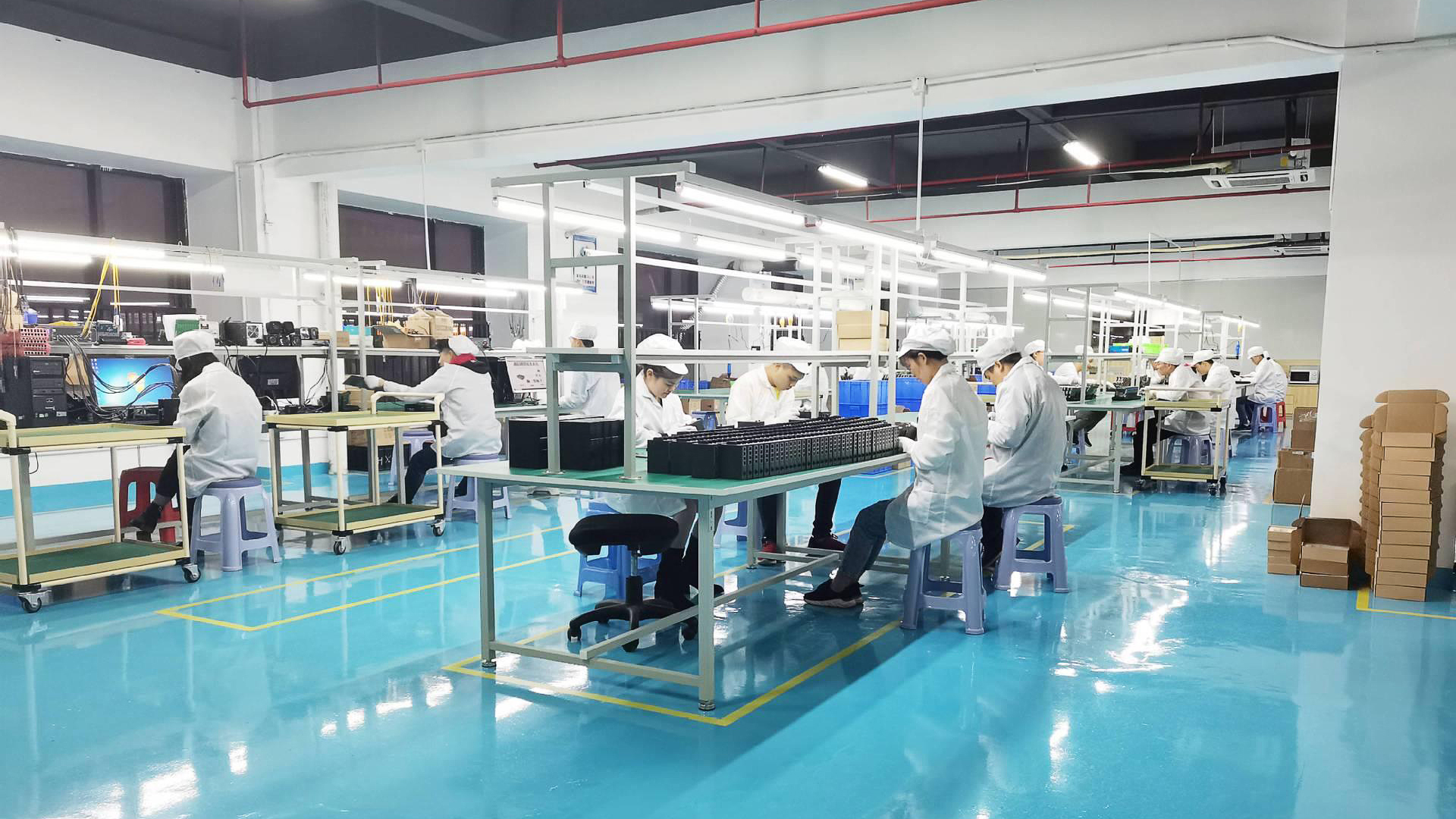
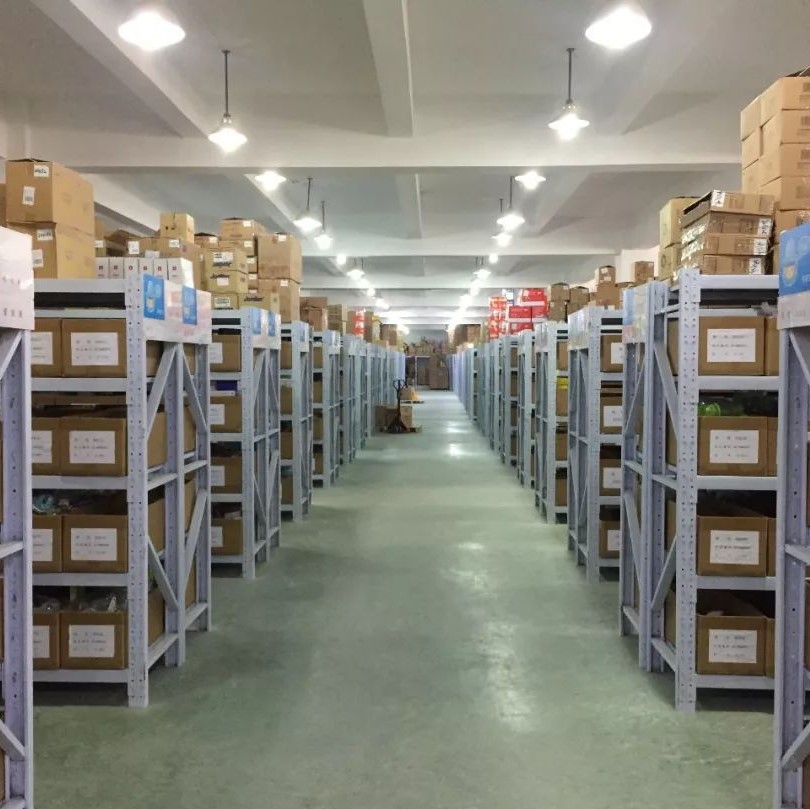
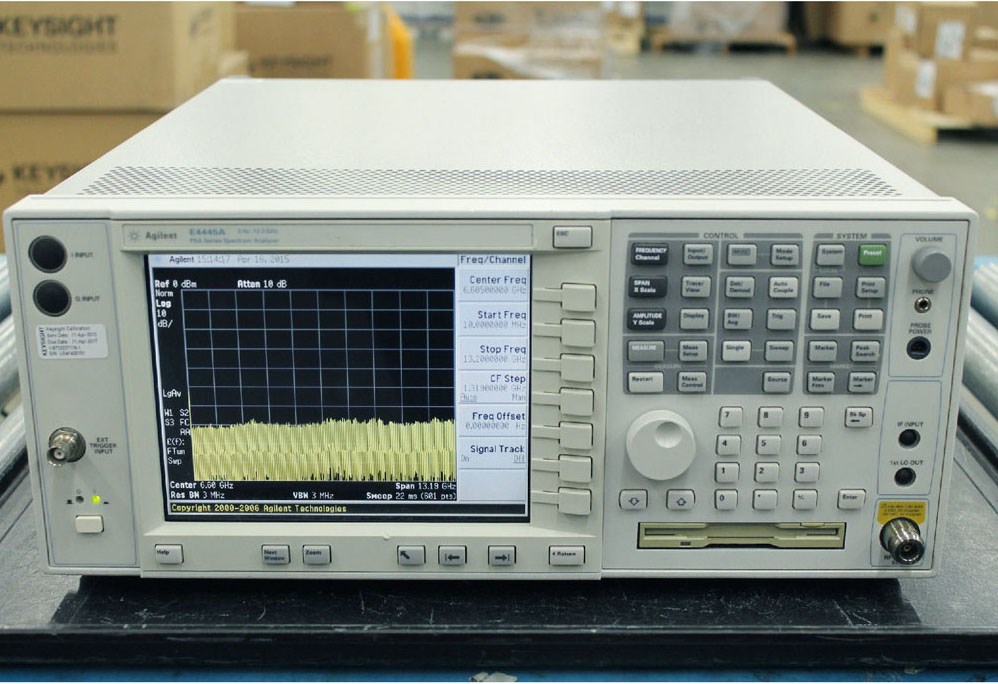
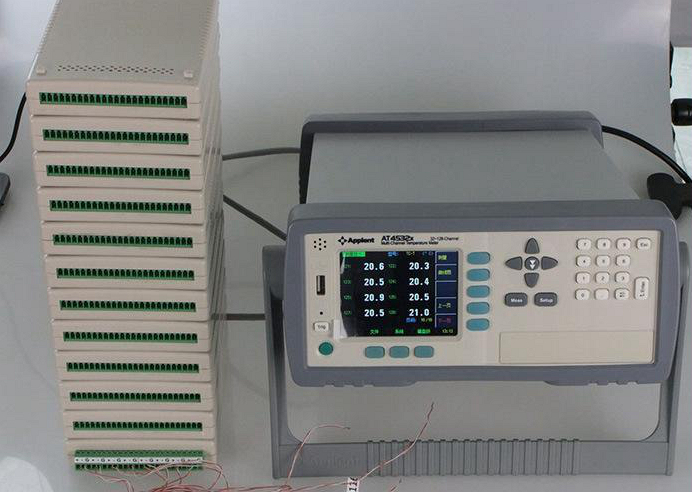
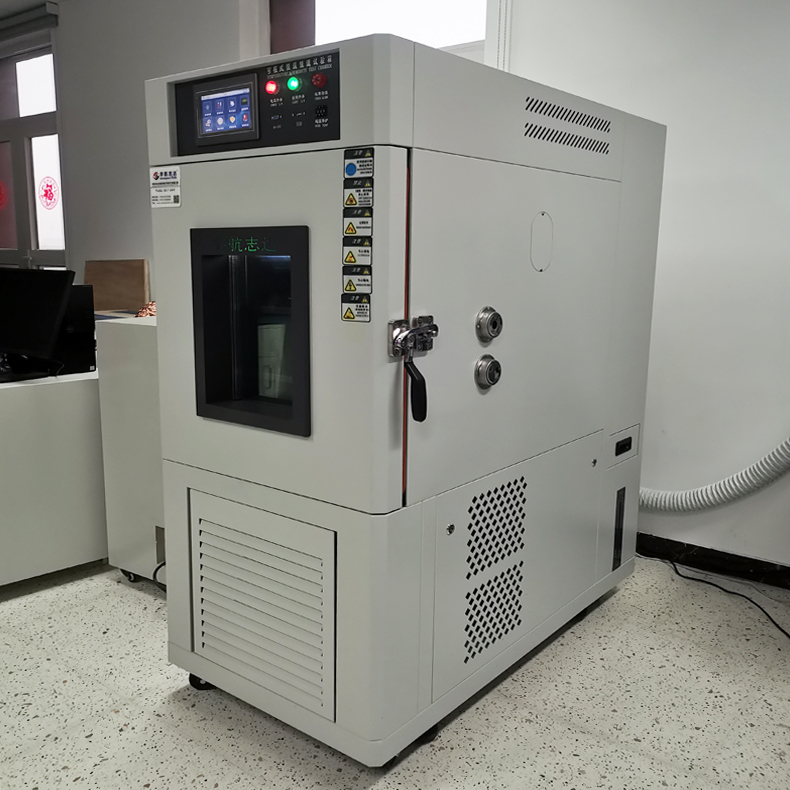
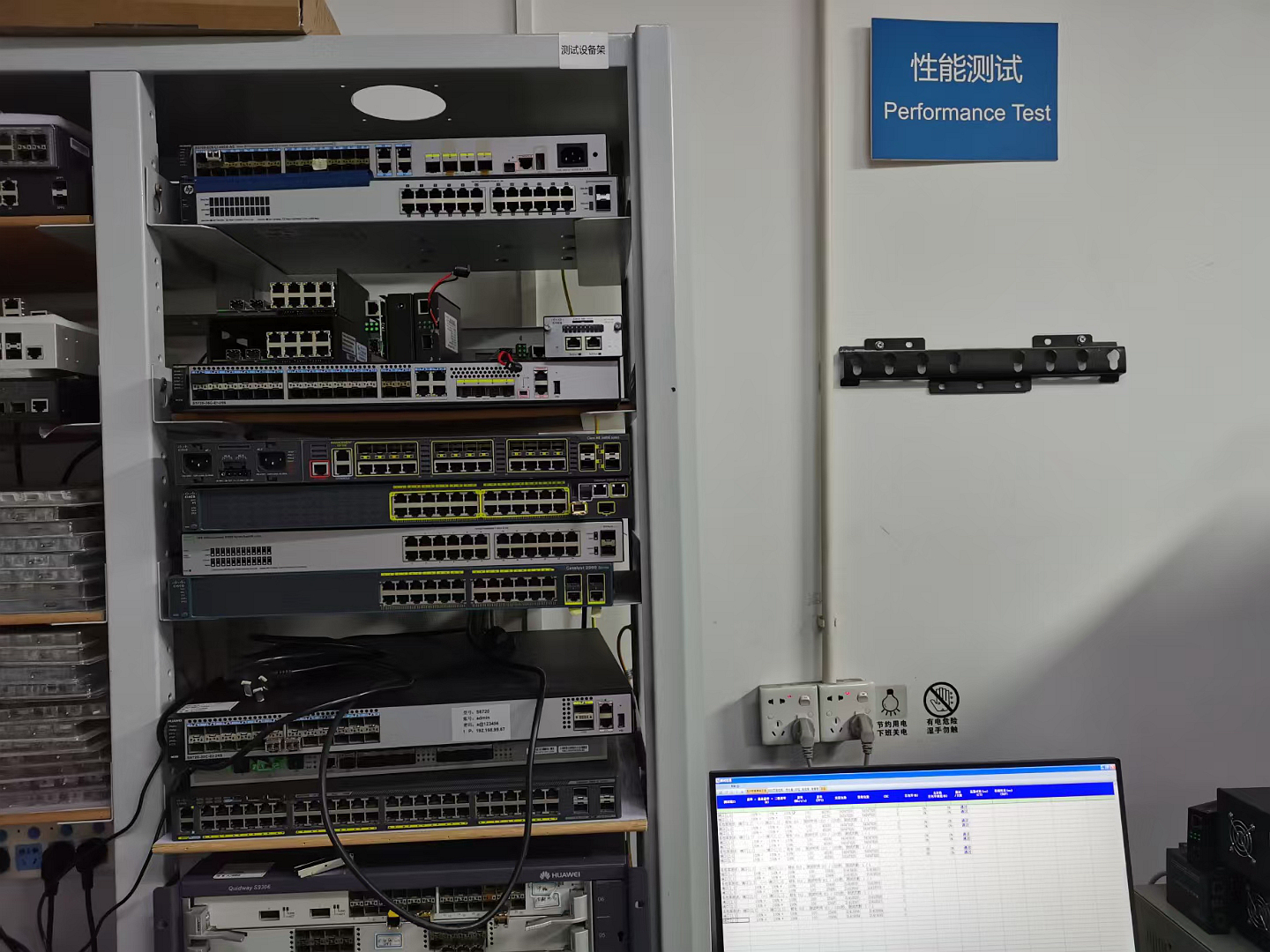
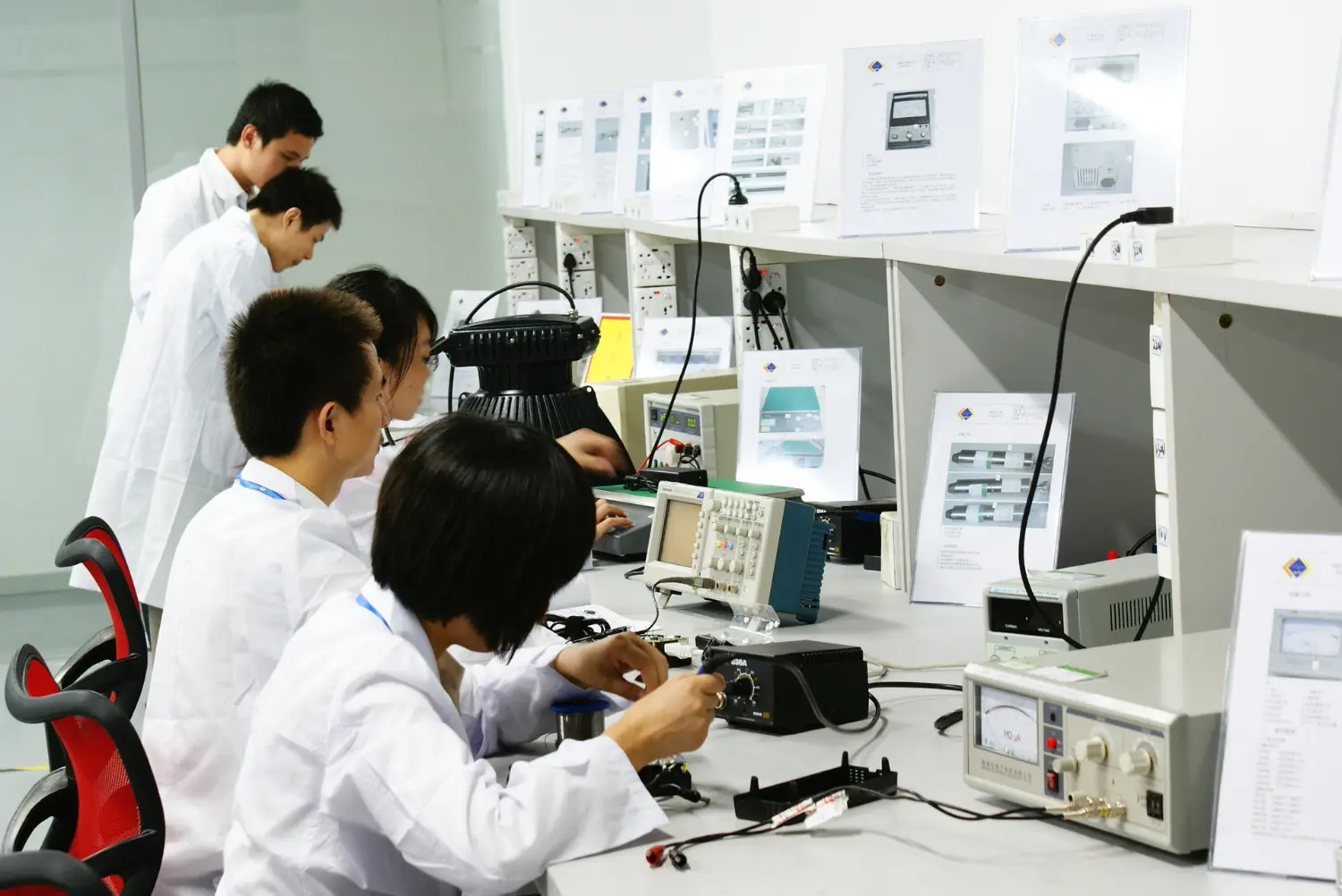
Step inside our testing and assembly facilities, showcasing how advanced engineering translates to reliable telecommunication products.
Our ISO 9001 certified manufacturing plant is equipped with precision machinery designed to perform surface-mount technology (SMT), cleanroom optical component assembly, high-to-low temperature threshold testing, and advanced wireless performance diagnostics.


Providing technical answers based on global telecom standards to guide your system design and procurement choices.
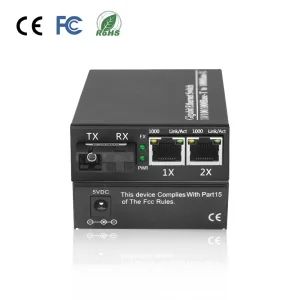
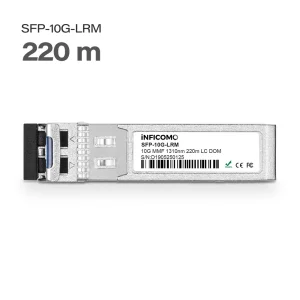
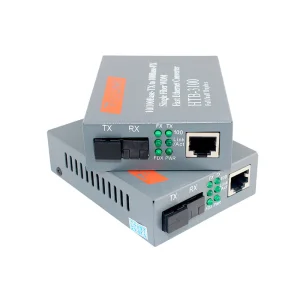
Explore additional network components including high-bandwidth SFP modules, media converters, and ONT nodes to complete your fiber architecture.
 Soras Tech