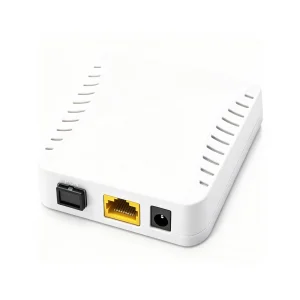
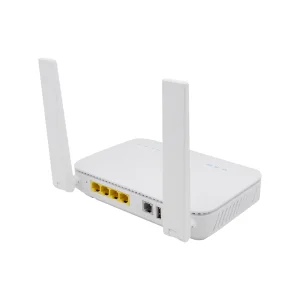
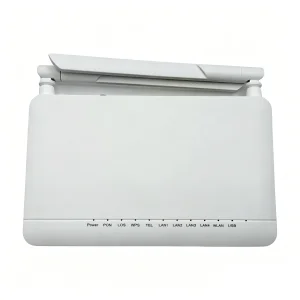
In modern optical and electrical network topologies, the role of a reliable **cable tester** and associated network diagnostic instruments has evolved from basic physical link-continuity checkers to multi-layer network performance testers. With the rapid deployment of 5G, gigabit FTTH (Fiber-to-the-Home), and massive data centers, network technicians require advanced solutions to identify losses, characterize cables, and diagnose complex transceiver impairments.
Historically, copper network setups relied on basic digital wiremap testers to isolate open circuits, short circuits, cross-overs, or split pairs. However, as speed requirements scaled from 100 Mbps to 10 Gbps and beyond, electromagnetic interference (EMI), attenuation, and near-end crosstalk (NEXT) required precise RF signal analysis. Today's commercial-grade network cable testers measure channel bandwidth compatibility up to Cat8 standards, while modern optical transceivers and media converters demand deep diagnostic tools that analyze optical power, insertion loss, and back-reflection.
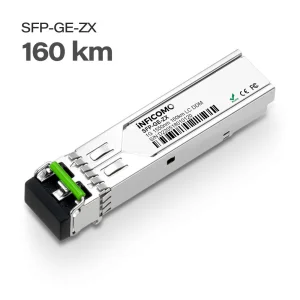
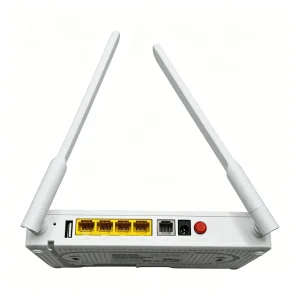
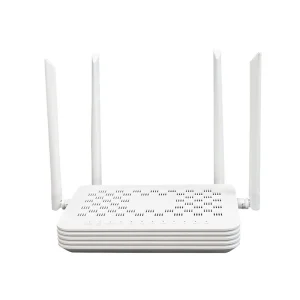
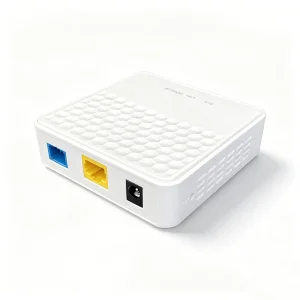
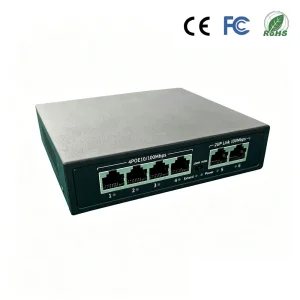
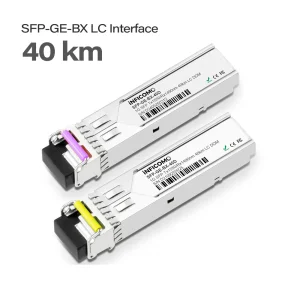
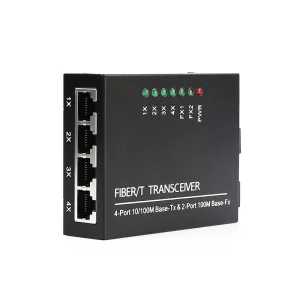
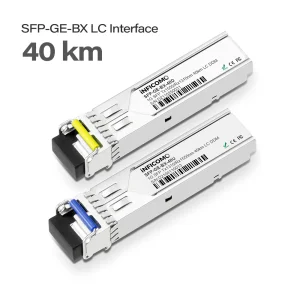
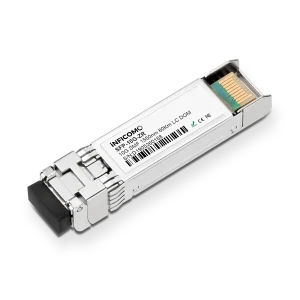
For network equipment providers, the testing phase is not limited to post-installation validation. During factory assembly, products such as **SFP modules**, **XPON ONUs**, and **media converters** must undergo stringent functional stress testing. Hardware testers simulate long-distance transmission limits—such as testing 1.25G BiDi modules across 40km or 10G SFP+ modules across 80km—to ensure optical output margins and error-free bit rate ratios (BER).
Large-scale telecommunication companies, public sector network builders, and industrial system integrators maintain strict procurement standards. These organizations demand more than competitive pricing; they require guaranteed compatibility, long-term product lifecycle support, and international standardization compliance.
During the procurement lifecycle, buyers evaluate the following key parameters:
Shenzhen, Guangdong sits at the center of the global optical communication ecosystem. China’s Factory 4.0 evolution combines automation, component supply chain depth, and rigorous QA engineering. This integration helps manufacturers like **Shenzhen Soras Technology Co., Ltd.** deliver telecommunication hardware that balances cost-efficiency with high-spec performance.
Unlike simple assembly operations, advanced electronics factories control the entire production pipeline. This control begins on the Surface Mount Technology (SMT) line, where high-speed placement machines mount processors, physical layers (PHYs), and optical sub-assemblies (OSA) onto multi-layer PCBs. Automated optical inspection (AOI) then validates solder integrity before units progress to assembly and calibration.
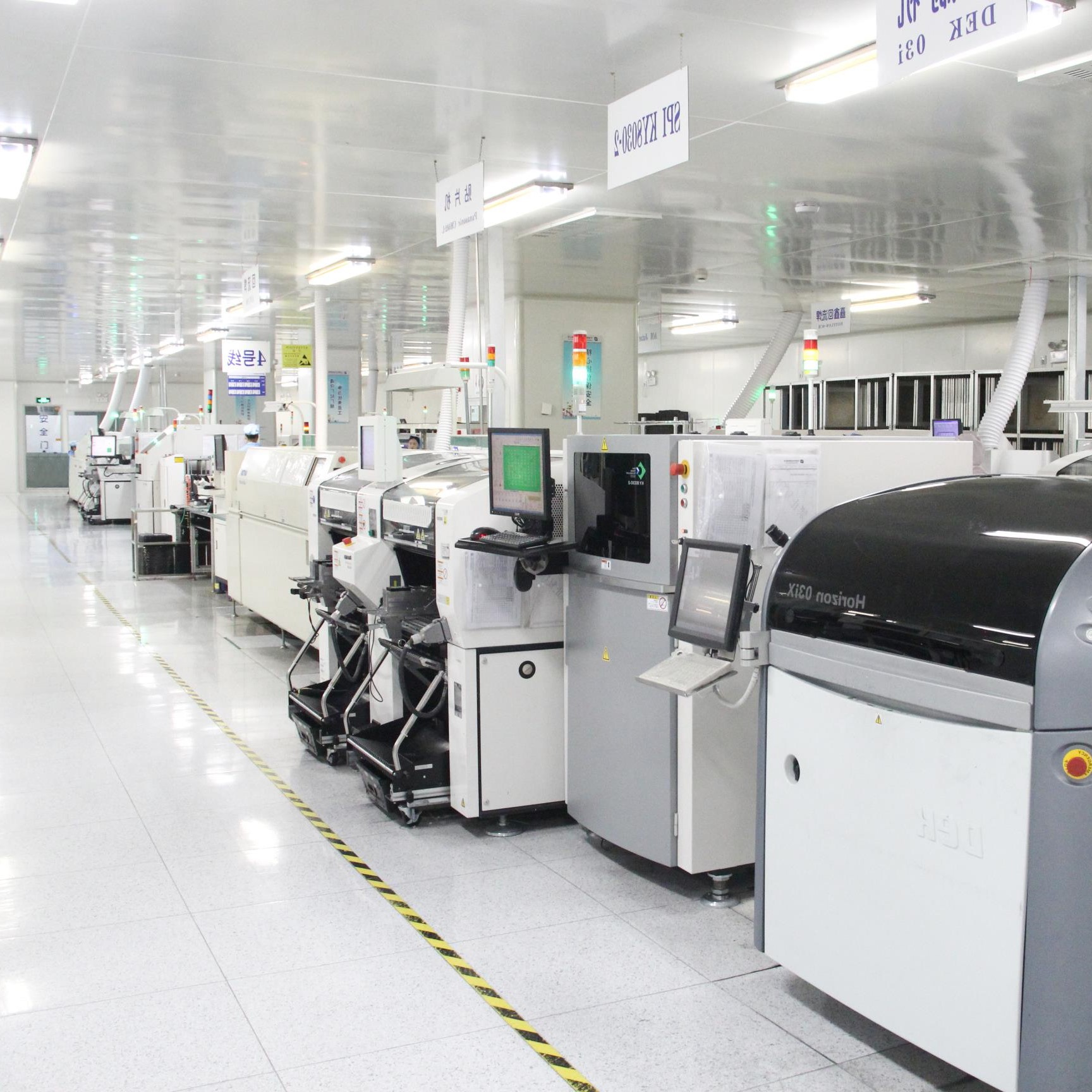
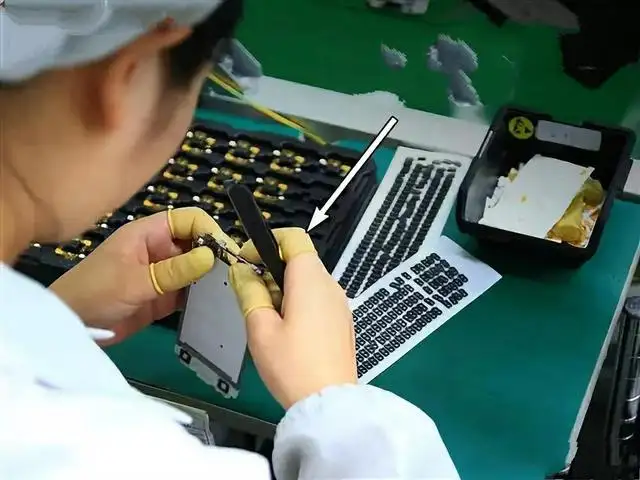
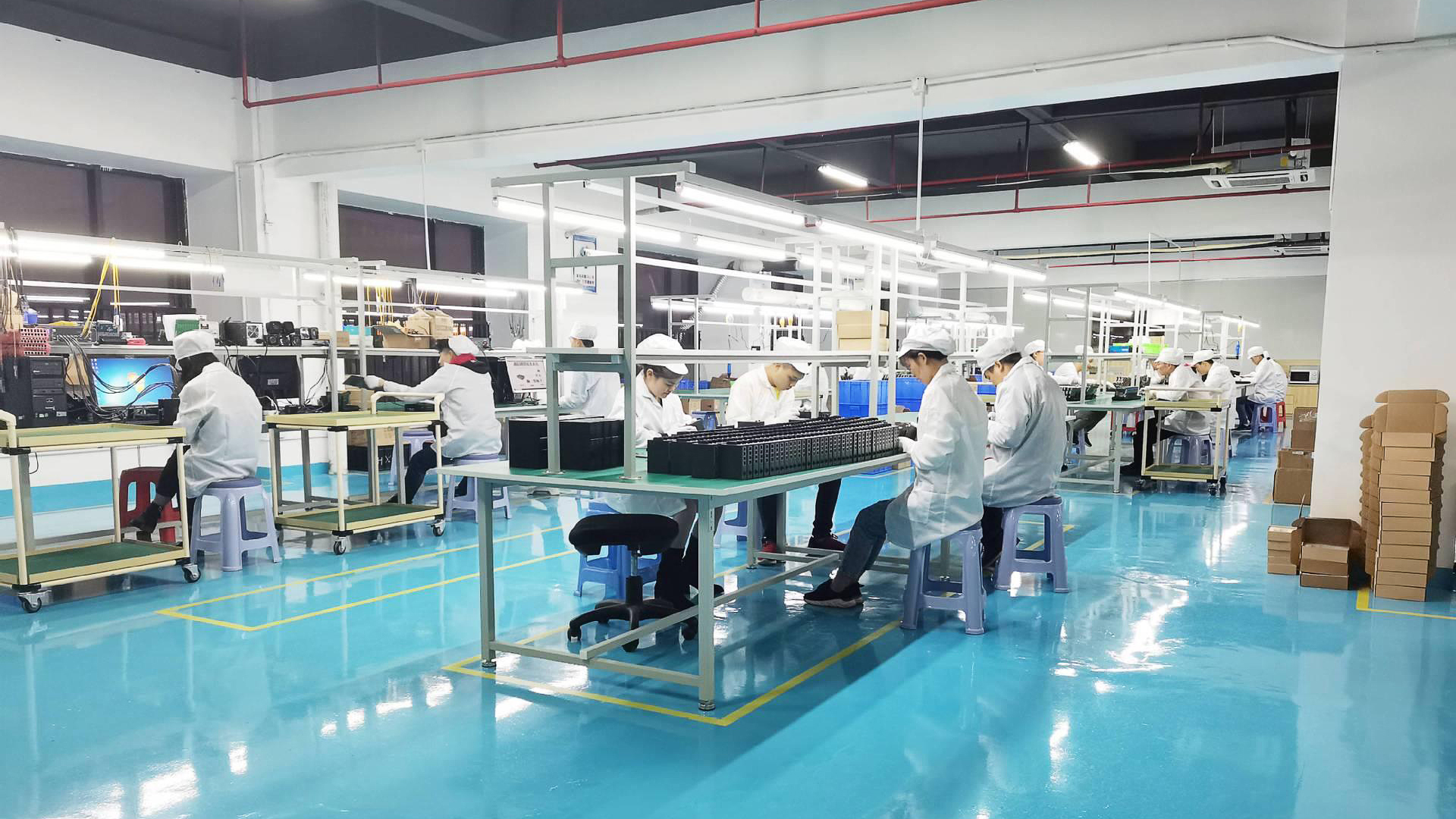
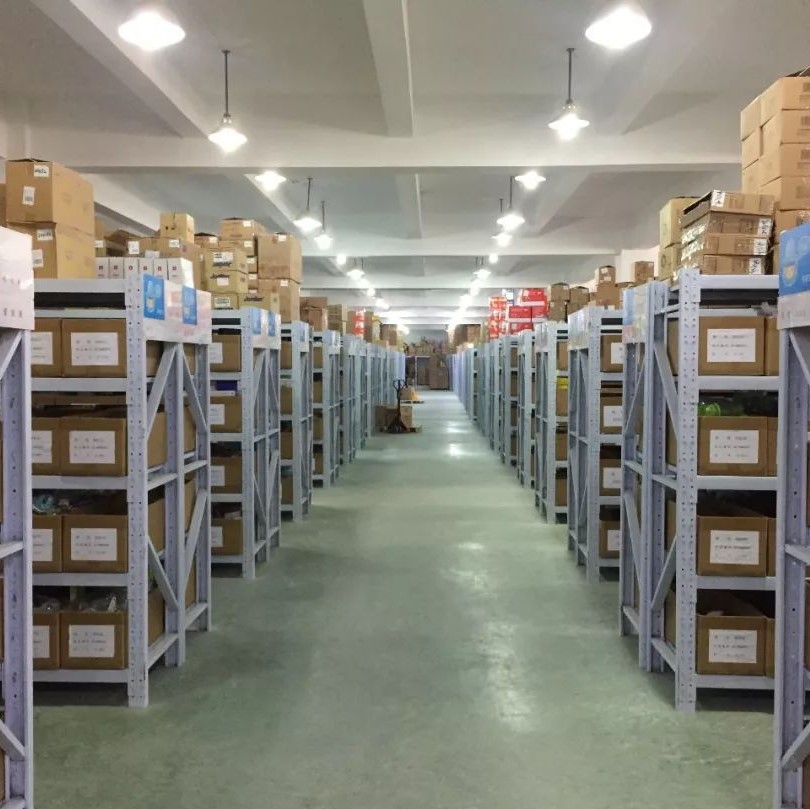
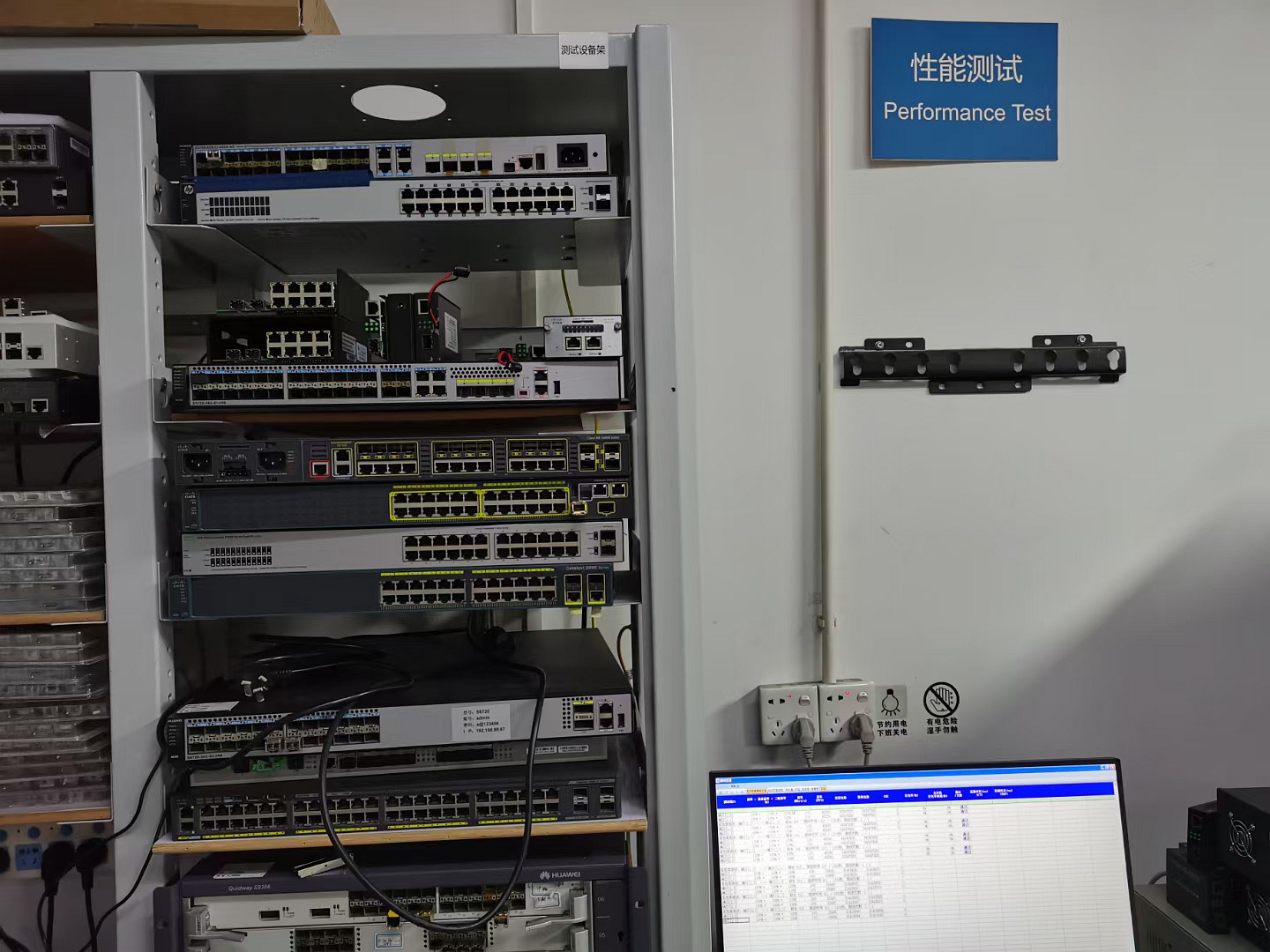
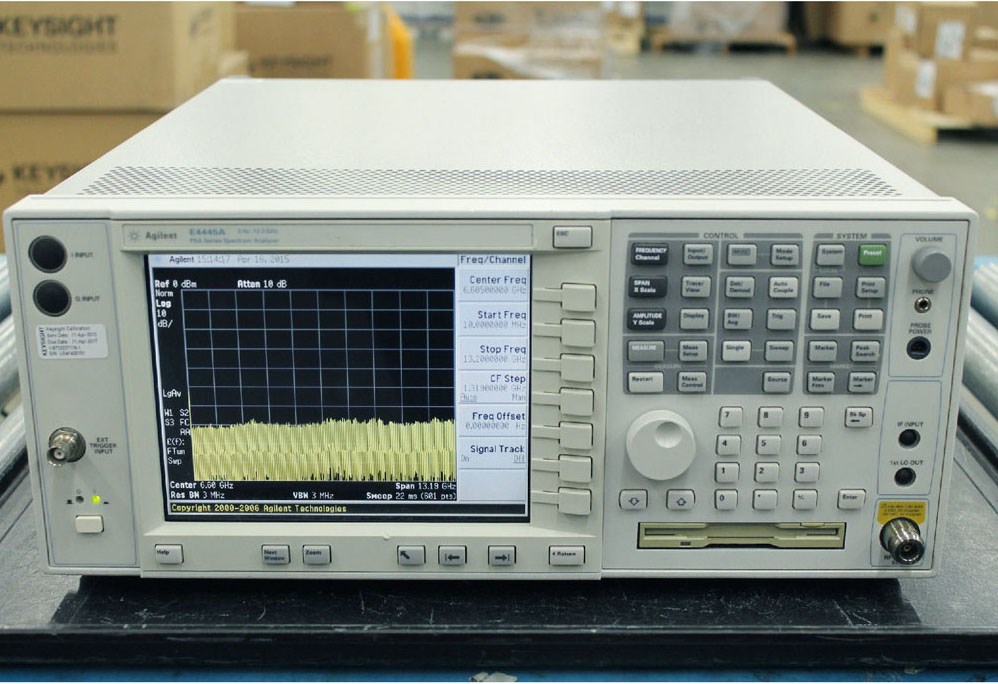
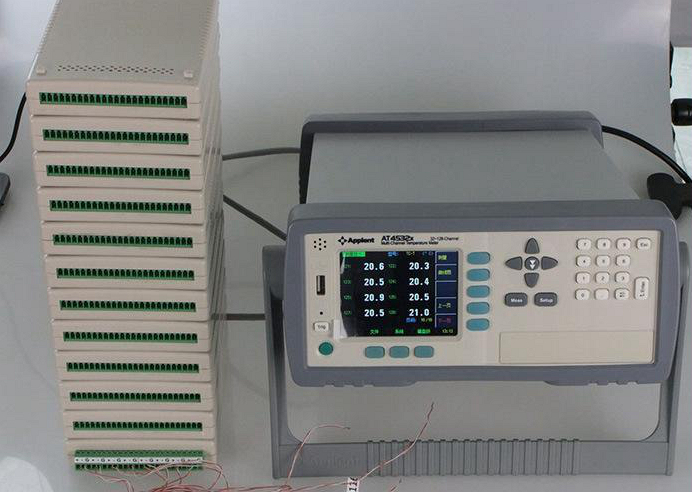
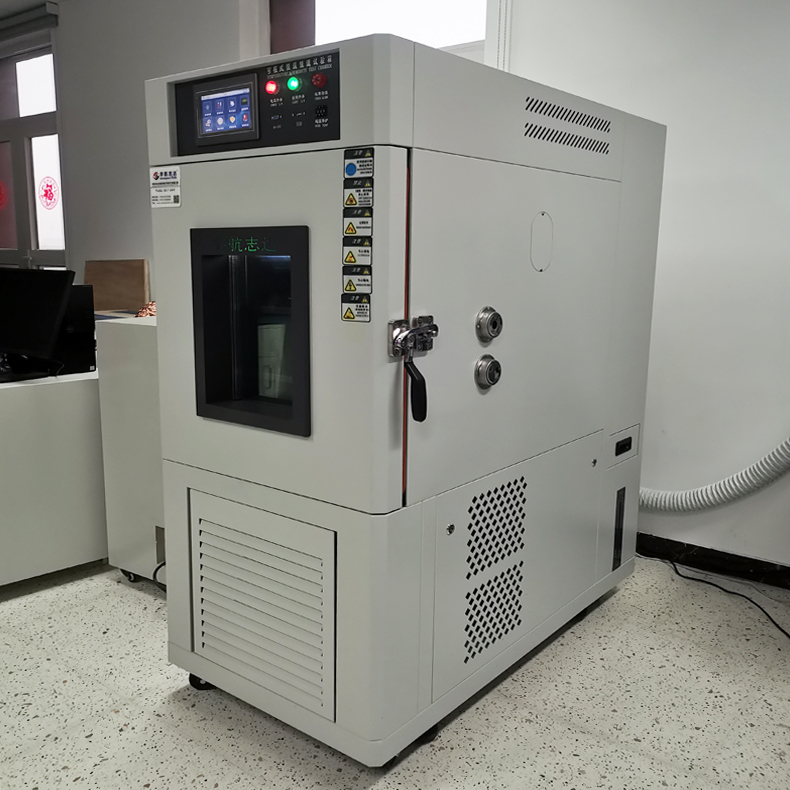
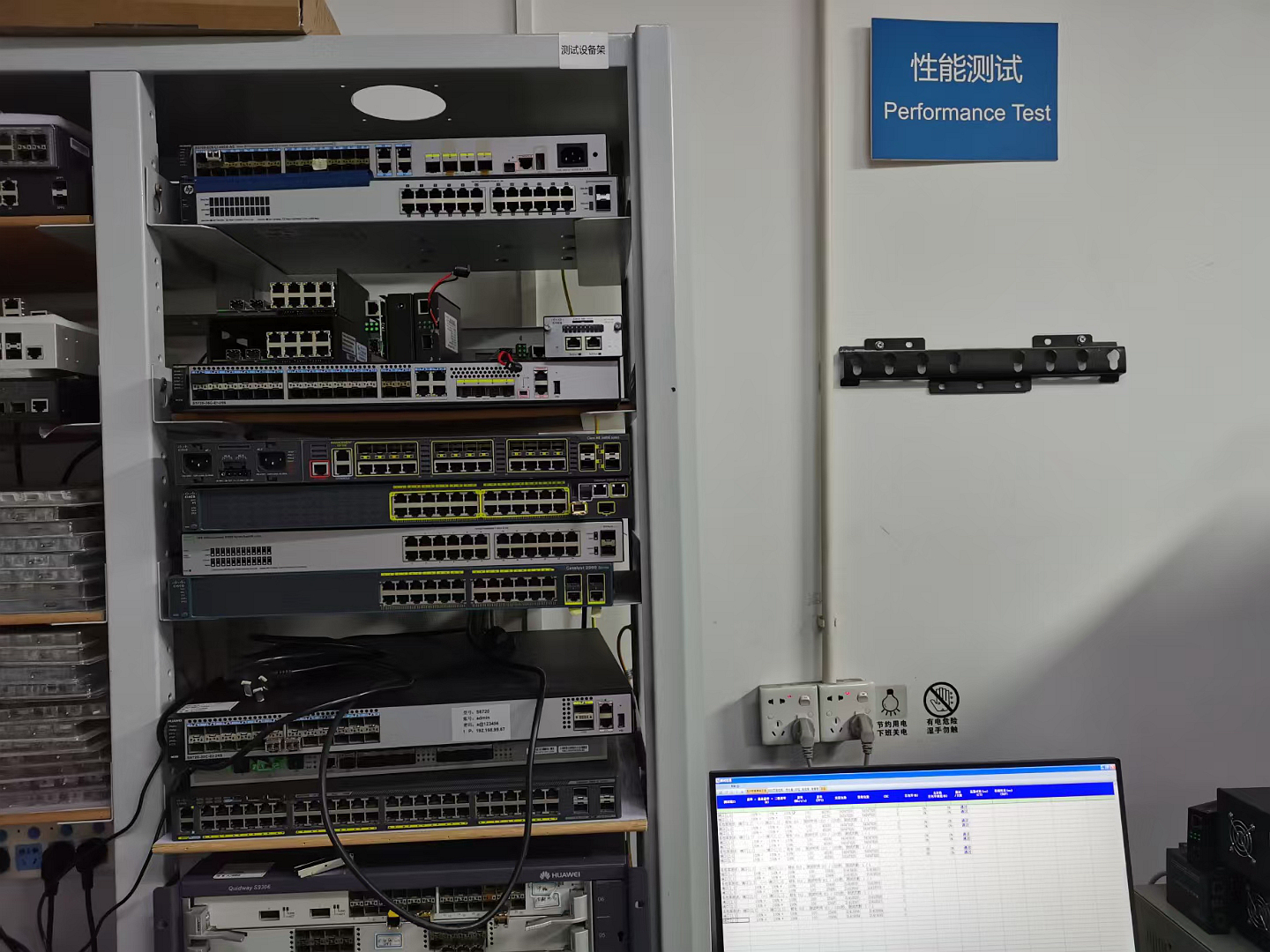
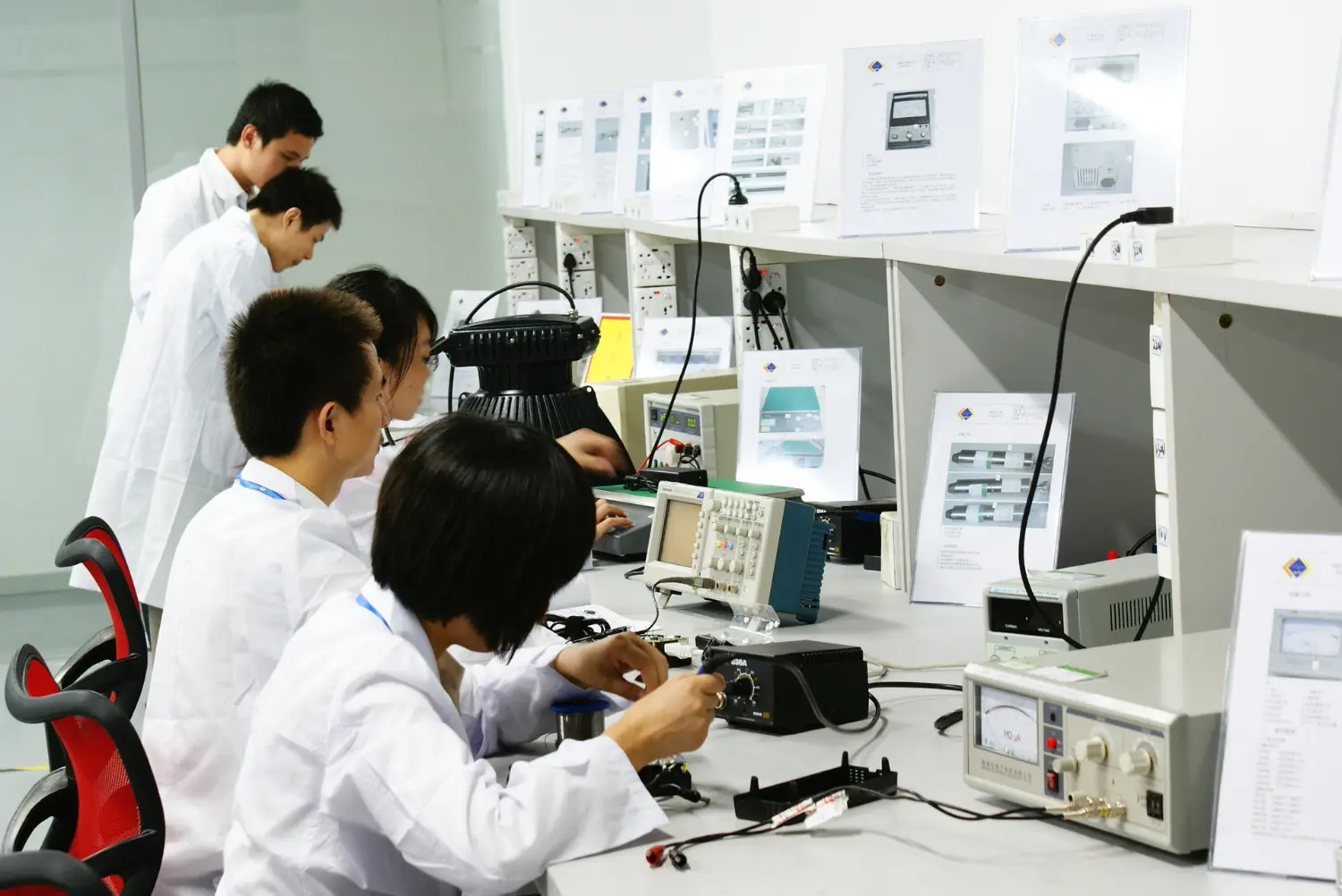
Testing protocols define the quality and reliability of optical equipment. Shenzhen Soras's testing regime covers five critical phases:
As an established telecommunication supplier, Shenzhen Soras Technology Co., Ltd. operates with over ten years of industry expertise. The company offers a broad range of active optical components, media converters, PoE switches, and FTTH ONU/OLT solutions.
| Corporate Operational Matrix | |||
|---|---|---|---|
| Business Type | Manufacturer, Exporter | Country / Region | Guangdong, China |
| Main Products | FTTH ONU & OLT, SFP Transceiver Modules, Fiber Media Converters, PoE Network Switches, Fiber Optic Installation & Testing Tools | Total Employees | 11 - 50 Professional Staff |
| Total Annual Revenue | US$5 Million - US$10 Million | Year Established | 2021 (R&D Foundation 10+ Years) |
| Primary Target Markets | Domestic Market (24%), East Asia (15%), North America (15%), Europe, South America | Product Certifications | ISO 9001, UL, CE, FCC, RoHS Compliant |
"Superior quality, professional service, competitive price, integrity-based" - The core principles guiding Soraslink's long-term business development and international partnerships.
Telecommunications networks are moving closer to the end user. This expansion has led to diverse deployment environments, which in turn require dedicated installation, stripping, and diagnostic tools to maintain link budget parameters.
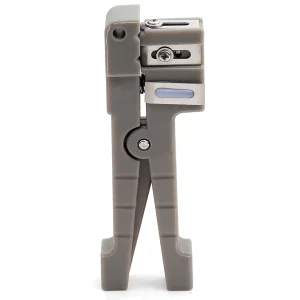
During fiber optic installations, using a tool like the **Fiber Optic Coaxial Cable Slitter and Wire Stripper (Model 45-163)** is critical. When preparing buffer tubes and coaxial jackets, precise cuts prevent micro-bends or fractures in the underlying glass. Even small micro-bends can lead to attenuation spikes that standard optical power meters or cable testers will flag as line failures.
A copper wiremap tester analyzes electrical continuity, pinout configurations (to identify open circuits or short circuits), and crosstalk across twisted-pair Ethernet cables. An optical power meter, conversely, measures the power levels of light traveling through fiber optic cables at designated wavelengths (e.g., 1310nm, 1550nm). This measurement helps calculate total insertion loss and ensures the optical signal meets the receiver parameters of SFP modules or ONUs.
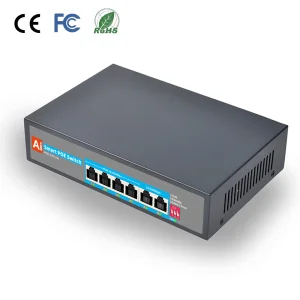
The AI VLAN function isolates downlink ports from one another while keeping them linked to the uplink port. This isolation blocks broadcast storms and prevents unauthorized device-to-device communication, adding a layer of security to multi-tenant IP camera networks and enterprise LAN environments.
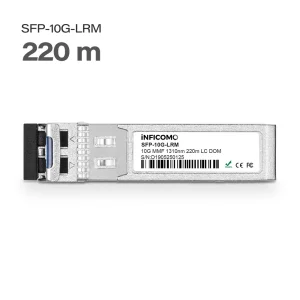
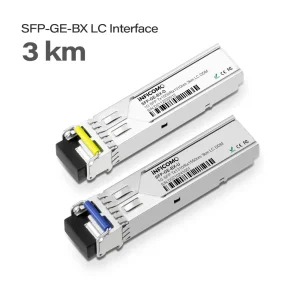
Digital Diagnostics Monitoring (DDM), also known as Digital Optical Monitoring (DOM), allows operators to monitor real-time parameters of the SFP module. These parameters include optical input/output power, transceiver temperature, supply voltage, and laser bias current, which are critical for preventative link diagnostics.
The model 45-163 stripper is designed to make precise longitudinal and circular cuts on fiber buffer tubes and coaxial jackets. Accurate scoring prevents damage to the glass cores inside, helping maintain link budget parameters and prevent signal attenuation during termination.
Dual-mode ONUs run firmware that automatically detects the optical line terminal (OLT) type (GPON or EPON) and shifts to the appropriate transmission protocol. This adaptability helps telecom operators streamline hardware logistics when running mixed-vendor deployments.
By controling the manufacturing process from SMT production to environmental testing, Soras Technology provides network devices that comply with international technical and safety regulations. We welcome custom ODM/OEM designs tailored to specific market requirements.
ISO 9001 and UL Certified Production
Exporting to more than 60 countries
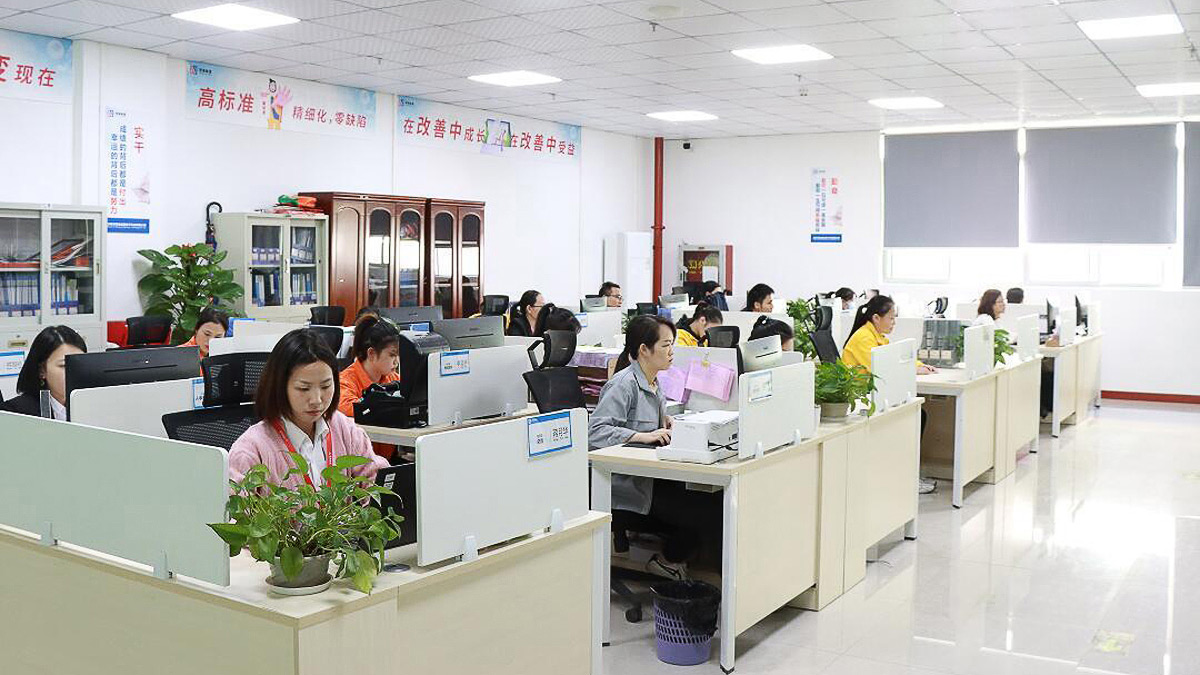
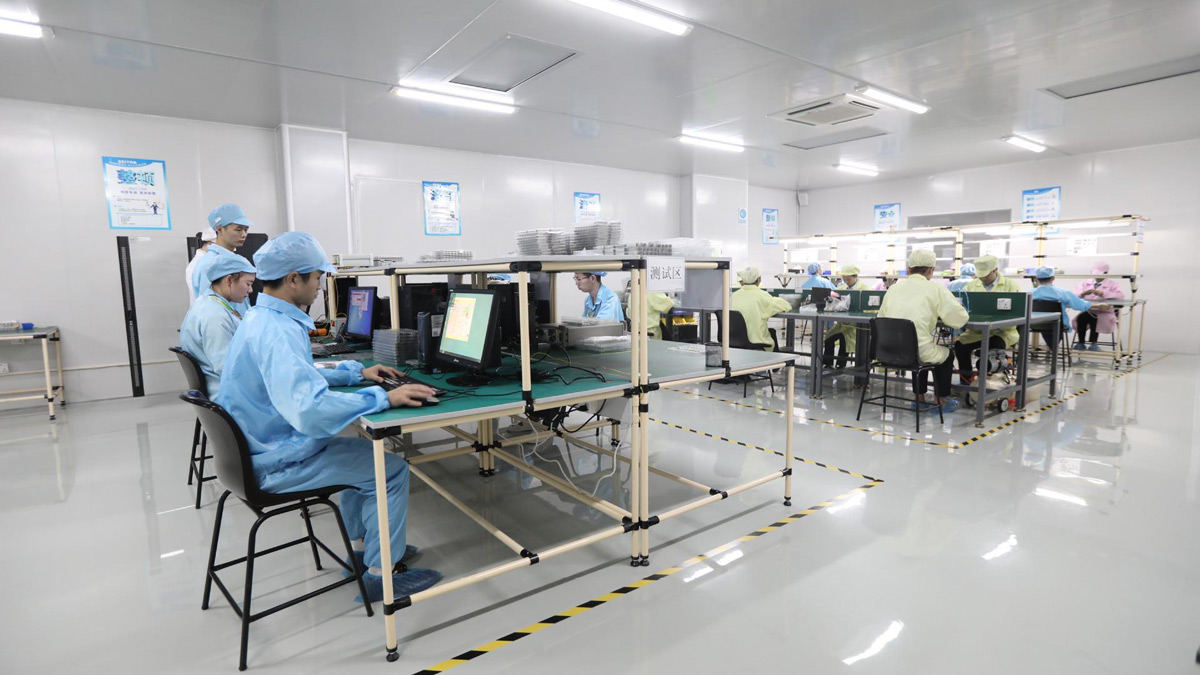
 Soras Tech