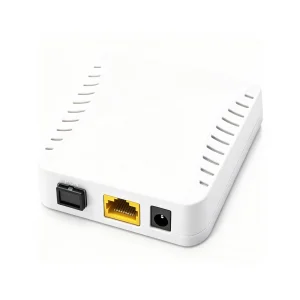
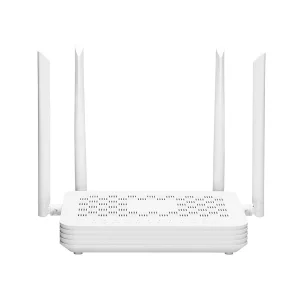
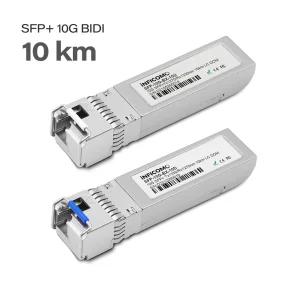
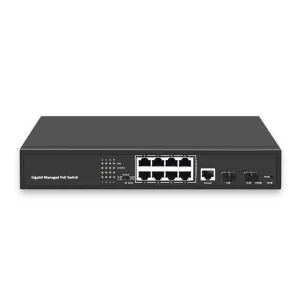
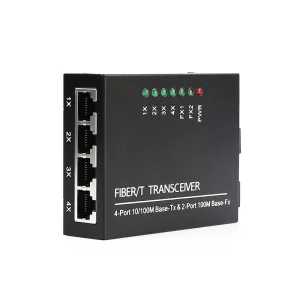
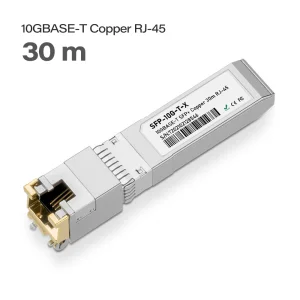
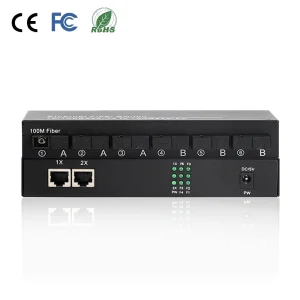
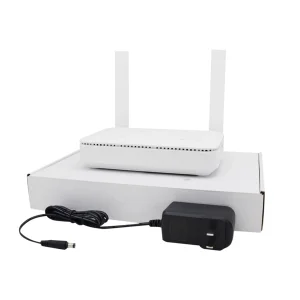
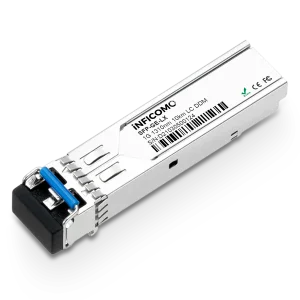
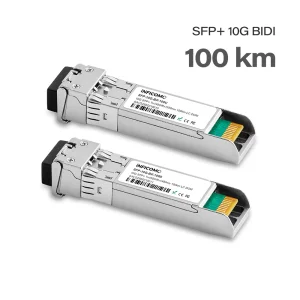
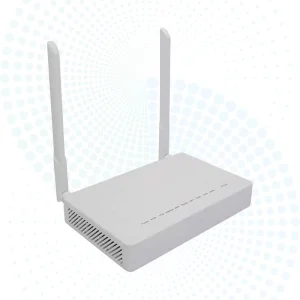
High-fidelity active terminals and transceivers bridging physical coaxial nodes with multi-gigabit fiber networks.
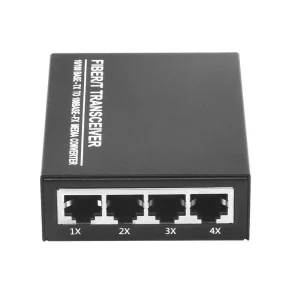
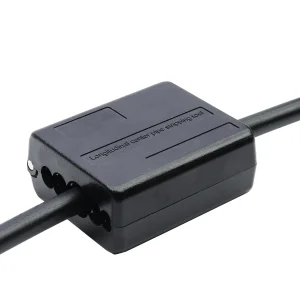
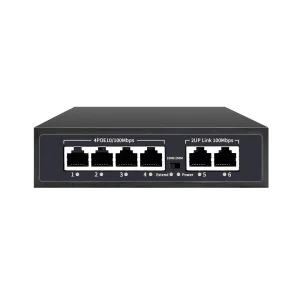
In the modern hyper-connected telecommunications landscape, the demand for high-bandwidth, noise-resilient physical transmission mediums is critical. While fiber optics handle long-haul backhaul systems, CE Certified Coaxial Cables remain the backbone of RF transmission, satellite communication downlinks, high-frequency broadcast arrays, and last-mile HFC (Hybrid Fiber-Coaxial) distribution nodes.
As a premier European-compliant (CE certified) coaxial cable manufacturer, Shenzhen Soras Technology Co., Ltd. integrates state-of-the-art physics engineering with precision extrusion lines. We bridge physical coaxial media with active optical networks. By engineering high-shielding cables alongside our optical transceivers and XPON terminals, we provide telecom operators with a complete, end-to-end signal integrity ecosystem.
With our manufacturing hub situated in Guangdong, China, we operate at the center of the global network hardware supply chain. We maintain rigorous standards for compliance, quality assurance, and mechanical consistency, delivering products to the Americas, Europe, and domestic markets.
| Soras Technology Corporate Profile | |
|---|---|
| Business Type | Manufacturer / OEM / ODM |
| Headquarters | Guangdong, China |
| Core Capabilities | RF Coaxial Cables, Fiber Optic Systems, SMT Manufacturing |
| Certifications | ISO 9001, UL, CE, FCC, RoHS |
| Key Markets | Europe, North America, South America, East Asia |
| Production Lines | SMT Line, Automated Assembly, QC & High-Low Temp Testing |
For telecommunication systems deployed within the European Economic Area (EEA), compliance with CE (Conformité Européenne) directives is mandatory. For coaxial cables and network switches, this requires adherence to several strict standards:
Specifies shielding properties and return loss parameters for coaxial cables used in cable networks. Class A, A+ and A++ ratings prevent external 4G/5G mobile signals from causing ingress noise.
The Construction Products Regulation (CPR) classifies cable reaction to fire. Our CE certified range conforms to Euroclass Eca, Dca, Cca, and B2ca requirements, using low-smoke zero-halogen (LSZH) materials.
Ensures that no hazardous substances (such as lead, mercury, and polybrominated biphenyls) are used during manufacture, ensuring safe recycling and minimal environmental impact.
Shenzhen Soras Technology Co., Ltd. guarantees that every batch of coaxial and network cables undergoes strict testing protocols. We test for impedance stability (typically 50 or 75 Ohms ±2), structural return loss (SRL), attenuation values across frequencies up to 3 GHz, and tensile strength. This ensures our products deliver reliable, long-term performance in demanding commercial projects.
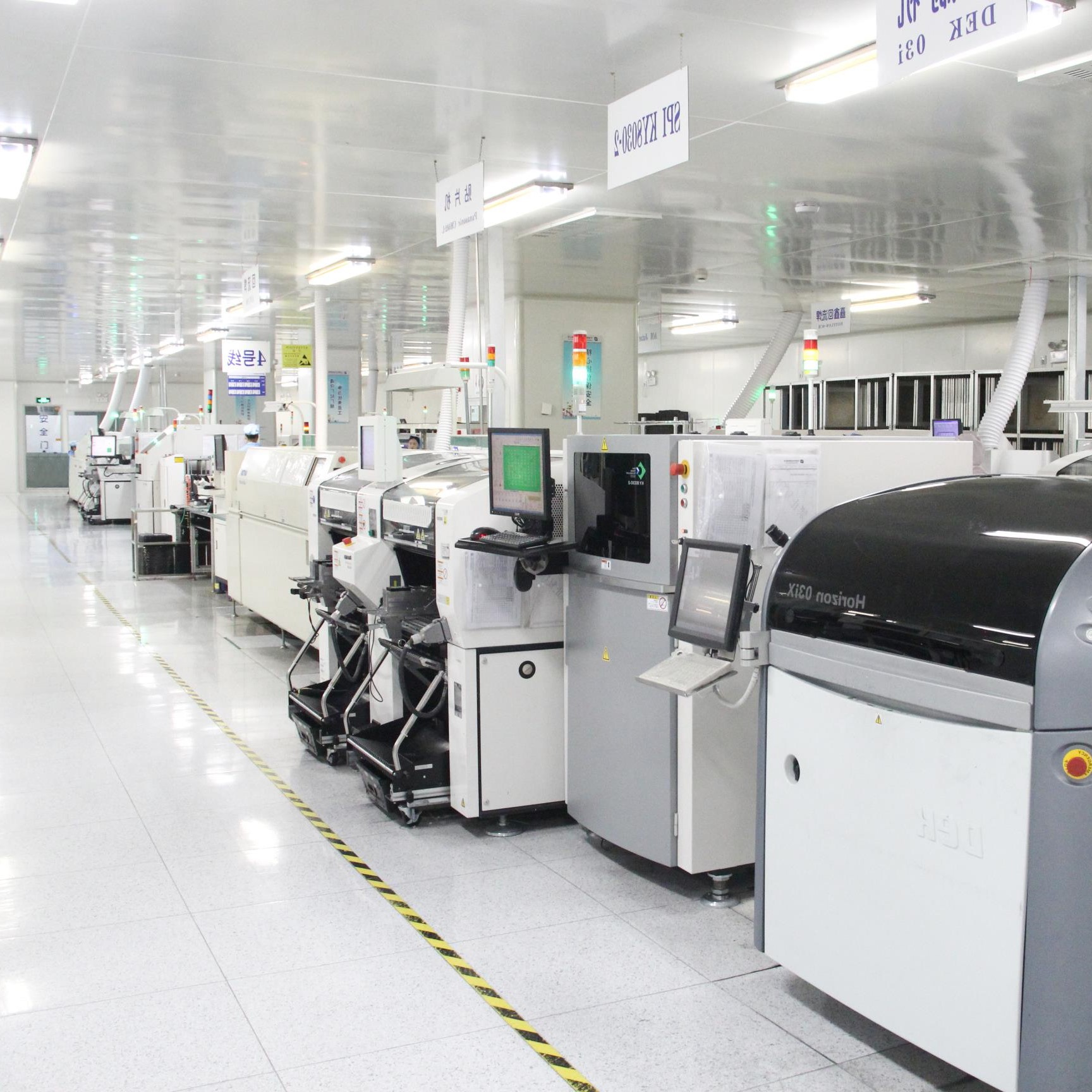
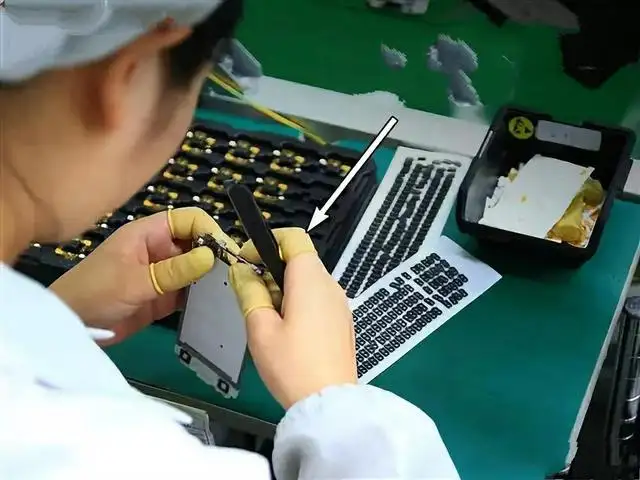
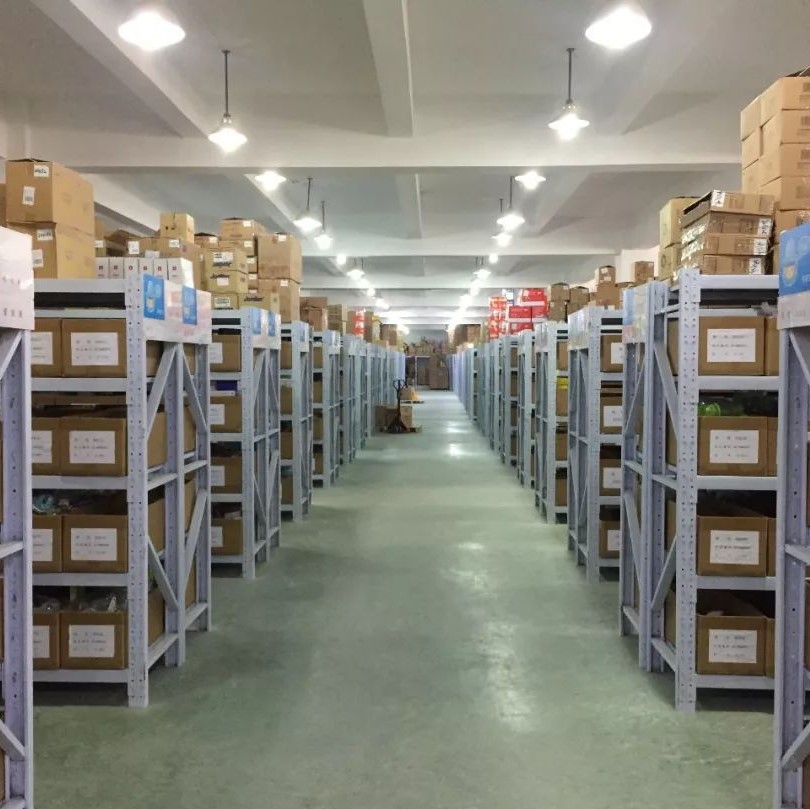
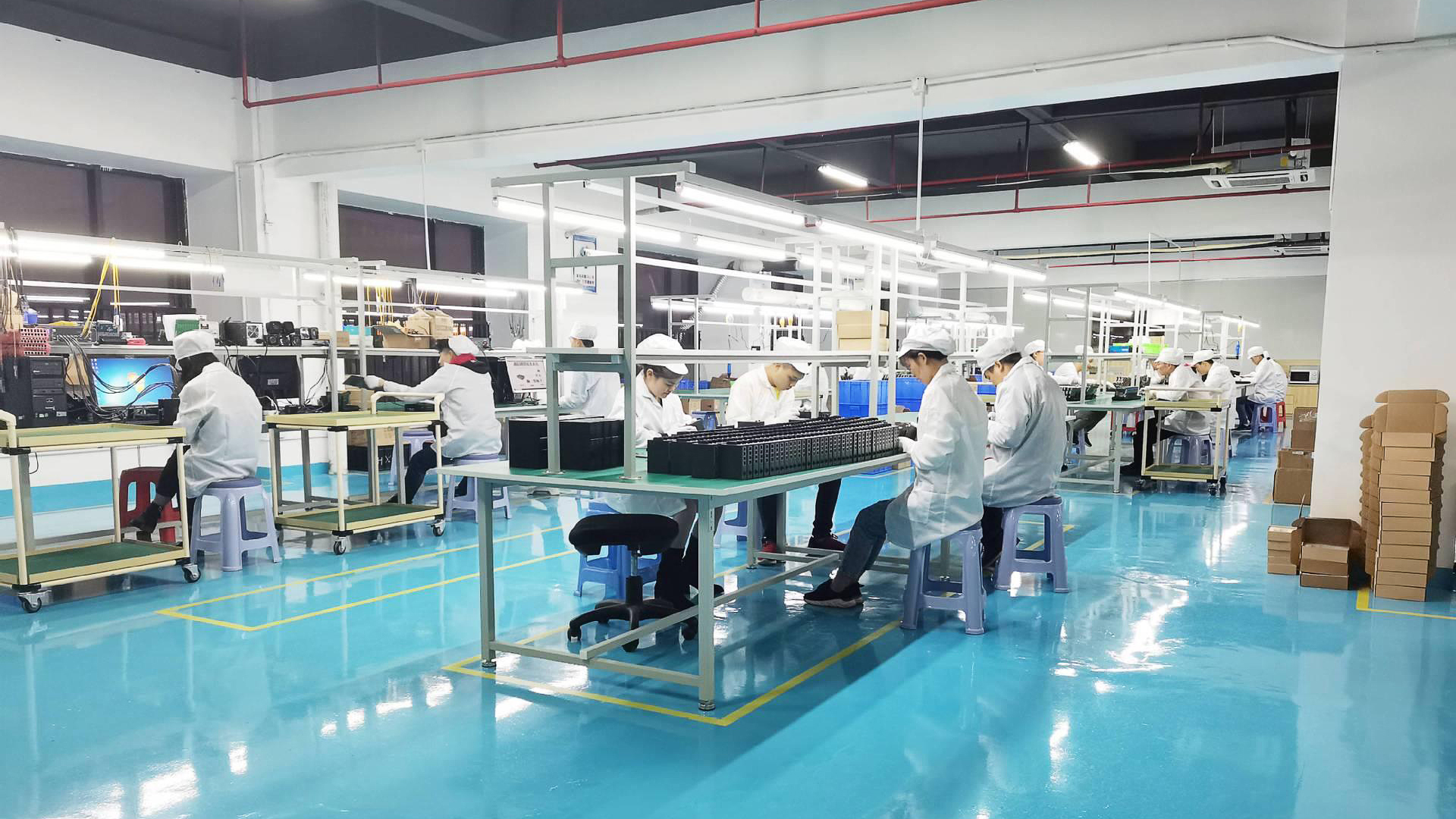
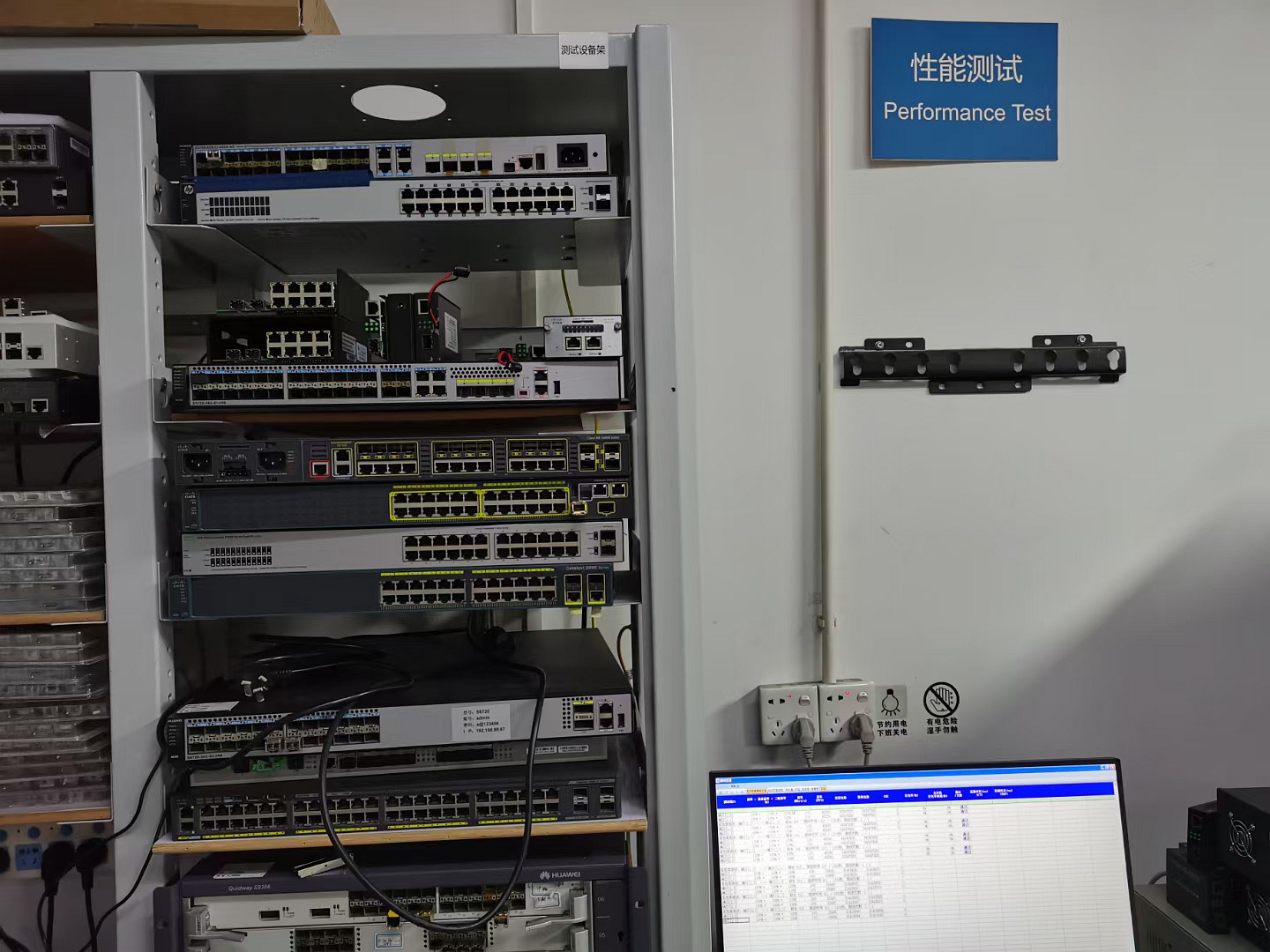
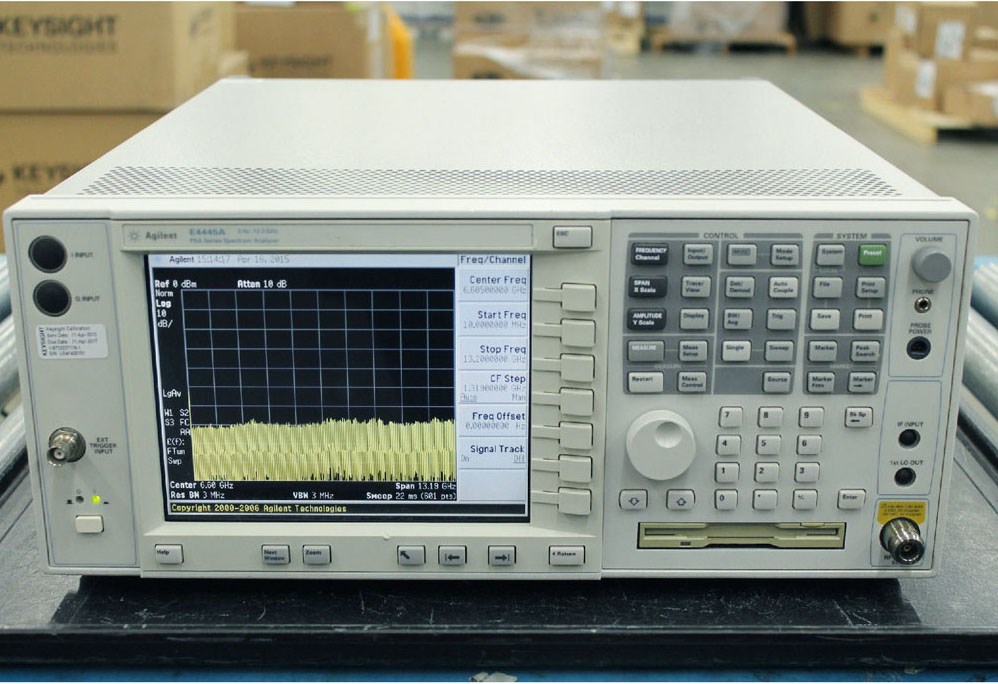
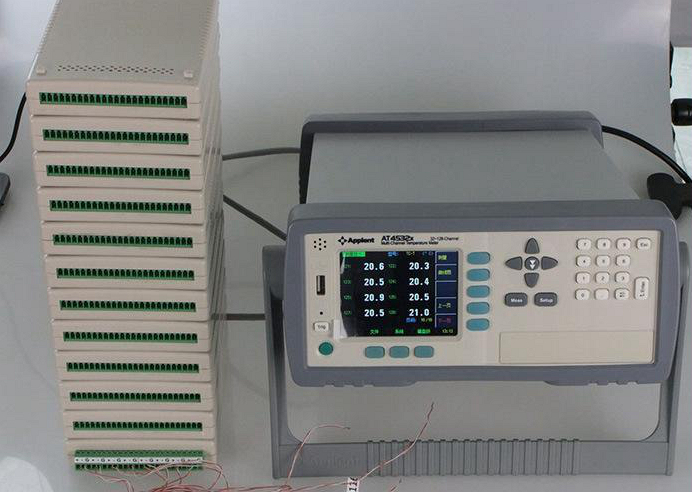
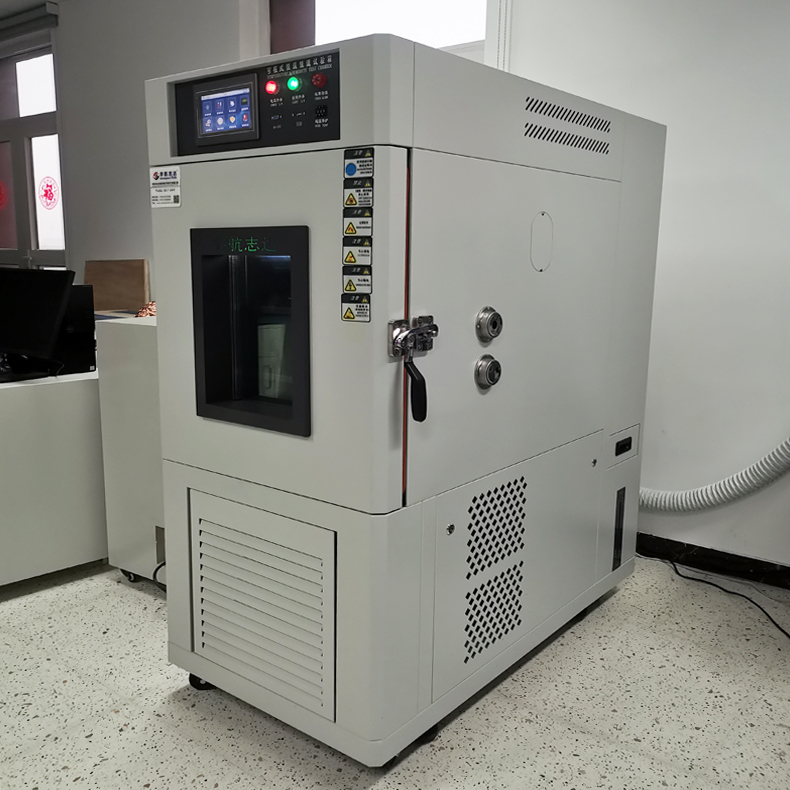
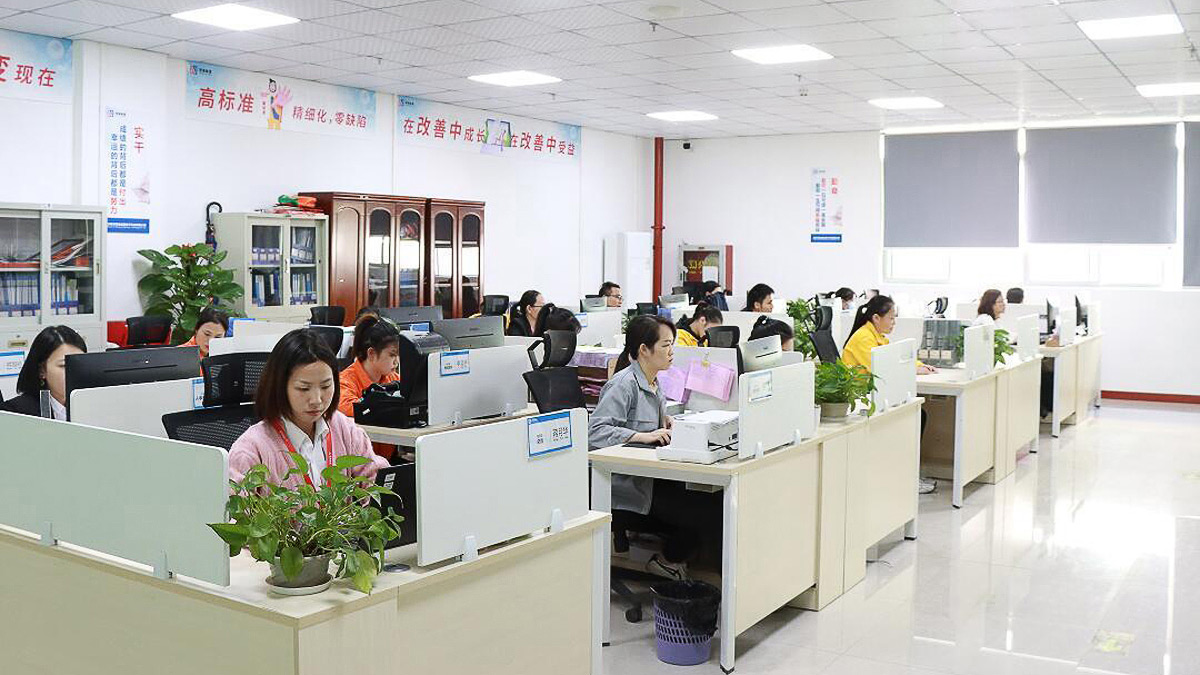
Deep dive into the Shenzhen Soras production ecosystem. From SMT assembly to high-frequency RF simulation testing.
Operating a factory in Shenzhen allows us to leverage a robust raw material supply chain. This enables rapid prototyping, cost control, and stable manufacturing capacity. Unlike companies that outsource production, our in-house facility manages everything from copper drawing and dielectric foaming to automated SMT processing for active equipment. Below is a step-by-step look at our factory floor, showing how we maintain strict quality control at every stage.
The telecommunications industry is moving toward hybrid architectures. In these networks, high-frequency coaxial cables and fiber optic components work together to deliver gigabit speeds. Technologies like DOCSIS 4.0 push coaxial cables to support frequencies up to 1.8 GHz—and in some designs, up to 3 GHz. This enables multi-gigabit downstream and upstream speeds over existing coaxial infrastructure.
To meet these high-frequency demands without increasing attenuation, we have updated our material processing roadmap:
Additionally, our active networking hardware—such as XPON ONUs and high-capacity PoE switches—is designed to integrate smoothly with coaxial-to-fiber distribution points (RFoG nodes). This ensures clean, low-latency signal conversion at the edge of the network.
Different global markets face unique installation and environmental challenges. Because of this, we offer localized product variations and support:
In the Americas, RG6 and RG11 coaxial cables are widely used for CATV and satellite networks. Our cables are built to handle long outdoor runs, featuring moisture-resistant flooding compounds that protect the core from water ingress in tropical and coastal climates.
In Europe, safety regulations require strict compliance with fire codes. For these installations, we supply cables that meet CE CPR (Construction Products Regulation) classifications, using low-smoke, zero-halogen (LSZH) materials to ensure safety in public venues and commercial offices.
For video surveillance and factory floors, we provide hybrid power-and-coaxial cables (RG59 + 2-Core Power). This allows system integrators to run analog HD camera lines and DC power through a single cable, saving on installation time and costs.
Technical and logistical insights from our engineering and support departments.
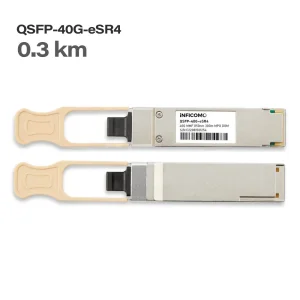
High-speed media converters, transceiver interfaces, and network switches that complement our cabling solutions.
 Soras Tech