Sweden stands at the absolute vanguard of European digitization, green technology deployment, and smart urban governance. With projects like Stockholm's smart city initiative, Malmö's carbon-neutral district planning, and Gothenburg's automated logistics ecosystems, the demands placed on Ethernet transmission networks have shifted radically. Modern network architectures in Sweden no longer look at Power over Ethernet (PoE) as merely a convenient cabling method, but as a critical cornerstone for system sustainability, high uptime, and operational resilience.
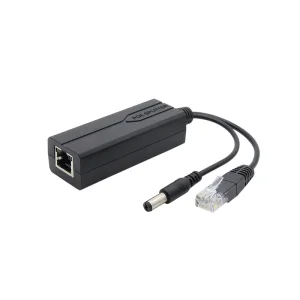
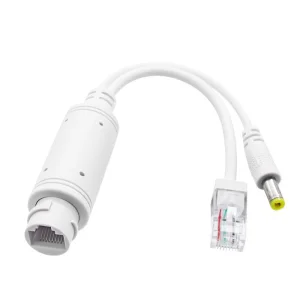
A PoE Splitter serves a vital function in these architectures: it separates power and data delivered over a single RJ45 Ethernet cable into distinct connections, allowing legacy, non-PoE-compliant devices—such as specialized IP cameras, industrial IoT sensors, single-board controllers, and legacy access nodes—to integrate seamlessly into modern PoE switch infrastructures. By bypassing the need for dedicated electrical wall outlets near endpoints, systems integrators across Sweden can slash installation overheads, maintain neat cable pathways, and achieve centralized power back-up through uninterruptible power supplies (UPS) located in centralized server rooms.
Sweden's commercial market imposes strict requirements when selecting network hardware suppliers. Regulatory compliance with EU guidelines—specifically the CE mark, RoHS (Restriction of Hazardous Substances), and WEEE directives—is an absolute prerequisite. Furthermore, the harsh winter climate, where outdoor temperatures frequently plummet below -30°C in Northern regions such as Norrbotten and Västerbotten, demands hardware that features superior thermal tolerances, high-quality solid capacitors, and moisture-proof enclosures.
Our outdoor PoE splitters utilize industrial-grade controllers designed to startup and operate continuously in extreme sub-zero conditions, preventing the cold-start failures common in residential-grade components.
Ground loops and lightning-induced surges pose significant threats to outdoor telecom equipment. Isolated PoE splitters isolate the output power from the input network line, protecting downstream hardware.
With Sweden's strict environmental targets, energy conversion efficiency is highly scrutinized. Our hardware minimizes heat generation and ensures conversion efficiency rates exceeding 88%.
Globally, the industrial PoE sector is expanding toward ultra-high power (IEEE 802.3bt, up to 90W) to accommodate next-generation PTZ cameras, remote digital signage, and localized industrial control panels. Sweden’s automation developers are at the forefront of this adoption, integrating our PoE splitting technologies to feed IoT gateways, robotic arm controllers, and high-frequency wireless access points.
Engineers must recognize key topological variations in PoE splitter design:
Active PoE Splitters carry built-in negotiation controllers that communicate with the Power Sourcing Equipment (PSE) via a hardware-level handshake protocol. The switch only applies 48V power after verifying the device’s signature resistance. This eliminates risk of electrical damage during startup. Conversely, Passive PoE Splitters do not conduct this handshake; they receive the raw voltage injected directly into the data pairs. While cost-effective, they demand strict alignment between the switch output and device input voltages.
In industrial networking environments, electrical isolation is non-negotiable. An isolated PoE splitter contains a miniature transformer that forms a physical, galvanic boundary between the high-voltage input (36V-57V) and the clean low-voltage output (5V, 9V, or 12V). This 1.5KV isolation barrier prevents electrostatic discharge (ESD) and line surges from propagating from outdoor cameras back into expensive network core switches, preserving network uptime.
| Parameter | Active Isolated Splitters | Passive Non-Isolated Splitters | Use Cases (Sweden Context) |
|---|---|---|---|
| Standard Compliance | IEEE 802.3af / 802.3at / 802.3bt | Proprietary Passive DC Injection | Smart City surveillance grids, municipal fiber networks |
| Galvanic Isolation | Yes (1.5KV Isolation Transformer) | No (Direct Common Ground) | Outdoor deployments, factory lines with high ESD risks |
| Voltage Conversion | Auto-step down from 48V-57V to 12V/5V | Static pass-through or linear regulator | Legacy cameras, VOIP systems, and non-PoE controllers |
| Operating Range | -40°C to +75°C (Industrial Grade) | -10°C to +60°C (Standard Grade) | Nordic outdoor installations vs. indoor IT closets |
In cities like Kiruna and Luleå, where winters are long, dark, and extremely cold, traffic cameras and monitoring sensors must work continuously. Installing separate high-voltage heating cabinets for every camera is financially and logistically prohibitive. By using our outdoor waterproof PoE splitters (which feature isolated power circuits and industrial operating temperatures), municipal contractors can leverage standard Cat6 Ethernet cables to deliver both data and up to 30W/60W of power, ensuring that internal camera defrosters and sensors work without interruptions.
Preserving historical buildings is a major priority in Sweden. In places like Gamla Stan (Stockholm’s Old Town) and Uppsala University, drilling walls to install thick copper power cables is forbidden by law. High-power active PoE splitters provide an ideal solution. A single, ultra-thin Ethernet cable can run along baseboards or historical tracks, powering modern security systems, card readers, and Wi-Fi points without changing the building's historical design.
Automated warehouses and shipping terminals in Gothenburg rely heavily on real-time tracking, barcode scanners, and wireless local area networks (WLAN). Deploying standard mains outlets on moving cranes or assembly lines is highly impractical. By using our isolated Gigabit PoE splitters, system engineers can safely tap into existing PoE switches to run robotic controllers and scanning arrays. This ensures constant power supply even under heavy mechanical vibrations and electromagnetic interference from large machinery.
Shenzhen Soras Technology Co., Ltd. is a leading manufacturer of optical transmission equipment and network equipment with more than 10 years of experience. We rely on high-quality management and technological innovation, committed to providing customers with high-quality, cost-effective, high value-added products and solutions.
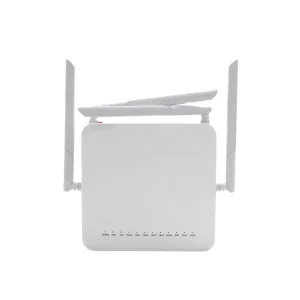
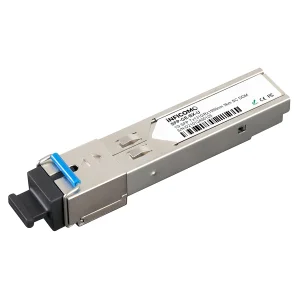
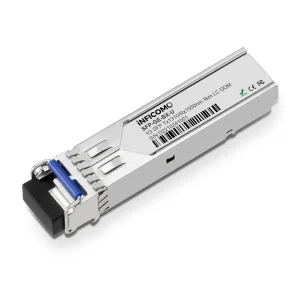
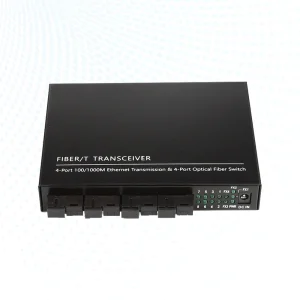
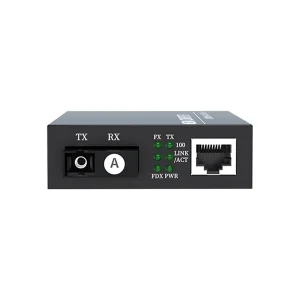
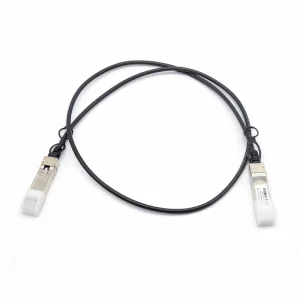
Today, we work closely with telecommunications companies around the world. We have strong technical force and an experienced R & D team, meaning products can be developed according to customer requirements. We also accept OEM and ODM orders to meet the precise requirements of Swedish network distributors. Our products are exported to more than 60 countries, with major markets in South America, North America, and Europe. Our primary portfolio includes: Fiber Media Converters, SFP Modules, PoE Switches, ONU, OLT, and supporting fiber accessories.
We have passed ISO 9001, UL, CE, FCC, and RoHS certifications. Our aim is "superior quality, professional service, competitive price, integrity-based". We believe this is not only our responsibility, but also the best way out for long-term development. Soraslink looks forward to working with you!
| Company Profile & Operational Statistics | |||
|---|---|---|---|
| Business Type | Manufacturer / OEM / ODM | Country / Region | Guangdong, China |
| Main Products | FTTH ONU & OLT, SFP Modules, Fiber Media Converters, PoE Switches, PoE Splitters, Fiber Optic Equipment | Total Employees | 11 - 50 People |
| Total Annual Revenue | US$5 Million - US$10 Million | Year Established | 2021 |
| Key Markets | Europe, North America, Domestic Market, Eastern Asia | Certificates | ISO 9001, UL, CE, FCC, RoHS |
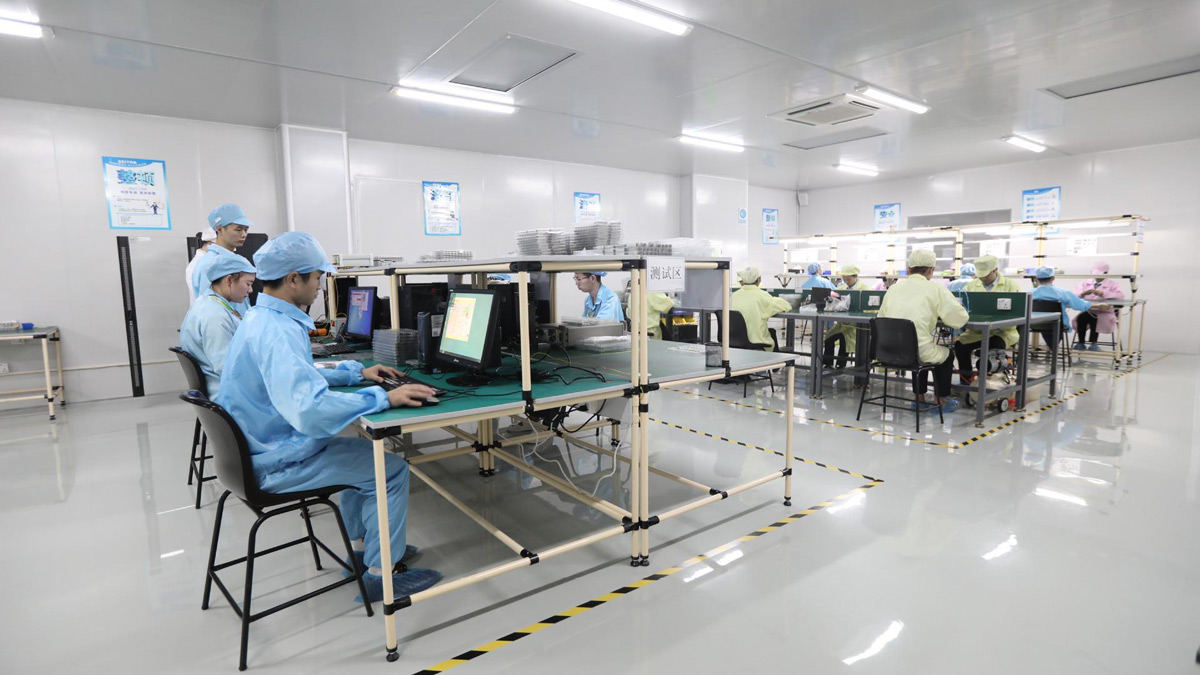
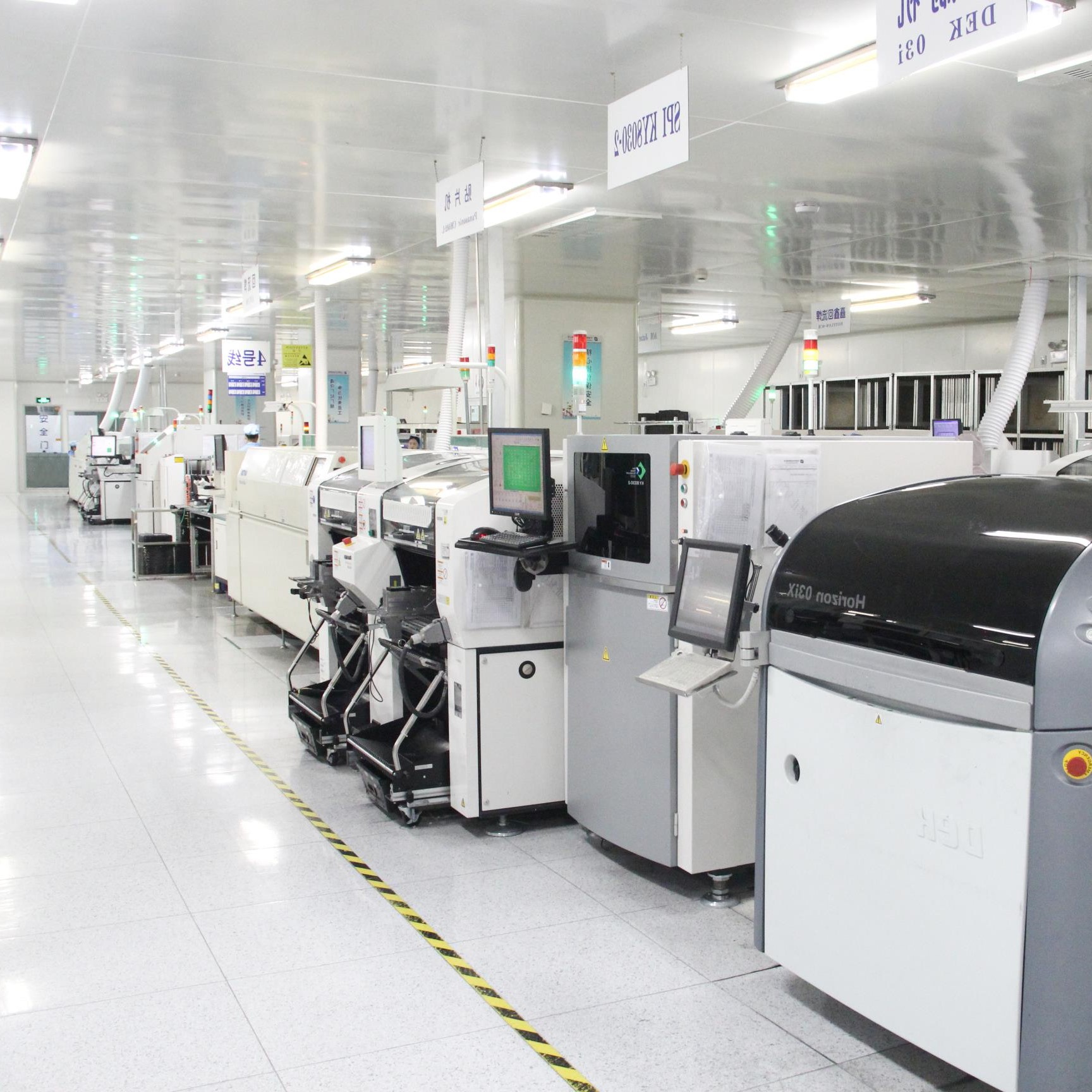
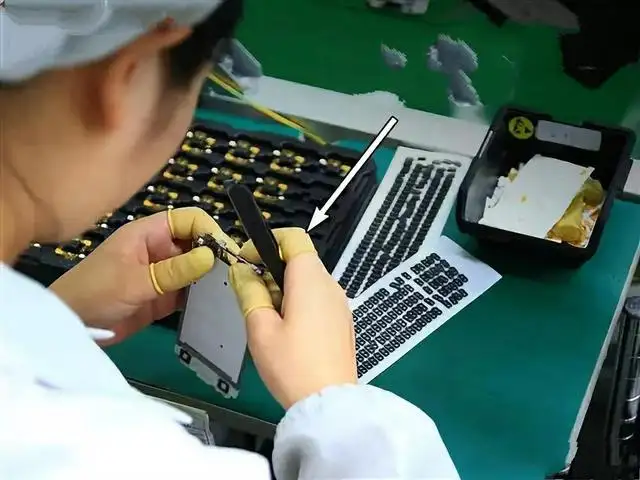
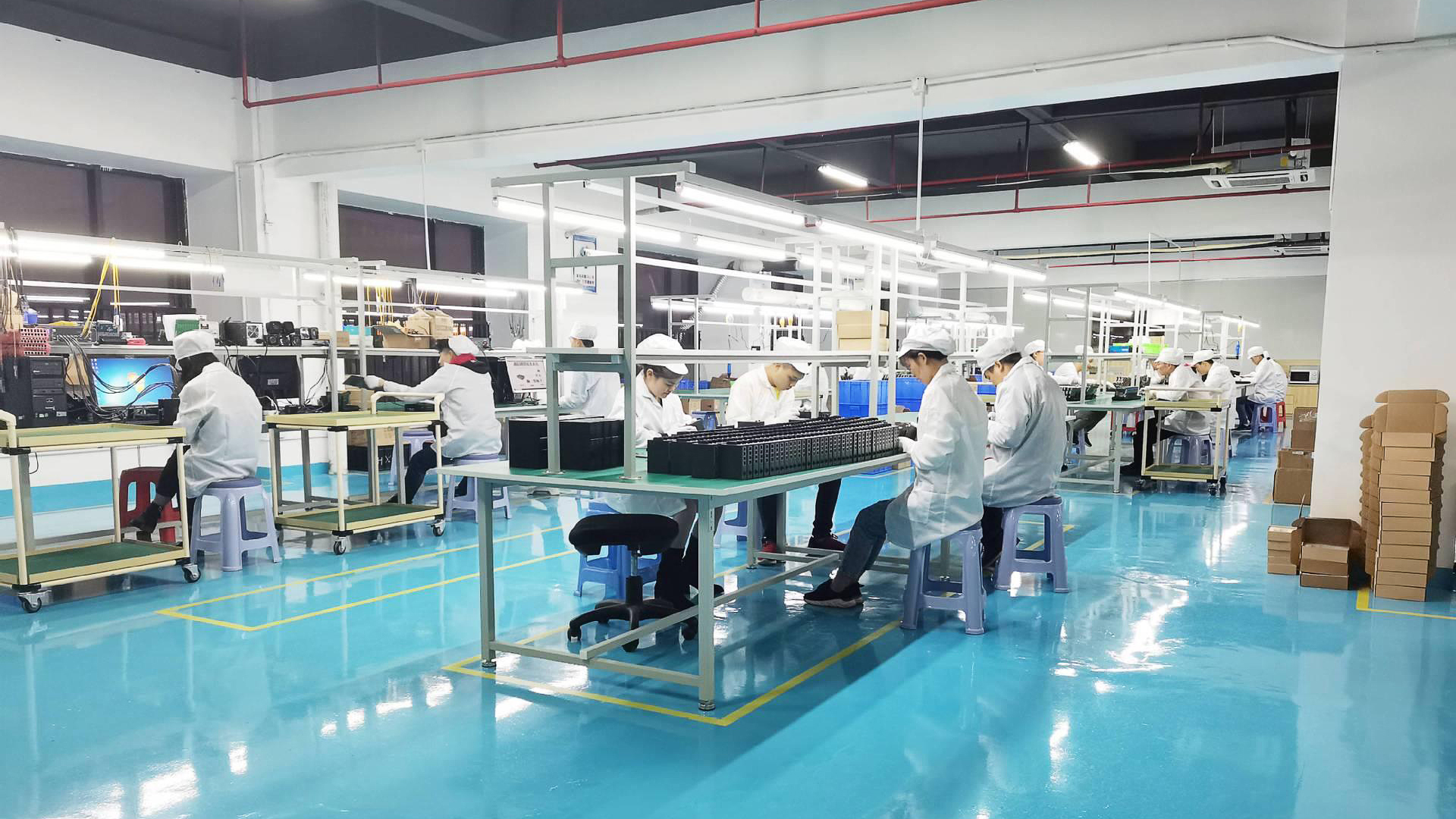
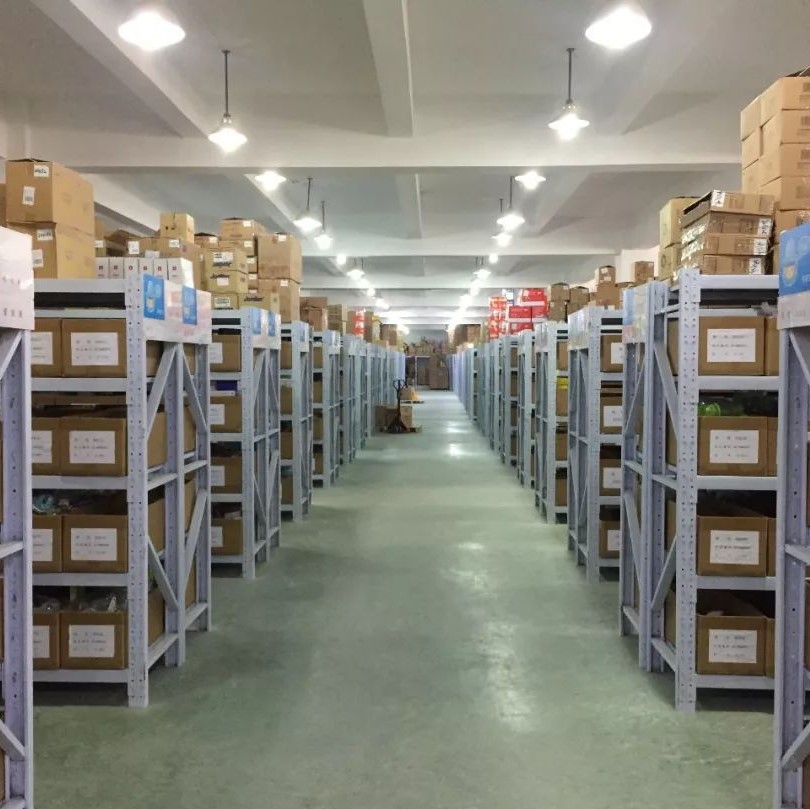
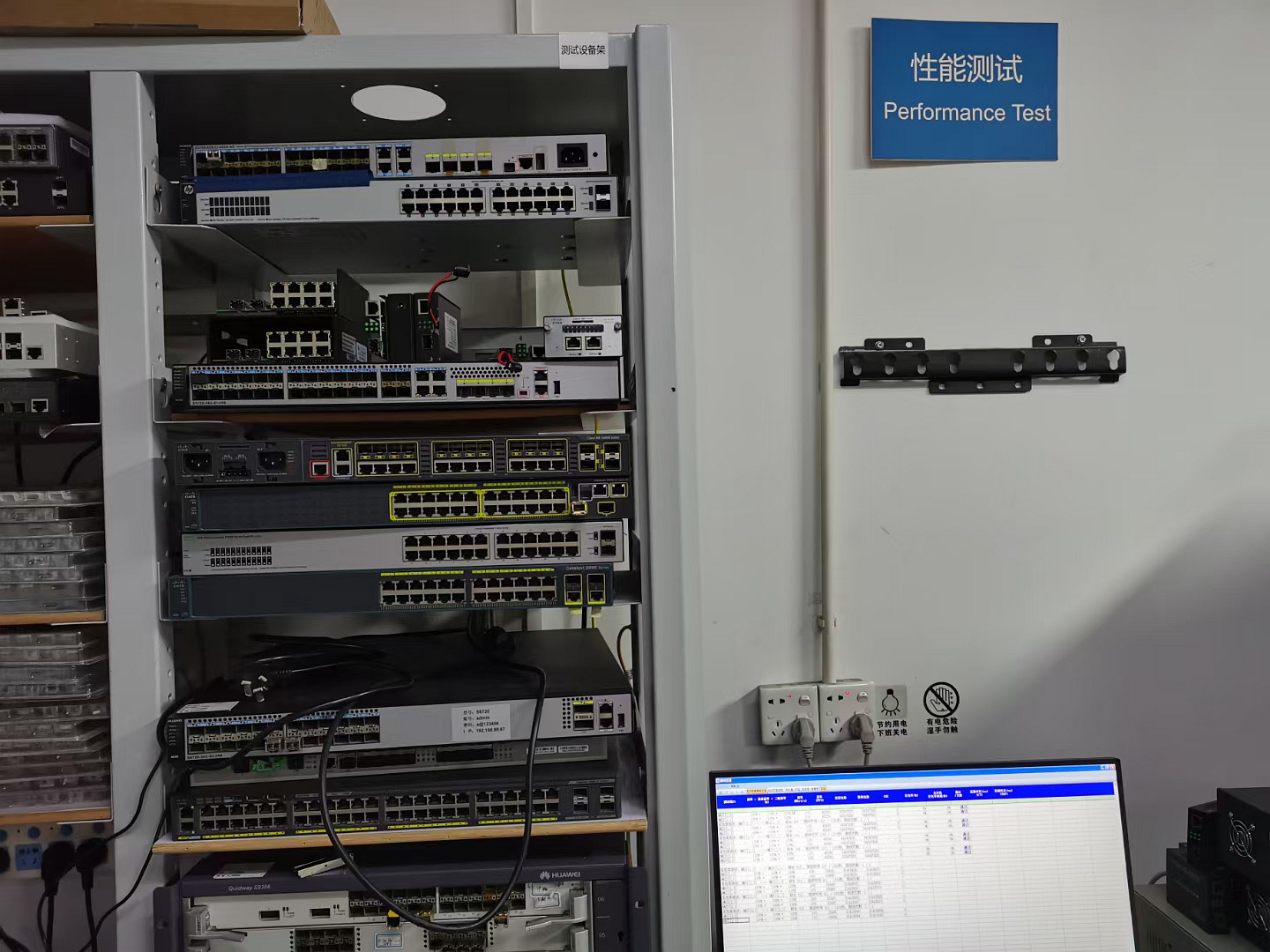
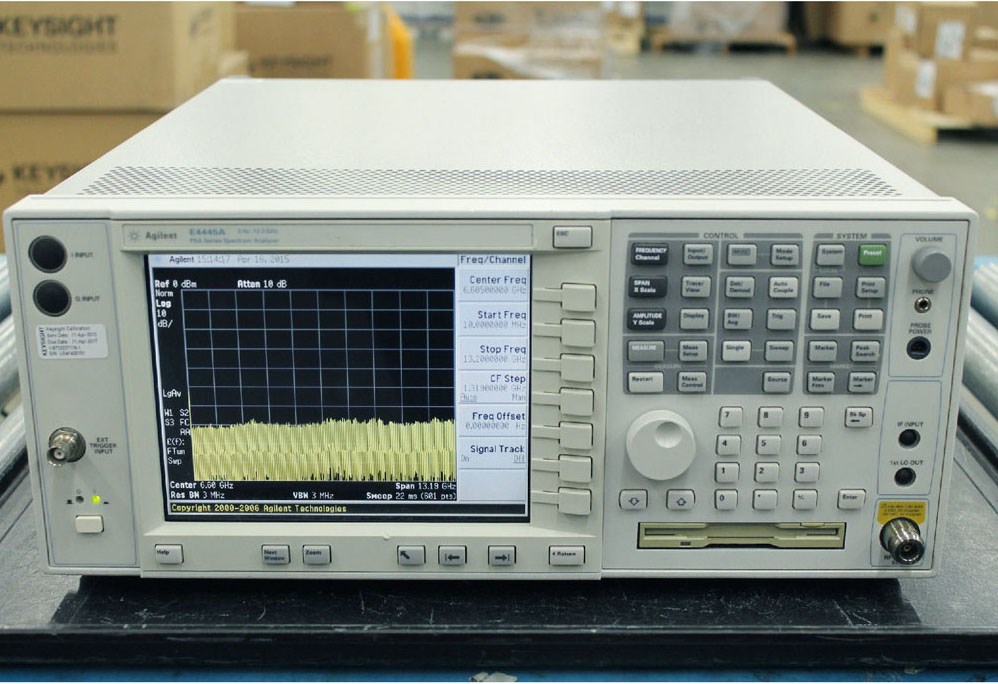
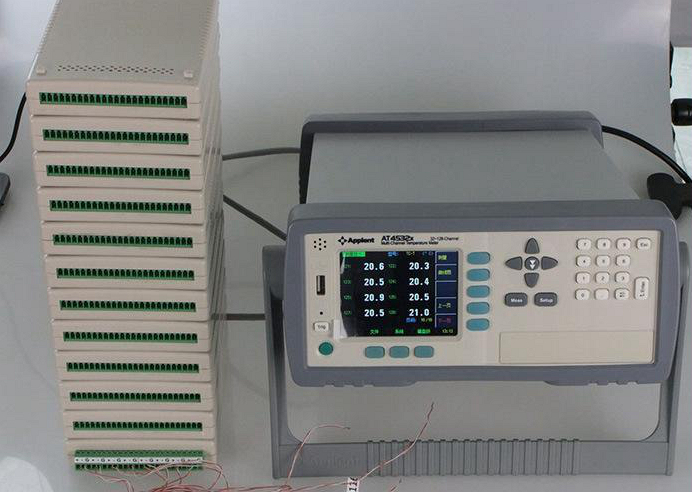
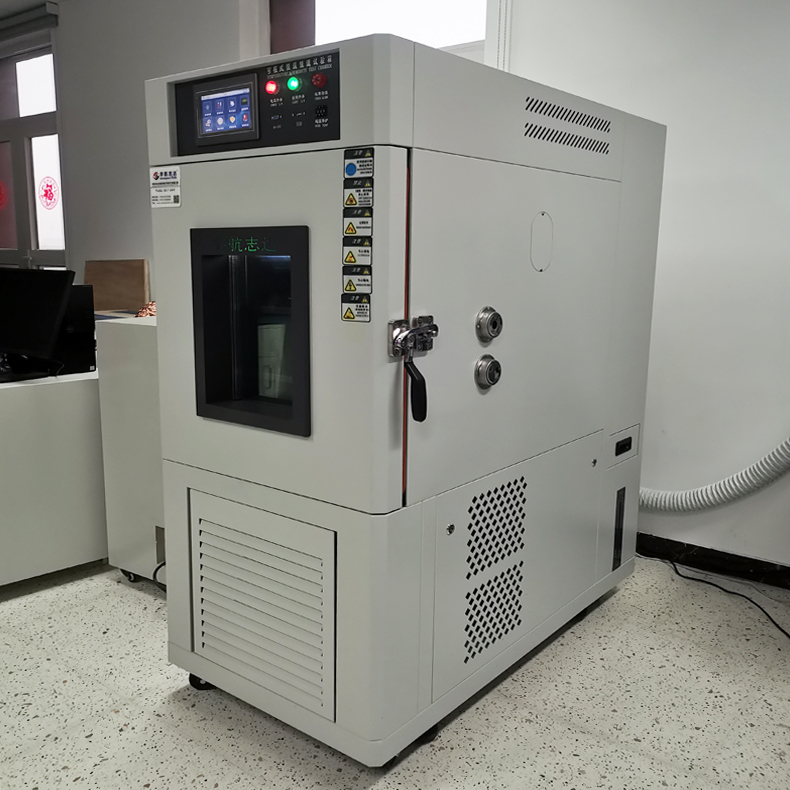
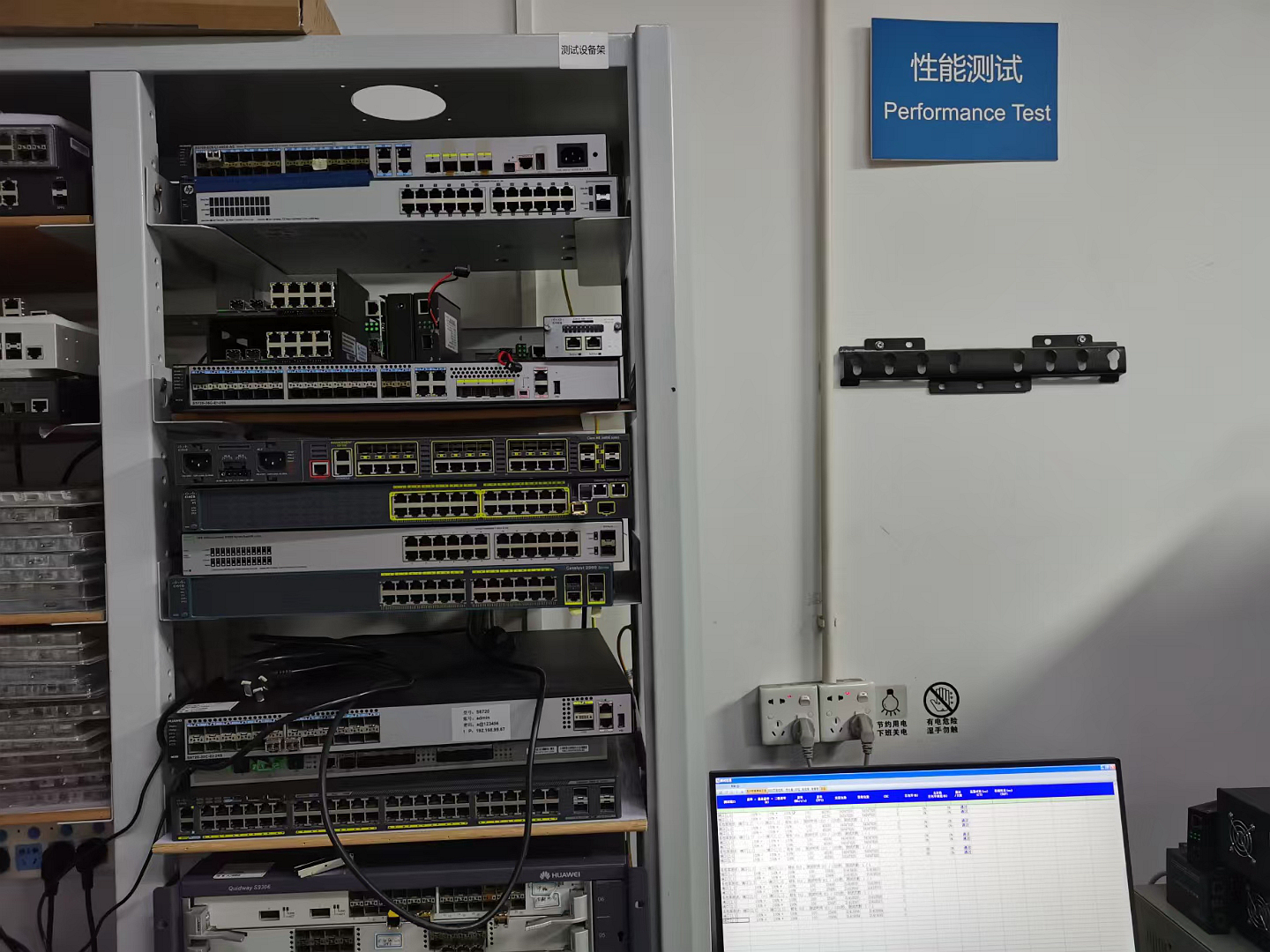
Our state-of-the-art production plant features automated SMT lines, precise assembly areas, and rigorous testing protocols to ensure that every device leaving our facility delivers optimal reliability for northern European operations.


 Soras Tech