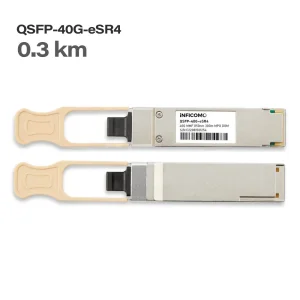
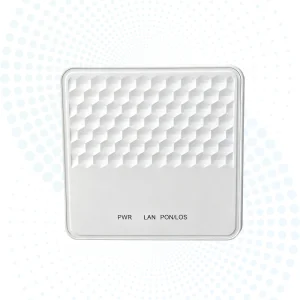
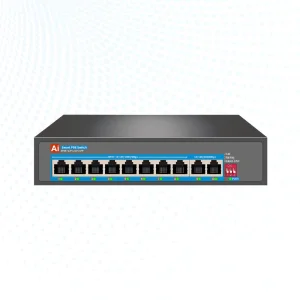
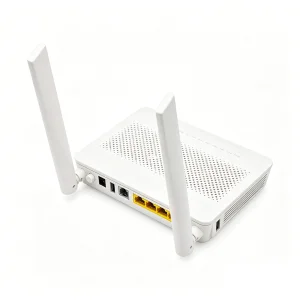
Selected standard optical infrastructure solutions deployed in major Metropolitan Area Networks (MAN) and FTTH topologies across Brazil.
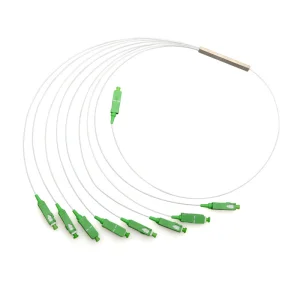
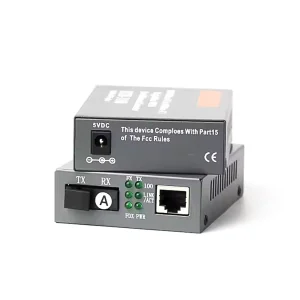
A strategic analysis on telecom expansions, regional ISP requirements, and Chinese manufacturing advantages for Planar Lightwave Circuit (PLC) splitters.
Brazil’s telecommunications market has undergone a historic transformation over the last decade, characterized by the decentralization of internet services and a massive push toward high-speed optical access. The national optical fiber grid is no longer dominated solely by major concessionaires like Claro, Vivo, and Oi. Instead, a dynamic ecosystem of more than 10,000 regional Internet Service Providers (known locally as Provedores de Internet or ISPs) has emerged as the primary growth engine for broadband access across the nation.
According to Anatel (Agência Nacional de Telecomunicações), fiber optic connections constitute over 70% of total active fixed broadband subscriptions in the country. This unprecedented expansion requires robust, stable, and cost-effective passive optical components. The Planar Lightwave Circuit (PLC) Splitter serves as the fundamental building block of these Passive Optical Networks (PON), acting as the central distributor of optical power. In a geographic landscape as diverse as Brazil's—spanning highly urbanized concrete environments like São Paulo and Rio de Janeiro to humid tropical zones in the North and semi-arid expanses in the Northeast—the quality, design, and environmental stability of these optical splitters are of paramount importance.
Operating optical networks in Brazil poses significant environmental challenges. High average temperatures, elevated relative humidity, and salt-mist exposure in coastal metropolitan belts can rapidly accelerate the degradation of low-quality optical materials. A substandard splitter will often exhibit high polarization-dependent loss (PDL), excessive insertion loss (IL), and poor uniform splitting ratios, which in turn lead to intermittent link degradation or total service dropouts at the customer premise equipment (CPE/ONU).
Under E-E-A-T (Experience, Expertise, Authoritativeness, and Trustworthiness) standards, it is vital to understand that Planar Lightwave Circuit (PLC) splitters are fundamentally superior to legacy Fused Biconical Taper (FBT) splitters for uniform signal splitting. FBT splitters present non-uniform spectral characteristics and are highly sensitive to temperature variations. In contrast, Shenzhen Soras' PLC splitters utilize silica glass waveguide circuits fabricated with precise photolithographic processes, ensuring uniform splitting across the entire operating wavelength range of 1260nm to 1650nm. This uniformity is crucial for supporting modern high-bandwidth protocols such as GPON, EPON, XG-PON, and emerging XGS-PON systems implemented by Brazilian networks.

As a premier fiber optic manufacturer based in Shenzhen, China (the global epicenter of optical communication innovation), Shenzhen Soras Technology Co., Ltd. offers structural advantages that align with the commercial needs of Brazilian exporters and importers. The integration of advanced SMT production lines, rigorous assembly units, and state-of-the-art testing laboratories enables Soras to guarantee high quality at competitive price points.
Our manufacturing facility adheres strictly to ISO 9001:2015 quality management systems. Each PLC splitter undergoes rigorous optical testing before dispatch, including verification of insertion loss (IL ≤ 0.2dB for premium fibers), return loss (RL ≥ 55dB for APC connectors), and uniform spectral performance under extreme high-low temperature tests (-40°C to +85°C). By working directly with a manufacturer in Guangdong, China, Brazilian ISPs bypass intermediate trading companies, securing custom OEM/ODM packaging options (such as blockless mini splitters, ABS box cassettes, and rack-mounted modules) that comply with localized distribution box specifications.
| Business Type | Manufacturer / Exporter | Country / Region | Guangdong, China |
|---|---|---|---|
| Main Products | FTTH ONU & OLT, SFP Modules, Fiber Media Converters, PoE Switches, PLC Splitters, Fiber Optic Accessories | Total Employees | 11 - 50 Professional staff |
| Annual Revenue | US$5 Million - US$10 Million | Year Established | 2021 |
| Certifications | ISO 9001, UL, CE, FCC, RoHS Compliant | Primary Markets | South America (Brazil, Argentina), North America, Europe |
Depending on the deployment topology, local network engineers in cities like Curitiba, Porto Alegre, Recife, and Fortaleza utilize distinct configurations of PLC splitters:
For international exporters and local importers serving Brazil, understanding the regulatory mandate of ANATEL (Agência Nacional de Telecomunicações) is essential. Telecom equipment used in commercial infrastructure networks is subject to strict testing and certification criteria to achieve homologation.
Shenzhen Soras Technology designs passive components with international standards in mind (Telcordia GR-1209-CORE and GR-1221-CORE), allowing local Brazilian partners to seamlessly proceed with ANATEL homologation testing. By ensuring the use of premium low-water-peak G.657.A1 or G.657.A2 bend-insensitive optical fibers and robust connector ferrules, our products minimize the risks associated with local conformity assessments, preventing costly customs hold-ups or product rejections during importation.
Direct manufacturer supply from Shenzhen. High-performance, low insertion loss PLC splitters tailored to your specific technical specifications and packaging styles.
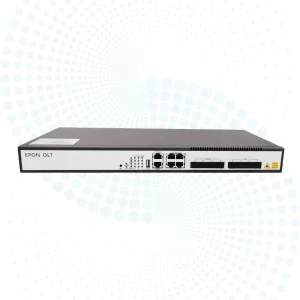
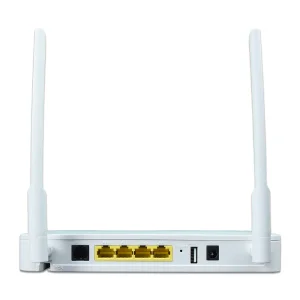
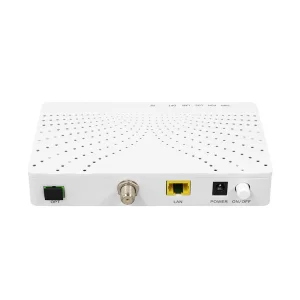
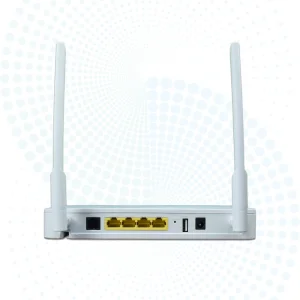
Send Inquiry NowComplementing passive optical distribution with high-reliability OLTs, switches, and dual-band ONU endpoints for comprehensive FTTx integration.
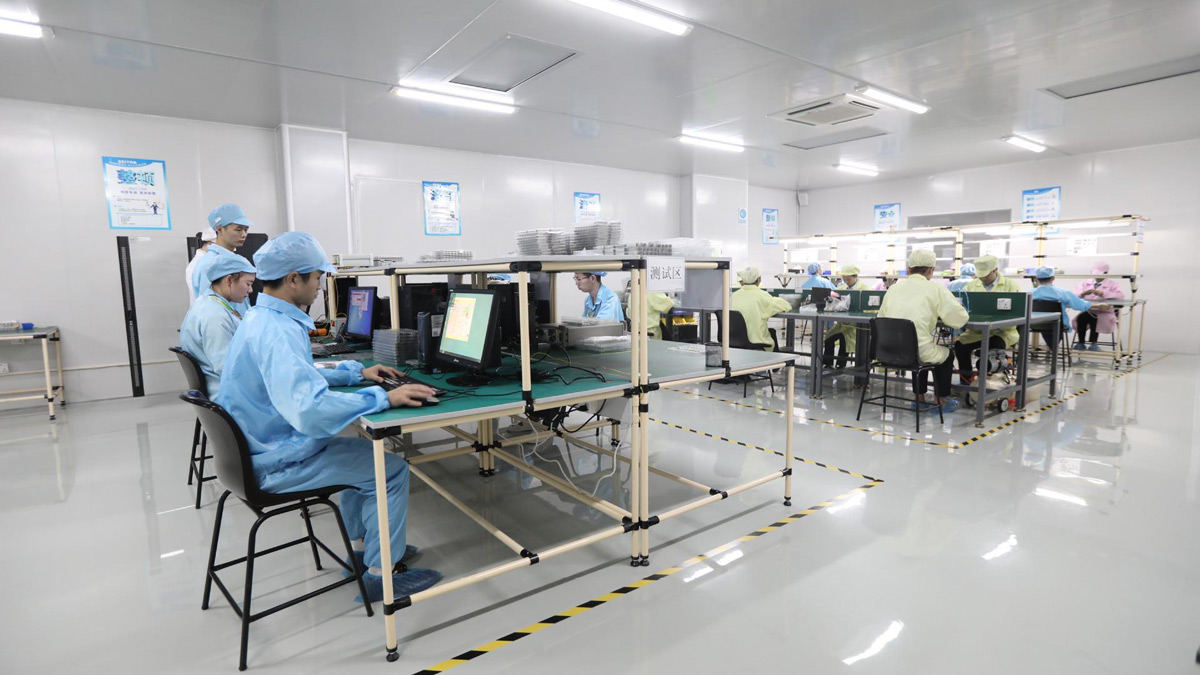
In modern telecommunications manufacturing, trust is established by displaying the precise industrial methods that guarantee product reliability. Passive components like PLC Splitters must be prepared in high-precision dust-free cleanrooms. Fiber end-face inspection, manual alignment, and curing processes must follow standardized procedures to avoid microscopic impurities that lead to high return loss or optical scattering.

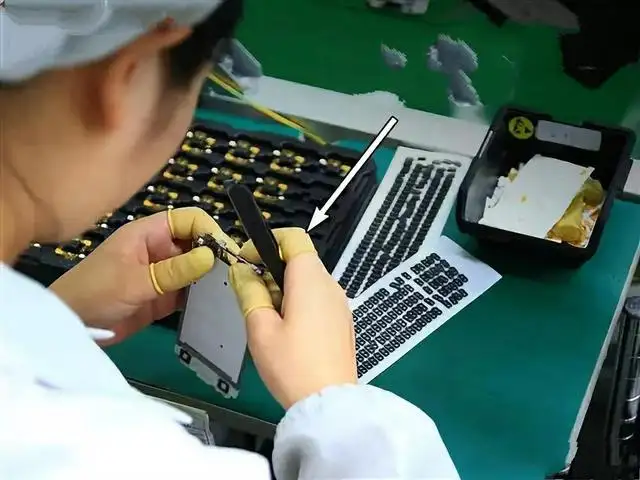
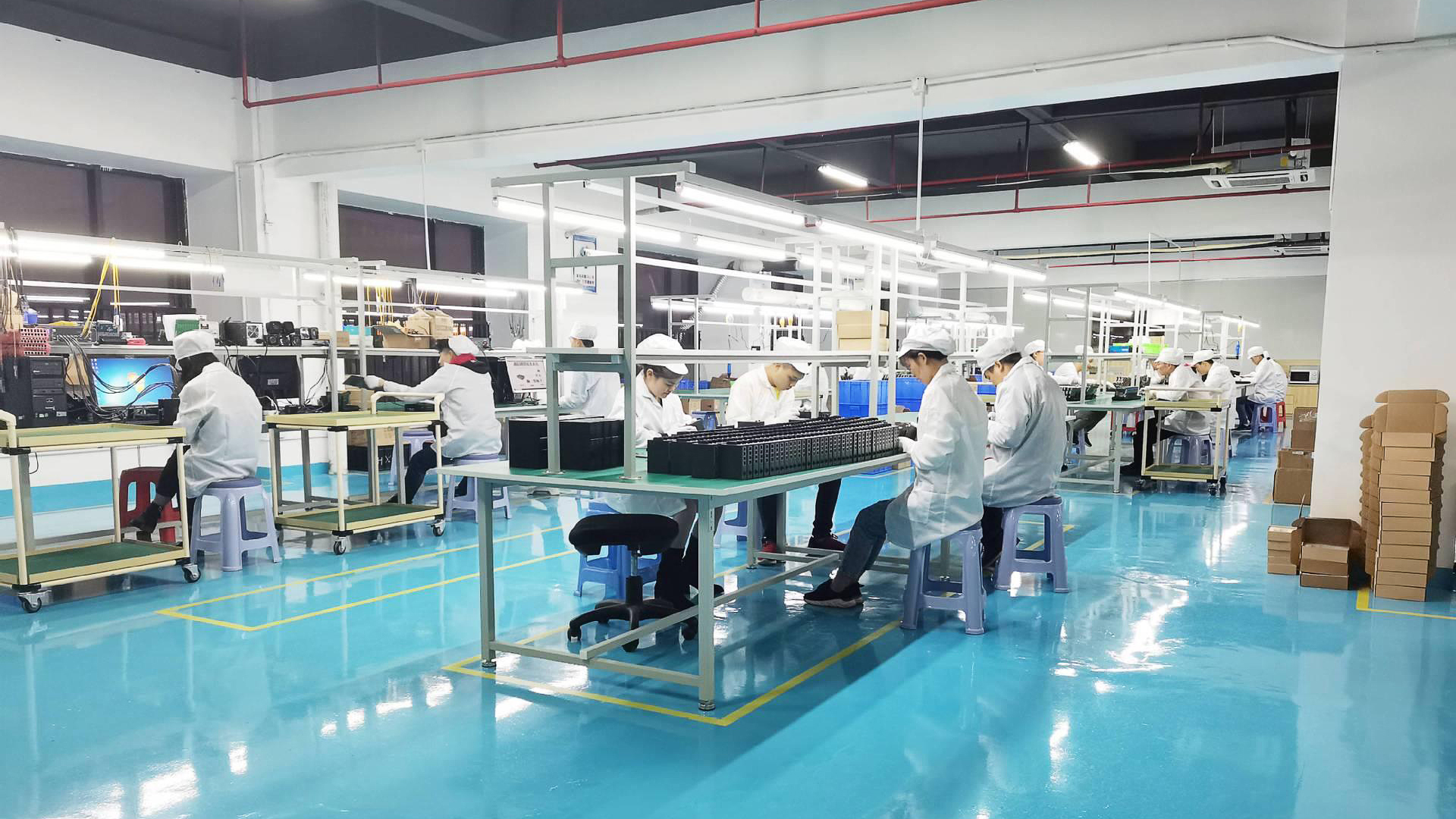
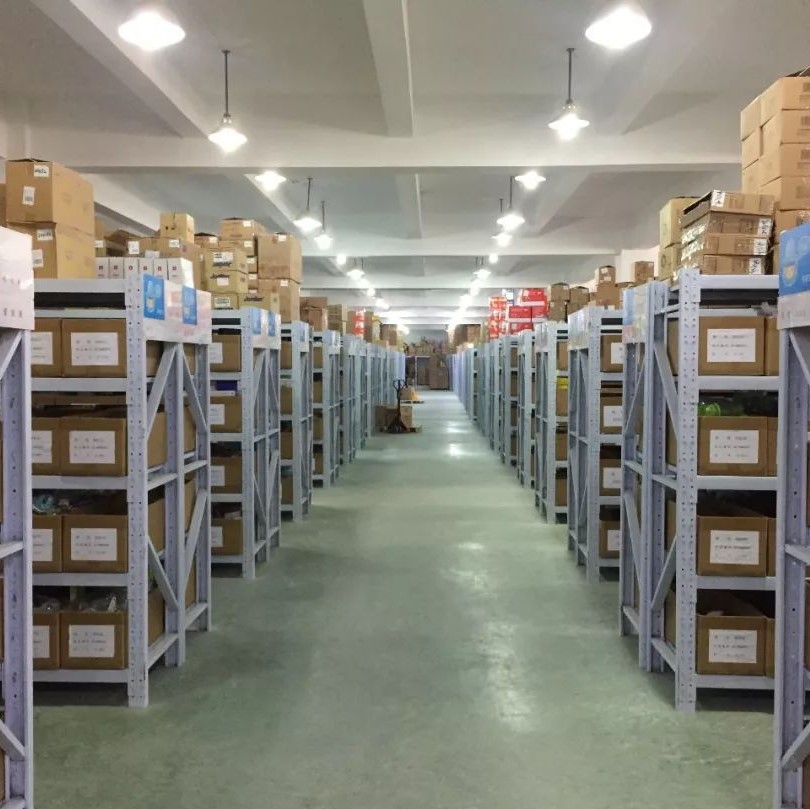
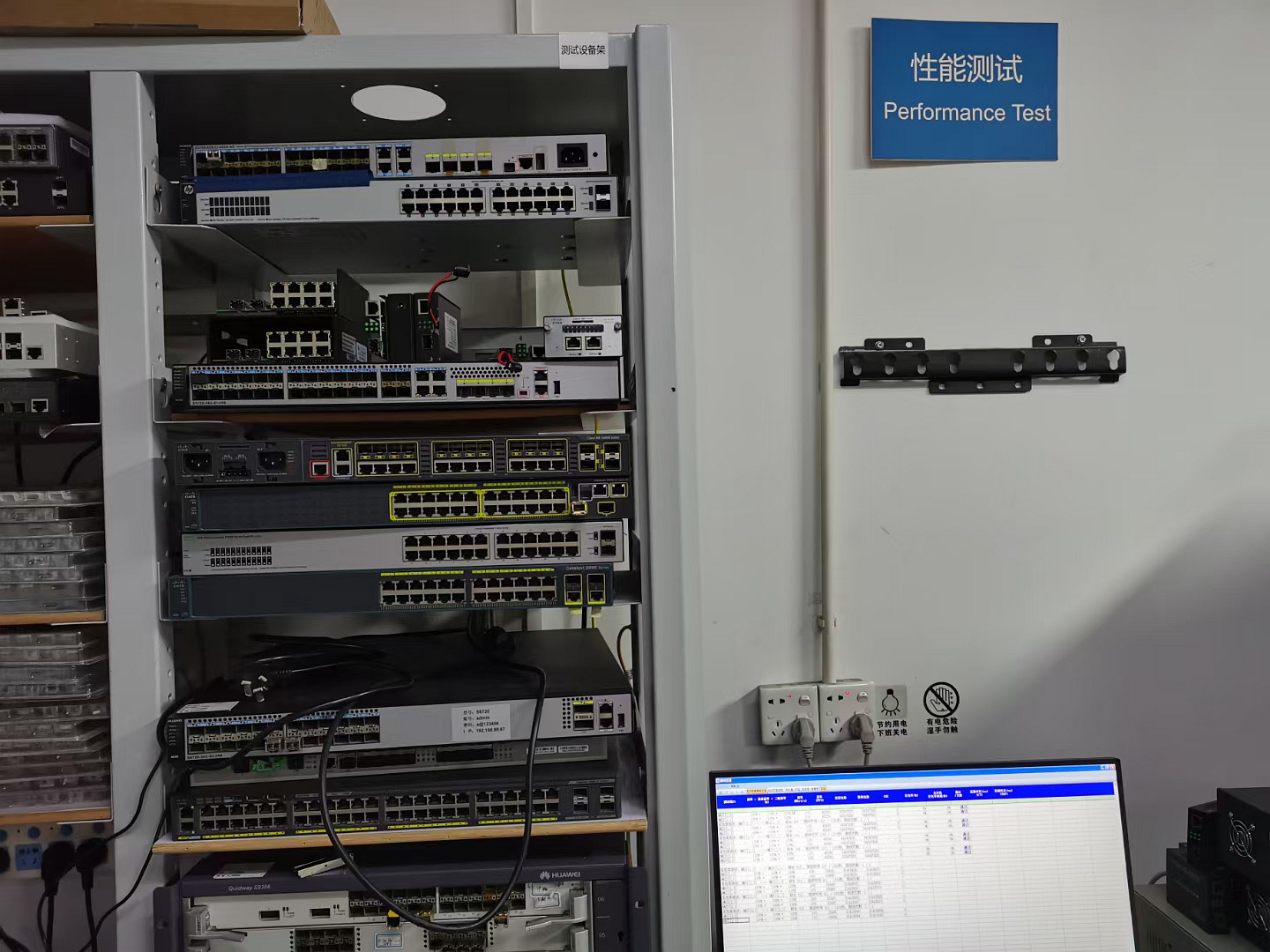
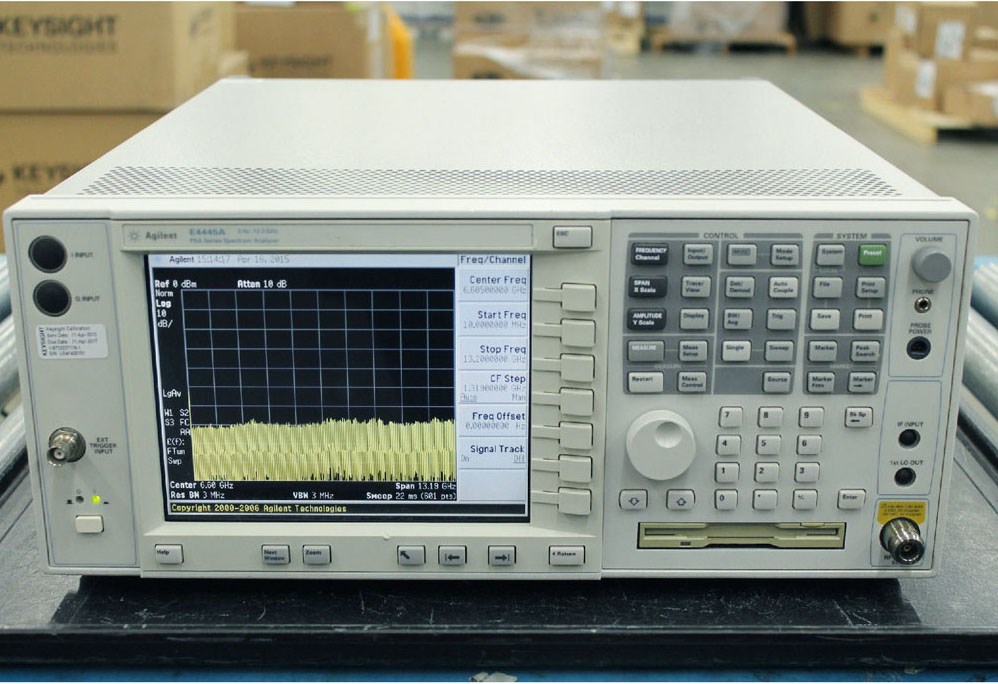
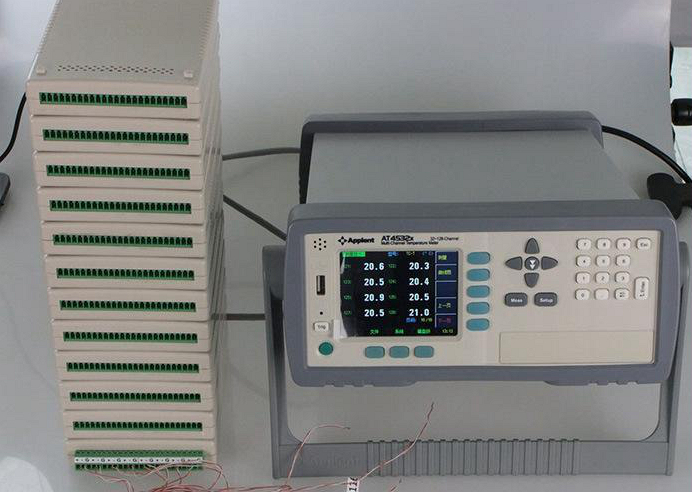
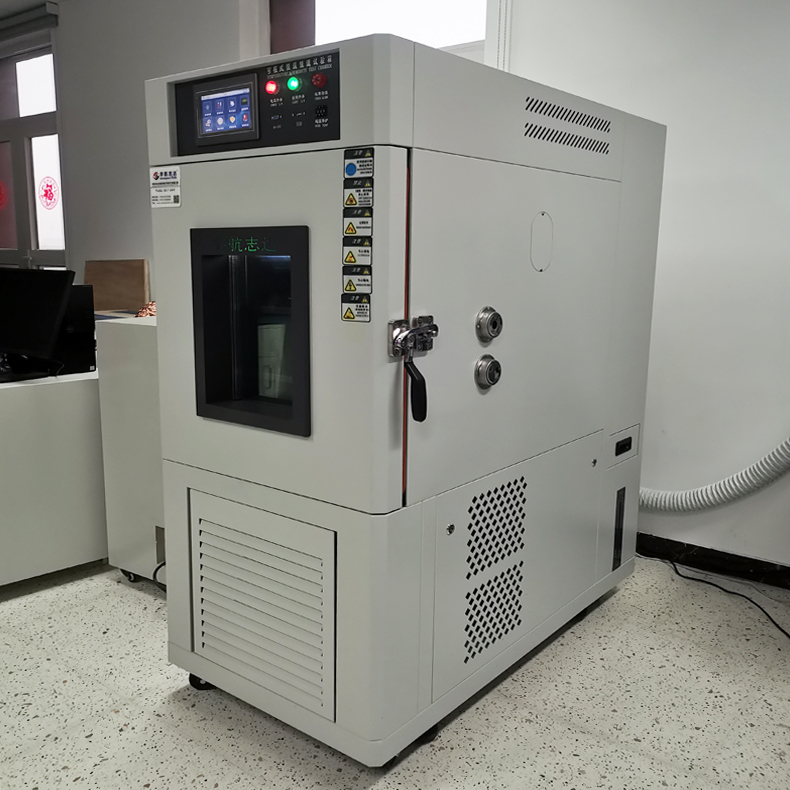
For active equipment that coordinates alongside passive elements—such as media converters, GPON ONUs, and transceivers—the quality loop is even more complex. As seen in our factory test modules, every item undergoes a continuous test sequence. This includes wifi calibration, high-low temperature simulation chambers, and continuous functional bit-error-rate testing. This attention to detail reduces the failure-on-arrival rate to less than 0.05%, which is a critical operational KPI for logistics operations in Brazil, where inland transport costs are high and shipping times can be long.
When purchasing components from China for delivery to Brazil, strategic planners must consider total cost of ownership (TCO) and logistics details. These include:
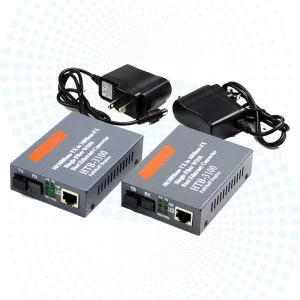
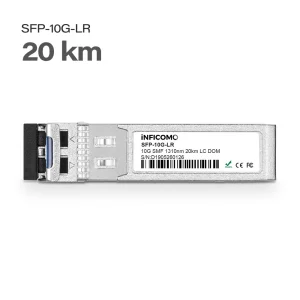
Complete selection of optical transceivers, media converters, and user terminal ONUs engineered for seamless interoperability.
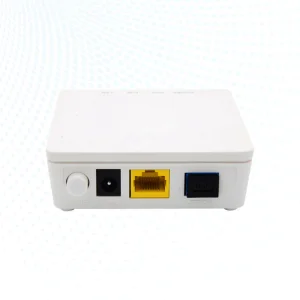
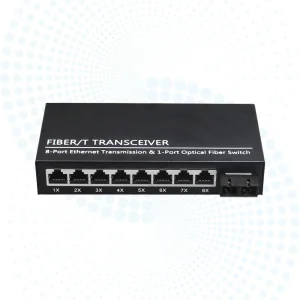
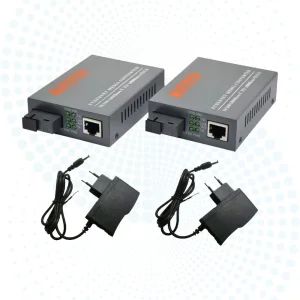
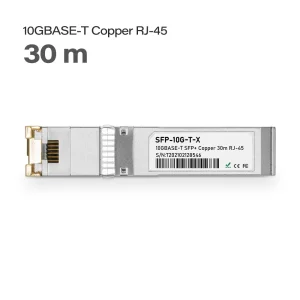
Partner with a verified manufacturer that provides high-quality, cost-effective, and high value-added products and solutions. We export to over 60 countries and are ready to support your Brazilian network expansions.
 Soras Tech