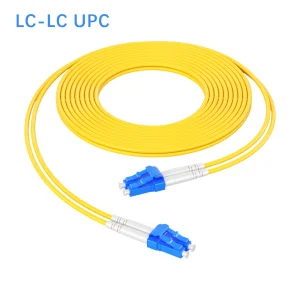
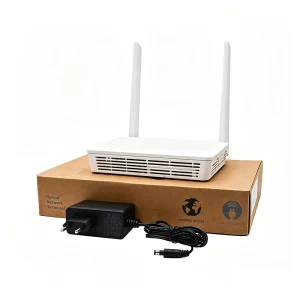
Highly compatible, operator-grade access points designed for seamless integration into Kansai's commercial and residential optical setups.
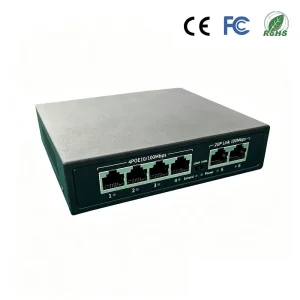
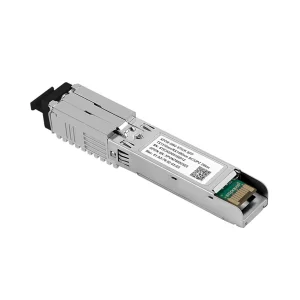
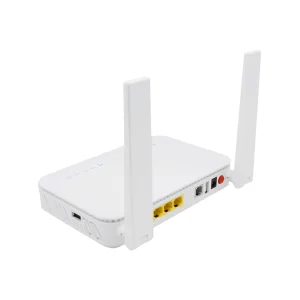
An analytical breakdown of optical access technologies, localized demands, and network deployment strategies in Osaka and the wider Kansai region.
Osaka, serving as the commercial and industrial heartbeat of Western Japan, is currently experiencing an unprecedented digital transition. Driven by the Umekita Phase 2 redevelopment project and preparation for the upcoming Kansai World Expo, the demand for high-bandwidth, ultra-low latency connection profiles has skyrocketed. Traditional gigabit networks are rapidly giving way to 10G-EPON and XGS-PON systems to satisfy the data transmission needs of modern smart cities.
In Kansai's industrial hubs, such as Higashiosaka and Sakai, small to medium-sized manufacturing facilities (SMEs) are adopting Industrial IoT (IIoT) frameworks. High-reliability terminal equipment like optical network units (ONUs) and optical network terminals (ONTs) are vital for bridging shop-floor fieldbus protocols with high-speed fiber-to-the-factory (FTTF) networks. Concurrently, major regional providers including NTT West (FLET'S Hikari) and Kopticom (eo Hikari) are consistently pushing the boundaries of FTTH deployments. This creates a highly competitive demand for ONUs that natively support high-speed routing, robust IPv6 translation, and seamless interoperability with legacy optical line terminals (OLTs).
Understanding how local operators utilize hardware is key to successful deployment. Our research and customer feedback within the Osaka market highlight several key scenarios where specialized ONU & ONT hardware provides significant deployment advantages:
As high-definition streaming (4K/8K) and local enterprise cloud synchronization expand, traditional GPON architectures (2.5 Gbps downstream / 1.25 Gbps upstream) are reaching capacity limits. The industry is actively shifting toward symmetric 10G-PON systems, notably XGS-PON.
By offering stable 20KM transmission limits using 1270/1577nm wavelengths, XGS-PON SFP+ ONU Sticks allow enterprise routers to directly establish connection handshakes with telecom OLTs. This eliminates one layer of conversion hardware, lowering both latency and physical points of failure.
For hardware deployed within Japan, regulatory compliance is non-negotiable. Telecommunication terminals must comply with the JATE (Japan Approvals Institute for Telecommunications Equipment) and TELEC (Telecom Engineering Center) certifications. These certifications ensure that the radio frequencies emitted by dual-band Wi-Fi ONUs do not cause interference with domestic communications.
Furthermore, compliance with VCCI (Voluntary Control Council for Interference) Class B standards is crucial for residential network hardware. It guarantees that the equipment can operate safely within residential neighborhoods in Osaka without degrading nearby consumer electronics.
Over 10 years of professional expertise in high-performance optical transmission equipment manufacturing and global export.
Shenzhen Soras Technology Co., Ltd. is a leading manufacturer of optical transmission equipment and network equipment. We rely on high-quality management and technological innovation, committed to providing customers with high quality, cost-effective, high value-added products and solutions.
Today, we work closely with telecommunications companies around the world. We have strong technical force and an experienced R&D team. Products can be developed according to customer requirements, and we also accept your OEM and ODM orders. Currently, our products are exported to more than 60 countries, with major markets in South America, North America, Europe, and Eastern Asia.
Our main product portfolio includes: Fiber Media Converters, SFP Modules, POE Switches, ONU, OLT, and essential supporting accessories. We have successfully passed ISO 9001, UL, CE, FCC, and RoHS Certifications. Our core operating principle remains: "Superior quality, professional service, competitive price, integrity-based." We believe this is not only our responsibility, but also the best path forward for long-term development. Soraslink looks forward to working with you!
| Business Type | Manufacturer | Country / Region | Guangdong, China |
| Main Products | FTTH ONU & OLT, SFP Module, Fiber Media Converter, PoE Switch, Fiber Optic Equipment | Total Employees | 11 - 50 People |
| Total Annual Revenue | US$5 Million - US$10 Million | Year Established | 2021 |
| Main Markets | Domestic Market 24.00%, Eastern Asia 15.00%, North America 15.00%, Europe, South America | Certifications | ISO 9001, UL, CE, FCC, ROHS |




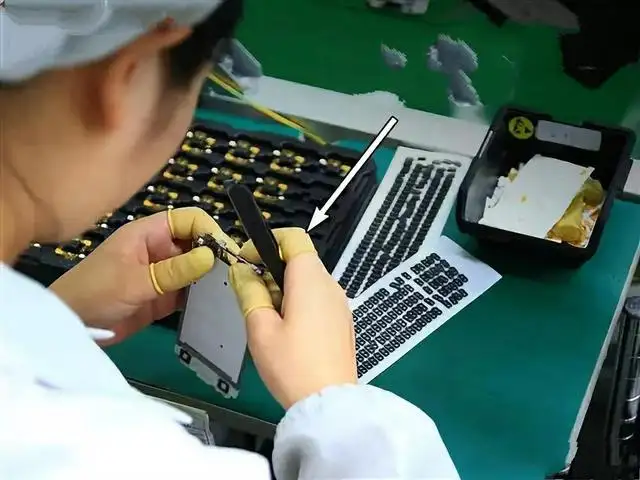


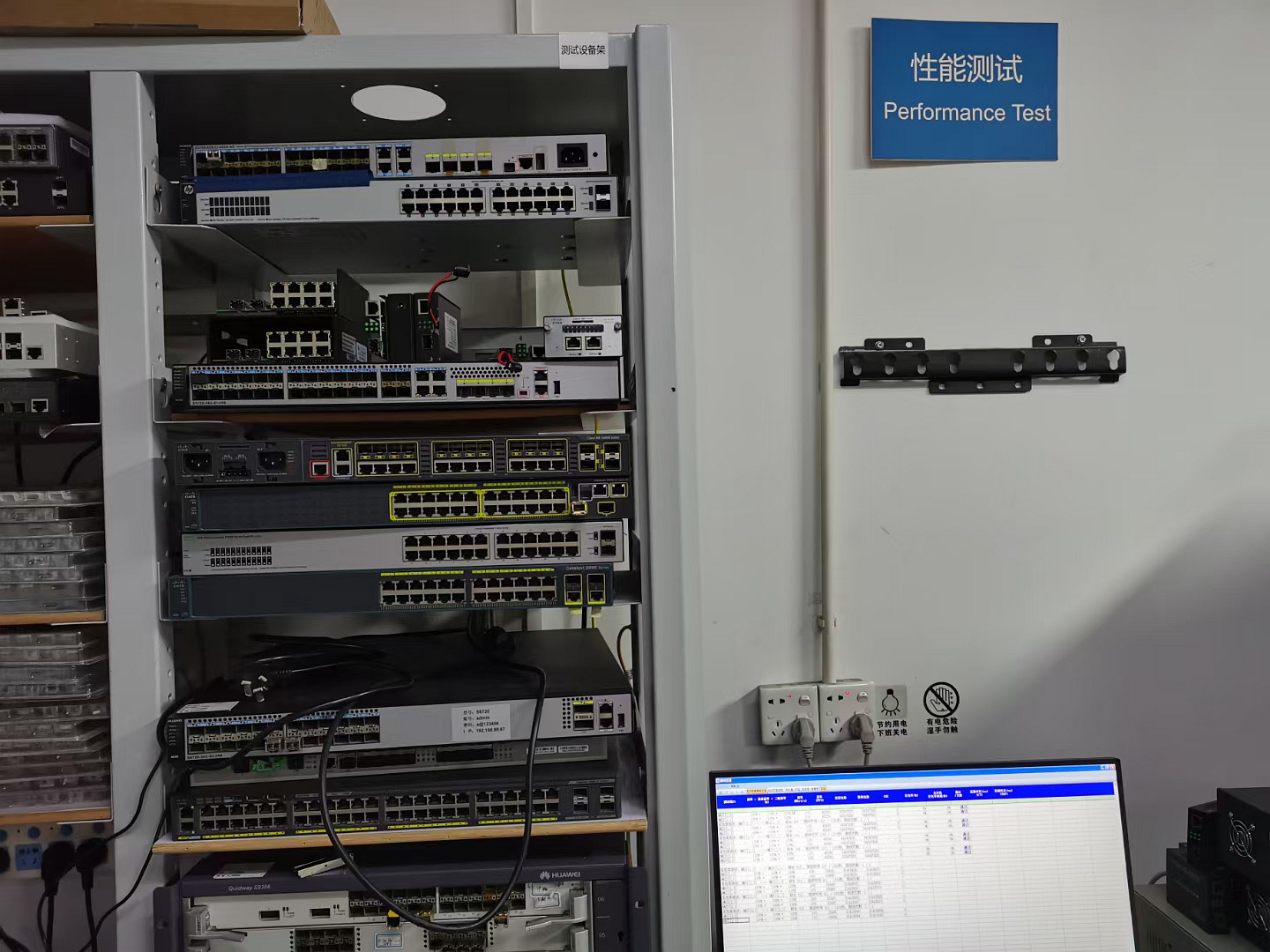
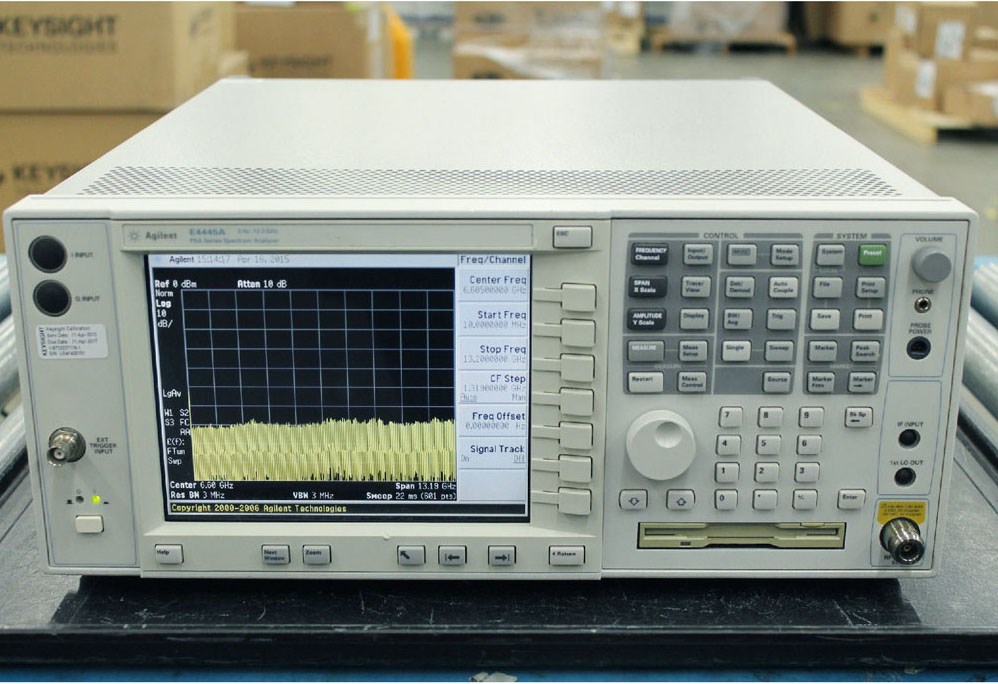
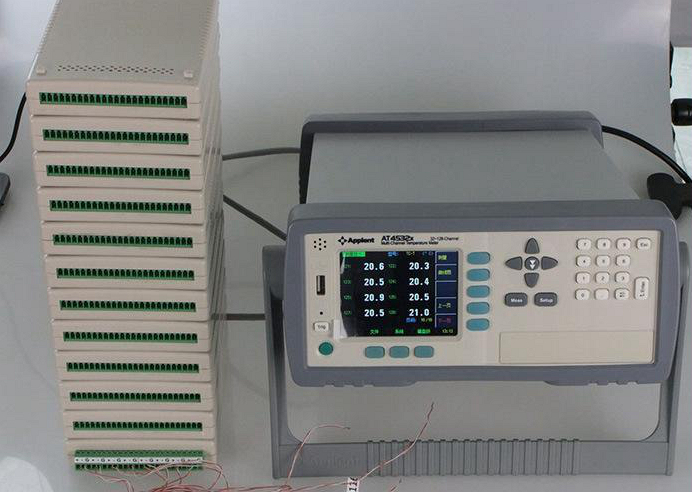
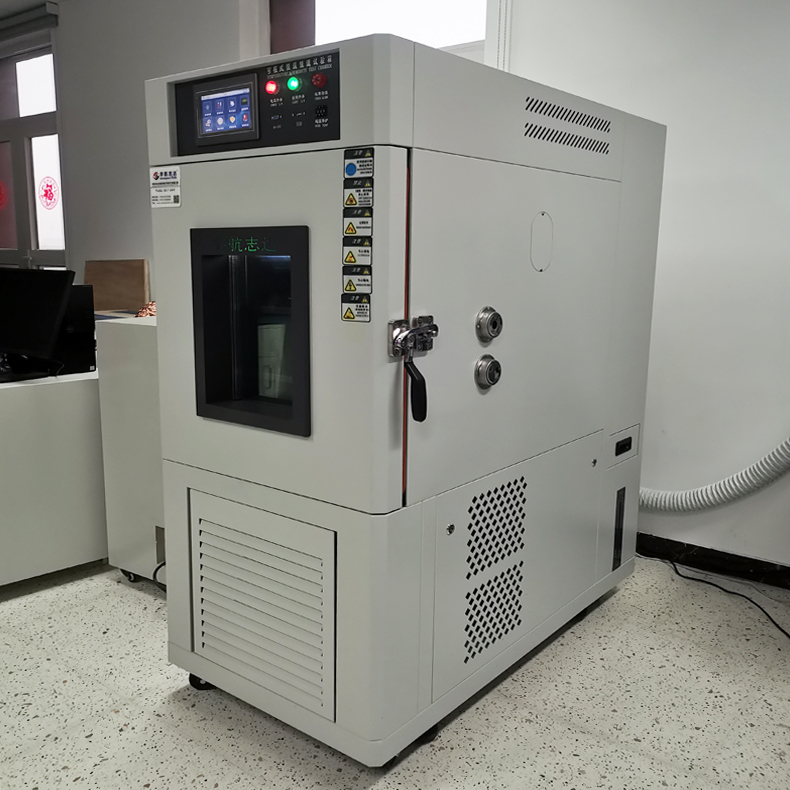
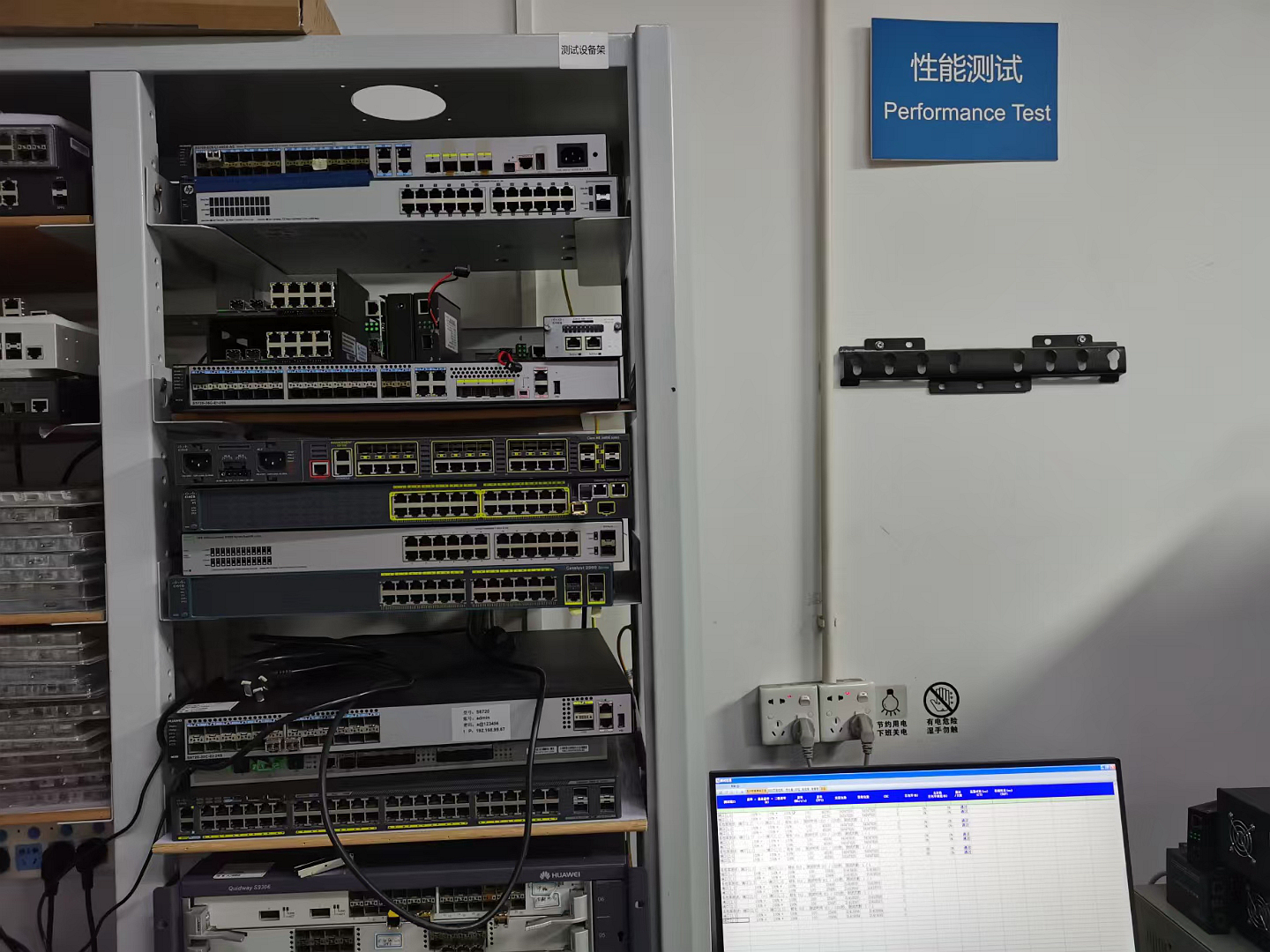
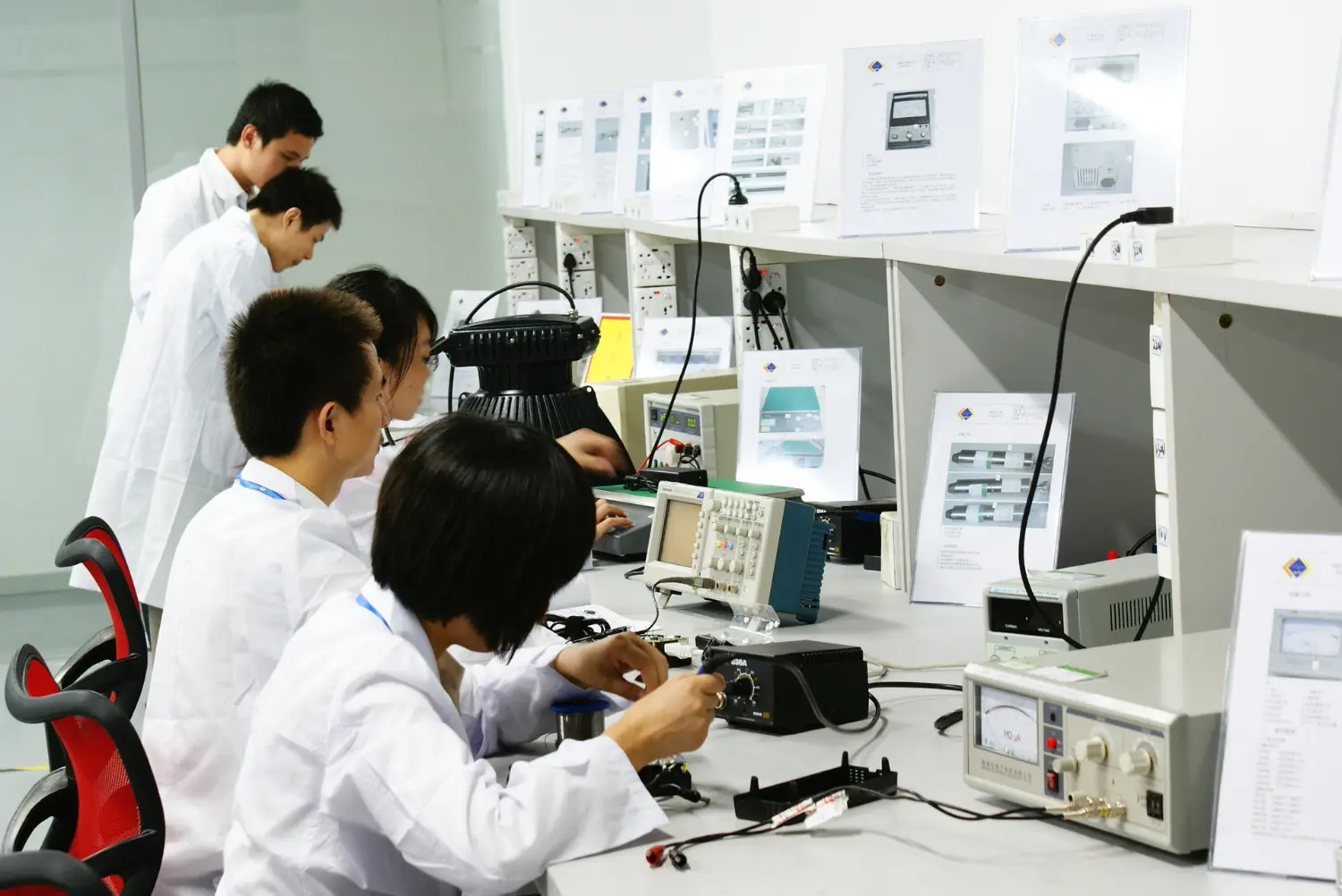
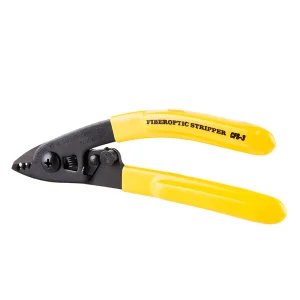
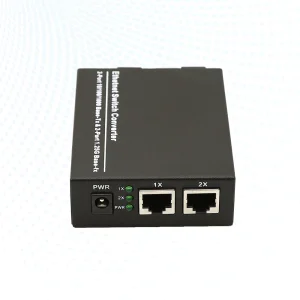
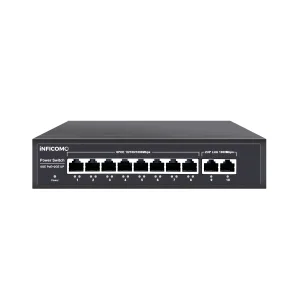
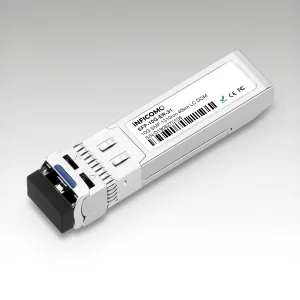
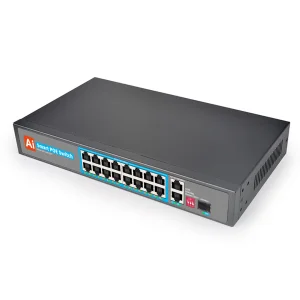
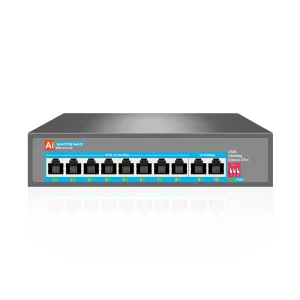
Explore our complete catalog of industrial switches, high-speed optical transceivers, and essential termination tools.

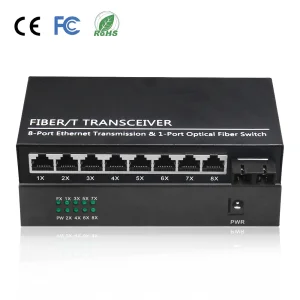
Addressing common system integration, compatibility, and regulatory queries for the Japan & Osaka markets.
 Soras Tech