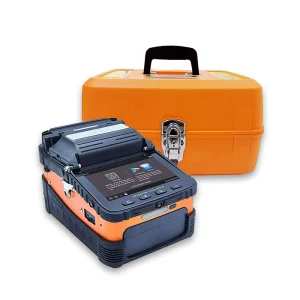
Premium grade optical networking hardware and high-attenuation resistant fiber cabling systems deployed across major infrastructural nodes in Egypt
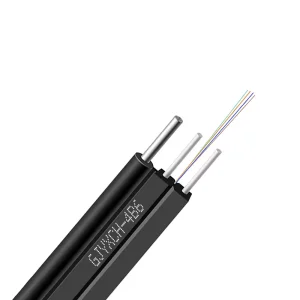
Egypt stands as one of the most critical optical hubs globally. By linking the Mediterranean Sea and the Red Sea through geographical bottlenecks, over 90% of all data traffic running between Europe, Asia, and the Horn of Africa routes directly through Egypt's territorial landmass and marine zones. With the Ministry of Communications and Information Technology (MCIT) executing the "Digital Egypt" strategy, the domestic requirement for physical infrastructure has surged exponentially. The transition from legacy copper infrastructure to Fiber-to-the-Home (FTTH) and Fiber-to-the-Building (FTTB) is no longer a luxury, but a national security priority.
National carrier initiatives led by Telecom Egypt are focusing heavily on establishing robust internal terrestrial networks. This migration requires extreme durability from local fiber optic production factories. Fiber cable lines spanning the deserts of Giza, Upper Egypt, and the Nile Delta must withstand high temperatures, fluctuating soils, and potential external interference, making high-spec factory output a cornerstone of regional stability.
"As of 2024, Egypt’s regional fiber optic expansion strategy requires both structural mechanical reliability in raw cabling and highly optimized active distribution nodes (OLTs, ONUs) to secure long-term capital investments."
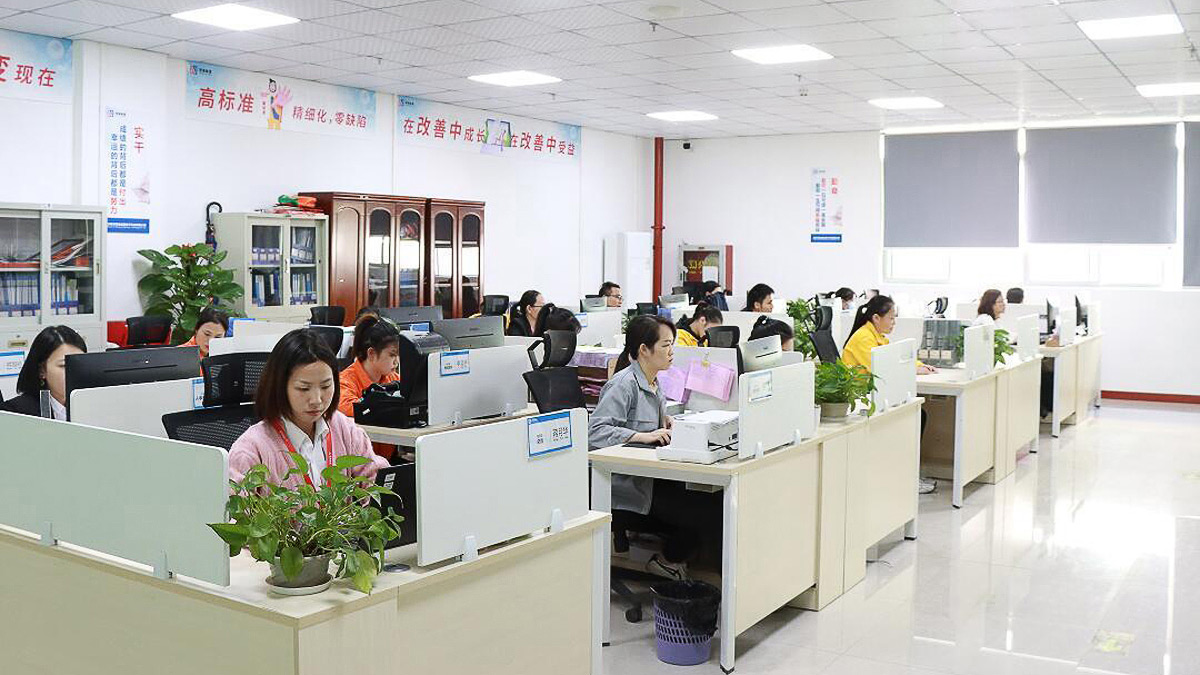
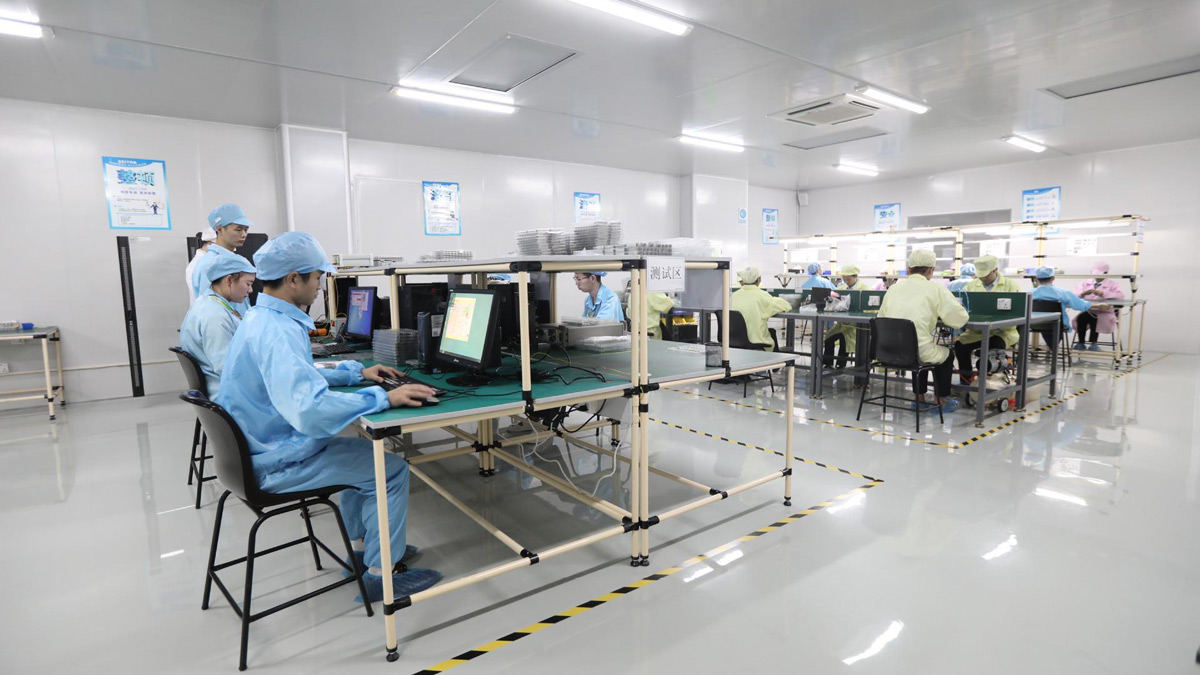
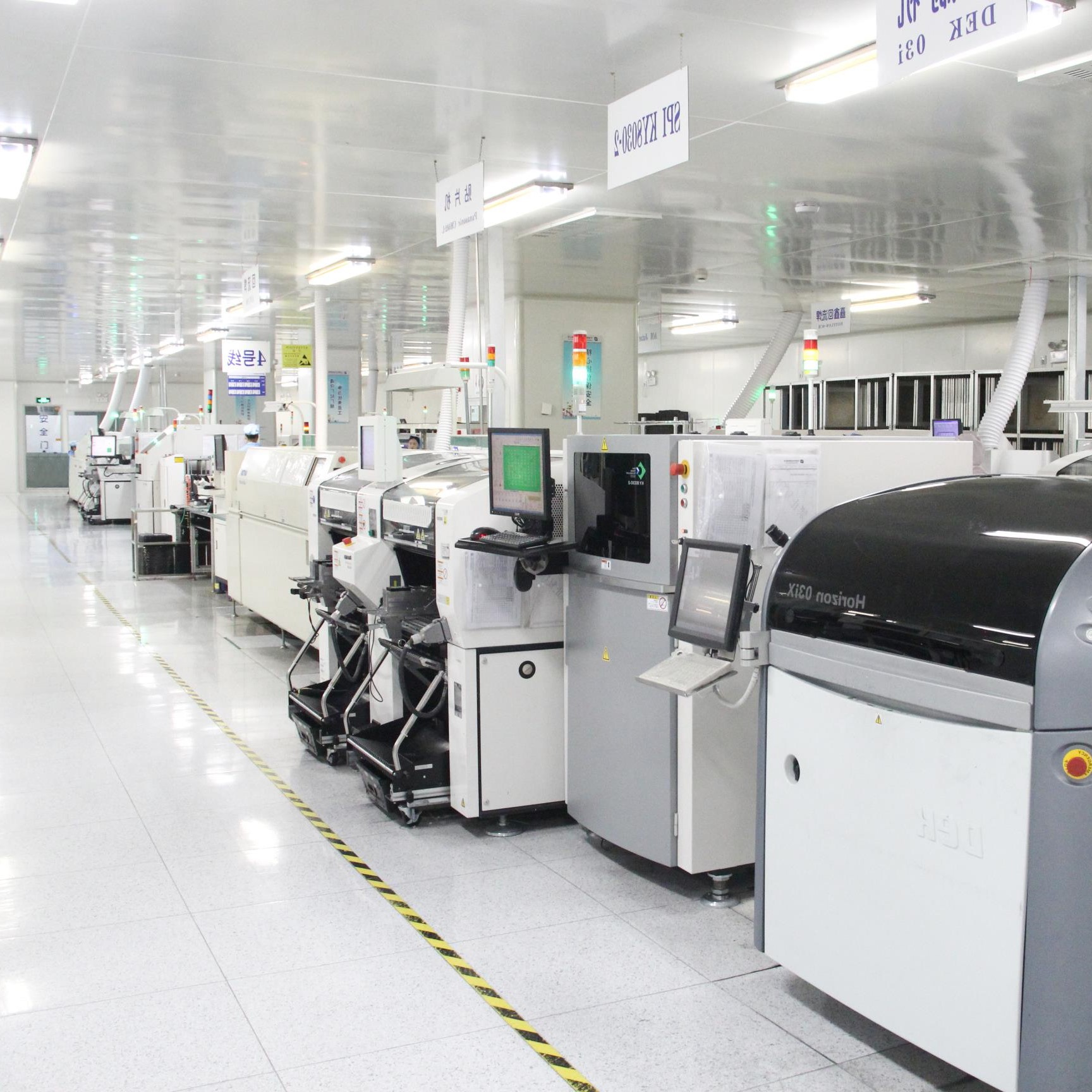
The global fiber optics market is dictated by the availability of high-purity silica preforms. While local factories in Egypt, such as those within the Suez Canal Economic Zone (SCZONE), have established state-of-the-art jacketing, drawing, and assembly plants, a significant percentage of specialized optoelectronic components, silicon assemblies, and optical fiber cores are sourced from precision manufacturing bases in Shenzhen, China. This trade synergy creates a balanced supply chain where Chinese technical engineering and high-efficiency production lines empower local Egyptian installation contractors.
For systems integrators in Cairo and Alexandria, partnering directly with a high-capacity factory that maintains full control over both raw component creation and final testing ensures that specifications match the rigid tolerances of Egypt’s telecom operators. Shenzhen Soras Technology Co., Ltd. fills this vital supply chain link, offering direct-from-factory high-performance media converters, SFP modules, and OLT frameworks designed to align seamlessly with localized fiber cable networks.
Analyzing key structural applications of fiber optics and active components across Egypt’s major industrial and urban sectors
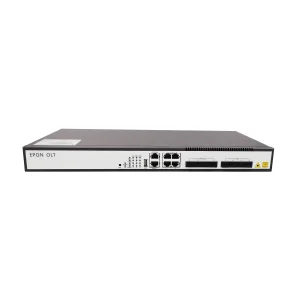
Deploying ultra-high density FTTH networks using bend-insensitive G.657.A2 single-mode drop cables. These networks feed into centralized GPON OLT chassis systems to drive automated smart utility grids, urban IoT, and CCTV arrays.
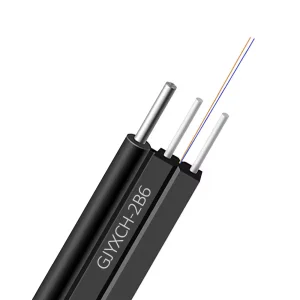
Connecting heavy manufacturing units, shipping terminals, and dry ports using steel-armored drop cables (GJYXCH-2B6) to resist extreme physical stress, paired with gigabit dual-fiber media converters to span up to 20km across logistics hubs.
Utilizing high-performance SFP+ copper and optical transceivers to manage real-time commuter communications, high-frequency signaling, and station-wide networks with zero latency and complete electromagnetic interference resistance.
Cabling infrastructure in Egypt is subjected to harsh environmental parameters: prolonged UV exposure, high soil temperatures (often exceeding 50°C), and physical abrasion from desert sandstorms. Standard PVC-based fiber jackets degrade rapidly under these conditions. To counter this, our factories utilize Low Smoke Zero Halogen (LSZH) jacketing mixed with carbon black UV stabilizers.
Additionally, when pulling fiber through outdoor conduits in urban centers like Giza or Alexandria, high tensile strength is mandatory. The deployment of steel wire strength members (as seen in the GJYXCH drop cable line) prevents physical elongation of the internal silica core under tension, which would otherwise lead to micro-bending losses and long-term transmission failure.
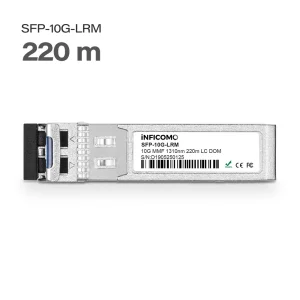
For high-capacity routing, the integration of advanced transceivers (like the SFP-10G-LRM) allows local enterprises to reuse legacy multimode fibers over distances up to 220 meters using electronic dispersion compensation (EDC), bypassing expensive re-cabling projects.
A verification of our global manufacturing capability, engineering credentials, and localized supply chain integration
| Business Type | Manufacturer, OEM/ODM Provider |
| Main Products | FTTH ONU & OLT, SFP Modules, Fiber Media Converters, PoE Switches, Fiber Optic Accessories |
| Total Employees | 11 - 50 Highly Trained Technical Personnel |
| Annual Revenue | US$5 Million - US$10 Million |
| Year Established | 2021 (Parent R&D team dating back 10+ years) |
| Certifications | ISO 9001, UL, CE, FCC, ROHS Compliant |
| Main Markets Served | Middle East (Egypt), South America, North America, Europe |
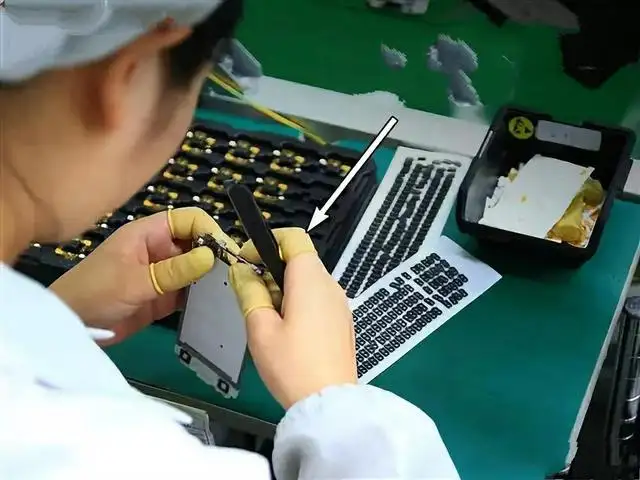
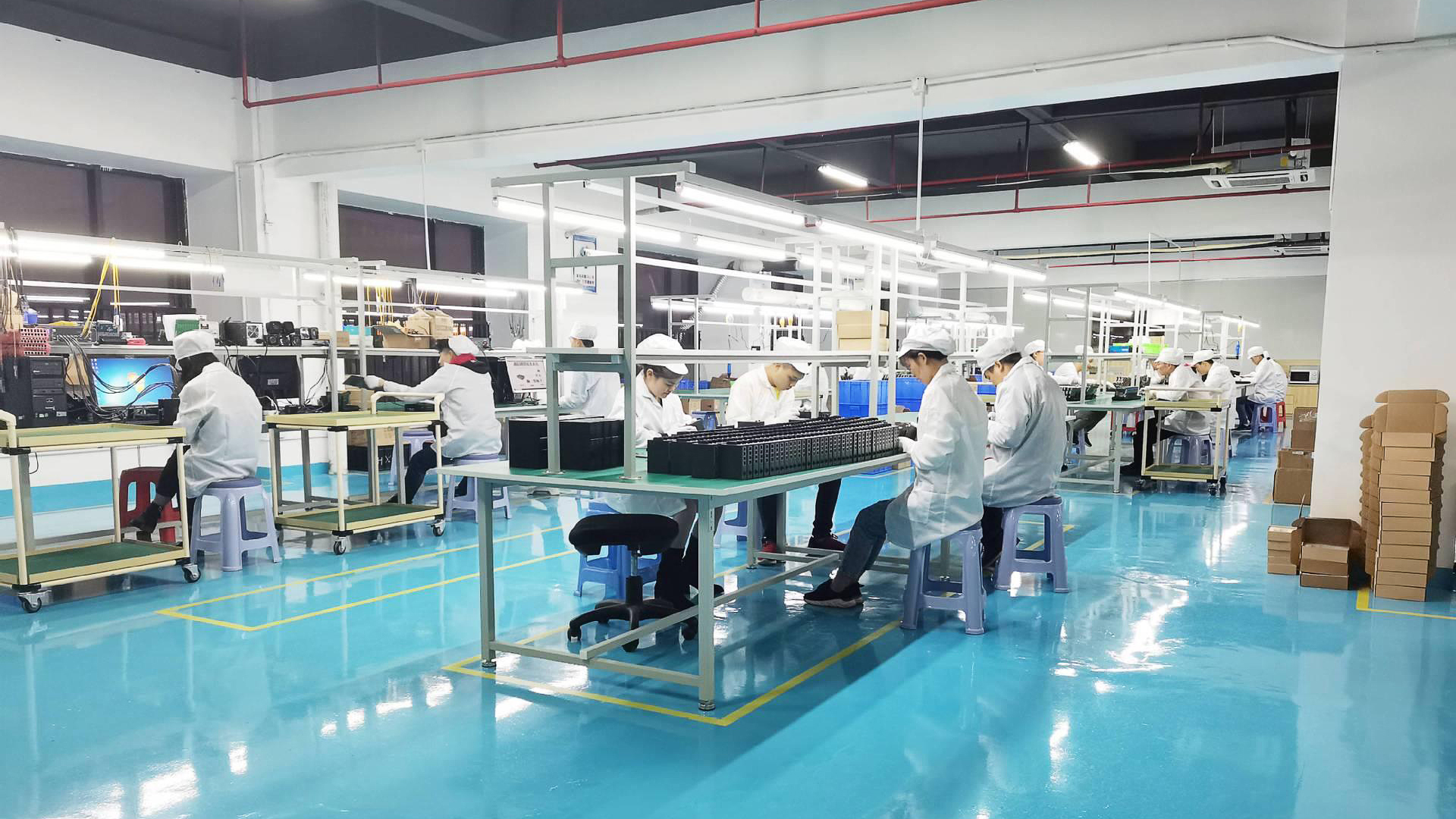
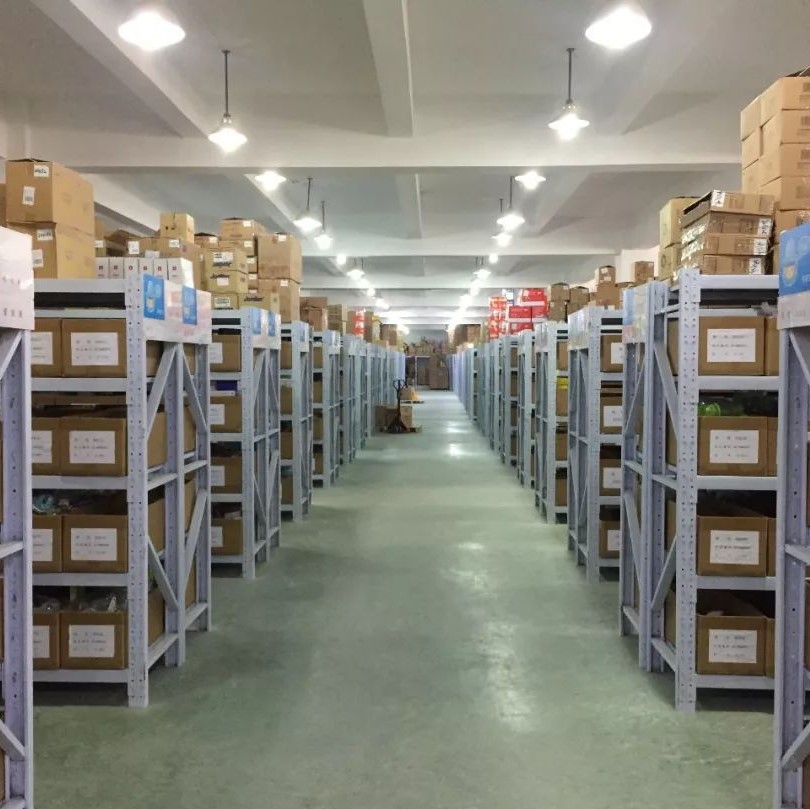
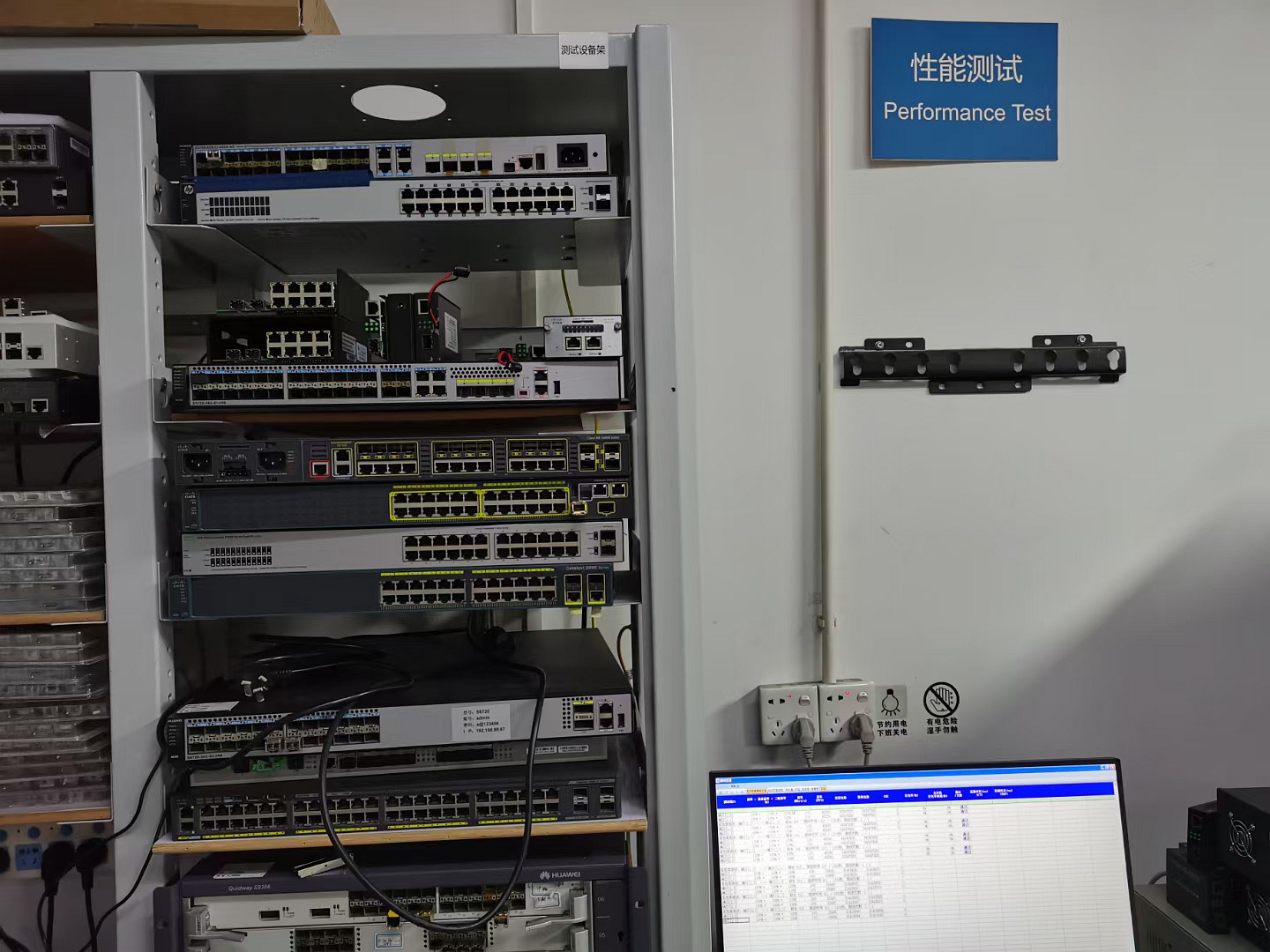
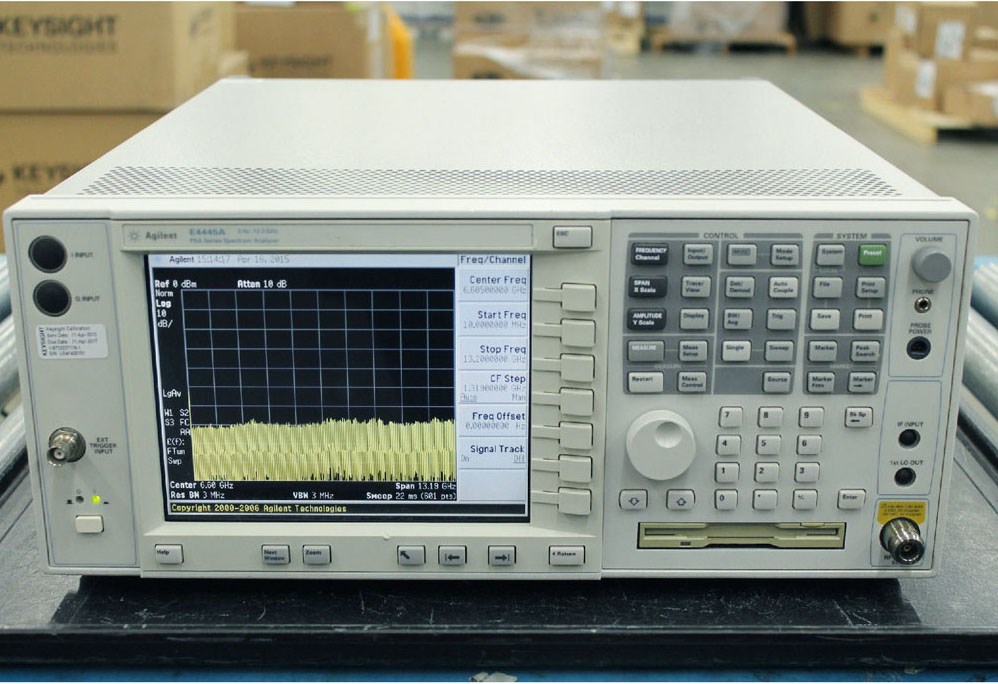
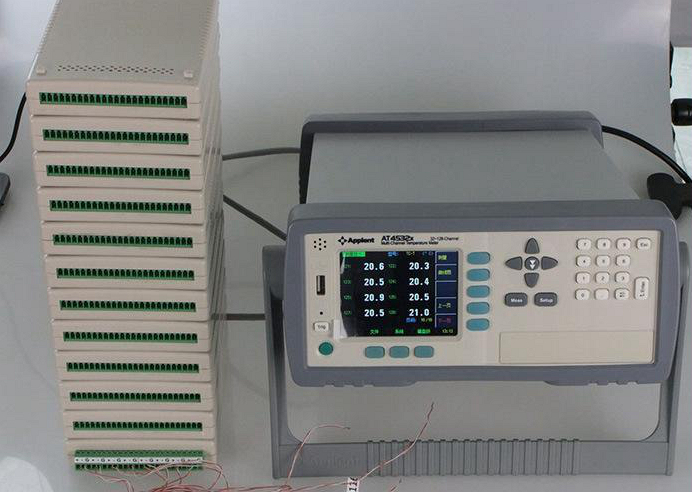
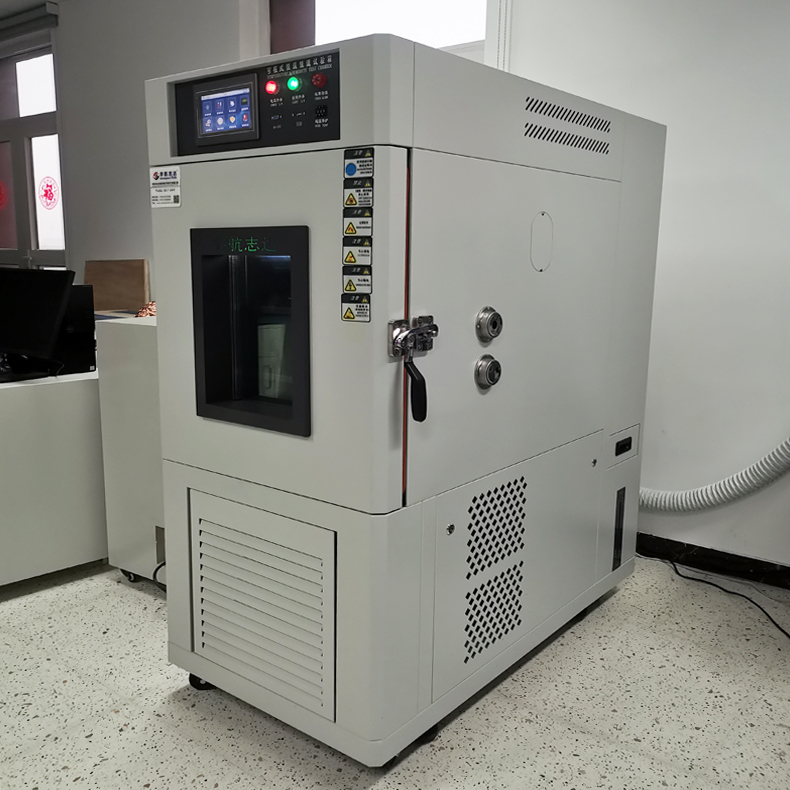
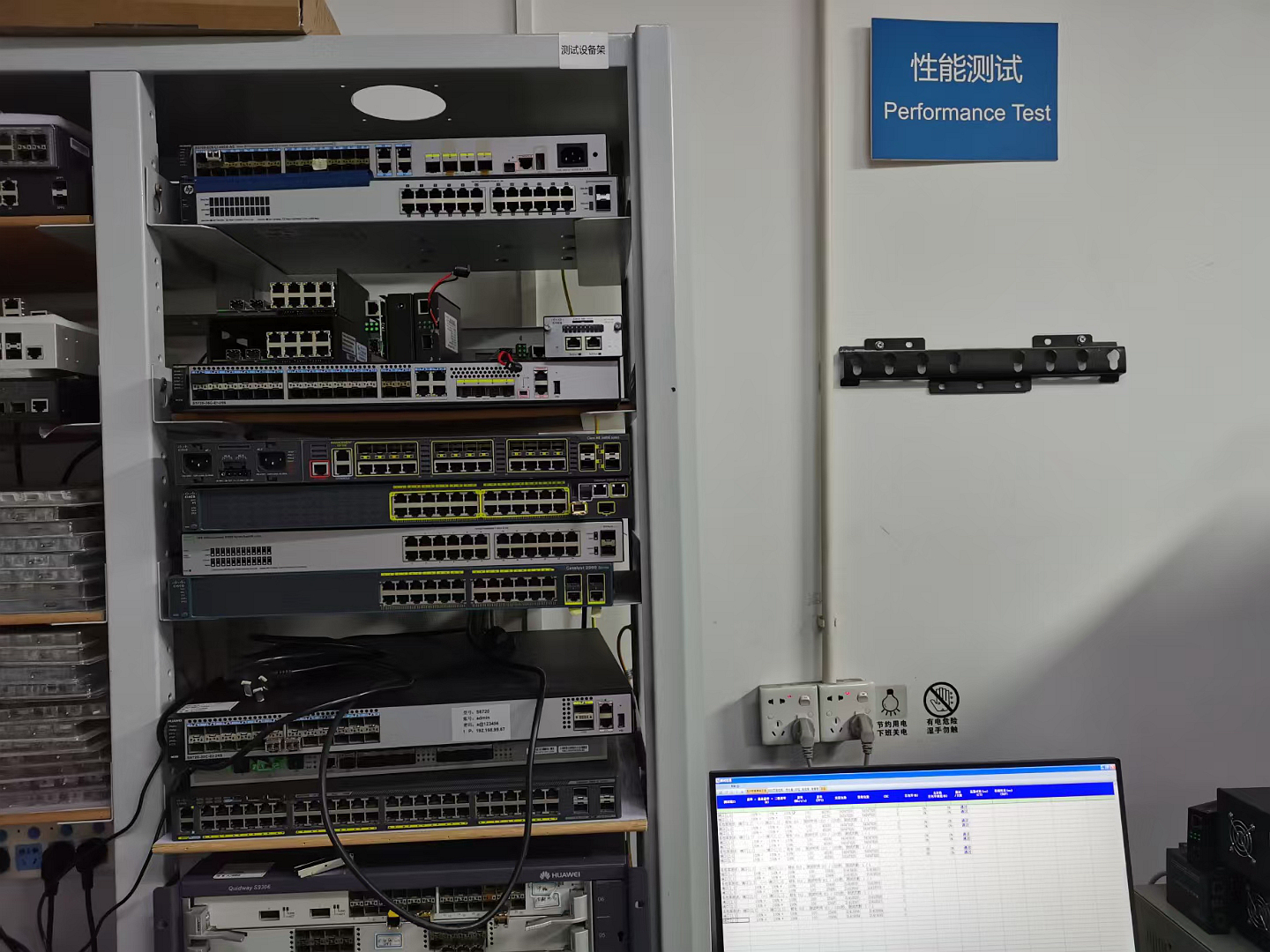
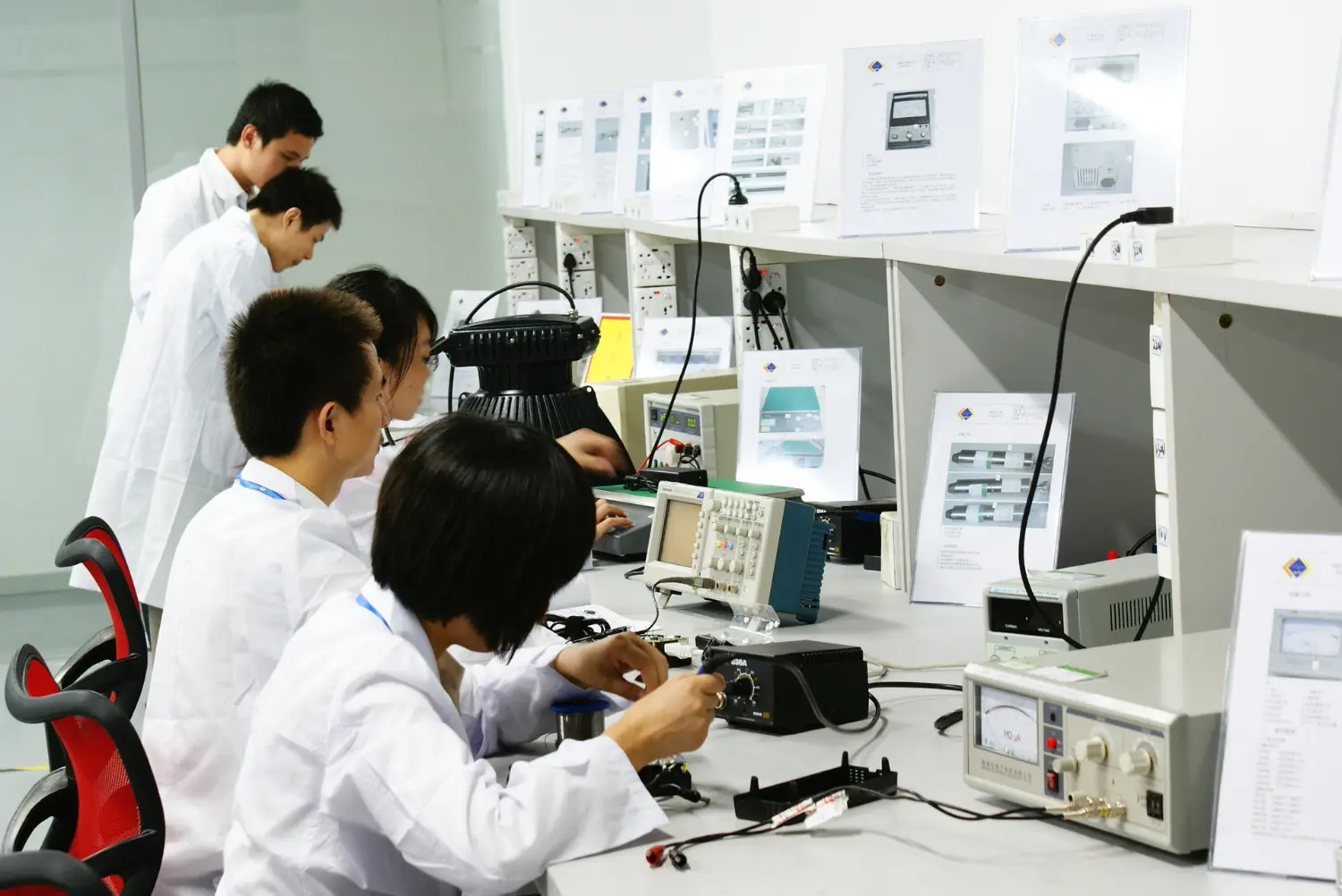
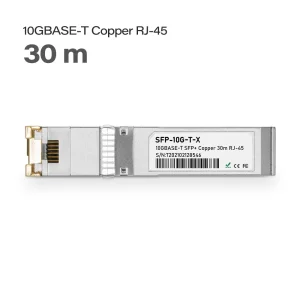
A selection of components designed to deploy, test, and maintain high-speed fiber backbones
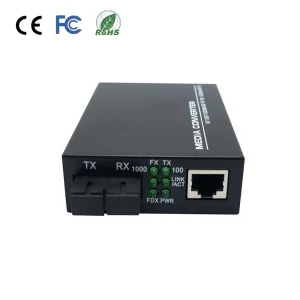
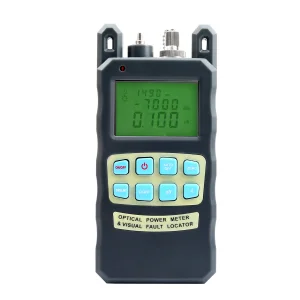
As bandwidth demand escalates, Egyptian telecom structures are transitioning from basic GPON networks to XGS-PON (10-Gigabit Symmetric Passive Optical Network). XGS-PON provides 10 Gbps symmetrical data rates upstream and downstream over existing physical single-mode optical fiber infrastructures. This change allows telecom operators to service enterprise customers and high-density residential high-rises in New Cairo without laying new fiber lines.
Our production facilities specialize in manufacturing compatible GPON/EPON/XPON SFP ONU sticks and high-capacity OLT units that ease this protocol transition. By using standardized SC/UPC and SC/APC optical connectors, our products drop straight into existing active chassis nodes. In metro-core transport rings, Dense Wavelength Division Multiplexing (DWDM) is deployed to multiplex several optical carrier signals onto a single fiber, maximizing core capacity between data centers in Suez, Cairo, and Alexandria.
Successful network design relies on the balancing of Passive Optical Networks (PON) and active hardware elements. Fiber optic cables (the passive side) require physical stability, proper bending radiuses, and structural reinforcement. However, the efficiency of the network is governed by active components: transceivers, OLT line cards, and end-user ONUs. In high-density districts of Cairo, a poorly calibrated ONU can introduce upstream optical noise, degrading service for an entire branch of a passive optical splitter. Soras Technology's focus on functional validation and WiFi calibration ensures all active devices achieve perfect signal-to-noise ratios, reducing overall maintenance overheads for local contractors.
In-depth responses to technical, environmental, and commercial procurement inquiries from regional network developers and distributors
Outdoor drop cables deployed in Egypt must utilize G.652.D or G.657.A2 single-mode optical fiber, wrapped in a UV-resistant, Low Smoke Zero Halogen (LSZH) jacket. Due to high ambient temperatures and dry soil conditions, cables should incorporate metallic or FRP strength members to maintain structural integrity and resist sag under high tension. High-density polyethylene (HDPE) or corrugated steel tape armor is recommended for underground conduit runs to protect against rodent damage and mechanical compression.
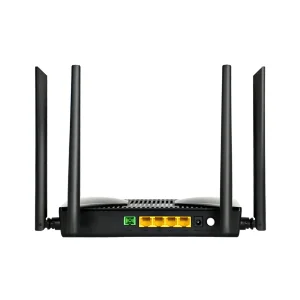
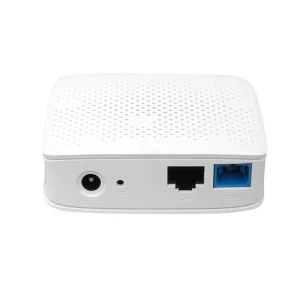
Our ONUs (including the WiFi 6 XPON ONT AX3000 and the 1GE Mini GPON ONU) are equipped with broad chipset compatibility (typically Realtek, Broadcom, or Cortina). They support dual-mode auto-sensing (GPON/EPON) and conform to ITU-T G.984/G.988 standards. This allows them to interface with OLT platforms from major global vendors deployed by regional carriers in Egypt.
G.657.A2 is a bend-insensitive single-mode fiber with a minimum bend radius of 7.5mm, compared to G.652.D which has a minimum bend radius of 30mm. In typical Cairo residential high-rises and historic buildings, optical cabling must navigate sharp corners, tight conduits, and indoor wall moldings. G.657.A2 minimizes signal attenuation caused by sharp bends, ensuring stable high-speed connections for end users.
High temperatures accelerate laser diode degradation, increase dark current, and can cause wavelength drift, leading to high bit error rates (BER). Our SFP+ transceivers (such as the SFP-10G-LRM and SFP-10G-TX) are manufactured with components rated for industrial temperatures (-40°C to +85°C). They feature built-in Digital Diagnostic Monitoring (DDM/DOM), allowing network operators to monitor real-time laser temperature, bias current, and optical power.
Standard manufacturing lead times for bulk optical component orders range from 7 to 15 business days. Maritime shipping from Shenzhen port to Alexandria Port or Sokhna Port (Suez) typically takes 20 to 30 days via direct ocean freight routes. For urgent network deployments, air cargo routing to Cairo International Airport (CAI) reduces transit times to 3 to 7 business days.
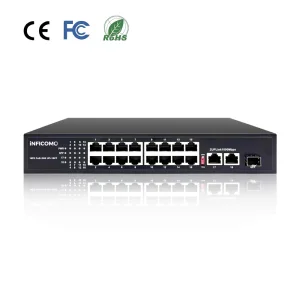
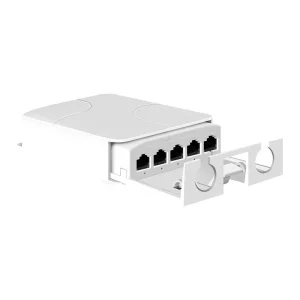
Yes, our PoE switches (including the 16+2 Port 250W PoE Switch and waterproof rail-mounted PoE extenders) are designed for harsh environments. The extenders are IP65/IP66 rated waterproof, dustproof, and capable of operating under extended temperature ranges. This makes them ideal for outdoor CCTV cameras, wireless access points, and sensor arrays in marine terminals and dry ports.
Every batch of active optoelectronic components and passive cabling assemblies undergoes testing. This includes Automated Optical Inspection (AOI), Surface Mount Technology (SMT) verification, Bit Error Rate (BER) testing, High-Low Temperature cycle chambers (-40°C to +85°C), high-frequency WiFi calibration, optical insertion loss/return loss testing, and full network loop simulation.
Yes. We offer customization including logo branding, casing redesigns, custom firmware configurations, pre-configured VLAN settings, and packaging modifications. For fiber cables, we can customize core counts, jacket materials (LSZH/FR-PE), strength member specifications, and printing markers to match specific municipal tender requirements in Egypt.
Get in touch with our technical sales team for custom optical distribution designs, factory volume pricing, and localized logistics support for Egyptian infrastructure developments.
 Soras Tech