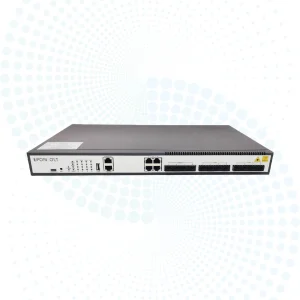
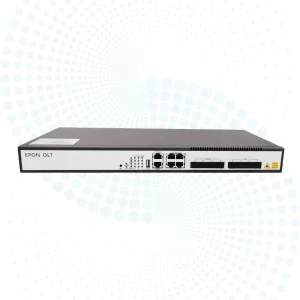
Select, high-capacity hardware configurations engineered for primary backbone routing and distribution nodes in municipal fiber layouts across Kenya.
Kenya is rapidly positioning itself as the leading digital hub of Sub-Saharan Africa, often called the "Silicon Savannah." Under the Kenya National Broadband Strategy (NBS) and initiatives like the Konza Technopolis smart city project, the demand for fast, reliable, and cost-effective fiber optic connectivity has risen dramatically. Local telecommunication service providers, tier-2 internet service providers (ISPs), and regional wireless internet service providers (WISPs) in Nairobi, Mombasa, Kisumu, Nakuru, and Eldoret are shifting from legacy wireless systems to deep-fiber networks. Consequently, there is an urgent demand for efficient, scalable FTTx access technologies.
Currently, the market requires robust hardware solutions that can withstand physical deployment factors such as high ambient temperatures, dust contamination in coastal cities like Mombasa, and power instability in semi-rural areas. Our optimized EPON OLT series addresses these deployment challenges by integrating stable, industrial-grade cooling, intelligent AC/DC power modules, and advanced network protections, including Spanning Tree Protocols (STP, RSTP, MSTP) and Ethernet Ring Protection Switching (ERPS) to guarantee zero downtime.
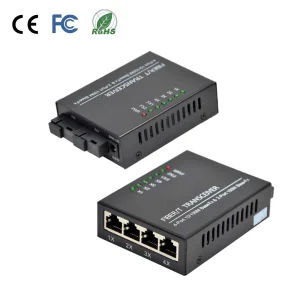
Compact interface hardware, high-end ONUs, and dual-port converters that extend reliable fiber links straight to the user premises.
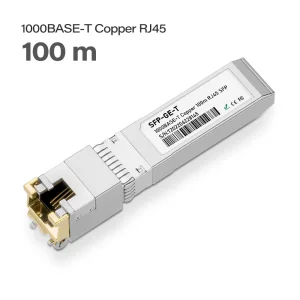
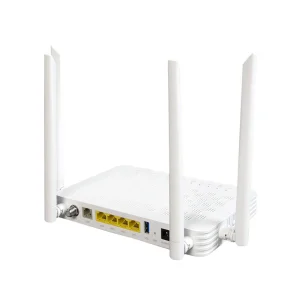
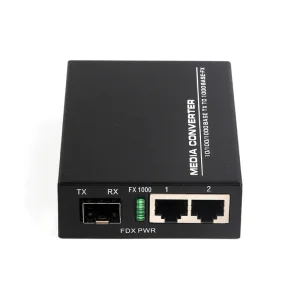
For network planners building infrastructure in high-density urban areas like Westlands or Kilimani, selecting the correct optical line terminal (OLT) architecture is crucial for profitability. EPON functions via point-to-multipoint optical distribution network (ODN) pathways, dividing a single laser source across up to 64 subscriber endpoints using passive splitters.
This layout lowers the cost of physical fiber cables while ensuring robust bandwidth allocation. As high-speed requirements increase, operators can upgrade their main nodes to 10G EPON without modifying the underground fiber routing. This protects the original physical link budget (under Class B+ or Class C+ optics specifications) and keeps the upgrade seamless.
A comparative overview designed for chief technical officers and network engineers comparing access technologies.
| Specification Parameter | EPON (Ethernet PON) Standards | GPON (Gigabit PON) Standards | 10G EPON (Next-Gen Solution) |
|---|---|---|---|
| Downstream / Upstream Bandwidth | 1.25 Gbps / 1.25 Gbps (Symmetric) | 2.488 Gbps / 1.244 Gbps (Asymmetric) | 10.3125 Gbps / 10.3125 Gbps (Symmetric) |
| Data Encapsulation Protocol | Standard IEEE 802.3 Ethernet Frames | ITU-T G.984 GEM (GPON Encapsulation Method) | IEEE 802.3av Ethernet frames |
| Maximum Splitting Ratio | 1:64 (Optimal link budget) | 1:128 (Increased attenuation) | 1:128 (Enhanced optical power class) |
| Cost-per-Port Efficiency | Extremely Low (Simplified Protocol Stack) | Medium (Higher chipset design costs) | Highly cost-efficient upgrade trajectory |
| Ideal Application Zone (Kenya) | Urban estates & WISP backhauls | Metropolitan core FTTH networks | Corporate enterprise blocks & high-density buildings |
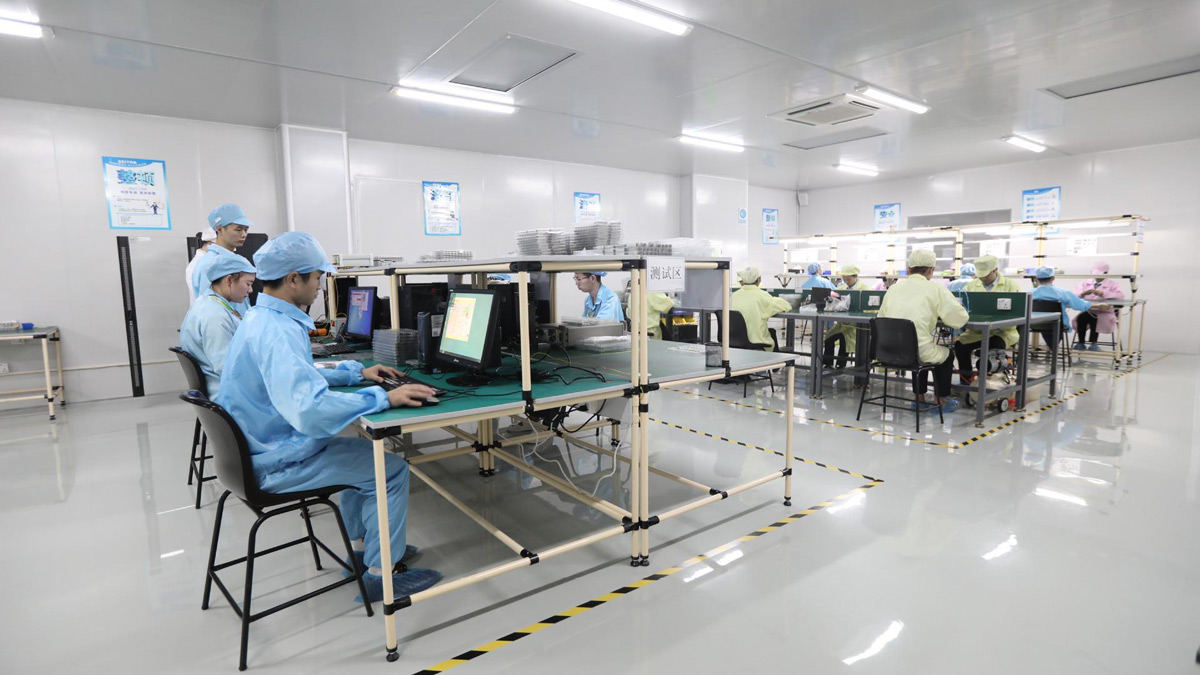
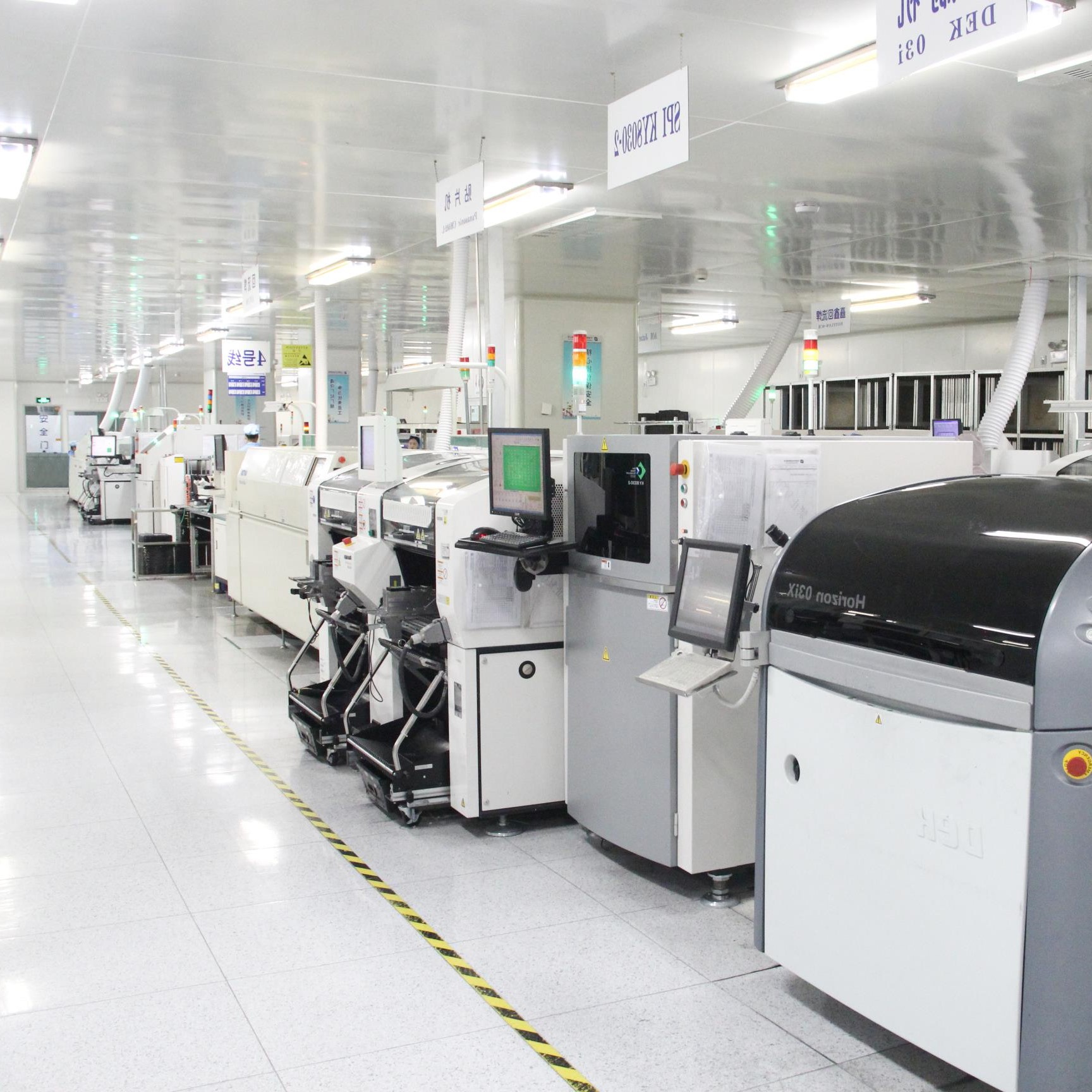
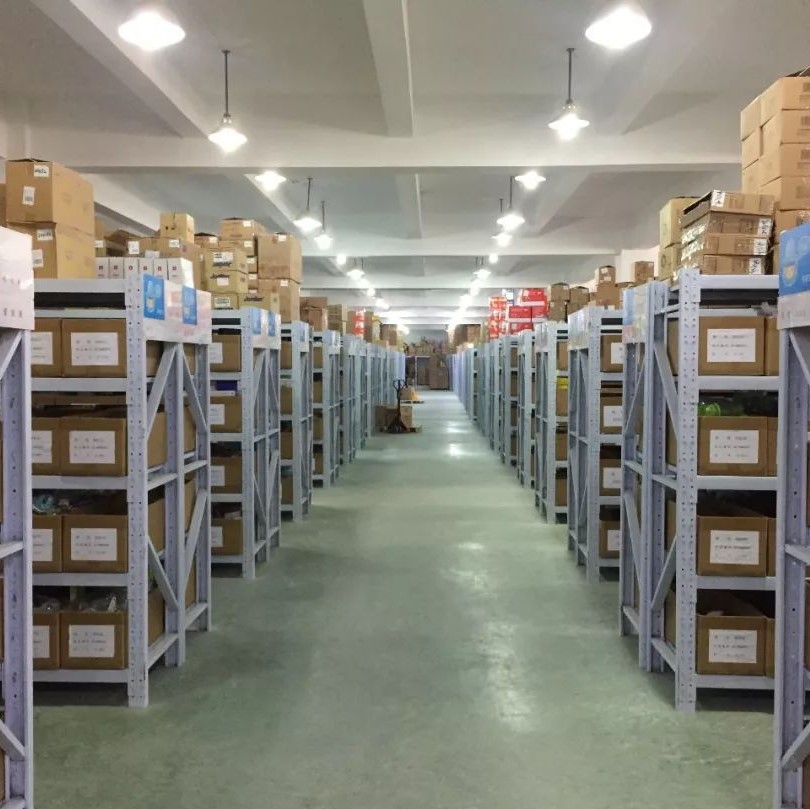
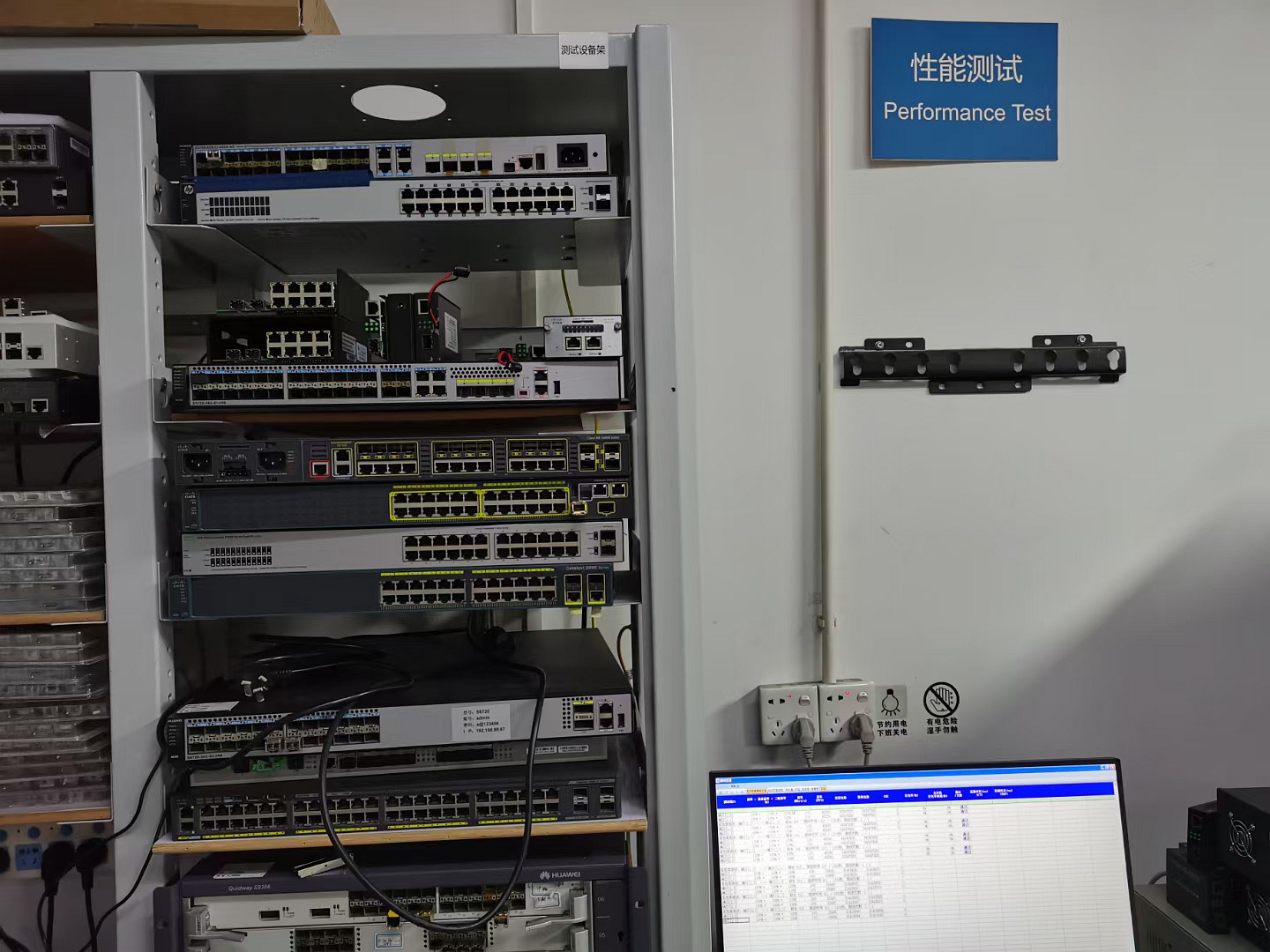
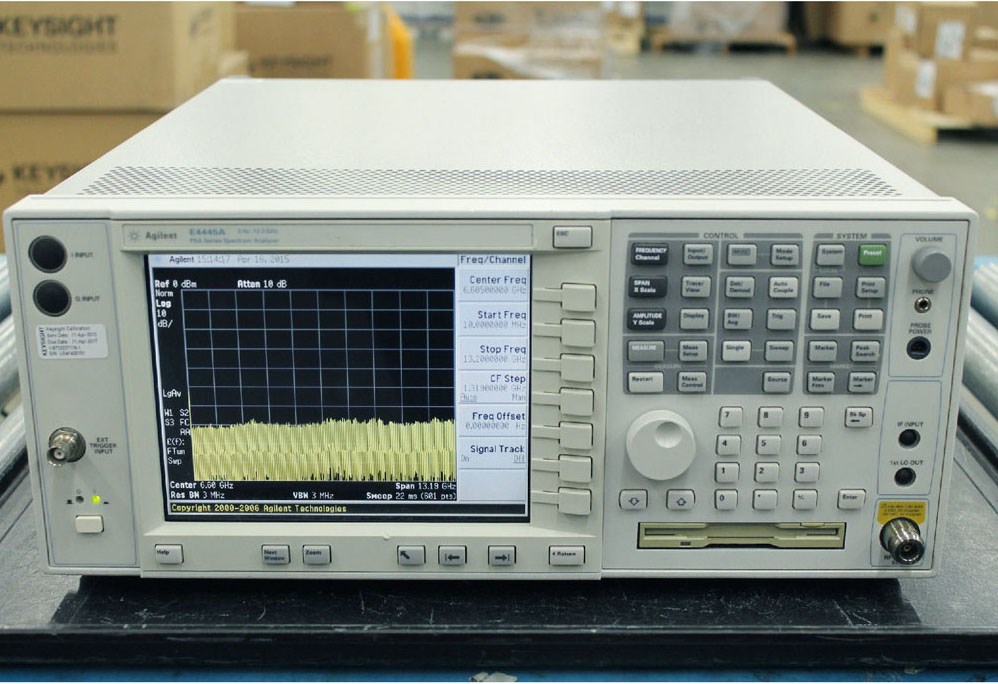
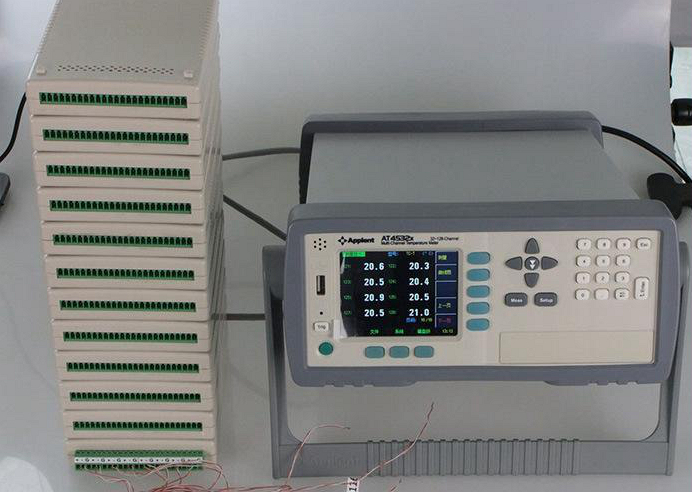
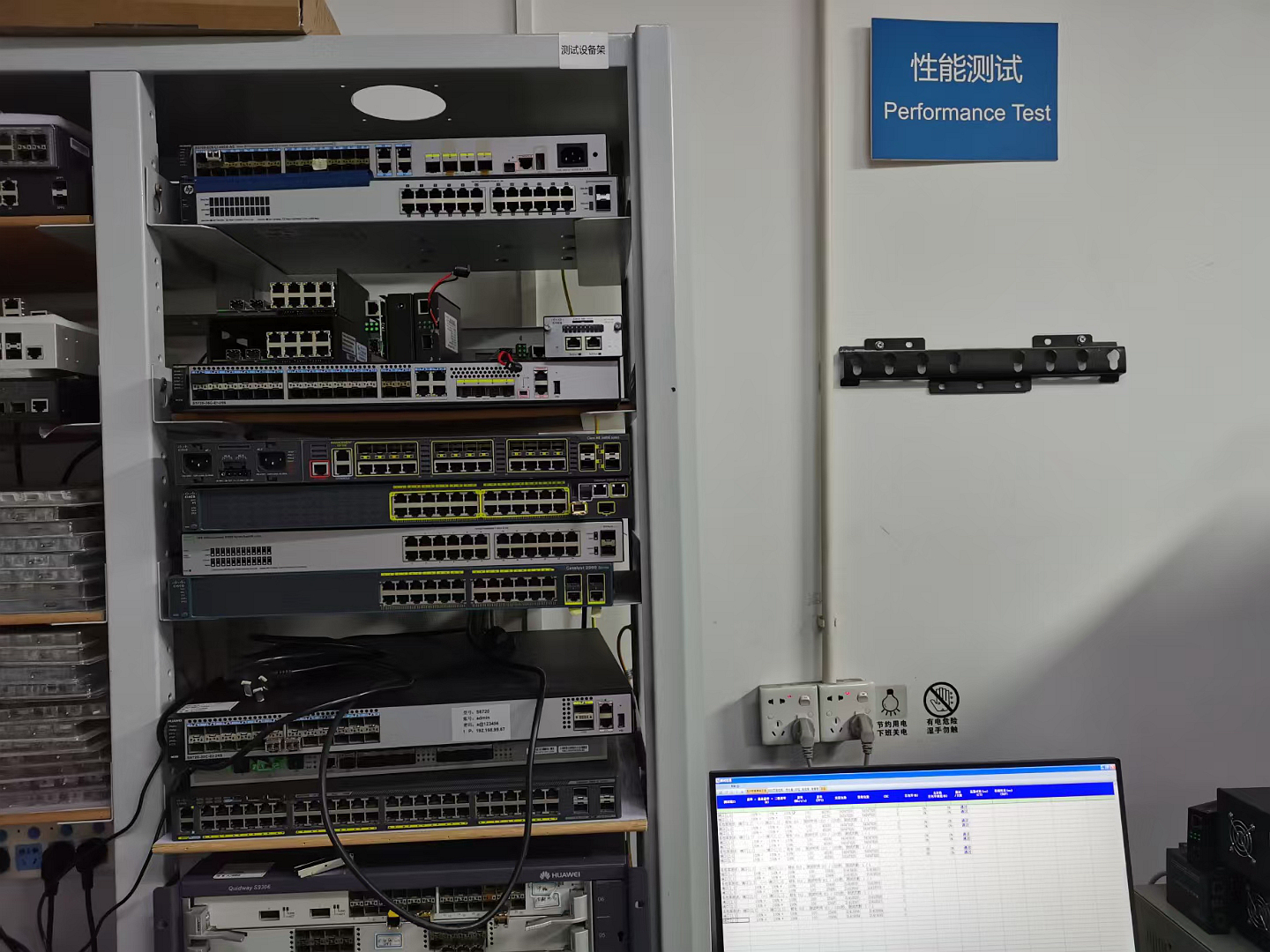
As a professional manufacturer of optical transmission equipment with more than 10 years of experience, Shenzhen Soras Technology Co., Ltd. operates with strict quality management systems. Our 10,000-square-meter facility features automated SMT lines, advanced assembly sections, and comprehensive testing rooms to guarantee high product reliability.
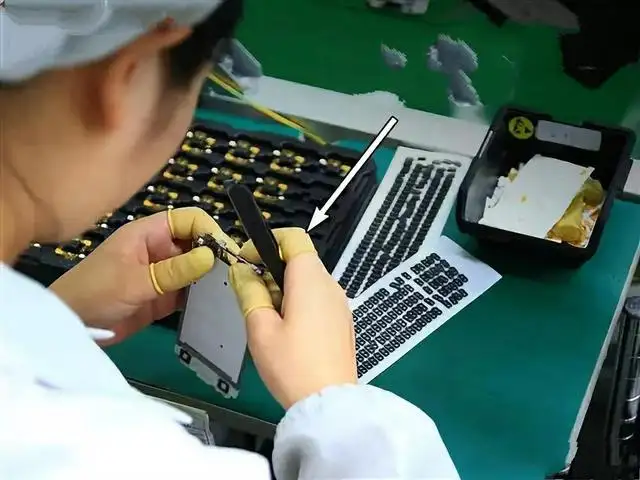
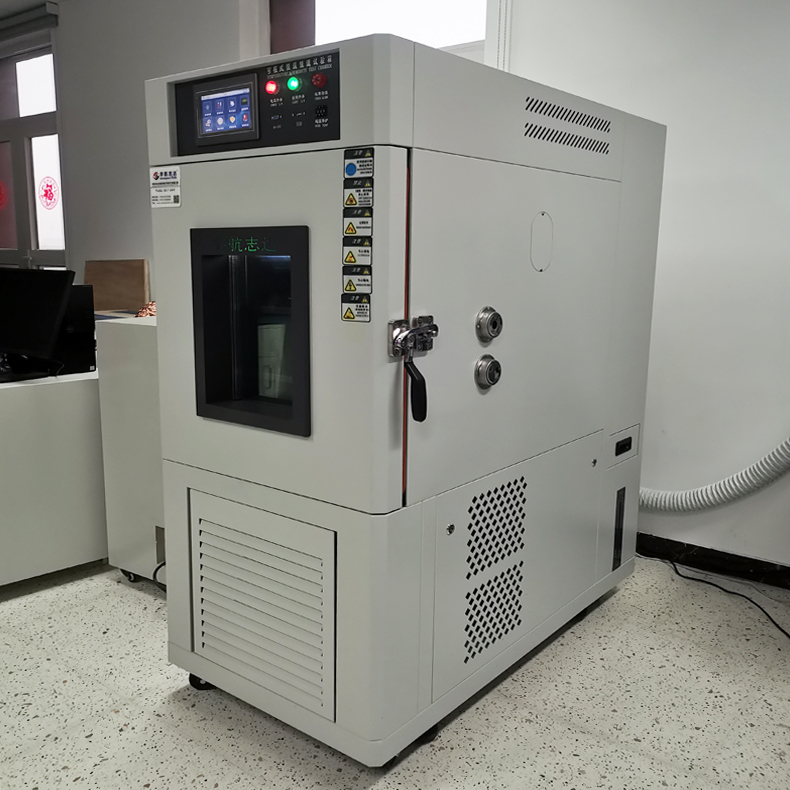
Our Quality Control protocols subject every EPON OLT and ONU to rigorous testing before export. This includes optical power checks, high-and-low temperature chamber cycles, WiFi signal calibration, and long-term transmission simulations under full packet loads to prevent packet loss. Our ISO 9001, UL, CE, FCC, and RoHS certifications guarantee that our equipment meets strict international and local East African standards.


| Shenzhen Soras Technology Co., Ltd. - Corporate & Export Profile | |||
|---|---|---|---|
| Business Entity Type | Original Manufacturer (OEM & ODM Available) | HQ / Region | Guangdong, China |
| Core Product Portfolio | FTTH ONU & OLT, Optical Modules, Media Converters, POE Switches | Production Headcount | 11 - 50 Professional Engineers & Staff |
| Annual Operating Value | US$5 Million - US$10 Million | Corporate Launch | 2021 (Management team has 10+ years optical R&D background) |
| Global Customer Footprint | Serving South America, North America, Europe, East Asia, and Africa | Market Distribution | Domestic 24%, Eastern Asia 15%, North America 15% |
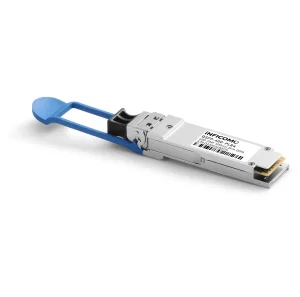
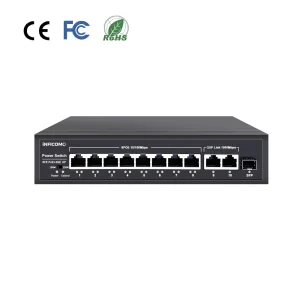
High-performance PoE switches, SFP transceiver modules, and dual-band customer-premises equipment designed for Kenyan network architectures.
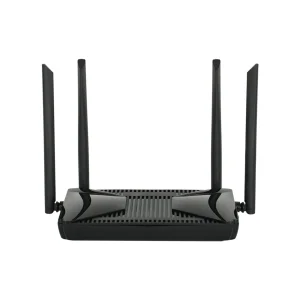
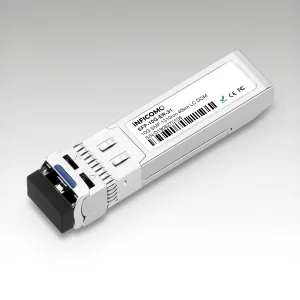
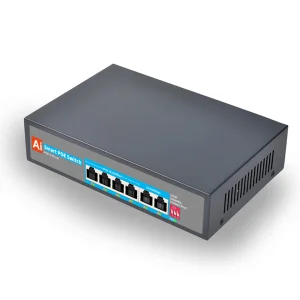
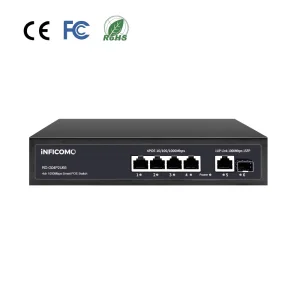
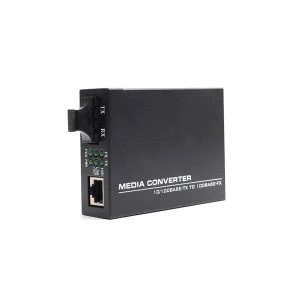
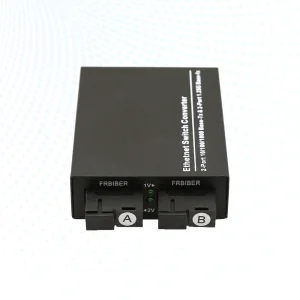
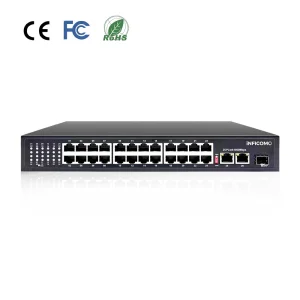
Sourcing optical hardware for East Africa requires strict attention to national import regulations and compatibility standards. The Communications Authority of Kenya (CAK) oversees all telecommunication equipment type approvals to ensure that imported hardware does not interfere with local frequencies or compromise national network infrastructure. Our EPON OLT series, ONUs, and SFP transceivers conform to CAK's equipment standards, simplifying the approval process for our partners.
We work with established air-freight and ocean-freight forwarding networks to guarantee safe delivery to Kenya. Sea freight shipments are routed through the Port of Mombasa, the main trade gateway to East Africa. From Mombasa, cargo is transported inland via the Standard Gauge Railway (SGR) to the Inland Container Depot (ICD) in Nairobi. For urgent network projects, we offer fast air freight deliveries to Jomo Kenyatta International Airport (JKIA), ensuring that replacement components arrive on site within days.
Every Soras Technology shipment includes complete documentation, such as the Certificate of Conformity (CoC), HS Codes for fiber optic telecommunication hardware, and detailed commercial invoices. This ensures transparent customs clearance through the Kenya Revenue Authority (KRA) Single Window system, minimizing unexpected customs delays.
We stand behind our network hardware with a comprehensive 1-to-3-year hardware warranty. Our technical support team assists local engineers in Kenya with system design, optical budget calculations, remote CLI configurations, and troubleshooting, helping you build stable, high-performance fiber networks.
Answering the most common technical questions from optical network engineers and procurement teams in East Africa.
Contact our sales and technical support teams today. We offer customized product catalogs, detailed optical budget analysis, and volume pricing packages for telecommunication operators in Kenya and throughout East Africa.
Send Inquiry Now Soras Tech