Explore our highly integrated active fiber terminal devices, transceivers, and media converters engineered for global broadband scaling.
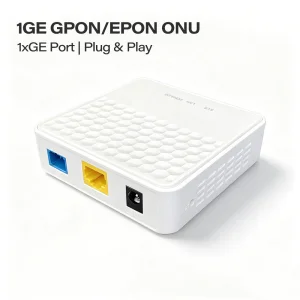
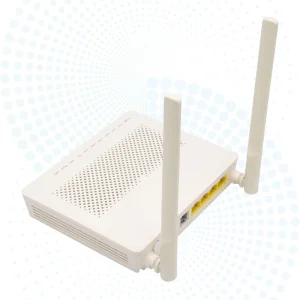
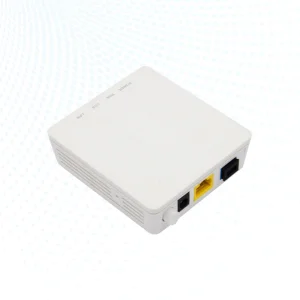
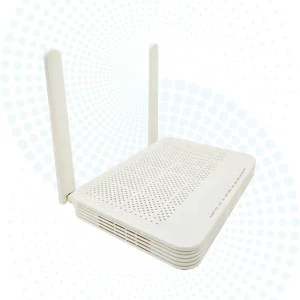
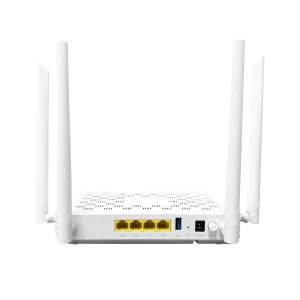
The global infrastructure landscape is undergoing an unprecedented paradigm shift. As industries migrate rapidly toward massive cloud integration, industrial automation, and ultra-high-definition streaming, the backbone of connectivity has firmly transitioned from legacy copper wiring to high-capacity optical fiber networks. Next-generation telecommunications networks demand transceivers and end-point modems that can guarantee zero latency, minimal packet loss, and robust electro-magnetic interference (EMI) protection.
Under ITU-T standards, the deployment of Gigabit Passive Optical Networks (GPON) and 10-Gigabit Symetric Passive Optical Networks (XGS-PON) has expanded beyond domestic applications. Enterprises, government grids, smart-city planners, and commercial datacenters are standardizing active optical products to sustain higher data throughput and maintain continuous operations. According to recent industrial data, the demand for optical transceivers and customer premises equipment (CPE) such as GPON/EPON Optical Network Units (ONUs) has surged significantly. Meeting these deployment timelines requires a highly optimized supply chain that bridges advanced fabrication technologies with custom hardware programming.
Sourcing reliable components remains the single most critical factor for Internet Service Providers (ISPs) worldwide. When deploying fiber-to-the-home (FTTH) or fiber-to-the-building (FTTB) models, optical attenuation and component incompatibility can rapidly drive up post-deployment operational expenditure (OPEX). Partnering with trusted manufacturers ensures that active terminals operate with high sensitivity budgets, minimizing system downtime and technical maintenance calls.
"Modern network robustness is defined not just by raw bandwidth capacity, but by the physical reliability of the active endpoints and optical-electrical conversion mechanisms under variable thermal conditions."
Shenzhen, China, has long been established as the global epicenter for precision electronics, and it holds a dominant role in the optical telecommunication sector. The localized cluster of component suppliers, raw optical chip vendors, automated Surface Mount Technology (SMT) packaging facilities, and high-frequency testing laboratories provides an unmatched ecosystem for rapid technological scaling.
At Shenzhen Soras Technology Co., Ltd. (Soraslink), we leverage this geographical and industrial concentration to offer premium-tier optical equipment. Operating within the high-density manufacturing zone of Guangdong, we directly integrate circuit layout (PCB design), firmware programming, high-precision structural molding, and compliance testing under one unified operating envelope. This vertical integration allows us to optimize production lead times and maintain tight control over component costs, passing these direct savings and efficiency benefits to our global partners.
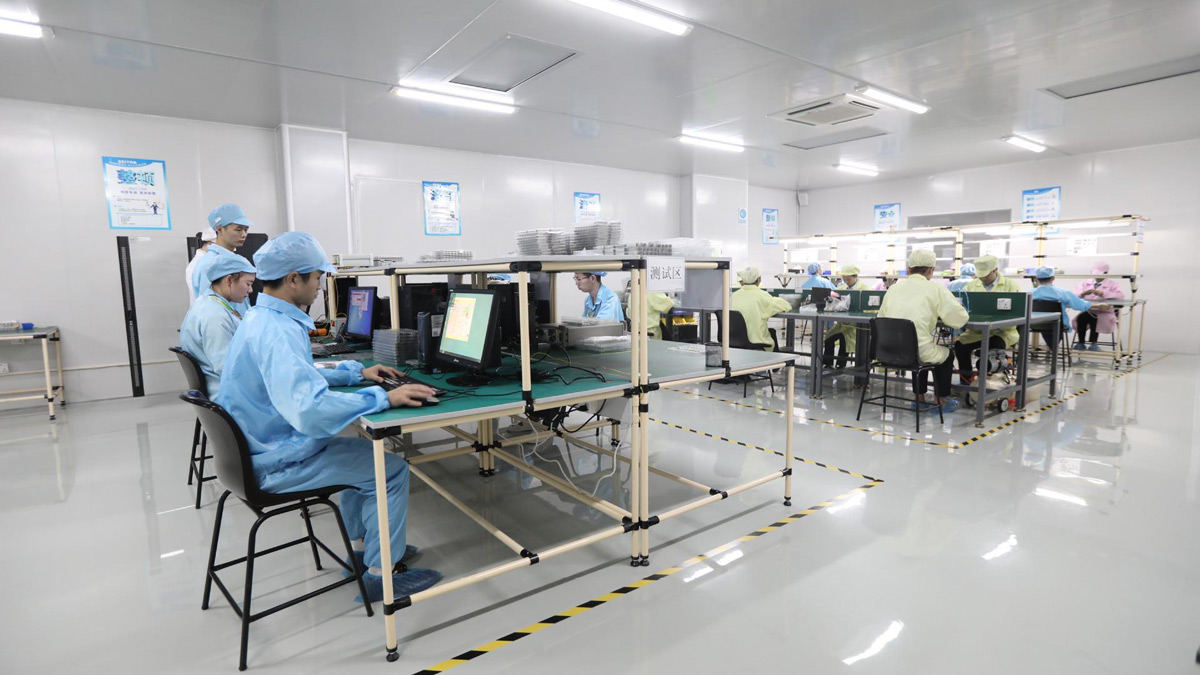
The efficiency of a modern Chinese fiber factory is driven by sophisticated automation. High-speed SMT lines place micro-components with micrometer accuracy, which is essential for stabilizing high-frequency RF components and dual-band Wi-Fi circuits on optical terminal devices. Furthermore, centralized supply chain networks in the region reduce sourcing delays for key components, including Realtek and MediaTek chipsets, ensuring that we can deliver high-volume orders without compromising production timelines or quality consistency.
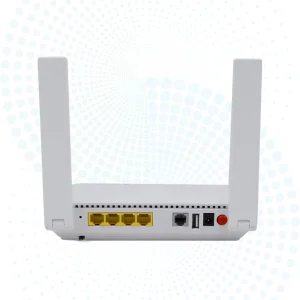
Modern high-speed network topologies rely on several critical classes of hardware. These active devices facilitate the interface between optical fiber transmission lines and local copper networks, executing conversion and packaging protocols with precision. Let's analyze the technical parameters of these core hardware divisions:
When selecting active endpoints, engineers evaluate key physical and logical parameters. First, receiver sensitivity, measured in decibels relative to one milliwatt (dBm), defines the weakest optical signal the terminal can accurately decode. Our ONUs deliver class-leading RX sensitivity of ≤ -28 dBm for GPON, which provides network operators with a higher optical power budget to manage splices, macro-bends, and fiber age. Second, interoperability across multiple Optical Line Terminal (OLT) brands is essential. Soras Technology embeds a highly adaptable proprietary firmware layer that automatically adjusts to OLT physical-layer handshakes, supporting seamless operation with platforms like ZTE, Huawei, and Nokia.
A visual walkthrough of our state-of-the-art manufacturing floors and rigorous laboratory validation systems located in Shenzhen.
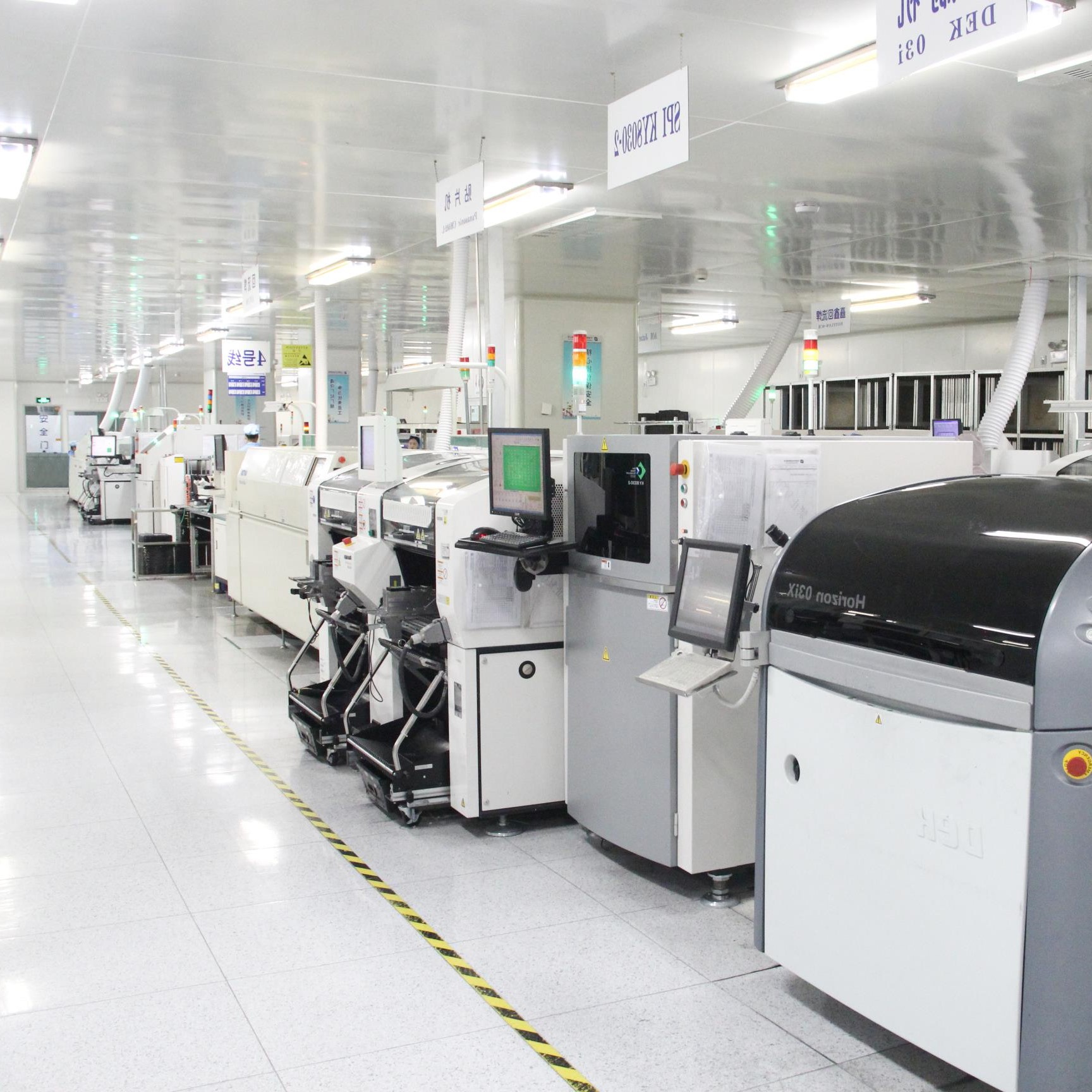
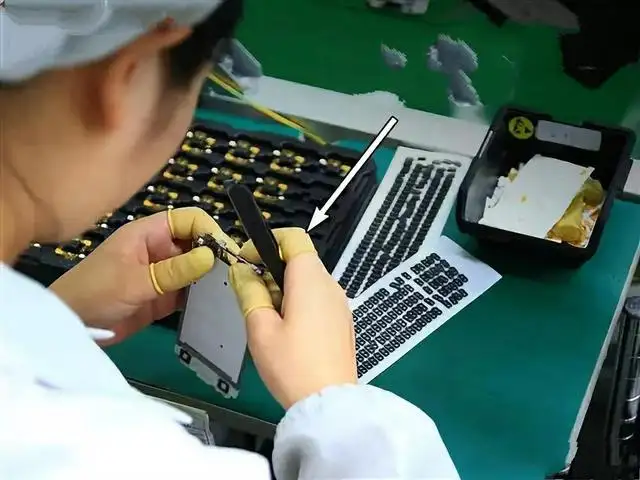
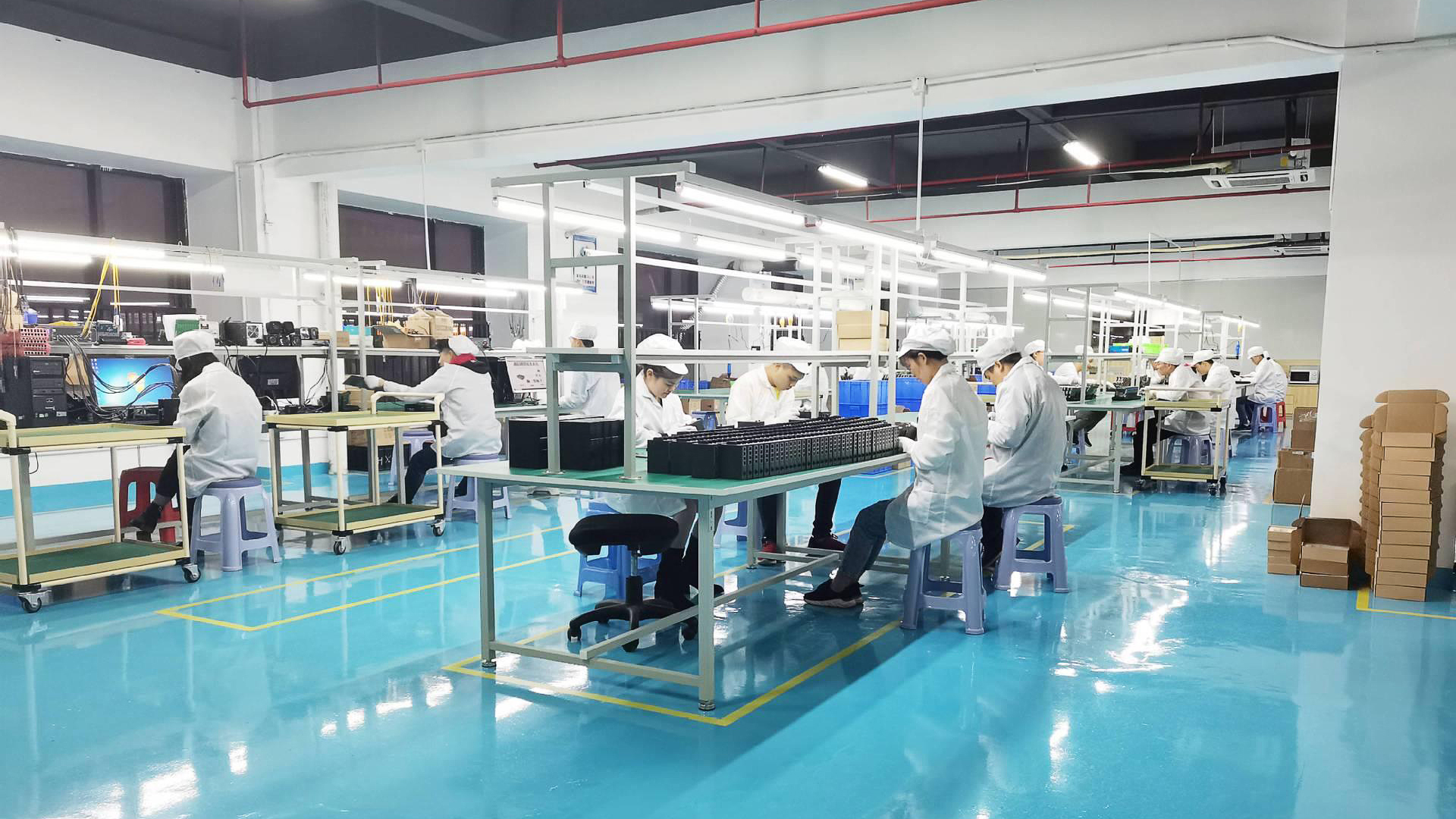
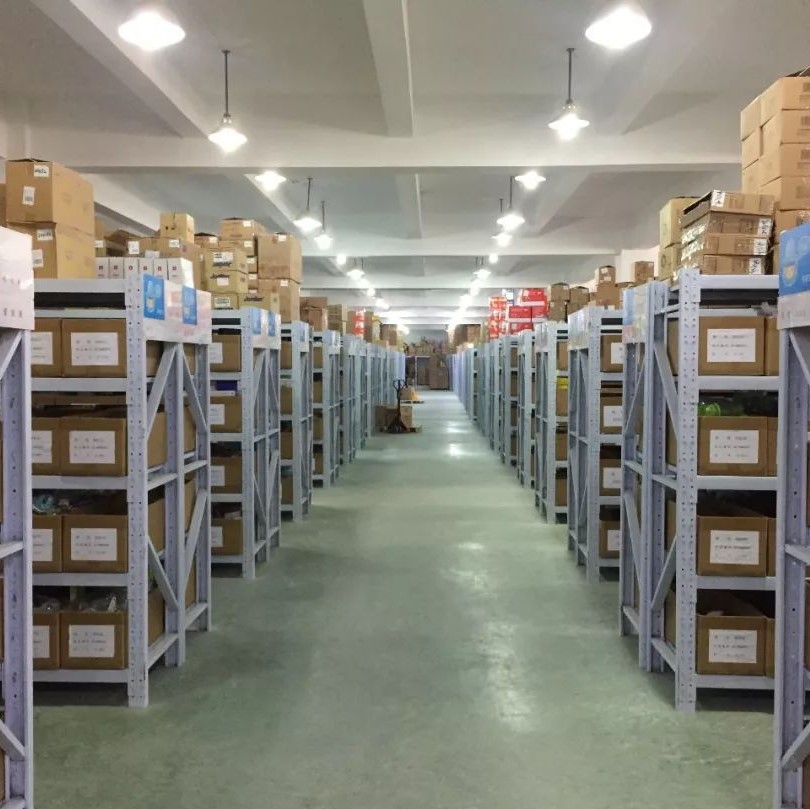
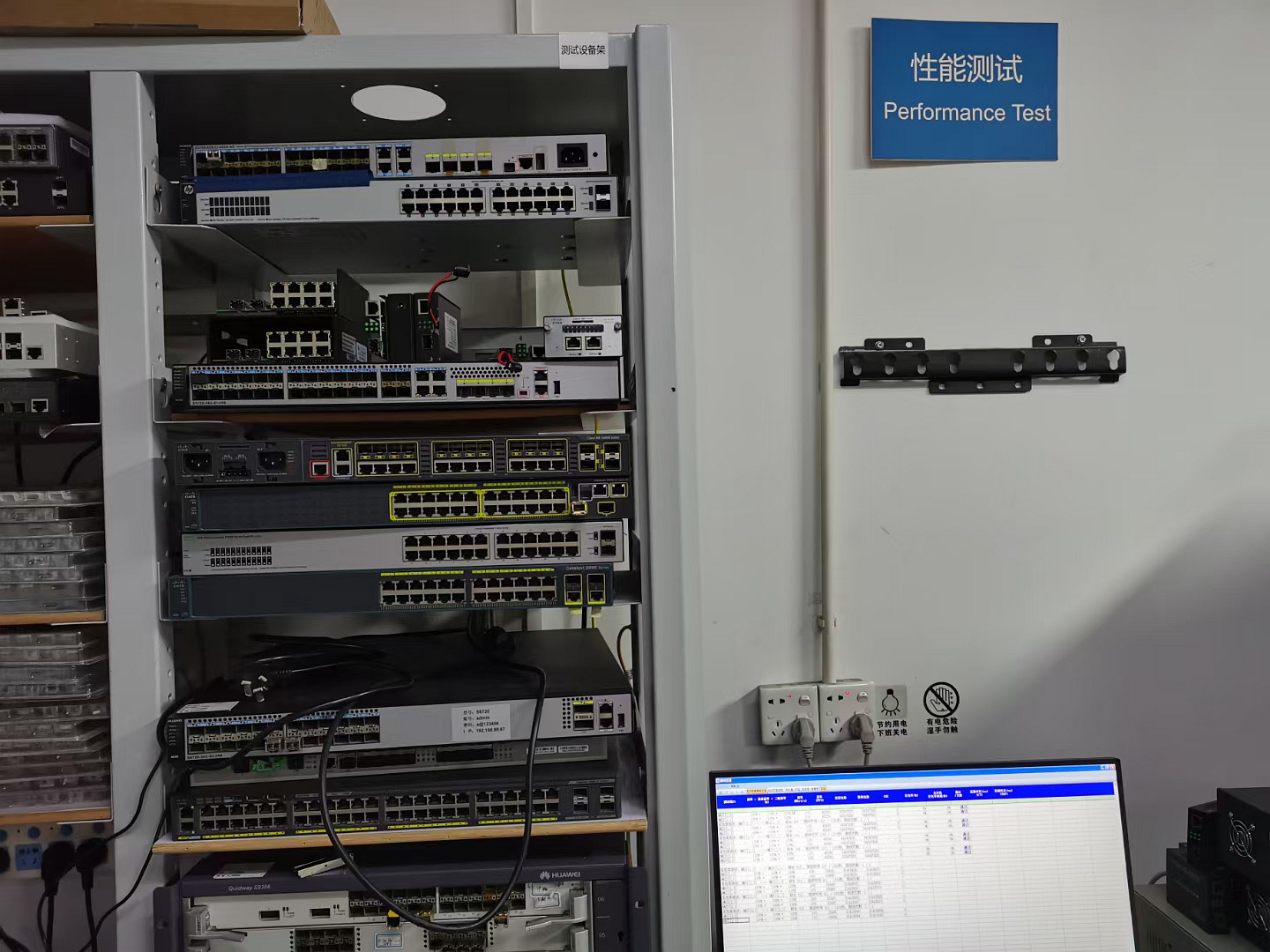
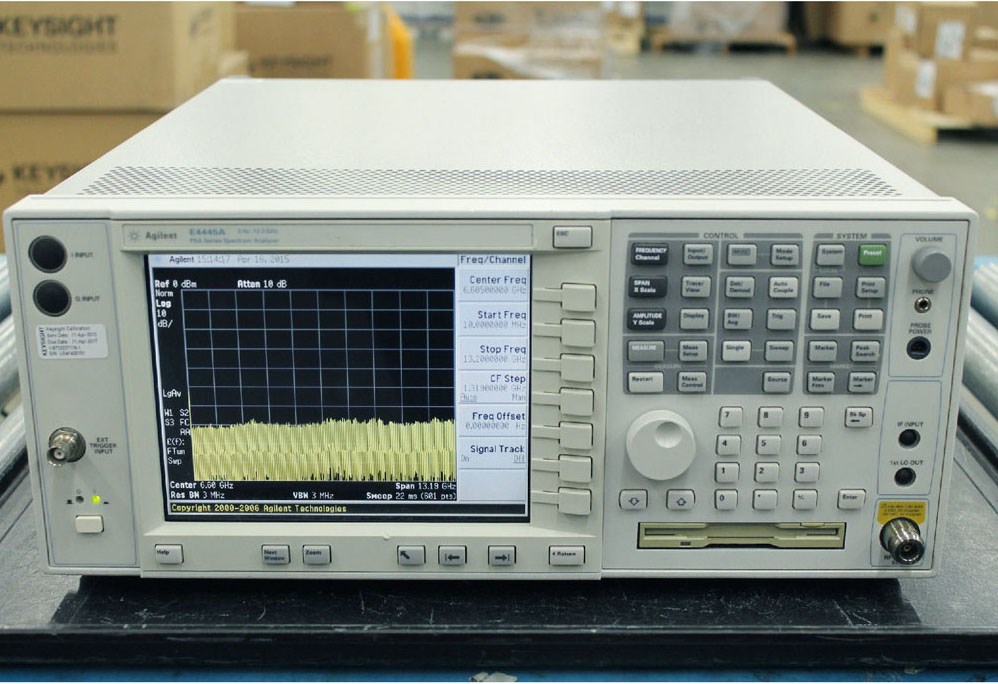
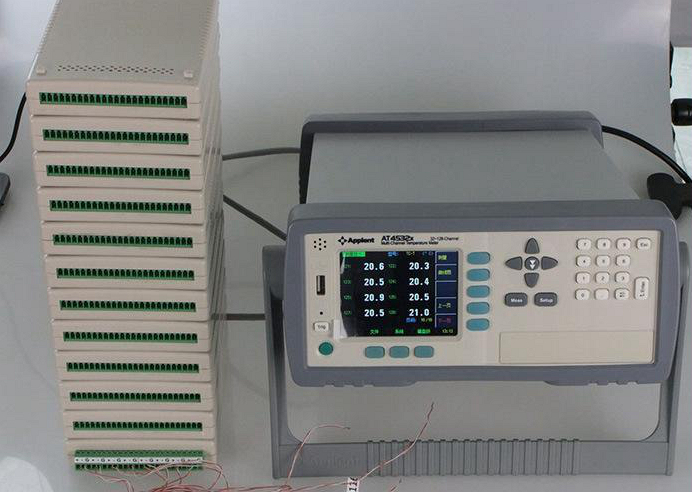
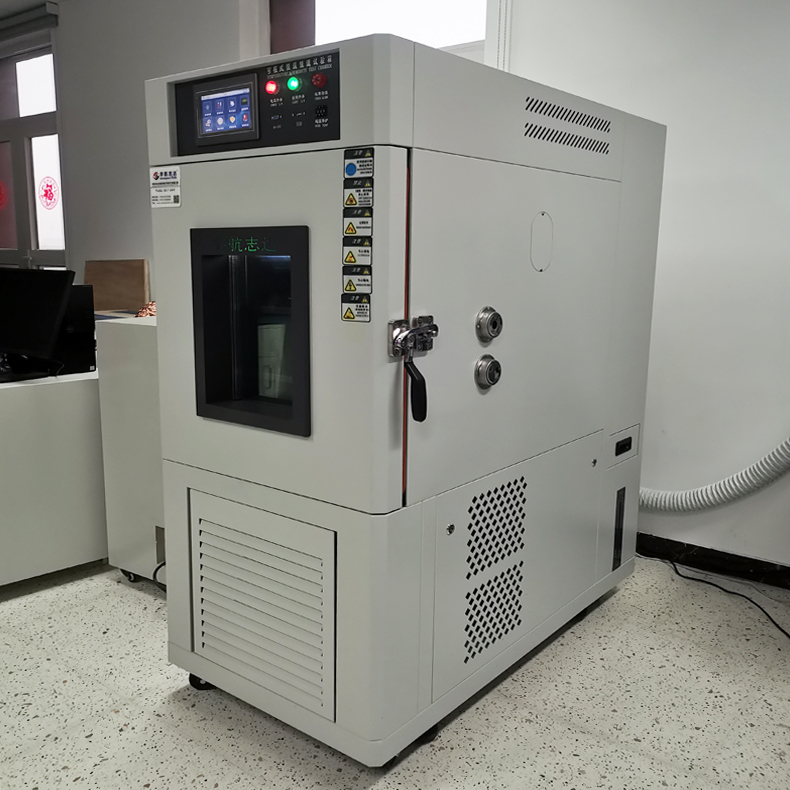
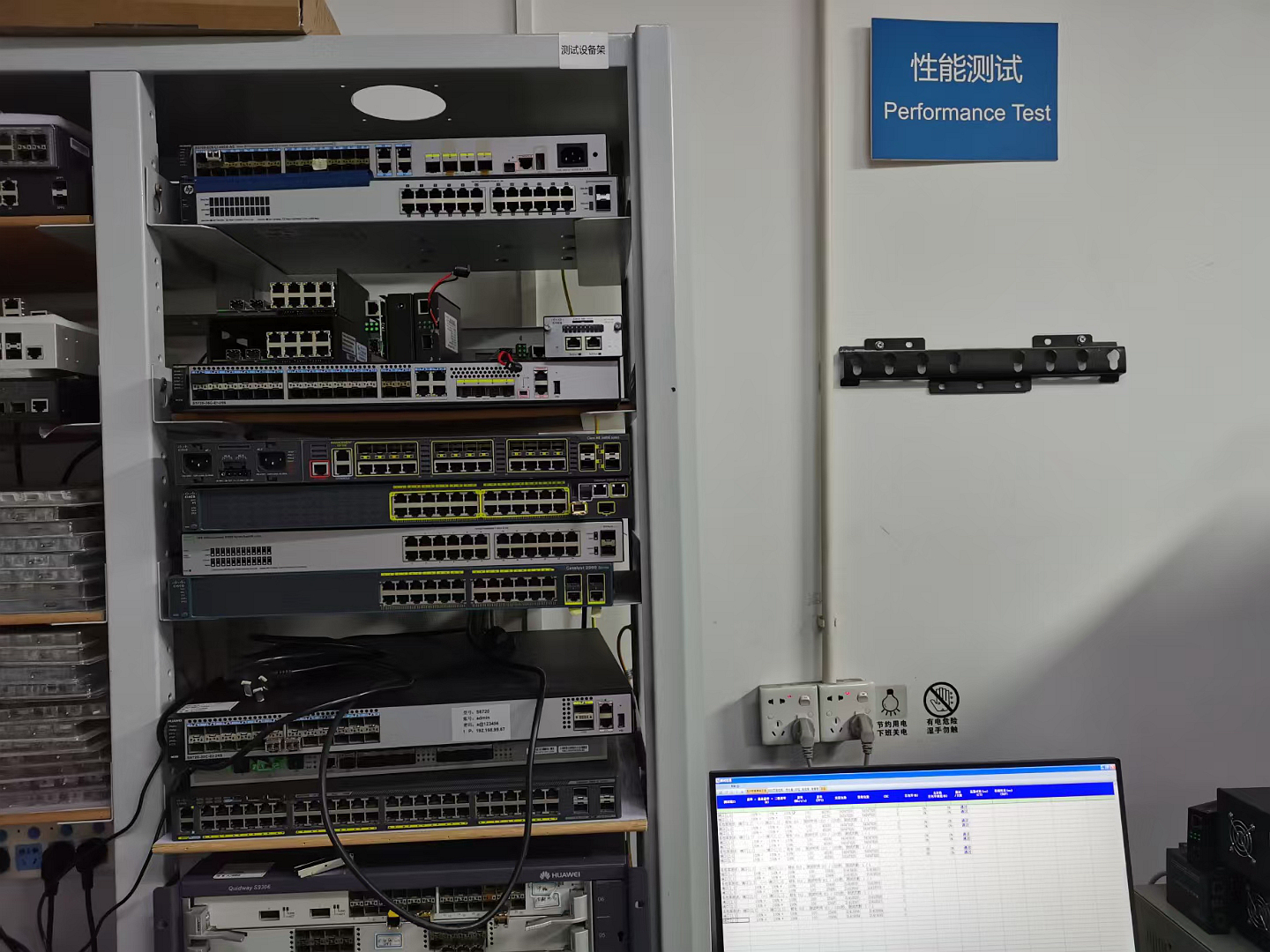
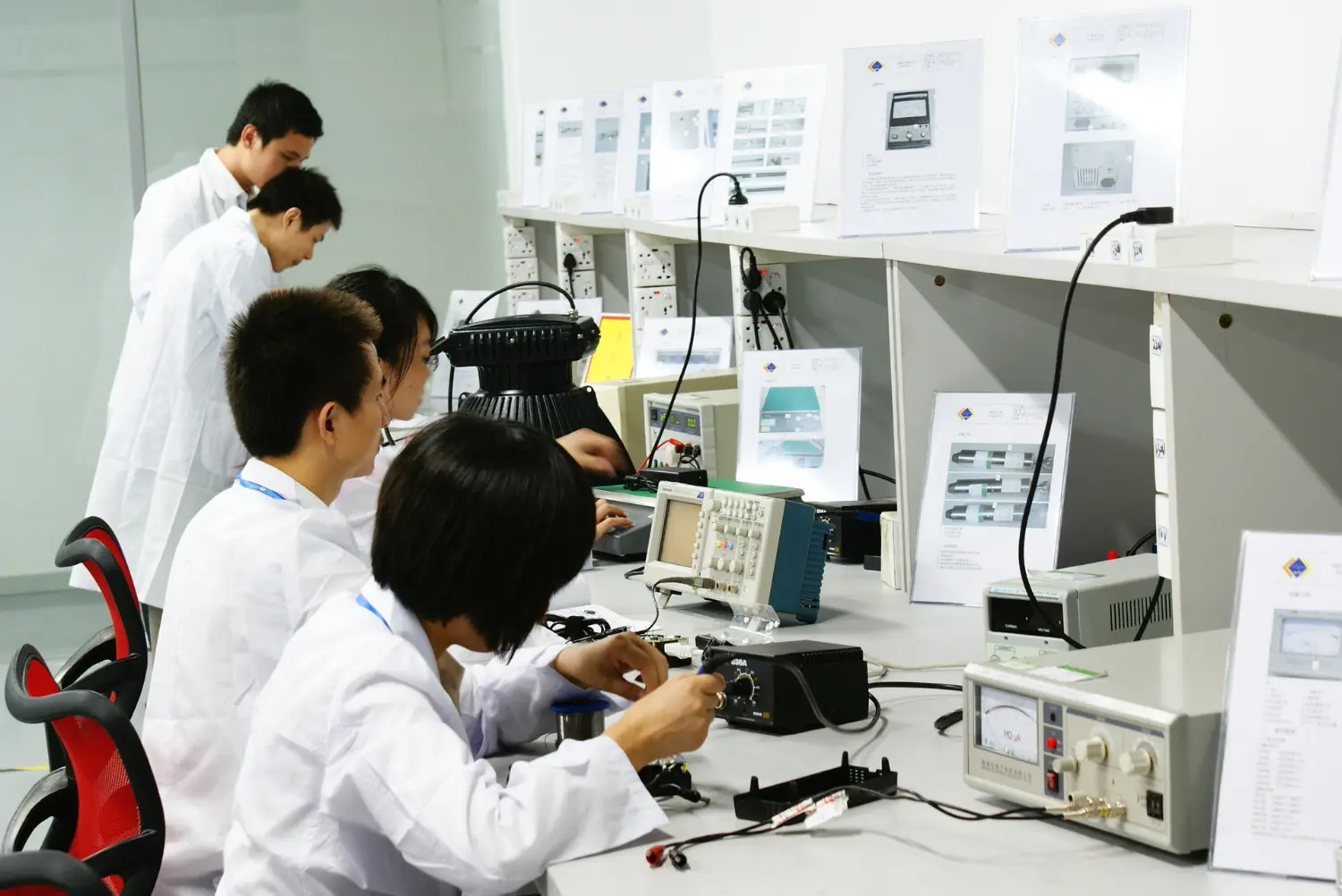
Deploying fiber optic systems requires adapting to specific regional conditions. Network protocols, environmental stressors, and physical environments vary significantly between territories. Here is how specialized hardware meets these localized operational demands:
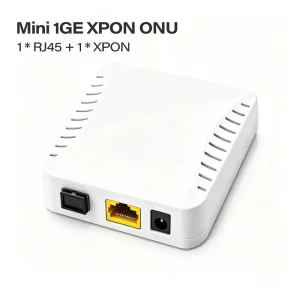
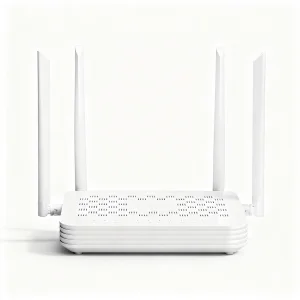
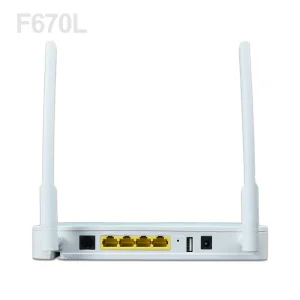
In highly populated areas across Latin America, regional ISPs frequently operate in competitive markets with mixed OLT infrastructures. Deploying single-mode XPON ONUs like the HG1001 offers a highly adaptable solution. Compatible with ZTE and Huawei OLT systems, this device enables ISPs to scale networks without replacing core optical line cards. Additionally, robust lighting surge protection is built into these models to counter localized grid fluctuations, reducing hardware replacement costs.
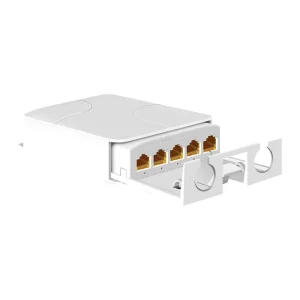
Industrial connectivity in northern Europe and parts of North America requires hardware designed for sub-zero environments, while operations in high-heat regions demand reliability at elevated temperatures. To address these conditions, hardware like our Outdoor Waterproof Gigabit PoE++ Extender features an IP65 rated enclosure, allowing installation in exposed track environments or unheated outdoor cabinets. By utilizing specialized components and undergoing High-Low Temperature tests (-40°C to +75°C), these devices maintain packet forwarding rates without thermal throttling.
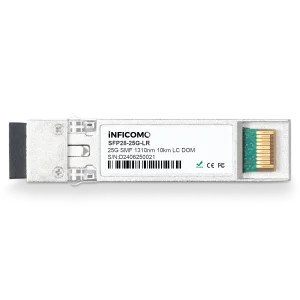
As enterprise architectures move towards Cloud-RAN and edge computing, standard gigabit networks can become a bottleneck. We supply high-frequency transceivers, including the SFP28 25GBASE-LR, to support high-speed data transmission over 10km links. This enables commercial campuses and data centers to expand bandwidth capacity with minimal fiber consumption, optimizing existing fiber paths and reducing infrastructure upgrade costs.
The telecommunications industry is moving steadily toward higher integration and smarter edge processing. As global standards evolve, we are monitoring several key development paths:
To assist global telecommunication buyers, procurement agents, and ISP systems engineers in evaluating their supply chains, we have compiled a technical verification checklist. Every active fiber component deployed in a network should meet these requirements before deployment:
| Procurement Parameter | Minimum Quality Requirement | Soras Technology Assurance Level |
|---|---|---|
| Compliance Certifications | ISO 9001, CE, FCC, RoHS, UL compatibility | Fully certified by accredited test laboratories |
| OLT Interoperability | Support for ZTE, Huawei, Fiberhome, and Nokia systems | Highly compatible firmware with auto-detect protocols |
| Environmental Durability | Operates reliably from 0°C to +50°C (indoor units) | Tested from -40°C to +75°C in temperature chambers |
| Optical Sensitivity | ≤ -27 dBm for GPON receivers | ≤ -28 dBm high-performance optical receivers |
| Failure Rates (MTBF) | > 50,000 continuous hours | > 100,000 hours supported by quality components |
At Soras Technology, we address these technical requirements at every stage of production. From automatic SMT paste inspection to final high-temperature aging chambers and Bit Error Rate Testing, we verify that our products are ready for immediate field integration upon arrival.
Technical answers to key sourcing, protocol compatibility, and optical network deployment queries.
Complete selection of FTTH ONT Modems, 25G Transceivers, PoE Switches, and High-Speed Media Converters.
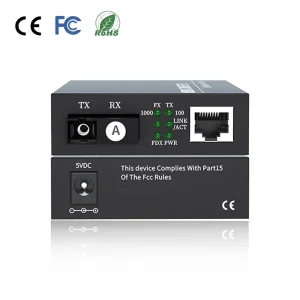
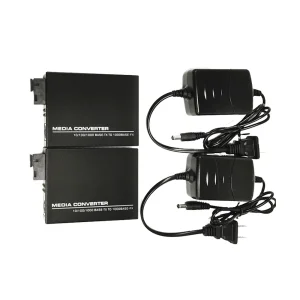
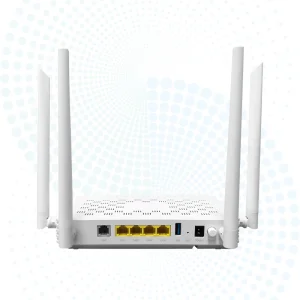
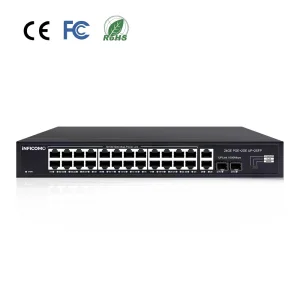
Shenzhen Soras Technology Co., Ltd. is a manufacturer of optical transmission and network equipment with over 10 years of experience. We provide high-quality, cost-effective products and solutions to telecommunications companies globally.
| Business Type | Manufacturer | Country / Region | Guangdong, China |
| Main Products | FTTH ONU & OLT, SFP Module, Fiber Media Converter, PoE Switch, Fiber Optic Equipment | Total Employees | 11 - 50 People |
| Total Annual Revenue | US$5 Million - US$10 Million | Year Established | 2021 |
| Quality Standard Certifications | ISO 9001, UL, CE, FCC, RoHS Compliant | Target Markets | Domestic (24.00%), Eastern Asia (15.00%), North America (15.00%), Europe, South America (Exported to 60+ countries) |
 Soras Tech