Soras Tech
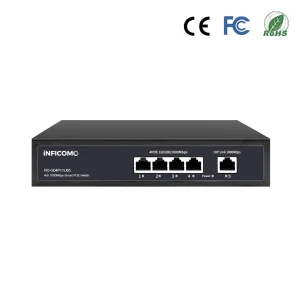
Reliable hardware is the core of modern meteorological and environmental telemetry arrays. Discover our premier high-performance switching and conversion nodes.
An Industrial Guide to Environmental Telemetry Communication Architectures
In an era driven by global decarbonization initiatives, industrial automation, and rapid climate forecasting models, environmental monitoring systems have shifted from basic, localized data logging to real-time, low-latency telemetry networks. These architectures demand continuous data ingestion from a wide array of sensors (evaluating PM2.5, carbon emissions, humidity, meteorological trends, and water pollution levels). Crucial to this ecosystem is the link between physical sensors in hostile environments and processing engines. Without high-reliability industrial optical transmission devices, data streams become fragmented, leading to operational blind spots.
As a seasoned optical communication leader, Shenzhen Soras Technology Co., Ltd. bridge this physical-to-digital gap. Over a decade of field deployments has taught us that outdoor monitoring installations suffer from aggressive ambient temperature variations, electromagnetic interference (EMI), lightning strikes, and humidity. Ordinary consumer-grade network hubs fail when subjected to these conditions. High-performance optical networks, supported by rugged GPON/EPON terminals, high-temperature tolerant SFP transceivers, and robust PoE switches, are crucial to ensure zero packet loss during critical environmental telemetry events.
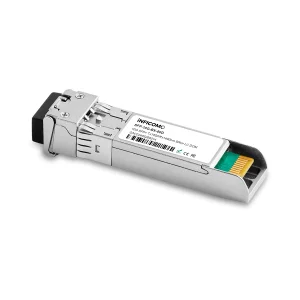
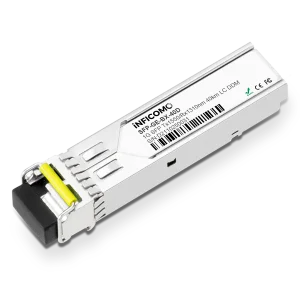
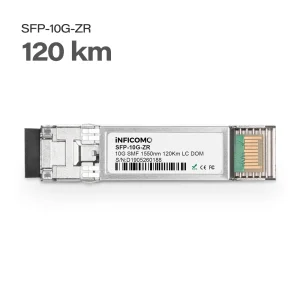
Our 10G Bidi SFP transceivers support up to 120km links with high attenuation resistance, enabling sensors to be connected deep within rainforests or remote coastal environments without mid-span repeaters.
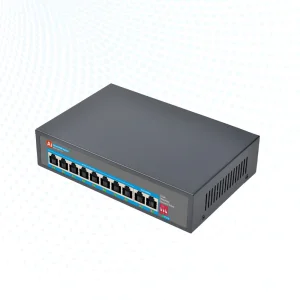
Integrated AI PoE switches featuring automated VLAN configurations and built-in hardware watchdogs dynamically reboot unresponsive nodes, saving costly maintenance site visits to remote field stations.
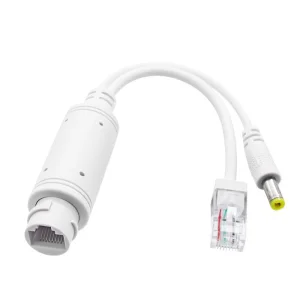
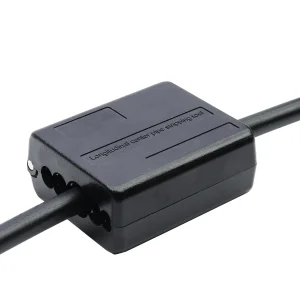
Our IP-rated PoE splitters allow standard sensors to be powered directly from optical transmission feeds, maintaining electrical and physical integrity in hyper-humid environments.
Shenzhen Soras Technology Co., Ltd. - A Decade of Engineering Excellence
Founded on the principles of high-quality management and continuous technological innovation, Shenzhen Soras Technology Co., Ltd. is a leading manufacturer of optical transmission and network equipment with more than 10 years of industrial experience. We are deeply committed to providing global telecommunications agencies, industrial enterprises, and ecological monitoring teams with cost-effective, high-value-added hardware solutions. Today, we work closely with telecommunications operators around the world, exporting to over 60 countries across South America, North America, and Europe.
Our capabilities are backed by an agile R&D framework that processes tailored OEM and ODM orders according to precise customer specifications. To guarantee rock-solid integration, our facility operations conform to the highest global benchmarks. Soras Technology holds comprehensive certifications including ISO 9001, UL, CE, FCC, and RoHS, ensuring our devices meet the strictest standards for environmental safety and electromagnetic compatibility.
| Soras Corporate Parameters & Capability Index | |
|---|---|
| Business Type | Original Equipment Manufacturer & Exporter (Shenzhen, China) |
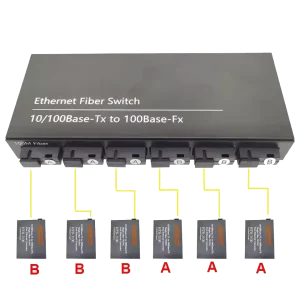
| Main Products | FTTH ONU & OLT, SFP Transceiver Modules, Fiber Media Converters, PoE Switches |
| Total Annual Revenue | US$5 Million - US$10 Million |
| Year Established | 2021 (R&D core dating back 10+ years) |
| Core Markets | Domestic (24.00%), Eastern Asia (15.00%), North America (15.00%), Europe, South America |
| Compliance Standards | CE, FCC, RoHS, UL, ISO 9001 |
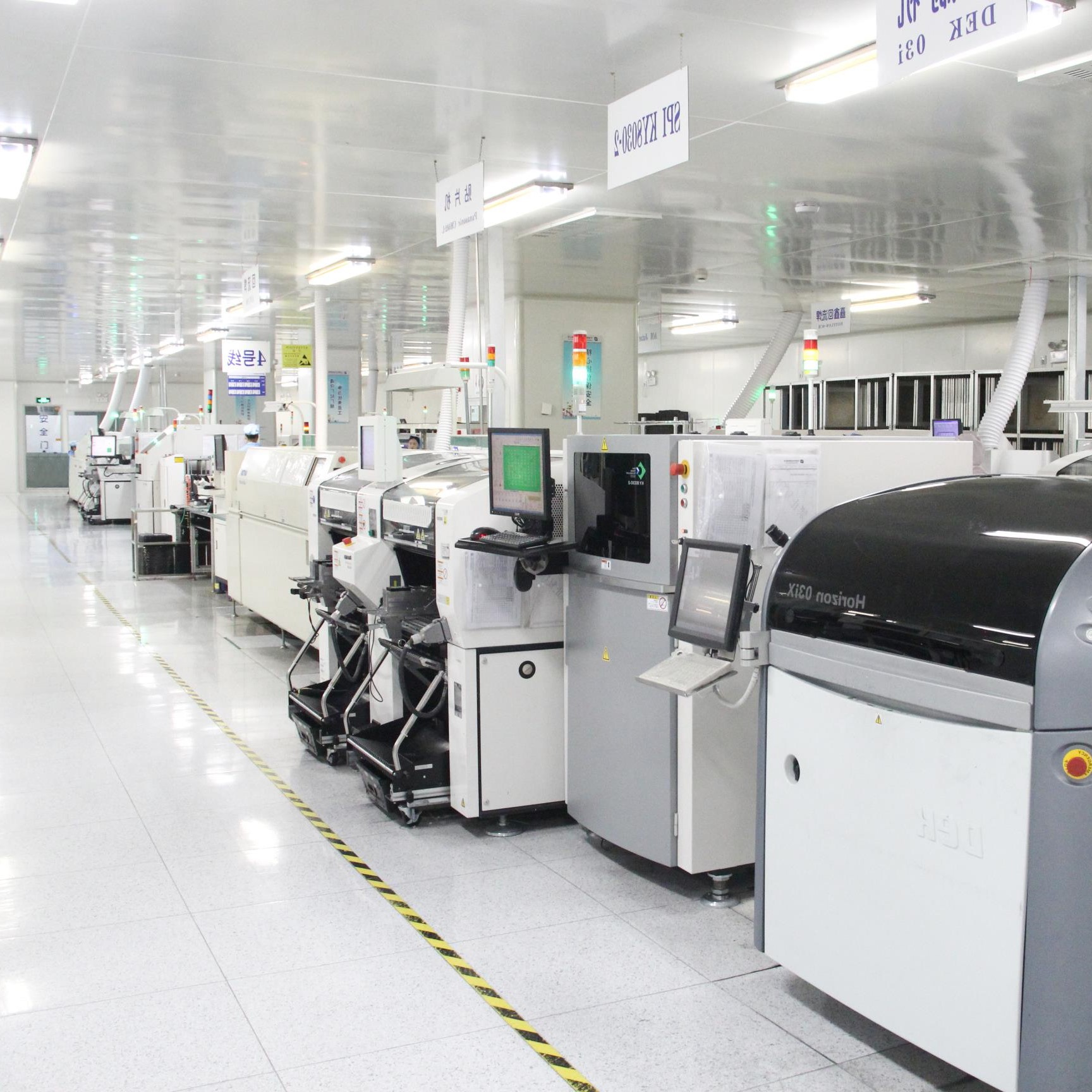
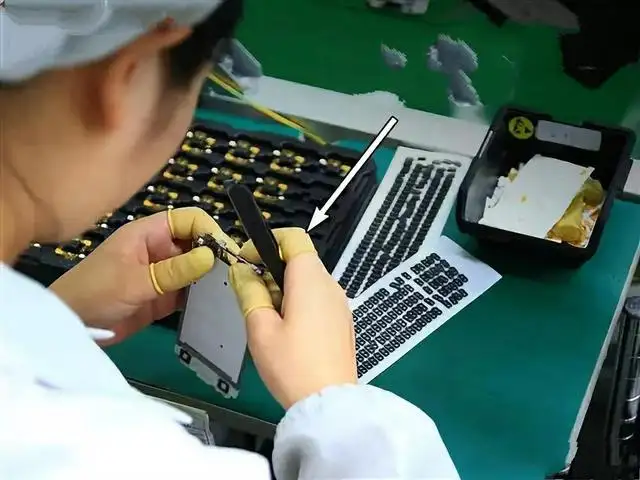
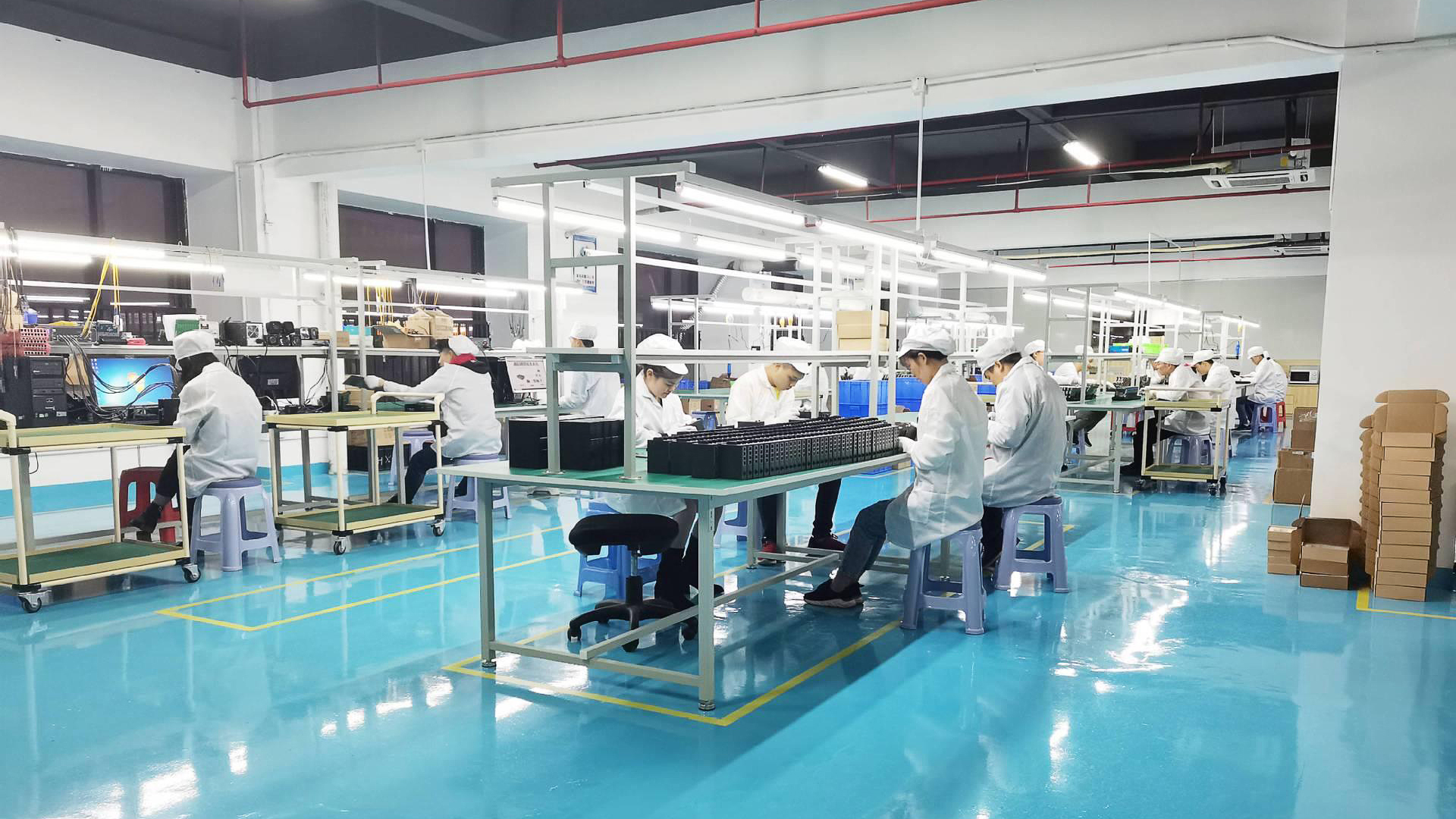
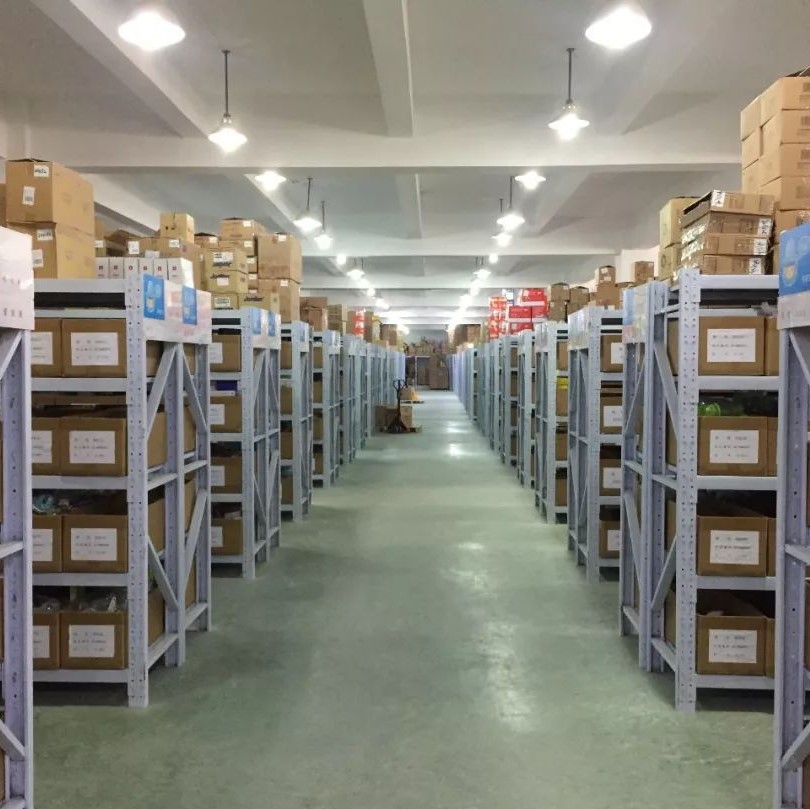
Every piece of equipment undergoes a rigorous multi-stage testing process inside our manufacturing facility before leaving the floor, ensuring reliability under extreme field conditions.
Why China's Supply Chain Combined with Soras's Testing Protocols Ensures Field Performance
Optical hardware operating in outdoor environmental monitoring enclosures faces unique physical stressors. A transceiver or switch must remain operational in freezing winter blizzards as well as desert heatwaves. At Soras Technology, we run each batch of products through a series of environmental chambers and precision calibration protocols. This meticulous approach guarantees that our hardware operates seamlessly under real-world conditions.
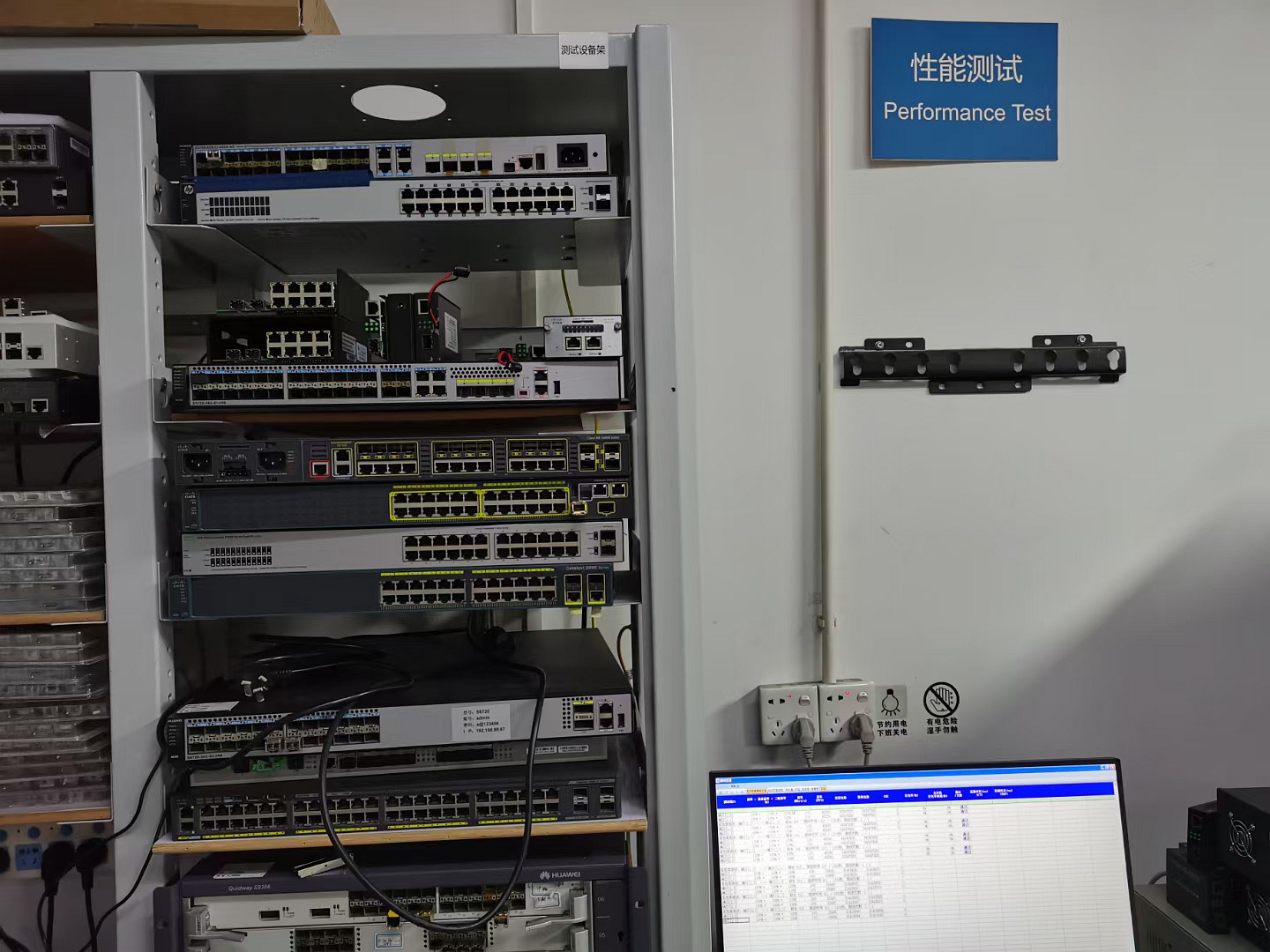
Our simulation platforms replicate high-congested traffic loads over extended fiber runs to verify optical budgets, jitter performance, and baseline signal-to-noise ratios (SNR).
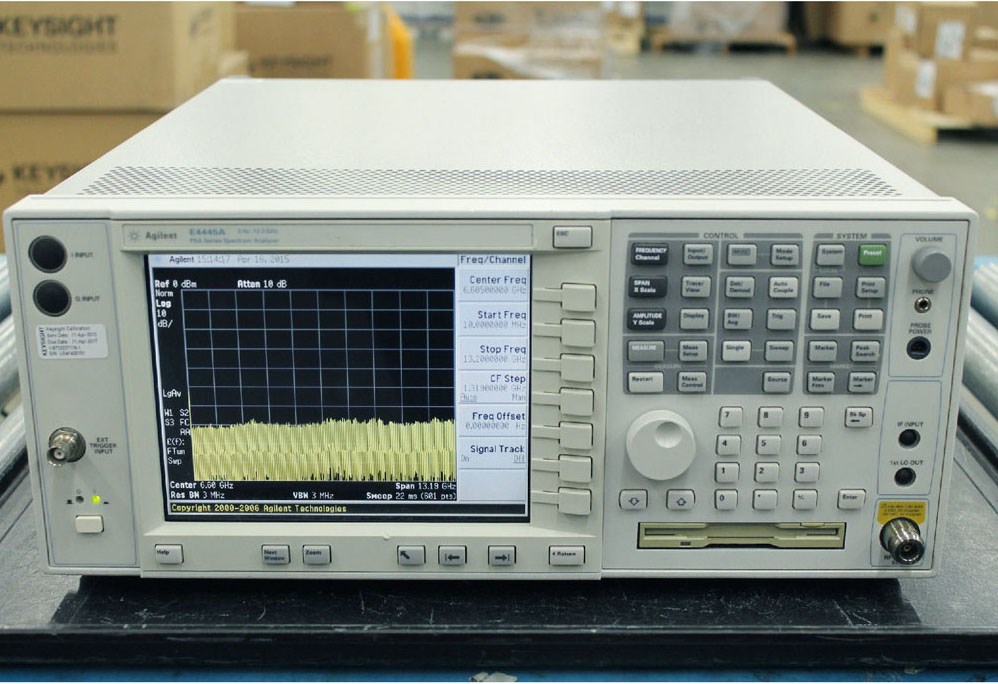
Using advanced bit error rate testers (BERT), we verify that our SFP modules and ONUs sustain error-free transmission under extreme load, ensuring continuous telemetry reporting.
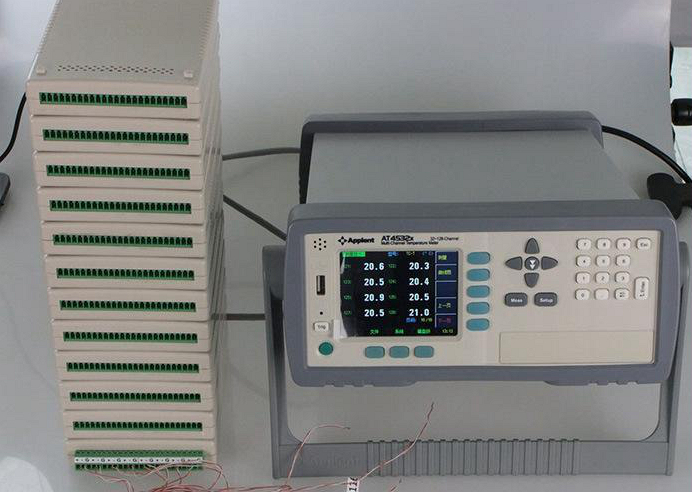
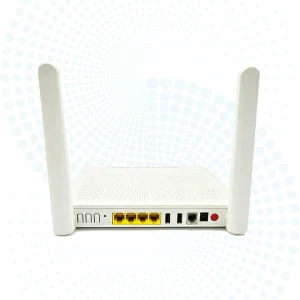
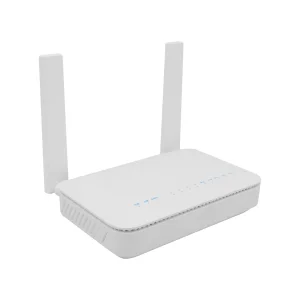
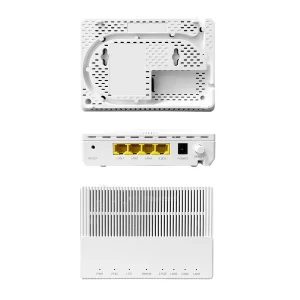
For ONU devices like the WiFi 6 F6610M, we calibrate the 2.4G/5G dual-band radio frequencies to optimize signal strength, and bypass potential local RF interference.
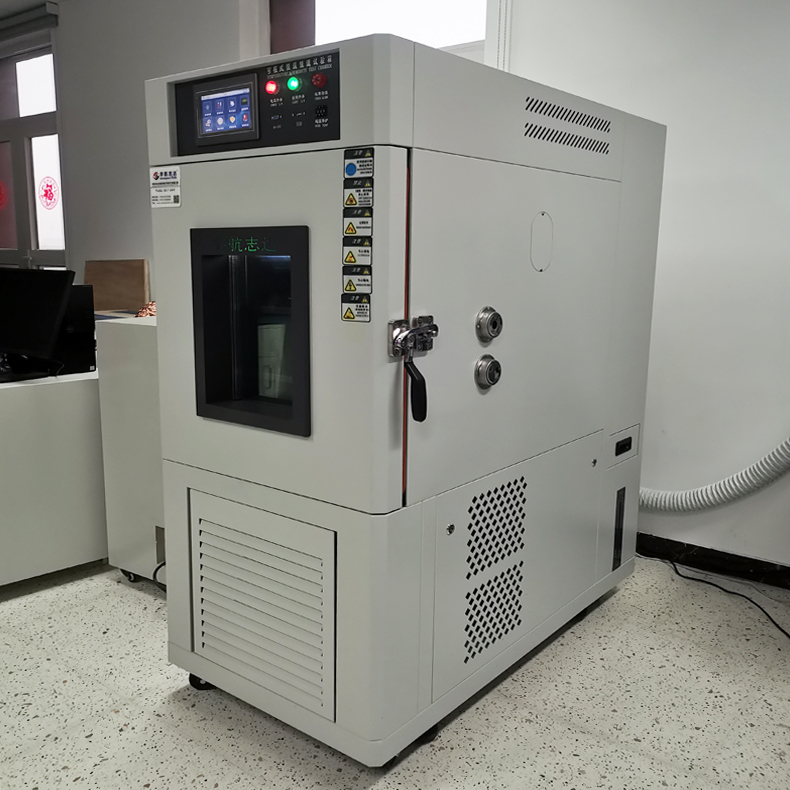
We stress-test our hardware in thermal chambers ranging from -40°C to +85°C. This ensures that the lasers and capacitors inside our transceivers and switches do not experience thermal drift or early failure in harsh environments.
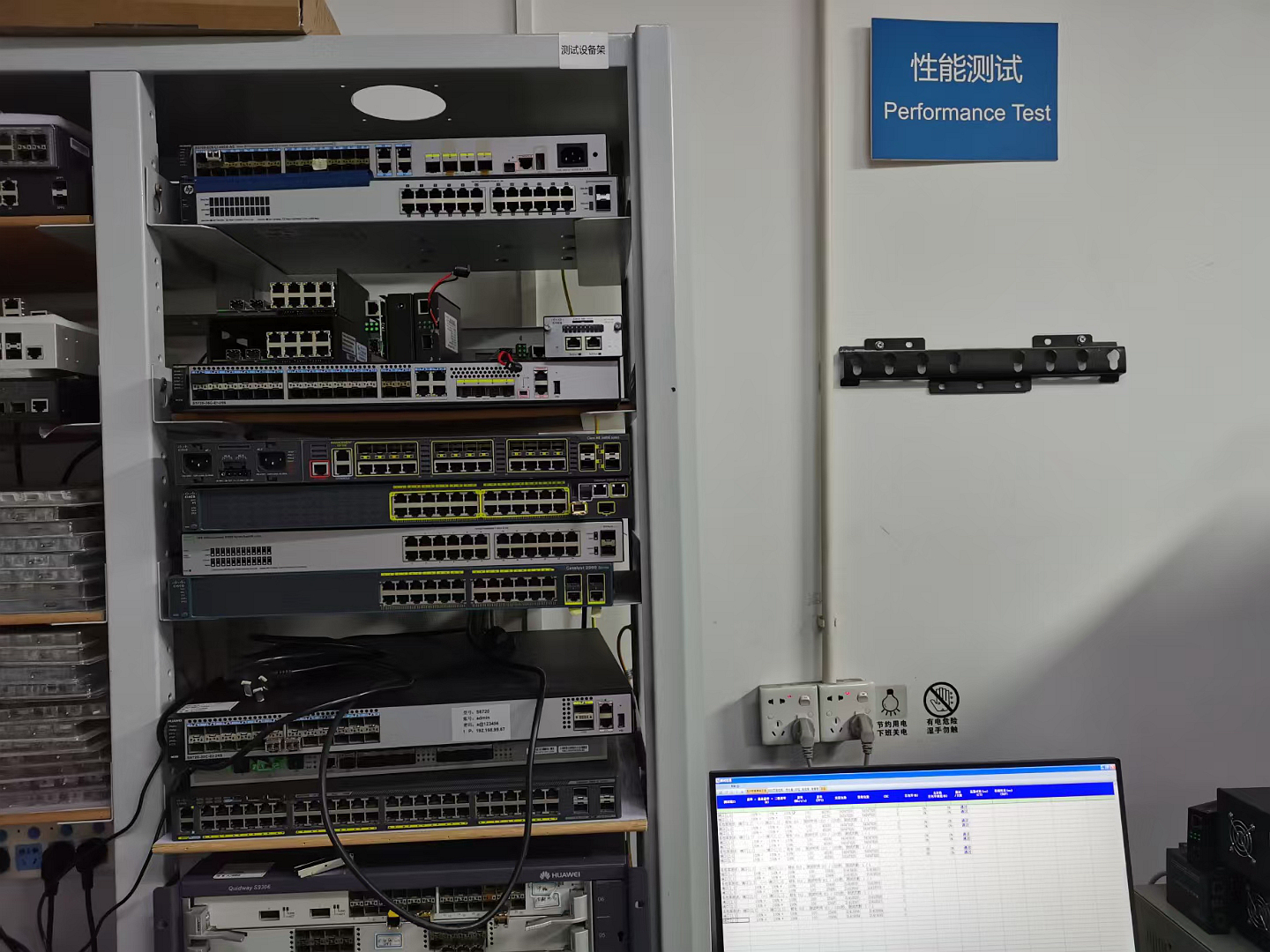
By simulating major international ISP and OLT environments, we guarantee that our GPON/XPON ONUs integrate seamlessly with standard network backends without vendor lock-in.
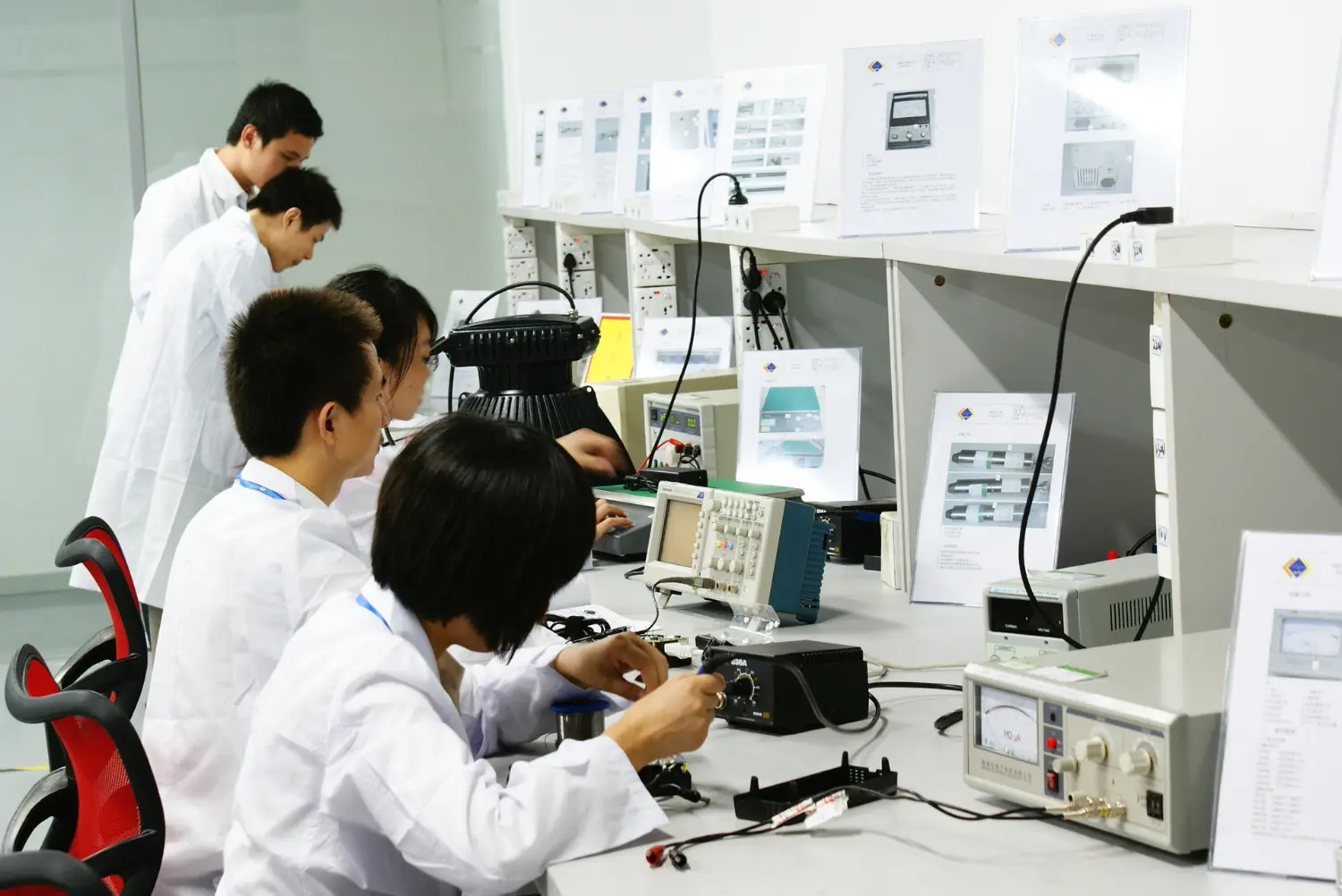
Each unit is checked for voltage tolerance, power consumption optimization, and physical link stability. This ensures reliable operations when powered by solar or battery-backed systems.
Aligning Fiber Optics with Future Environmental Telemetry Standards
Traditional monitoring networks relied heavily on copper cabling or basic wireless modules. However, as environmental sensor nodes demand higher bandwidth to stream raw HD imagery, Lidar maps, and continuous meteorological telemetry, fiber optics has pushed closer to the sensor. High-speed XPON/GPON ONU nodes allow environmental monitoring stations to connect directly to the primary regional telecom infrastructure, lowering latency and removing the vulnerability of copper lines to lightning strikes.
Maintenance in remote areas (like national parks, marine reserves, or mountainous regions) is cost-prohibitive. The industry is rapidly adopting edge networking hardware equipped with AI watchdogs. Our Smart AI PoE Switches automatically monitor the status of attached sensor cameras. If a device stops responding due to firmware freeze, the switch automatically cycles the PoE port power, restarting the node and keeping the network online without field technician intervention.
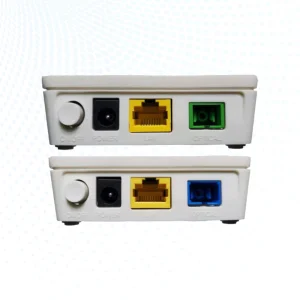
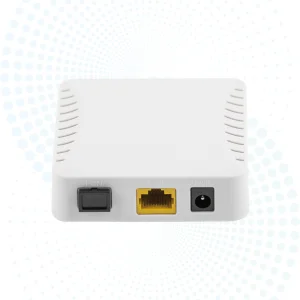
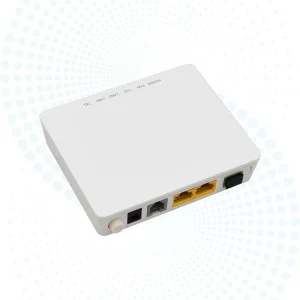
Because environmental sensing arrays are often powered by clean energy sources like solar panels and batteries, the communication hardware must be highly energy-efficient. Our compact, low-power ONUs (such as the HG8310M and EG8120L) are designed to reduce thermal output and energy consumption, allowing solar setups to operate reliably through long periods without sunlight.
Why Procurement Managers Choose Soras Technology in Shenzhen, China
Located in the heart of China's optical communication hub, Soras Technology leverages a robust local component ecosystem. This enables us to source raw chips, high-speed lasers, and specialized PCB components quickly, reducing manufacturing lead times compared to global competitors.
We understand that environmental monitoring projects require custom integrations. We offer tailored firmware, custom silk-screen branding (Logo customization), custom housing designs, and unique packaging options. This enables global operators to scale their systems under their own brands.
Our vertically integrated production—from SMT mounting to manual calibration and temperature stress testing—minimizes operational waste. We pass these savings directly to our clients, offering competitive pricing without compromising on material quality.
Technical and Sourcing Insights for Optical Transmission Networks
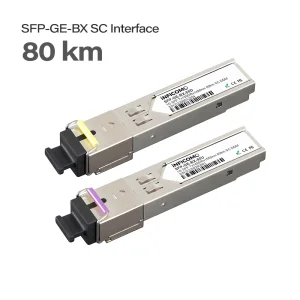
Our industrial-grade SFP and Bidi modules utilize advanced internal temperature compensation algorithms and laser components selected for thermal tolerance. During our testing phase, every transceiver undergoes high-low temperature testing (-40°C to +85°C) to prevent wavelength drift and optical power loss under extreme conditions.
Yes. We specialize in software optimization and system interoperability. Our dedicated R&D team can customize firmware protocols to ensure our ONUs (such as XPON HG1001 or F6610M WiFi 6 routers) integrate seamlessly with third-party OLT brands like Huawei, ZTE, Fiberhome, or Nokia, avoiding vendor lock-in.
Soras POE switches feature an integrated AI VLAN Watchdog. In solar-powered telemetry installations, network equipment can lock up due to unstable voltage feeds. Our switches automatically monitor port traffic and power cycle unresponsive connected devices, reducing the need for costly site visits to restart frozen equipment.
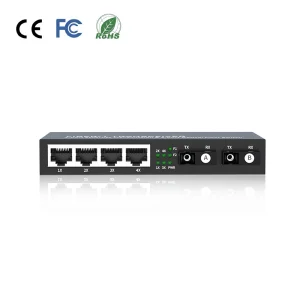
All our main transmission devices, fiber media converters, and ONUs have passed ISO 9001, UL, CE, FCC, and RoHS certifications. This ensures full compliance with international safety, environmental, and radio-frequency emissions standards, allowing for hassle-free custom clearance and implementation.
Yes. While we operate large-scale SMT lines, we maintain flexible production capacity to support small-batch pilot programs. We assist engineering teams by providing customized logos, custom firmware configurations, and prototype units to validate environmental telemetry networks before full roll-out.
We provide standard warranties of 12 to 18 months across our product lines, including PoE splitters and fiber transceivers. We offer long-term technical support and firmware updates to ensure stable operations for our global clients.
End-to-end optical connectivity products for smart city sensors, weather stations, and industrial automation networks.